Le Vigne di Raito: Visiting the Amalfi Coast Vineyard
Le Vigne di Raito in Vietri sul Mare is reservation-only, with two published start times and a tasting option. Here is how to plan the visit and the trip.
On this page
Le Vigne di Raito sits in Raito, a hill village in the municipality of Vietri sul Mare, at the eastern end of the Amalfi Coast. It is not a walk-in cellar door: the estate takes visitors by reservation, with published start times of 11:30 and 17:30. That fixed-schedule model, rather than an open tasting room, is what shapes a day here.
The estate farms organically and sells under two labels, Ragis and Vitamenia, alongside older vintages and magnums. For anyone building an itinerary around wine tasting in Amalfi, this is a compact, appointment-driven stop best paired with the rest of Vietri sul Mare rather than treated as a standalone destination.
Where Le Vigne di Raito is and how it sits on the coast
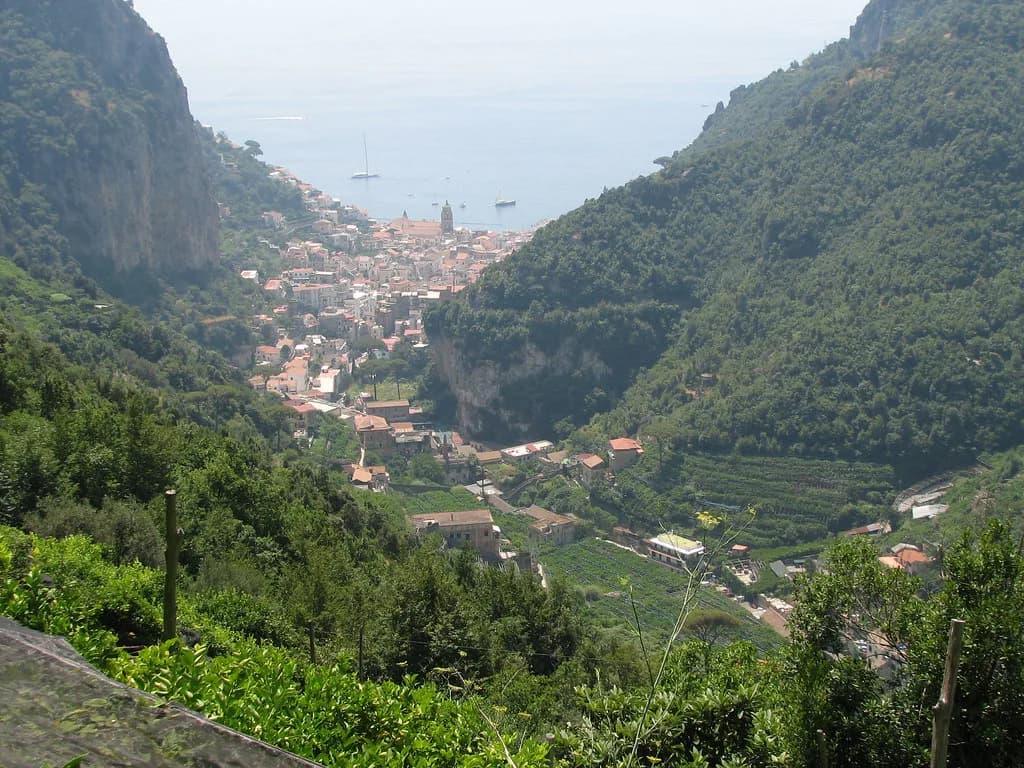
The winery address is Via San Vito 9, Raito, Vietri sul Mare, in the province of Salerno. Raito climbs above the coast road, so the final approach is uphill from the Vietri waterfront rather than a flat stroll from a station. Vietri sul Mare itself is the first town on the Amalfi Coast when coming from Salerno, which makes Salerno the more practical base for an early slot and Amalfi the better base for a late one.
Distances on this stretch of coast are short in kilometers and long in minutes. The road from Salerno to Vietri is a straightforward run, while the continuation toward Amalfi twists through several towns and slows sharply in season. If you are staying in Amalfi or further west, plan the visit as a half day with buffer time on either side rather than squeezing it between two other stops.
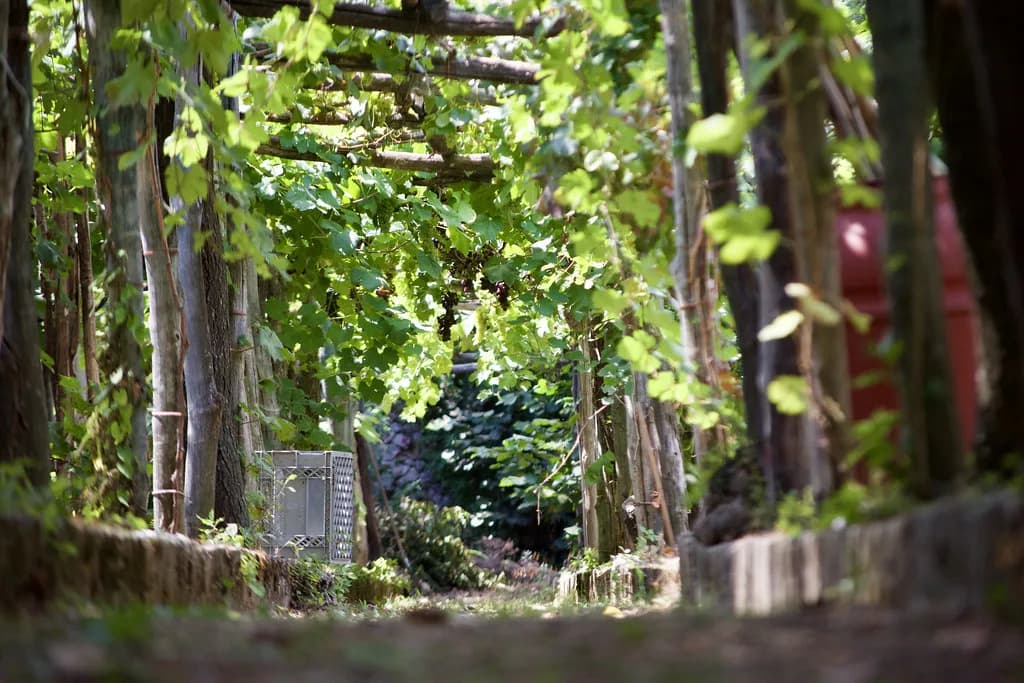
The estate's position on hillside terraces above the sea is the reason to come here rather than to a valley-floor cellar. Terraced coastal vineyards are small, steep and worked largely by hand, which is why visits are organized in fixed slots instead of casual drop-ins. Expect a tour that moves between vineyard and cellar on uneven ground.
The wines: Ragis, Vitamenia and organic farming
Two estate labels appear consistently on the winery's own shop: Ragis, sold in red vintages including 2019 and a 2015 magnum, and Vitamenia, with a 2021 rosé listed. The site describes the approach as capturing each season from the growing site rather than reproducing a fixed flavor profile year after year. For a visitor, that means the vintage on offer matters more than a house style you can count on repeating.
Campania's coastal vineyards are typically planted with local white and red varieties, and the region's better-known protected appellations include Furore and Ravello on the Amalfi Coast side. The winery's own pages list its wines as organic without detailing blends or aging. If grape varieties and appellation rules matter to your choice, ask directly when you book instead of assuming from the label names.
Buying after the tasting is part of the appeal here, and the shop also lists older vintages and magnum formats alongside current releases. Stock rotates with vintage, so what you taste may not be what is available in every format. Shipping and luggage rules for bottles are worth settling before you commit to a magnum.
What a visit includes and when it starts
Le Vigne di Raito states plainly that it is open by reservation only, with slots at 11:30 and 17:30. Those two times are the backbone of any plan: the morning slot leaves the afternoon free for Vietri, and the late slot works if you are coming from Salerno after a morning elsewhere. Neither time is a drop-in window, so arriving without a booking is not a realistic option.
Third-party listings describe the experience as a cellar and vineyard tour guided with a sommelier, which matches the estate's own framing of a tour rather than a counter tasting. The winery's pages do not publish a duration, a number of wines poured or a food pairing, so treat any figure you see elsewhere as unconfirmed. The ground is terraced and sloped, and sturdy shoes make the vineyard section easier.
Published pricing and what to ask before you book
A published answer from the estate lists a vineyard tour with wine tasting at €45 per person as one of several options, alongside alternatives the winery offers. That figure dates from 2015 and should be read as an indication of scale, not a current quote. Ask for the present rate and for what each option includes when you make contact, since the differences between them are what determine value.
When comparing options, the questions that matter are how many wines are poured, whether the vineyard walk is included or cellar-only, whether food comes with it, and how long the whole visit runs. A lower price with no vineyard walk is a different product, not a discount. Get the answers in writing by email so you can compare offers side by side.
For a couple, the per-person rate is the whole cost of the tasting; for a group, transport up to Raito often costs more than the tasting itself. Budget the transfer first and let the tasting fee follow from it. That ordering keeps a taxi-heavy plan from quietly becoming the most expensive part of the day.

Booking in practice: phones, email and timing
The winery lists Italian mobile numbers, a US line and an email address for inquiries, and directs visitors to book a tour through the site. Small estates on the coast fill fixed slots quickly in spring and autumn, so contact them as soon as your dates are firm rather than the week before. State your preferred slot, party size and whether anyone in the group does not drink.
Because only two start times exist per day, a single booked group can close a slot entirely. If your dates are fixed by flights or a hotel, ask about both times at once and keep a backup day open. Confirm the meeting point and arrival margin in the same exchange, since the last stretch up to Raito can eat into your buffer.
Reply times on a small farm vary with the season, and harvest is the busiest period on any estate. If you have not heard back within a few days, follow up by phone rather than assuming the visit is arranged. Keep the confirmation message with you on the day.
Getting to Raito without driving
The simplest car-free route is the train to Vietri sul Mare, on the line between Salerno and Naples, followed by a taxi or prearranged transfer up to Raito. The village sits above the town, so the final leg is a climb rather than a flat walk. Ask the driver for Via San Vito by name, since Raito's lanes are narrow and not every address is obvious from the main road.
Buses run along the coastal road serving Vietri and the towns toward Amalfi, but they drop you on the coast road, not at the vineyard gate. From there you still need a taxi or a steep walk with time to spare. For a fixed 11:30 or 17:30 start, a booked transfer removes the main risk of the day.
Anyone renting a car should treat the driver as a non-taster. Use the spittoons, or split the group so one person stays alcohol-free, and remember that coastal roads and narrow village lanes demand full attention. Public transport plus a short taxi is often the lower-stress combination.

Independent visit versus a guided tour from Amalfi or Salerno
Going independently gives you control over which slot you take and lets you spend the rest of the day in Vietri on your own schedule. The trade-off is logistics: you arrange the train, the taxi up to Raito, and the return, and a missed connection can cost you a fixed slot. It suits travelers based in Salerno or Vietri who can travel light and early.
An organized wine tour from Amalfi or Salerno folds transport and sometimes a second stop into one booking, which matters when the coastal road is slow. The trade-off is less flexibility and a schedule set by the operator rather than the winery's two times. Compare what each tour actually includes before choosing, since itineraries and group sizes vary widely.
If you want to compare terraced coastal estates, the Marisa Cuomo winery in Furore is the other benchmark name on this coast, further west along the same road. Combining two estates in one day is possible only with a car and driver or a tour, given the driving times involved. Most visitors get more from one unhurried visit than from two rushed ones.
Pairing the visit with a Vietri sul Mare day
Vietri sul Mare is known for its ceramics, and the town center has workshops and shops within walking distance of the seafront. A morning visit to the vineyard followed by an afternoon of ceramics and a waterfront meal makes a balanced day. The 17:30 slot works better if you prefer to start with the town and finish with the tasting.
Build the return trip before you commit to the evening slot. Services back toward Salerno and along the coast thin out later in the day, and the climb down from Raito adds time you should not compress. If you are dependent on public transport, the morning visit is usually the safer choice.
Plan Your Visit
Le Vigne di Raito rewards planning more than spontaneity: two fixed start times, a reservation-only policy and a hillside address above Vietri sul Mare. Decide first how you will reach Raito, then choose the slot that fits your transport, then book with your preferred time clearly stated. Confirm the current price and what the chosen option includes when you make contact, since published figures can age.
Treat the visit as the anchor of a Vietri day rather than a quick add-on, arrange a sober driver or a transfer, and leave margin for the climb and the coastal road. Done that way, a small organic estate on terraces above the sea becomes one of the more memorable half days on this stretch of coast.
Frequently Asked Questions
How much does a visit to Le Vigne di Raito cost?
The estate has published a vineyard tour with wine tasting as one of several visit options, and that published rate dates from 2015. Current rates and what each option includes are best requested directly by email or phone when you book, because the estate lists more than one format and the differences between them determine value.
Do you need a reservation at Le Vigne di Raito?
Yes. The winery states that it is open by reservation only, with slots at 11:30 and 17:30. Arriving without a booking is not a realistic option, particularly in spring and autumn when fixed slots fill quickly.
What times are visits at Le Vigne di Raito?
The winery publishes two start times, 11:30 and 17:30. Both are fixed slots rather than an open tasting room, so your choice depends mainly on how you are traveling back toward Salerno or Amalfi afterward.
How do you get to Le Vigne di Raito without a car?
Take the train to Vietri sul Mare, then a taxi or prearranged transfer up to Raito, where the winery is on Via San Vito. Coastal buses stop on the main road below the village, leaving a climb to the vineyard, so a booked transfer is the more reliable option for a fixed start time.
What wines does Le Vigne di Raito make?
The estate sells under two labels, Ragis and Vitamenia, with organic farming, and its shop also lists older vintages and magnums. The winery's own pages do not detail grape varieties or blends, so ask when booking if that matters to you.
Is Le Vigne di Raito near Amalfi or Salerno?
It is in Raito, part of Vietri sul Mare, the first town on the Amalfi Coast when coming from Salerno. Salerno is the closer and easier base for the morning slot, while Amalfi works better for the late afternoon slot with a prearranged transfer.
Sources
Notes for your next wine trip
Optional updates to our winery and wine-town guides.
You might also like


Continue reading
More guides you'll find useful