Amalfi Coast Wineries: Where to Taste and How to Get There
Plan a wine day on the Amalfi Coast: which villages hold the wineries, how Costa d'Amalfi wines are styled, and how to book a driver-led tasting tour.
On this page
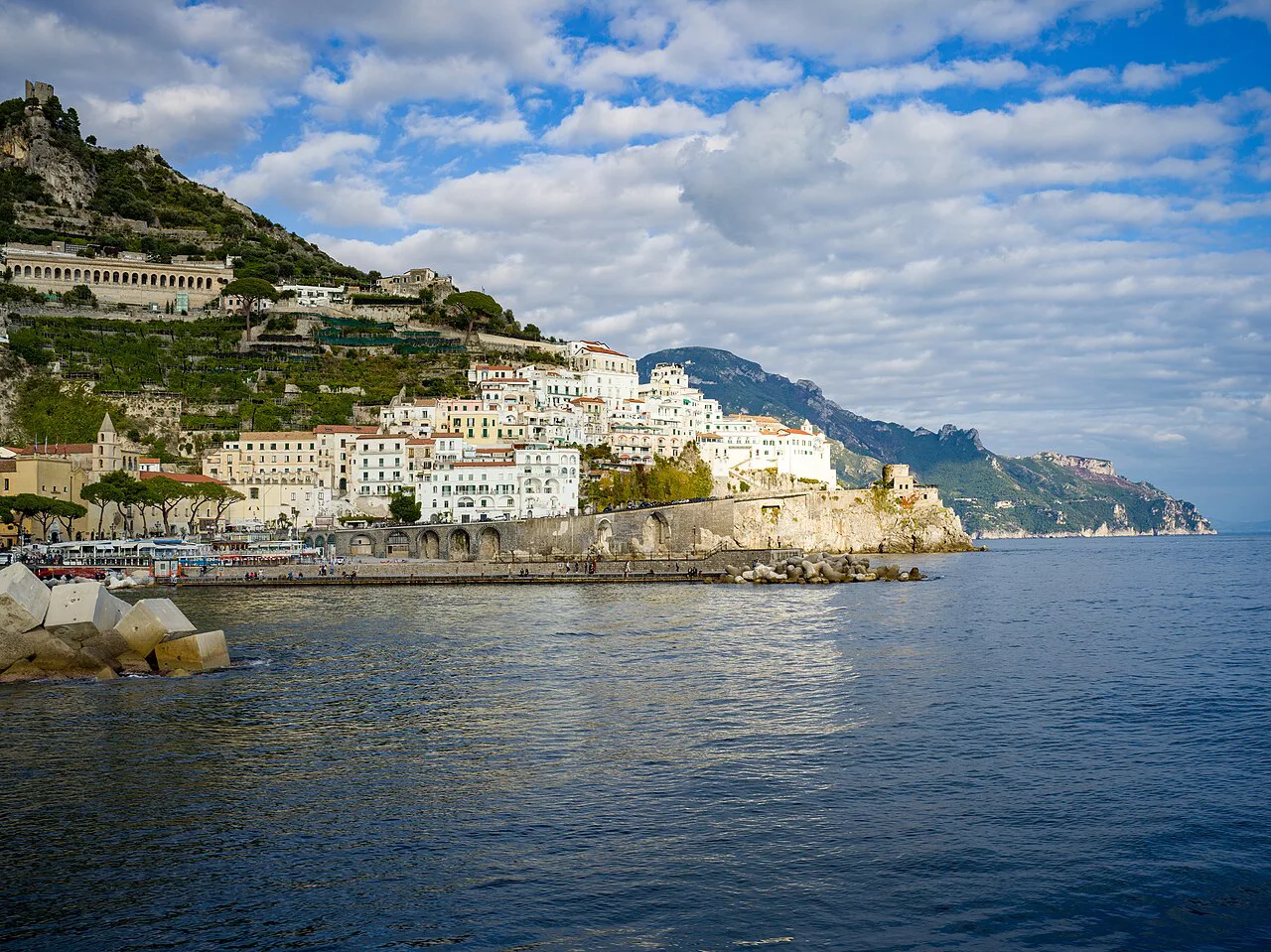
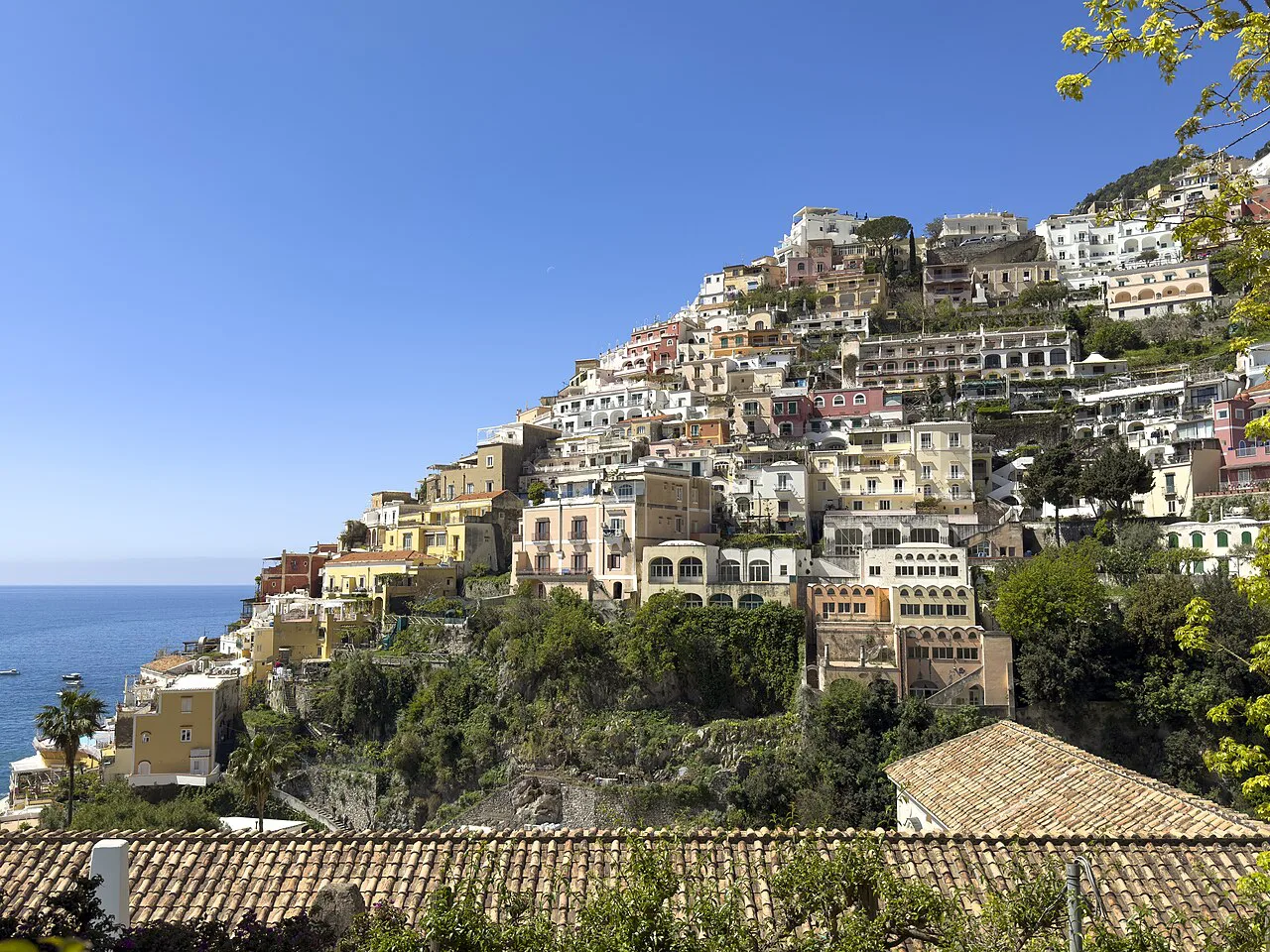
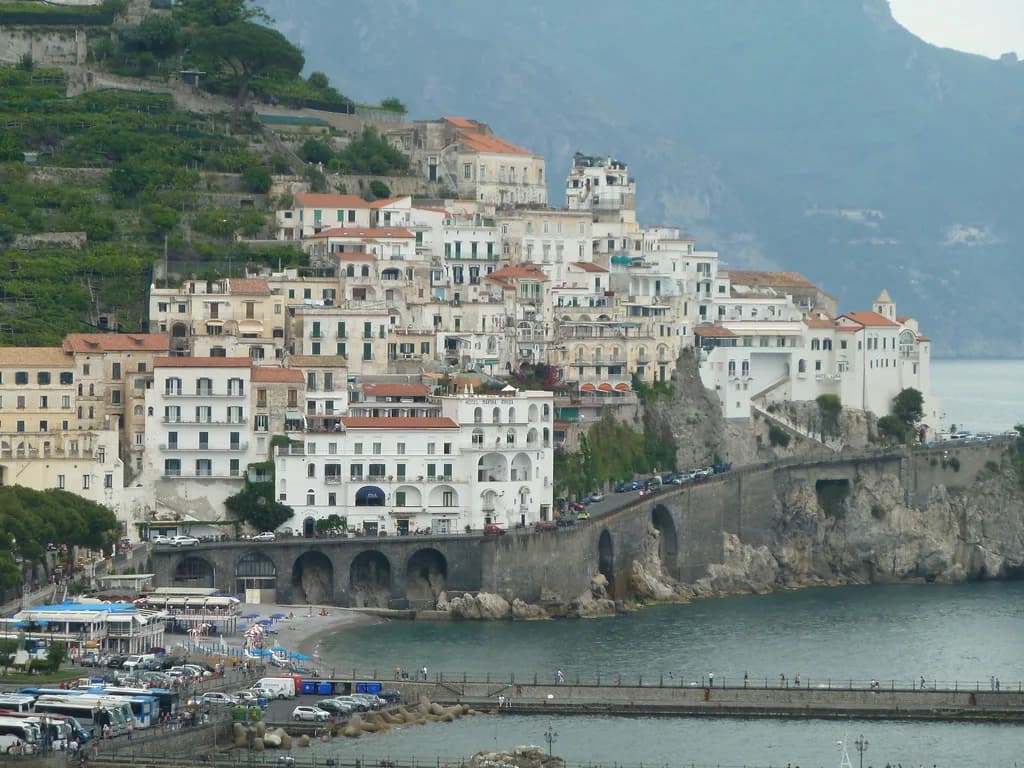
The Amalfi Coast is a vertical wine region: vines grow on narrow terraces cut into cliffs above the sea, and the cellars that receive visitors sit in hill villages rather than along the waterfront. That geography, not the wine list, decides how your day runs. Choosing one village cluster and one or two estates is nearly always a better plan than trying to cover the whole coast.
This guide covers what Costa d'Amalfi wine is, where the visitor-ready estates cluster, and how to reach them without driving. It also gives a published tour as a benchmark for cost and logistics, so you can compare an organized day with an independent one.
What Amalfi Coast Wine Is: Costa d'Amalfi DOC Explained
Wines from this stretch of Campania are bottled under the Costa d'Amalfi denomination, which covers the coastal strip around Amalfi and its neighboring villages. Local producers work mainly with white grapes, and the region's whites are the wines most travelers come to taste, though red styles are also made. When you book, ask which wines are poured and whether they carry the Costa d'Amalfi name.
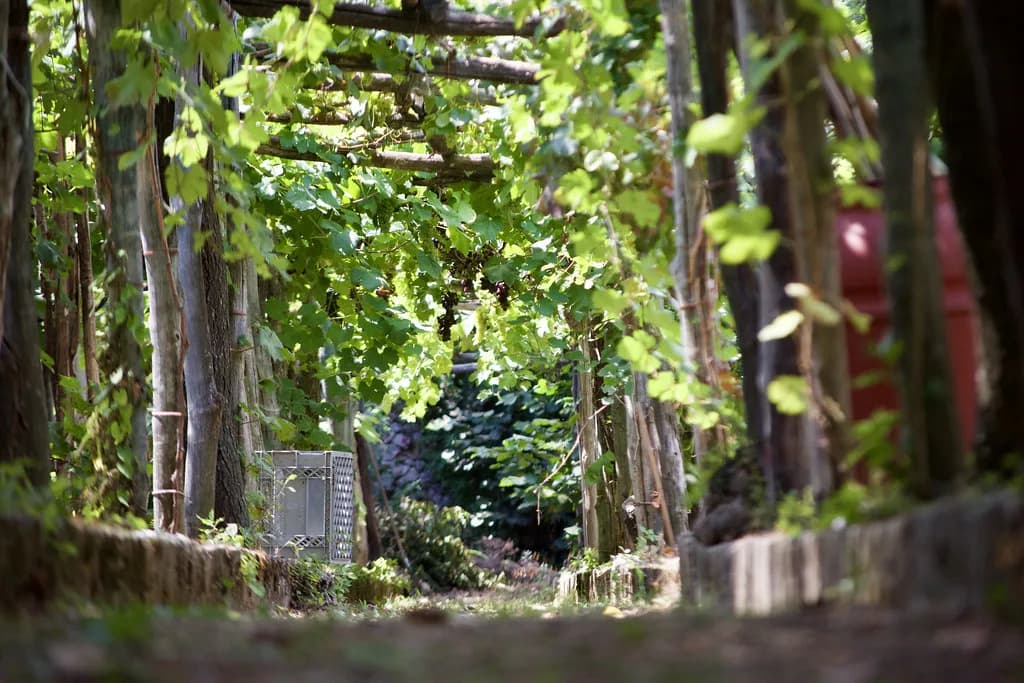
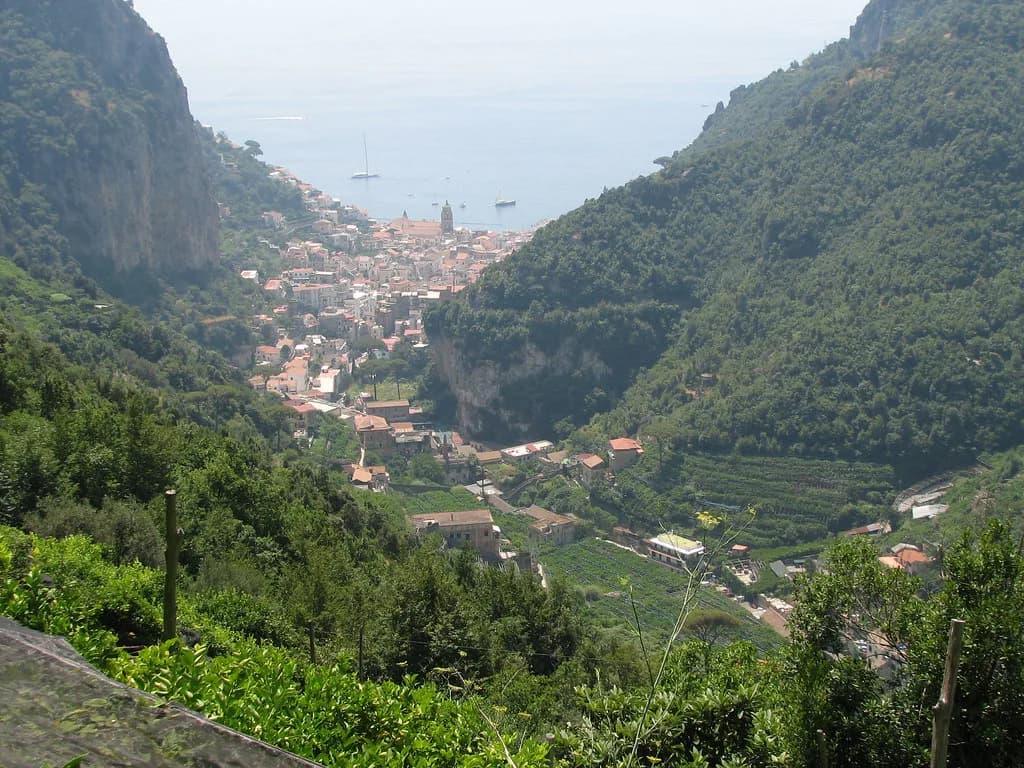
The vineyards themselves are the story. Vines are trained on terraces carved into steep slopes that fall toward the Mediterranean, and the cellars in Amalfi were cut into the hillside rock long before the modern era. This is labor-intensive farming on small plots, which is why the coast's production is limited and why a tasting here feels different from a broad estate visit in Tuscany.
If you want the broader context of the local wine scene, the regional wine tasting overview is a useful companion to this village-by-village planning guide. If you are weighing whether to stay on the coast or across the bay, the Sorrento wine guide covers the same decision from the other side of the peninsula.
Where the Wineries Are: Furore, Tramonti, Ravello, Vietri sul Mare
Visitor-ready estates cluster in the hill villages behind the main coastal towns. Furore sits in a deep fjord-like inlet between Amalfi and Praiano and is the coast's best-known wine village; Tramonti lies in the green interior valley above Maiori and is the largest vineyard area; Ravello, on its headland above Amalfi, and Vietri sul Mare, at the coast's eastern end near Salerno, round out the practical options. Group your day around one of these villages rather than scattering visits along the whole coast.
For the best-known producer in Furore, the dedicated winery page explains the visit format and how to arrange a tasting at the estate.
At the eastern end of the coast, this terraced estate above Vietri sul Mare is a natural pairing with a Salerno base or a ferry arrival.
The Lay of the Land: Terraced Vineyards and Why Distances Matter
Straight-line distances on the Amalfi Coast are deceptive. The coast road winds along cliffs, buses stop frequently, and a village that looks close on a map can take far longer than expected in a car. A wine day here is built around travel time, so two estates in the same valley beat three estates spread from Positano to Vietri.
Terraced vineyards sit above the villages, often reachable only by steep paths or narrow lanes, and many visits focus on the cellar and tasting room rather than a walk through the vines. If walking the vineyard matters to you, say so when you book, because not every estate offers it.
Tasting Options with Published Prices: Full-Day Two-Vineyard Tours
One published benchmark is a full-day tour from Salerno that visits two vineyards, includes a guided tour of each estate, a tasting of three Costa d'Amalfi wines with local products at the first, and four wines with a full lunch at the second, plus a private driver from the meeting point. It runs about ten hours on Wednesdays with an 08:30 start from Piazza Vittorio Veneto in Salerno, takes 2 to 20 guests in English or Italian, and is priced at 350 euros per adult with free cancellation up to two days before.
Shorter formats exist too. The same operator lists a two-hour vineyard, winery and olive grove tasting in the Salerno area for small groups, which suits travelers who want a single estate rather than a full loop. Compare inclusions carefully: a driver, two estate tours, seven wines and lunch explain most of the price of the long day.
An alternative model is a private driver who collects you at your hotel in Sorrento, Positano or nearby, takes you to a Costa d'Amalfi cellar for a vineyard and cellar tour, then a seafood lunch in a village osteria before an afternoon estate visit. This suits travelers staying on the coast rather than in Salerno, since the day starts at your accommodation.
Tour prices and inclusions change by season and group size, so read the current listing before you commit. Browsing the Amalfi Coast wine tours roundup helps you compare operators, durations and pickup points side by side.
Confirming Visit Format: Appointment vs Walk-In, Group Sizes, Languages
Small family estates on this coast generally receive visitors by arrangement rather than as walk-in tasting rooms. The safest pattern is to email or call ahead, name your preferred day and time, state how many people are coming, and ask which languages the visit is given in. Organized tours handle this for you and confirm the meeting point in advance.
Ask specifically what the visit includes: how many wines are poured, whether the cellar or vineyard is toured, whether food is served, and how long it lasts. Published group limits vary; some experiences cap at eight or ten guests while larger coach-style days run to twenty, and the difference shapes the atmosphere.
Getting There Without Driving: SITA Buses, Ferries, Taxis and Guided Tours
Public SITA buses run along the coast road linking Sorrento, Positano, Amalfi and Salerno, with branches climbing to hill villages such as Ravello and Tramonti. They are cheap and frequent in summer but crowded, and the last uphill connection back can be early in the evening. Ferries connect the main coastal towns but do not serve the hill villages, so they work best for reaching Amalfi or Salerno before a land transfer.
A driver or organized tour removes the bus timetable problem entirely. Because the coast road is narrow and parking in the villages is limited, a private vehicle with a local driver is the workable option for a multi-estate day. If you plan to taste independently, use spittoons, appoint a designated driver, or take public transport and accept a shorter itinerary; the driver in your group should not taste at all.
Tour vs. Independent Travel: Real Trade-Offs
A guided day costs more but buys logistics: pickup, the drive between estates, pre-arranged tastings and often lunch. It is the sensible choice if you have one day, want two estates, or are staying in Sorrento or Positano without a car. The trade-off is less flexibility: you follow the guide's schedule rather than lingering over a favorite wine.
Independent travel is cheaper on paper and lets you stay longer, but you carry the risk of missed connections, bus crowding and estates that cannot fit you in. It works best if you base yourself in one village, book a single estate in advance, and treat the day as much about the landscape as the wine.
When to Go: Harvest and Season
Late summer and early autumn are harvest time on the coast, when vineyards on the terraces are picked by hand and cellars are busy with the new vintage. There is no published coast-wide timetable for harvest visits, and wineries rarely promise vineyard access during picking, so ask directly about the dates of your stay. Spring is quieter and pleasant for walking between villages, while July and August bring heat and heavy traffic on the coast road.
Outside the main season, many small estates operate on reduced schedules and some close while owners travel or tend the vines. The coast's tourism rhythm also affects buses and ferries, which run more frequently in summer. Build your plan around booked visits and treat the estate's listed opening hours as a starting point, then arrange your day around the times you have actually secured.
What to Ask When Booking
A short, specific email gets a useful answer. Mention your date, party size, whether anyone is driving, any dietary needs and the language you prefer, then ask what the visit includes and how you reach the estate from the nearest bus stop or town. If you are relying on public transport, ask about the last return connection before you commit.
For pricing, ask for the per-person rate and whether it includes food, the vineyard tour or transport. A published example helps you judge quotes: the Salerno full-day tour with two estates, seven wines, lunch and a private driver is listed at 350 euros per adult with free cancellation up to two days before. Use that as a rough yardstick rather than a fixed rate.
For broader traveler reviews of coast wine experiences, the Amalfi Coast listings on Tripadvisor are a reasonable cross-check.
Plan Your Amalfi Wine Day
Pick one village cluster, book one or two estates in advance, and let the geography set your pace. A driver-led full-day tour is the simplest route if you have limited time, while bus-based travel rewards a single estate near your base.
Once you have your dates and a confirmed booking, the rest follows: a short tasting list, a sensible transport plan and a driver who spits. Guests should check the estate's current dates and prices before travelling.
Frequently Asked Questions
Where are the wineries on the Amalfi Coast?
Visitor-ready estates are concentrated in the hill villages behind the main coastal towns, notably Furore, Tramonti and Ravello, with another cluster at Vietri sul Mare near Salerno. The waterfront towns of Amalfi and Positano are bases and transport hubs rather than tasting destinations. Plan one village per day.
Can you visit Amalfi Coast wineries without a car?
Yes, but with planning. SITA buses run along the coast road and up to hill villages, and ferries link the main towns, though neither serves the villages directly. Book a single estate in advance and confirm the closest bus stop and last return connection. For two estates in one day, a driver or organized tour is more reliable.
What wine is made on the Amalfi Coast?
The local denomination is Costa d'Amalfi, and the coast's whites are the wines most travelers focus on, alongside red styles. Production is small because the vineyards sit on hand-worked terraces above the sea. Ask at booking which Costa d'Amalfi wines are poured.
How much does an Amalfi Coast wine tour cost?
Rates depend on the operator, season and group size; a full-day tour bundling two estates, lunch and a private driver sits well above a single-estate tasting. The booking page shows the current per-person price and what it includes. Compare that total against a single estate visit plus your own transport.
Do you need reservations for Amalfi Coast wineries?
Most small family estates receive visitors by arrangement rather than as walk-ins. Email or call ahead with your date, party size and language preference, then ask what the visit includes. Organized tours handle the bookings for you and confirm the meeting point in advance.
When is grape harvest on the Amalfi Coast?
Harvest generally falls in late summer to early autumn, when the terraced vineyards are picked by hand. Wineries rarely promise vineyard access during picking, so ask about your specific dates. Spring is quieter for walking between villages, while July and August are hot and busy on the coast road.
Sources
Notes for your next wine trip
Optional updates to our winery and wine-town guides.
You might also like
Continue reading
More guides you'll find useful