
Wine Tasting in Sorrento: Cellars & Vesuvius Wines
Plan wine tasting in Sorrento with a historic town cellar, a Nerano farmhouse tasting with published packages, and the Vesuvius wine zone beyond the coast.
On this page
Sorrento sits on a peninsula where lemon groves and olive terraces outnumber vineyards, so the smart plan treats the town as a base for tasting rather than a wine village in itself. Within the town walls a historic winery receives visitors, and out at Nerano on the far tip of the peninsula a farmhouse runs structured tastings with published packages. Beyond that, the volcanic slopes of Vesuvius hold the closest classic wine district, the home of Lacryma Christi.
This guide covers three moves: a cellar visit in Sorrento town, a coast tasting at Nerano, and a day trip toward the Vesuvius vineyard zone. It breaks down what each tasting includes, how the booking culture works on the peninsula, and where public transport, transfers and guided tours fit in. Anyone driving should plan to spit or appoint a designated driver, since a tasting day and a car do not mix.
Why Sorrento Works as a Wine Base
Think of Sorrento as a hub with three rings: the town center, the villages along the peninsula toward Massa Lubrense and Nerano, and the mainland side where Vesuvius rises behind Naples. The first two are easy half-days from a Sorrento hotel, while Vesuvius is a full excursion involving a train or car toward the volcano's lower slopes. That layering is why the town works better than visitors expect: you are not choosing between one cellar and another but between a town tasting, a coast tasting and a vineyard-zone day.
The peninsula itself is not a large appellation, and most wine you will taste in local cellars comes from grapes grown elsewhere in Campania, especially the Avellino and Benevento provinces inland. Coastal vineyards exist but are small and often tied to family estates rather than visitor-oriented wineries. That is why a Sorrento tasting leans on the cellar-and-glass experience, with the winemaking story of Campania told as context rather than a walk through rows of vines.
If your goal is walking vineyard rows, look at the Vesuvius side or plan a longer Campania loop that includes Avellino. If your goal is a well-run tasting within easy reach of a Sorrento hotel, the town cellar and the Nerano farmhouse both deliver, and one of them does it with a cellar tour included. Guided wine-tasting tours are also sold across the area, which is worth knowing if you want transport and logistics bundled.
The Local Wine Picture in Brief
Campania's white grapes are the ones to learn first. Falanghina gives a fresh, aromatic white grown widely on the region's hills, Greco and Fiano are the structured, ageworthy whites of the Avellino area, and both appear on Campanian wine lists well beyond their home zones. Falanghina is the easiest introduction on a Sorrento list, and it pairs with the seafood and mozzarella the coast does well.
For reds, Aglianico is Campania's flagship grape, producing firm, dark wines from inland zones such as Taurasi and Aglianico del Taburno. Piedirosso is the other name to know, a lighter red historically planted around Vesuvius and the Phlegraean fields. A tasting that includes a Piedirosso next to an Aglianico shows the range of the region's reds without leaving Campania.
Lacryma Christi is the wine name tied to Vesuvius, produced in red and white versions from vineyards on the volcano's slopes. The name is often used broadly on labels, so the useful question is where the grapes were grown rather than which brand you are pouring. Local whites also lean on Falanghina and the coast's own blends, and Limoncello made from peninsula lemons is the region's other signature pour, usually offered as a closing sip rather than a wine.
Tasting Inside Sorrento Town
Cantine De Angelis is a historic winery in the center of Sorrento that receives visitors and sells its wine, with tastings bookable in the cellar or the vineyard. That combination makes it the most convenient option for anyone staying in town without a car, since it removes the transport question entirely. It is the one named town cellar this guide can point you to as visitor-ready.
The winery's own site confirms the two formats, so request the cellar option if you want the winemaking story and the vineyard option if you want to see vines, and state which you want when you write. Ask in your booking message how many wines are poured, how long the visit runs and whether the vineyard walk depends on the season, because those details are not published on the site. Booking ahead is the sensible default for a small town cellar.
Its central location makes it the natural anchor for a day that also includes the town's other sights, and a tasting here slots neatly around a walk through the lanes near Piazza Tasso. If you want to continue the evening with a glass rather than a full visit, the town's wine bars fill that role, and pairing a cellar visit with a bar stop spreads the drinking across a longer day.
A Farmhouse Tasting in Nerano: Casale Villarena
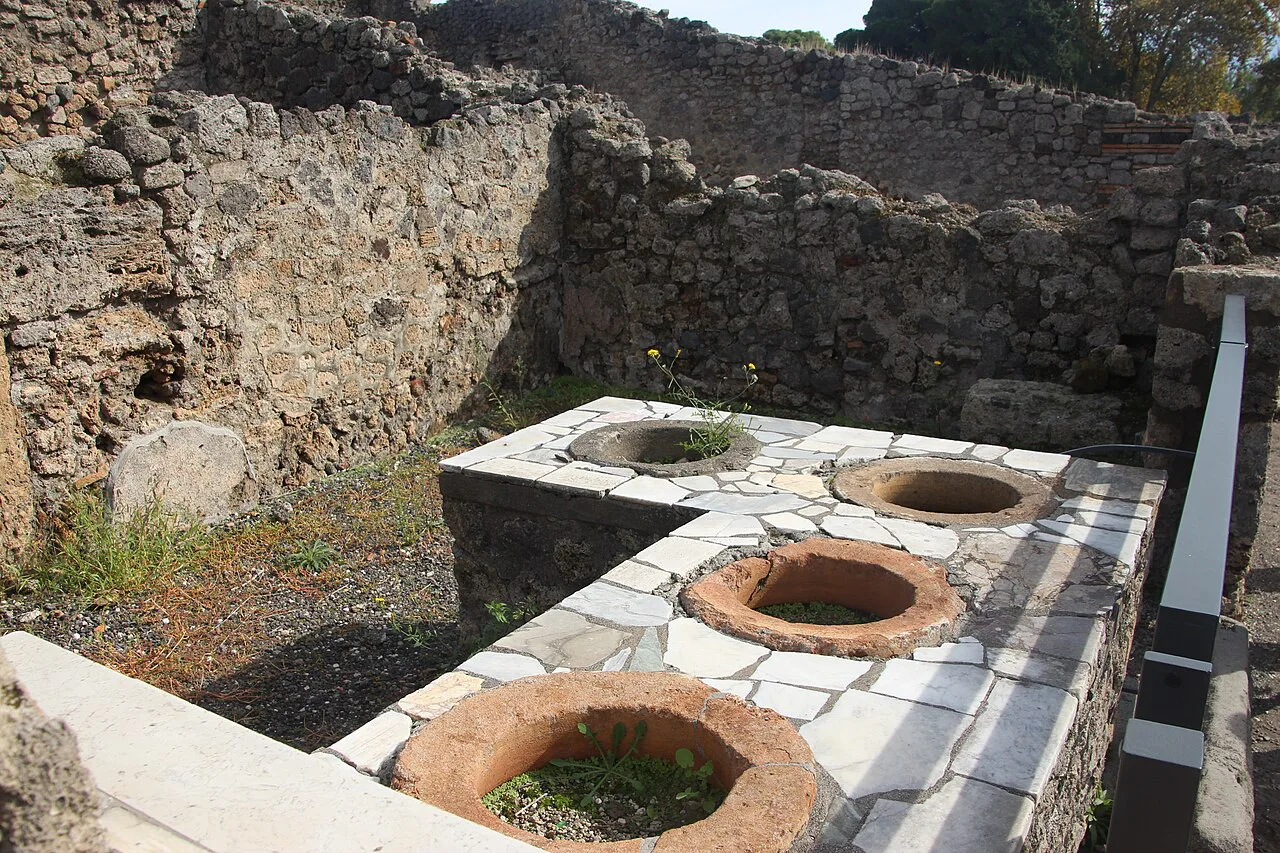
Casale Villarena sits at Nerano, in the comune of Massa Lubrense near the end of the Sorrento peninsula, and runs tastings in its historic cellar with an old-cellar tour and a walk through its organic garden. The venue publishes a clear package ladder, and every format is available daily upon request rather than on fixed open days. That request-based model is the key thing to understand before you plan around it.
The entry-level format is the Wine & Food Tasting, priced at €68 per person, running about an hour at lunchtime, and covering the garden and cellar tour with English explanations, three selected wines, a cheese plate including Provolone del Monaco, a board of typical products, oil-preserved vegetables, a taste of Limoncello and a round-trip transfer that is not included. A 10% service charge is added to the totals. The Gourmet Menu version costs €136, runs about three hours at lunch or dinner, and adds six wines with a bruschetta and olive-oil tasting, antipasto, first course, main course and dessert.
Two further options round out the list: the Gourmet Menu plus round-trip transfer from Sorrento or Positano for four people at €198, and a Wine & Food Tasting with a three-hour hands-on cooking class, also €198. Family pricing is published on the same page, with children under two free and reduced rates for older children on a non-wine menu. Villarena describes availability as daily on request, so book a preferred date and time on the winetastingsorrento.com reservation form instead of turning up for a walk-in slot.
The venue is also worth considering if you would rather sleep near the water than in Sorrento, since it operates as a residence with its own cellar restaurant and wine bar. That makes it a candidate for the agriturismo-style end of a peninsula trip, especially for travelers who want a tasting without a late transfer back to town.
Reading the Villarena Price List
For a couple with a half-day free, the €68 Wine & Food Tasting is the sensible choice: it covers the cellar and garden, three wines and enough food to count as lunch, and it finishes in about an hour so you still have the afternoon. The €136 Gourmet Menu only pays off if you want a proper meal and a broader set of six wines, and it is the better fit for a celebratory dinner or a group that wants to sit for three hours.
The Gourmet Menu with round-trip transfer from Sorrento or Positano covers a party of four, and bundling the meal and transport can simplify the biggest headache of the night. The cooking-class version, priced the same as the transfer package, suits travelers who want to do rather than simply taste, but it builds on the shorter Wine & Food Tasting with a three-hour hands-on lesson rather than on the gourmet menu, so decide which you prefer before booking. Larger groups should ask for a transfer quote, since the published transfer package is built for four.
Treat the service charge as part of the budget: a 10% addition changes the effective per-person spend, so factor it in when comparing this venue against a town cellar with a lower headline price. The catch with the town option is that any food pairing is likely to be lighter, so the Villarena packages are really about the meal as much as the wine.
Getting to Nerano and Marina del Cantone Without a Car
Nerano and the neighboring beach village of Marina del Cantone sit roughly a 20- to 30-minute drive from Sorrento along a winding peninsula road, and the venue's own directions follow the route toward Sant'Agata and then Nerano before reaching its parking area. Buses run along the peninsula toward Massa Lubrense and Marina del Cantone, but services are limited and geared to local needs, so a taxi or a pre-arranged transfer is the more reliable choice for a fixed tasting time.
The practical trade-off: public transport keeps the cost down but eats into flexibility, while a taxi or the packaged transfer carries a price and removes the timing risk. If you book a tasting with a meal and wine, arranging the return leg in advance matters more than saving a few euros on the outbound ride.
The alternative is to sleep out on the peninsula rather than returning to Sorrento after dinner, which turns a logistical problem into a pleasant overnight. Village stays near Nerano and Marina del Cantone put you within a short ride of the tasting room and close to the water the next morning.
Vesuvius and Lacryma Christi: How the Vineyard Zone Is Laid Out
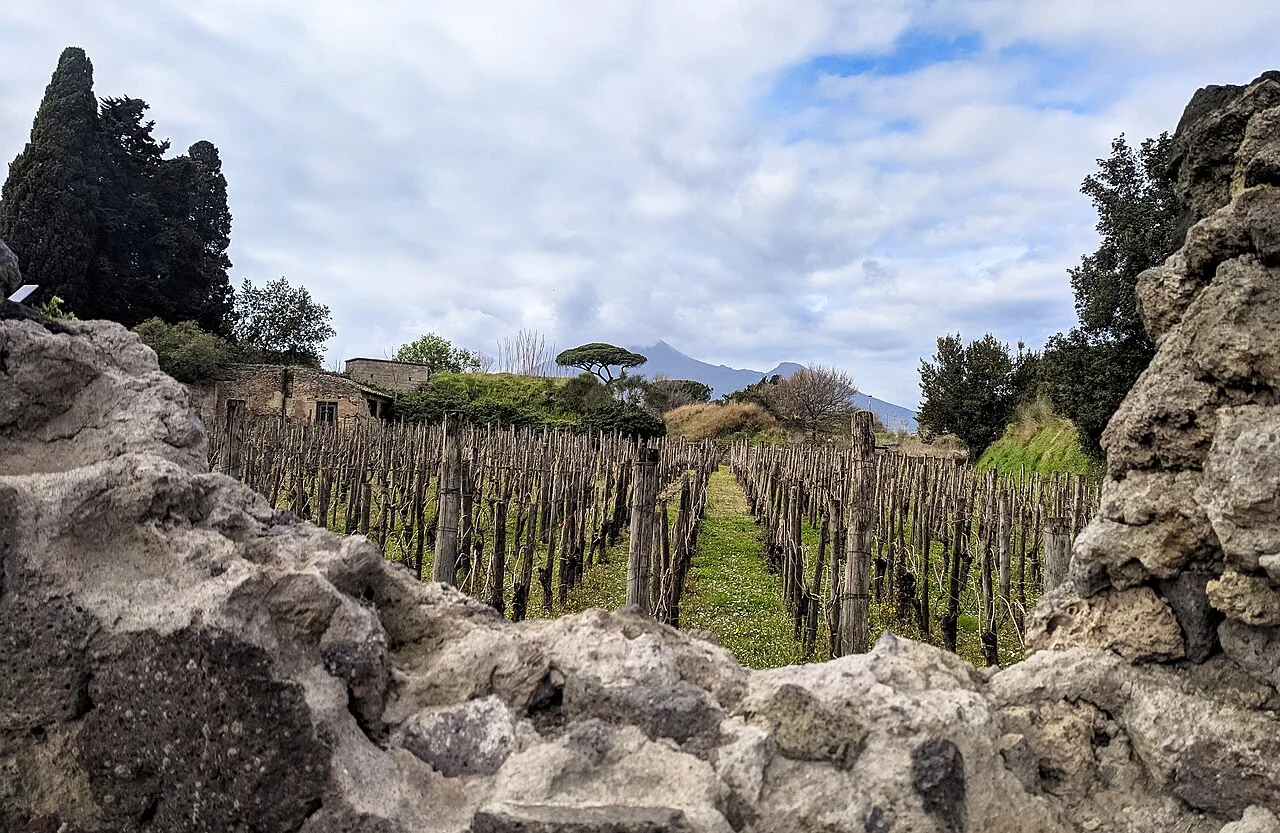
The Vesuvius wine zone wraps around the volcano on the mainland side, with vineyard villages on the lower slopes above towns such as Ercolano, Torre del Greco, Boscotrecase and Somma Vesuviana. The slopes face different directions and sit at different altitudes, so the zone is best treated as a loop of small producers rather than a single wine route to tick off. Group vineyards by the road you approach from and keep the number of stops modest, because driving between them takes longer than the map suggests.
The most straightforward approach without a car is the Circumvesuviana train from Sorrento toward Naples, getting off at Ercolano or Torre del Greco to explore the lower slopes, then adding a taxi for the final climb to any estate. Because individual wineries vary in whether they accept visitors, book directly with each estate — Cantine De Angelis in central Sorrento and the Villarena cellar in Nerano are two starting points — and ask what format the visit takes, instead of expecting a drop-in tasting room.
If you enjoy structured tours, an organized Vesuvius wine day that pairs a vineyard visit with a meal is the low-friction option, and it removes the transport puzzle on the volcano. It also costs more than assembling the trip yourself, so weigh convenience against the flexibility of choosing your own producers.
Booking Culture: Appointment Versus Walk-In
The peninsula runs on appointments. Both the Sorrento cellar and the Nerano farmhouse expect visitors to book in advance, and the farmhouse describes its tastings as available daily upon request rather than at set times. Write in English or Italian, give the date, the number of guests, whether you want a meal, and any dietary restrictions, and state whether you need a transfer. A clear request gets a clear quote in return.
Minimum party sizes are not published for either venue, so ask directly if you are traveling solo or as a pair, and ask whether the experience may be shared with other guests. For the farmhouse, availability is described as daily on request, which means your preferred date and time are exactly what to include. Group organizers should also ask whether a set menu can be adapted for children, since a reduced non-wine menu is part of the family pricing.
One confirmation call or email shortly before the visit is enough to lock in the details. Beyond that, a little patience with reply times is realistic in a region where many small operations answer their own bookings between services.
Independent Trip Versus Organized Tour
Going independently gives you control: you choose the cellar, the time and the pace, and in Sorrento town you remove transport from the equation altogether. The cost of that freedom is doing the legwork, which on the peninsula means understanding limited bus timetables and arranging a taxi for the return. For a single town tasting, independent is clearly easier.
An organized tour or a packaged tasting with transfer costs more per head but buys back time and certainty, and it is the better fit for evening tastings with wine, groups of four or more, and anyone who would rather not think about the road. Guided wine-tasting tours are widely sold in the Sorrento area, so compare what each includes before booking. The right answer depends on how much you value your evening hours.
A hybrid plan often works best: keep a town cellar visit independent because it needs no transport, and bundle the Nerano or Vesuvius tasting with a transfer or tour. That splits the budget toward the legs where logistics are genuinely difficult.
Timing the Visit: Lunch, Evening and Harvest
The farmhouse runs its shorter tasting around lunchtime and its longer menu at lunch or dinner, which shapes how you build the day. A lunchtime tasting leaves the afternoon free for the coast, while an evening tasting means committing to a return transfer rather than relying on a local bus after dark. In town, a cellar visit fits into any part of the day around the winery's own booking availability.
Harvest in Campania generally falls in late summer and early autumn, and that is when cellar activity is at its busiest, which can affect the times small producers are willing to host visitors. Outside those weeks, the pace is calmer and appointments are easier to secure. The vineyards and the wineries set their own calendars, so check current dates and harvest-period availability with the producer when you book.
Neither venue publishes seasonal closures, so rather than guess at winter openings, ask about your specific dates when you write. That single question covers holiday periods, harvest disruption and any private-event dates.
Drinking Responsibly on a Tasting Day
A driver on a tasting day should not drink: use the spittoons at every stop and keep to water between pours. The alternatives are a designated driver who abstains, a booked transfer, or public transport, and the transfer-inclusive package at Nerano is built for exactly that purpose. This is a day for adults of legal drinking age, and a plan that assumes someone will drive after a three-hour menu is a plan that needs rethinking.
A Sample One-Day Plan
Spend the morning in Sorrento town and book a cellar tasting at Cantine De Angelis, choosing the vineyard option if you want to see vines or the cellar option if you want the winemaking story. Keep the visit moderate and eat lunch in town afterward, so the day's drinking stays spread out rather than concentrated.
For the afternoon, either stay local and add a wine-bar stop, or take a transfer to Nerano for the shorter farmhouse tasting and a walk down to Marina del Cantone. If you build the day around Vesuvius instead, swap the town cellar for a morning Circumvesuviana train ride and a booked vineyard visit.
If you have a second day, use it for the volcanic slopes and Lacryma Christi country, and keep the first day close to town. That order lets you learn the Campanian grapes in a cellar before meeting them in the landscape where they grow.
Plan Your Visit
Sorrento rewards a plan built around one town cellar, one coast tasting and, if time allows, a day on Vesuvius. Decide first whether you want the convenience of a central Sorrento winery or the fuller meal-and-cellar experience at Nerano, then book accordingly, and treat the Vesuvius zone as a separate excursion rather than squeezing it into the same afternoon. If you are weighing a different coastline entirely, the same decision applies to wine tasting in Amalfi, where the vineyards sit above the water rather than behind Vesuvius.
Compare the package prices against the cost of transport before you commit, because the transfer-inclusive options often win on a group booking. And whatever you choose, book ahead, ask about your specific dates, and leave the car behind on tasting day.
More wine guides from Sorrento
Frequently Asked Questions
Is there a winery in central Sorrento that receives visitors?
Yes. Cantine De Angelis is a historic winery in the center of Sorrento where visitors can buy wine and book a tasting in the cellar or in the vineyard. Ask about the format, duration and number of wines when you send your request, because those details are arranged as part of the booking.
Do I need a car to go wine tasting from Sorrento?
No, but the plan changes depending on where you taste. A central Sorrento cellar needs no transport at all, while Nerano on the peninsula tip is best reached by taxi or pre-arranged transfer because local buses are limited. The Vesuvius side is reachable by Circumvesuviana train with a taxi for the final climb, and a driver in the group should not taste.
How much does a tasting at Casale Villarena cost?
The venue publishes its packages on its own booking page, with a set price per person for the shorter tasting, a higher price for the longer gourmet menu, and higher again for the version that includes round-trip transfer from Sorrento or Positano. A service charge is added to the total, and children are priced separately.
What wines should I try around Sorrento and Vesuvius?
Start with Falanghina for a fresh white, then look for Greco and Fiano for structured whites, Aglianico for the region's firm reds and Piedirosso for a lighter volcanic red. Lacryma Christi is the Vesuvius label to know in both red and white versions, and a taste of local Limoncello usually closes the meal.
Is a guided wine tour worth it in Sorrento?
A guided tour or a transfer-inclusive tasting costs more per person but solves the transport problem, which matters most for evening tastings and groups. For a single cellar visit in town, going independently is simpler and cheaper. Compare what each tour includes before booking.
When is the best time of year for wine tasting in Campania?
Late summer and early autumn bring harvest activity and the busiest cellar schedules, while spring and later autumn are calmer for appointments. Neither of the venues covered here publishes seasonal closures, so ask about your exact dates when you book and let the winery confirm what is running.
Sources
Notes for your next wine trip
Optional updates to our winery and wine-town guides.
You might also like

Continue reading
More guides you'll find useful