Casa Setaro: Visiting the Vesuvius Winery from Sorrento
Casa Setaro sits on Vesuvius at Trecase, within day-trip reach of Sorrento. Here is what a visit involves, the wines to know, and how to arrange a tasting.
On this page
Casa Setaro is a small family winery at Trecase, on the southeastern flank of Vesuvius, and it is one of the more personal stops you can build into a wine day from a Sorrento base. Instead of the big-name cellars along the Ercolano road, you get a working estate where the estate itself, not a visitor center, sets the pace. Visits are arranged with the winery rather than offered as a stroll-in offer.
Why Casa Setaro Fits a Sorrento Base
The attraction here is scale and style. Casa Setaro describes itself as a family project that set out to reshape perception of Lacryma Christi del Vesuvio DOC, working with Aglianico, Falanghina and Piedirosso and also reviving near-lost native vines such as Caprettone. That combination of classic Vesuvian grapes and a revivalist streak gives a visit more substance than a single-label tasting stop.
For travelers staying on the Sorrento Peninsula, the estate makes sense as one half of a full day rather than a quick detour. Trecase sits on the opposite, southeastern side of the volcano from Sorrento, so you cross the Sorrento Peninsula, skirt the coast and then climb around Vesuvius. Plan the visit around a meal and a second stop, not a tight two-hour window.
Wine tasting here is also a useful counterweight to the coastal whites most visitors drink in Sorrento. Vesuvian reds built on Piedirosso and Aglianico are darker and more structured than the peninsula's typical pours, and the sparkling Pietrafumante line shows a different side of the estate. If that contrast makes you want to compare coasts, our guide to wine tasting in Amalfi covers the vineyards and visit logistics on the other side of the peninsula. If you plan several winery stops, sort out which ones need reservations first, since the smaller estates fill tasting slots early.
Where Casa Setaro Is: Trecase and Via Bosco del Monaco
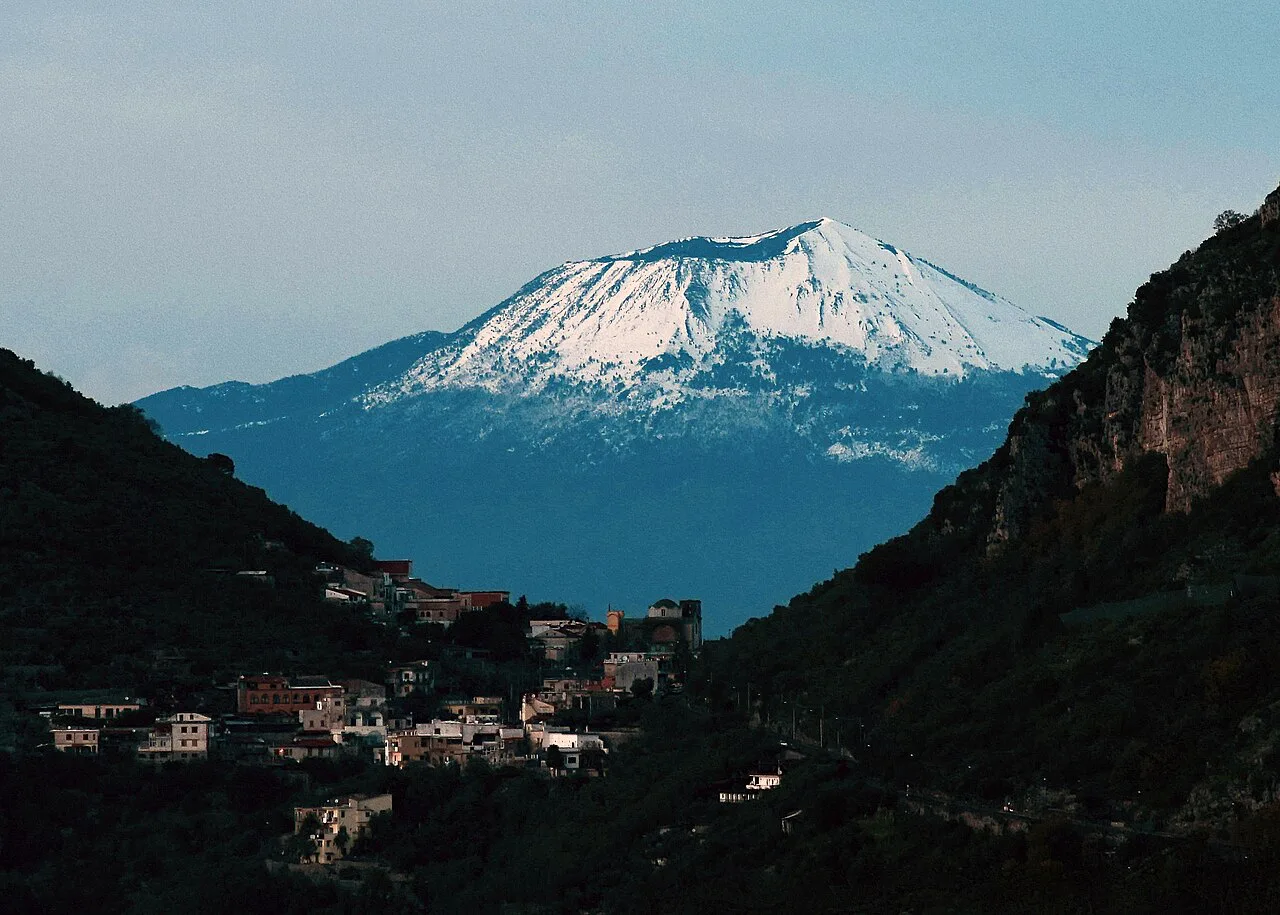
The estate's address is Via Bosco del Monaco 34, 80040 Trecase, in the province of Naples, on the southeastern slope of Vesuvius above the Bay of Naples. Trecase is a small Vesuvian town between Torre Annunziata and Torre del Greco on the coast side, and Boscotrecase and Boscoreale inland. Its position matters: this is not the Ercolano approach most Vesuvius wine tours use, so routes and timings from Sorrento differ from the standard circuit.
Distances on Vesuvius are short in kilometers but slow in minutes. From Sorrento, the drive means taking the Sorrento Peninsula road toward Castellammare di Stabia, then following the A3 or the coastal SS18 toward Torre Annunziata and turning inland for Trecase. Traffic on the coastal strip around Torre Annunziata and Torre del Greco is the variable, so leave a buffer if you have a fixed tasting slot.
If you are coming from Naples instead, Trecase is straightforward via the A3 and the Torre Annunziata exits. Either way, treat the drive as an hour-plus rather than a short hop, and confirm the meeting point and arrival time directly when you book. The address is the winery's registered location, not automatically the meeting point for a purchased tasting experience.
What the Estate Grows and Makes
Casa Setaro works with the classic Vesuvian set: Piedirosso for the Vesuvio DOC reds and rosato, Falanghina for whites, Aglianico in the mix, and Caprettone, a native white the family has helped bring back from the brink. The flagship appellation is Lacryma Christi del Vesuvio DOC, with Campania IGT for some bottlings. If you want to understand the difference between Lacryma Christi and plain Vesuvio DOC before you go, ask the person pouring and compare a Piedirosso-based Lacryma Christi against a broader Vesuvio bottling on the same visit.
The Campanelle Falanghina, for example, comes from vines around 250 meters in the Bosco del Monaco area, fermented in stainless steel and held on fine lees before release. That suggests a fresh, mineral-driven white rather than an oaked one, which is the style to expect from Falanghina on this side of the volcano. Treat any single-vineyard detail as orientation for what to ask about, not a fixed program.
Sustainability is part of the estate's stated approach, and the wine range is deliberately eclectic: sparkling, white, rosato, red and reserve bottlings. That breadth is useful for a group where not everyone wants the same thing, and it makes a single visit cover more ground than a one-grape specialist.
The Wines You May Meet by Name
The everyday line is the Munazei trio, a white, a rosato and a rosso, the sort of bottles a trattoria on the coast would pour by the glass. Above them sit single-vineyard and reserve wines: Aryete for white, Campanelle for Falanghina, Fuocoallegro and Terramatta for reds, and Contradae 61.37 as a Vesuvio DOC reserve. The Don Vincenzo reserve is the top of the range.
The sparkling side is the Pietrafumante line, offered as a Brut and a Brut Nature, both traditional-method-style Vesuvian sparklers. The estate also makes an extra virgin olive oil alongside the wines, which is worth asking about if you want a bottle to carry home that is not wine.
At the estate shop, retail bottle prices published on the winery's site put the Munazei wines at €18 each, Campanelle at €15, Aryete and Fuocoallegro at €22, the Pietrafumante Brut at €30, Brut Nature at €60, and Contradae 61.37 at €45. Those are shop prices for bottles, not tasting fees, so do not read them as the cost of a visit.
If you cannot visit, the same wines turn up in specialist retailers abroad, which confirms the estate exports rather than sells only at the cellar door. Buying a bottle at home is a sensible way to decide whether a visit is worth the drive, though the range in shops is narrower than at the winery.
What a Tasting Involves: Vineyard, Cellar and Lunch Format
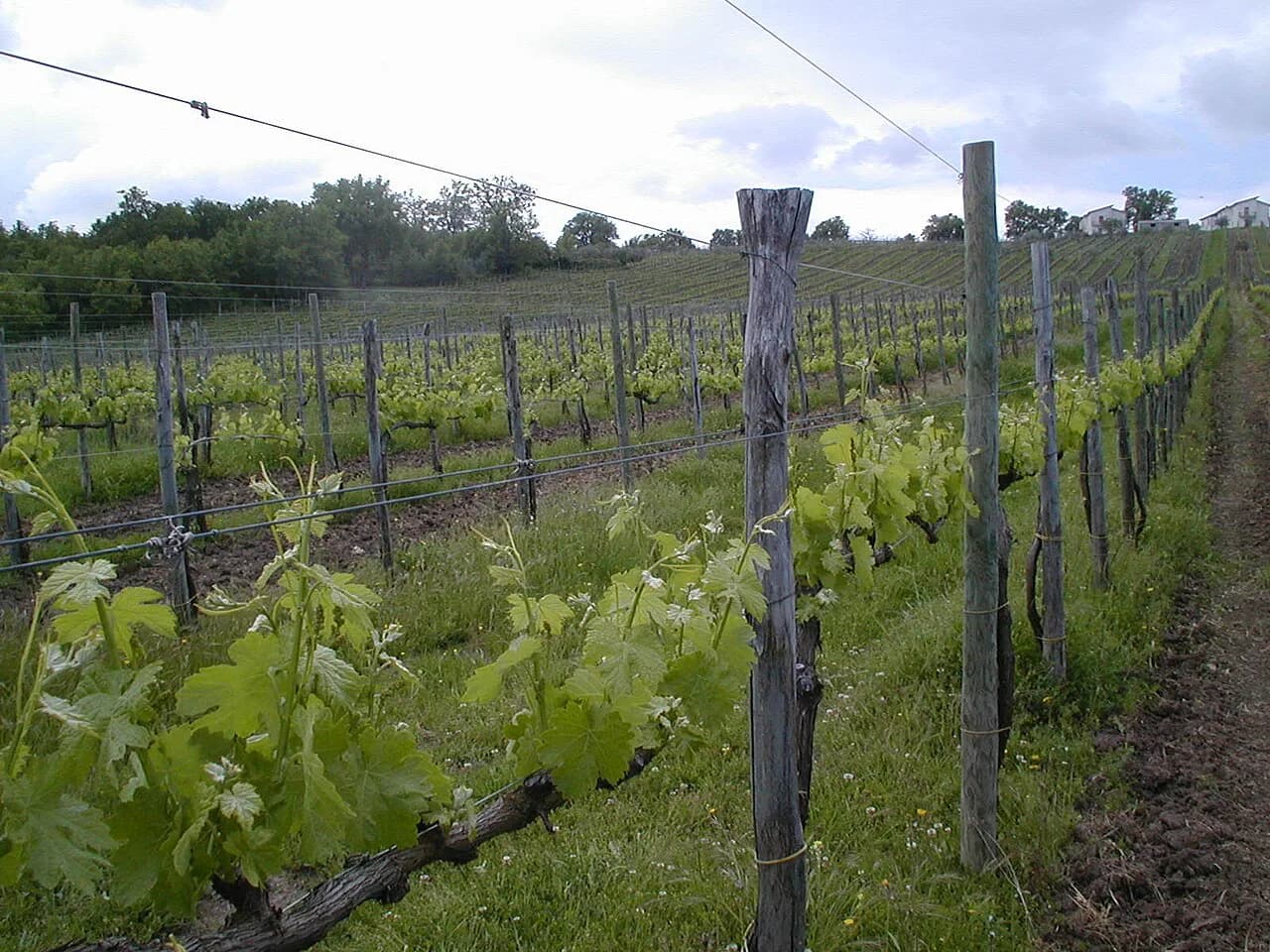
Casa Setaro's own site lists a wine experience and a cellar, and the vineyard walk is part of what the estate presents to visitors. That is the baseline: a hosted visit that includes the vines and the production area, with the wines served in context rather than at a bar.
Separately, a wine-tourism operator sells a fuller Casa Setaro experience that combines a vineyard and cellar tour with a tasting of seven estate wines and lunch, set against views of the sea and the volcano. Seven wines with a meal is a substantial half-day, not a 45-minute stop, so budget the time accordingly and plan the rest of the day loosely.
Casa Setaro's page is the right place to read what the package includes, how long it runs and what it costs, because the estate's own site does not publish a public tasting fee in a comparable form. Use the Casa Setaro wine-tasting listing as the source for the lunch format and for the booking terms attached to it. It is worth checking current prices and dates with Casa Setaro before you book.
How to Book: Phone, WhatsApp and the Booking Line
The estate's own site publishes three contact routes: a landline, a WhatsApp number and a separate booking number, all Italian mobile or Naples-area lines. That WhatsApp channel is the practical one for international visitors who do not want a phone call in Italian. Use it to ask about availability, language of the visit and whether the vineyard walk is included on your date.
When you write, be specific: party size, preferred date and arrival time, whether you want the tour plus tasting or the longer lunch format, any dietary restrictions, and whether children are coming along. For a small estate, that lets them slot you into the right visit rather than improvise on the day. Groups larger than a handful should ask early.
Do not assume a walk-in tasting will be possible on a given afternoon. The house is small-production and hosted by the family, so the visit model is reservation-led; arriving without a booking risks being turned away. Build the booking into your trip planning rather than leaving it to the morning of the visit.
Getting There Without Driving
The train approach uses the Circumvesuviana line along the coast, with stations at Torre Annunziata and Torre del Greco, plus the Pompeii and Ercolano stops on the same network. Trecase itself is served by a local Circumvesuviana stop on the Torre Annunziata branch, but the walk from station to Via Bosco del Monaco is uphill and not something to plan on in the heat. From Sorrento, that means a Circumvesuviana ride to the Naples side, then a short taxi or a pre-arranged pickup.
Buses on the Vesuvian roads exist but are slow and geared to commuters, and they do not solve the last kilometer to the winery. A taxi from Torre Annunziata or Torre del Greco is the pragmatic middle option: short enough to be affordable, flexible enough to get you up the hill. Agree on the return pickup time when you arrive, because taxis do not cruise the vineyard lanes.
Guided tours take the logistics off your hands entirely and often bundle the winery with Pompeii or the crater. The trade-off is less freedom over timing and a fixed program. Pick a tour if you want the wine plus a second major site in one day; go independently if you want a slower visit and a lunch that runs long.
Drivers should not taste. Use the spittoons, appoint a designated driver, or book a tour, taxi or train so everyone in the party can drink. A wine day on Vesuvius is more enjoyable when nobody is counting someone else's glasses.

Pairing the Visit with Pompeii or Herculaneum
Trecase sits on the same southeastern side of the volcano as Pompeii and Boscoreale, which makes Pompeii the natural companion stop. A morning at the ruins and an afternoon at Casa Setaro fits the geography far better than trying to add the crater as well. Book Pompeii tickets ahead of time and allow a proper half-day there; the site is large and hot from late morning.
Herculaneum, down by Ercolano, is the other option and a quicker visit, though it pushes you onto the coastal road at the worst time of day. The crater is a third possibility but pairs badly with a long wine lunch. Choose one archaeological site plus the winery, and you have a full, coherent day.
If your base is Sorrento and you want to compare options across the region before committing, look at the wider set of Sorrento wineries and build a shortlist by travel time. Casa Setaro's advantage is the Trecase side of Vesuvius and the family-scale visit; advantage elsewhere may be a shorter transfer or a larger tour operation.
Buying the Wines Without a Visit
The estate sells bottles through its own shop and exports to specialist retailers, so the wines are findable outside Campania. If you like the style, a Falanghina or a Vesuvio red bought locally is a good introduction before you plan a trip. The range in shops is narrower, so a cellar-door purchase still gets you the reserves and the sparklers that rarely travel.
At the winery shop, expect to pay retail prices close to the published figures, with reserve bottles like Contradae 61.37 at the top end. Shipping wine home is a separate cost that depends on the shop, so ask before you buy a case. Carry-on rules and airline allowances vary, and a bottle packed in a suitcase is a small risk.
Plan Your Visit
Casa Setaro works best as a reserved, half-day wine visit tied to Pompeii on the Trecase side of Vesuvius, not as an unscheduled stop. Confirm your date, the visit format and the meeting point through the estate's own phone, WhatsApp or booking line, and settle transport before you commit to a time. If the logistics feel tight, a Sorrento wine tour that includes the winery removes the last-kilometer problem.
After the visit, a Sorrento wine bar is a good way to compare the Vesuvian reds you just tasted against the peninsula's own wines. Sort out a designated driver or a taxi for the evening, and you can finish the day without compromise.
Frequently Asked Questions
Can you visit Casa Setaro from Sorrento without a car?
Yes, but it takes planning. The practical combination is a Circumvesuviana train toward Torre Annunziata or Torre del Greco, then a short taxi up to Trecase, or a guided tour that includes pickup. The walk from the nearest station to Via Bosco del Monaco is uphill and better avoided in summer heat.
Is Casa Setaro open for walk-in tastings?
The estate hosts visitors by arrangement rather than operating as a drop-in tasting room. Contact the winery through the phone, WhatsApp or booking line published on its own site to confirm availability for your date before building a day around it.
What wines does Casa Setaro make?
The range covers Lacryma Christi del Vesuvio DOC, Vesuvio DOC and Campania IGT wines from Piedirosso, Falanghina, Aglianico and the revived Caprettone grape. Named bottlings include the Munazei white, rosato and rosso, Campanelle, Aryete, Fuocoallegro, Terramatta, Contradae 61.37, Don Vincenzo and the Pietrafumante sparklers.
How much does a tasting at Casa Setaro cost?
The estate's site publishes retail bottle prices but not a comparable public tasting fee. The fuller vineyard-and-cellar tour with seven wines and lunch is sold through a wine-tourism operator, whose listing carries the current package details and price. Ask the winery directly for the cost of the shorter visit.
How do you book a visit to Casa Setaro?
Use the contact channels on the estate's own website: a landline, a WhatsApp number and a separate booking line. Include party size, date, preferred visit format, dietary needs and whether children are coming, and ask which language the host will use.
What is the difference between Lacryma Christi and Vesuvio DOC?
Vesuvio DOC is the broader appellation for wines from the volcanic slopes, while Lacryma Christi del Vesuvio is a narrower, historically famous designation within that area with its own rules. Tasting a Piedirosso-based example of each side by side is the clearest way to see the difference.
Sources
Notes for your next wine trip
Optional updates to our winery and wine-town guides.
You might also like
Continue reading
More guides you'll find useful