Cottanera Winery Guide: Etna Wines Near Taormina
Cottanera sits on Etna's north slope at Castiglione di Sicilia. Here is what a visit involves, how Nerello Mascalese is grown there, and how to book from Taormina.
On this page
Taormina makes an easy base for the northern side of Mount Etna, and Cottanera is one of the estates that anchors that side: a winery at the foot of the volcano, in the Castiglione di Sicilia hills. A visit here is less about a showroom and more about seeing where Nerello Mascalese grows in distinct parcels of lava soil. This guide covers the geography, the logistics from Taormina, and the booking questions that decide how good the day is.
The single most important planning fact is that Cottanera's guided vineyard and cellar tours and its tastings are reservation-based, and the listing that publishes the visiting window describes bookings as essential. That turns the visit into a scheduling task rather than a drop-in stop, so read the transport and booking sections together before you fix dates.
Where Cottanera Is on Etna's North Slope
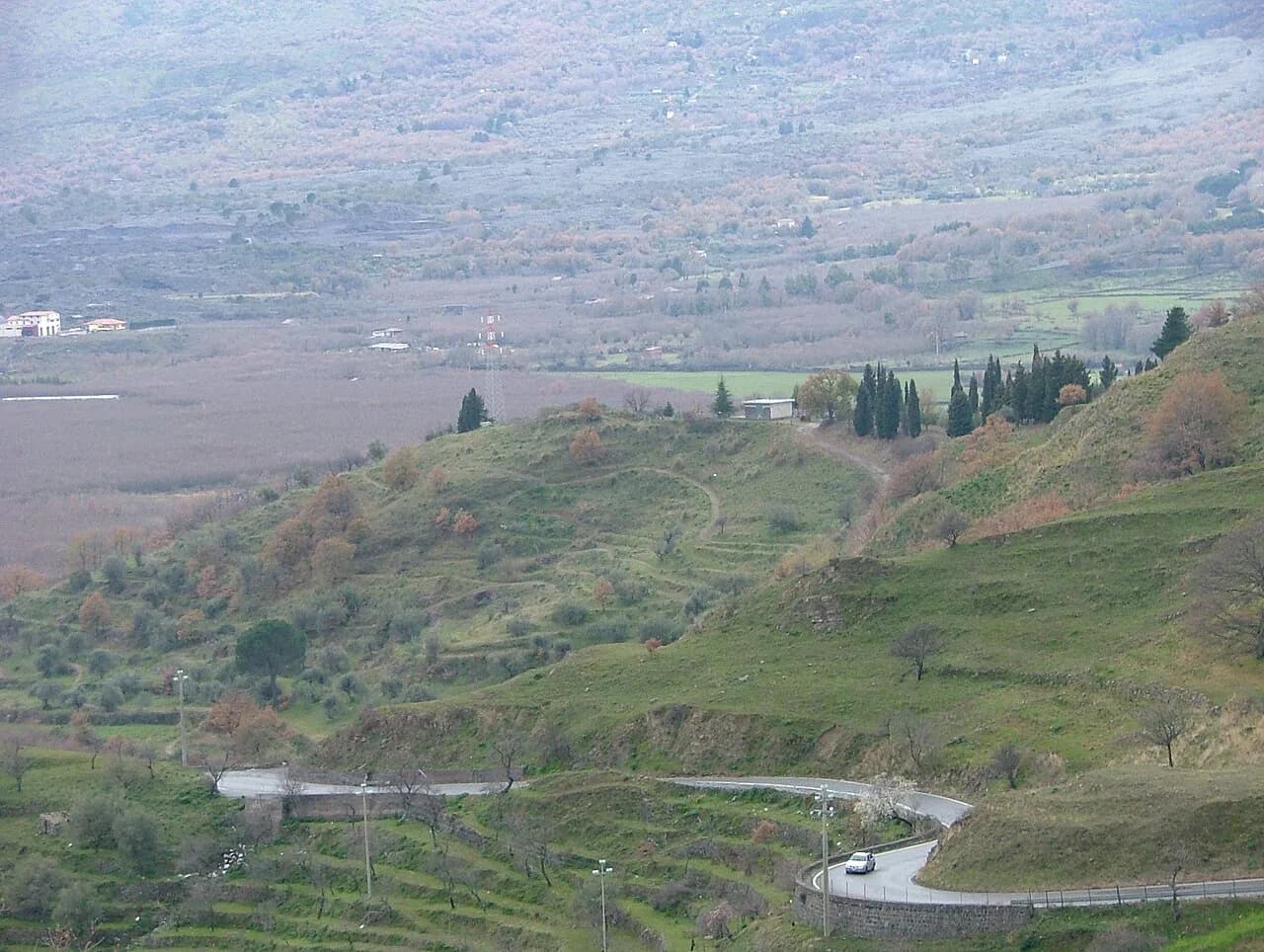
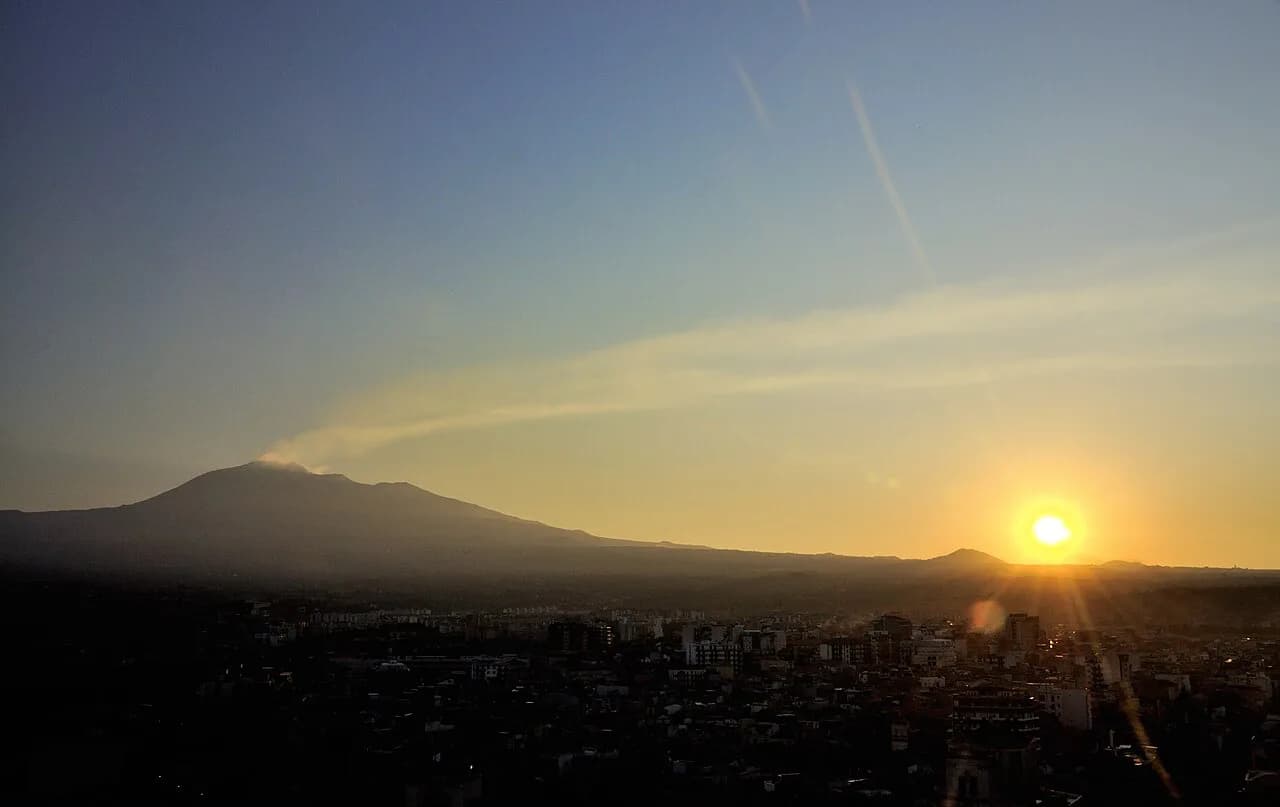
Cottanera sits at the foot of Mount Etna in the Castiglione di Sicilia area, on the volcano's northern side, which is the side that faces Taormina across the Alcantara valley rather than the busier southern approach through Nicolosi. Treat Castiglione di Sicilia as your map pin and the estate as a rural address in its surrounding hills, not a town-center tasting room you can stumble on.
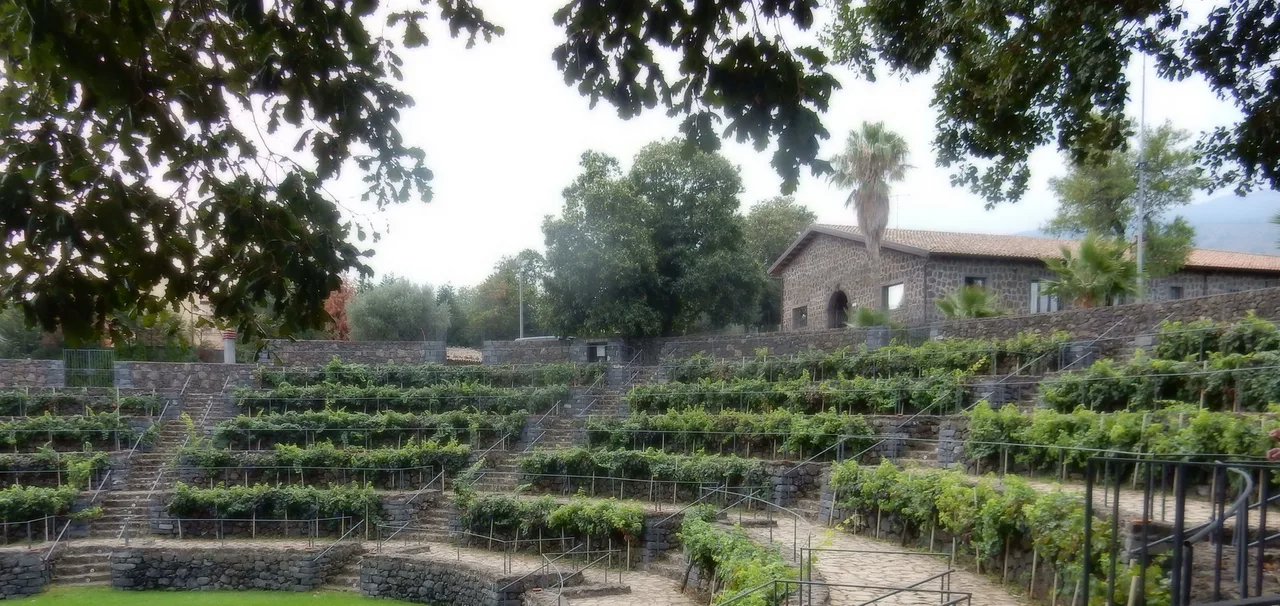
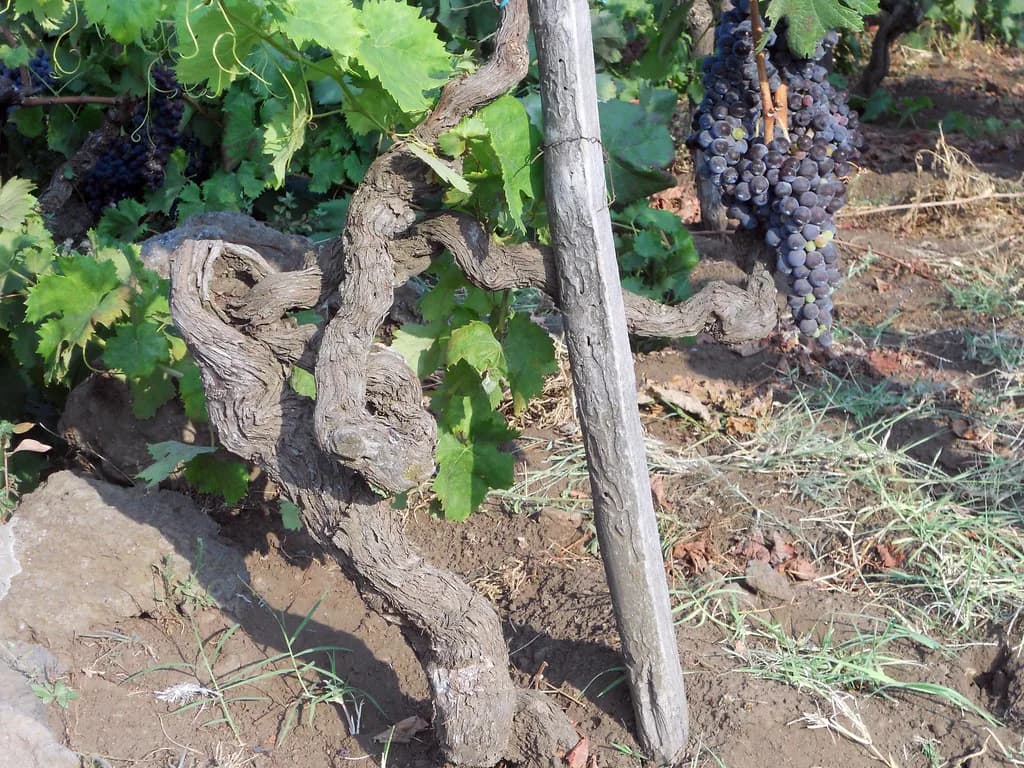
The estate's Etna Rosso comes from four contrade, the named vineyard districts that form the backbone of Etna's quality hierarchy: Cottanera, Diciassettesalme, Feudo di Mezzo and Zottorinoto, the last within Castiglione di Sicilia. Those parcels sit in an elevation band of roughly 670 to 770 meters above sea level on lava alluvial and clay soils, with vines around 25 to 30 years old. Knowing this matters on the ground, because a north-slope Etna visit means climbing narrow country roads between hamlets rather than touring one flat estate.
Plan the drive or transfer as a mountain errand: the distances look short on a map but the roads wind through terraced lava slopes, so a generous time buffer beats an optimistic itinerary. If you are grouping several stops, keep them on the same flank of the volcano — crossing from the north side to the south side between appointments eats the day.
Getting There from Taormina Without Driving
From Taormina, the north slope is reached by the A18 and the SS120 through Linguaglossa and Piedimonte Etneo toward Castiglione di Sicilia, and the practical options are a rental car, a taxi or private transfer arranged in advance, or a guided day tour that handles the driving. Public transport exists on this side of the volcano but is thin and oriented to local commuters, so build any bus or train plan around the current timetables published by the bus and rail operators before you set out.
A taxi is the most flexible no-car option for a single winery, but rural Sicilian taxi availability around Castiglione is limited and a return leg is not guaranteed unless you pre-arrange it, so agree on both directions and a pickup time when you book. A guided tour costs more per person than doing it yourself but removes the logistics and usually bundles two or three estates; for a couple with one must-see winery, a private transfer often comes out comparable.
Whoever drives should not taste. Spittoons are standard at Etna tastings and using them is entirely normal, but the cleanest arrangement is a designated driver, a hired driver, or a tour — decide that before you reserve, because it determines whether you book one tasting slot or two.
What a Cottanera Visit Involves
The published visit format is a guided tour of the vineyards and the cellar followed by a wine tasting. The same listing states that these tours and tastings run every day of the week from 9am to 5pm and that booking is essential, so the visiting day is broad but the slot itself has to be reserved.
What the tasting includes beyond that — how many wines are poured, whether older vintages or contrada bottlings appear, whether there is bread, oil, cheese or a fuller food pairing, and how long the whole visit runs — is not published in the material available. Ask these questions directly when you request a booking; the answers vary by season and party size, and the reply is what you should plan your day around.
Bring a layer. The estate's vineyards sit at 670 to 770 meters on an active volcano, and the north slope runs cooler and breezier than Taormina's seafront even in midsummer; closed shoes are wise for cellar and vineyard walking.
Booking Practicalities: What to Ask Before You Reserve
Request your slot through the winery's own website or by email or phone, and state the date, preferred time within the 9am to 5pm window, the number of people, and whether anyone in the party is not drinking. The reservation requirement is the decisive constraint, so write before you lock in flights or a rental car if Cottanera is the anchor of the trip.
In the same message, ask four things: the language the tour is given in, the duration, the number of wines poured, and the current per-person price with any reduction for non-drinkers or children. Prices and inclusions are not published in the sources consulted, so treat the reply as the only reliable figure rather than budgeting from a blog post.
Ask about lead time for your season, too. Spring and autumn weekends on Etna fill faster than weekdays, and harvest-time requests may be met with limited availability because the cellar crew is occupied; a weekday morning slot is generally the easiest to secure and the calmest for a tour.
Etna Wines in Brief: Nerello Mascalese and Etna Rosso DOC
Etna Rosso DOC is the volcano's signature red appellation, and its principal grape is Nerello Mascalese, a thin-skinned variety that ripens slowly on high, airy slopes and gives pale-colored wines with bright acidity and fine tannin. Nerello Cappuccio is the traditional blending partner, softening and darkening the wine, while Carricante drives the whites of Etna Bianco grown on the same terraces.
Cottanera's Etna Rosso is a blend drawn from the four contrade, fermented with a temperature-controlled maceration of roughly 25 days on the skins and aged in stainless steel for about ten months before bottling. That stainless-steel élevage is a useful thing to know when you taste: the emphasis is on fruit freshness and the volcanic site rather than on new-oak flavor.
To see how the contrada system plays out across producers, a second appointment on Etna's northern side is worth having — estates such as Tenuta delle Terre Nere bottle single-vineyard wines, which makes the comparison concrete. If you would rather stay closer to the coast, Firriato Cavanera on the same flank is another option to weigh when you build the day.
Independent Visit or Guided Etna Wine Tour
Going independently wins on flexibility and cost if you have a car and a designated driver: you pick a single estate, linger over the vineyard walk, and leave when you are ready. The trade-off is that the driver misses the tasting and you absorb the planning — route, booking times, and the return drive after dark on mountain roads.
A guided tour or private transfer shifts that burden to someone else and usually pairs two or three estates with a lunch stop, which suits couples and small groups where everyone wants to taste. Book it only with an operator who confirms the specific wineries and the tasting format in writing, because 9am to 5pm opening gives tours a wide slot to work within but does not guarantee which estate you will actually visit.
Season, Harvest, and Timing Your Visit
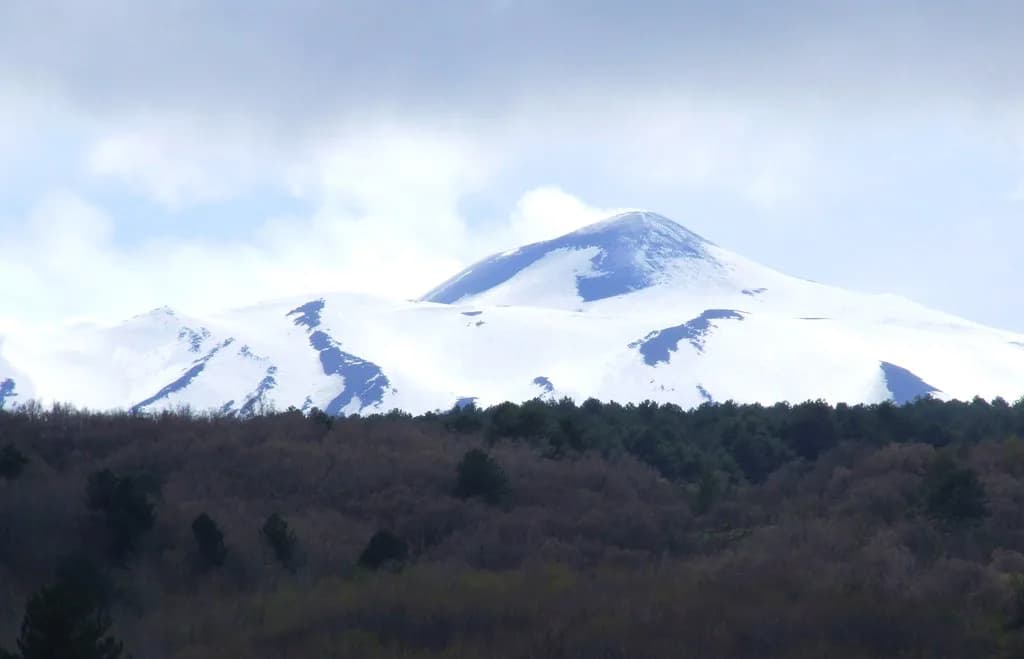
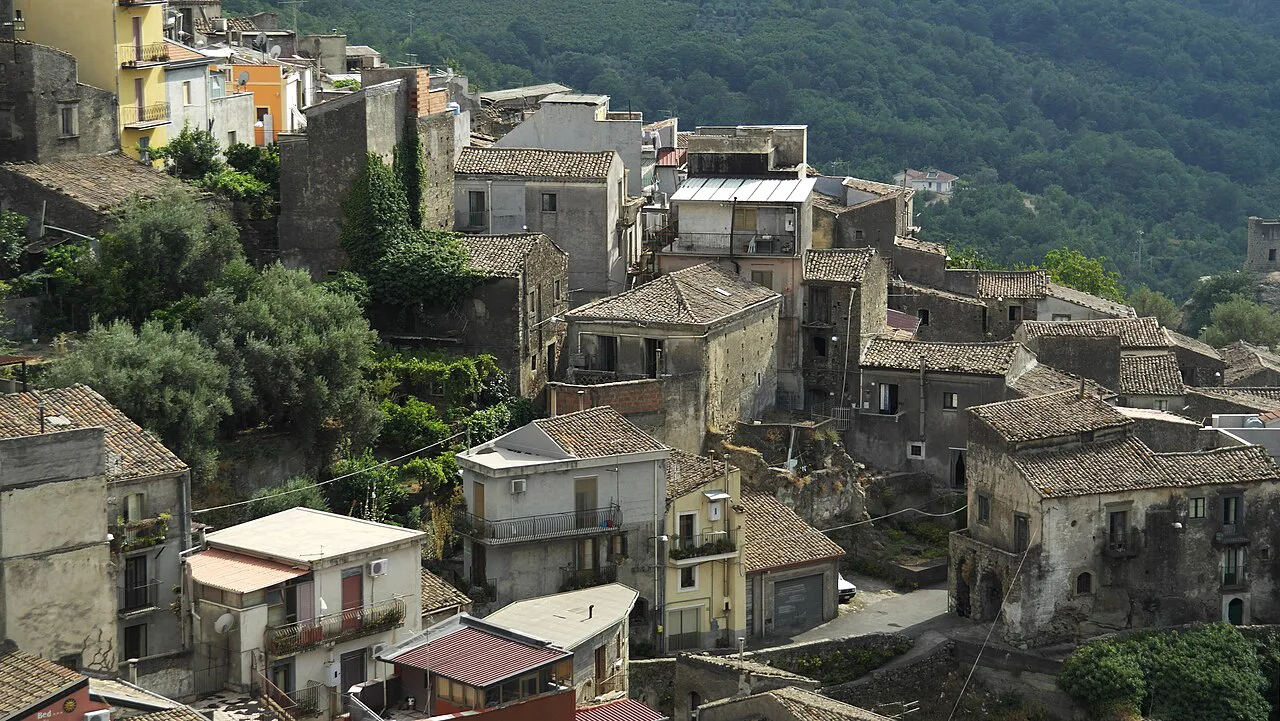
Etna's harvest on the northern slope generally falls in the later part of September into October, when Nerello Mascalese is picked from the high terraces; that period brings activity in the cellar and the vineyards but also a busier estate calendar, so reserve earlier. Late spring and early summer are pleasant for vineyard walking at 700 meters, while midwinter visits are quieter and cooler, with snow occasionally affecting the upper roads.
Whatever the season, confirm your slot once more in the week before you travel, since the touring window can shift around cellar work and private events. That single confirmation message is also the moment to reconfirm the meeting point, parking, and whether the tour starts at the cellar or in the vines.
Pairing Cottanera with the Rest of the North Slope
Castiglione di Sicilia groups naturally with Linguaglossa and Piedimonte Etneo into a single north-slope day: all three sit along the SS120 corridor below the vineyards, and the drive between them is short relative to the climb to any estate. Build the day around one booked cellar tour, then use the villages for lunch and a stroll rather than trying to stack three tastings into a mountain afternoon.
Randazzo, further inland toward the Alcantara valley, is the other natural anchor for this flank and a sensible lunch stop between appointments. Keep the return to Taormina in mind: the descent through Linguaglossa takes you back toward the coast, and leaving before dusk is easier than navigating unfamiliar switchbacks after a tasting.
Plan Your Etna Day
Cottanera rewards planning more than spontaneity: a reservation-based guided vineyard and cellar tour within a daily 9am to 5pm window, on a north-slope estate whose four contrade you can actually see. Fix the booking first, then choose between car, transfer and tour based on who in your party will taste.
Use the reply from the winery to settle price, duration and pours, and keep the rest of the day light — one good cellar visit and a village lunch on the north slope beats a rushed circuit of the volcano.
Frequently Asked Questions
Where is Cottanera winery located?
Cottanera is at the foot of Mount Etna in the Castiglione di Sicilia area, on the volcano's northern slope in the province of Catania. Its Etna Rosso fruit comes from four contrade — Cottanera, Diciassettesalme, Feudo di Mezzo and Zottorinoto — planted roughly 670 to 770 meters above sea level.
Do you need to book a visit at Cottanera?
Yes. The listing that publishes Cottanera's visiting arrangements states that the guided vineyard and cellar tours and tastings, available every day from 9am to 5pm, require booking in advance. Contact the winery through its own site, by email or by phone with your date, time and party size before you build a trip around it.
What wines does Cottanera make?
Cottanera's best-known wine is Etna Rosso DOC, made from Nerello Mascalese grown in its four contrade and aged in stainless steel for around ten months. The wider Etna range also covers the volcano's white styles, where Carricante is the leading grape; ask which wines are open on the day of your visit.
How do you get to Cottanera from Taormina without a car?
The realistic no-car choices are a pre-arranged taxi or private transfer, or a guided Etna wine tour that includes transport. Public buses and trains on the north side of the volcano are limited and oriented to local commuters, so check current timetables and arrange your return leg in advance rather than relying on finding a taxi at the estate.
What is Etna Rosso DOC made from?
Etna Rosso DOC is based on Nerello Mascalese, often blended with Nerello Cappuccio. The grapes grow on high volcanic slopes, giving pale, aromatic reds with bright acidity and fine tannins. Elevation and contrada — the named vineyard district — are central to how Etna reds are discussed and labeled.
Is a winery tour on Etna worth doing from Taormina?
Yes, if you treat it as a half or full day rather than a quick stop. The north slope around Castiglione di Sicilia and Linguaglossa is reachable from Taormina by car, transfer or organized tour, and pairing one booked cellar visit with a village lunch gives a fuller sense of the volcano's wine landscape than rushing between multiple estates.
Sources
Notes for your next wine trip
Optional updates to our winery and wine-town guides.
You might also like
Continue reading
More guides you'll find useful