Frank Cornelissen: Plan a Winery Visit from Taormina
Frank Cornelissen publishes little about visits, so here is what the estate does say, how the contrada labels work and how to reach Solicchiata from Taormina.
On this page
Frank Cornelissen is the name that comes up first when travelers ask about Etna wine, and the estate's own site tells you why: a Belgian founder, a first vintage in 2001, and roughly 24 hectares on the volcano's northern valley, with old alberello bush vines planted between 600 and 1,000 meters. That altitude and the contrada system behind the labels are what shape a visit here.
The complication is practical. The site carries a "Visiting us" entry in its menu, but no tasting price, no calendar of open days, no party minimum and no stated duration appear in what the estate publishes, so email is the only reliable route. Treat any tour operator or blog quoting a fixed fee as a starting point rather than a rate.
This guide covers where the estate sits relative to Taormina, how the labels differ before you sit down, and the two workable no-car options along the Circumetnea corridor. A driver in your group should not taste at all, so plan on a spittoon, a hired driver or public transport.
The Estate and Its North-Valley Vineyards
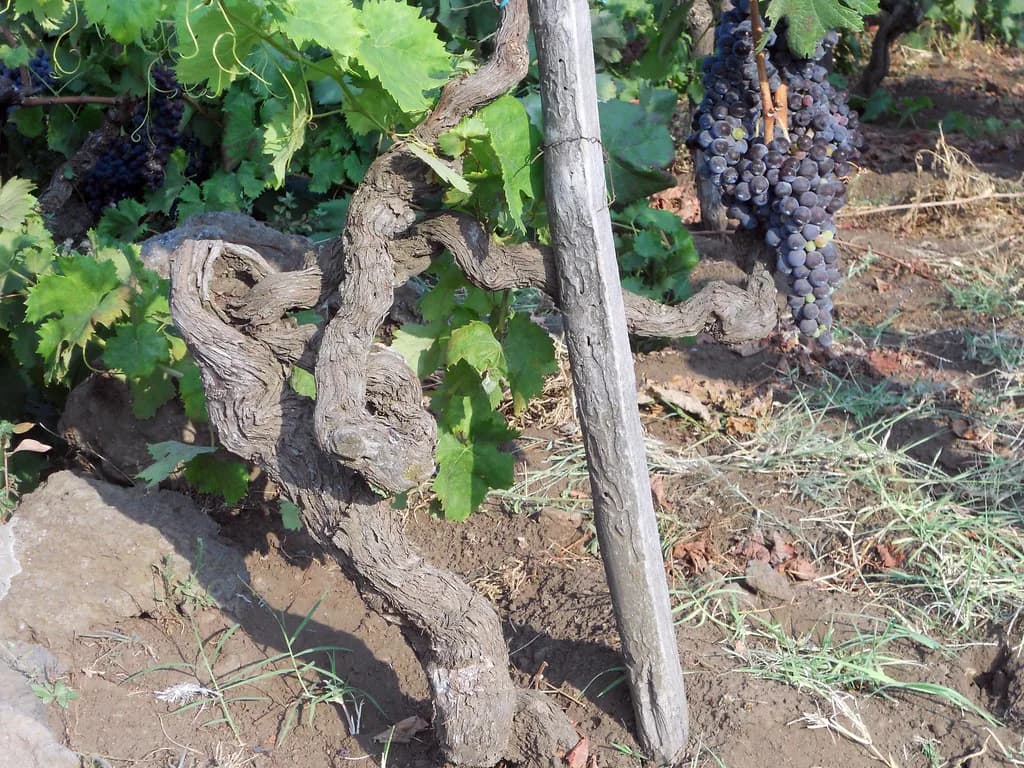
The estate describes its farming as an attempt to follow natural cycles rather than impose treatments, and says it has gone whole vintages without spraying, though copper and sulfur were used in difficult years such as 2013 and 2015. Vines are trained in the free-standing alberello system, and newer plantings use ungrafted cuttings taken from the property's own old vines. That philosophy explains why the wines are made without oak and why availability can be limited by vintage.
The northern valley is the estate's chosen ground, and its site calls this the top area on Etna for single-vineyard reds, drawing a parallel with Burgundy's Côte de Nuits and Piedmont's Barolo zone. Yields are deliberately low, and harvest runs late, from mid-October into early November, picked in several passes. That late window is the single most useful fact for planning: it is exactly when a small estate is least likely to have time for visitors.
The blended and estate-level wines are the ones a first-time visitor is most likely to encounter: MunJebel Bianco and Rosso from old local varieties across several contradas, plus Susucaru Rosso and Rosato from local red and white vines. The estate presents these as its better-value bottles compared with the single-contrada crus and the top Magma bottling.
Where It Sits: Barbabecchi, Feudo di Mezzo and Monte Colla
The estate's vineyards are spread across named contradas rather than one walled property. Magma Rosso comes from Contrada Barbabecchi in the frazione of Solicchiata, part of the comune of Castiglione di Sicilia, and is made only from Nerello Mascalese on vines averaging around a century old. Because the vines are scattered, "visiting the estate" is really a question of which cellar and which vineyard you are being shown, so ask that when you write.
Other holdings cluster near Passopisciaro, also in Castiglione di Sicilia: Feudo di Mezzo, where Nerello Mascalese for MunJebel FM grows at around 580 meters, and Monte Colla, at roughly 750 to 780 meters, behind MunJebel MC. Higher and ungrafted parcels around Bronte and Maletto supply the VA bottlings at 870 to 1,000 meters, including a white from Grecanico Dorato with Coda di Volpe and Carricante.
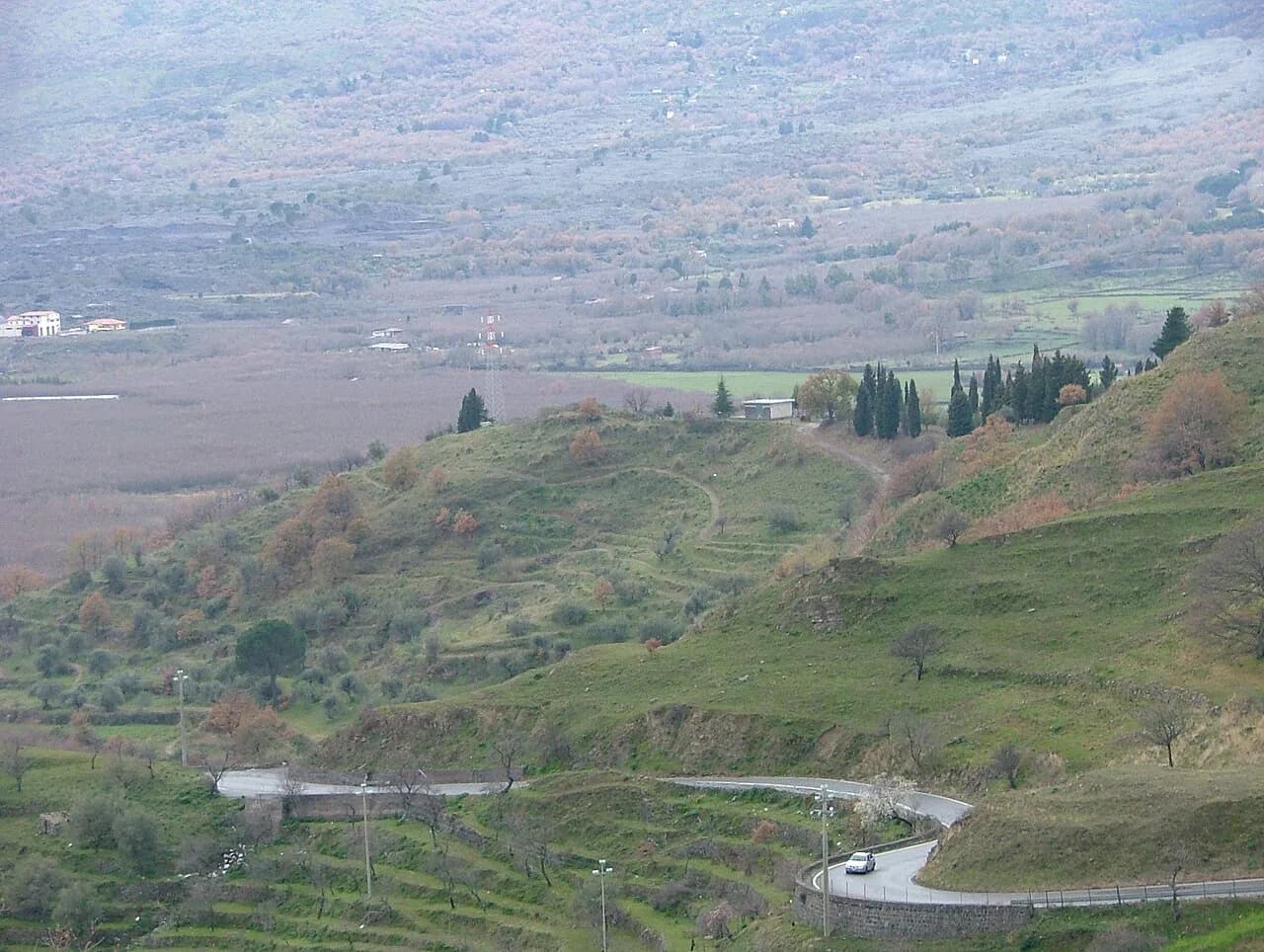
For a traveler, the useful geography is simple: Solicchiata and Passopisciaro sit on the north side of Etna in the same municipality, linked by the road through the valley, and both are a long way from Taormina on the coast. Plan the day around villages rather than a single address, and you will spend less time in the car. If you are weighing a city base against the mountain, wine tasting in Catania covers a different set of cellars closer to the coast.
What the Estate Publishes About Visiting
A "Visiting us" section exists on the estate's site, which is the clearest signal that guests are received in some form. What is absent matters just as much: no published price, no fixed opening days, no stated number of wines poured, no tour length and no minimum party size. Anyone presenting exact figures has them from somewhere other than the estate.
Write the booking email as a short brief rather than a question. Name your preferred dates, the size of your party, whether you will arrive by car or need a transfer, the languages spoken in your group, and whether you want to focus on the contrada crus or the entry-level bottles. Ask directly how many wines are poured, whether the visit includes a cellar or vineyard walk, how long it lasts, and whether you can spit.
Book early and then reconfirm once, shortly before the date, particularly for autumn trips. If the estate cannot take you, the same north-side itinerary of Randazzo, Passopisciaro and Linguaglossa holds alternatives, and the broader [Taormina Wine tasting] landscape covers estates that run more structured visitor programs.
Appointment Culture on Etna's North Side
Small Etna estates generally receive visitors by arrangement rather than on a walk-in basis, and availability tends to follow the farming calendar. Between the late-October to early-November harvest and the slower winter months, the practical question is not which day suits you but whether the team is in the cellar or in the vineyard. Ask what part of the year works best for a visit, and let the estate set the timing.
Because the property is split across contradas around Solicchiata, Passopisciaro and higher ground toward Maletto and Bronte, a visit may center on one site rather than a tour of all of them. Naming the wines you care about in your email helps the estate match you to the right place and the right person.
Understanding the Labels Before You Taste
Three tiers run through the range, and knowing them keeps a tasting focused. Susucaru Rosso and Rosato are the entry level, blended from old local varieties across contradas; MunJebel is the mid-tier estate and single-vineyard line; Magma is the top bottling, Nerello Mascalese only, from Barbabecchi. Ask which tier your visit covers before you commit to a time slot.
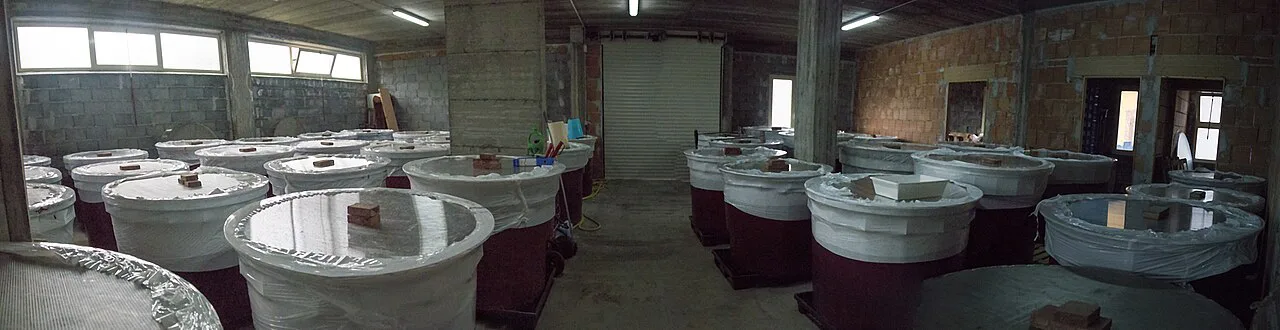
Within MunJebel, the two-letter suffixes are contrada codes, not styles: FM for Feudo di Mezzo, MC for Monte Colla, CR for Campo Re in Randazzo, and VA for the high ungrafted parcels around Bronte and Maletto. Fermentations run long on the skins in neutral epoxy tanks, and no wood is used in the cellar, which is why the site differences show through so plainly. If you taste two crus side by side, this is the reason to do it.
Bottle prices you see abroad are retail listings, not cellar-door rates. A New York shop currently lists MunJebel CR and PA at $89.99 and MunJebel VA and CS at $114.99, sold out in several cases, which says more about scarcity than about what a visit costs. Use those figures only as a sense of the wines' market position.
All the wines carry only very small quantities of preservatives and the estate advises storage below 16°C, so think twice before leaving bottles in a hot car for the drive back to Taormina.
Nerello Mascalese and Etna's Other Grapes
Nerello Mascalese is the north valley's red grape, and the estate's importer describes it as sitting somewhere between Pinot Noir and Nebbiolo, with Nebbiolo's firm, dry tannin and Pinot's more generous fruit. Pale in color but structured, it is the reason Etna reds age well and the reason the north side invites the Burgundy comparison. Expect to meet it in both the crus and the entry-level red blends.
The whites matter too. Carricante and Catarratto appear in the estate's white blends and rosato, alongside less familiar local grapes such as Grecanico Dorato and Coda di Volpe in the high-altitude VA Bianco. If you usually skip white wine, ask for a Carricante-led pour to see what volcanic soils do to a lean, saline grape.
Older plantings here are mostly pre-1930s alberello bush vines, and many of the estate's parcels were planted before 1910, which is why yields are tiny and why the wines are priced where they are. Knowing that in advance makes the label ladder easier to follow.
Getting There from Taormina Without Driving
The realistic no-car route is the Circumetnea railway, the narrow-gauge line that loops around the volcano and serves the north-side villages, combined with a taxi for the final kilometers to Solicchiata or Passopisciaro. Check current Circumetnea timetables for your dates before committing, because the service is not frequent and a missed connection can strand you on the mountain.
Budget most of a day. The coastal run from Taormina up to the north side is a long transfer for a single appointment, and the last stretch to the estate is not reliably walkable from the station, so line up a local taxi or a transfer in advance. Ask the estate which station or village it recommends for pickup, since the cellars are not all in the same place.
A small-group tour removes both problems by handling the mountain roads and the transfers, at the cost of a fixed itinerary and less time in any one cellar. Compare what the [Etna wine tours from Taormina] actually include, particularly whether a visit to a north-side estate is part of the route or an optional extra.
Independent Trip vs. Guided Tour
Driving yourself gives the most flexibility: you can combine a morning appointment with a lunch stop in Randazzo and a second cellar in Linguaglossa without waiting for a group. The trade-off is that the driver cannot taste, and the north-side roads are winding and often unlit after dark. Assign a designated driver or arrange a hired car with a driver for the return leg.
Guided tours cost more per person than the train-plus-taxi combination, but they solve the last mile and the language barrier at small estates that answer emails in Italian or English on their own schedule. If you are a couple traveling in shoulder season, the economics are closer than they first appear. Read each tour's inclusions carefully, since a package that promises "Etna wineries" may not include the estate you came for.
Building a North-Slope Day Around the Visit
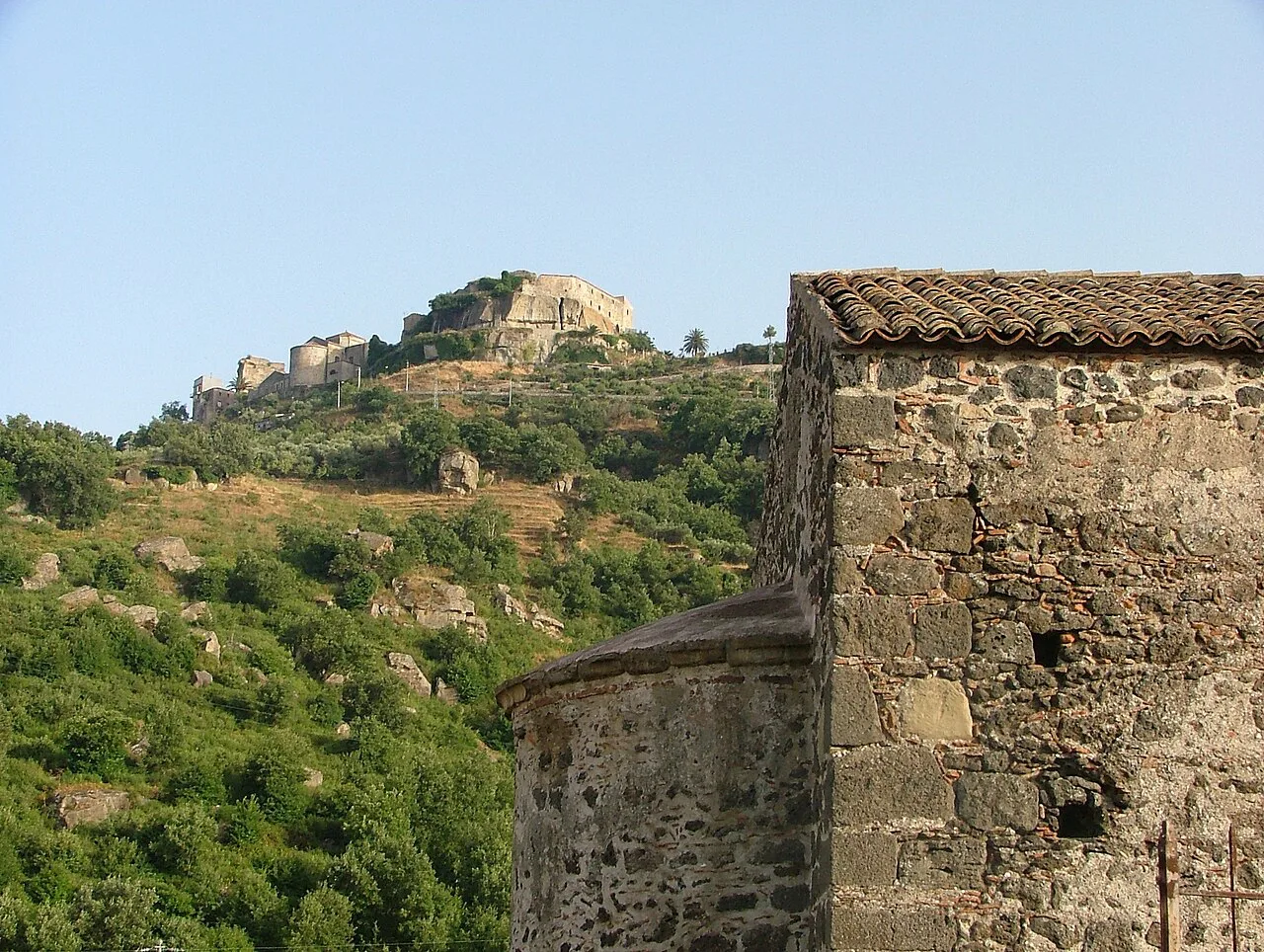
The natural loop runs through Randazzo, Passopisciaro and Linguaglossa, with Solicchiata on the valley road between them. Group your appointment with a lunch stop in one of these towns rather than trying to add the south side of Etna on the same day; the drive around the mountain eats hours. A morning tasting, lunch in Randazzo and an afternoon in Linguaglossa is a sensible shape.
If you want a second appointment, look at estates in Castiglione di Sicilia with more established visitor routines. A [Tenuta delle Terre Nere visit] is a common pairing for travelers staying on the north side, and [Cottanera Winery] is another Castiglione estate that receives guests. Both sit in the same broad area, which keeps driving time down.
If you would rather base yourself closer to the vineyards than Taormina, read up on [Taormina wineries] and the villages around them before booking accommodation; staying near Linguaglossa or Randazzo cuts the transfer to Solicchiata dramatically and makes an early appointment feasible.
A Booking Checklist for the Estate
Send one clear email: dates, party size, transport, language, wine interests and whether you want a vineyard walk or a cellar focus. Keep it short and answer the questions the estate is likely to ask before it replies. If you receive no answer within a week or two, follow up once rather than booking a backup and abandoning it.
Ask explicitly about current availability around harvest, since the estate picks from mid-October into early November and that is the least likely window for a visit. Late spring and summer are easier to schedule, but the heat makes a morning slot far more pleasant than an afternoon one.
Finally, confirm the practical details once, close to your date: the meeting point, whether the road is suitable for a normal car, and what the visit covers. One confirmation call or email is enough; beyond that you are simply repeating yourself.
Plan Your Visit
Frank Cornelissen is worth building a north-Etna day around, but it rewards preparation more than most estates. Write early with specific dates and questions, expect the answer to depend on the season, and treat the contrada names on the labels as a map of the mountain rather than marketing.
Whether you take the Circumetnea and a taxi or join a small-group tour, the driver in your party should stick to water or the spittoon. Book the transport before you book the tasting, and the rest of the day falls into place.
Frequently Asked Questions
Does Frank Cornelissen accept visitors at the estate on Etna?
The estate's website includes a "Visiting us" section in its menu, which indicates that guests are received in some form. It does not publish a tasting format, opening days, price or minimum party size, so the only way to know what is available for your dates is to contact the estate directly and ask.
How do you book a visit to Frank Cornelissen?
Use the contact details on the estate's own website rather than a third-party reseller. In your first message, give your dates, party size, how you will arrive, the languages spoken in your group and the wines you are most interested in, and ask how many wines are poured, how long the visit lasts and whether a cellar or vineyard walk is included. Then reconfirm once shortly before the date.
How far is Frank Cornelissen from Taormina, and can you get there without a car?
The vineyards sit on Etna's northern valley around Solicchiata and Passopisciaro, in the comune of Castiglione di Sicilia, a substantial transfer from the Taormina coast. Without a car, the workable combination is the Circumetnea railway to a north-side village plus a pre-arranged taxi or transfer for the final stretch. Circumetnea services are infrequent, so check current timetables before you commit.
What is the difference between Magma, MunJebel and Susucaru?
They are three tiers of the same range. Susucaru Rosso and Rosato are the entry level, blended from old local varieties across contradas. MunJebel covers the estate wines and single-contrada crus, identified by two-letter codes such as FM for Feudo di Mezzo or MC for Monte Colla. Magma is the top bottling, made only from Nerello Mascalese in Contrada Barbabecchi.
When is harvest on Etna, and does it affect visits?
The estate harvests late, starting in mid-October and running into early November, picking in several passes to reach ripeness. That window is the busiest and least available time for hosting guests at a small property, so ask about dates outside it if your trip allows.
What grapes does Frank Cornelissen work with?
Nerello Mascalese dominates the reds, including Magma and most MunJebel bottlings. The whites and rosato draw on Carricante, Catarratto, Grecanico Dorato, Coda di Volpe and other local varieties, with the red blends also including Nerello Capuccio, Minella and Alicante Bouschet.
Should the driver taste at an Etna wine visit?
No. The mountain roads are winding and often unlit after dark, so the driver should use the spittoon or stick to water while the rest of the group tastes. A designated driver, a hired car with a driver or a small-group tour all work better than improvising on the way back to Taormina.
How much does a tasting at Frank Cornelissen cost?
The estate does not publish a tasting price, and retail prices for its bottles in overseas shops are not cellar-door rates. Ask about any fee, and what it covers, in your first email so there are no surprises on the day.
Sources
Notes for your next wine trip
Optional updates to our winery and wine-town guides.
You might also like
Continue reading
More guides you'll find useful