Wine Tasting in Catania: Etna DOC Wineries and Tours
Plan wine tasting from Catania: how Etna DOC wineries work, guided 4x4 tours with hotel pickup, published tour prices and how to taste without driving.
On this page
Catania is the practical base for wine tasting on Mount Etna: the volcano's wine villages sit above the city, and a full day can combine a cellar visit with the lava landscape that shapes the vineyards. The catch is logistics. Many cellars sit on narrow mountain roads, so the decision that shapes your day is how you get to them, not which wine you order.
There are three genuine routes: a guided Etna-and-winery tour with hotel pickup, a direct appointment with a producer, or a self-drive into the villages. Each has a different cost, a different level of flexibility and a different amount of planning. What follows separates them clearly so you can pick one instead of improvising on the morning.
Why Catania Is the Gateway to Etna DOC Wine Country
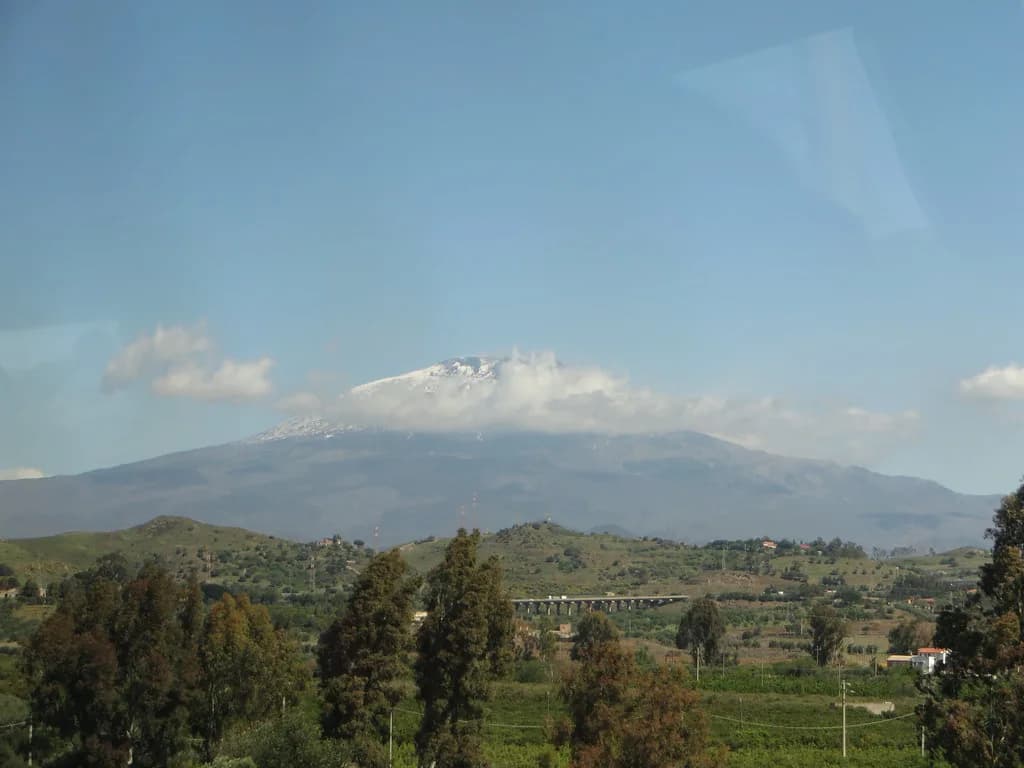
The Etna DOC covers vineyards on the slopes of the volcano, and Catania is the largest city at its foot, which makes it the natural place to sleep before an early start. Producers work across distinct zones on the mountain, and a directory such as Winery Tasting Sicily lists estates by area, including a dedicated Etna section, so you can see which cellars sit on which side of the volcano before you commit to a route.
Taormina, on the coast to the northeast, also functions as a pickup base for organized tours, and several excursion operators treat Catania and Taormina as one pickup zone. If you are staying in either town, check whether your accommodation falls inside a tour company's pickup area before booking, because that single detail changes the price and the length of your day.
The Wines to Know: Nerello Mascalese, Nerello Cappuccio and Carricante
Etna's reds are built mainly on Nerello Mascalese, often blended with Nerello Cappuccio, and they tend to be lighter in color and more structured by acidity than the big southern Italian reds most visitors expect. The whites lean on Carricante, which gives a bright, mineral style that reflects the high-altitude vineyards. Knowing these two names is enough to read a tasting list and ask sensible questions.
Etna DOC also covers rosato and sparkling styles, and the classification appears on labels alongside the grape name, so a label reading Etna Rosso with Nerello Mascalese tells you both the zone and the variety. For a deeper look at the appellation and its styles, it helps to read up on Etna wine tasting before you go, so the vocabulary on the list is familiar rather than baffling.
How the Etna Wine District Is Laid Out: North, East and South Slopes
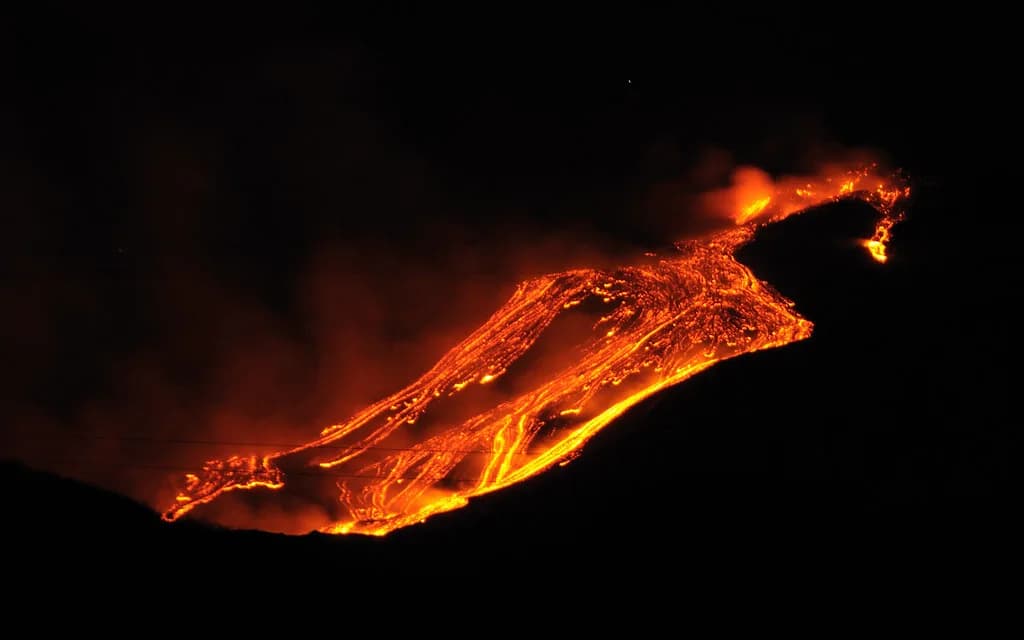
The volcano's vineyards wrap around the mountain, and the main practical division is between the northern slope, centered on villages above the town of Randazzo, and the eastern and southern slopes closer to Catania and Taormina. The northern slope tends to be quieter and more spread out, while the eastern side is where many tour itineraries combine vineyards with the craters and lava flows. Grouping villages by slope keeps you from zig-zagging around the mountain all day.
For a first trip, pick one slope and build the day around two stops at most, allowing for the slow mountain roads. Readers who want the full picture of who receives visitors on each side can browse the etna wineries listings and match estates to the villages you plan to drive through. If your priority is the volcano itself, the classic pairing is a morning on the lava fields and an afternoon in a cellar.
Option 1: Guided Etna-and-Winery Tours with Hotel Pickup
The guided option is the least demanding. Go-Etna's Mount Etna Wine Tour is listed as an eight-hour day that combines a 4x4 off-road drive, a short hike across old and new lava flows, a helmet-and-torch visit to a lava cave, a cellar visit with Etna DOC tasting and a Sicilian lunch of antipasti, a pasta course, a main, dessert, water, bread, wine and coffee, with an English-speaking guide throughout. Pickup around Catania and Taormina is included in the higher tier.
Go-Etna publishes two prices: €173 per person meeting at the Giarre motorway exit, or €183 per person with hotel pickup in the Catania or Taormina area. The booking page lists the tour as available from April to October and Go-Etna notes it is open all year except 25 December and 1 January. Free cancellation is offered up to 24 hours before the start. These figures come from Go-Etna's own booking page, so treat them as the current published rates rather than a fixed quote.
Timing matters for the pickup. Guests meeting at their accommodation are collected around 08:20 to 08:30 and returned around 18:30, while those meeting at the motorway exit start around 09:00 and finish around 17:30, with the exact pickup time sent by SMS and email the evening before. If you are arriving by train or staying outside the pickup zone, the Giarre meeting point saves money but requires you to reach it yourself.
Booking platforms also list Etna-and-winery experiences departing from Catania and Taormina, including private versions and a winery tour with food tasting inside the city. Listings and ratings vary by operator and availability changes seasonally, so compare what is actually included, especially lunch and pickup, rather than choosing on price alone. Hotel pickup is the single inclusion most worth confirming in writing.
Option 2: Booking a Cellar Visit Directly with an Etna Producer
Booking directly with a producer gives you the unhurried version of a tasting. The Winery Tasting Sicily directory lists Sicilian estates that receive visitors for cellar tastings and organizes them by province and wine area, with an Etna section and named houses including Benanti, Graci, Tenuta delle Terre Nere, Palmento Costanzo, Cottanera, Terra Costantino and Tenute Bosco, among many others. The directory is a starting point for choosing a cellar, not a booking engine for every listed estate.
The directory does not publish tasting fees, hours or the number of wines poured for individual estates, so those details have to come from each producer. When you write, ask how many wines are poured, whether the cellar or vineyard is part of the visit, whether food is served, how long it lasts and which languages the host speaks. A short, specific email usually gets a clear answer faster than a general enquiry.
Direct booking rewards flexibility: you set the pace, stay longer over a favorite wine and skip the group schedule. The trade-off is that you handle transport, timing and the language of the visit yourself, and small family estates may only receive guests on certain days. If you want the widest choice of producers and a plan for the wider island, the sicily wineries overview shows how the Etna cellars fit into the rest of Sicily.
Option 3: Independent Travel by Car, Bus or Taxi
Driving yourself is the most flexible way to reach cellars on either slope, and it lets you combine a morning tasting with a stop at a village on the other side of the mountain. The honest trade-off is that the driver should not taste: use the spittoon, designate a non-drinking driver, or book a tour or taxi instead. Mountain roads are winding and vineyard tracks are often unpaved, so choose the smallest car you are comfortable driving.
Public transport up the volcano is limited. Buses run between Catania and the Etna villages and to the main mountain access points, but services thin out on Sundays and outside summer, and no single line drops you at a sequence of cellars. Realistically, a bus gets you to a village and a taxi covers the last stretch, which is workable for one cellar and impractical for a multi-stop day.
A middle route is to reach the Giarre area by train or bus and join a tour at its motorway-exit meeting point, which is what the guided option's Giarre pickup is designed for. It keeps costs down and removes the driving, at the price of a fixed start and return time. Weigh that against the freedom of your own car before booking either.
What a Typical Etna Tasting Involves
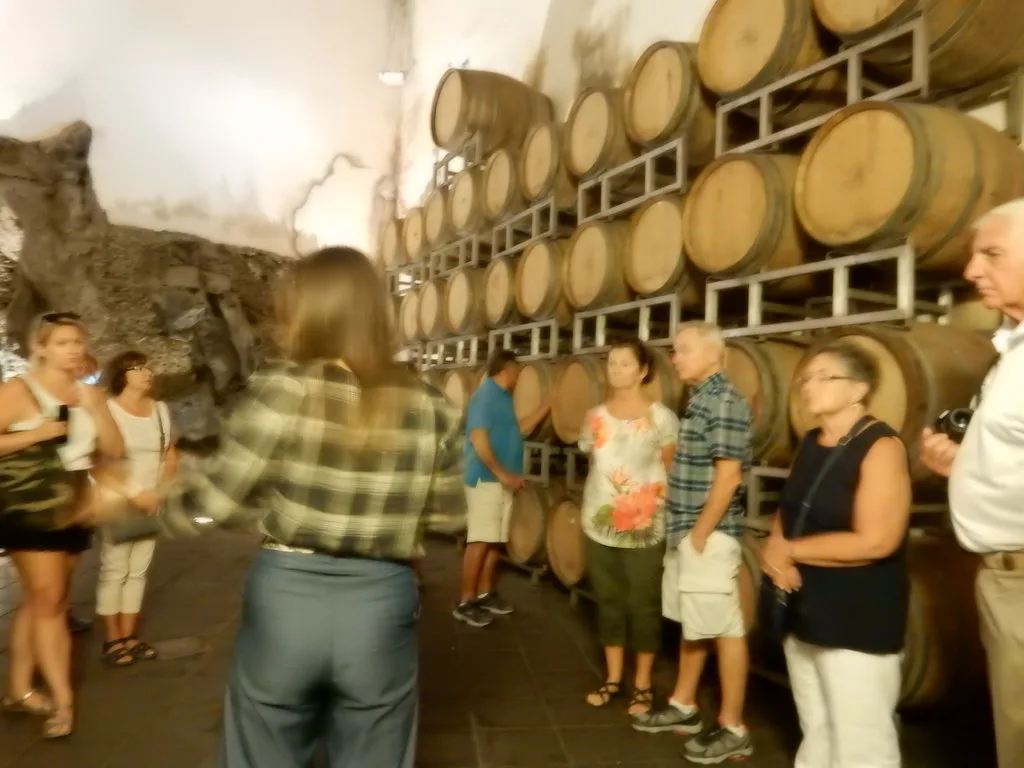
Formats vary widely between estates. A small family cellar might pour a handful of wines in a single room with the winemaker, while a larger estate runs a structured visit through the fermentation and barrel rooms followed by a seated tasting. On the Go-Etna itinerary, the cantina visit includes the production areas and an Etna DOC tasting, followed by a full Sicilian lunch rather than a plate of cheese.
Because no single standard applies, treat the number of wines and the food pairing as questions to settle before you commit. Ask whether the tasting includes a tour of the cellars, whether bread and oil or a full meal is served, and how long you should allow so you can plan the drive back before dark. A visit that includes lunch needs a different schedule from a 45-minute stand-up tasting.
Booking Mechanics: Appointments, Party Size and Lead Times
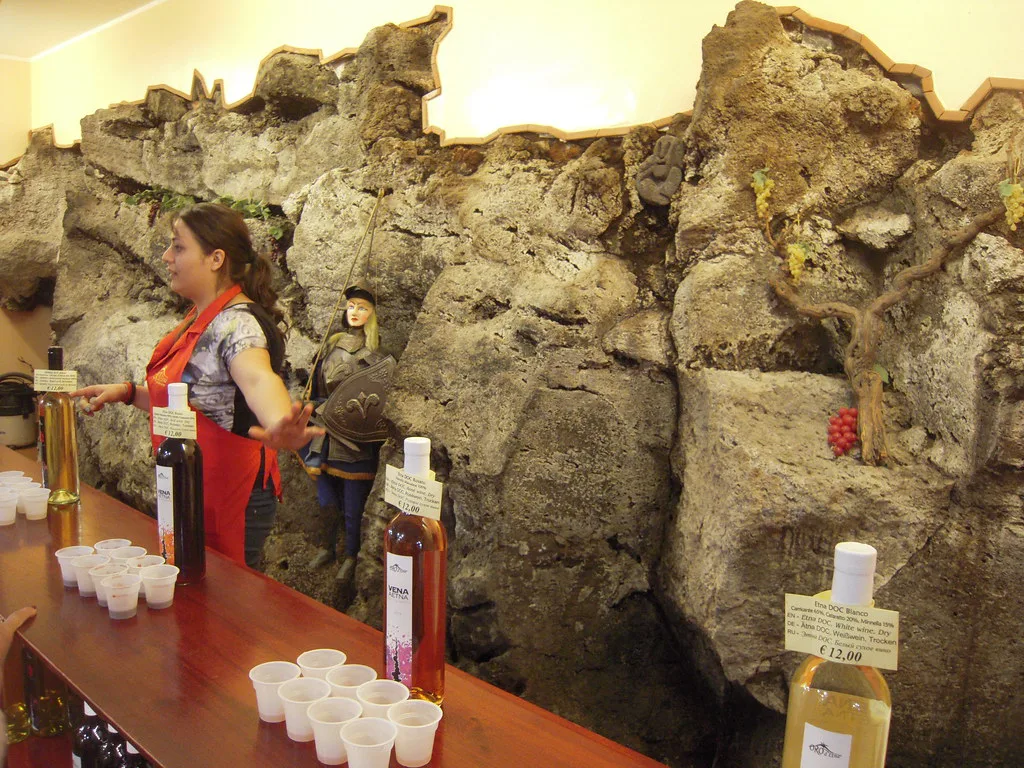
Etna producers generally work by appointment rather than walk-in, and the directory's model of listing cellars that offer tastings reflects that expectation. For a weekend visit in spring or autumn, write a few weeks ahead; for harvest, allow longer. If you are a couple, mention it, because some estates set a minimum party size for a guided visit and will pair you with another group instead.
Include your dates, the number of people, whether anyone is driving and not drinking, and any food requirements in the first message. Organized tours handle this differently: the Go-Etna listing asks guests to flag vegetarian meals and allergies in advance and offers a child seat on request, which is a useful reminder that a winery lunch is not automatically adaptable.
Harvest and Seasonality: When to Visit
Harvest on Etna generally falls in September and into October, when the vineyards are busiest and the cellars are working, so visits may be shorter or restricted to certain days. Late spring and early summer give green vineyard views and easier road conditions, while winter is quiet and some estates receive visitors only by arrangement. The guided wine tour is listed as available from April to October, which matches the most reliable weather window.
For vineyard views, aim for late spring or early summer; for quieter cellars and more time with the host, consider the shoulder weeks outside harvest. Where a producer publishes nothing about seasonal closures, ask directly whether the tasting room is open on your dates before you build the rest of the day around it.
Wine Tasting Inside Catania and the City Food Scene
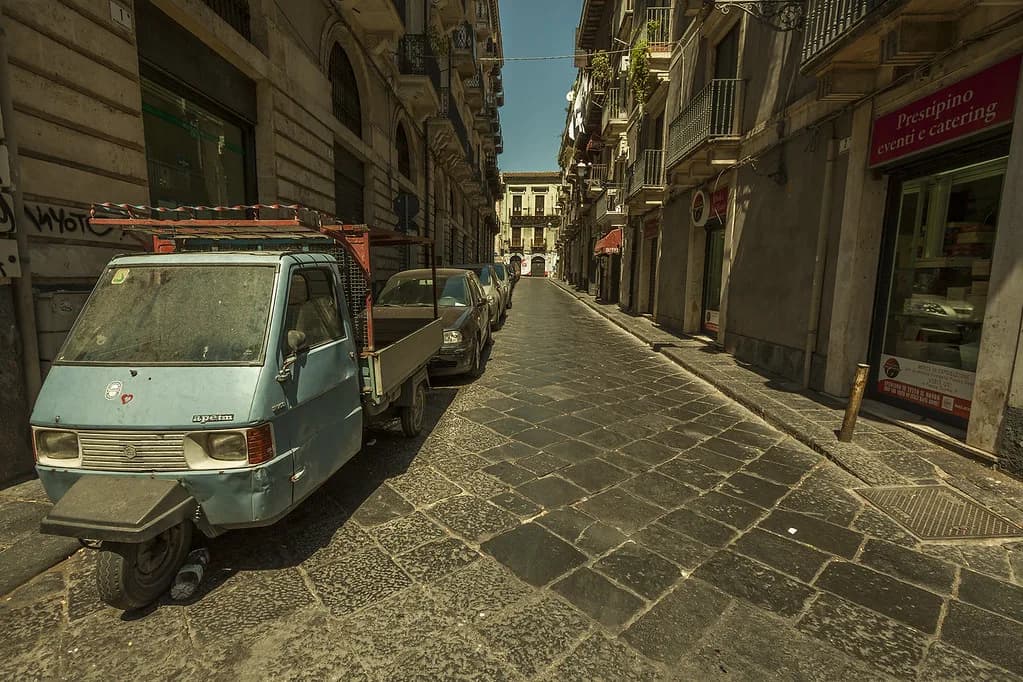
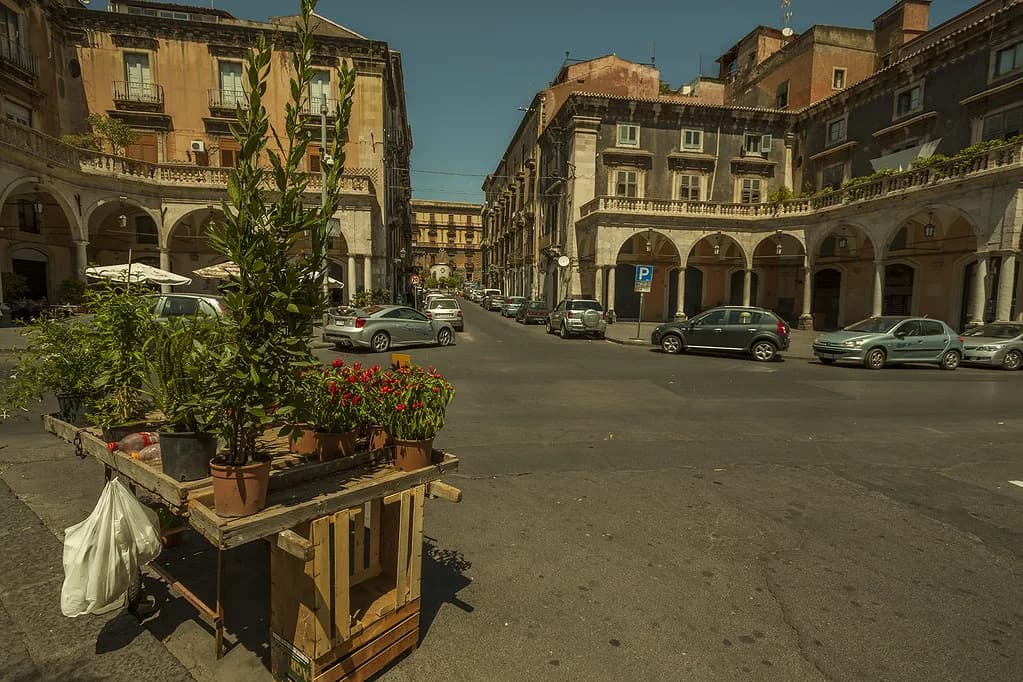
Not every tasting requires a drive into the mountains. Catania has wine bars and food-and-wine experiences in the center, and booking platforms list city-based tastings such as a winery tour with wine and food tasting in Catania alongside the Etna day trips. These suit a first evening or a rainy day, and they let you taste Sicilian wines without arranging transport at all.
The city's food culture pairs naturally with its wine: the fish market, the fried street food and the pastry shops are part of the same day. If you are comparing Italian wine destinations, wine tasting in Amalfi offers a coastal contrast, but Catania's advantage is that the vineyards themselves are within reach of the city rather than a separate trip.
Matching the Day to Your Group
Hikers and active travelers get the most from the combined tour, which includes a hike on the craters and a lava cave visit before the cellar stop, though Go-Etna describes the day as easy and suitable for everyone. Cruise passengers and travelers with a fixed return time should favor a tour with a guaranteed drop-off, while couples and small groups often prefer a direct booking with a single estate.
Non-drinkers are not left out: on a guided day the volcano, the cave and the lunch carry the experience, and a driver in a self-drive group can enjoy the food while leaving the wine. Families should confirm age policies before booking, since the Mount Etna Wine Tour lists a reduced rate of €10 less for children under twelve.
Plan Your Visit
Choose your route first: a guided tour for an effortless full day with pickup, a direct appointment for a slower cellar visit, or a car if you have a non-drinking driver and want to roam both slopes. Pick one slope, keep the number of stops modest, and settle the details that change the day, such as pickup zone, lunch and languages, at the time of reservation.
Prices, availability and harvest schedules shift from season to season, so confirm the final details with Go-Etna or the individual cantina when you book. With the transport settled, the rest of the day on Etna is simply a matter of which Nerello Mascalese or Carricante you want to taste next.
More wine guides from Catania
Frequently Asked Questions
What does Etna wine taste like?
Etna reds are based on Nerello Mascalese, often blended with Nerello Cappuccio, and are generally lighter in color and higher in acidity than the big reds of southern Italy. Whites are made mainly from Carricante and tend toward a bright, mineral style shaped by the volcano's high-altitude vineyards. Tasting notes vary by producer and vintage.
Is a Mount Etna wine tour worth it from Catania?
It is worth it if you want the volcano and a cellar in one day without driving. The Go-Etna listing combines a 4x4 drive, a lava hike, a cave visit, a cellar tour with Etna DOC tasting and a Sicilian lunch, with pickup in the Catania and Taormina area. If you mainly want time with a winemaker, a direct appointment may suit you better.
How much does wine tasting in Catania cost?
Guided tour prices are published on the booking page, with separate rates for meeting at the Giarre motorway exit and for hotel pickup in the Catania or Taormina area. Cellar tasting fees are set by individual producers and are not listed in the Winery Tasting Sicily directory, so ask each estate for its current rate when you enquire.
Can you visit Etna wineries without a car?
You can, but not easily for multiple stops. Organized tours with pickup remove the driving entirely, and you can also travel by train or bus to towns such as Giarre and join a tour there. Buses reach the villages and mountain access points, but no single line connects a sequence of cellars, so a taxi may be needed for the last stretch.
Do Etna wineries require reservations?
Most producers receive visitors by appointment rather than walk-in. Write a few weeks ahead for spring and autumn weekends and earlier for harvest, and state the number of people, your dates, who is driving, and any food requirements. Some estates set a minimum party size and may combine small groups.
What is the best time of year for wine tasting near Catania?
Late spring and early summer give green vineyard views and good road conditions, while September and October bring harvest activity and busier cellars. The guided tour operates from April to October. Winter is quiet, and some estates receive visitors only by arrangement, so confirm your dates before finalizing a trip.
Which Etna villages should I group in one day?
Group villages by slope rather than trying to circle the whole volcano. The northern slope around Randazzo is quieter and more spread out, while the eastern and southern slopes are closer to Catania and Taormina and link naturally with the craters and lava flows. Two stops on one slope makes a realistic day.
Should the driver taste wine?
No. Mountain roads, unpaved vineyard tracks and a long return drive make spitting or abstaining the sensible choice for whoever is driving. Use a designated driver, book a tour with pickup, or take a taxi so the rest of the group can taste without compromise.
Sources
Notes for your next wine trip
Optional updates to our winery and wine-town guides.
You might also like


Continue reading
More guides you'll find useful