Etna Wine Tours from Catania: How to Pick a Winery Day
Compare Etna wine tours from Catania: what a Jeep-and-cantina day includes, published prices, and how to book independent visits to Etna DOC estates.
On this page
Catania is the natural launch point for Mount Etna's wine country, but the search term "Etna wine tour" covers at least two different days. One is a guided 4x4 excursion across lava fields and craters that finishes with a single cantina visit and lunch; the other is a slower circuit through two or more estates for a broader tasting. Knowing which one you are buying is the difference between a scenic day with wine attached and a wine day with scenery attached.
Use Catania as the base: the eastern and northern slopes of Etna are reachable in a day, and the estates that welcome visitors cluster in a handful of villages. Below you will find what a standard tour includes and what it costs, which wineries take guests and where they sit, how appointment culture works, and how to choose between paying a tour operator and booking an estate yourself.
Two Products, One Search Term
A guided Etna wine tour usually means a full day that leads with the volcano and closes with wine. The representative format combines an off-road drive, a short hike on craters, a lava cave entered with helmets and torches, then a cantina visit with Etna DOC wines and a Sicilian lunch. If your priority is landscape and you want a glass at the end, this works well.
The second product, a multi-winery tasting tour, spends its hours inside cellars rather than on jeep tracks. Listings that advertise seven wines across two wineries, local honey and olive oil, and a typical Sicilian lunch fit this category. It suits travelers whose interest is the wine list itself and who are content to see the mountain from the vineyard rather than the crater rim.
A third option exists for confident planners: skip the packaged day and book one estate directly. You trade breadth for depth, since a single winery tour on Etna often runs one to two hours with five wines and a walk through the property, and you keep control of timing and cost. The trade-off is transport, which on the northern slope means arranging a driver.
Orienting Yourself: Etna DOC by Slope
Etna wine is grown on a ring of slopes around the volcano, and the slope you choose shapes your day. The northern slope centers on Passopisciaro and Randazzo, where the most famous contrade sit and where harvest runs latest. The eastern slope, around Linguaglossa and Viagrande, is closer to Catania and Taormina and therefore easier to reach on a short visit, which is why many taormina wine tours focus on the eastern estates.
A contrada is a named, registered vineyard site, and Etna has 133 of them, treated by producers in a way that echoes Burgundy's hierarchy. Several of the most sought-after sit on the northern slope, including San Lorenzo, Calderara Sottana and Feudo di Mezzo. Recognizing the names helps you read a tasting list, because single-contrada bottlings are usually the pricier, more site-specific wines.
From Catania, plan on a rental car, a private driver or a tour for the northern slope; the villages are small and scattered across winding roads. The eastern slope is a shorter run and is the sensible choice if you have a single afternoon. If you are staying on the coast instead, Taormina wine tours cover much of the same ground with a different pickup point.
What a Standard Guided Day Covers
The classic volcano-and-cantina format is long: the Go-Etna Etna and Wine Tour runs about eight hours, with hotel pickup between 08:20 and 08:30 and return around 18:30. The day includes an English-speaking guide, the 4x4 sections, a roughly 45-minute crater hike, the cave visit with equipment supplied, the winery tour and tasting, and lunch. Pickup at the Giarre motorway exit is the cheaper meeting option.
Read the inclusions rather than the headline price, because operators differ on what sits inside the fee. On the Go-Etna day, trekking poles, helmet, torch and the full Sicilian menu are included, and Go-Etna states there are no extra entrance fees. Rental of trekking shoes and purchase of a wind jacket are separate optional costs, so bring your own footwear if you have it.
The published Go-Etna rate is €173 per person from the Giarre motorway meeting point, or €183 per person with hotel pickup in the Catania or Taormina area. The tour runs April to October and is not operated on 25 December or 1 January, although the company says it is open all year otherwise. Children under 12 pay less, and pickup outside the Catania and Taormina zones carries a supplement on request.
Go-Etna also offers the same program as a private tour with driver, guide and vehicle reserved for your group. That matters if you want to linger at the winery or set your own pace on the mountain. Ask for the private quote alongside the shared rate so you can weigh the difference against the size of your party.
Multi-Winery Tours: What You Gain and Lose
A two-winery tour buys breadth of comparison. Tasting across seven wines at two estates in one day shows you how nerello mascalese from different sites and vintages behaves, which a single cantina cannot. It also bundles the driving and the lunch, so nobody at the table has to stay sober for the road.
The cost is depth. Estate visits on Etna typically include a vineyard or cellar walk and a structured tasting, and compressing two of these into one day means less time in each. If you have a particular producer in mind, a half-day at that estate plus a short scenic stop will usually teach you more than two rushed appointments.
A practical hybrid is to take the guided day once for the volcano and one winery, then return independently on a second day to the estate you liked most. Catania is small enough to use as a base for both, and two shorter days usually beat one overloaded one.
Wineries on Mount Etna That Receive Visitors
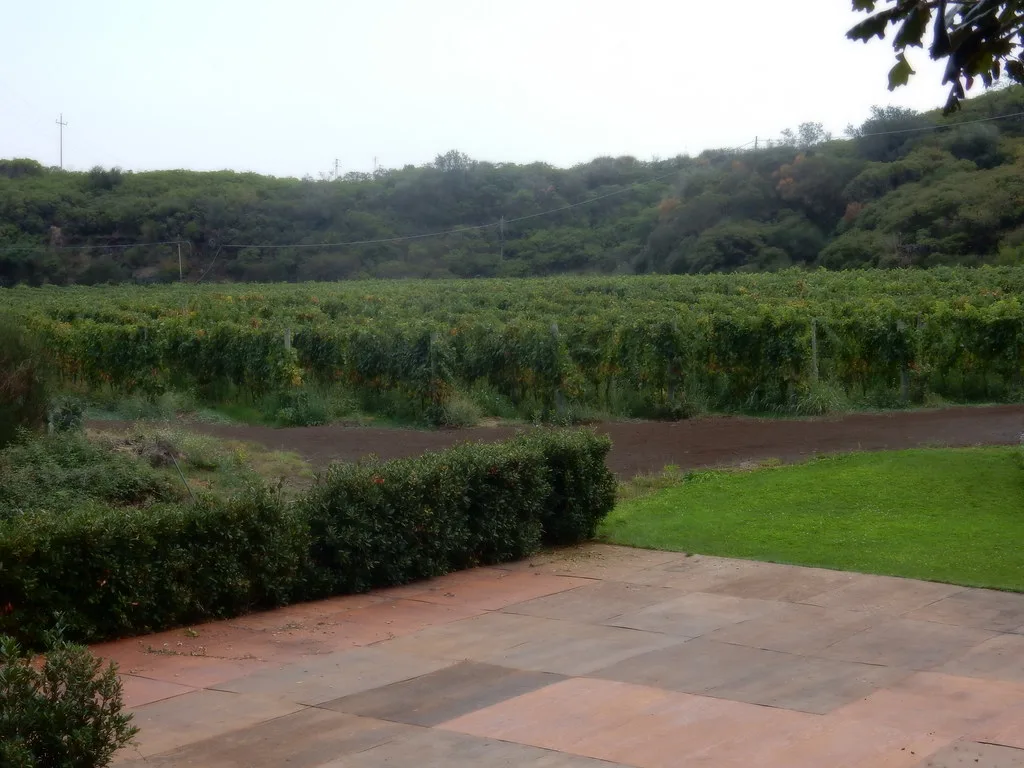
Benanti sits at Via Giuseppe Garibaldi 361 in Viagrande on the southeastern side, close to Catania and easy to combine with an eastern-slope day. It is the only producer with vineyards on every slope of Etna DOC, and visits include a guided tour and a tasting with local food prepared in house, offered every day except Monday. The modern winery was founded in 1988 by Giuseppe Benanti, and its portfolio spans nerello mascalese, carricante and a varietal nerello cappuccio.
Gambino Vini, in Contrada Petto Dragone at Linguaglossa on the eastern slope, is one of the more accessible estates from Catania or Taormina, which makes it a sensible choice if you cannot push north. Its Etna DOC reds are the core of the visit, and the tour includes the estate and its views. Book ahead; the winery works on scheduled visits rather than drop-ins.
On the northern slope, Tenuta delle Terre Nere on the Calderara road at Randazzo pioneered single-contrada bottling and welcomes visitors by reservation Monday to Friday. Vini Franchetti Passopisciaro, at Contrada Guardiola in Passopisciaro, runs formats from a classic vineyard tour and tasting up to a deeper tour on the area's winemaking history. Pietradolce, also on the north slope, works from pre-phylloxera vines and asks visitors to request a visit by email.
Donnafugata's Randazzo cantina on the northern slope opened in 2016 and receives guests year-round for a vineyard and cellar visit followed by a guided wine and food tasting in its enoteca. The company also runs a Marsala site just across the street from the Florio producer, where the tour covers its wines from Marsala, Vittoria, Etna and Pantelleria. Planeta's Sciaranuova estate, established in 2012, offers themed tasting experiences that include lunch.
All of Italy is one country, and passport requirements are standard. Smaller estates round out the list. I Vigneri di Salvo Foti offers a vineyard walk, a visit to the old winery and a tasting, with a limited number of guided tours, so book early. Tenuta Le Sciarelle on the southeastern slope takes groups of 15 or more for tastings, cooking classes and dining, and Al-Cantàra, a small family property with a farmhouse art museum, is best contacted directly.
Booking Culture: Appointments, Not Walk-Ins
Most Etna estates schedule tastings in advance through a booking page or by email, and drop-ins are rare. When you write, give the date, the number in your party, whether anyone is driving, and any food requirements, since tastings often include local cheese, salumi or a full lunch. A short, specific email gets a faster answer than a general inquiry.
Expect confirmations to specify a time slot and a set format rather than a menu of options. Where an estate publishes several tour levels, the entry-level version usually includes a property walk and around five wines, while the premium version adds single-contrada bottles. Ask what is poured before you choose, because the price gap between levels is usually about the wines rather than the length of the visit.
For a first visit to the region, the broader picture of Catania's tasting rooms, wine bars and day-trip options is worth reading before you commit to a single estate. It helps you decide whether to spend your one free day on the mountain or in the city.
Getting to Etna Wineries Without Driving
Organized tours solve the transport problem outright, with pickup in Catania or Taormina and a guide who handles the mountain roads. The Giarre motorway meeting point is the budget version for travelers with their own car who still want the guided day. Either way, nobody in your group has to drive after tasting.
Independent travel is harder than it looks. Villages such as Passopisciaro and Randazzo are small, estates sit off the main roads, and local buses do not connect cellar doors in any useful sequence. A private driver or a taxi arranged from Linguaglossa or Randazzo for a fixed number of hours is the workable independent option, and you should agree the pickup time and price before setting out.
Cycling the lower slopes is possible for fit riders, but the gradients, heat and long distances between estates make it a serious day rather than a casual one. If you go this route, book a single estate and build the ride around it rather than attempting three stops. Whatever the transport, the person driving should not taste: use the spittoons, appoint a designated driver, or take a tour or public transport.
Travelers based on the coast rather than in Catania will find pickup logistics differ, since operators run separate routes from the Taormina side. Comparing those departures against Catania-based ones is the quickest way to avoid a long transfer at the start of the day.
Independent Versus Tour: The Trade-Off
A guided day buys logistics, a driver and a fixed price. The Go-Etna format shows what that means in practice: hotel pickup, a full lunch and the winery visit sit inside one published rate, and the schedule is set for you. The trade-off is flexibility, because you move with the group and Go-Etna chooses the cantina rather than leaving the choice to you.
Booking directly buys time at the estate you actually want and often a longer conversation with whoever pours. The costs are a rental car or driver, your own navigation on narrow roads, and the need to schedule around appointment slots. For a group of three or four, the private-tour supplement can compare favorably with hiring a driver for the day, so price both before deciding.
Language matters too. Estate tastings are usually conducted in English on request but not always by default, and a good guide interprets both the wines and the landscape. If the story of the volcano is half the point of your day, the guided format earns its keep; if the wines are, spend the money on a better estate instead.
Harvest Timing and Seasonality
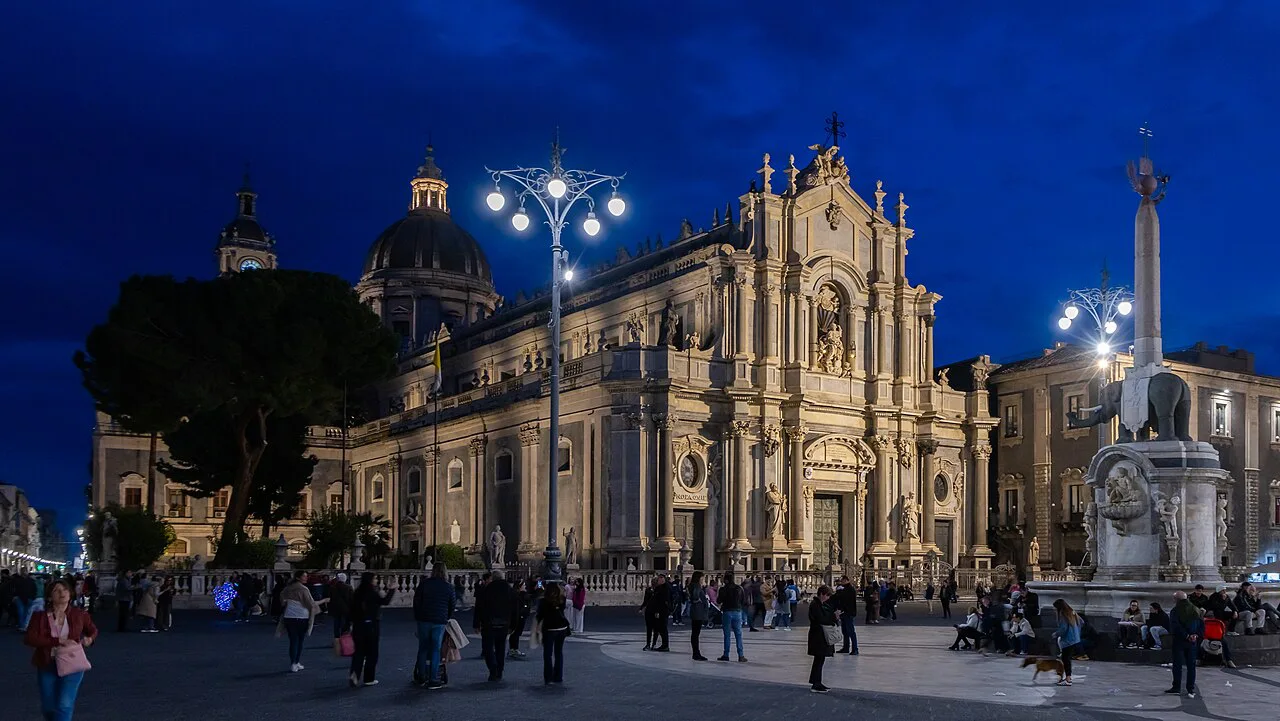
Etna's growing season runs late because the vineyards sit at altitude. Many producers wait as long as possible, often into late October, to pick nerello mascalese for the reds, which can be up to two months behind the rest of Sicily. On the warmer southeastern slope, picking comes up to a month earlier.
That schedule matters if you travel in September or October and hope to see picking. The northern slope may still be hanging fruit while the southeast is already fermenting, so ask the estate what stage the vineyards are at before you pick a day. Budbreak, flowering and picking dates shift with the vintage, and no fixed calendar holds from year to year.
Fermentation and bottling also shape what you can see. Estates that bottle in spring may have equipment in use when you visit, and cellar tours adapt accordingly. A short email asking what the team is doing that week tells you more than any seasonal guide.
Wine Styles to Expect
Etna's reds are built on nerello mascalese, often with nerello cappuccio in the blend, and the best single-contrada bottlings are pale in color but structured and long-lived. Whites rest on carricante, which gives tense, mineral wines that can age well; Etna Bianco Superiore is the benchmark category for the grape. Outside Etna, Sicily's other red grape to know is nero d'avola, which anchors elegant wines in Noto and Vittoria.
Tasting menus at estates usually mix a white, a rosato and one or more reds, with single-contrada wines appearing at the higher tour levels. Knowing this lets you choose an estate by what it grows rather than by reputation alone, and it explains why northern-slope producers lean heavily on nerello mascalese while eastern estates may pour more varied reds.
If your trip extends beyond Etna, the island's other wine districts reward a second base. The broader guide to Sicily wineries covers Marsala, Vittoria and Pantelleria, where Zibibbo and passito styles take over from the volcano's nerello and carricante.
Plan Your Visit
Decide first which day you want: a volcano-led tour with one cantina, a multi-estate tasting circuit, or an independent appointment at a single winery. Each has a clear profile, and the price and inclusion lists published by operators such as Go-Etna give you a benchmark for the first. For the others, pick an estate by slope, confirm the tour format and what is poured, and lock in the transport before the booking.
Before you travel, reconfirm the pickup point and time with the tour company and the appointment slot with the estate, since schedules and opening days change by season. Bring closed shoes for the mountain and a plan for the driver that does not involve a glass. With those settled, Etna rewards a well-planned day more than a spontaneous one.
Frequently Asked Questions
What does an Etna wine tour from Catania include?
The common format combines a 4x4 excursion on Mount Etna, a short crater hike, a lava cave visit with helmet and torch, a cantina tour and Etna DOC tasting, and a Sicilian lunch, with an English-speaking guide and hotel or meeting-point pickup. Multi-winery tours instead spend the day at two or more estates with a broader tasting. Always read the inclusion list, because equipment rental and some pickup zones can be extras.
How much does a Mount Etna wine tour cost?
Prices vary by operator and format, so compare published rates. Go-Etna lists its eight-hour Etna and Wine Tour at a set per-person rate from its Giarre meeting point and a higher rate with Catania or Taormina hotel pickup, with lunch and the winery visit included. Check the booking page for the current rate and any supplements for children or remote pickup.
Can you visit Etna wineries without a car?
It is difficult but not impossible. Organized tours from Catania or Taormina include transport and a guide, and a private driver hired for a fixed number of hours from Linguaglossa or Randazzo is the practical independent option. Local buses do not link cellar doors in a useful sequence, and cycling the slopes is a serious undertaking. Whoever drives should not taste.
Do Etna wineries take walk-ins or require reservations?
Most estates schedule tastings in advance through their website or by email rather than accepting drop-ins. Some publish specific opening days, such as Benanti, which receives visitors every day except Monday, while others welcome guests by reservation on weekdays only. Write with your date, party size, whether anyone is driving and any dietary needs, and confirm the time slot before you travel.
What is Etna wine like?
Etna's reds are based on nerello mascalese with nerello cappuccio, producing structured wines from named contrada sites, while the whites come from carricante and show tension and minerality. Single-contrada bottlings are the most site-specific and usually the most expensive wines on a tasting list. Beyond Etna, nero d'avola and frappato dominate in Noto and Vittoria.
When is harvest on Mount Etna?
Harvest is late because the vineyards sit at altitude. Many producers pick nerello mascalese for the reds as late as possible, often into late October on the northern slope, while the warmer southeastern slope can be up to a month ahead. If seeing harvest matters to you, ask the estate you plan to visit what stage the vineyards are at for the current vintage before booking.
Sources
Notes for your next wine trip
Optional updates to our winery and wine-town guides.
You might also like

Continue reading
More guides you'll find useful