Etna Wineries: Where to Taste by Slope and Book From Catania
Etna wineries that welcome visitors, grouped by volcano slope, with how appointments, tours and the Circumetnea train work from Catania as a base.
On this page
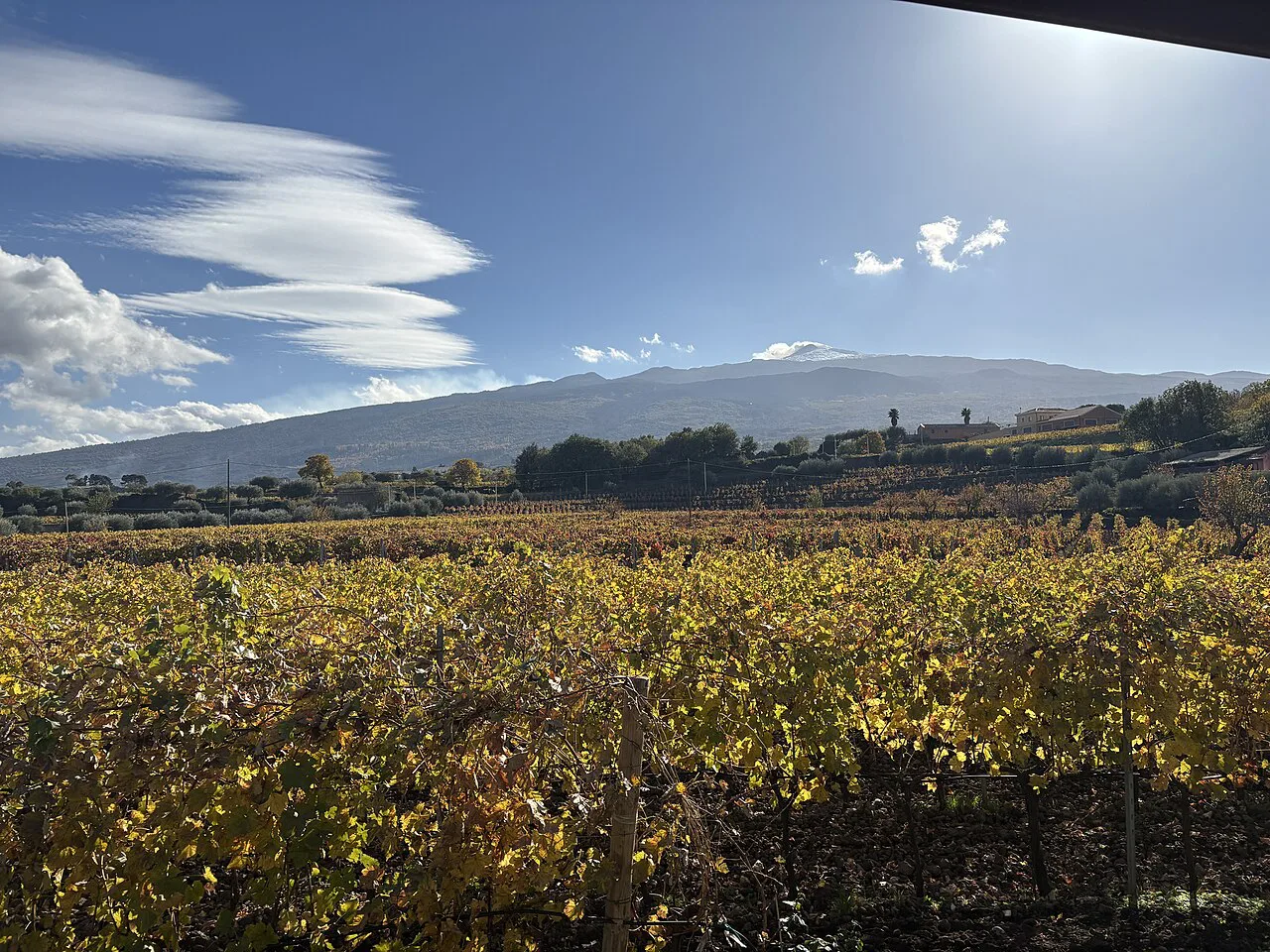
Mount Etna is not a single wine village you can stroll in an afternoon. Wineries are scattered around the flanks of an active volcano, from the south-eastern slopes just above Catania to the northern villages of Passopisciaro, Randazzo and Linguaglossa, and the drives between them are long and winding. Choosing a slope before you book matters more than choosing a famous name.
This guide groups the estates that receive visitors by side of the volcano, explains the local grapes and appellations in plain terms, and sets out how appointments, tours and the narrow-gauge railway actually work. For the wider picture of tasting rooms and enoteche in the city itself, see our companion guide to wine tasting in catania.
Etna Wine in One Minute: Grapes and Styles to Ask For
The Etna DOC covers the volcano's slopes, and its reputation rests on two red grapes and one white. Nerello Mascalese gives pale, structured reds often compared to Burgundy in shape rather than weight, while Nerello Cappuccio is usually blended in to soften and round the wine. Carricante is the white grape behind Etna Bianco, a fresh, mineral style that can also age surprisingly well.
Single-contrada bottlings name a specific vineyard zone, much as Burgundy names climats, so labels can read like small addresses rather than brands. When you book, mention whether you want a broad introduction or a vertical of one contrada, because tasting rooms structure visits differently. Our etna wine tasting explainer covers the appellation rules in more depth if you want the detail before you go.
How the District Is Laid Out: North Slope Versus the South-Eastern Slopes
Think of Etna as two wine routes. The northern side, anchored by Passopisciaro, Randazzo and Linguaglossa, has the densest concentration of small estates and restored palmento cellars, and it is where you can link several visits in one loop. The south-eastern slopes rise above villages closer to Catania, so they suit a shorter day if you are based in the city. If you are weighing another Sicilian base against this one, the Taormina wine guide makes a useful comparison for a day of wine tasting in Taormina.
The trade-off is time against variety. The north gives you more estates within a short drive of each other but a longer approach from Catania, while the south saves road time and concentrates on a handful of larger, well-organized visitor operations. Pick one side per day rather than zig-zagging around the mountain.
North Slope Cluster: Passopisciaro, Randazzo and Linguaglossa
Girolamo Russo, named after the father who first farmed these vineyards, is based near Passopisciaro on the northern slopes and receives visitors in a restored farmhouse at the Feudo vineyard, where tastings run alongside a series of autumn concerts. The estate's entry-level Etna Rosso, A Rina, is one of the area's better-known introductory reds, which makes it a sensible first stop if you are new to Nerello Mascalese.
Tenuta Tascante belongs to the Tasca d'Almerita family, which arrived on Etna in 2007 and planted four plots on the northern side, and a restored palmento cellar above the Pianodario vineyard now hosts tastings that include two reds from single contradas. If you want to understand the micro-zone idea in one sitting, this is the format to ask for when you write.
Randazzo sits centrally in this northern cluster and is a practical lunch stop between appointments, with family-run trattorias such as San Giorgio e il Drago serving Sicilian cooking and a deep list of local wines. Aim for one morning visit, a long lunch, then one afternoon visit rather than squeezing in a third.
South-Eastern Slopes Near Catania: Benanti and the Monte Serra Vineyard
Benanti is the grand exception on a volcano of small farmhouse operations: visitors are hosted in a 19th-century villa at the center of the estate, and tastings are prefaced by a tour of the Monte Serra vineyard, whose terraces of bush-trained vines curve across the slope. The property sits not far from Catania on the south-eastern side, making it the most straightforward serious visit if you have only one day.
The range runs from reds to whites with equal attention, and the flagship white Pietra Marina shows how far Carricante can go, with the capacity to age for a decade or more. Groups with mixed preferences often find this the easiest estate to agree on, because one visit covers both sides of the Etna style.
Booking Culture: Appointments, Emails and What to Ask
Appointment-only is the norm rather than the exception. MontiRossi Etna Wine in Nicolosi states plainly on its site that visits are by appointment, with a phone number and email listed alongside the address on Via Stanislao Cannizzaro, so a same-day drop-in is the wrong plan. Treat that as a signal for the district generally and email ahead even where a winery also advertises open hours.
A useful booking email is short and specific: ask which slopes the estate is on, how many wines the tasting includes, whether a cellar or vineyard walk is part of it, whether food is served or can be arranged, how long it lasts, and whether a driver or non-drinker can come without tasting. Ask about the language of the visit and whether children are welcome if you are traveling as a family. Keep a copy of the reply, since confirmation often comes by email rather than a booking system.
Getting There Without Driving: Circumetnea Railway, Tours and Drivers
A car makes Etna wineries easy, but nobody who has been tasting should be the one driving. Use spittoons at the tasting counter, nominate a designated driver who skips the wine, or book a tour or private driver from Catania so the whole party can taste. The volcano roads are slow and signposted in a way that rewards local knowledge.
Public transport is limited. The narrow-gauge Circumetnea railway loops around the volcano, but one travel source describes only about three trains a day on the line, so it works as a scenic link between towns rather than a vineyard shuttle; check the current timetable before building a day around it. A booked etna wine tour from Catania removes the scheduling problem entirely, at the cost of less flexibility over which estates you see.
If you would rather have structure than a driver, the Etna Wine School runs half- and full-day courses led by a locally based expert, which suits travelers who want guided explanation of the grapes and zones rather than a series of tasting counters. Either way, a booked tour or course is the low-stress option for a group without a car.
Wine Resorts and Where to Sleep to Shorten the Drive
Sleeping on the mountain turns a rushed day into a relaxed one, and several Etna estates combine winery and hotel. Monaci delle Terre Nere near Zafferana Etnea, Feudi del Pisciotto, Scilio at Linguaglossa, Firriato's Cavanera Etnea at Castiglione di Sicilia, Tenuta di Fessina and Pietradolce's Donna Carmela are among the properties listed as wine resorts or winery farm stays on Etna, several with restaurants and pools.
Other options include Barone di Villagrande at Milo, Cantina Murgo's Tenuta San Michele at Santa Venerina, and the Zash and Shalai properties, which belong to Etna wine families in Riposto and Linguaglossa respectively. Staying in the north puts Passopisciaro and Randazzo within easy reach, while Zafferana Etnea and Santa Venerina suit the south-eastern estates and the Catania approach.
Not every estate on the mountain welcomes drop-ins, and hospitality listings describe lodging as much as tasting. Email the specific property to confirm whether a tasting is included or booked separately, and whether the restaurant is open on your dates.
Where to Eat Between Tastings: The Case for One Long Lunch
Randazzo's family trattorias, including San Giorgio e il Drago, are the natural stop on a northern day, with seasonal Sicilian dishes and a long list of local bottles. On the eastern side, Zash at Riposto holds a Michelin-starred restaurant in a converted press and cellar, which works better as a destination meal than a quick break between visits.
Two tastings and a proper lunch is a fuller day than three tastings and a sandwich. Palate fatigue is real, and the last visit of a rushed schedule is usually the one you remember least; book lunch as deliberately as you book the wineries.
Building a One-Day Etna Plan From Catania
With a single day, stay on one slope: choose Benanti and one other south-eastern visit, or commit to the north and pick Girolamo Russo plus Tenuta Tascante with lunch in Randazzo between them. Two visits with a real meal in the middle beats three rushed stops, and it keeps the driving manageable.
If you are not driving, a half- or full-day tour or course from Catania is the realistic way to do this, and an organised Mount Etna wine tour can handle the shuttle between estates. For a full menu of options in the city and on the volcano, see the wider guide to wine tasting in Catania and the Sicily wineries directory.
Building a Two-Day Plan: One Slope Per Day
A north day and a south day is the cleanest split. Start with Passopisciaro and the palmento cellars around it, eat in Randazzo, then spend the second day on the south-eastern slopes closer to Catania before a final meal in Riposto or Catania itself.
Two days also lets you accept one appointment-only slot without losing the whole trip if something moves, and you can choose a wine resort for the middle night to skip a long return drive. Sicily has many other wine districts, so pair Etna with a stay elsewhere only if you have more than two days.
Practical Notes: Harvest, Tasting Formats and Confirming Details
Harvest on Etna runs into autumn, which is why Girolamo Russo's Feudo farmhouse hosts a series of autumn concerts; it also means the busiest period for winemakers is not always the best time for visitor appointments. Ask when you book whether the estate is working and whether that changes what you can see in the cellar.
Tastings range from a short flight of reds to a vineyard walk plus cellar tour, and the most useful thing you can do is ask for the number of wines and an expected duration before committing. Reconfirm your booking and meeting point a day or two ahead, since small estates run on email and phone rather than front desks.
Plan Your Etna Wine Day
Choose your slope first, book appointments by email with clear questions about wines, duration and food, and decide early whether you are driving or joining a tour. That order of decisions removes most of the friction from a day around Etna, and leaves the time you have for the wines themselves.
Anyone behind the wheel should skip the tasting rather than moderate it, using spittoons, a designated driver or public transport where it genuinely fits. Adults of legal drinking age can then plan the rest around one good lunch and no more than two estates per day.
Frequently Asked Questions
Which Etna wineries welcome visitors from Catania?
Benanti, on the volcano's south-eastern slopes not far from Catania, receives visitors in its 19th-century villa with a Monte Serra vineyard tour. On the northern side, Girolamo Russo hosts tastings at its restored Feudo farmhouse near Passopisciaro, and Tenuta Tascante runs tastings in a restored palmento cellar above the Pianodario vineyard. MontiRossi Etna Wine in Nicolosi takes visits by appointment. Several other estates combine winery and lodging.
Do Etna wineries require appointments?
Appointment-only is the norm, and MontiRossi Etna Wine states explicitly that visits are by appointment. Email the estate with your date, party size, which slope you are visiting and whether you want food, and confirm the time in writing. Small estates do not staff a walk-in tasting counter all day.
Can you reach Etna wineries by train?
Only partly. The narrow-gauge Circumetnea railway loops around the volcano and links towns, but it runs very few times a day, so it is a scenic connection rather than a vineyard shuttle. For a day of tastings without a car, a booked tour or private driver from Catania is far more practical. Check the current timetable before relying on the railway.
How far are Etna wineries from Catania?
Distances vary enormously by slope. Benanti is close to Catania on the south-eastern side, while the northern estates around Passopisciaro, Randazzo and Linguaglossa involve a longer, winding approach. Plan one slope per day, and if you want to shorten the drive, stay overnight in Zafferana Etnea, Linguaglossa or Castiglione di Sicilia.
Should I visit Mount Etna for wine or for the landscape?
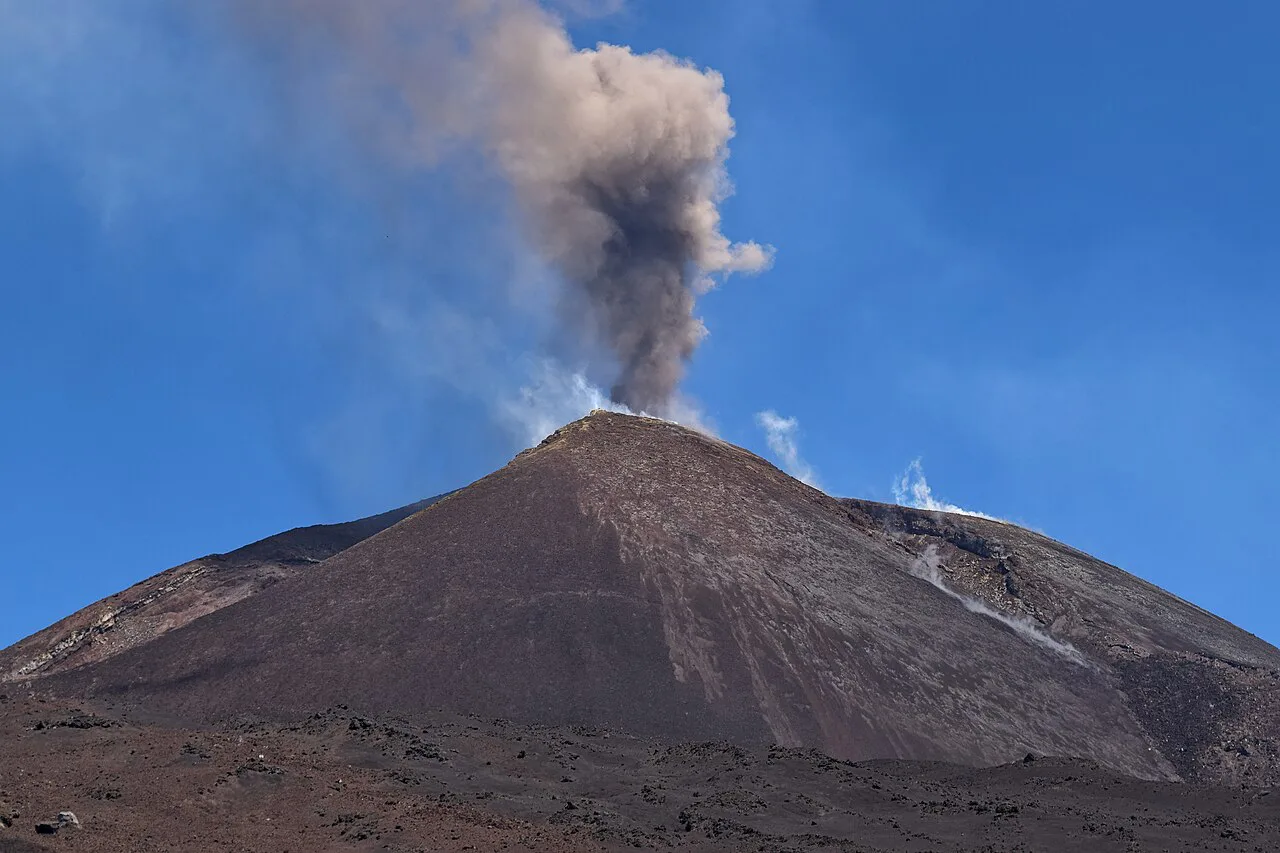
Both reward the trip, but they need different planning. Wine visits are tied to appointments and to the slope you choose, while the volcano's lava fields and villages suit an unhurried drive or a guided excursion. Combining a morning tasting with an afternoon on the mountain works well if you have a driver.
What does Etna wine taste like?
Etna reds come mainly from Nerello Mascalese, often blended with Nerello Cappuccio, and the style is pale in color but structured and savory. Etna Bianco is made largely from Carricante and tends to be fresh and mineral, with the best examples aging for years. Single-contrada bottlings differ noticeably from village-level wines, which is worth asking about when you book.
Sources
Notes for your next wine trip
Optional updates to our winery and wine-town guides.
You might also like

Continue reading
More guides you'll find useful