Etna Wine Tasting: Volcano Wineries, Prices and How to Book
Plan an Etna wine tasting from Catania: how Etna DOC wines differ, what a winery visit includes, published prices, booking lead times and transport options.
On this page
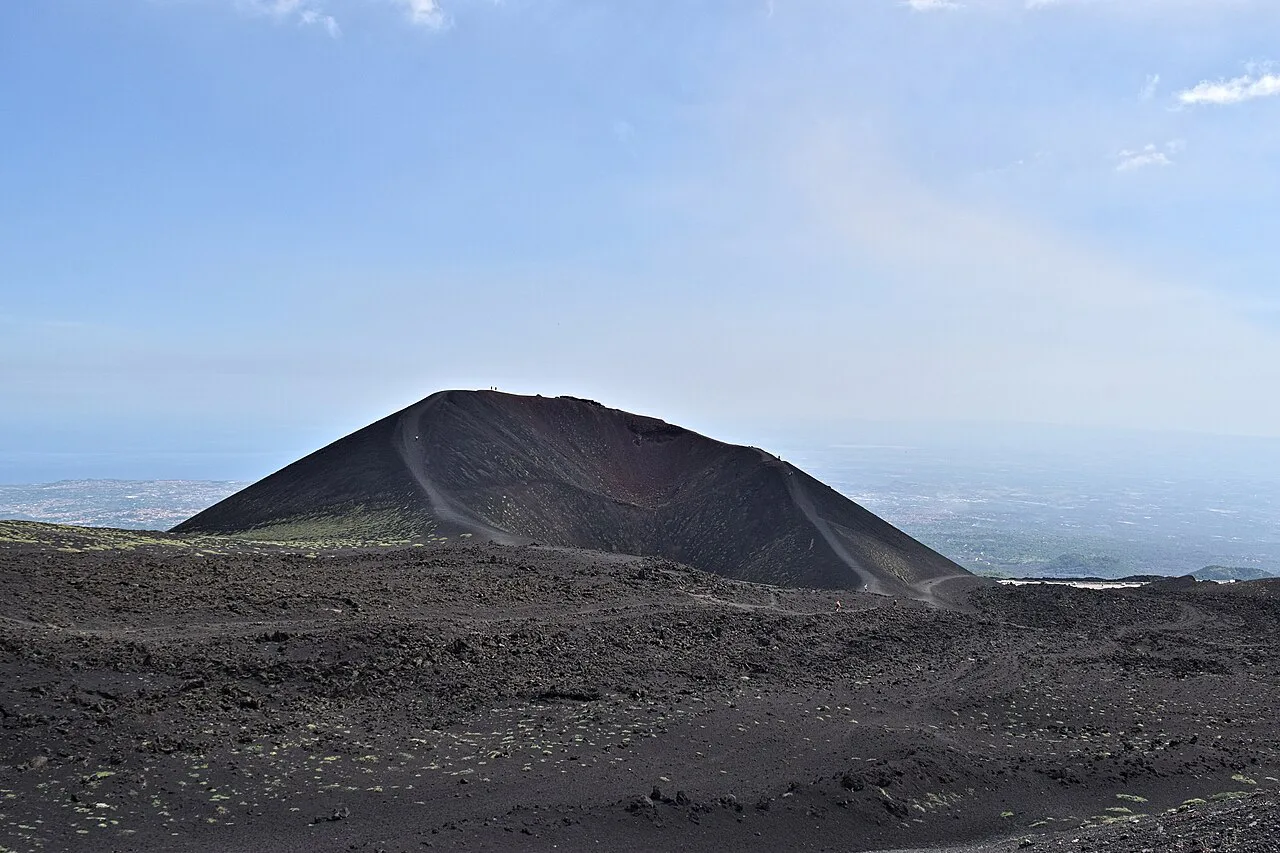
Etna is not a wine town you stroll. The vineyards climb the flanks of an active volcano in scattered parcels called contrade, and most estates sit a winding drive apart, so a successful day depends less on luck than on matching two or three bookable experiences to a realistic route. This guide works from Catania, the natural base, and concentrates on what wineries actually publish: duration, group size, languages and price.
The good news is that Etna now has a mature visitor culture, with estates and booking platforms listing fixed slots rather than vague invitations to call ahead. The trade-off is that the cheapest and the most memorable formats differ sharply: a short discovery tasting, a vineyard session with local products and a high-altitude lunch all serve different travelers.
Why Etna Tasting Is Different: Contrade, Altitude and Volcanic Soils
Etna DOC covers the volcano's slopes, and the appellation's logic is geographic rather than commercial: individual contrade (named vineyard zones) at different altitudes and exposures are treated as distinct sites, much as Burgundy treats climats. That matters to a visitor because two wineries a short drive apart can work with very different fruit, and a tasting flight often reads as a tour of the mountain rather than of a single estate style.
Volcanic soils drain fast and sit high above sea level, which shapes both the wines and the logistics. Roads coil upward through lava fields, villages cling to the slopes, and the difference between a north-slope and south-slope appointment can be a long, slow transfer. When you plan, group tastings by slope and altitude rather than trying to cross the mountain between two slots.
The practical consequence is that you should think in circuits, not in a single destination. Pick a slope, pick two estates on it, and leave the rest of the mountain for another day.
The Wines You'll Meet: Etna Rosso and Etna Bianco
Etna Rosso is built mainly on Nerello Mascalese with Nerello Cappuccio, producing pale-colored, firmly structured reds that connoisseurs often compare to Burgundy in build rather than weight. Etna Bianco centers on Carricante, a grape that gives taut, mineral-driven whites, sometimes blended with small amounts of other local varieties. Knowing these two names is enough to read most tasting lists on the mountain.
Beyond the two flagships, Etna producers also make rosato and sparkling wines, the latter often from Carricante and labeled as Etna DOC spumante. When a tasting is described only as four Etna wines, ask which styles are poured if you care about breadth: a flight that is all red is a different experience from one that moves from sparkling through white to rosso.
For orientation on which estates receive visitors and how their ranges are structured, the regional overview of Etna wineries is a sensible starting point before you commit to a slope.
Where the Wine District Sits Relative to Catania
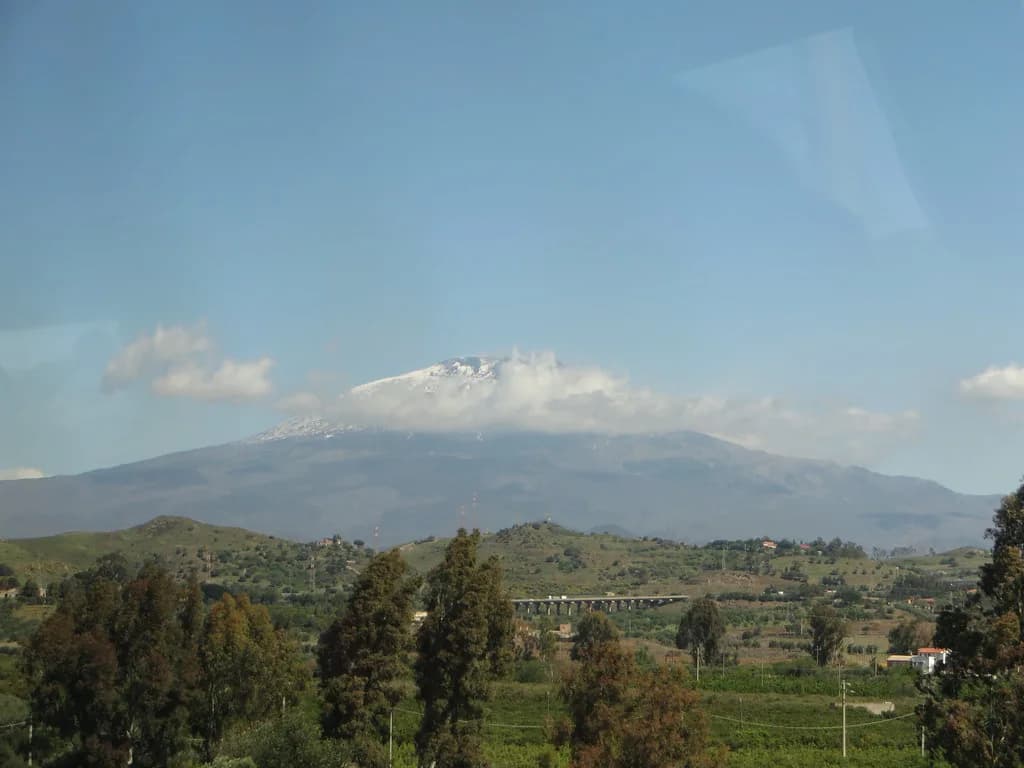
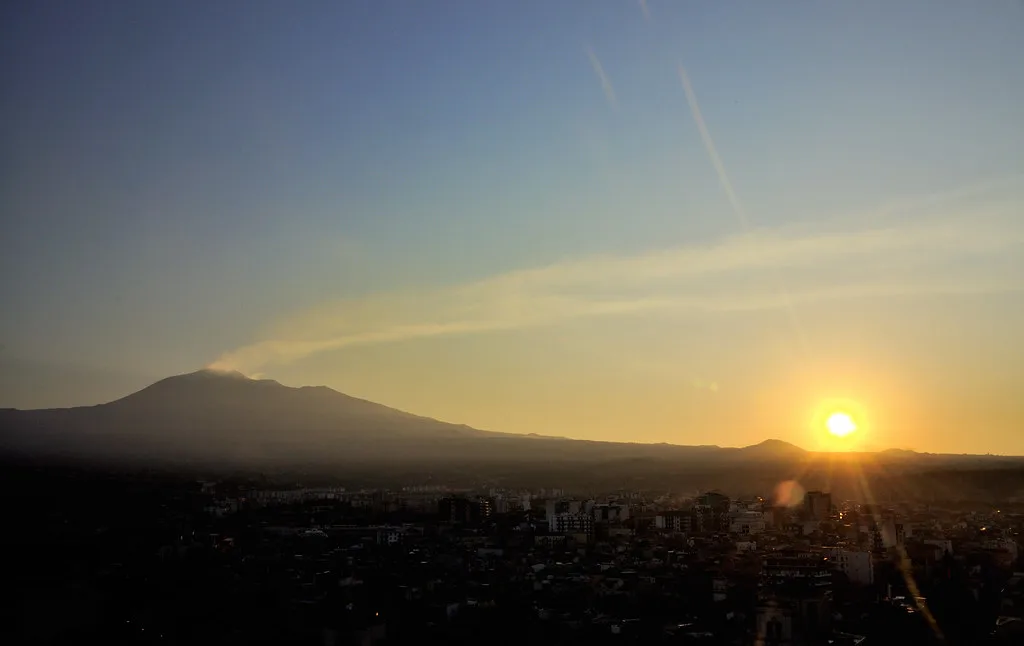
Catania sits at the foot of the volcano, and the wine villages fan out onto the northern and southern flanks. Castiglione di Sicilia, on the north side toward the Alcantara valley, is one of the most concentrated clusters of visitor-ready estates, and several bookable experiences there sit within the same commune. That makes it the easiest area to build a half-day around from Catania.
The southern approach, through Nicolosi and the cable-car base, is where most volcano excursions go, so wine stops on that side often tag onto a crater trip. The trade-off is time: a full day combining the high mountain and a serious seated tasting is ambitious, and a half-day vineyard circuit on one slope usually delivers a calmer visit. Decide which you want before booking anything.
Zumbo Vini: A Vineyard Tasting in a Traditional Cassotto
Zumbo Vini, run by sisters Erica and Ramona in Castiglione di Sicilia, offers a vineyard tasting held in a traditional cassotto, the rural setting used for the tasting, with Mount Etna and the Alcantara valley as the backdrop. The published format is a guided tasting of four Etna wines paired with cured meats, regional cheeses and homemade appetizers, lasting about two hours.
The listing gives a price of ninety euros per person for adults, with children up to eleven free, and a party range of two to twenty-five guests. Slots run every day of the week from morning into mid-afternoon, beginning at 09:30 and continuing in half-hour increments until 15:00, and bookings must be made at least two days ahead. Languages offered are English, French and Italian, chosen at booking.
Because the setting is outdoors in the vineyard, this format suits travelers who want landscape and food with their wine rather than a cellar walkthrough. State any allergies or food intolerances when you book, since the pairing is prepared in advance, and note that the same estate lists several other formats at different lengths and prices if two hours in the vineyard is more than you need.
Cheaper and Longer Formats at the Same Estate
Zumbo Vini publishes a ladder of experiences alongside the vineyard tasting, which is useful for matching budget to time. A discovery tasting of Etna wines runs about an hour and a half and starts from thirty-five euros per person, while an Etna DOC tasting and vineyard tour takes around four hours from fifty-five euros per person. Both have a minimum of two guests.
At the top of that ladder is a high-altitude tasting on the mountain with a winery lunch, lasting roughly six hours, from one hundred ten euros per person, with a minimum of four guests and a maximum of fifteen. If your group is two people and you want the lunch format, you may need to join a larger booking or pay for the minimum, so ask before you commit.
Read these as three different products rather than one visit priced three ways. The short discovery pour suits a tight schedule or a first introduction; the four-hour tour suits travelers who want the vineyard and the cellar story; the lunch format suits a group treating the day as an occasion.

Other Named Options in Castiglione di Sicilia: Casale 120 and Fischetti
Two further bookable experiences in the same commune make a north-slope day easy to assemble. Casale 120 lists an Etna DOC wine tasting and historical vineyard tour of about an hour and a half, from forty euros per person, with group discounts, and a vineyard picnic of about two hours from thirty euros per person for parties of two to twenty-five. The tasting runs for groups as small as one, which helps solo travelers.
Fischetti's experience is built around a palmento, the traditional stone building where grapes were trodden and pressed, and is presented as the story from plant to glass. It lasts about an hour and a half, starts from sixty-five euros per person, and takes parties of two to twelve. If you want the winemaking-history angle rather than a pure vineyard setting, this is the format to weigh against the Zumbo vineyard session.
Platform listings for the wider region show Etna experiences bracketed roughly between the high thirties and the low one hundreds of euros, which is consistent with the individual prices above. Treat any single figure you see in search results as a starting rate and confirm what it covers.
Appointment Culture, Minimum Party Sizes and Languages
Etna wineries work on reservations, not walk-ins, and the booking pages show why: each format has a minimum party, a maximum capacity, a set of start times and a language choice. The Zumbo experiences require two guests minimum and are capped between twelve and twenty-five depending on the format, while Casale 120's vineyard tour accepts a single guest. Booking two days ahead is the stated floor for the Zumbo vineyard tasting, and popular weekend slots fill earlier in season.
When you inquire, give the date, the number of adults and children, any dietary restrictions, your preferred language and whether you need transport from Catania. Ask specifically whether the price includes the cellar or palmento visit and the food pairing, because a four-wine tasting with cured meats is a different purchase from a tour with a tasting attached.
Getting There Without Driving
The wineries sit in rural contrade without a walkable center, so independent travel without a car means a taxi, a private driver or a booked tour with pickup. Public buses reach the towns on the flanks, but the last stretch to an estate gate is the problem, and the published listings do not give transfer times or fares. Plan the transport before you fix the tasting slot, not after.
Guided excursions combine the mountain with wine stops and sometimes pick up from ports and hotels, which removes the logistics but fixes your timetable. Independent travelers with a hired driver keep flexibility and can pair two estates on the same slope, usually the better wine day, at the cost of arranging and paying for the car separately. Groups of four or more often find the private driver the more comfortable split.
For a broader look at estates across the island if you are extending the trip beyond the volcano, the Sicily wineries overview helps you decide whether to add a second region or stay focused on Etna.
What to Ask When You Book
Send five questions in one message: how many wines are poured and in what styles, whether a cellar, palmento or vineyard walk is included, what food comes with the tasting, how long the whole visit lasts, and what the cancellation terms are. The Zumbo vineyard tasting, for example, allows free cancellation until two days before the start, which is worth knowing if your travel dates are soft.
Also ask whether the start time is fixed or can be shifted, and whether your group will share the session with others. A two-person booking inside a twenty-five-person format is a different atmosphere from a private table, and the listing does not always make that clear.
Timing Your Visit: Harvest, Spring and Start Times
Harvest on Etna generally falls in the later part of the growing season, when the mountain's altitude slows ripening, and that period brings activity and sometimes limited visitor capacity at working estates. Spring and early autumn give you the widest choice of slots and the most comfortable vineyard weather. Late-morning starts, which the Zumbo listing runs from 09:30 onward, suit a volcano itinerary because they leave the afternoon free for the crater side or the drive back to Catania.
Weekdays are quieter than weekends, and the north-slope villages are less crowded than the southern approach used by coach excursions. If your dates are fixed to a weekend in season, book as soon as you know them rather than relying on the stated two-day minimum.
Sample Day Plans: Half-Day Circuit vs Full-Day Volcano and Wine
For a half-day, take a morning slot at one Castiglione di Sicilia estate, then a second appointment in the same commune after a short break, and return to Catania by late afternoon. A discovery tasting plus a vineyard tour, or the Casale 120 tour plus the Fischetti palmento session, keeps driving to a minimum and gives you two contrasting formats in one day.
For a full day, either commit to the six-hour high-altitude tasting with lunch at Zumbo Vini, or pair a morning crater visit with an afternoon tasting on the southern slope. Do not try to squeeze three estates and the summit into one day; the transfers will eat the experience. If you want a single estate visited in depth, a Benanti winery visit on the eastern side is worth building a slower day around. If you are continuing along the east coast, the same estate-by-estate approach works for wine tasting in Taormina.
Responsible Tasting on the Volcano
Mountain roads demand full attention, so whoever drives should not taste: use the spittoons, appoint a designated driver, or book a tour or driver so the whole group can enjoy the flight. The wineries pour seriously, and the drive back to Catania is long enough that a single glass is a poor idea for the person at the wheel.
Book the Slope, Then the Slot
Etna wine tasting works best when you choose a slope and a pair of formats before you look at dates. Castiglione di Sicilia on the north side gives you the densest cluster of bookable experiences, from a thirty-five-euro discovery pour to a six-hour lunch at altitude, all within one commune.
Fix your transport first, book the earlier slot in the morning, and confirm the current price, duration and start times directly with the winery when you pay. That single step keeps the day on the rails.
Frequently Asked Questions
How much does an Etna wine tasting cost?
Published rates on the mountain run from roughly thirty euros for a vineyard picnic to around one hundred ten euros for a long tasting with lunch, with a four-wine vineyard tasting in Castiglione di Sicilia listed at ninety euros per person. Prices vary by format, group size and season, so confirm the figure and what it covers at the time of booking.
Do you need to book Etna winery visits in advance?
Yes. Etna estates work by reservation, and the published experiences set minimum and maximum party sizes, fixed start times and a language choice at booking. The vineyard tasting at Zumbo Vini requires booking at least two days ahead, and weekend slots in season fill earlier.
What is an Etna DOC wine?
Etna DOC is the appellation covering the volcano's slopes. Its reds are based on Nerello Mascalese with Nerello Cappuccio, and its whites on Carricante; rosato and sparkling styles are also made. The appellation's vineyard zones, called contrade, reflect altitude and exposure.
What is a palmento on Etna?
A palmento is a traditional stone building where grapes were trodden and pressed, common in the Etna countryside. Some estates now use them for tastings that explain the winemaking process from vine to bottle, and Fischetti's experience in Castiglione di Sicilia is built around one.
How do you get to Etna wineries from Catania without a car?
The wineries sit in rural contrade, so without a car you rely on a taxi, a private driver or a guided tour with pickup. Buses reach the towns on the flanks, but the final stretch to an estate is the weak link. Arrange transport before fixing your tasting slot.
Which Etna wine should I taste first?
Start with Etna Bianco, usually Carricante, to calibrate the mountain's taut, mineral style, then move to Etna Rosso to see how Nerello Mascalese is handled. If the flight includes a sparkling or rosato, ask for it at the start rather than the end.
Sources
Notes for your next wine trip
Optional updates to our winery and wine-town guides.
You might also like

Continue reading
More guides you'll find useful