Chania Wine Tours: DIY vs Guided, Which Estates to Include
Compare guided Chania wine tours with a do-it-yourself wine tasting in Chania at Manousakis, Karavitakis and Dourakis, with seasons and booking rules.
On this page
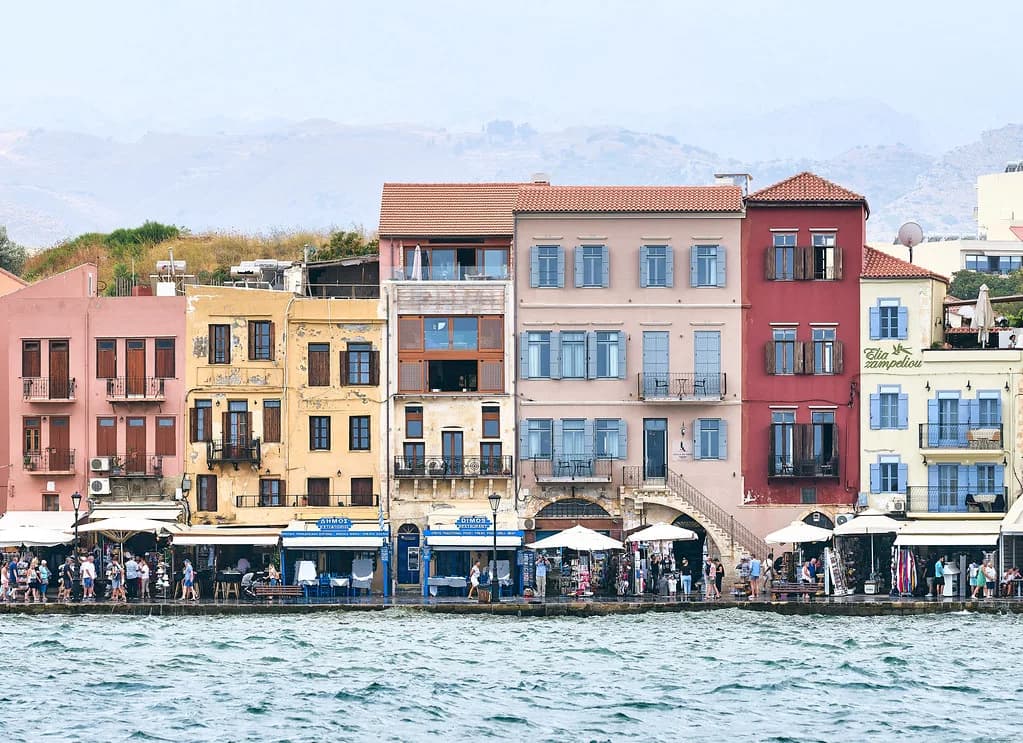
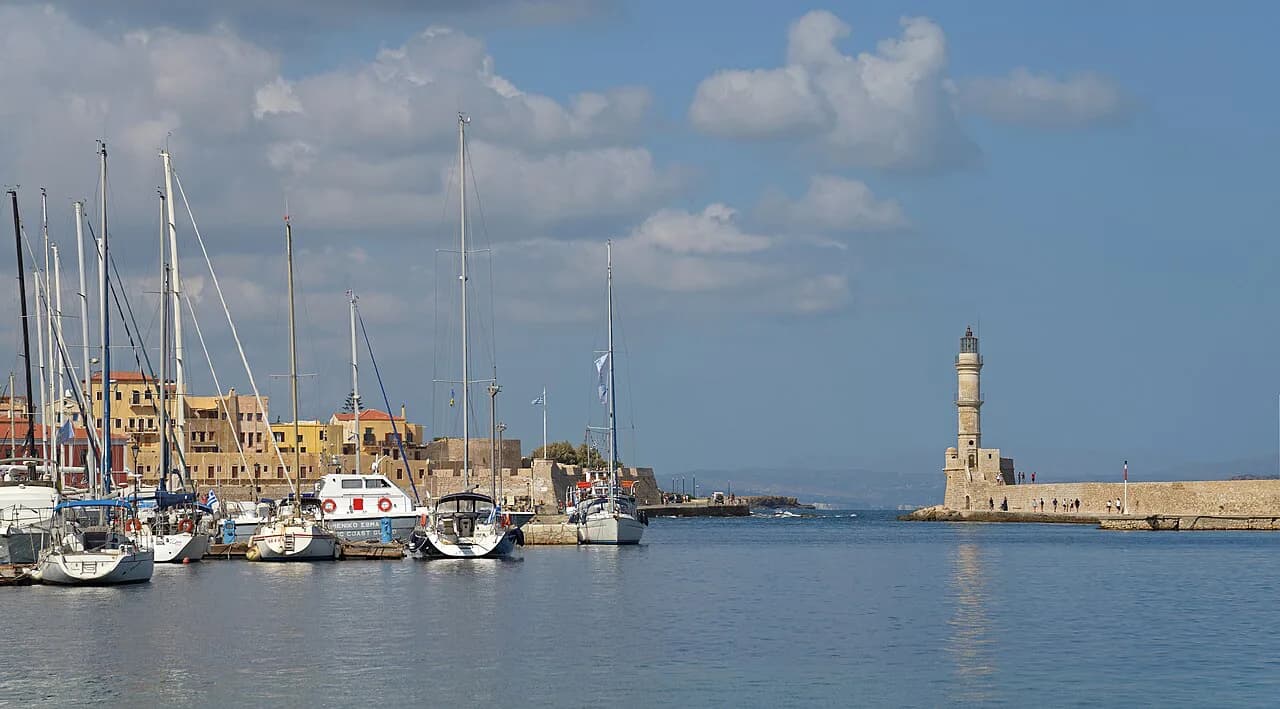
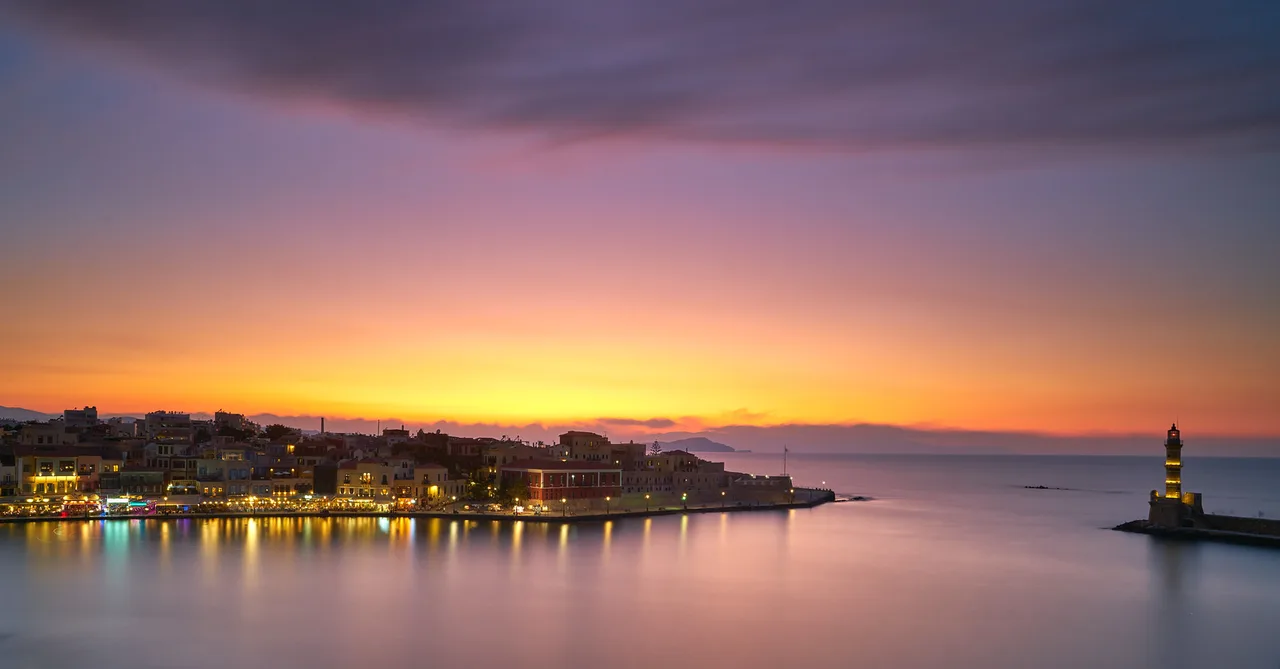
Chania is the most practical base in western Crete for a wine day: the old town gives you harborside wine bars in the evening, and three visitor-ready estates sit within roughly half an hour's drive inland. That short radius is exactly why the format question matters more than the destination question. A guided tour and a self-drive day reach the same villages but produce very different afternoons.
This comparison assumes you are staying in or near Chania and have one day, perhaps two, to give to wine. It sets the estates side by side, explains what each publishes about seasons and booking, and then works through the driver problem honestly. Nothing here substitutes for confirming your own date with the estate or operator when you book.
Why Chania Works as a Wine Base
Crete's wine heartland is around Heraklion, which hosts the majority of the island's wineries and most of its production. Chania plays a different role: fewer estates, but a compact set of them west of the city, plus the most atmospheric old town on the island to come back to. If Heraklion is the study trip, Chania is the leisurely one.
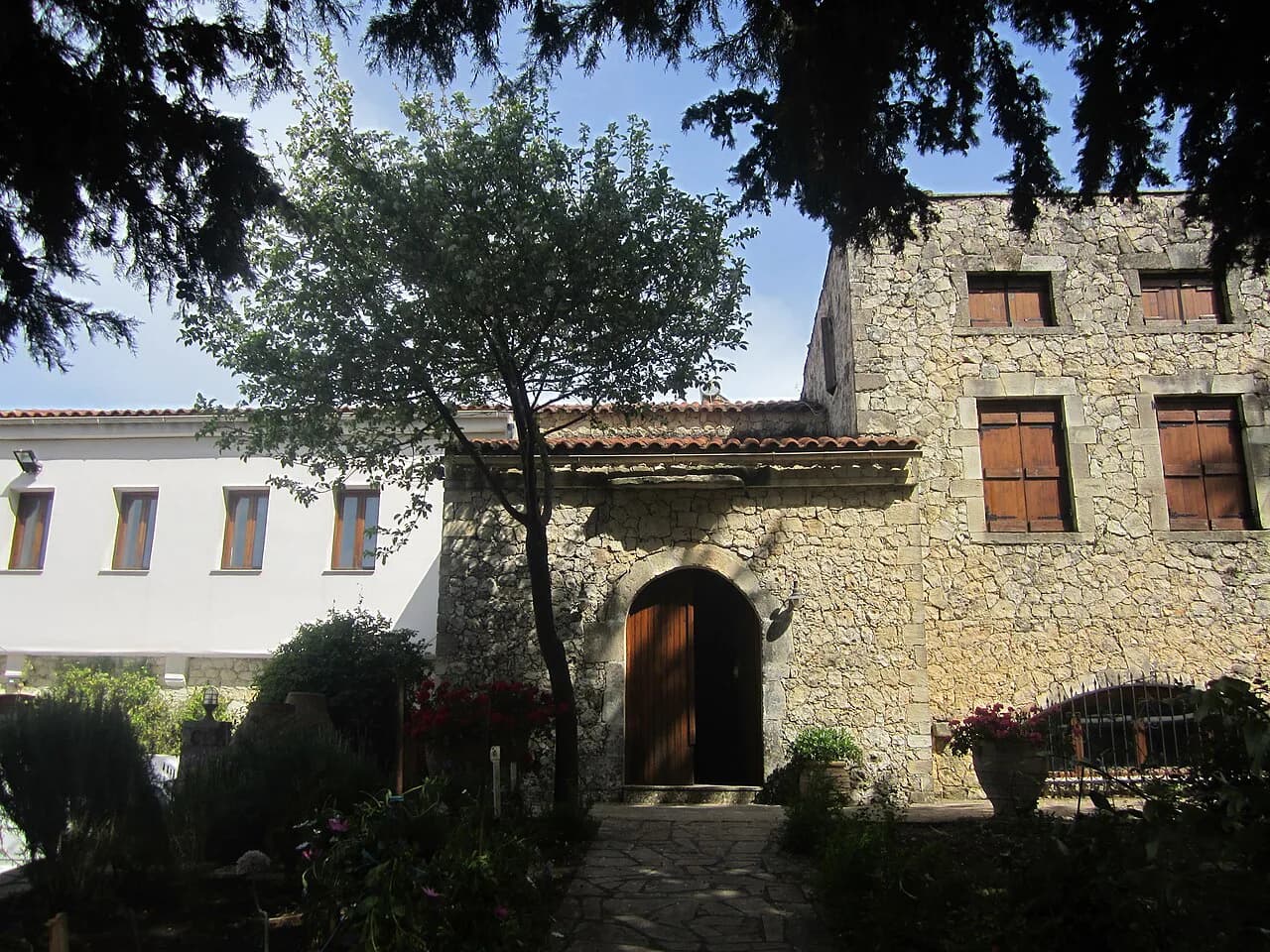
The practical geography is simple. Manousakis sits at Vatolakkos, about fifteen minutes from Chania on the road toward Omalos. Karavitakis is at Pontikiana, roughly thirty minutes out. Dourakis occupies the mountain village of Alikampos, twenty minutes from Rethymno and thirty from Chania, which makes it the natural bridge if you split your stay between the two towns.
Because the estates cluster inland rather than along the coast, a wine day needs wheels of some kind. The distances are short in minutes but awkward by scheduled transport, so decide early whether you are booking a tour or a car. For a broader view of what the island offers beyond the west, the guide to crete wineries covers the Heraklion and Sitia estates.
The Estates Near Chania That Receive Visitors
Three names come up consistently in published guides: Manousakis in Vatolakkos, Karavitakis in Pontikiana and Dourakis in Alikampos. All three run organized tastings, publish a visitor programme and appear in independent write-ups, which is the bar for including a winery in a plan. That is a short list, but it is enough for a full day, and the broader picture of wine tasting in Chania follows from these three estates.
Manousakis is the closest to the city and the easiest first stop. The estate makes the Nostos range, which is the label most travelers will have seen on Cretan wine lists, and it runs guided tours with tastings on shaded terraces. It is the obvious anchor for a half-day outing.
Karavitakis, with over eighty years of family tradition, pours both indigenous and international varieties and works with some pronounced rarities. Dourakis runs the most extensive visitor programme of the three, combining a cave cellar, a garden of Cretan herbs, a folklore museum and its own restaurant. Pnevmatikakis circles in local discussion but does not appear in the published visitor guides consulted here, so treat a visit there as something to ask about directly rather than plan around.
What a Guided Chania Wine Tour Includes
Tour operators in Chania run structured wine excursions rather than hop-on shuttles. A typical day covers two estates, a tasting at each, and often olive oil or honey as well, with transport from your accommodation built in. That means nobody at the table has to stay sober, which is the single biggest argument for the guided format.
Season shapes availability. Wine-focused tours run from early April to the beginning of November, while a combined wine, olive oil and honey tour is offered all year round. If your trip falls in winter, this is the version that keeps a wine day on the table.
Group size and format vary by company: some run private full-day excursions with a guide dedicated to your party, others join small groups. Neither the estates nor the tour companies publish fixed rates in the material reviewed here, so compare quotes on what is actually included: number of wineries, tasting fees covered, food, and pickup point. Reviews on traveler platforms give a sense of reliability but not of price.
Manousakis in Detail
The estate is the most visitor-friendly in western Crete, according to published guide coverage. A tasting typically covers five wines for around fifteen euros with a tour of about half an hour, which makes it the least expensive single stop in the region. Treat those figures as indicative and confirm them with the estate when you reserve.
The restaurant is the reason to slow down here. It runs from early April to mid-November and draws its vegetables from the estate's own beds, with live music and a jewelry workshop in summer. If your visit falls in that window, book a table at the same time as the tasting rather than hoping for a walk-in.
In winter the estate is quieter, but tastings continue. Families should note that the setting is relaxed and outdoor-oriented, which suits a mixed-age group better than a formal cellar visit. Reserve ahead either way, especially in summer.
Karavitakis in Detail
Karavitakis keeps the tightest published calendar of the three. The winery opens from 15 April to 31 October, Monday to Saturday from 10 to 18, with tastings at fixed slots of 11, 12:30, 14, 15:30 and 17. Outside that window, plan a different estate or a different season.
There are two separate tasting areas, and the lineup moves between local grapes and international plantings alongside some rarer bottles. Reservations are strongly recommended, so pick a slot before you build the rest of the day around it. Because the slots are fixed, this is the estate that most rewards planning your driving order in advance.
Dourakis in Detail
Dourakis runs tours all year by reservation at 12, 14 and 17, each lasting about two hours. That length reflects the breadth of the visit: a cave cellar cut into the mountain, a botanical garden of Cretan herbs, a wine and folklore museum, and a restaurant of its own. A premium version with eight wines takes place in the historic vaulted cellar and is capped at ten guests.
Its location matters more than its facilities for itinerary planning. Alikampos sits thirty minutes from Chania but only twenty from Rethymno, so Dourakis fits naturally on a transfer day between the two towns rather than as a loop from Chania. Pair it with a Rethymno evening and the drive works in one direction.
The wines poured include native Cretan varieties alongside international ones. Muscat of Spina, made from grapes grown at the Spina site, is a common opener, and the Vidiano bottlings are the estate's calling card among white drinkers. Knowing those names before you arrive helps you ask sharper questions in the tasting room.
The Independent Option: Renting a Car
Self-drive is straightforward in logistics and awkward in one specific way. Roads into the villages are paved and the drive times are short, but the person driving cannot taste. On a wine day that is not a minor detail, so either recruit a non-drinking driver or accept spittoons and small pours, which the estates are used to.
Crete enforces a strict blood-alcohol limit, and the practical advice from wine-travel coverage is blunt: the driver does not taste along on a winery day. Spittoons are standard in tasting rooms, and a tour or public transport removes the question entirely. Plan the day around one of those three solutions rather than around willpower.
A rental car does buy flexibility that tours cannot match: you can leave when you like, add a village lunch and shift the order of estates if one runs long. It also lets you split the day between a Chania estate and the old town wine bars, returning the car before an evening on foot. Weigh that against the sober-driver cost.
Reaching the Estates Without Driving
Public transport in western Crete is built around the main towns, not around winery gates. Buses serve Chania, Rethymno and the larger villages, but none of the three estates sits on a line that drops you at the entrance. A taxi works for one estate and a short wait, but becomes expensive once you want two stops and a return.
The guided format exists precisely to solve this. Tours include pickup, which turns three scattered estates into a single afternoon without a sober-driver negotiation at the table. For anyone staying in the old town without a car, this is the realistic route to a Chania wine day.
Cycling is possible in the lowlands around Vatolakkos in principle, but the roads inland climb and narrow, and the distances between estates are too long for a relaxed return trip. It is not a realistic substitute for a car or a tour on a multi-estate day.
Cost Comparison: Guided Tour vs Estate Fees Plus Car Hire
Work the comparison estate by estate rather than in the abstract. Manousakis publishes a tasting of around five wines for roughly fifteen euros, Douloufakis near Heraklion lists thirty euros for a cellar tour with tasting, and Dourakis runs a two-hour format whose premium version adds four wines. Add those fees together for a two-winery day and you have a baseline.
On the self-drive side, add car hire for a day, fuel, and the value of having one sober person in the party. On the guided side, expect the tour company's rate to bundle transport, two estates and often food, though nothing in the material reviewed here publishes a fixed tour price. Ask for a breakdown so you can see which tasting fees are already included.
Two travelers usually find the arithmetic close once car hire and a wasted drinking seat are counted. Four travelers often tip toward a private tour, because the vehicle cost per head falls while the sober-driver problem does not. Group size, not wine budget, is usually the deciding variable.
Wines to Prioritise on a Chania Tasting
Vidiano is the grape to seek out first. Almost extinct a generation ago, it was propagated again from old ungrafted vines near Fourfouras, and it now appears on wine lists well beyond Greece. Fuller than Vilana but not heavy, it is the white that best explains why Cretan wine is being discussed again.
Vilana is the island's everyday white and the classic grape of the Peza zone, fresh and citrus-led, and the natural partner to dakos. On the red side, Kotsifali gives pale, soft wines and Mandilari adds color and structure, which is why the two are so often blended. Ask for both together to see what each contributes.
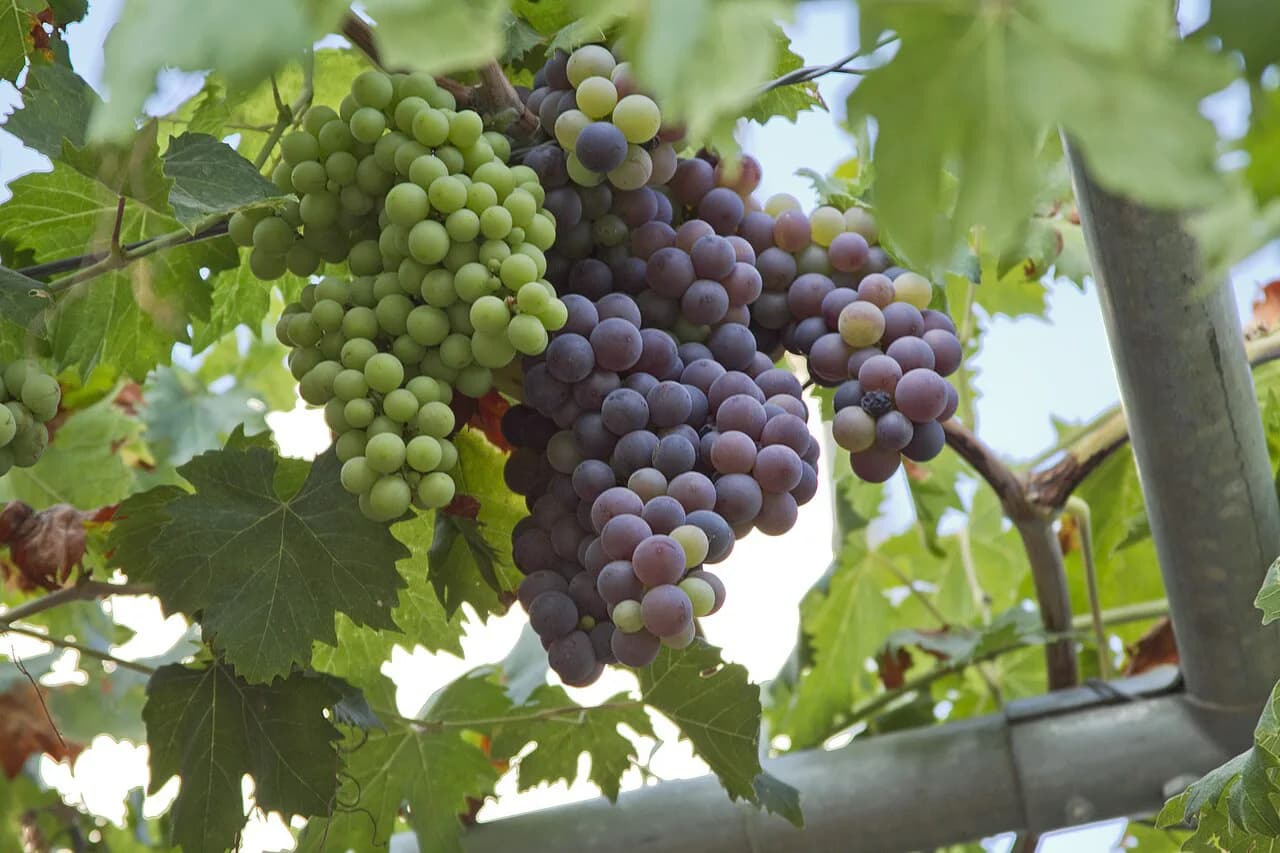
Romeiko is the local curiosity: a single vine can carry green and purple berries on the same bunch, producing light-colored wines with high acidity. It rarely travels, and Dourakis makes a point of it, so it belongs on a western Crete tasting list. International plantings such as Syrah and Grenache appear too, mostly in blends.
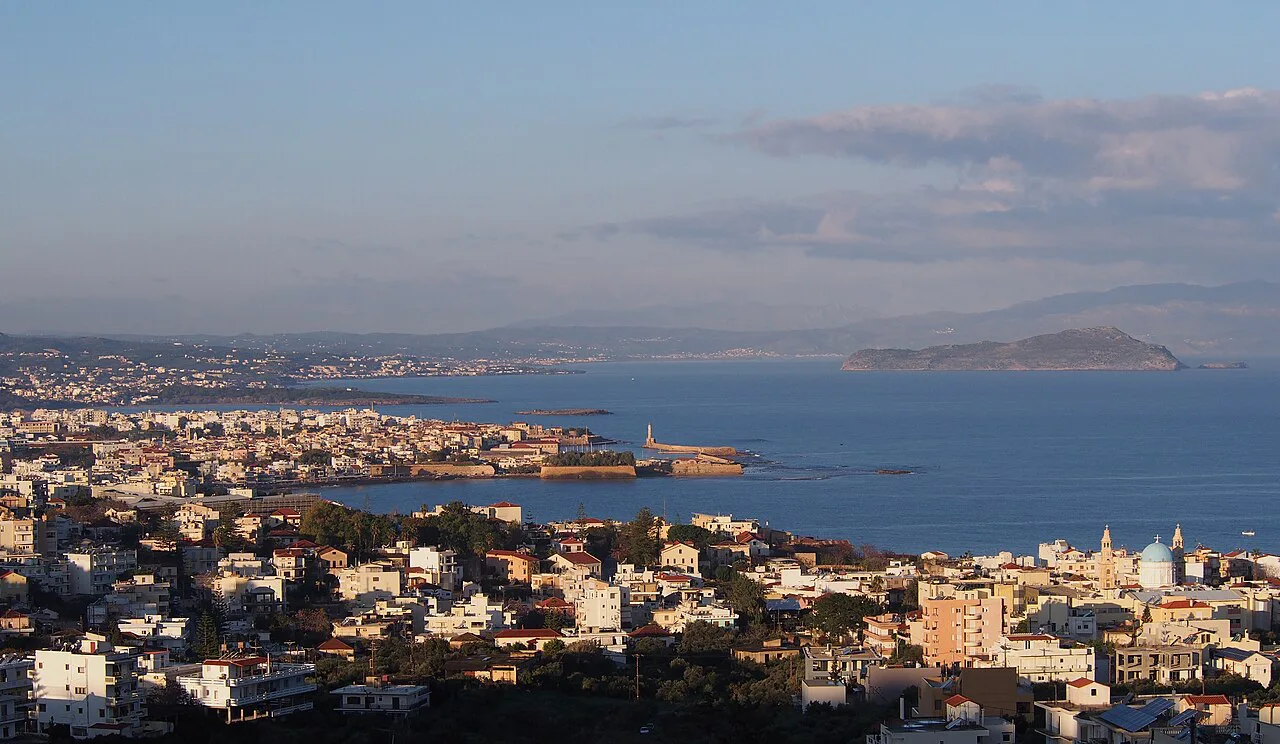
Grouping a Day: Old Town, Villages and Rethymno
The cleanest single-day loop from Chania starts at Manousakis in Vatolakkos, continues to Karavitakis at Pontikiana, and ends back in the old town for dinner. Both estates lie within about thirty minutes of the city center, so the driving stays modest and the day does not collapse if one tasting runs long.
If your stay splits between Chania and Rethymno, give Dourakis the transfer day and work it in one direction. The two-hour format, the garden and the museum justify the longer stop, and you arrive in Rethymno in the evening rather than retracing the mountain road. This is the itinerary shape that most sources converge on.
For travelers willing to range further east, estates around Heraklion such as Domaine Zacharioudakis in Plouti, with its gravity-fed three-level winery and year-round Tuesday-to-Sunday hours, are a separate day rather than an add-on. The guide to Domaine Zacharioudakis covers that visit in full.
Booking Checklist
Confirm four things before you commit: the season your chosen estate is actually open, the fixed tasting slots if any, whether food is included, and the language of the tour. Karavitakis closes at the end of October and Manousakis's restaurant closes in mid-November, so a late-autumn trip needs a different plan from a spring one.
For guided tours, ask about minimum party size, pickup point and whether tasting fees at each estate are covered in the quoted rate. For self-drive visits, confirm whether your preferred slot falls inside harvest, when estates are working flat out and the tasting room can be busy. Neither the estates nor the tour companies publish every one of these details, so an email to the winery or tour company settles it.
Best Seasons for a Chania Wine Day
April to June is the most comfortable window: mild temperatures, everything open and the roads quiet before the summer rush. September and October are at least as good for wine, with the sea still warm, the crowds thinner and harvest activity in the wineries. October in particular is when new-harvest wines start appearing.
July and August are hot and busy, and from mid-August the harvest begins, which is exciting but leaves estates stretched. Winter is the quiet season: many tavernas and hotels close, and only some wineries stay open. Dourakis takes reservations all year, which makes it the anchor if your dates fall outside the April-to-November window.
Plan Your Chania Wine Day
Start with the format, not the winery. If nobody in your party wants to stay sober, book a tour and let the estates be chosen for you. If you have a willing driver and value flexibility, rent a car and build a two-estate loop around Vatolakkos and Pontikiana, with Dourakis saved for a transfer day toward Rethymno. Weighing the same group-versus-private decision on another island, the Santorini wine tours guide runs through the identical trade-offs.
Whichever route you take, anchor your dates on the two seasonal facts that shape western Crete: Karavitakis runs only from mid-April to the end of October, and Manousakis's restaurant closes in mid-November. Outside those windows, Dourakis and the old town wine bars carry the day.
Frequently Asked Questions
Are Chania wine tours worth it compared with visiting wineries yourself?
They solve a specific problem: someone has to drive. A tour bundles transport, two estates and often food, so nobody in the party has to stay sober. Self-drive is cheaper per head for larger groups and more flexible, but only if you have a non-drinking driver.
How much does a wine tasting cost at wineries near Chania?
Manousakis has published a tasting of about five wines with a short tour at around fifteen euros, and other Cretan estates list fees in the twenty-to-forty euro range for longer formats. Rates change, so ask the estate or operator for the current figure when you reserve.
Do you need to book Chania winery visits in advance?
Yes for Karavitakis, where reservations are strongly recommended and tastings run at fixed slots. Dourakis takes bookings all year at set times. Manousakis also expects bookings, particularly when the restaurant is open from early April to mid-November.
Which wineries near Chania are open year-round?
Dourakis takes reservations all year at 12, 14 and 17. Karavitakis operates only from 15 April to 31 October and Manousakis's restaurant closes in mid-November, so a winter visit should center on Dourakis or on estates further east around Heraklion.
Can you visit Chania wineries without a car?
Public buses serve the towns but not the winery gates, and taxis work for one estate but get costly for two stops. A guided tour with pickup is the realistic car-free option, which is why the format matters as much as the estate choice.
How far is Dourakis Winery from Chania?
Dourakis sits in Alikampos, about thirty minutes from Chania and twenty from Rethymno. That makes it the natural stop on a transfer day between the two towns rather than a loop out of Chania and back.
What is the best time of year for a Chania wine tour?
Spring, from April to June, and the post-harvest weeks in September and October are the strongest windows. Wine-focused tours typically run from early April to the beginning of November, while a combined wine, olive oil and honey tour is offered all year.
Which Cretan grape varieties should you try around Chania?
Prioritize Vidiano among the whites, then Vilana for the everyday style. Among the reds, look for Kotsifali and Mandilari, often blended together, and ask for Romeiko, the local curiosity that produces pale, high-acid wines.
Sources
- Visiting Crete Wineries: The Wine Travel Guide | Grape Guru
- Wineries in Chania Crete: A Guide from Chrispy Beach Resort • Chrispy Hotels & Resorts
- Visiting Crete and Dourakis Winery with Chania Wine Tours - The Quirky Cork
- Manousakis Winery Crete Vidiano Nostos – Grand Wine Cellar
- Chania Wine Tours - We Are Wine People Doing Tours, Not ...
Notes for your next wine trip
Optional updates to our winery and wine-town guides.
You might also like
Continue reading
More guides you'll find useful