Dourakis Winery: Visiting the Alikampos Estate from Chania
Plan a visit to Dourakis Winery in Alikampos, Crete: the wines, how tastings and tours are booked, and the trade-offs of driving, taxi, or a Chania tour.
On this page
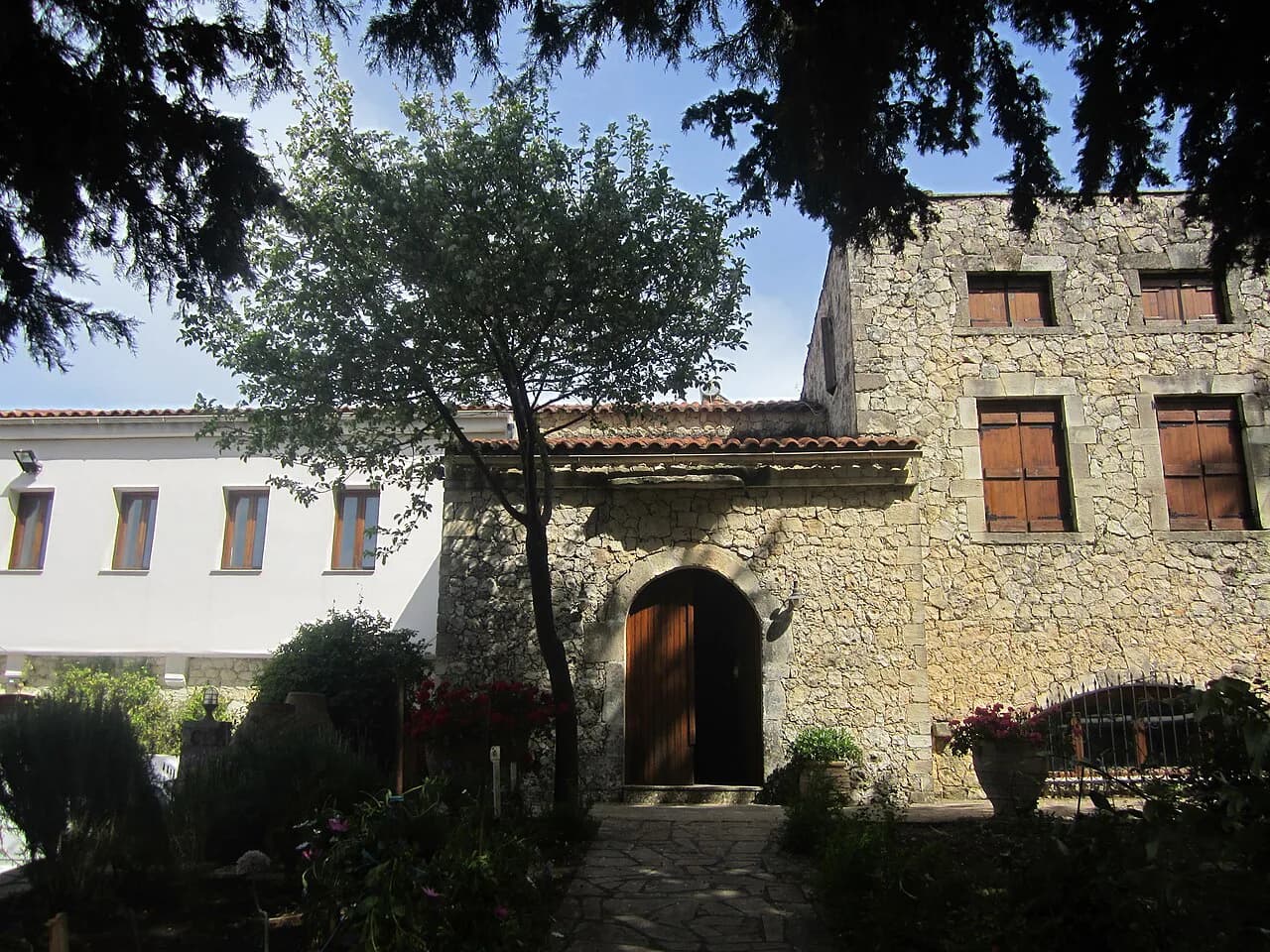
Dourakis Winery sits in Alikampos, a village in the Apokoronas hills east of Chania, and it offers the combination most day-trippers want: its own vineyards, a bookable tasting and tour program, and a restaurant on site. That makes it a natural anchor for a half-day loop through the Apokoronas villages rather than a detour you squeeze in alone.
This guide covers where the estate sits relative to Chania, which grapes and wine styles to look for, how the reservation pages work, and how to decide between a hired car, a taxi and a Chania-based tour. If you are still comparing estates, our overview of wine tasting in Chania puts Dourakis alongside the alternatives in the wider region.
Why Dourakis Fits a Chania Wine Day
Dourakis is a family estate with privately owned vineyards around Alikampos, and it markets itself directly to visitors through a bookable tasting program, tour pages and an on-site restaurant. For a traveler staying in Chania, that means one stop can cover a cellar visit, a seated tasting and lunch without a second drive. The estate's own site lists its address as Alikampos, Crete, and invites tour enquiries through its published email contact.
The practical advantage is the Apokoronas setting: the villages east of Chania are close enough together that a winery stop, a monastery visit and a village lunch fit into one unhurried half day. Build the day around a fixed tasting slot and let the villages fill the time before and after, rather than trying to chain several estates. If you want to compare a second estate in the same region, our guide to Chania wineries covers what else receives visitors.
Where Alikampos Sits and How to Group the Day
Alikampos lies inland from the north coast in the Apokoronas area, east of Chania toward Vryses and the foothills below the White Mountains. The estate publishes its address but not travel times, so treat the drive as a short regional one and plan from a map rather than from a fixed minute count. A car or taxi keeps the day flexible; a tour operator removes the navigation entirely.
The most sensible grouping is a morning tasting followed by lunch at the estate restaurant and an afternoon of village stops on the way back toward Chania. That order puts the appointment first, when you are freshest and the schedule is firm, and leaves the looser sightseeing for later. If you plan to eat at the winery, raise it when you book so the kitchen knows to expect you.
Travelers weighing a second winery day in Crete should look at the island's other estates before committing, because the drive between regions is long and rarely worth combining in one outing. Our roundup of Crete wineries sets out which areas reward a dedicated trip.
The Dourakis Wine Range in Brief
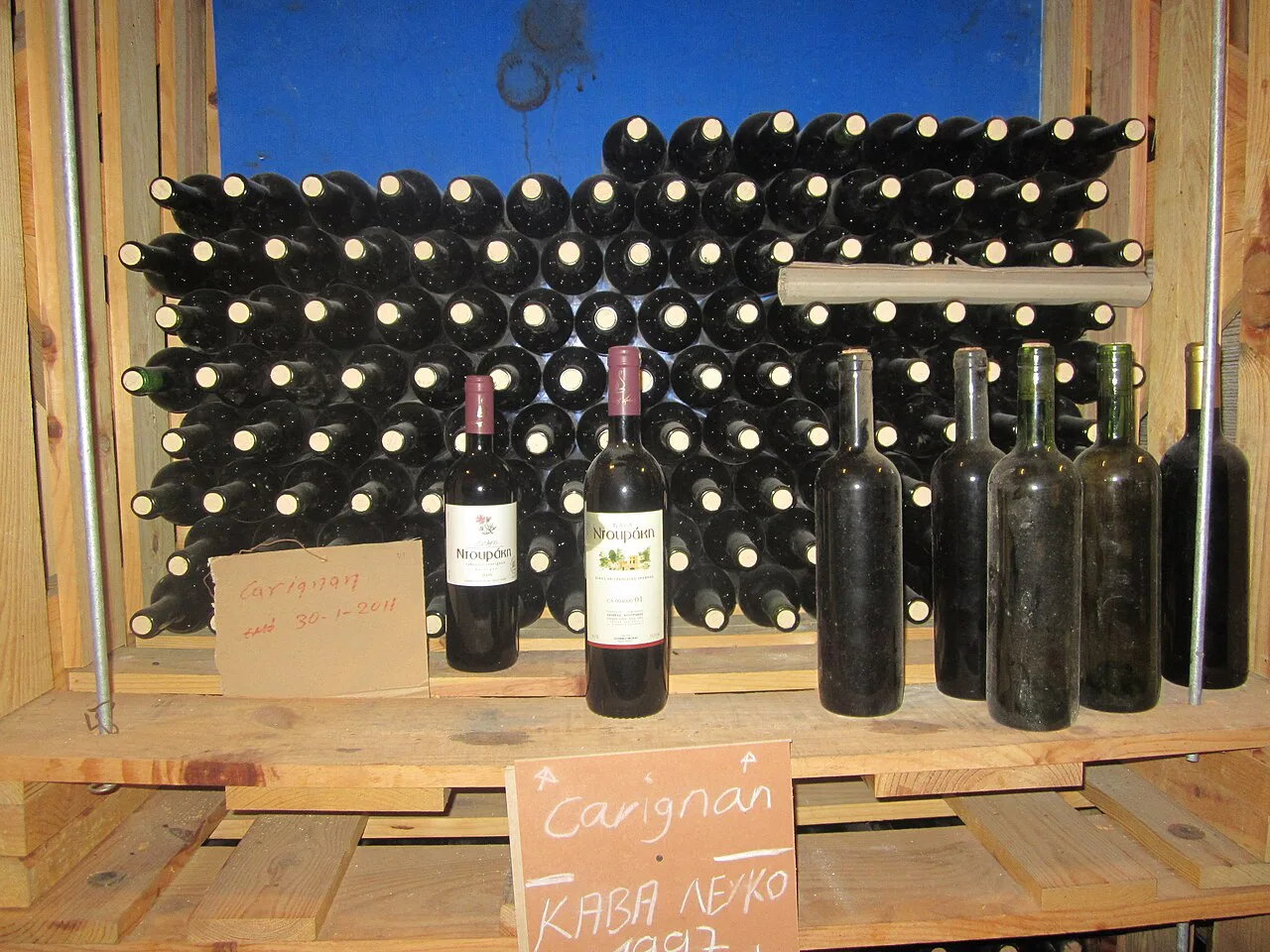
The estate's list is built around Cretan varieties and a few international ones. White wines include Pavo Romeiko, Lihnos Vidiano, Monoceros White, Kudos Muscat of Spinas, Zelos Aromatica Bio and the Dione white bottlings; reds include Lihnos Red, Monoceros Red, Kudos Syrah, the Kudos Kotsifali Syrah blend, Zelos Kotsifali, Orpheus and the Dione reds. Rosé and dessert or sparkling wines round out the portfolio, so a tasting can cover a wide spread of styles.
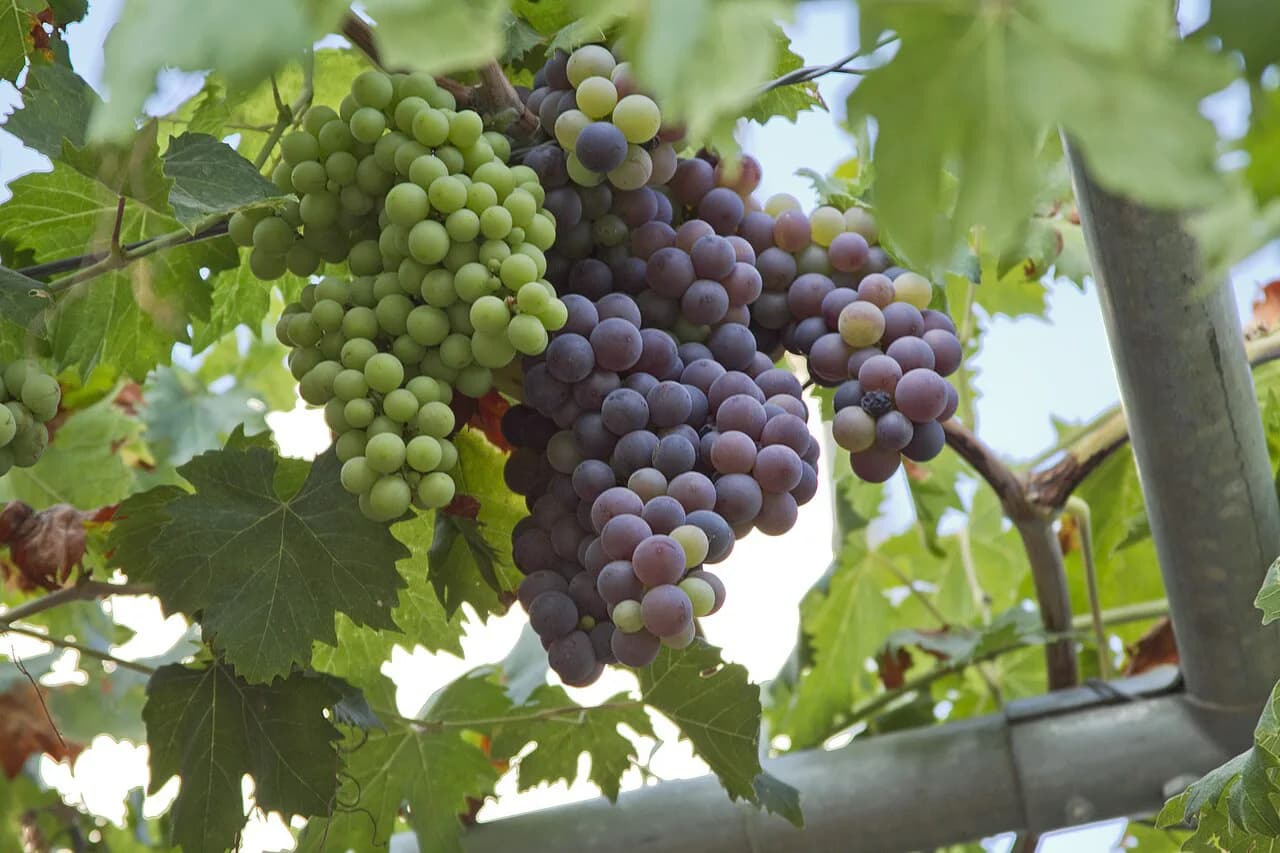
Romeiko is the grape that explains the estate's range. The vines produce berries of different colors, sometimes on the same bunch, which is why the variety shows up in white, rosé and sparkling styles rather than in a single category. A published tasting account from a visit arranged through a local operator describes the range as including a Romeiko sparkling wine alongside Vidiano, Kotsifali blends, Mandilari and a dry Muscat of Spinas.
Vidiano is Crete's best-known white grape and appears here as Lihnos Vidiano, while Kotsifali and Mandilari carry the red side, often blended with Syrah or Cabernet Sauvignon. Muscat of Spinas takes its name from the Spina area where those grapes grow. Knowing these names in advance helps you decide whether to ask for a whites-led flight or a red-led one when you arrange the visit.
What a Visit Covers
The winery site separates two booking paths, a tasting page and a tour page, which suggests the formats differ in whether a walk through the property is included. Ask when you reserve: how many wines are poured, whether the vineyard or cellar features in the tour, whether food is part of the package, and how long the whole visit runs. The site does not publish tasting prices, durations or opening days, so those answers come from the estate directly.
The restaurant is the detail that separates Dourakis from a pure cellar stop. Build the meal into the booking rather than hoping to walk in after a tasting, and ask Dourakis whether the menu is fixed or à la carte. For groups, settle the maximum party size at the same time, since small estates often cap tour groups.
The estate keeps a general enquiries address, info@dourakiswinery.gr, alongside the booking pages, which is the right channel for questions about accessibility, dietary needs or a private group. Write with your dates and party size in the first message to save a round of email. Confirm the final details with the winery before you travel, since booking systems and seasonal staffing change.
Booking Logistics and Appointment Culture
Cretan estates generally work by appointment rather than walk-in, and Dourakis organizes visits through its reservation pages rather than an open door. Book ahead in high season, when the combination of tasting and restaurant makes slots scarce, and give a realistic arrival window if you are driving from Chania. Off-season visits are quieter but more dependent on prior arrangement, because staffing thins outside the summer months.
When you write, state the number of tasters, whether anyone is not drinking, whether you want lunch, and any timing constraints. If you are booking through an operator instead, the operator handles the slot and you only need to confirm pickup. Our guide to Chania wine tours explains how the organized options are structured.
Getting There Without Driving
Three realistic options exist from Chania: a hired car, a taxi arranged for the round trip, or a seat on a guided wine tour. A car gives you the Apokoronas loop on your own schedule but puts the driving on someone in the group. A taxi works well for a couple who want lunch with wine and no logistics, though you should agree the return pickup time and price before setting off.
Village-to-village public buses in rural Crete are sparse and built around school and market schedules, so a bus-based winery day needs careful timetable work and usually a long walk at one end. A guided tour solves all of it: a published account of a Dourakis visit was arranged through a Chania-based operator, which handled the transport to the estate. If you want to see how a second estate compares on access, our page on Manousakis Winery in Vatolakkos covers another Chania-area option. Travelers who enjoy comparing island wine regions may also find wine tasting in Santorini a useful contrast for planning a second trip.
Whichever you choose, someone in the party should stay off the wine. Spittoons are standard at tastings, a designated driver keeps the car option open, and a tour or taxi removes the question entirely.
Independent Visit vs. Organized Tour
Going independently buys flexibility: you control when you leave Chania, how long you linger over lunch and whether you add a village stop on the way back. The trade-off is that you handle the reservation, the navigation and the drive, and the driver misses part of the tasting. It suits couples or groups with a non-drinking driver and a firm sense of the day's shape.
A tour trades that flexibility for a fixed pickup, a guided explanation and no driving. The published account of a Dourakis tour arranged through an operator notes that many Cretan wineries close in winter, which is the kind of regional pattern a local operator knows and an independent visitor may not. Tours also tend to pair estates, so ask which stops are included before you compare them with a solo visit.
On cost, weigh the whole day rather than the ticket: a taxi round trip, a rental car with fuel and parking, and a tour seat all buy something different, and none of the published rates should be assumed without asking. If you are building a broader Chania itinerary, our wine tasting planning page compares estates across the region.
Wines to Look For on the Visit
Start with the whites to understand the estate's range: Pavo Romeiko and the Lihnos Vidiano show two very different Cretan white styles, one from the color-mosaic Romeiko grape and one from Vidiano. Move to the Kotsifali-based reds, including the Kudos Kotsifali Syrah and Zelos Kotsifali, and finish with a Romeiko sparkling or dessert wine such as Cassiopeia Brut or Dourakis Romeiko to see the variety in its other guises.
Ask which bottlings are currently open and whether limited releases such as the Impromptu Mandilari or the single-vineyard Muscat of Spinas are available. Availability shifts with vintage and stock, so the list on the website is a guide to the range rather than a promise of what is poured. If a specific wine matters to you, mention it in your booking email.
Harvest Timing and Seasonality
The estate's own harvest report for 2023 gives a concrete sense of the Cretan calendar: picking began on 16 August in some small vineyards, resumed on 30 August with Muscat of Spinas and Merlot, and the Mandilari came in at the end of September. That late-summer to early-autumn window is when the winery is at its busiest and the surrounding countryside is working. Timings shift each year with weather, so use these as a pattern rather than a fixture.
Visiting during harvest adds atmosphere but also means the team is stretched, so book earlier than you would in spring. Winter and early spring are quieter, with the trade-off that some local wineries and seasonal businesses shut altogether. Check the estate's current schedule before committing to an out-of-season date.
A Practical Half-Day Plan
Book a mid-morning tasting and tour, arrive with time to settle, and move to the restaurant for lunch afterward. In the afternoon, drive back toward Chania through the Apokoronas villages, stopping at a monastery or a village square rather than adding a second winery. This keeps the day to one appointment and one proper meal.
If you are traveling with a driver who does not taste, plan their lunch and a walk in the village while the tasting runs. If everyone wants to drink, book the tour or the taxi round trip instead of splitting the group. Either way, fix the return time before you leave Chania, because rural pickups are harder to arrange on the spot.
Plan Your Dourakis Visit
Dourakis Winery rewards a little planning: reserve a tasting or tour slot, ask about the restaurant in the same message, and decide early whether you are driving, taking a taxi or joining a tour. The estate's own pages are the source for the current booking flow and contact address, and the harvest report shows why late August and September feel different from a spring visit.
Build the day around Alikampos and the Apokoronas villages, keep the driver sober, and let one estate carry the visit rather than racing between several. For the wider picture of where Dourakis fits, start with our Chania wine tasting guide and work outward from there.
Frequently Asked Questions
Where is Dourakis Winery located?
Dourakis Winery is in Alikampos, a village in the Apokoronas area of Crete, inland and east of Chania. The estate publishes its address as Alikampos, Crete, and lists a contact email for enquiries, but it does not publish travel times from Chania, so plan the drive from a map.
Do you need to book a tasting at Dourakis Winery in advance?
Yes. The estate organizes visits through separate tasting and tour booking pages rather than offering open walk-in tastings. Book ahead in high season, and include your party size, whether you want lunch, and any non-drinkers in the group in your first message.
What wines can you taste at Dourakis Winery?
The range includes white wines such as Pavo Romeiko, Lihnos Vidiano, Kudos Muscat of Spinas and Zelos Aromatica Bio; reds including Kudos Syrah, Kudos Kotsifali Syrah, Zelos Kotsifali and Orpheus; plus rosé and dessert or sparkling bottlings. Ask which wines are currently open when you book.
What is Romeiko wine from Crete?
Romeiko is a Cretan grape whose vines produce berries of different colors, sometimes on the same bunch. That is why Dourakis makes it in white, rosé and sparkling styles rather than a single category, and it is the best grape for understanding the estate's range.
How do you get to Dourakis Winery from Chania without driving?
A taxi arranged for the round trip or a seat on a Chania-based wine tour are the practical options. Rural buses in the Apokoronas run on sparse schedules built around local needs, so a bus-based visit requires careful timetable planning. A published account of a Dourakis visit was arranged through a local tour operator.
When is the grape harvest in Crete?
At Dourakis, the 2023 harvest started on 16 August in some small vineyards, resumed on 30 August with Muscat of Spinas and Merlot, and finished with Mandilari at the end of September. Exact dates shift with the weather each year, so treat this as a pattern.
Is there a restaurant at Dourakis Winery?
Yes, the estate operates an on-site restaurant alongside its tasting and tour program. The winery does not publish restaurant hours or menus on the pages reviewed here, so ask about opening times, menu format and whether lunch should be reserved when you book your visit.
Should you visit Dourakis independently or on a tour?
An independent visit gives you control over timing and lets you pair the tasting with the Apokoronas villages, but someone must drive and handle the booking. A tour removes the driving and adds local knowledge about seasonal closures, at the cost of a fixed schedule and shared stops.
Sources
Notes for your next wine trip
Optional updates to our winery and wine-town guides.
You might also like
Continue reading
More guides you'll find useful