Chania Wineries: Where to Taste Cretan Wine Near Chania
Plan a wine day from Chania: which western Crete wineries receive visitors, what tastings include, how tours and drivers work, and the local grapes to seek out.
On this page
Chania makes an easy base for a wine day because the estates that welcome visitors cluster in a handful of hill villages west and southwest of town. Instead of stringing together three long drives, you can build one loop and spend the afternoon in cellars rather than behind the wheel. The catch is that most of these are small family operations, so the winery you turn up at without warning may not have anyone free to pour.
This guide groups the wineries by village, covers the Cretan grapes that decide whether a flight interests you, and sets out what a booked tour includes against what independent travel costs in effort. Tasting fees and tour clocks come from the wineries' and operators' own published pages, and are attributed where they appear. Times and prices on Greek estate pages change with the season, so treat any figure as a starting point for your booking request.
Why Chania Works as a Wine Base
Western Crete's wine country is not a single appellation village you can walk; it is a scatter of hamlets in the hills behind Chania, each with one or two estates. The three names that turn up consistently in hotel and visitor guides sit at Vatolakkos, Pontikiana and Alikampos, all within a manageable drive of the city and of each other. That layout rewards planning: pick two villages for one outing rather than trying to cover the whole map.
The climate does the rest. Mountain breezes and long sunshine hours give the island conditions for both its native grapes and international plantings, which is why a single tasting can move from a crisp local white to a Syrah blend. Crete's vine history runs back thousands of years to the Minoans, and the modern scene is built on small family estates rather than large branded châteaux. For a broader picture of the island's cellars, see the guide to crete wineries. If you are island-hopping, the volcanic soils of Santorini make a striking contrast with Crete's mountain breezes, as the santorini wineries guide shows.
The Cretan Grapes to Ask For
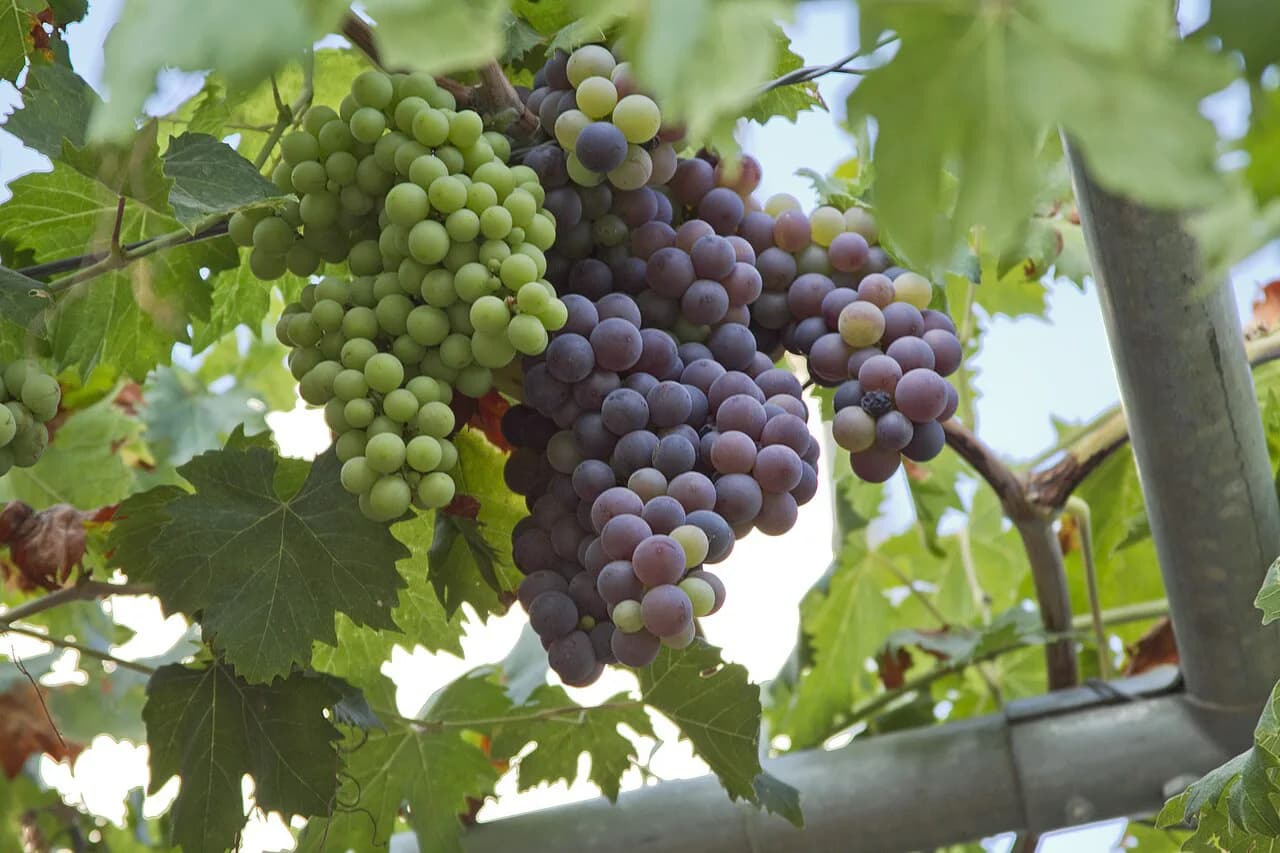
Four native varieties decide whether a tasting flight will hold your interest. Vidiano is the white to seek out first, aromatic and rounded, and it is increasingly treated as Crete's flagship white; Vilana is the lighter, crisper alternative you will often see poured with fish. On the red side, Kotsifali gives a soft, fruity wine that blends well, while Mandilari adds color and structure when the two are combined.
Several estates also work with Syrah, Chardonnay and other international grapes, and tasting them beside the local varieties is the quickest way to understand what the Cretan sun does to a familiar grape. Romeiko, a red variety also used for sweet and fortified styles, appears in the Dourakis range alongside Vidiano, Muscat of Spinas and Kotsifali-Syrah blends. Ask what is open by the glass before you choose a tier, since limited bottlings are not always poured in the entry-level flight.
Manousakis Winery in Vatolakkos
Manousakis, just outside Chania at Vatolakkos, is the estate most often recommended to visitors and the producer behind the Nostos wines. Guests are received for guided tours and tastings on shaded terraces, with dishes paired to the estate's wines, which makes it a sensible anchor for a first wine afternoon. Because it is the best-known name in the area, it is also the one most likely to be full, so a reservation request well ahead of your date matters more here than elsewhere.
Its position close to town means you can pair it with a beach morning and still reach the terrace by early afternoon. For the full picture of what the estate offers and how to arrange a visit, the dedicated guide to manousakis winery covers the details.
Karavitakis Winery in Pontikiana
Karavitakis, at Pontikiana, takes a broader approach: tastings here include both local and international grape varieties, so you can compare a Vidiano or Kotsifali against a Syrah in the same sitting. That range suits travelers who want one stop to cover the region's styles rather than hopping between estates. Pontikiana sits in the same hill belt as Vatolakkos, which makes Manousakis and Karavitakis a natural pairing on a single half-day loop.
Dourakis Winery in Alikampos: Tiers, Times and Season
Dourakis, tucked into the village of Alikampos, is the estate that publishes the most detail about visiting, and the numbers are worth planning around. Its own booking page puts the winery about a 30-minute drive from Chania and 20 minutes from Rethymno, which makes it the obvious stop if you are moving between the two towns. Tastings run strictly by appointment even though the estate operates year-round.
Three published tasting options frame the visit. The Signature tasting runs 16 euros per person for five of the most popular wines with traditional Cretan rusks and olives from the estate's groves; the Connoisseur tasting is 25 euros for eight wines including limited editions; and Vino Sanctum, a cellar conversation capped at ten guests, is 65 euros. Cooking classes and an astronomy evening are priced separately at 100 euros per person, and large groups can be arranged directly with the winery.
Official tours resume on April 15, with the tasting terrace open daily 11:00 to 17:00 for the rest of that month; from May 1 through the end of September the winery and restaurant run 11:00 to 20:00, and in October 11:00 to 19:00. Tours start promptly at 12:00, 14:00 and 17:00, so build your drive around those three slots. Opening here follows the season rather than a fixed calendar year-round, so the April restart is the date to plan around.
Sundays work differently: no guided tours run, but you can book in for food, wine by the glass or bottle, and tastings between 11:00 and 20:00. If a cellar walk-through is the point of your trip, pick a weekday and reserve one of the three tour times instead. For a deeper look at the estate's wines and experiences, the dedicated dourakis winery guide is the place to start.
Other Names You Will See, and How to Verify Them
Search results for Chania wineries throw up more labels than the three above, including Braoudakis and various small producers whose names appear in wine lists around town. Search listings and shop shelves are not evidence that a cellar door exists, so treat unfamiliar names as leads rather than destinations. A working estate that receives visitors will normally publish a visit page, an email address or a phone number for bookings; if you can only find a bottle label, the estate is probably not set up for tours.
The same caution applies at the far end of the island: estates around Kato Asites and Domaine Zacharioudakis sit in the Heraklion hills and belong to a different day out from Chania. Grouping them into a Chania itinerary means hours of driving each way. If you are staying in the west, keep your list to the villages within easy reach and save the central Crete cellars for a separate trip.
Appointment Culture: How Booking Works
Small family estates here run on reservations, not walk-in traffic. In practice that means emailing or phoning with your date, party size and preferred time, then waiting for a confirmation before you build the day around it. Hotel guides to the region put the same point plainly: larger estates may accept walk-ins, but booking ahead is what guarantees a smooth visit, especially at the smaller family vineyards.
When you write, ask four things: which wines are poured in the tier you are considering, whether the visit includes the production area or cellar, how long it lasts, and the minimum party size. Dourakis, for example, runs its cellar tour as part of the guided daily slots and caps its Vino Sanctum session at ten guests, which tells you small groups are the norm rather than the exception. If you are a group of six or more, say so in the first email, since large parties need separate arrangements at most estates.
Getting There Without Driving
Public transport does not connect these hill villages in any useful way for a wine day, so the realistic choices are a rental car with a non-tasting driver, a taxi arranged for the afternoon, or a guided tour. A car gives you the most flexibility and lets you combine two villages in one loop, but parking in village centers is tight and the mountain roads demand attention. A pre-booked taxi or private driver costs more but removes the route-finding and the temptation to taste.
Guided options from Chania are plentiful and range from a four-hour sunset outing to a full-day cooking class with wine and olive oil tastings. Booking platforms list ten such experiences from Chania, with durations from about four to eight hours and party sizes from one to fifty depending on the product. Group tours keep costs down; private tours cost more but let you set the pace and choose the estates.
What a Booked Tour Covers and What It Costs
Operator listings give a clear picture of the price bands before you commit. On the Chania tasting page, experiences start at 39 euros per person for a seven-hour cheese and wine tasting tour and run to 1,333 euros for a private six-hour wine, olive and history tour, with most half-day and full-day options falling between roughly 120 and 280 euros. Those figures are booking-platform rates for guided experiences, not gate prices at the wineries themselves, so compare them against the cost of a car plus individual tasting fees.
Duration is the other variable worth weighing. A four-hour sunset tour covers one or two stops with food, a six-hour private tour leaves room for a cellar visit plus a village lunch, and an eight-hour harvest experience adds a cooking class. If your priority is time inside a working cellar rather than scenery and meals, check the itinerary before booking, because some food-led tours include tastings without a full production-area tour.
For a side-by-side comparison of guided options and how they pair with individual estates, the guide to chania wine tours sets out the itineraries. Travelers weighing a fixed tour against independent stops will find the trade-offs laid out there.
Harvest Timing and the Best Months
Harvest in Crete generally runs from late August through October, which makes early autumn the liveliest time to visit a cellar: you may catch grapes arriving or the first fermentations. The trade-off is that harvest is also the busiest period for the people who would otherwise guide you, so book further ahead and accept that the winemaker may be in the vineyard rather than at the tasting table.
Spring brings green vines and mild walking weather with quieter tasting rooms, while summer is hot and busy but suits an afternoon cellar visit after a morning on the beach. Winter is the quietest season and the best bet for unhurried conversations, though not every estate opens daily then; Dourakis, for instance, stays open year-round by appointment but only begins its daily tour schedule in mid-April. October is a strong compromise, with warm weather, thinner crowds and new-harvest wines starting to be poured.
Fitting Wine into a Chania Itinerary
The Chania rhythm that works best is beach in the morning, cellar in the afternoon. Estates such as Manousakis sit close enough to town that you can swim, eat lunch, and still reach a terrace tasting by mid-afternoon, while Dourakis's later tour slots at 14:00 and 17:00 leave the morning free even if you are driving from Chania. Build in buffer time for the hill roads and a long lunch.
Two days lets you spread the visits: one afternoon for the Vatolakkos and Pontikiana estates, another for Dourakis at Alikampos on the way toward Rethymno. Travelers who want a single organized day rather than a self-built loop will find the full spread of formats, from quick tastings to multi-day itineraries, in the overview of wine tasting in Chania.
Plan Your Visit
Start with a short list of two estates in different villages, read their published visit pages for current tour times and prices, and send your booking request with date, party size and time preference at least a few days ahead. Keep one confirmation email to reread before you travel, since seasonal schedules shift between April and October.
Whoever drives should not taste: use the spittoons, bring a designated driver, or book a tour or taxi so the tastings belong to the passengers. That single decision is the difference between a relaxed wine day and a nerve-racking drive on Cretan hill roads.
Frequently Asked Questions
Which wineries near Chania can you actually visit?
Three estates are consistently named as receiving visitors: Manousakis at Vatolakkos, Karavitakis at Pontikiana, and Dourakis at Alikampos. Other Chania labels you see on wine lists may not have a cellar door, so look for a published visit page or booking contact before you plan around them.
Do you need to book Chania winery tastings in advance?
Yes, in practice. Most estates are small and family-run, and Dourakis states that tastings run strictly by appointment even though it is open year-round. Email or phone with your date, party size and preferred time, and wait for a confirmation before building your day around it.
How much does a wine tasting cost near Chania?
Tasting fees are set estate by estate; Dourakis publishes its Signature, Connoisseur and Vino Sanctum tiers with prices on its own booking page, which is the figure to work from. Guided tours from Chania are priced separately, so compare a tour rate against a car plus individual tasting fees before deciding.
Can you visit Chania wineries without a car?
Not easily on public transport, since the estates sit in hill villages with no useful bus connections. The realistic options are a taxi booked for the afternoon, a private driver, or a guided tour from Chania, which range from about four to eight hours.
What is a famous white wine from Crete?
Vidiano is the Cretan white most often singled out, aromatic and rounded, and it appears in the Dourakis range alongside Vilana, a lighter, crisper variety. Muscat of Spinas is another local white worth asking for when you book.
When is harvest season in Crete?
Harvest generally runs from late August through October. It is the most interesting time to see a cellar at work, but also the busiest for the people who guide tastings, so reserve earlier than you would in spring or winter.
Do Chania wineries open on Sundays?
It varies. Dourakis does not run guided tours on Sundays but welcomes booked guests for food, tastings and wine by the glass between 11:00 and 20:00. Confirm the Sunday arrangement with any other estate when you request your booking.
How far is Dourakis Winery from Chania?
The winery's own page puts it about a 30-minute drive from Chania and 20 minutes from Rethymno, which makes it a natural stop if you are traveling between the two towns.
Sources
Notes for your next wine trip
Optional updates to our winery and wine-town guides.
You might also like
Continue reading
More guides you'll find useful