Alsace Wineries from Colmar: Tasting Rooms, Tours and Grapes
Plan an Alsace winery day from Colmar: domaines in Kaysersberg, Riquewihr and Eguisheim, what tastings involve, the main grapes, and how to go car-free.
On this page
Colmar sits close to the middle of the Alsace Wine Route, the signposted trail that runs north to south between Marlenheim and Thann. From town, the core tasting villages of Eguisheim, Kaysersberg, Riquewihr and Hunawihr are minutes away by road, which makes a single coherent loop far easier than criss-crossing the region. Pick two or three villages for a day rather than trying to cover the whole route.
Alsace rewards a little preparation more than most French wine regions. Its wines are labelled by grape variety, so you can choose a tasting room by the styles you actually want to drink, and most of the famous names are white. The practical planning hub here is our guide to wine tasting in colmar, which covers the base-town logistics this article builds on.
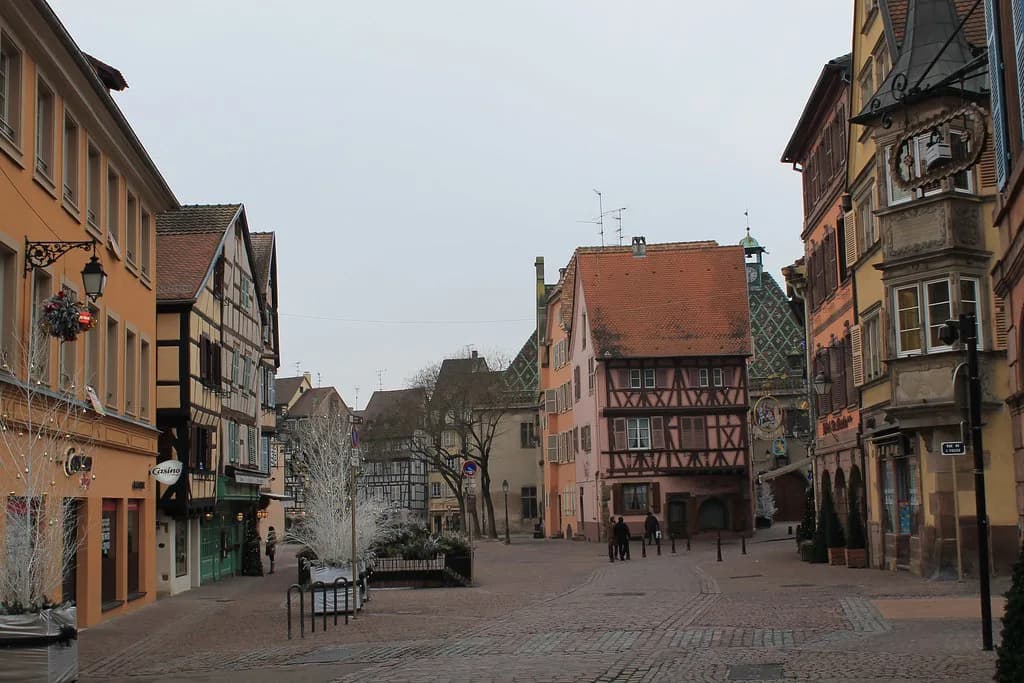
Why Colmar Works as a Base for Alsace Wineries
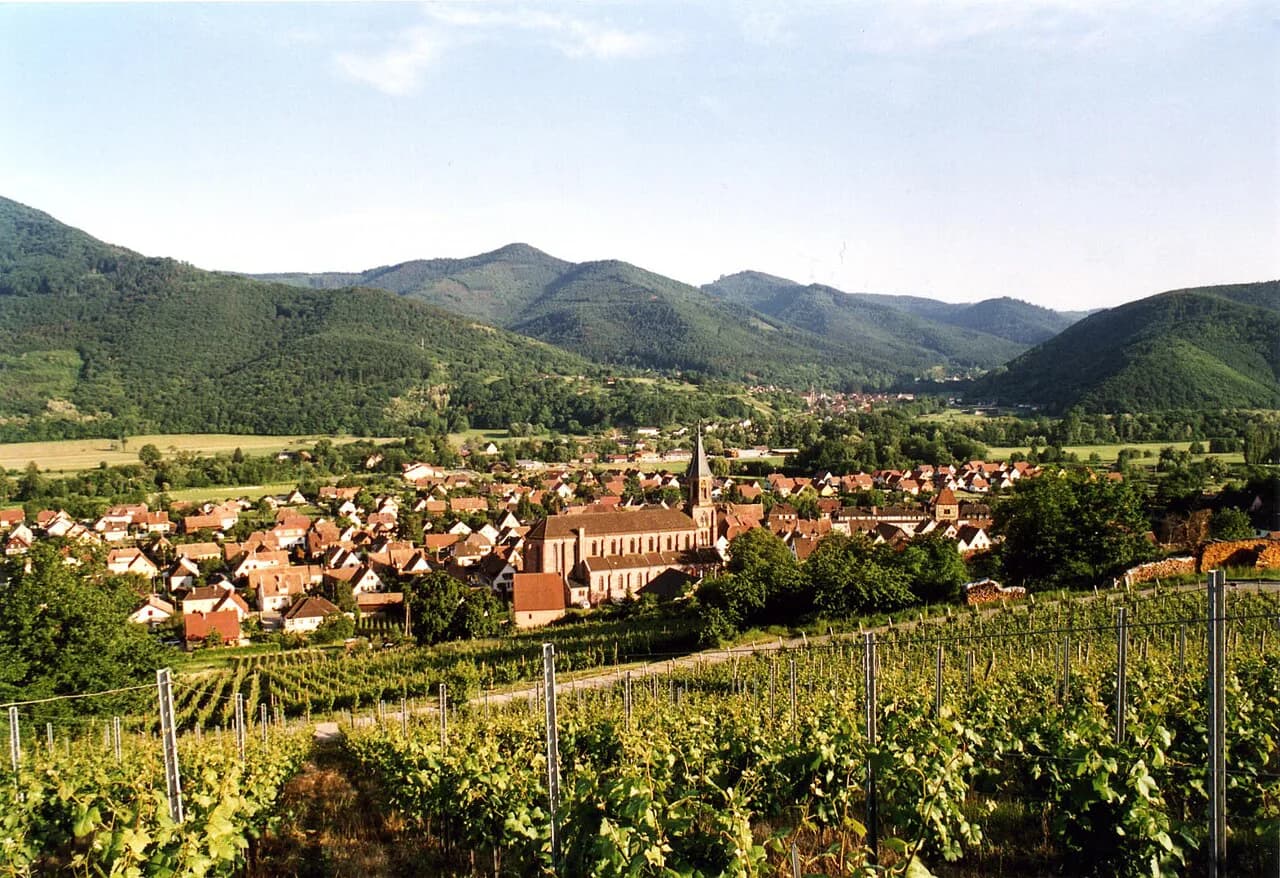
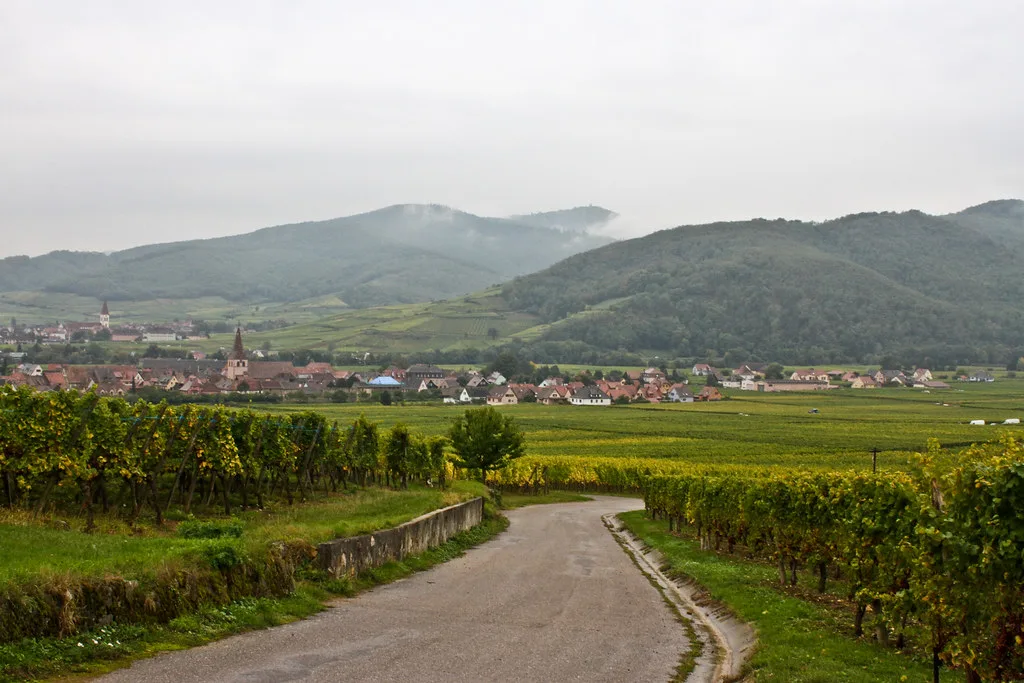
The Alsace vineyard is a narrow band of slopes and plain on the eastern side of the Vosges, and the Wine Route threads through its villages. Colmar's position means Eguisheim is a short hop south, while Kaysersberg, Riquewihr and Hunawihr sit in a cluster to the northwest, so a loop of three villages in one day is realistic. Save Obernai and the northern villages for a second day if you have the time.
One published five-day driving route along the Route des Vins covers a total of 104.5 km and about 1 hour 30 minutes of driving between Colmar and Strasbourg, with stops at Eguisheim, Kaysersberg, Riquewihr and Obernai. That figure is a useful reality check: the distances are small, and the time goes into tastings and village walks rather than the road. If you want the fuller picture of the trail, the Alsace Wine Route from Colmar is covered separately, village by village.
The Grapes That Decide Where You Taste
Riesling, Gewurztraminer, Pinot Gris and Muscat are the four noble varieties of Alsace, and they are the only grapes allowed to carry a grand cru name in most cases. Riesling here is generally dry and fuller-bodied than its German counterpart, while Gewurztraminer is aromatic and low in subtlety, a love-it-or-hate-it wine. Pinot Gris gives richer, rounder whites that handle smoked fish and roast poultry well.
Around those four sit the everyday grapes. Pinot Blanc, often blended with Auxerrois, makes crisp, easy party whites; Sylvaner is now rare but can turn honeyed with age; and Pinot Noir produces lighter reds that top growers are making with more color and structure. Crémant d'Alsace, the region's traditional-method sparkling wine, is a good way to open or close a tasting day.
Sweet styles matter too. Vendange Tardive indicates late-picked grapes with higher sugar, and Sélection de Grains Nobles signals botrytis-affected dessert wine, so both are worth asking about if you want to finish with something sweet. The official regional site sets out the styles, the appellations and the sparkling category in detail if you want to read up before you go.
Label Reading in Five Minutes
Alsace labels are among the friendliest in France because the grape name is usually front and center. The basic appellation is Alsace, or Vin d'Alsace; sparkling is Crémant d'Alsace; and the top tier is Alsace grand cru, always tied to a named vineyard site. The official regional body counts 51 grand cru sites, while other guides refer to roughly 50 — the discrepancy is a numbering quirk, not a reason to doubt the bottle.
Grand cru status comes with rules. Yields are lower than for the general appellation, and in practice only Riesling, Pinot Gris, Gewurztraminer and Muscat can be labelled grand cru, with a few minor exceptions. That means a grand cru bottle is a focused, site-specific wine, and it will cost more than a village-level bottling from the same producer. Whether the premium is worth it depends as much on the grower's style as on the vineyard name.
How Alsace Tasting Rooms Actually Work
There are two kinds of places to taste in Alsace, and they behave differently. Domaines attached to a single estate usually receive visitors by appointment, especially for a tour of the cellar or vines, while village wine shops and cooperative caves in town centers are more likely to accept walk-ins during opening hours. Building a day around one booked domaine plus one or two walk-in stops is the most reliable structure.
When you book, ask four things: whether the visit includes the cellar, which language the tour runs in, how many wines are poured, and the minimum party size. Ask about the fee as well, since some estates deduct it from a purchase and others do not. Harvest, roughly September to November, is when many producers are busiest, so an appointment matters more then; the rest of the year, including weekends, cellars tend to be more open to visitors.
Booking methods vary by house: some publish an online booking form, others handle requests by email or phone. A short message with your date, party size and preferred language gets a faster answer than a general enquiry. If you are traveling as a couple, mention it, because some tours quote minimum numbers.
South of Colmar: Eguisheim
Eguisheim is laid out in concentric circles around its castle, which makes it one of the easiest villages to explore on foot, and several cellars are tucked into the old town. The surrounding slopes include the Eichberg and Pfersigberg grand crus, so this is a good place to compare site-specific bottlings from different growers. Allow time for the streets themselves; the village is as much the attraction as the wine.
From Eguisheim a waymarked walk climbs through vineyards and forest to the Three Castles on Schlossberg hill in about an hour and a half. It is a solid option if you have a non-tasting partner or want to break up the day, and it puts the lie to the idea that a wine trip has to be all cellar visits. The village is only a short drive from Colmar, but a taxi is the sensible choice if everyone wants to taste.
Kaysersberg: Two Domaines That Take Visitors
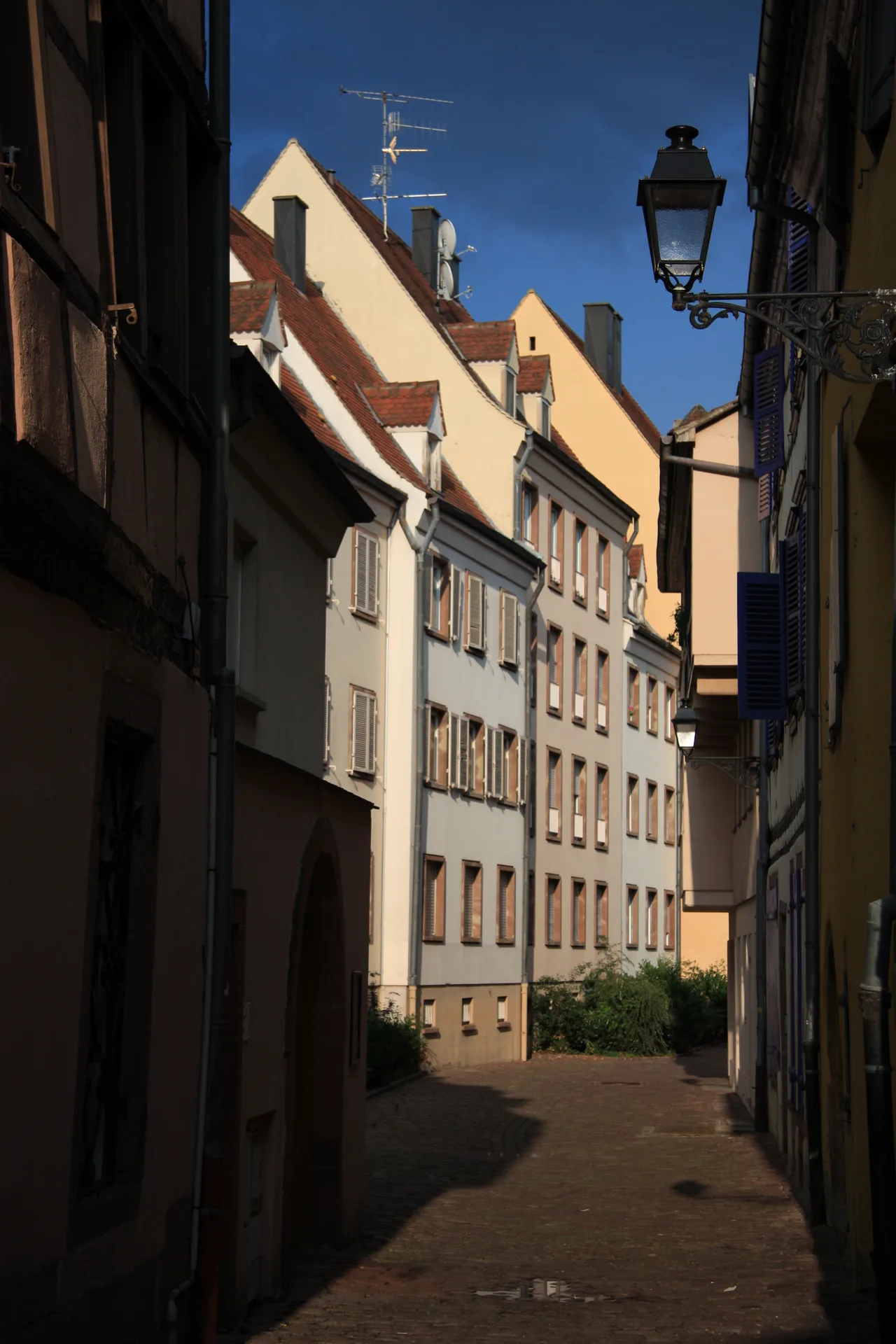
Kaysersberg, at the mouth of a Vosges valley, has a small historic center and two estates that are set up for visitors. Domaine Bernard Haas & Fils on Rue du Général Rieder farms 13 hectares, some of it Schlossberg Grand Cru, and runs vineyard tours with tastings in French and English; advance booking online is required. The combination of vines and cellar in one visit makes it a good anchor for the day.
A kilometer out of town, Domaine Kirrenbourg on the Route du Vin produces the Schlossberg and Brand grand crus and receives visitors for tastings and shopping, again with advance booking. Putting the two together gives you two takes on Schlossberg within a few minutes' drive, which is a more instructive comparison than tasting the same wine twice.
Riquewihr: Tasting Rooms, Shops and the Vineyard Trail
Riquewihr is a walled village where producers and wine shops cluster at the entrance and inside the walls, so it suits a wander-and-taste afternoon rather than a tightly scheduled appointment. Domaine Dopff au Moulin on Avenue Jacques Preiss is one of the houses receiving visitors there, and the shops within the walls make it easy to buy bottles without visiting an estate. If you prefer browsing to booking, this is the village for it.
The Géovino trail starts just outside Riquewihr and loops through the vineyards of Riquewihr, Beblenheim, Bennwihr, Hunawihr and Zellenberg. The full rural circuit is 16 km and takes about four and a half hours on foot, but the first stretch to Hunawihr and back is around 6 km and roughly an hour and a quarter. Information panels along the way explain vineyard work and wine production, so the walk doubles as a primer.
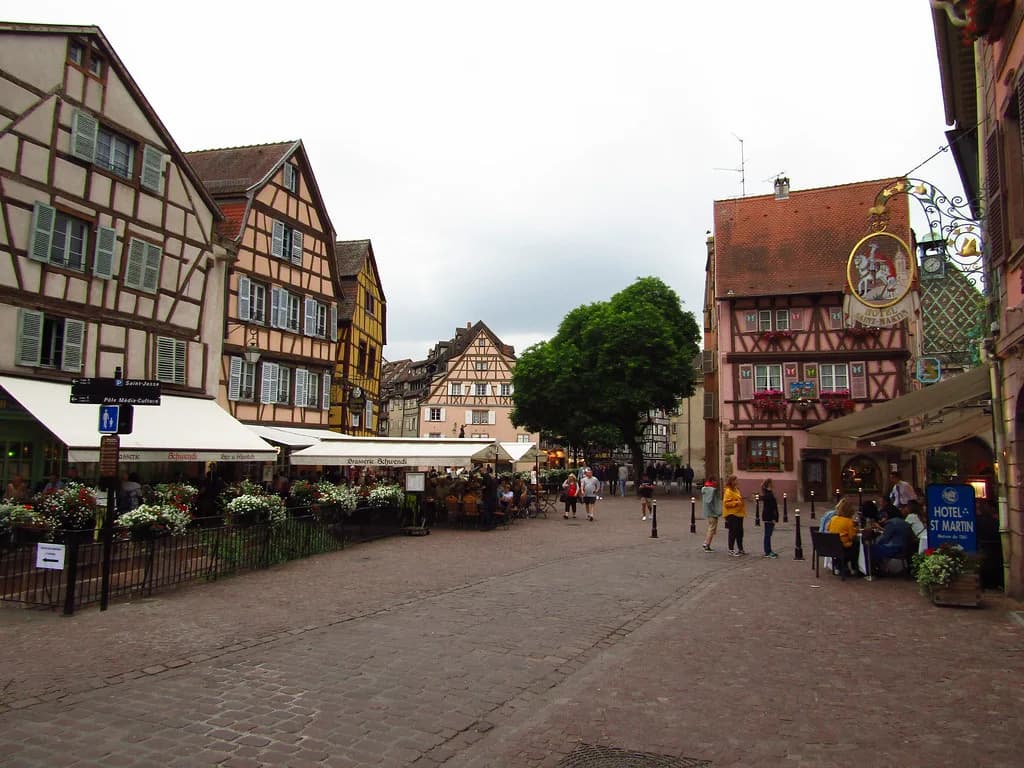
Inside the walls, expect half-timbered houses, a famous thieves' tower and a lot of small shops; it is the busiest-feeling of the villages in this cluster, so an early start pays off. Park outside the walls and walk in, or arrive by taxi from Colmar if the whole group wants to taste. Hunawihr, a short walk or drive away, is quieter and worth pairing with Riquewihr in the same afternoon.
Hunawihr and the Crémant Option
Hunawihr is a small village with a fortified church and one estate worth planning around: Domaine François Schwach on Route de Ribeauvillé runs several wine experiences, including an introduction to Alsace wines and a Crémant-focused session, booked in advance. The Crémant tour is a practical choice for a group where not everyone loves still white wine. Because these are scheduled experiences, they set the shape of your afternoon rather than filling a gap in it.
Pairing Hunawihr with Riquewihr makes sense geographically, since the two are close and connected by the vineyard trail, and it keeps you off the main road. If you are relying on taxis, agree a pickup point at the second village rather than trying to hail one in the vines. The Crémant session also works well as a final stop if you plan to buy bottles for the trip home.
Colmar Itself for a Wet Day or Late Arrival
Colmar has enough wine under cover to fill a rainy half-day. The Museum of Alsatian Wines at 12 Place de la Cathédrale walks visitors through the region's winemaking history and grape varieties with a multimedia display and includes a tasting, which makes it a reasonable substitute for a vineyard when the weather turns. It also gives useful context before you head out to the villages.
For bottles and advice, Domaine Viticole de la Ville de Colmar at 27 Grand Rue is a cooperative wine shop with staff who will talk you through the range. It is the sort of place to buy a mixed case early in the trip so you can drink locally and restock at the end. Neither stop needs an appointment, which is the point: they fill gaps in a schedule built around booked domaines.
Obernai and the Northern Route as a Second Day
If you have a second day, the northern villages around Obernai are the natural extension. Obernai has a strong historic center and a market square, and the drive back toward Colmar can be strung together with one or two appointments along the way. The same logic applies as on day one: fewer stops, more time in each, and a booked estate as the spine. If you would rather hand the driving to someone else, the Colmar wine tours page covers guided formats that include the northern route.
Sequencing matters more than distance. Grouping villages north of Colmar on one day and the southern pair — Eguisheim and the villages near it — on another avoids backtracking on the narrow Route des Vins. Strasbourg can work as the end point of a northern day, with its own wine stops, rather than a separate detour.
Grand Cru Versus Village-Level Tasting
A grand cru bottling reflects a specific site and stricter yields, which is why it usually costs more and tastes more concentrated than a village wine from the same grower. But in Alsace the producer's name carries near-equal weight, and different houses have distinct styles, from lean and dry to richer and sweeter. Tasting at two estates gives you a better education than paying the grand cru premium at a single one. The same single-site versus producer question shapes wine tasting in Reims, where the big houses blend across villages rather than bottling one vineyard.
A useful tasting order is to start with a Crémant or Pinot Blanc, move through Riesling and the aromatic varieties, and finish with a Pinot Gris or a late-harvest wine if one is poured. Ask which wines are village-level and which are grand cru so the comparison is explicit. If a grower pours a site such as Schlossberg or Brand, note the name; it will help you shop later.
Getting There Without Driving
Colmar is the practical arrival point, reached by train, with car rental available in town if you want your own wheels. That combination — train in, car out — keeps the long drive off your itinerary and puts you in the vineyards quickly. For a no-car day, the realistic options are a taxi between villages, a bicycle on the quieter back roads, or a booked tour that handles transport between estates.
The trade-off is worth stating plainly. Independent visits give you more time at the estates you care about and freedom to change plans, but each appointment has to be arranged and each transfer organized. A guided day removes that friction and often includes a cellar visit and several tastings, but the pace is set by the group. If you drive, one person in the party should stay dry and use the spittoons, and public transport or a tour is the simplest way to keep the whole group tasting.
A Sample One-Day Route
With a designated driver, start at Domaine Bernard Haas & Fils in Kaysersberg on a booked morning vineyard tour, then drive the short distance to Domaine Kirrenbourg for a second take on Schlossberg. Break for lunch in Kaysersberg before heading to Riquewihr for walk-in tasting rooms and shops, and finish in Hunawihr with a booked Crémant session at Domaine François Schwach. That is three appointments and one free-roaming stop, which is about right for a day.
Without a car, invert the plan: take a taxi or bus from Colmar to Kaysersberg for the morning tour, arrange a pickup to Riquewihr for the afternoon, and walk the first stretch of the Géovino trail if time allows. Alternatively, take a guided tour that includes Eguisheim instead of the northern villages. Whichever version you choose, book the two scheduled experiences first and let them determine the rest of the day.
Practical Booking Questions
Before you commit, confirm the party-size minimum, since some tours quote a minimum number and charge accordingly. Confirm the language of the tour, because English-language visits are not universal at small estates. Confirm whether the cellar is part of the visit or whether it is a tasting only, and ask how long it runs so you can space out your day.
Ask about harvest-time disruption if you are traveling in autumn: cellars get busy, and some visits shift to a shorter format. Ask, too, whether the fee is deducted from a purchase, and what the cancellation terms are. A single email covering these points saves a phone call on the day.
Plan Your Visit
Colmar gives you a compact base, the villages give you the domaines, and a handful of advance bookings gives you a day that runs smoothly. Choose two or three villages, book the estate tours that interest you most, and leave room for a walk-in cave or a village wine shop. If you want the broader context, our guide to wine tasting in colmar pairs with this one.
Where a winery or operator has not published current prices, hours or closures, confirm the details directly before you travel, and use the winery's own website or phone number rather than a reseller. For the wider picture of the trail and its villages, see our Colmar wineries directory and the full Alsace Wine Route from Colmar.
Frequently Asked Questions
Do you need to book Alsace winery tastings in advance?
For estate visits and vineyard tours, yes: Domaine Bernard Haas & Fils, Domaine Kirrenbourg and Domaine François Schwach all ask for advance booking, and the first two specify online booking. Village wine shops and cooperative caves are more likely to accept walk-ins. If you want a cellar tour rather than a simple tasting, book ahead and confirm the language of the visit.
What are the most common wines produced in Alsace?
Most Alsace wine is white. The main varieties are Riesling, Gewurztraminer, Pinot Gris, Muscat, Pinot Blanc and Auxerrois, with smaller amounts of Sylvaner and Pinot Noir. Crémant d'Alsace is the sparkling style, and the sweet Vendange Tardive and Sélection de Grains Nobles designations appear on richer, late-harvest bottlings.
What is the difference between Alsace and Alsace grand cru?
Alsace is the basic appellation and covers wines from across the region, labelled by grape variety. Alsace grand cru is tied to a named vineyard site, with lower permitted yields, and is generally limited to Riesling, Pinot Gris, Gewurztraminer and Muscat. Expect grand cru bottlings to be more expensive and more site-specific than village-level wines.
Is Alsace wine dry or sweet?
It depends on the grape and the style. Riesling and Muscat are typically dry, Gewurztraminer is aromatic and can be either, and Pinot Gris ranges from dry to rich. Vendange Tardive and Sélection de Grains Nobles are sweet by design. Ask at the tasting room which wines are dry before you buy a case.
Can you visit Alsace wineries without a car from Colmar?
Yes, but plan the transfers. Colmar is reachable by train, and from there you can take a taxi between villages, ride a bicycle on the back roads, or join a guided tour that includes transport. Book any estate visits first, then arrange the moves between them. If you drive, one person in the group should stay dry.
How far is the Alsace Wine Route from Colmar?
The route runs north to south between Marlenheim and Thann, and Colmar sits close to its middle, with Eguisheim, Kaysersberg, Riquewihr and Hunawihr all within a short drive. One published five-day driving itinerary along the route logs 104.5 km and about 1 hour 30 minutes of total driving between Colmar and Strasbourg. Individual village distances are best checked on a map for your chosen stops.
Which is the prettiest village in Alsace for wine tasting?
That is a matter of taste rather than fact. Eguisheim's concentric layout, Riquewihr's walled center and Hunawihr's fortified church each appeal to different travelers. For tasting convenience, Riquewihr has the densest cluster of tasting rooms and shops, while Kaysersberg offers two estates set up for booked visits.
When is harvest in Alsace and does it affect visits?
Harvest generally falls between September and November, and producers are especially busy then. Some estates receive visitors during harvest and most other times of year, including weekends, but visits may be shorter or harder to schedule. Book earlier if you are traveling in autumn and confirm the format of the visit.
Sources
Notes for your next wine trip
Optional updates to our winery and wine-town guides.
You might also like
Continue reading
More guides you'll find useful