Colmar Wine Tours: Half-Day vs Full-Day & How to Choose
Compare Colmar wine tours by length, price and group size, see which Alsace villages and tastings they include, and choose between a tour, train or taxi.
On this page
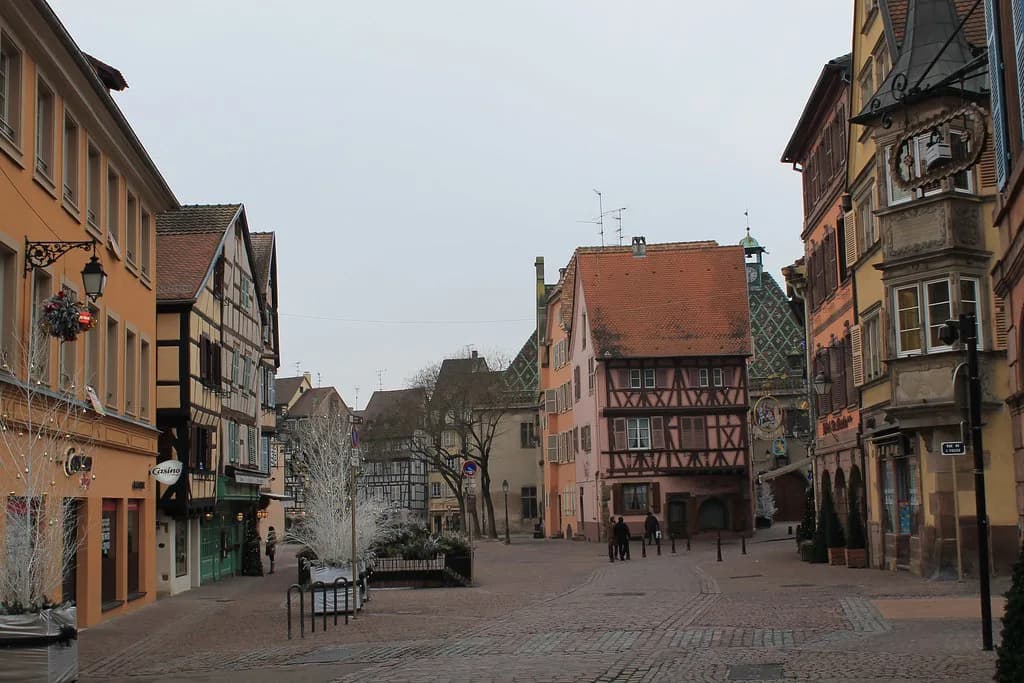
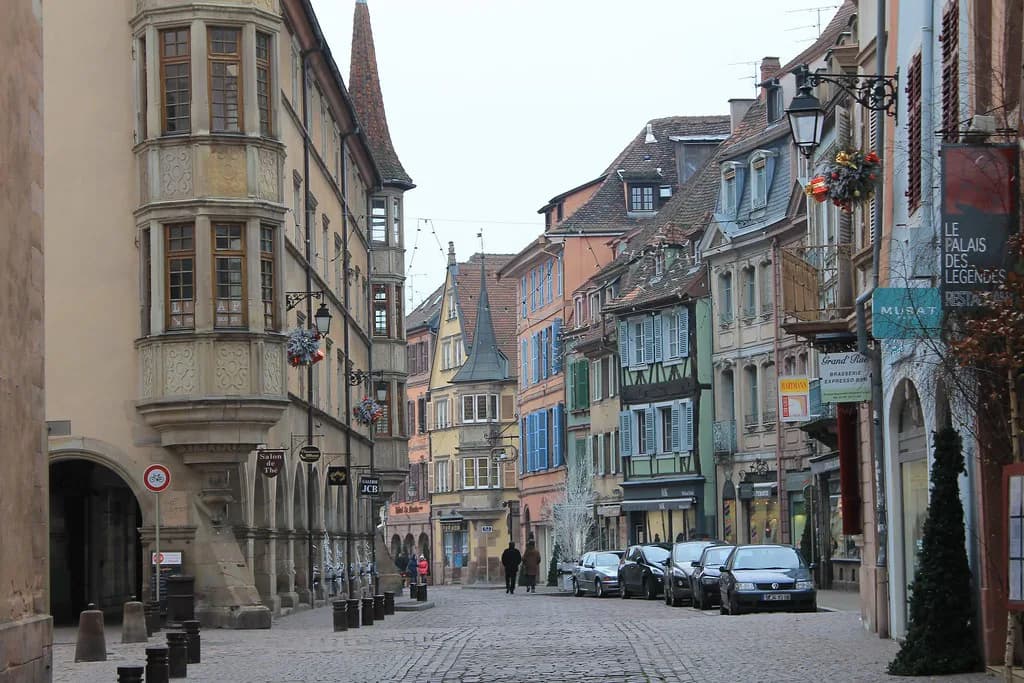
Colmar is the most practical base on the Alsace Wine Route: a walkable town with a rail station, a compact old center, and vineyard villages starting just a few kilometers out. That position is why so many tours leave from here rather than from Strasbourg or Mulhouse, and why the choice is less about whether to tour and more about which format fits your day. The comparison below uses published tour listings and the official Wine Route material.
Most travelers are deciding between three shapes of day: a four-hour shared outing, a full-day shared route that adds villages and sometimes a castle, and a private car with a Grand Cru focus. Each format trades money against time, flexibility and the number of wines you actually taste, so it helps to see the published figures side by side.
Why Colmar is the practical base for the Alsace Wine Route
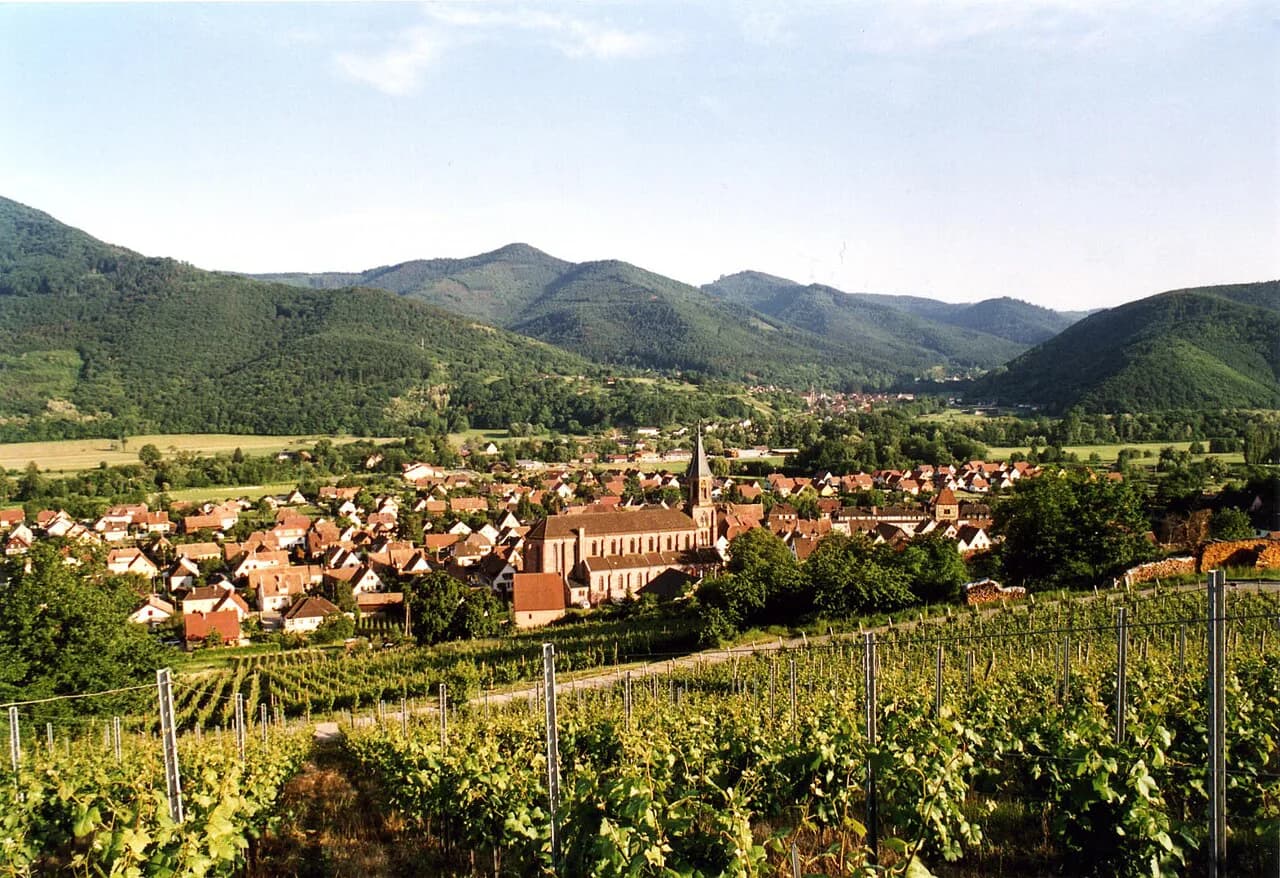
The Wine Route runs roughly north to south through Alsace, and Colmar sits close to its center, which means villages such as Eguisheim and Riquewihr lie a short drive away while Obernai and the northern villages stretch further out. Starting from Colmar rather than Strasbourg cuts the transfer time at the start of the day, but Strasbourg remains the better base if you want a big-city hotel stock and restaurant choice in the evening.
Colmar also has the transport advantage: regional express trains link it with Strasbourg, Mulhouse and Sélestat, which is why a car-free wine day is realistic here. If your priority is a deep bench of cellars in and around town, read up on wine tasting in colmar before you fix your dates.
What a Colmar wine tour actually includes: tastings, cellar visits, villages
The half-day listings from Colmar are built around a short run through nearby vineyards with tastings at one or two estates; the four-hour format leaves room for a cellar explanation and a handful of poured wines, but not for a long lunch or a castle stop. Full-day versions add distance and stops, which is where villages and monuments enter the itinerary.
Group size matters more than many travelers expect: the shared Colmar tours in the published listings cap at eight guests, which keeps tastings conversational and lets the guide handle the driving on narrow village roads. Ask before booking whether tastings are included in the headline rate or paid at the estate, and whether the day ends with a drop-off at your hotel or only at the station.
Winery-level detail — which cellars in colmar wineries open their doors to groups, how long a visit runs, and whether a domaine pours four wines or eight — is not published in the tour listings, so treat any estate name in a brochure as indicative rather than guaranteed.
Half-day shared tours from Colmar: typical length, group size, price range
The benchmark half-day option is a four-hour shared excursion from Colmar capped at eight guests, published from a starting rate per person that sits in the high double digits. Because it is a from price, the final cost depends on your date and availability, so compare the checkout total rather than the headline.
Half days work best if you have one clear window — a morning or an afternoon — and want the driving, the route and the tasting handled without planning. The trade-off is reach: four hours including transfers buys you the closest villages only, so you will not see the northern Wine Route or linger over a long lunch, and a dedicated wine-first morning suits travelers who would rather taste than sightsee.
Full-day shared tours from Colmar: where the extra hours go
Full-day shared tours from Colmar are published from a per-person starting rate around half again as much as the half-day, and the extra hours buy distance, more estate stops and often a monument or hilltop village. That is the format to choose if you want the Wine Route scenery as much as the tastings, or if this is your only day in Alsace. Travelers weighing the same half-day versus full-day decision elsewhere can compare avignon wine tours for a Rhône Valley equivalent.
Check what the long day actually adds before paying the difference: some full-day itineraries lean toward villages and castles with a single tasting, while others chain several estates. If your goal is breadth of Alsace Wineries from Colmar in one push, the full day is the more efficient use of a single day off.
Private tours and Grand Cru-focused options: what the premium buys
Private offerings from Colmar include a half-day villages-and-wine journey and a full-day Grands Crus tasting tour with a published starting rate roughly two and a half times the shared half-day. What the premium buys is the car to yourselves, a start time you set, and the ability to spend longer at a cellar that interests you.
Grand Cru is a designation tied to specific named vineyard sites in Alsace, so a tour marketed that way should say which sites or villages it visits and how many wines from those sites are poured. Ask that question in writing before you commit, since a premium label alone does not tell you the pour count or the estate list.
The same operator lists an equivalent Grand Cru private day from Riquewihr and from Mulhouse, which is useful if you are staying outside Colmar or want to start the day closer to the central vineyards.
Village-and-castle day trips that sip wine but are not wine-first
Several Colmar listings are sightseeing days first and wine days second: a full-day Eguisheim, Riquewihr and Haut-Koenigsbourg circuit, for example, is published from a starting rate below the wine-focused full-day tour. These suit mixed groups where one traveler is along for the villages and the castle rather than the cellars.
If wine is the point of the trip, choose a dedicated tasting tour and treat the castle circuit as a separate half day; combing both in one itinerary usually means a rushed tasting and a hurried monument visit. The published pages list what each day covers, so scan the stops before comparing prices.
Choosing villages: group your stops instead of zig-zagging
The Wine Route is a north-south line, so the sensible planning rule is to pick one band per day: the villages just south of Colmar, the central cluster around Riquewihr, or a northern run toward Obernai. Trying to cover the whole route in one day means most of your time is spent in the vehicle rather than at the tasting table.
The official route site is the place to orient yourself before booking: it maps the main stops, describes the vineyard cycle route, and lists cellars that welcome visitors along the way. Use it to check which villages sit within your chosen band, then match them to a tour itinerary or to your own train and taxi plan.
Estates that receive visitors on the route are catalogued separately, and it is worth scanning that list even if you plan to tour, since it tells you which villages cluster the cellar visits you care about.
Doing it yourself: TER trains, the Kutzig hop-on bus and taxi trade-offs
Without a car, the regional express train network links Colmar with Strasbourg, Mulhouse and Sélestat, so you can reach the wine towns by rail and then close the last few kilometers on foot, by bike or by taxi. The gaps between station and cellar are the real constraint, and taxis in small wine villages are thin on the ground after tasting hours.
For a car-free vineyard day with scenery, the Wine Route organization promotes a seasonal convertible hop-on hop-off bus called Kutzig, which departs from the stop opposite Colmar station and is reachable by train from Strasbourg, Sélestat and Mulhouse. Its operating season is limited and the published dates refer to an earlier year, so confirm the current timetable and route on the official site before planning around it.
The honest trade-off: independent travel is cheaper and gives you control over timing, but a tour solves the designated-driver problem entirely and packs more estates into a short window. Whatever you choose, a driver should not taste — plan on spitting, a designated driver, a tour or public transport when wine is on the schedule.
Tasting Alsace wines: Riesling, Pinot Gris, Gewurztraminer, Muscat, Sylvaner, Grand Cru
Alsace labels wines by grape variety, which makes a tasting list easy to read: Riesling for structure and length, Pinot Gris for weight, Gewurztraminer for its assertive perfume, Muscat for a drier grapey character, and Sylvaner for lighter, everyday drinking. Whites dominate here, and the region also makes Crémant d'Alsace sparkling wine and a small amount of Pinot Noir.
Grand Cru appears on the label only for wines from recognized named sites, chosen by grape and place rather than by producer, so a Grand Cru tasting is really a tour of specific vineyard terroirs. A useful booking question is not just how many wines but which villages and which designated sites the flight is drawn from.
Booking decisions: shared vs private, morning vs afternoon, harvest season
Shared tours are the default for solo travelers and couples, given the eight-guest cap in the published Colmar listings, and they usually cost less per head than a private car. Choose private if you want to set the pace, travel with a group that fills the vehicle, or prioritize one estate over a wide circuit.
Mornings tend to suit tasters who fade by mid-afternoon, while afternoons leave the morning free for the old town and museums. From the beginning of August to mid-October is wine and harvest festival time on the Wine Route, when the villages come alive and the vineyard work is in full swing, so book further ahead if you want those weeks.
Before paying, confirm the pick-up point and time, whether tasting fees are included, how many estates and wines you will actually visit, and the cancellation terms; those four answers separate a good day from a brochure. A final check against the tour company's listing on the day protects you if a schedule has shifted.
Which Colmar Wine Tour Should You Book?
For a single free afternoon, take the four-hour shared tour and accept that you will see one slice of the route; it is the lowest-commitment way to taste Alsace wines with a guide driving. With a full day, the shared full-day itinerary buys distance and villages, while the private Grand Cru day is worth the premium only if you can name the sites you want to taste.
If you would rather build your own day, plan one village band, check the train times to your chosen town, and keep the tasting modest. Whichever route you pick, browse the cellar listings for wine tasting in colmar first so your booking matches the villages you actually want to see.
Frequently Asked Questions
How much does a wine tour from Colmar cost?
Published listings start a four-hour shared excursion in the high double digits per person, a full-day shared tour around half again as much, and a private Grand Cru day at roughly two and a half times the shared half-day. These are from rates that move with date and availability, so compare the final checkout price for your day.
Is a half-day or full-day Alsace wine tour better?
Choose the half day if you have one free morning or afternoon and want a short, guided tasting without planning. Choose the full day if this is your only day in the region and you want villages, scenery and more estate stops; the extra hours mostly go into distance and time at the table.
Can you do the Alsace Wine Route without a car from Colmar?
Yes, with planning. Regional trains link Colmar with Strasbourg, Mulhouse and Sélestat, and the Wine Route organization promotes a seasonal hop-on hop-off convertible bus departing opposite Colmar station. Gaps between stations and cellars are best covered on foot, by bike or by booked taxi.
What wines are poured on Alsace tours?
Expect whites labelled by grape: Riesling, Pinot Gris, Gewurztraminer, Muscat and Sylvaner, plus Crémant d'Alsace and a little Pinot Noir. Grand Cru tours focus on wines from recognized named vineyard sites. Ask which grapes and which sites the flight covers.
Should you stay in Colmar or Strasbourg for wine tasting?
Colmar puts you in the middle of the Wine Route with short transfers to the vineyard villages, but a smaller hotel and restaurant choice. Strasbourg is a bigger city with more of everything in the evening and still runs wine tours, at the cost of longer transfers each way.
When is harvest season on the Alsace Wine Route?
The Wine Route organization describes wine and harvest festivals running from the beginning of August to mid-October, when the villages are at their liveliest. Book accommodation and tours further ahead for those weeks, and expect vineyard work to be under way in the rows around the tasting rooms.
Sources
Notes for your next wine trip
Optional updates to our winery and wine-town guides.
You might also like
Continue reading
More guides you'll find useful