Colmar Wineries: Where to Taste in Town and Along the Route
Plan wine tasting from Colmar: village wineries in Turckheim, Eguisheim and Wintzenheim, car-free options, booking habits and what to ask before you go.
On this page
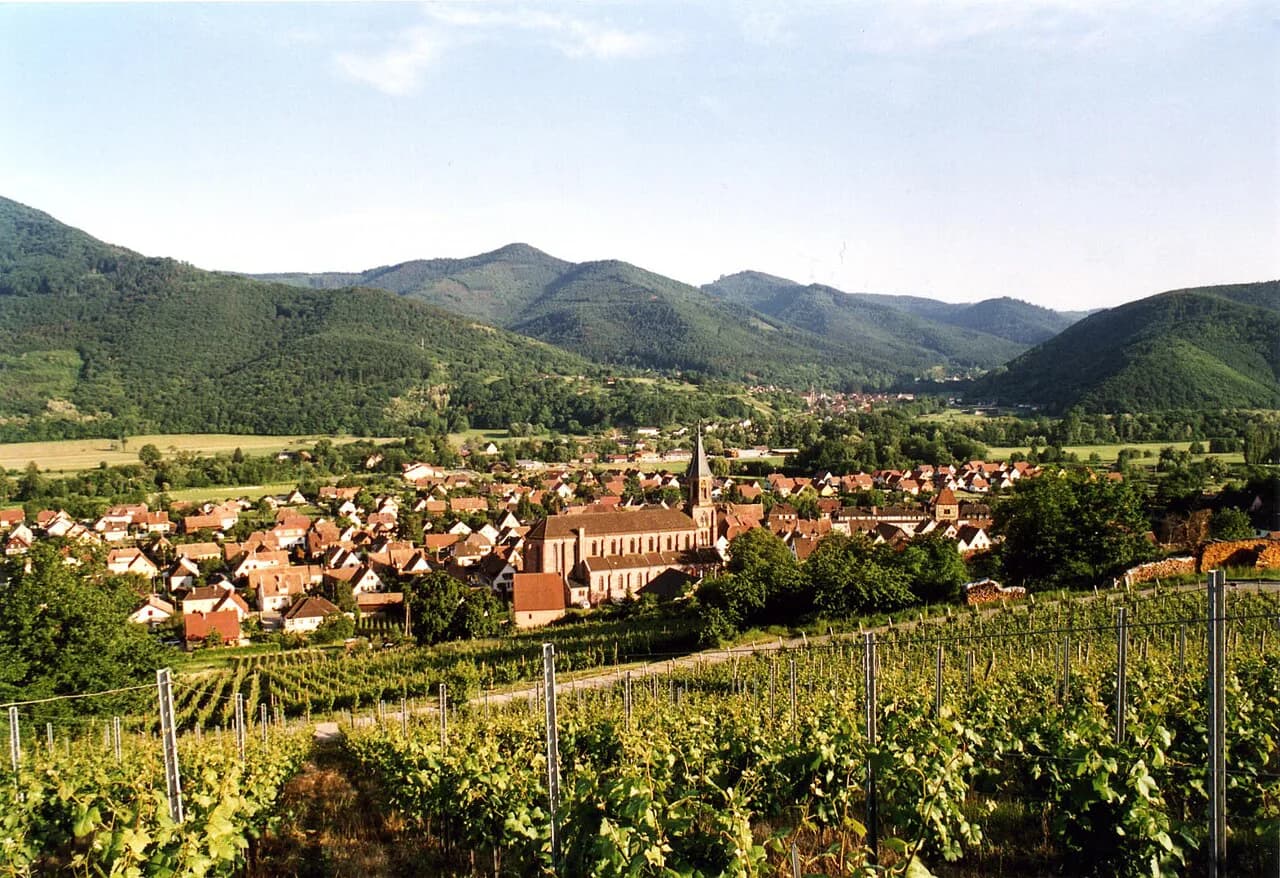
Colmar is the practical base for the southern half of the Alsace Wine Route, a chain of villages running roughly from Strasbourg south past Colmar, each with its own growers and tasting rooms. Most producers here are small family operations, and many of their bottles never leave the region, so the tasting room is often the only place to try them.
The district is compact enough that you can cover two or three villages in a day without long transfers, but not so compact that you can wing it on foot. Decide first whether you want town tasting rooms you can reach on foot, village domaines a short train or bus ride away, or a guided day that handles the driving. If you would rather compare how another French wine region handles this same decision, weigh it against the aix en provence wineries, where the choice is equally one of pace and transport.
Why Colmar Works as a Wine Base
Colmar sits inside the Route des Vins d'Alsace rather than at one end of it, so villages such as Turckheim, Eguisheim and Wintzenheim are close by, with the more northerly cluster around Barr and Mittelbergheim reachable in a longer half-day. Strasbourg anchors the northern end of the route and works well for the northern villages, but it puts more distance between you and the southern tasting rooms.
The trade-off is simple: Colmar gives you the densest choice of nearby villages and a walkable old town for the evening, while Strasbourg gives you a bigger city and quicker access to the north. If your trip is mainly about tasting, base yourself in Colmar and treat Strasbourg as a day out rather than the other way round.
One thing to settle early is the scale of the region. There are more than a hundred wineries along the route, most of them small and family-run, so a shortlist of three or four domaines per day is realistic. Trying to cover the whole route in a couple of days means spending your time in the car instead of at the tasting counter.
Alsace Wine Styles in Brief
Alsace labels name the grape rather than a village appellation, which is the opposite of most French wine and the first thing that confuses visitors. Expect Riesling in a drier style than its German counterpart, fuller-bodied Pinot Gris, aromatic Gewürztraminer, dry Muscat often served as an aperitif, light Sylvaner and Pinot Blanc, and Pinot Noir as the region's only red, usually served slightly chilled.
Roughly nine in ten Alsace wines are white, and Crémant d'Alsace is the local traditional-method sparkling wine, often made with Chardonnay among other grapes. Klevener de Heiligenstein is a separate case: the grape may only be grown and produced in and around the village of Heiligenstein, so it appears on lists as a local specialty rather than a regional one.
Grand Cru designations attach to specific vineyard sites, such as Kirchberg de Barr, Zotzenberg and Altenberg, and a grower with parcels there will usually pour them alongside the entry-level wines. If you want to understand the difference a site makes, ask for the same grape from a village wine and from a Grand Cru in one flight.
Walkable From Colmar: Tasting Rooms in Town
Not every good tasting room requires a trip into the vineyards. Domaine Martin Jund is named among the wineries visitors can reach without a car because it sits in Colmar itself, which makes it a sensible first stop on arrival day or a fallback when the weather turns.
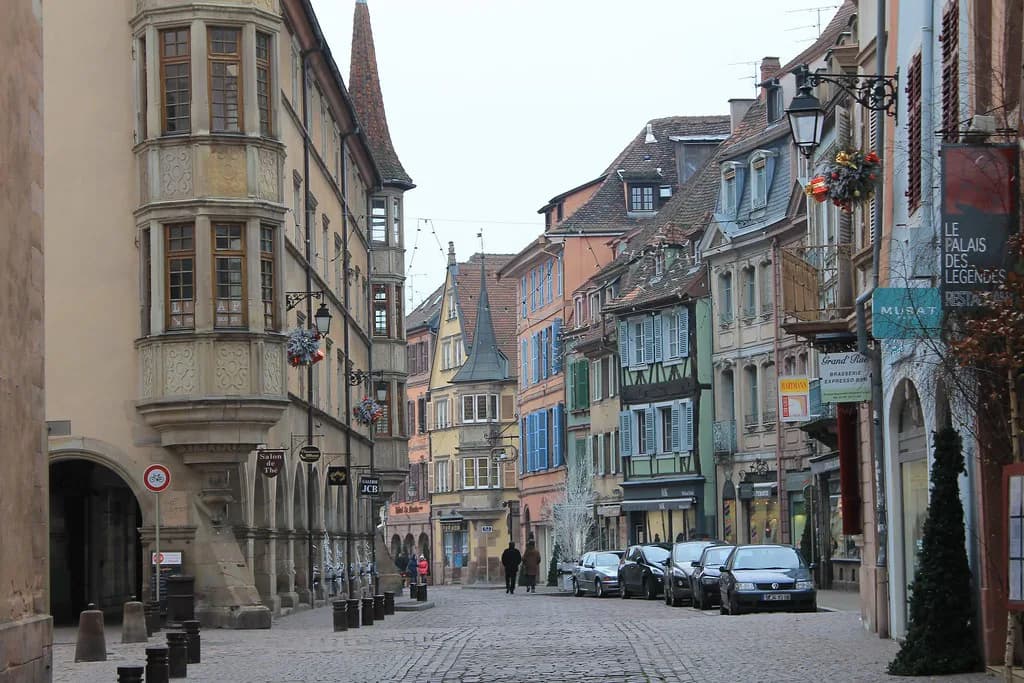
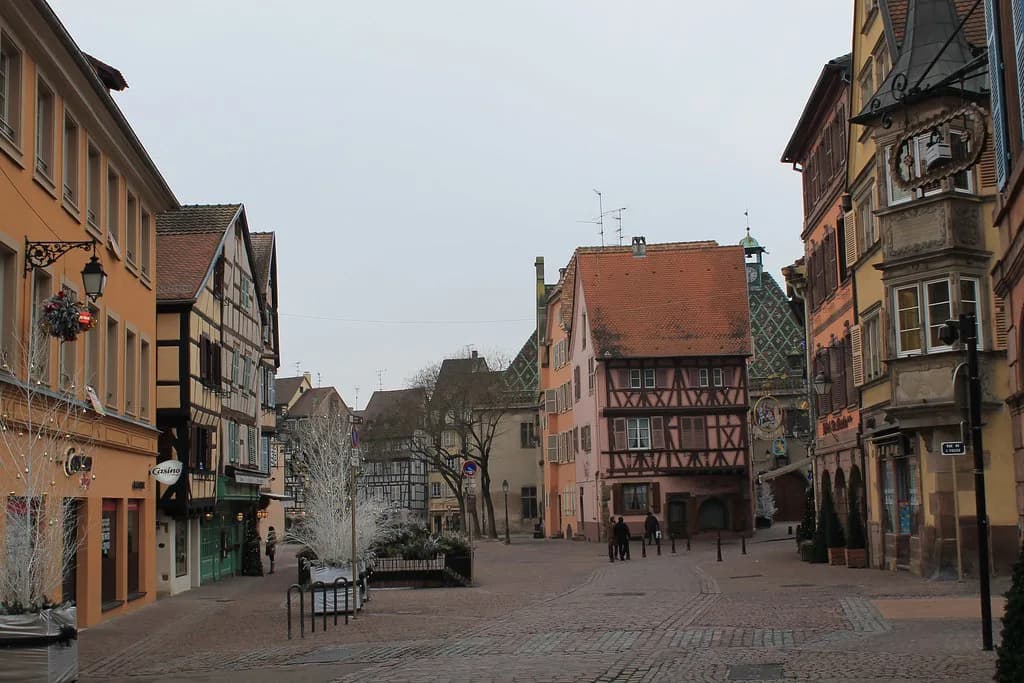
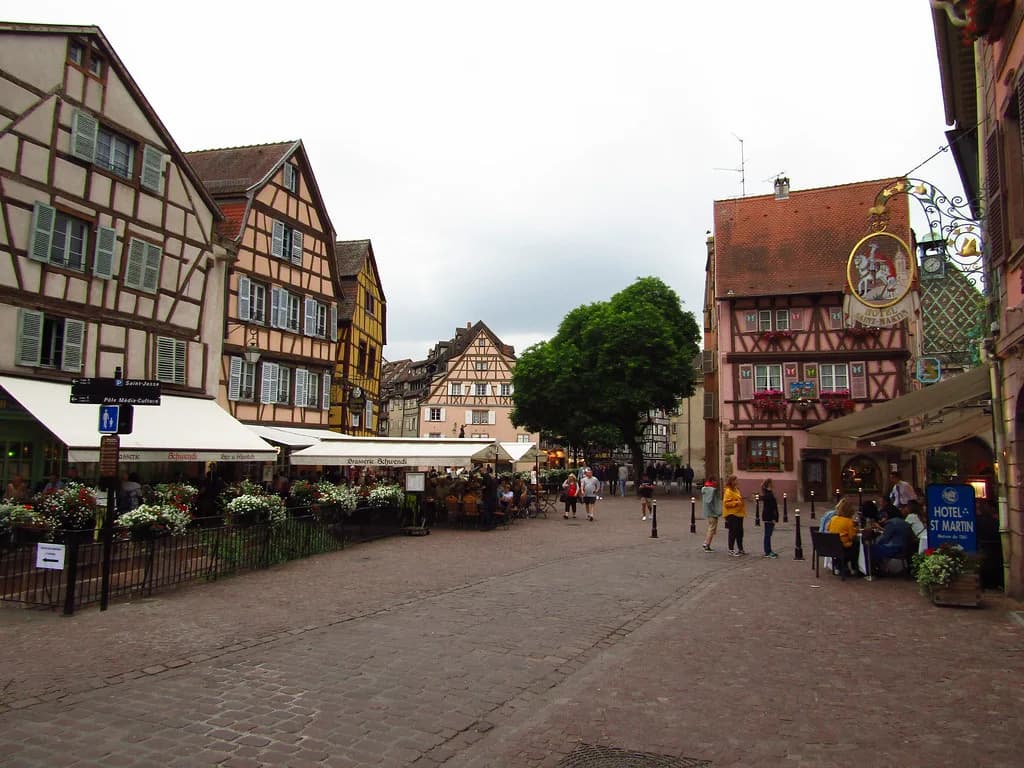
Colmar also has wine bars and shops in the old town that pour local growers by the glass, and they are useful for a low-commitment introduction before you commit to appointments. Treat them as a way to find names you like rather than a substitute for a cellar visit, since you will not see the vineyards or the barrel room.
A walkable day in town is the lowest-risk plan if you are arriving by train or have only an afternoon. Pair one in-town tasting with a walk through the old town, and save the village domaines for a full day when transport is sorted.
Turckheim: Village Tasting Rooms a Short Hop Away
Turckheim is one of the closest villages to Colmar and has its own station, which makes it the obvious first village excursion. Domaine François Baur is named as one of the wineries in the region you can visit without a car, since Turckheim is served by rail from Colmar.
Beyond that single name, treat Turckheim as a village to explore rather than a fixed list. Several growers keep tasting rooms in and around the old walls, and walking the main street will show you which doors are open that afternoon. Ask at your accommodation or the tourist office for the current list of growers receiving visitors, because small domaines open and close their doors with the season.
Allow a half-day: one booked tasting, a walk along the ramparts, and a second walk-in if you find one. The train back to Colmar is short enough that you do not need to plan the return precisely, which is not true for the villages further north.
Eguisheim and Wintzenheim: Grand Cru Country
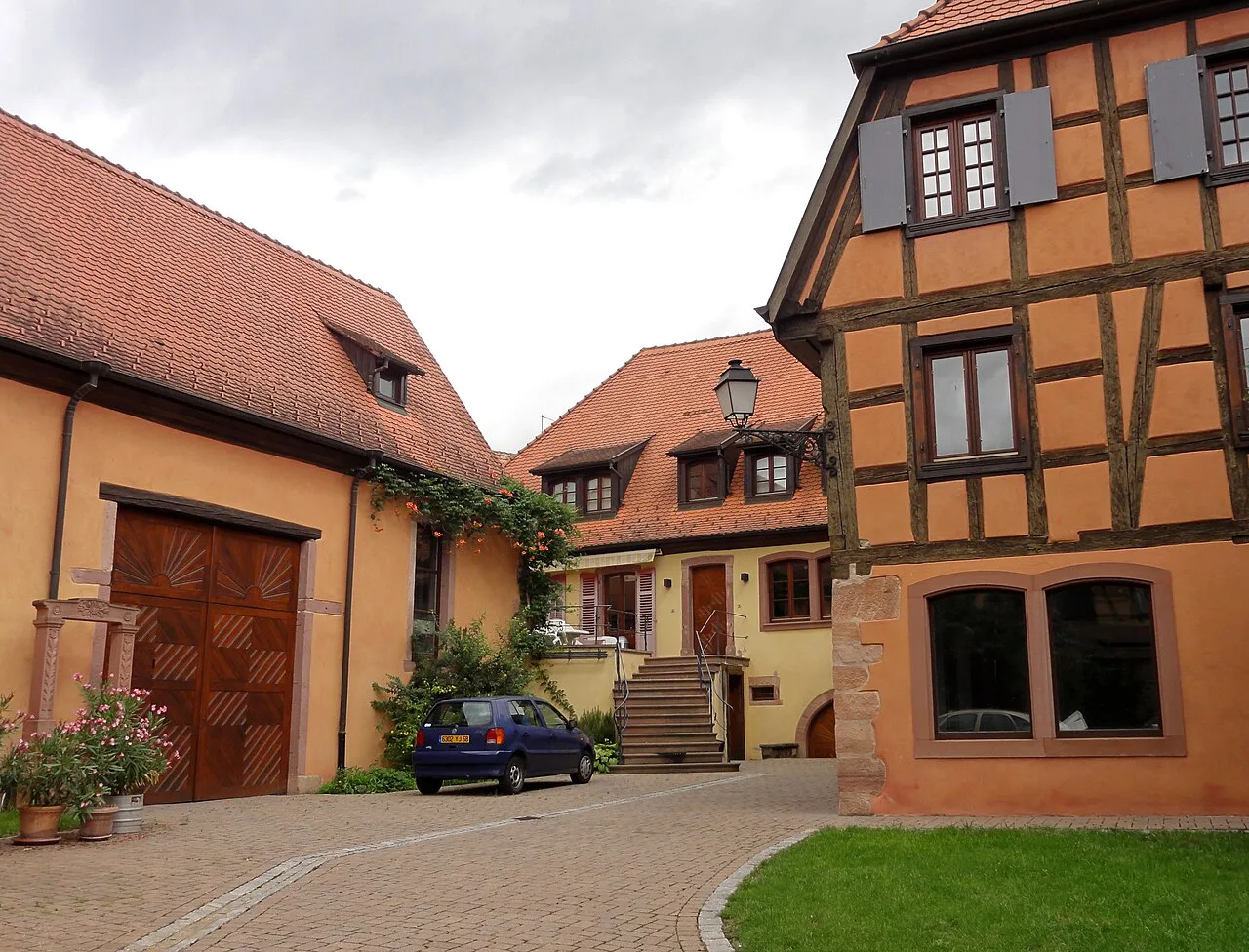
Eguisheim and Wintzenheim sit southwest of Colmar, close enough to link on a half-day, and both have Grand Cru sites on their doorsteps. Eguisheim's concentric streets make it one of the most photographed villages on the route, so plan your tasting around the crowds rather than the other way round.
These villages are the place to book a cellar visit rather than a quick counter tasting, because the growers here work small parcels and often handle the whole process themselves. When you write, say which grapes interest you and whether you want to see the cellar; that shape of request gets a more useful reply than a generic enquiry.
This is also the stretch where the Faller family's Domaine Weinbach, based at the Clos des Capucins just outside Kaysersberg, fits naturally into a day built around the southern villages. It is a larger, better-known name than the family domaines in Turckheim, and the visit is a different experience: more structured, less kitchen-table.
Three Domaines Worth Building a Day Around
One published account of a guided day from Strasbourg names three domaines that received the group: Domaine Noëlle Bachert near Barr on the edge of Heiligenstein, Domaine Gilg outside Mittelbergheim in a cellar dating to the 1500s, and Domaine Sylvie Spielmann near Bergheim. All three are described as family-owned, with tastings held in small, homely rooms rather than large visitor centers.
That account is a visitor report, not a current schedule, so use it to choose which villages interest you and then approach the domaines directly. The wines described run from Crémant and Riesling through Klevener de Heiligenstein, Sylvaner Grand Cru Zotzenberg, Pinot Gris and Gewürztraminer, with Grand Cru Kirchberg de Barr and Altenberg among the sites.
Barr, Mittelbergheim and Bergheim sit north of Colmar, closer to Strasbourg, so this trio makes more sense as a day out from Colmar with a car, a guide or a carefully planned train connection than as a walk from town. Pair Mittelbergheim with a stop in Ribeauvillé, the nearest well-known village on the route back south.
Booking Culture: Appointment or Walk-In
Alsace tasting rooms range from true walk-in counters in the bigger villages to private tastings in a family kitchen, and the difference matters when you are planning a day. The published account of the Barr, Mittelbergheim and Bergheim domaines describes private tastings for a small group, which is the appointment model rather than the drop-in one.
In practice, email is the standard first contact for small domaines, and a short message works better than a long one. State your date, the number in your party, whether you want a cellar visit or just a tasting, the languages you speak, and whether anyone in the group will not be drinking.
Bottle prices in the region are modest for the quality, with one visitor account putting most bottles in the range of about seven to thirty-five euros. That is a general impression from a single trip rather than a price list, so expect variation by domaine and by wine, and expect to pay at the counter rather than at a till.
Getting Between Villages Without Driving
The train line along the route links Colmar with Turckheim and other villages, and buses fill some of the gaps, but service thins out in the evening and on Sundays. Colmar is small enough to walk, and a bicycle opens up the flat vineyard tracks between the nearest villages, though you should taste sparingly and use a spittoon if you are riding.
Guided options run from Colmar as half-day and full-day group tours along the Alsace Wine Route, which solves the driving and the navigation in one go. The trade-off is fixed itineraries and shared pace against the freedom to linger at a counter you like; for a first visit with three or more villages on your list, the tour usually wins on time.
If you plan to drive yourself, one person in the group stays on water and spittoons all day. That is the standard arrangement in this region, and it is why so many visitors choose a tour or the train for at least one of their tasting days.
One-Day and Two-Day Itineraries by Village
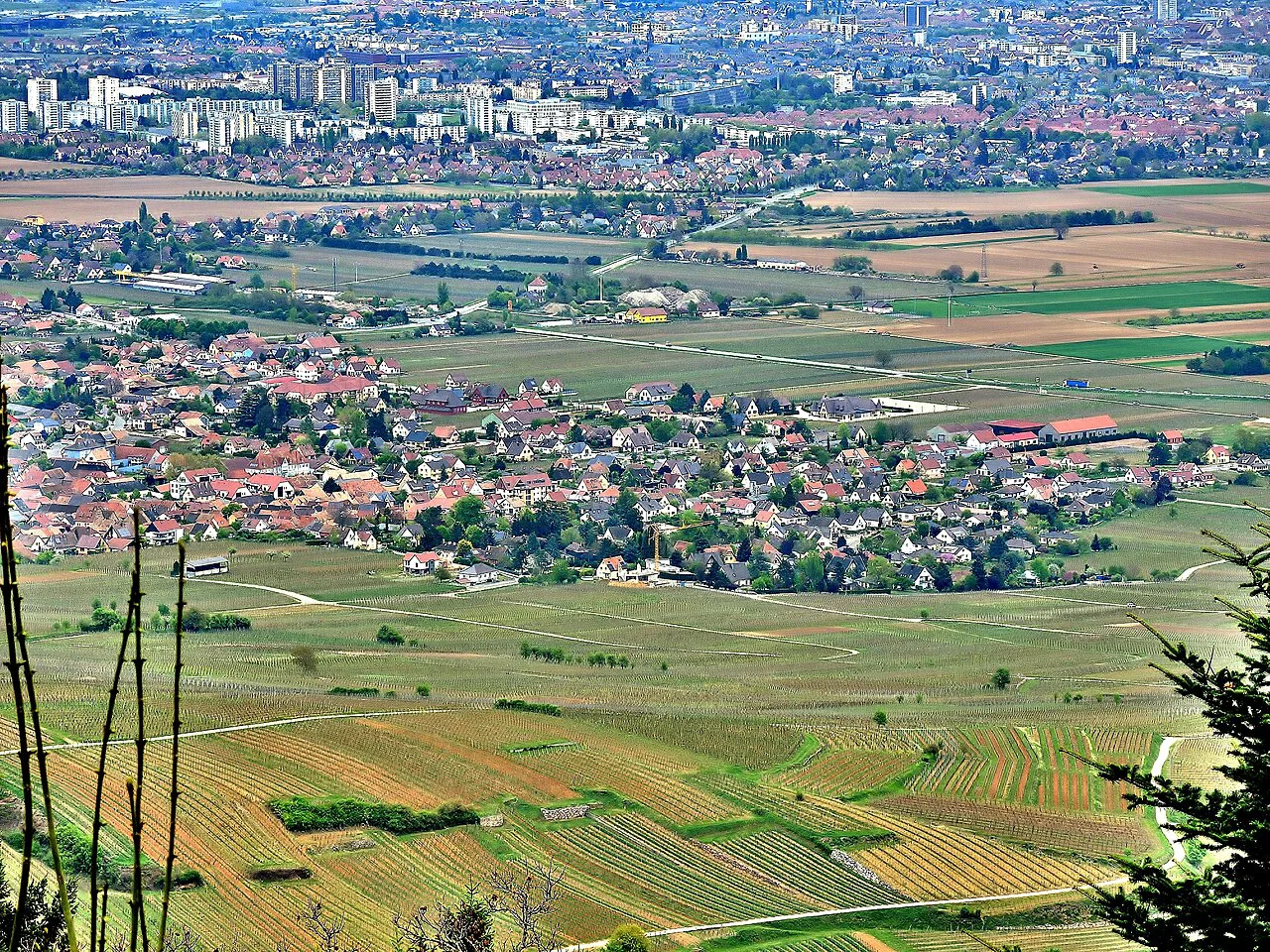
For a single day, pick one direction and stay in it: Turckheim and a walkable Colmar tasting room to the north and center, or Eguisheim and Wintzenheim to the southwest. Two villages plus one booked cellar visit is a comfortable pace, and it leaves room for lunch in the village rather than a rushed sandwich in the car.
With two days, give the first to the southern villages and the second to the northern cluster around Barr, Mittelbergheim and Bergheim, ideally with a guide or a car. That split avoids the classic mistake of booking one domaine north and one south on the same afternoon.
What to Ask When Booking and How to Read the Label
Ask how many wines are poured, whether the cellar is included, how long the visit lasts, and whether there is a fee that is credited against purchases. Ask too whether the tasting is seated and private or at a shared counter; the answer tells you more about the visit than the number of wines does.
On the label, look for the grape name first, then the village or lieu-dit, then Grand Cru if it applies, and finally the vintage. Alsace often omits the village for entry-level wines, so a bottle labeled simply Riesling is a regional blend of sites rather than a single-vineyard wine.
Harvest in Alsace generally falls in the late summer to autumn window, and the run-up is a busy time in the vineyards with limited tasting availability. If you plan to visit in that period, write earlier than you would for a spring trip and be flexible about the day.
Plan Your Colmar Wine Day
Build the trip around one booked cellar visit per day and fill the rest with village tasting rooms you can reach on foot or by train. Sort your shortlist by geography before you send a single email, and the day will run without long transfers.
Send your requests with date, party size, languages and what you want to see, and keep one flexible afternoon for whichever village charms you. Confirm the current details with each domaine shortly before you travel, since opening days and harvest schedules shift through the year.
Frequently Asked Questions
Which wineries near Colmar can I visit without a car?
Domaine Martin Jund in Colmar and Domaine François Baur in Turckheim are the two named as reachable without a car, because both sit in towns on the rail line from Colmar. Turckheim is a short train ride away, while Jund is within walking distance of the old town. Beyond these two, the northern villages around Barr and Mittelbergheim are awkward without a car, a bike or a guide.
Do Colmar wineries require an appointment?
It varies. Bigger villages have walk-in tasting counters, while the small family domaines more often receive visitors by arrangement, sometimes in a private room for a single group. The reliable method is to email first with your date, party size and what you want to see, and ask directly whether a drop-in is possible. Ask what the tasting includes and how long it runs.
What wines should I look for in Alsace?
Start with Riesling, drier here than in Germany, then Pinot Gris, Gewürztraminer and the dry Muscat often poured as an aperitif. Sylvaner and Pinot Blanc are the lighter whites, Pinot Noir the only red and usually served slightly chilled, and Crémant d'Alsace the local sparkling wine made by the traditional method. Klevener de Heiligenstein is the local specialty tied to the village of Heiligenstein.
How many days do I need for wine tasting around Colmar?
One full day covers two nearby villages and a single booked cellar visit at a comfortable pace. Two days lets you split the southern villages, such as Eguisheim and Wintzenheim, from the northern cluster around Barr, Mittelbergheim and Bergheim. Three days gives you room for a guided tour, a walkable day in Colmar and a slower village afternoon.
Is Colmar or Strasbourg a better base for Alsace wine tasting?
Colmar puts you closer to the southern villages and the densest cluster of nearby tasting rooms, and its old town is walkable in the evening. Strasbourg suits the northern villages and is the better base if you plan to spend time in a larger city. For a trip built mainly around winery visits, Colmar is usually the more efficient choice.
Sources
Notes for your next wine trip
Optional updates to our winery and wine-town guides.
You might also like
Continue reading
More guides you'll find useful