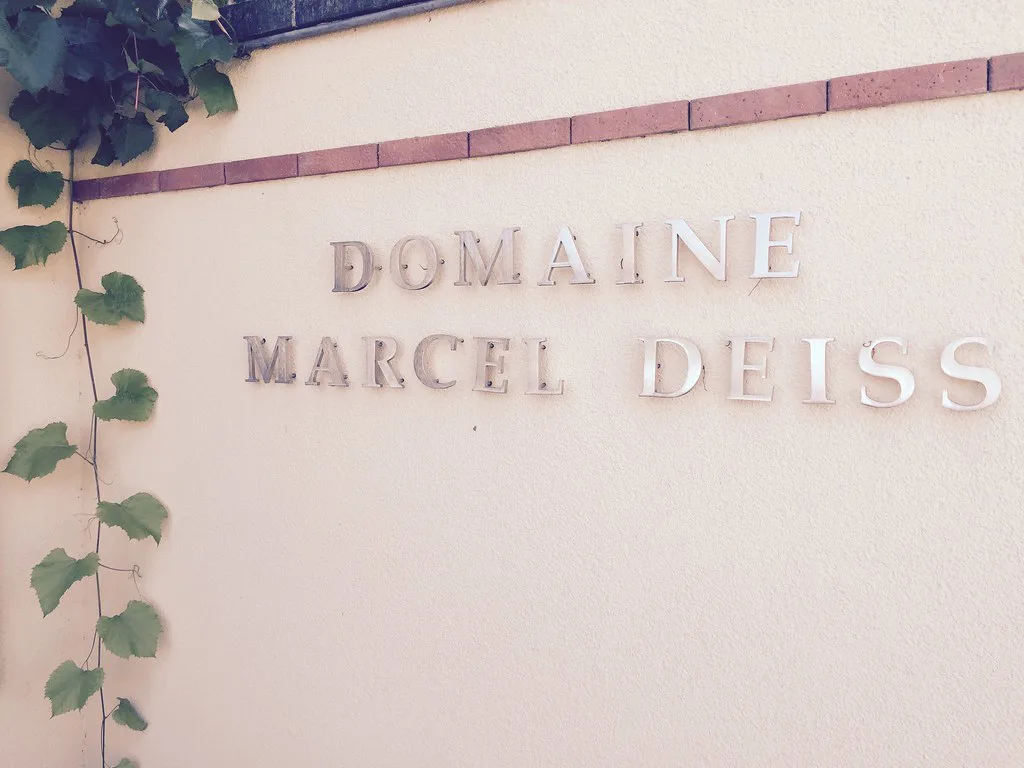
Domaine Marcel Deiss: Tasting in Bergheim from Colmar
Plan a tasting at Domaine Marcel Deiss in Bergheim, Alsace. Learn where the estate sits, how its terroir wines differ and how to reach it from Colmar.
On this page
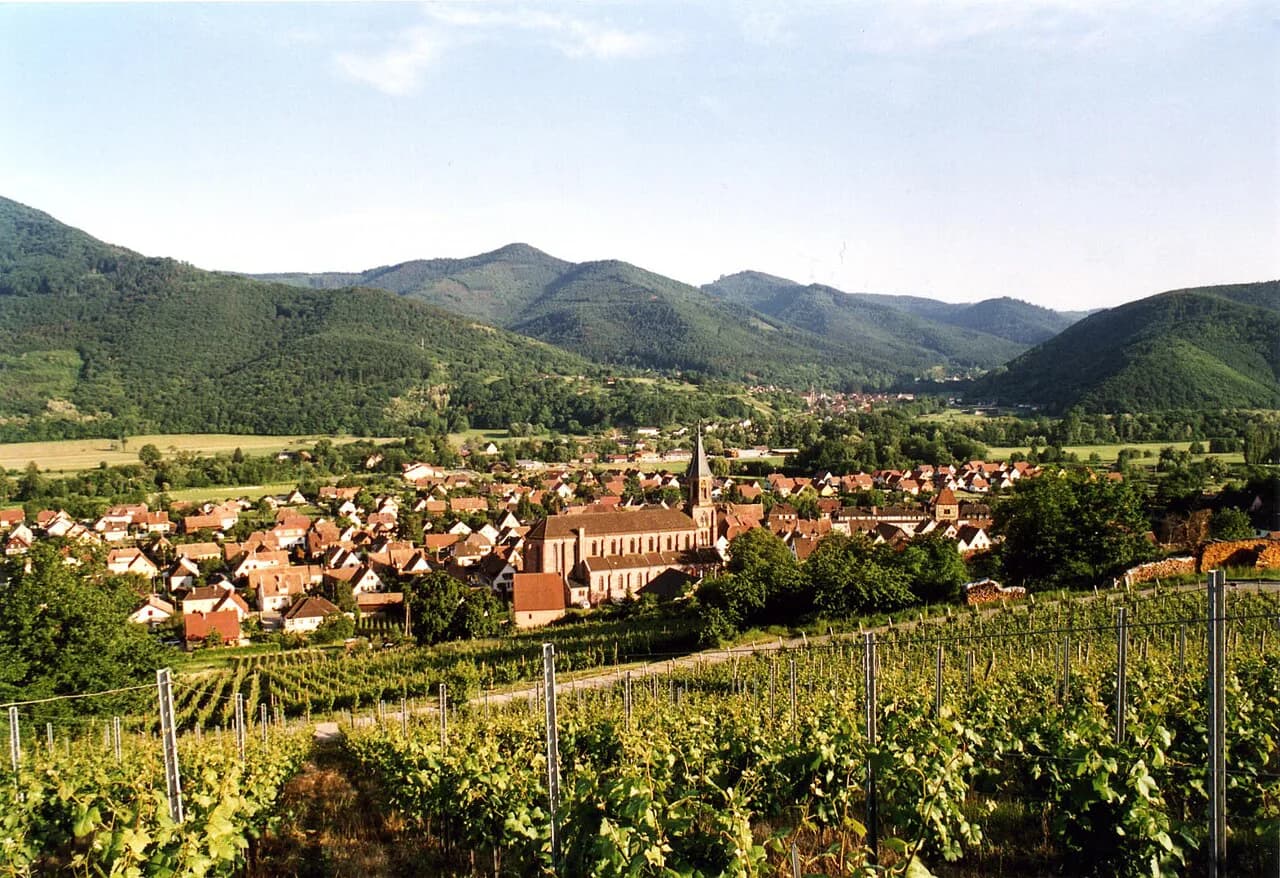
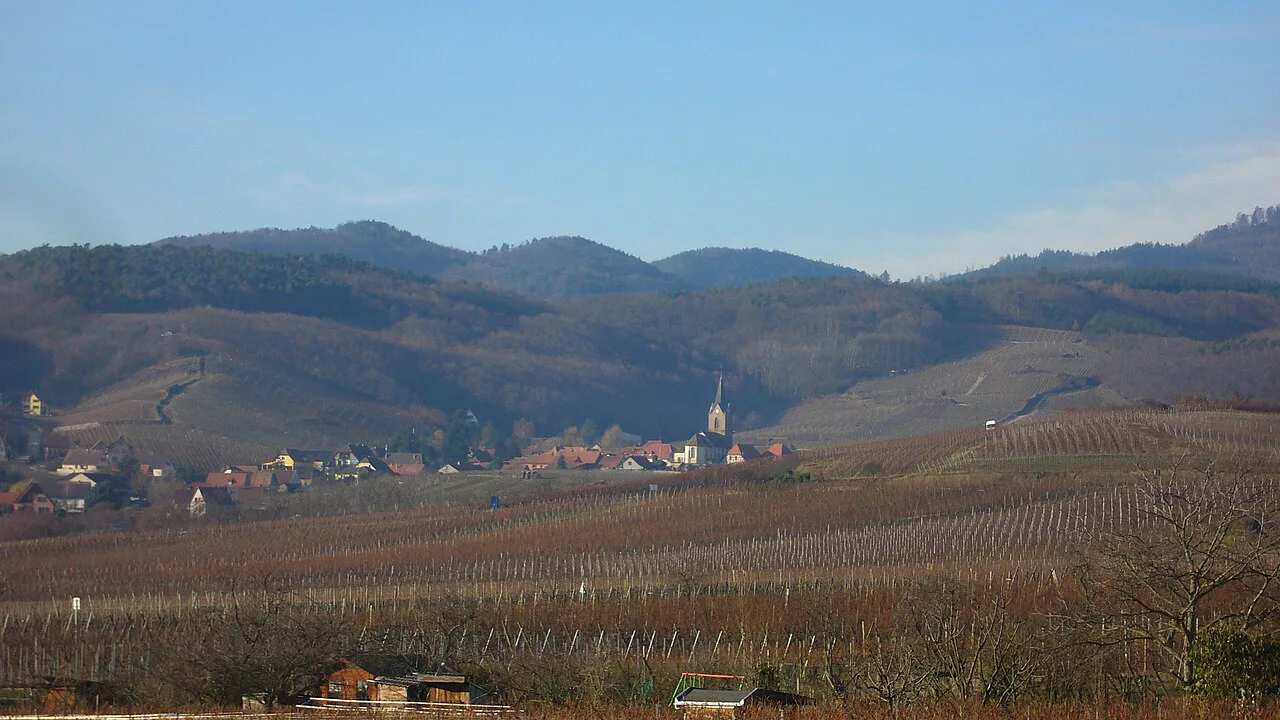
Domaine Marcel Deiss is one of the names that draws wine travelers to Alsace, and the estate is close enough to Colmar to fit into a single unhurried day. Bergheim sits on the Alsace Wine Route north of Colmar, near Ribeauvillé, so the trip doubles as a look at one of the region's quieter wine villages.
The wines are the reason to go: this is a house built around field blends rather than single-variety bottlings, which makes a visit feel different from a standard Riesling-and-Gewurztraminer tasting room. The practical side, from appointments to transport, rewards a little planning before you set out.
Why Deiss Is Worth the Detour from Colmar
The estate lies in Bergheim, near Ribeauvillé, in the heart of the Alsace Wine Route. Deiss traces its family roots in the village back to 1744 and today farms around 27 hectares under Jean-Michel Deiss, who has run the property since 1981.
Bergheim's setting matters for what ends up in the glass. A hill blocks cold air flowing down from the Vosges, making this valley warmer than other Grand Cru valleys nearby, which helps fruit ripen fully in a cool climate.
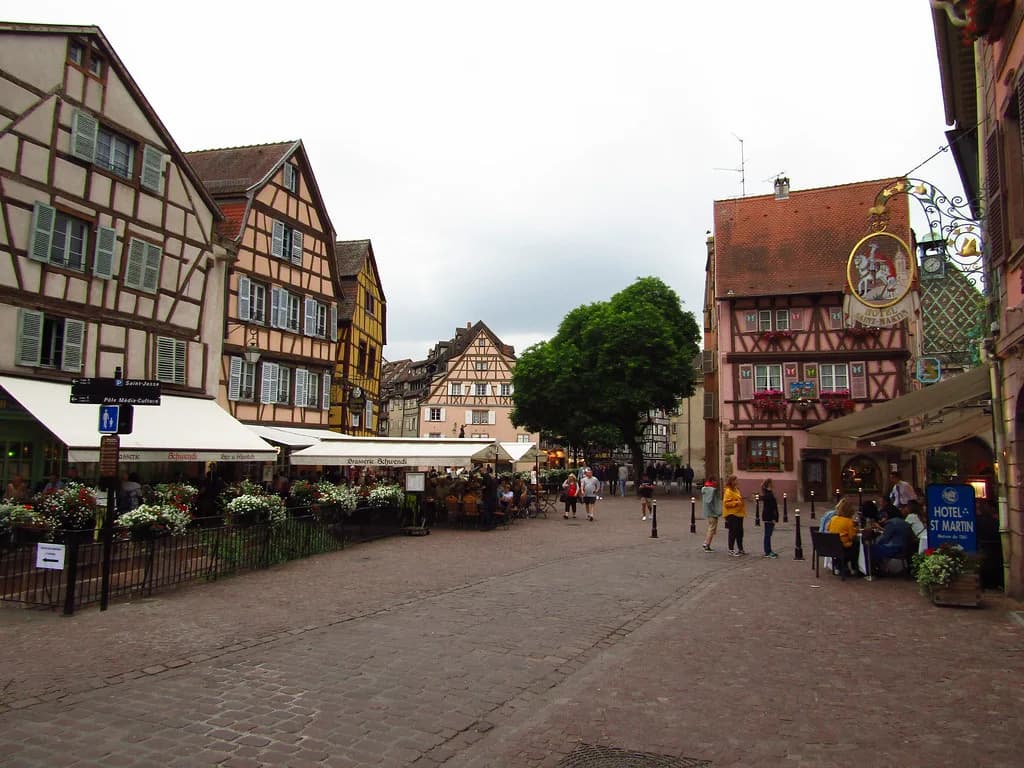
For travelers based in Colmar, Bergheim is a natural half-day stop on the way to Ribeauvillé, and it fits neatly into a broader plan for Colmar wine tasting. Building the day around one serious estate plus one village walk usually beats squeezing in three rushed tastings.
Understanding the Wines Before You Taste
Deiss is best known as a champion of complantation, the Alsatian tradition of planting several varieties together in one vineyard and vinifying them as a field blend. Jean-Michel Deiss argues that a site's character comes through when traditional Alsatian grapes are blended in proportions suited to that particular plot.
That approach even reshaped the rulebook: the estate helped persuade INAO, the body regulating French appellations, to allow a blended wine to carry Grand Cru status for the first time. Expect labels organized around named sites rather than grape names, which is exactly where many visitors need orientation.
The estate groups its bottlings into three broad categories. Vins de Fruits are varietally labeled wines from a single commune or village; Vins de Terroirs are field blends defined by site and soil, covering the Premiers Crus and Grands Crus; Vins de Temps are the late-harvest styles, Vendange Tardive and Sélection de Grains Nobles.
One named lieu-dit, Burg, illustrates the style: a field blend of all Alsatian grapes from the Bergheim vineyard, grown on Keuper marl with rare limestone bands under full southern exposure, made as a full-bodied semi-dry wine intended for long keeping. Knowing this in advance turns a label you cannot parse into a deliberate choice about which wines to ask for.
Where the Estate Sits and How the Village Works
The estate's published contact address is 15 Route du Vin, 68750 Bergheim, with a listed phone number beginning with the French 03 89 prefix. The official site is the reference point before any visit, since it carries the current contact details and the estate's own information on its wines.
Bergheim is a compact wine village rather than a town, so the practical rhythm is straightforward: park or arrive once and walk between the estate, the church square and the surrounding streets. Ribeauvillé, a few kilometers north, is the larger neighbor with more services, and grouping the two villages makes a fuller day than treating Bergheim alone as the destination.
What an Alsace Estate Visit Typically Involves
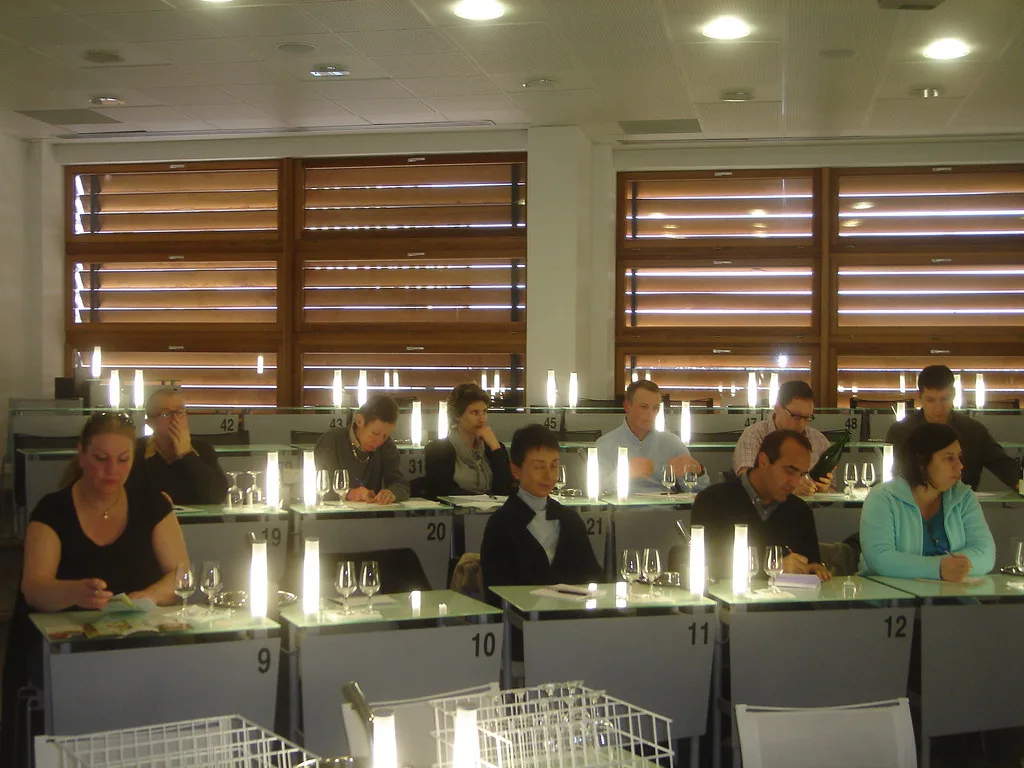
At a family estate of this size, a visit usually means a guided walk through the cellar followed by a seated tasting of a set selection, hosted by someone from the family or the winemaking team. Duration commonly runs from about an hour to ninety minutes depending on how many wines are poured and whether a cellar tour is included.
Deiss's three-tier structure gives you a useful framework for choosing a tasting level. You can ask for a straightforward Vins de Fruits lineup, a site-focused selection built around Premiers and Grands Crus, or, if the estate is willing, a deeper comparative tasting across terroirs, which takes longer and usually needs to be agreed in advance.
Because the estate's reputation centers on terroir rather than grape variety, a tasting here rewards curiosity more than a checklist of Riesling, Pinot Gris, Gewurztraminer and Muscat. If you want a classic varietal comparison, pair Deiss with a second, more conventional Alsace stop the same day.
Booking: What to Settle in Advance
The estate has not published visitor tasting packages, tariffs or opening hours in the material available, so the sensible move is to contact the domaine directly using the address and phone number on its own site and ask what it currently offers. Ask specifically whether visits are by appointment only or whether there are fixed tasting slots.
When you write, state your party size, preferred date and time window, and the language you would like the tasting in, since French, English and German are all plausible in this corner of Alsace. Specify whether you want a cellar tour, how many wines you hope to taste, and whether you are interested in the late-harvest Vins de Temps or the Grand Cru bottlings.
Allowing some flexibility on timing pays off at small estates, where visits often fit around cellar work and harvest. If you are traveling as a group of six or more, ask early and ask clearly about maximum party size for a seated tasting.
Prices and Opening Rules
No tasting fee, tour price or seasonal closure calendar for Domaine Marcel Deiss appears in the sources consulted for this guide, so none is quoted here. The estate's own website is where the published terms, if any, will appear, and a direct email or phone call will confirm the current arrangement faster than any third-party listing.
Two rules of thumb apply across Alsace. Many small domaines close for a stretch after harvest and over the winter holidays, and many charge for tastings that are refunded against a purchase. Ask both questions when you book, and ask whether a purchase minimum applies to the tasting fee.
Getting There Without Driving
Bergheim has no mainline station of its own, so the practical pattern from Colmar is a train to Ribeauvillé or Sélestat followed by a short taxi ride or a rented bike. Regional TER services run on this corridor, and timetables change by season, so check the TER Grand Est timetable for your date.
Cycling is a genuinely good option: the Alsace Wine Route rolls through Bergheim and the distance from Ribeauvillé is short, with bike rental available in the larger towns. Allow time for the return leg and confirm the rental shop's closing time before you set off. If you are weighing a longer trip north with a dedicated city base, wine tasting in Reims offers the Champagne counterpart to this Alsace day.
A guided tour removes the logistics entirely and often combines Deiss's village with two or three other stops. Here is a full comparison of half-day versus full-day Colmar Wine tours, including how pricing and pace differ, if you want to weigh that against going independently.
Whichever route you pick, the person driving should not taste; spittoons are standard at Alsace tasting rooms, and a designated driver, booked tour or public transport solves the problem cleanly.
Independent Visit vs Organized Tour
An independent visit gives you control over which wines you taste and how long you linger, and it costs less on paper if you use trains and a bike. The trade-off is administrative: you handle the appointment, the timetable and the return taxi, and a missed connection in a wine village with sparse evening service can end the day early.
An organized tour costs more per person but bundles transport, appointments and often a second or third estate, which matters if your time in Alsace is short. It also suits anyone who wants to taste seriously without worrying about the drive back to Colmar.
A hybrid often works best: take the train and a taxi to Bergheim for a pre-booked tasting at Deiss, then walk the village and return by early evening. Reserve the tour option for a day when you want breadth across several villages rather than depth at one address.
Pairing the Day: Bergheim, Ribeauvillé and the Route
Bergheim and Ribeauvillé sit close together on the Alsace Wine Route, and the surrounding villages each have their own cluster of cellars. A realistic day combines one booked tasting at Deiss with a village lunch and a second, shorter stop nearby rather than three full appointments.
If your interests lean toward the Grand Cru sites, the Schlossberg is one of the names to recognize on Deiss labels alongside the Altenberg de Bergheim. Background on the wider choice of Alsace wineries helps you slot Deiss into a coherent itinerary.
Harvest Timing and Seasonal Rhythms
Alsace harvest generally falls in the autumn, and Deiss picks late, sometimes allowing noble rot to develop so that fermentation can leave some residual sugar. That late picking is central to the house style and means the cellar is at its busiest in the weeks around picking, when visitor capacity is naturally tighter.
Spring and early summer are calmer for appointments, while the run-up to harvest is the most dynamic period to see a working cellar. Either way, ask Domaine Marcel Deiss about availability when you request dates.
Plan Your Visit
Domaine Marcel Deiss rewards travelers who treat it as a terroir visit rather than a quick tasting counter. Decide in advance whether you want the village-level Vins de Fruits, a site-driven selection or the late-harvest styles, and say so when you request an appointment through the estate's own contact details.
Build the day around transport you can rely on, whether that is a train-plus-taxi combination, a bike from Ribeauvillé or a booked tour, and group Bergheim with Ribeauvillé rather than trying to cover the whole route. Confirm the current visitor arrangements with the domaine before you travel, then leave room to enjoy the village at an unhurried pace.
Frequently Asked Questions
Where is Domaine Marcel Deiss located?
The estate is in Bergheim, on the Alsace Wine Route near Ribeauvillé and north of Colmar. Its published contact address is 15 Route du Vin, 68750 Bergheim, and the estate's own site carries the current phone number and contact form.
Do you need an appointment to taste at Domaine Marcel Deiss?
The estate's published visitor terms do not appear in the sources consulted for this guide, so the reliable approach is to contact the domaine directly and ask whether tastings are by appointment only or run at fixed times. State your party size and preferred dates when you write.
How much does a tasting cost at Domaine Marcel Deiss?
No tasting fee or tour price for the estate is published in the material available, so none is quoted here. Ask about the fee, any purchase minimum and whether the charge is refunded against wine bought when you request your appointment through the estate's own contact details.
How do you get to Bergheim from Colmar without a car?
Take a regional train toward Ribeauvillé or Sélestat, then continue by taxi or rented bike for the last stretch into Bergheim. Cycling along the Alsace Wine Route is a realistic option in good weather, and a guided tour removes the logistics entirely.
What wines does Domaine Marcel Deiss make?
The estate works largely with field blends of traditional Alsatian grapes, including Riesling, Pinot Gris, Gewurztraminer and Muscat, and organizes its bottlings into Vins de Fruits, Vins de Terroirs and Vins de Temps, the last covering Vendange Tardive and Sélection de Grains Nobles.
What is complantation in Alsace?
Complantation is the tradition of planting several grape varieties together in one vineyard and fermenting them as a field blend. Jean-Michel Deiss is one of its best-known advocates, arguing that a site's character emerges when varieties are blended in proportions suited to that plot.
When is the best time to visit Domaine Marcel Deiss?
Spring and early summer tend to be calmer for arranging appointments, while the weeks around the autumn harvest are the busiest in the cellar because the estate picks late. Ask about availability for your specific dates when you request a tasting.
Can you visit Bergheim and Ribeauvillé in one day from Colmar?
Yes. The two villages sit close together on the Alsace Wine Route, so a booked tasting at Deiss plus a village lunch and a shorter second stop nearby makes a comfortable day without rushing between appointments.
Sources
Notes for your next wine trip
Optional updates to our winery and wine-town guides.
You might also like
Continue reading
More guides you'll find useful