Domaine Faiveley, Nuits-Saint-Georges: Dijon Tastings Guide
Domaine Faiveley in Nuits-Saint-Georges runs appointment-only tastings twice a day, Tuesday to Saturday, and sits within easy train reach of Dijon.
On this page
Domaine Faiveley is the name most travelers put at the top of a Côte de Nuits list, and it is an easy first appointment from Dijon: a short train ride south, then a walk into the center of Nuits-Saint-Georges. The estate publishes a clear visiting pattern of two tasting slots a day, Tuesday to Saturday, which makes it one of the few big Burgundy houses you can genuinely plan a day around. For the wider picture of what else is pouring within reach of the city, start with our guide to Dijon wine tasting, then use this page to lock in the Faiveley booking.
Why Faiveley Anchors a Nuits-Saint-Georges Day
Founded in 1825 and now run by the seventh generation of the family, Faiveley holds more than 120 hectares of vines spread across the Côte de Nuits, Côte de Beaune and Côte Chalonnaise, including 12 Grands Crus and 22 Premiers Crus. That breadth is the point: a single visit introduces you to a négociant-estate model rather than a single-village grower, so the range poured can stretch well beyond Nuits-Saint-Georges. It also means the house is a working commercial operation, not a small family cellar, and the visit format reflects that.
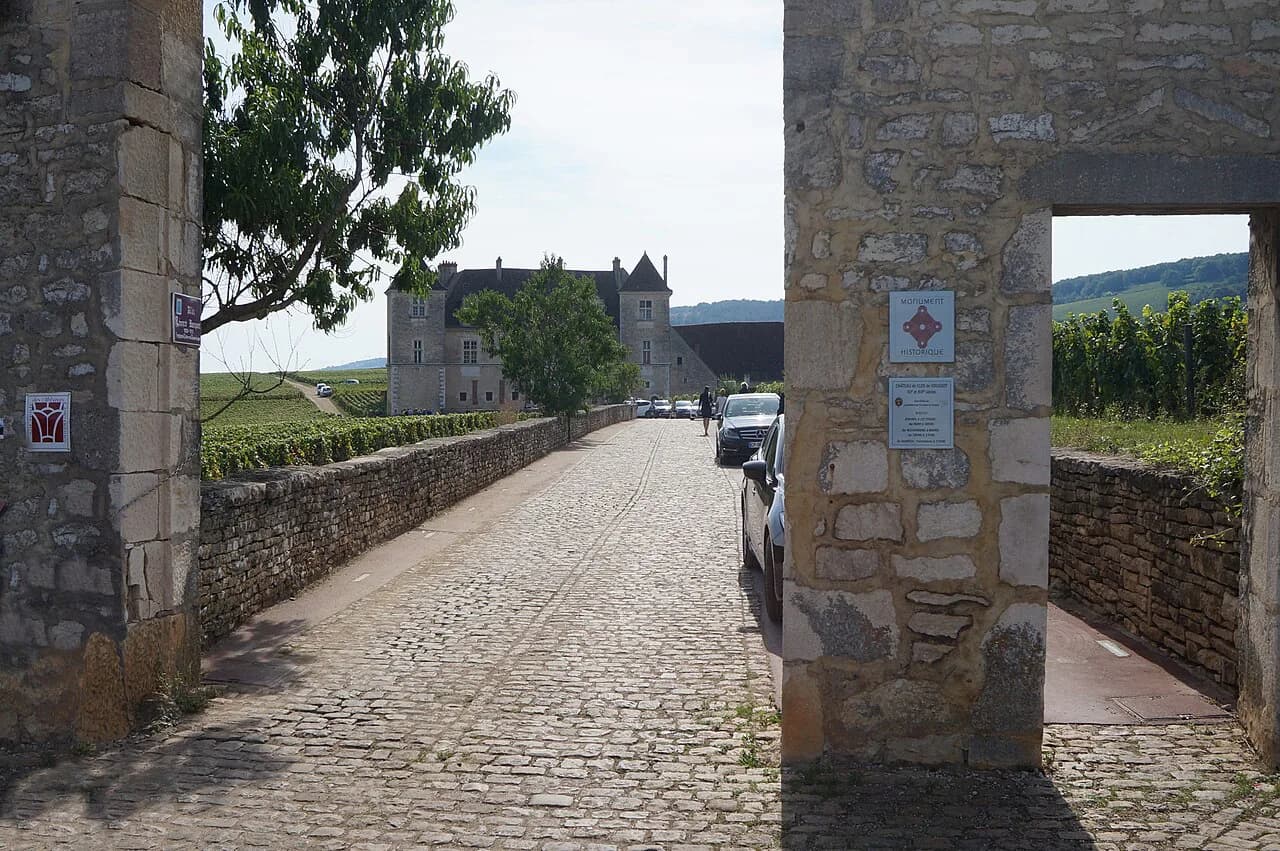
The estate marked its bicentenary in 2025 with events that included a tasting of selected vintages reaching back to 1935, and it donated a parcel in Clos de Vougeot to the Hospices de Beaune. Faiveley is also a co-owner of the Château du Clos de Vougeot and a founding member of the Confrérie de Chevaliers du Tastevin, which is headquartered there. If you are building a Côte de Nuits itinerary, those connections make a Faiveley booking and a stop at the château natural companions on the same day or across two, and a Clos de Vougeot visit slots in neatly between the village and Beaune.
The Address and the Village Layout
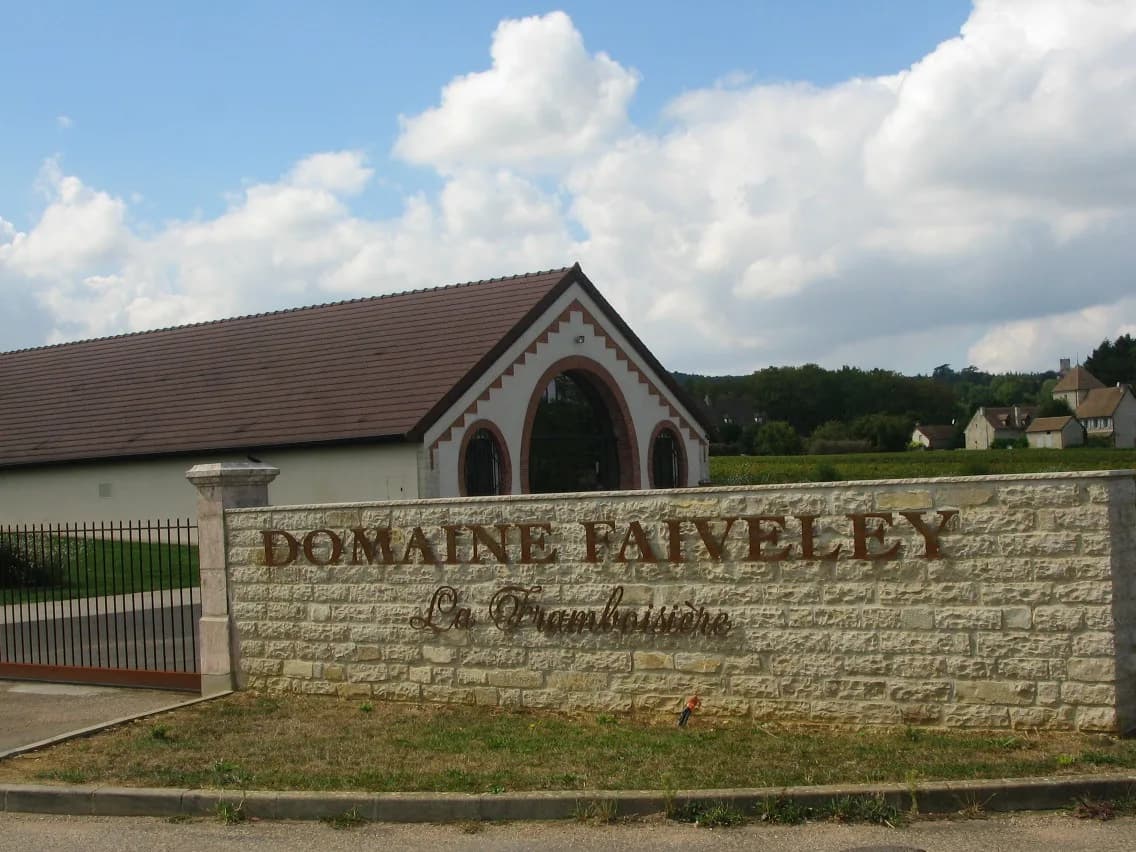
The domaine sits at 8 rue de Tribourg in Nuits-Saint-Georges, and the tourism listing gives a phone number for the estate as 03 80 61 04 55. Because the address is inside the town rather than out among the vines, a Faiveley appointment fits neatly into a walking day: you arrive by train, cross the center, and reach the door on foot. Allow time to wander the village before or after your slot rather than treating the appointment as the whole trip.
Nuits-Saint-Georges itself is a working Burgundy town with a compact core, so the practical rhythm is arrival, a short walk to the rue de Tribourg entrance, your tasting, then lunch and a second stop nearby. The main risk is over-scheduling: if you book the late morning slot, you will want the afternoon free for the village and a second estate rather than rushing back for a train.
Opening Pattern: Midday Closure and Fixed Days
According to the Burgundy tourism listing, the estate opens Tuesday to Saturday from 10am to 12.30pm and from 1.30pm to 6pm. The midday gap is the detail that catches people out: a 1pm arrival finds the door closed, so plan lunch around the French hour rather than against it. Sunday and Monday are not published as visiting days, which makes Saturday the busiest and most contested slot of the week.
Treat those hours as the estate's published schedule rather than a guarantee for the day you travel, particularly around harvest in late summer and early autumn when village life gets busy. If your trip hinges on a specific Saturday, book early and keep a fallback estate in mind. The same listing confirms the estate receives families, offers cellar and facilities visits, and pours both red and white wines, so a mixed party has something to work with.
Tasting Slots and the Appointment Rule
Tastings at Faiveley are by appointment only, at 10.30am and 3pm. That is the single biggest planning constraint in this article: you are not choosing a window, you are choosing one of two fixed times, and everything else in the day arranges itself around them. Book the 10.30am slot if you want a full afternoon in the village afterwards, or the 3pm slot if you prefer a leisurely lunch first.
When you email or phone, ask four things: the language of the visit, how many people the slot accommodates, whether a driver in your party can be given a spittoon and water, and which price tier your booking corresponds to. Those answers decide whether the visit works for a group of six or only for two, and whether a non-drinking companion is comfortable. Payment and cancellation terms are worth confirming at the same time so there is no surprise on arrival.
What a Visit Includes and How the Price Bands Work
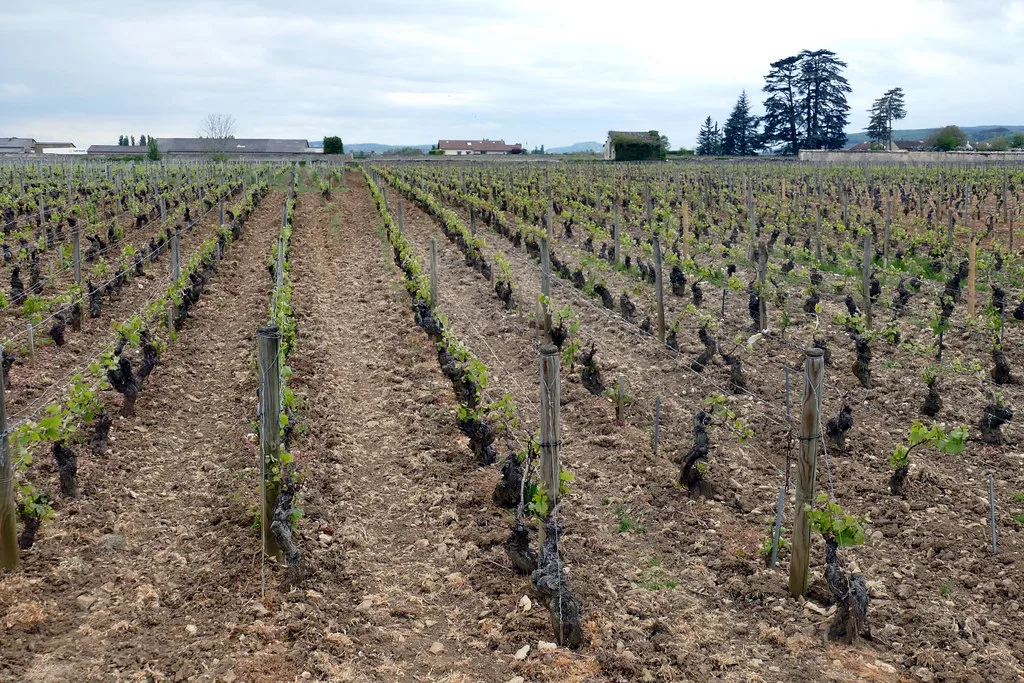
The tourism listing describes a reception of families, a cellar visit, a tour of the facilities, and a tasting of red and white wines. In practice that means you should expect a structured walk through the working side of the estate before you sit down to taste, not a stand-up pour at a counter. Wear shoes you can stand in on a stone cellar floor, and leave bags at the hotel if you can.
The published price range runs from roughly 20 euros to 490 euros, described as a from-vineyard-to-cellar rate. That spread reflects different depths of visit and different wines rather than a single standard ticket, so the useful question when booking is which tier your 10.30am or 3pm slot belongs to and what is poured at that level. Do not assume the entry option includes the full cellar walk.
Travelers regularly confuse the retail price of a bottle with the cost of a tasting. A Mercurey Vieilles Vignes, for example, is a village-level red from the Côte Chalonnaise that sells by the bottle in the United States at a figure in the region of 50 dollars, which tells you nothing about what a visit costs. Separate the two in your budget: one is a shop transaction, the other is the experience you book.
Getting There From Dijon Without a Car
The straightforward route is a train from Dijon to Nuits-Saint-Georges, followed by a walk of a few minutes into the town center to rue de Tribourg. The station sits close enough that a taxi is unnecessary for most travelers, and the walk is the reason this estate works as a car-free day from Dijon. Check the current departure times and the last return of the day before you fix your tasting slot, since a 3pm booking leaves a narrower margin for the journey back; our Dijon wineries guide covers the other estates this same line puts within walking distance of a platform.
A driver in the group should not taste: use the spittoons, appoint a designated driver, or take the train and let everyone taste. With the station this close, the train genuinely removes the problem rather than simply mitigating it. If you would rather not manage timetables at all, a guided tour from Dijon that includes Nuits-Saint-Georges shifts the logistics to someone else at the cost of flexibility and a higher per-person outlay.
Beaune, Dijon or the Village Itself as a Base
Dijon gives you the widest choice of hotels and restaurants plus a rail link straight down the Côte de Nuits, which is why it works as a base for a Faiveley booking. Beaune is the alternative: closer to the Côte de Beaune and the famous climats, with a different balance of estates within easy reach. Staying in Nuits-Saint-Georges itself shortens the morning to a few steps but narrows your evening options. If Beaune tempts you instead, our guide to wine tasting in Beaune covers the cellars and châteaux you would be choosing between.
Whichever base you choose, think in terms of one substantial appointment plus one lighter stop per day rather than three tastings back to back. A Faiveley slot at 10.30am, lunch in Nuits-Saint-Georges, and an afternoon walk or a second small tasting is a realistic shape. Trying to add Beaune and two villages on the same day flattens the experience into transit; the Route des Grands Crus from Dijon runs through exactly these villages, so pick two and do them properly.
Independent Visit Versus a Guided Tour
Booking directly gives you the estate's published slots, the published price band, and control over how long you linger afterwards; it also means you handle the train, the timing and the booking language yourself. A guided Burgundy tour typically folds transport, a driver and two or three estates into one fee, which suits groups who would otherwise need a designated driver. The trade-off is depth against breadth: a tour covers more addresses, a direct booking lets you go further into one, and the comparison of Dijon wine Tours laid out by operator style and group size is the fastest way to decide which side of that line you sit on.
Reading the Wines Before You Arrive
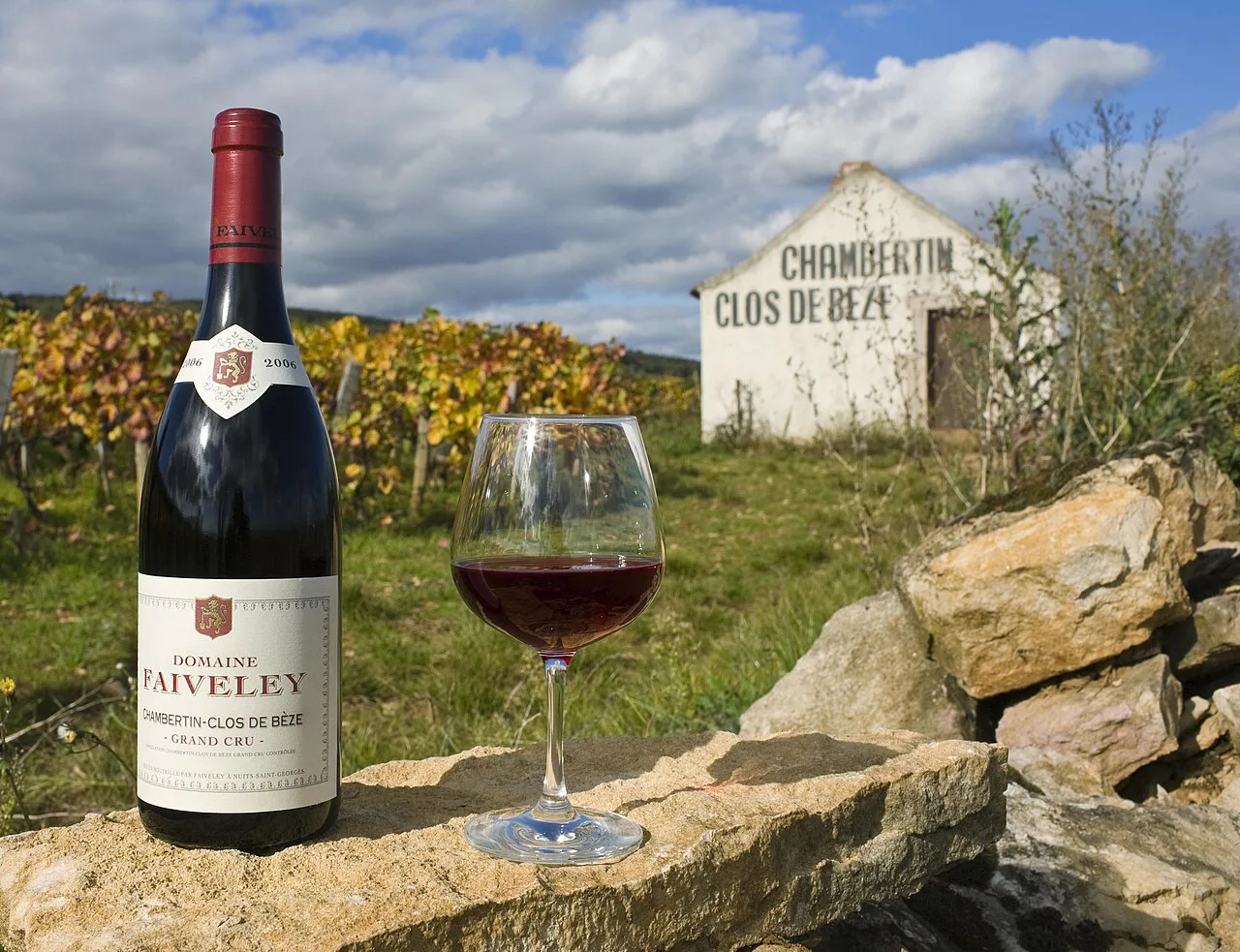
Faiveley's holdings run from village-level bottlings up through Premier and Grand Cru sites, so the label tells you a lot before you taste. Bourgogne and village appellations such as Mercurey sit at the accessible end, while the Premier and Grand Cru wines from the Côte de Nuits are the ones that shape the upper price tiers. Knowing which level you have booked helps you ask sensible questions rather than guessing at the counter.
Red Burgundy here is Pinot Noir and white is Chardonnay, and the estate's wide spread across the Côte de Nuits, Côte de Beaune and Côte Chalonnaise means a tasting can move between quite different terroirs in one sitting. Organic certification is part of the current picture: the tourism listing notes certification since July 2025, while Decanter describes the estate as certified organic for the 2025 vintage. If vineyard practice interests you, that is a good opening question.
If Faiveley Is Fully Booked
Two fixed slots a day fill quickly, especially on Saturdays, so have a second address ready in the same village. Nuits-Saint-Georges has other estates and tasting rooms within walking distance of the station, and the tourist office can tell you which of them take walk-ins on your dates. Building a list of two or three candidates around the same train times means a full booking never wrecks the day, and if you would rather put the whole outing in someone else's hands, the wine Tours running out of Dijon cover the village on most itineraries.
Plan Your Visit
Fix the date around the two fixed slots, 10.30am and 3pm, Tuesday to Saturday, and book by phone or through the estate's own channels rather than arriving hopeful. Then build the day outward: the train from Dijon, the walk to 8 rue de Tribourg, lunch in the village, and one further stop or a slow afternoon. Confirm the tier, the language and the current schedule when you book, and the rest of the day takes care of itself.
Frequently Asked Questions
Do you need an appointment to taste at Domaine Faiveley?
Yes. The estate publishes tastings by appointment only, at two fixed times each visiting day, so turn up with a booking rather than walking in. Ask about language, party size and which price tier applies when you reserve.
What days is Domaine Faiveley open for tastings?
The published visiting pattern is Tuesday to Saturday, with a midday closure between 12.30pm and 1.30pm. Sunday and Monday are not listed as visiting days. Schedules can shift around harvest, so confirm your date when booking.
How much does a tasting at Domaine Faiveley cost?
The estate's tourism listing gives a from-vineyard-to-cellar rate spread across a wide range that depends on the depth of the visit and the wines poured. Ask which tier your chosen slot corresponds to and what it includes before you commit.
How do you get to Domaine Faiveley from Dijon without a car?
Take the train from Dijon to Nuits-Saint-Georges and walk into the town center to 8 rue de Tribourg, a short distance from the station. Check departure and return times before fixing your tasting slot, since the afternoon booking leaves less margin.
What is the difference between a domaine and a négociant in Burgundy?
A domaine farms its own vineyards, while a négociant buys grapes or wine and matures it. Faiveley operates as a négociant-estate with large vineyard holdings across several sub-regions, which is why a single tasting can span appellations well beyond Nuits-Saint-Georges.
What wines does Domaine Faiveley make?
The estate produces red Burgundy from Pinot Noir and white from Chardonnay, across village, Premier Cru and Grand Cru levels, with holdings in the Côte de Nuits, Côte de Beaune and Côte Chalonnaise. Mercurey Vieilles Vignes is one example of a village-level red.
Can a non-drinking driver join a tasting at Domaine Faiveley?
Ask when you book whether a driver can be accommodated with spittoons and water. Alternatively, take the train from Dijon so nobody in the party has to drive, and check the return times before you choose the 3pm slot.
Sources
Notes for your next wine trip
Optional updates to our winery and wine-town guides.
You might also like
Continue reading
More guides you'll find useful