Dijon Wineries: Pick Burgundy's Best Without a Car
Dijon sits at the top of the Côte de Nuits. Plan a winery day along the Route des Grands Crus, with published tour prices and durations as a budget anchor.
On this page
Dijon is the practical starting point for the northern half of Burgundy's vineyard country. The city marks the top of the Côte d'Or, the limestone ridge that carries the Côte de Nuits south toward Beaune, and the famous vineyard villages begin within a short drive of the ring road. Treat Dijon as your bed, your train station and your restaurant reservation, then build the tasting day around the villages rather than the city itself.
This guide covers the grapes and labels you will meet, the villages worth grouping into a single day, how Burgundy domaines receive visitors, and the published prices and durations of guided tours leaving from Dijon. It also sets out the honest trade-offs of going independently by train versus joining a tour, because the gap between a village platform and a cellar door is the detail that catches most first-timers.
Why Dijon Works as a Winery Base
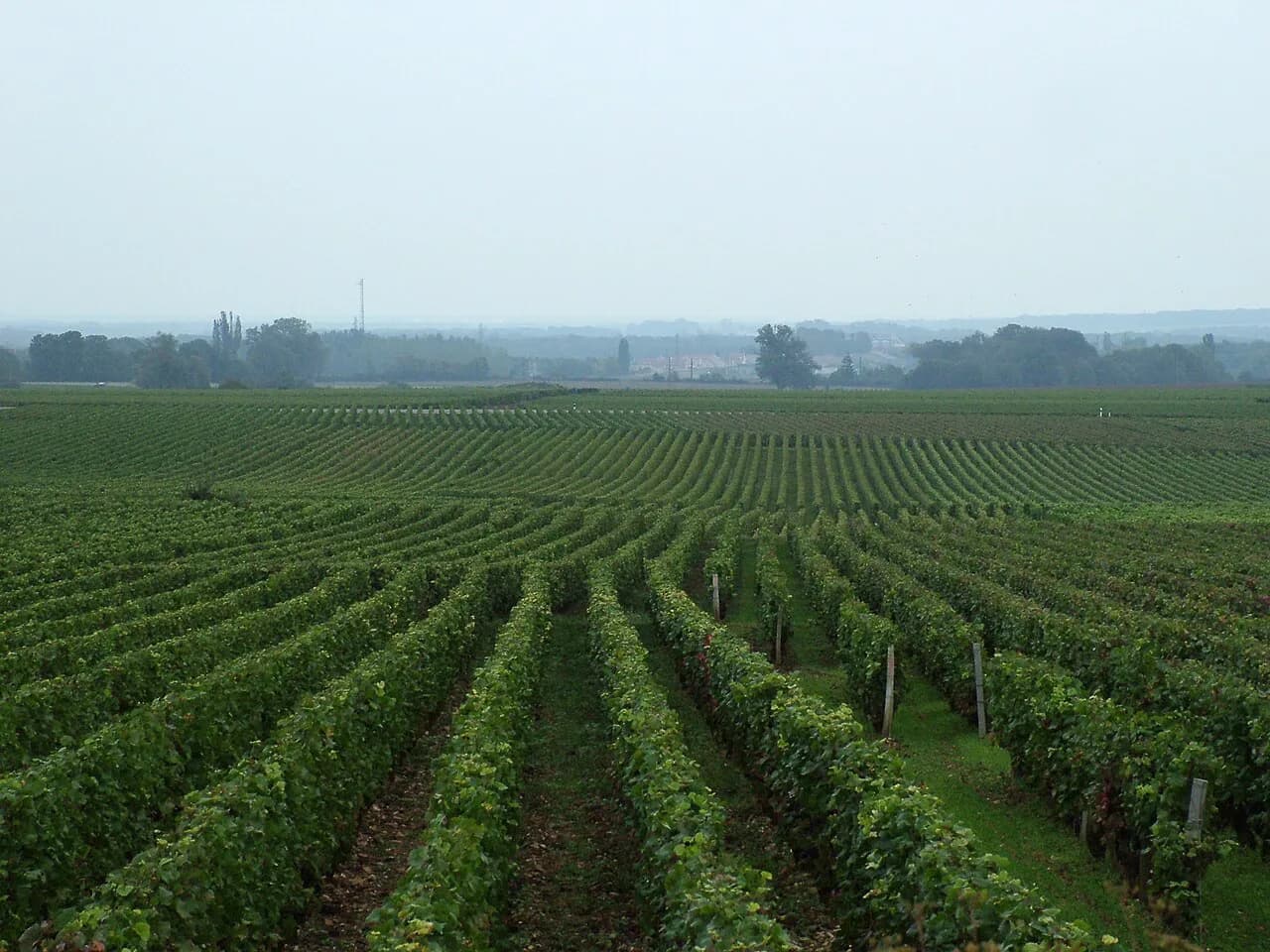
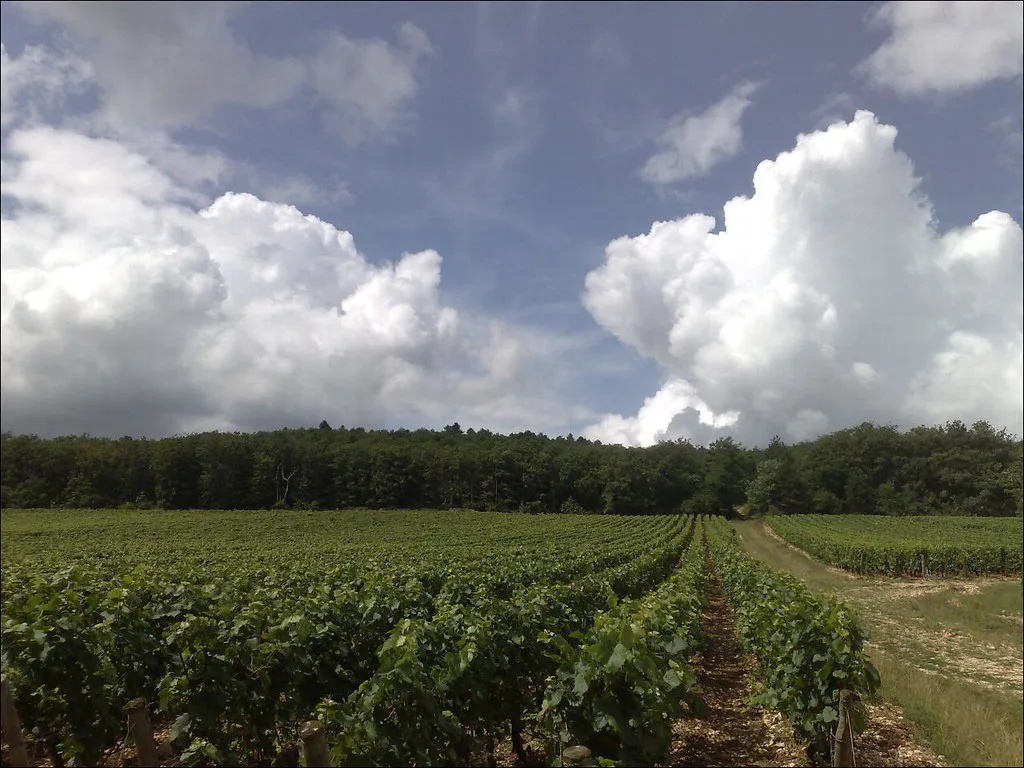
Burgundy's vineyards run in a narrow band south of Dijon, and the city is the closest major hub to the Côte de Nuits sub-region, the northern half of the Côte d'Or. The vineyards are not arranged around a single town square you can stroll into; they sit in a chain of villages along the lower slopes, with the flat land between the slope and the plain given over to other farming. That layout is why a base with a station, taxis and tour operators matters more here than in regions where wineries cluster inside one village.
The spine of the district is the Route des Grands Crus, the signposted vineyard road that links Dijon with Beaune through the most celebrated village names. Reading it as a route rather than a list is the single most useful planning step: you pick a northern block or a southern block for the day and stop along the way, instead of trying to cross the whole ridge twice. If you plan to drive or cycle it yourself, our guide to the Route des Grands Crus from Dijon maps the logical stops and the villages that sit close together.
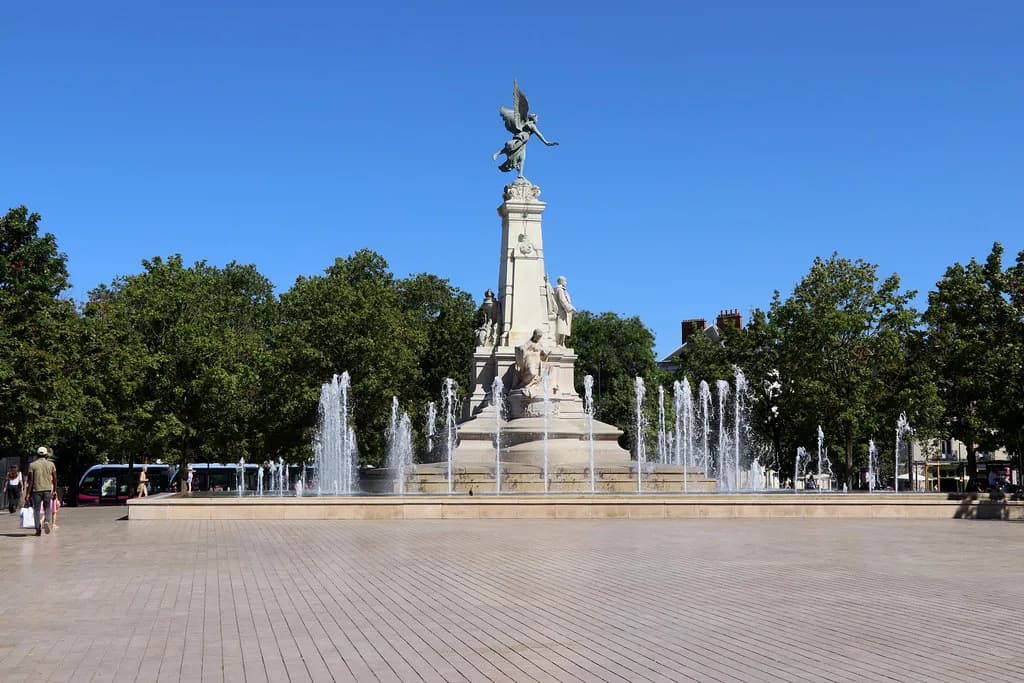
Dijon also gives you a full city day when the cellars are quiet. The Palace of the Dukes of Burgundy, the pedestrian old town and the market halls fill a morning, and the city's food reputation gives you a reason to stay in town for dinner rather than driving back from a village at dusk.
The Grapes and Labels You'll Meet
Burgundy's reds are overwhelmingly Pinot Noir and its whites overwhelmingly Chardonnay, with Gamay and Aligoté grown alongside in smaller quantities. Unlike Bordeaux, most Burgundy wines are not blends; the interest lies in how one grape changes from village to village and slope to slope. That is the frame for everything you taste in the Côte de Nuits, where the great majority of estates work with Pinot Noir and a smaller share with Chardonnay.
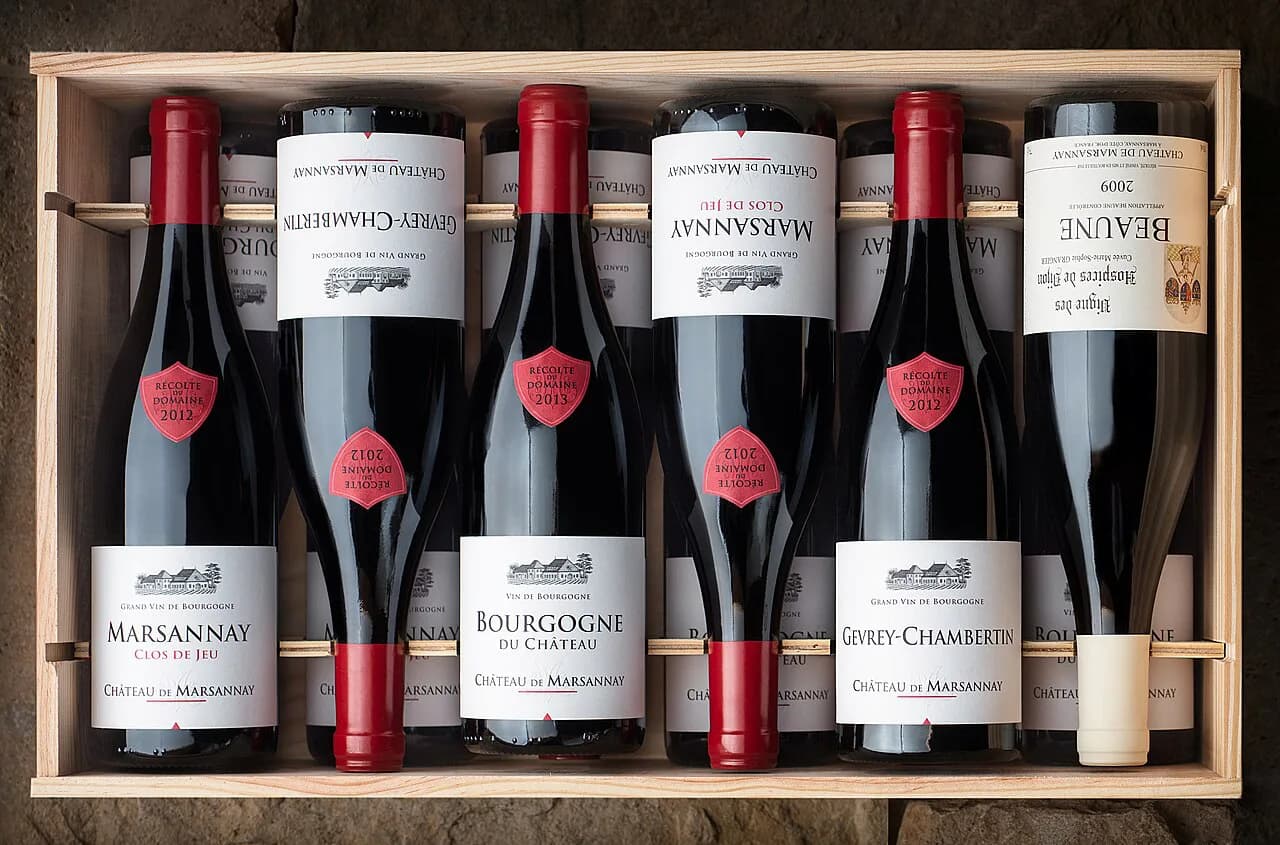
The classification is based on land rather than on the producer's reputation. The ladder runs from generic regional wines, up to village-level wines named for the commune, then Premier Cru plots within that commune, and finally Grand Cru, the elite vineyards with their own appellation names. The Côte de Nuits alone counts 24 Grand Cru vineyards, which is why a label reading Gevrey-Chambertin and a label reading Chambertin can sit at very different levels and prices.
For a visitor, the practical consequence is that a modest village-level bottle from a good grower is often the more interesting purchase than a trophy label, and tasting rooms will usually pour across the range if you ask. Say what you want to understand, whether that is the difference between two neighbouring villages or the step from village to Premier Cru, and a host can shape the flight around it.
Villages to Group Into One Day
Closest to Dijon, Marsannay and Fixin make an easy first block. Marsannay is the one Côte de Nuits commune with a real reputation for rosé alongside its reds and whites, and Fixin sits just beyond it on the same slope. Both are small enough that a single appointment plus a walk through the vines fills a morning.
Gevrey-Chambertin, Morey-Saint-Denis, Chambolle-Musigny and Vougeot form the dense middle of the Côte de Nuits. Gevrey is the largest of these communes and the natural anchor, with the château of the Clos de Vougeot a few minutes further south. Trying to add Vosne-Romanée and Nuits-Saint-Georges to the same day usually means you spend the afternoon in the car rather than in a cellar.
Vosne-Romanée and Nuits-Saint-Georges suit a separate southern day. Vosne is a tiny commune with enormous names, and the Romanée-Conti vineyard is a landmark you view from the lane rather than a cellar you book. Nuits-Saint-Georges is a working town with merchants and négociants as well as growers, which makes it a sensible place to end a day with a tasting and a meal before the train or the drive back.
For a wider view of how these villages fit into a full tasting itinerary from the city, see our guide to wine tasting in dijon, which covers the district village by village and pairs each with realistic travel time.
How Burgundy Domaines Receive Visitors
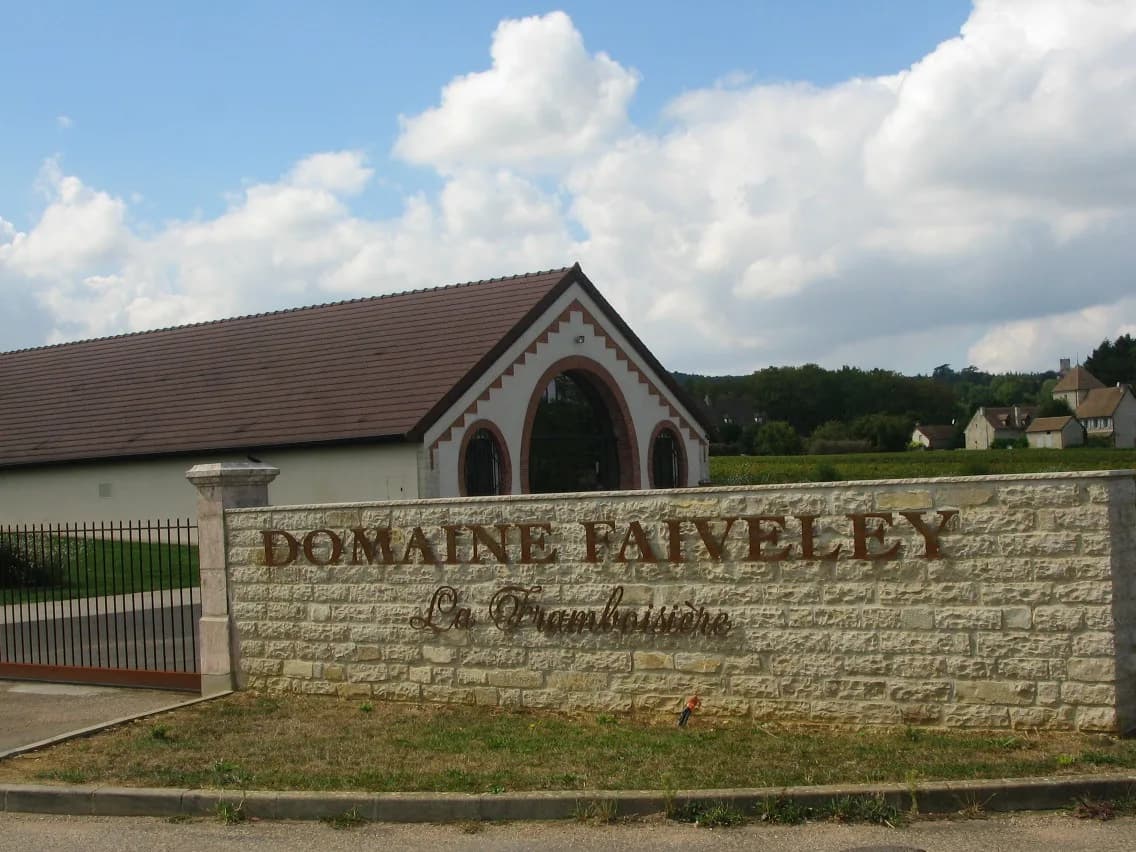
Small Burgundy estates are family operations where the person who shows you the cellar is often the person who made the wine, so visits run by appointment rather than by walk-in. Many domaines have no dedicated tasting room and no staff spare to host passing visitors during harvest or bottling. A polite email or phone call a few weeks ahead is the normal way in, and a short-notice request in high season often goes unanswered simply because nobody has time to reply.
State the essentials in the first message: the date and preferred time, the number of people, whether you need the visit in English or French, and whether anyone in the party will be driving and therefore spitting rather than swallowing. Mentioning that you are interested in a specific village or level of wine helps the host decide what to open. If you are a couple rather than a group, say so, because some estates set a minimum party for hosted visits and will pair you with another booking instead.
When you book, ask four questions: how many wines are poured, whether the visit includes the cellar or the vines, how long it lasts, and whether a fee applies and what it covers. Fee structures vary widely and are usually set per estate, so the answer comes from the domaine itself rather than from any central list. Confirm the exact meeting point too, since many cellars sit in the village centre while the vines are a short drive away.
Guided Wine Tours From Dijon: Published Prices
For anyone not driving, the tour market from Dijon is well developed and gives you a usable budget anchor. Ophorus lists a half-day small-group Côte de Nuits excursion of about four hours from €115 per person, a half-day Côte de Beaune experience of roughly four and a half hours from €110 per person, and a full-day Côte de Nuits and Côte de Beaune tour from €165 per person, all capped at eight guests. Private versions start higher, from around €145 per person for a half-day and €205 for a full day. These are published starting prices at the time of writing; seasonal offers and discounts change them, so compare the live listing before you commit.
A day tour from the Beaune side, listed separately, quotes from €280 per person for a full day with fourteen wines across local wineries, which shows how much the number of tastings drives the price. Multi-day Burgundy packages from Dijon start in the high hundreds per person for four days and climb into the thousands for longer private itineraries. Read those figures as a way to compare formats rather than as a quote for your dates.
The trade-off is control versus convenience. A shared tour caps the group size and handles the driving, the route and the introductions, but you see the estates the tour company works with rather than the one grower you had read about. A private tour buys you the ability to name a village or a style, at roughly double the shared rate for a half day. Independent travelers who want a specific domaine should book that domaine directly and treat transport as a separate problem.
Clos de Vougeot and Romanée-Conti as Landmarks
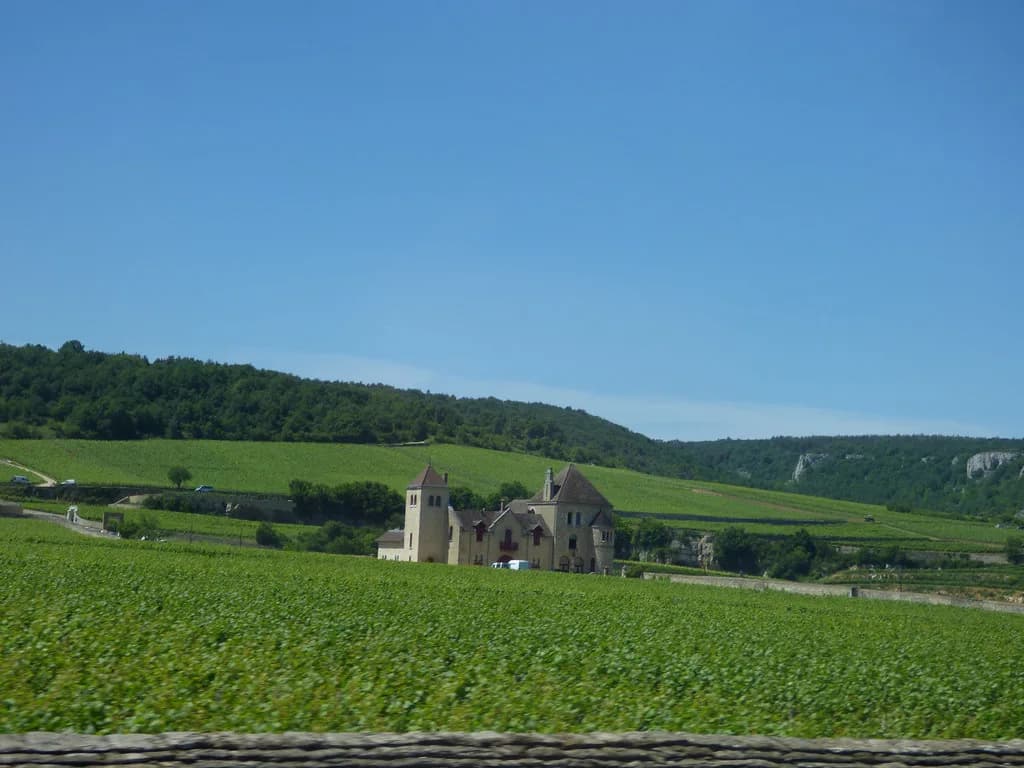
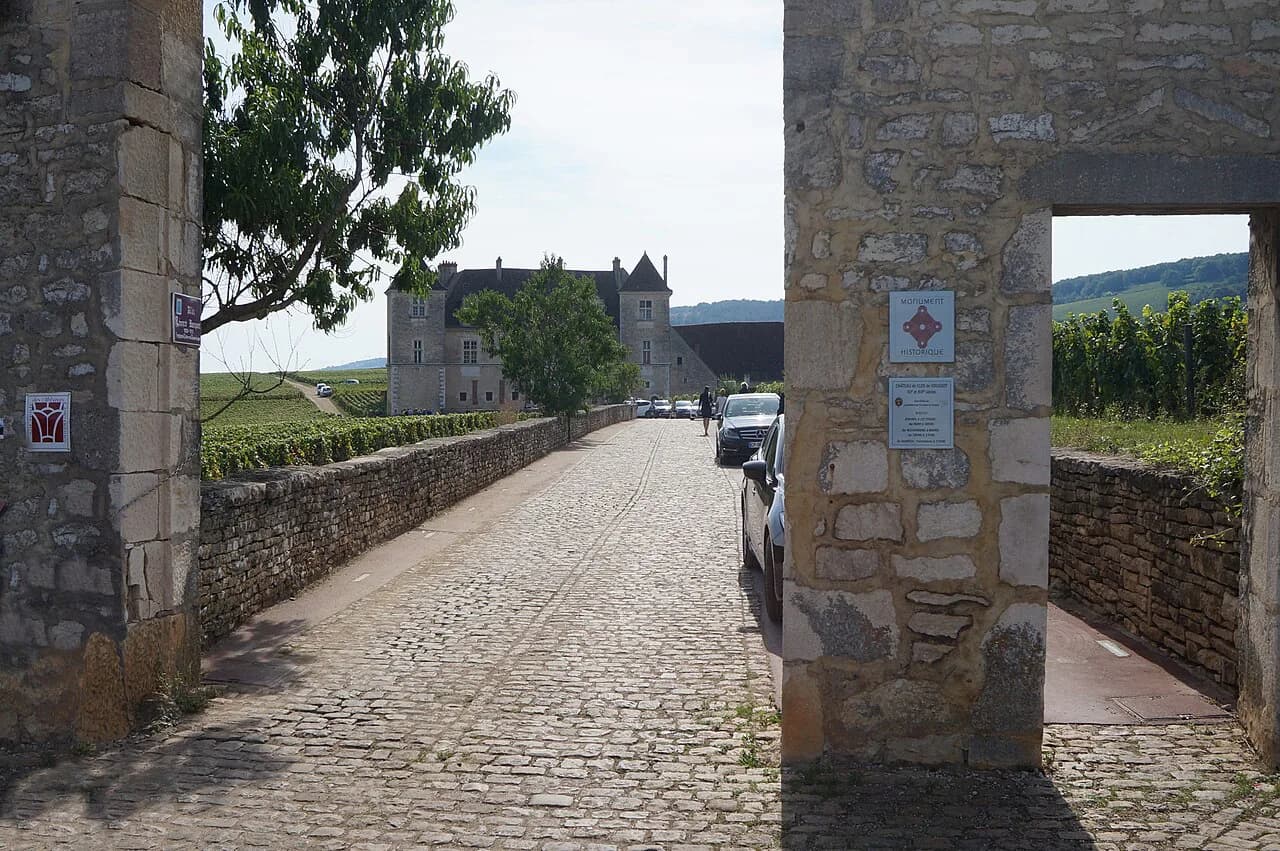
The Château du Clos de Vougeot is the one vineyard site in the Côte de Nuits that functions as a visitor landmark in its own right. The twelfth-century château sits within the walled Clos, the largest single vineyard holding in the Côte de Nuits, and it appears on half-day and full-day tour routes as a stop where you walk the grounds and hear the history rather than taste at a working family estate. Check what a given tour includes at the château before booking, since some itineraries combine an exterior visit with a tasting elsewhere.
The Romanée-Conti vineyard in Vosne-Romanée is the other name every visitor asks about, and it is a view rather than a visit. The plot is tiny, privately farmed and not open to the public, so tours pass along the lane and explain what you are looking at. Knowing this in advance saves you from hunting for a door that does not exist, and it frees the afternoon for an appointment at a domaine that does receive guests.
Going Independently by Train
Dijon has the strongest rail connections in the region, with frequent services south to Beaune and a handful of village stations on the same line toward Chalon-sur-Saône. The stations at Gevrey-Chambertin, Vougeot and Nuits-Saint-Georges put you within walking distance of the village centres, which is enough for a tasting room, a walk through the vines and lunch. What the train does not do is connect village to village along the slope; the distances are short on a map but along roads with no pavement in places.
That leaves a real gap between the platform and the cellar door for estates set back among the vines. Taxis exist in Beaune and Nuits-Saint-Georges but are few, and booking one to wait while you taste is the usual solution rather than hailing one in a village. A bicycle is a good answer in fine weather for the flatter stretches, though the slope roads are steep and the returning train is a hard deadline. Check current timetables with SNCF before you fix an appointment time.
Beaune as a Day Trip From Dijon
Beaune is the wine capital of Burgundy and the obvious counterweight to Dijon: smaller, ringed by ramparts, and built around the wine trade rather than around a ducal court. The Hospices de Beaune, with its tiled roof, is the town's landmark and the charity whose annual auction sets the tone for the region's year. Around it sit cellars, merchants and tasting rooms within a compact old town, which makes Beaune the easiest place in Burgundy to taste without a car or an appointment.
The contrast is worth planning for. Stay in Dijon for the city, the trains and the Côte de Nuits; spend a day in Beaune for the cellars, the Hospices and the Côte de Beaune whites of Meursault, Puligny-Montrachet and Chassagne-Montrachet. If you want the Beaune side mapped in the same detail as this guide, see our beaune wineries page for cellars, addresses and how the town is laid out around Place Carnot.
Independent Tasting or a Guided Tour?
On a short trip of two or three nights, a half-day guided tour from Dijon buys you two estates, the vineyard drive and the commentary in an afternoon, and it removes the transport problem entirely. On a longer stay, book two domaines directly and spread them across separate days, using the train for one village and a taxi or a bike for another. The worst outcome is a single day that tries to cover both halves of the Côte d'Or, which leaves you with more time in a van than in a cellar.
Couples usually do better with a shared small-group tour, since the per-person price is lower than a private car and the group size is capped. Groups of four or more should price a private tour against the shared rate before deciding, because the gap narrows quickly. Anyone with a specific domaine in mind should book that visit first and then find transport to fit, rather than the other way around.
Harvest and Season Timing
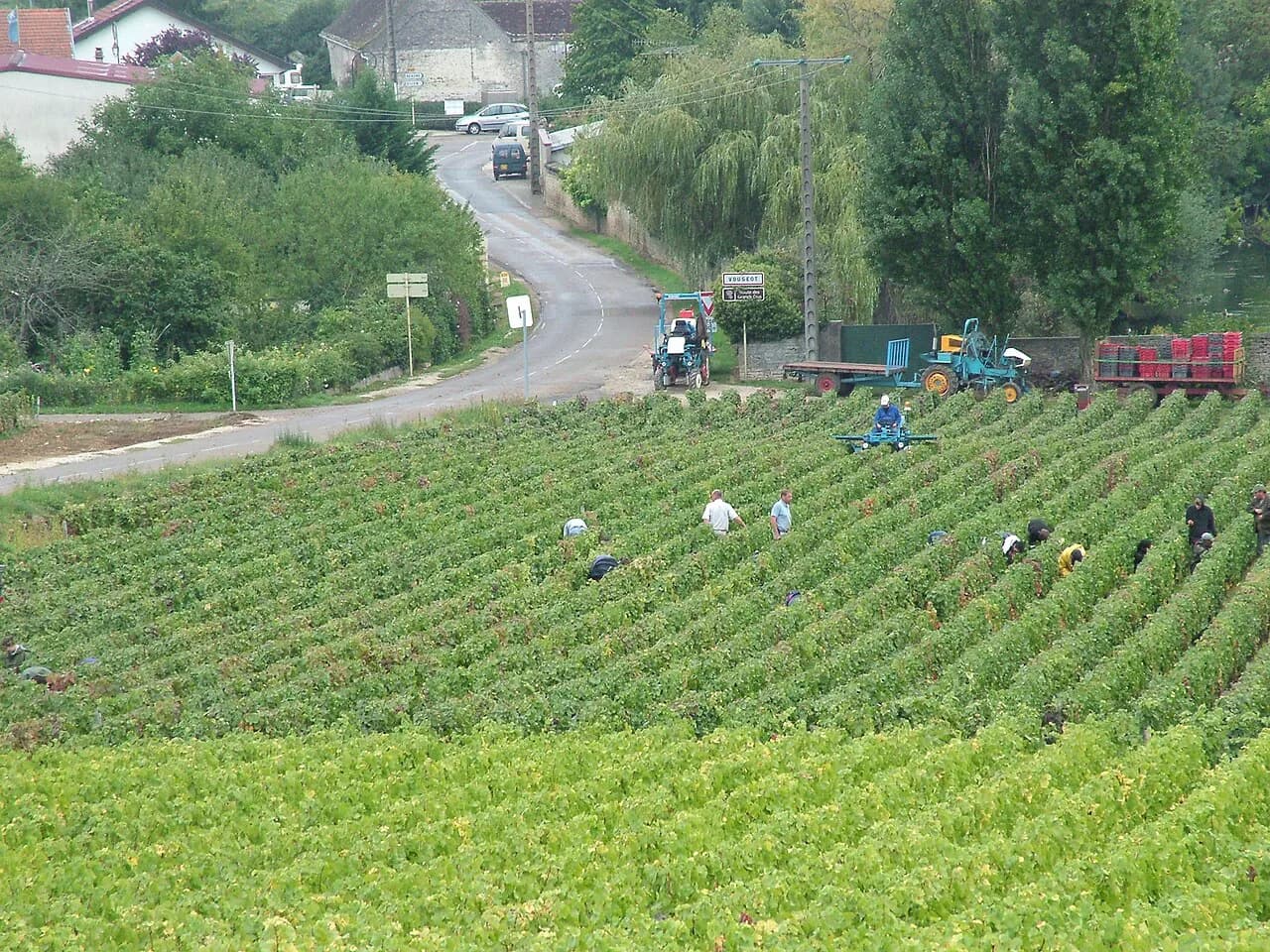
The Côte d'Or has a narrow window of comfortable visiting weather, roughly late spring through early autumn. Harvest falls in early autumn and is the worst moment to expect a relaxed hosted visit, because the same small teams are in the vines and the cellar from dawn. Many domaines simply stop receiving visitors during picking and fermenting, and appointments become harder to secure at short notice on either side of it.
Ask about the estate's availability for your dates when you write, rather than assuming a cellar will be open because the town is. Winter brings quiet villages and cellars that welcome visitors by appointment, but short days and sparse transport limit how much you can chain together. Each domaine publishes its own visiting calendar, and that is the document to trust over any general season guide.
A Sample Day From Dijon
Take a morning train south and start in Gevrey-Chambertin with a booked cellar visit covering the range from village to Premier Cru. Walk the village afterwards and eat lunch there, then use a pre-booked taxi to reach the Clos de Vougeot for the château and the walled vineyard. Finish with a second tasting in Vougeot or Nuits-Saint-Georges and take the train back to Dijon in the early evening.
The alternative uses a guided half-day tour in the morning for the Côte de Nuits, leaving the afternoon free for Dijon's old town and an early dinner. That shape suits a first visit or a short stay, since it delivers the vineyard landscape and two tastings without you managing any of the logistics. Reserve the independent version for a second day, when you know which village you want to return to.
Plan Your Visit
Book the tasting before you book the transport. Choose a northern day around Marsannay, Fixin and Gevrey-Chambertin or a southern day around Vosne-Romanée and Nuits-Saint-Georges, secure one or two domaine appointments by email with your date, party size and language, and then decide between the train, a taxi or a guided tour from Dijon. Keep the tour prices quoted here as a budget anchor and confirm the live figure when you book.
If anyone in your party is driving, plan for that person to spit rather than swallow, or choose a tour or the train so nobody is behind the wheel after tasting. Tasting rooms expect it, spittoons are standard, and it keeps the day enjoyable for everyone in the car.
Frequently Asked Questions
Can you visit Burgundy wineries without a car from Dijon?
Yes, within limits. Trains from Dijon run south to Beaune and to village stations such as Gevrey-Chambertin, Vougeot and Nuits-Saint-Georges, which puts you close to village centres, tasting rooms and vineyard walks. The gap is between the station and estates set back among the vines, where taxis are few and best booked in advance to wait. For two or more estates in one day, a half-day guided tour from Dijon removes the transport problem entirely.
How much does a wine tour from Dijon cost?
Operators publish starting prices per person on their own booking pages, and those listings are the figure to work from rather than any number quoted in a guide. Ophorus, for example, itemises each Burgundy departure with its duration, group cap and starting price, and the live page carries current seasonal offers. Compare the half-day and full-day formats there before you decide, since the number of tastings and the group size drive the difference.
Do you need to book Burgundy winery tastings in advance?
Yes. Small Burgundy estates are family operations where the person showing you the cellar is often the winemaker, and many have no tasting room or spare staff for walk-ins. A polite email or phone call a few weeks ahead is the normal way in. In your message give the date, time, number of people, language needed and whether anyone in the party will be driving and spitting. Ask how many wines are poured, whether the cellar or vines are included, how long the visit lasts and whether a fee applies.
Which Côte de Nuits villages are closest to Dijon?
Marsannay and Fixin are the nearest Côte de Nuits communes to Dijon and make an easy first block, with Marsannay known for rosé alongside its reds and whites. Beyond them, Gevrey-Chambertin is the largest commune and the natural anchor for a day, with Morey-Saint-Denis, Chambolle-Musigny and Vougeot close together further south. Grouping a northern block and leaving Vosne-Romanée and Nuits-Saint-Georges for a separate day keeps you out of the car.
What is the difference between Grand Cru and Premier Cru Burgundy?
Burgundy classifies land rather than producers. The ladder runs from generic regional wines up to village-level wines named for the commune, then Premier Cru plots within that commune, and finally Grand Cru vineyards, which carry their own appellation names. The Côte de Nuits alone has 24 Grand Cru vineyards. In practice a village-level bottle from a good grower can be more interesting to taste and buy than a trophy label, so ask the host to pour across the range.
Is it better to stay in Dijon or Beaune?
Dijon suits travelers who want the city, the strongest rail connections and quick access to the northern Côte de Nuits villages. Beaune is smaller, ringed by ramparts, and built around the wine trade, with cellars, merchants and the Hospices within a compact old town, making it the easiest place in Burgundy to taste without a car or an appointment. A practical compromise is to sleep in Dijon and give Beaune a full day trip by train.
Sources
Notes for your next wine trip
Optional updates to our winery and wine-town guides.
You might also like
Continue reading
More guides you'll find useful