Route des Grands Crus from Dijon: Villages & Stops Guide
Plan the Route des Grands Crus from Dijon to Santenay: the 60 km layout, wine villages, cycling via the Voie des Vignes, and how to taste without driving.
On this page
The Route des Grands Crus is the signature wine road of Burgundy, a 60 km signposted itinerary that begins in Dijon and ends at Santenay, just south of Beaune. It threads through the UNESCO-listed Climats of Burgundy, the patchwork of precisely delimited vineyard parcels that give the region its fame. Treating it as a single day's drive is the most common planning mistake: the route rewards splitting into sections, with two or three villages per outing and time left for a proper cellar visit.
This guide covers the layout of the route out of Dijon, the wines and appellations you meet along the way, and the real choice between car, bike and organized tour. It also explains how Burgundy's appointment culture works, so you can line up cellar visits before you leave Dijon rather than improvising at the roadside.
What the Route des Grands Crus Actually Is
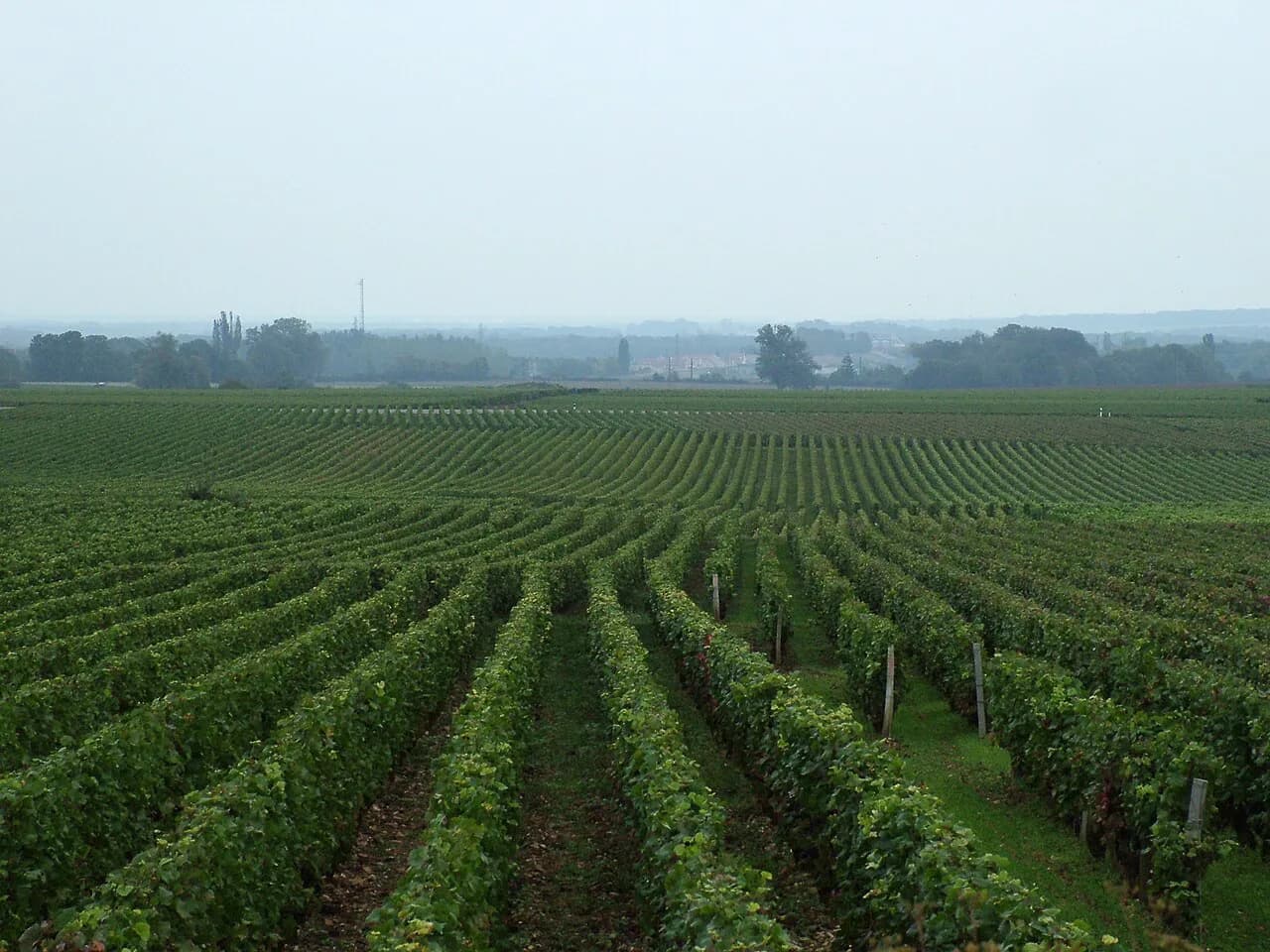
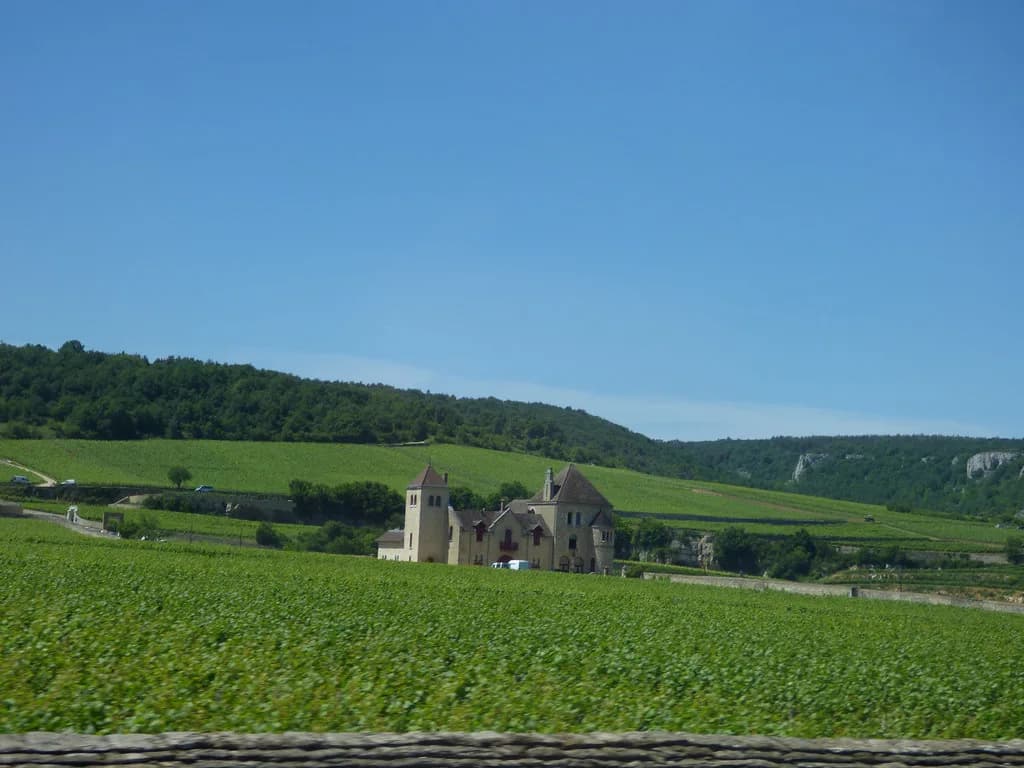
The Route des Grands Crus is a marked driving itinerary rather than a single estate or a fenced wine park. According to Burgundy tourism, it covers 60 km, starts in Dijon and finishes at Santenay, a short distance past Beaune, and crosses a long series of towns known for both heritage and wine. The vineyard landscapes it passes through are the Climats of Burgundy, listed by UNESCO, which is why the route doubles as a heritage drive and not only a tasting trip.
Because the road is signposted and public, you can drive it without booking anything, stopping where the view or the village pulls you in. Tastings are a separate matter, arranged directly with growers and domaines whose policies vary widely. Plan the road as your spine and the visits as appointments hung onto it, and the day organizes itself quickly.
One clarification worth making early: the route is often described as stretching from Dijon to Santenay, but some walkers and cyclists describe an end-to-end traverse in the opposite direction, Santenay up toward the edge of Dijon, as a multi-day outing. Neither framing changes the geography. It simply confirms that the corridor is long enough to split, whether you go north to south or the reverse.
How the Route Is Laid Out from Dijon
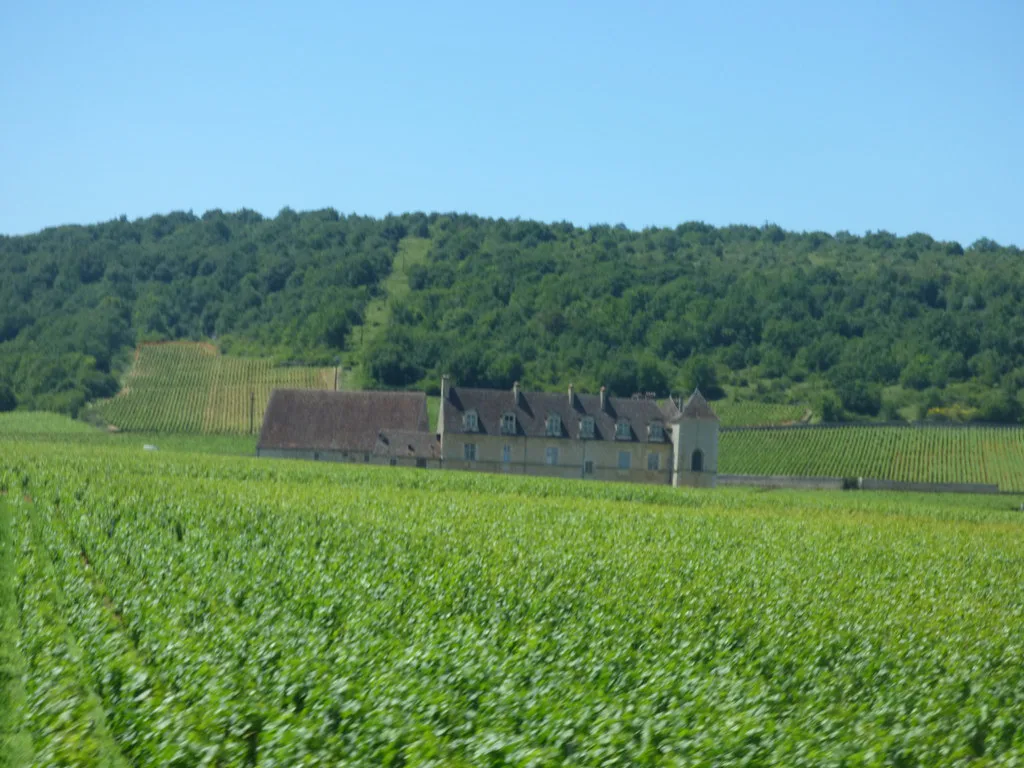
Leaving Dijon, the route heads south through the Côte de Nuits, the northern half of the great Burgundy vineyard belt. This is where the road runs closest to the famous slope, with village after village set slightly back from the vines. The Côte de Nuits gradually gives way to the Côte de Beaune around the middle of the run, and Beaune itself makes the natural hinge for the day.
South of Beaune the landscape softens, and the route continues through the southern vineyards toward Santenay. The practical consequence is that a single drive from Dijon to Santenay passes through two distinct wine districts with different village rhythms, and each deserves its own stop rather than a windscreen glance. If you plan to linger around the Côte de Beaune, our wine tasting in Beaune covers the cellars and booking options there. If you only have one day, pick the Côte de Nuits or the Côte de Beaune and go deeper rather than covering both thinly.
Grouping villages by slope is the most useful planning habit here. Estates on the same stretch of the Côte de Nuits sit within minutes of each other, so two appointments in one village cluster cost far less time than two appointments in different districts. Build each half day around a single cluster and let the driving stay short.
Beaune, with its hospital and old town, is the obvious place to break the drive and the easiest town on the route for a meal between appointments. Santenay, at the southern end, closes the itinerary and gives you a clear point to turn around, head to a station or rejoin the main road north.
The Wines You Meet Along the Way
Burgundy's two great grapes dominate the route: Pinot Noir for the reds and Chardonnay for the whites. Both are grown up and down the Côte d'Or, with the Côte de Nuits leaning red and the Côte de Beaune offering more white wine among its villages. Knowing this helps you choose where to book a tasting, because a cellar focused on reds is best visited in the northern half and a white-wine specialist in the southern half.
The appellation ladder matters more here than in most French regions. Regional Bourgogne appellations sit at the base, village appellations name a specific commune, and premier cru and grand cru names identify particular vineyard sites within those communes. When you book, ask which level the tasting covers, since a lineup of village wines and a lineup featuring grand cru names are very different visits.
You do not need to memorize the hierarchy to enjoy the route, but recognizing a few village names on road signs makes the drive more legible. The route is designed so that the famous names appear as you pass, and the signage itself becomes a rough map of the appellations. Read the signs, note the villages that interest you, and ask about them at the next appointment.
Doing It by Car: Driving Times and Village Parking
By car, the full Dijon-to-Santenay run is a comfortable half day of driving if you do not stop, which means the 60 km figure understates how long a tasting day actually takes. Add cellar visits, lunch and village walks and the route easily fills a full day or two. The road is a normal regional road rather than a motorway, so progress depends on traffic through the villages.
Parking in the wine villages is generally a matter of small squares and roadside spaces rather than dedicated visitor car parks, so arrive with time to spare before an appointment. In Beaune, park once on the edge of the center and walk. Trying to park beside each estate you visit will cost more time than the visits themselves.
The bigger issue is the driver. On a wine road, the person at the wheel should not taste at all, which means spittoons, a designated non-drinking driver, or switching to public transport or a tour for the tasting day. A couple where one partner drives and the other tastes works well; a group of four all wanting to taste does not, unless someone is hired or the group books an organized tour.
Doing It by Bike via the Voie des Vignes
The route can also be explored by bike along the Voie des Vignes, the signposted cycle route that follows the vineyard corridor, as Burgundy tourism notes alongside the driving itinerary. For cyclists, this reframes the route entirely: distances that feel short in a car become a genuine day's ride, and the villages you pass through become rest stops rather than quick photo pauses.
Cycling solves the designated-driver problem cleanly, since you can pedal between appointments and taste without worrying about the car. The trade-off is range: you will cover far less of the 60 km in a day, so choose a compact section and plan tastings within it. A single village cluster with two appointments and a lunch stop is a realistic bike day.
The Voie des Vignes is a marked itinerary, so the practical questions are about logistics rather than navigation: where you pick up the route from Dijon, whether you ride out and back or arrange a one-way finish, and how to carry purchases. Ask about those specifics locally when you plan, since bike hire and luggage transfer arrangements change from season to season.
Using Dijon as a Base
Dijon works as a base because it sits at the northern head of the route and is reachable by high-speed train. Burgundy tourism lists Eurostar connections via Paris and TGV services to Dijon among the region's rail access points, so you can arrive without a car and decide later whether to rent one. Staying in Dijon also puts you close to the start of the drive on your first morning.
The case for picking two or three villages rather than the whole route is strong. The corridor is dense with appellations, and depth beats breadth when you are trying to understand what makes one village's wines different from the next. A Dijon base also lets you split the route across two days without packing up and moving hotels.
If you want a single organized day out of Dijon, guided options for the Route des Grands Crus exist and can be booked in advance, typically with transport included from the city. That removes the driving problem entirely and lets everyone in the party taste. Compare what a tour covers against what you would arrange yourself before committing.
Where to Taste: Burgundy's Appointment Culture
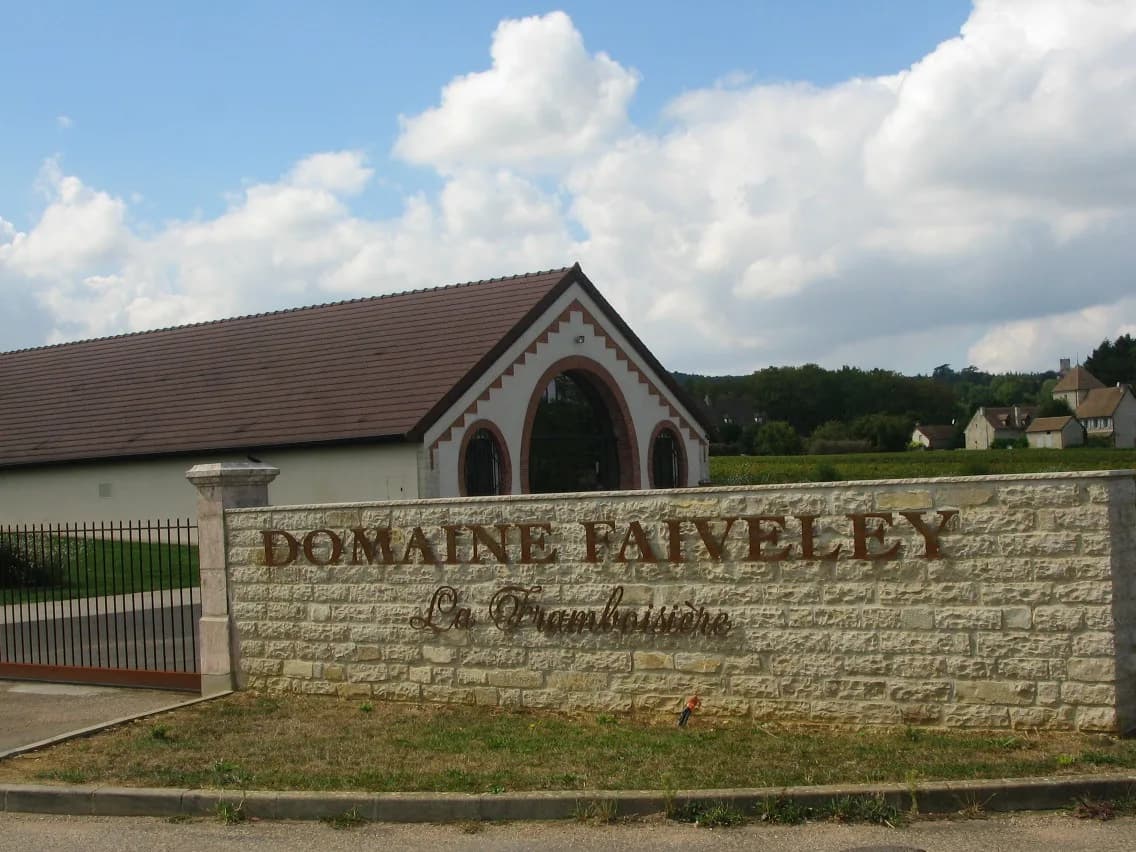
Burgundy cellars are small and family-run, and visits are usually arranged in advance rather than offered to passing traffic. Many domaines ask by email or through a booking form on their own site, and some work through a phone call, so check the domaine's preferred contact before you travel. A short request naming your party size, preferred day and language is enough to start the conversation.
What a visit includes varies enormously: some are a short tasting in a courtyard, others a cellar walk followed by a longer lineup, and some include a food pairing or a walk in the vines. Ask three things when booking: how many wines are poured, how long the visit lasts, and whether there is a fee that is credited against purchases. Those answers tell you more than any brochure.
Harvest timing affects availability, since the weeks around the vendange are busy in the vines and cellars. If you travel in late summer or early autumn, book earlier than you otherwise would. Outside harvest, the quieter shoulder seasons are easier for securing appointments at short notice.
For a structured shortlist of estates that receive visitors around the city, start with the Dijon wineries listings rather than wandering village backstreets. They save you the guesswork of which doors are open to the public.
Half-Day and Full-Day Village Clusters
A half day in the Côte de Nuits pairs comfortably with a morning departure from Dijon and one or two appointments on the same stretch of slope. Keep the drive between visits under a quarter of an hour and you will have time for a proper conversation at each estate. The northern villages closest to Dijon make the easiest first outing.
A full day could take you from a Côte de Nuits morning through Beaune for lunch and into a Côte de Beaune afternoon, finishing at Santenay. That is a lot of ground, and it only works if appointments are tightly scheduled and lunch is simple. If you want a cellar tour and a longer tasting, cut one district instead of rushing both.
For travelers with a special interest in the northern vineyards, pairing the route with a focused look at the area's estates pays off. Browse Dijon wine tours that concentrate on the Côte de Nuits if you would rather have the logistics handled while you taste.
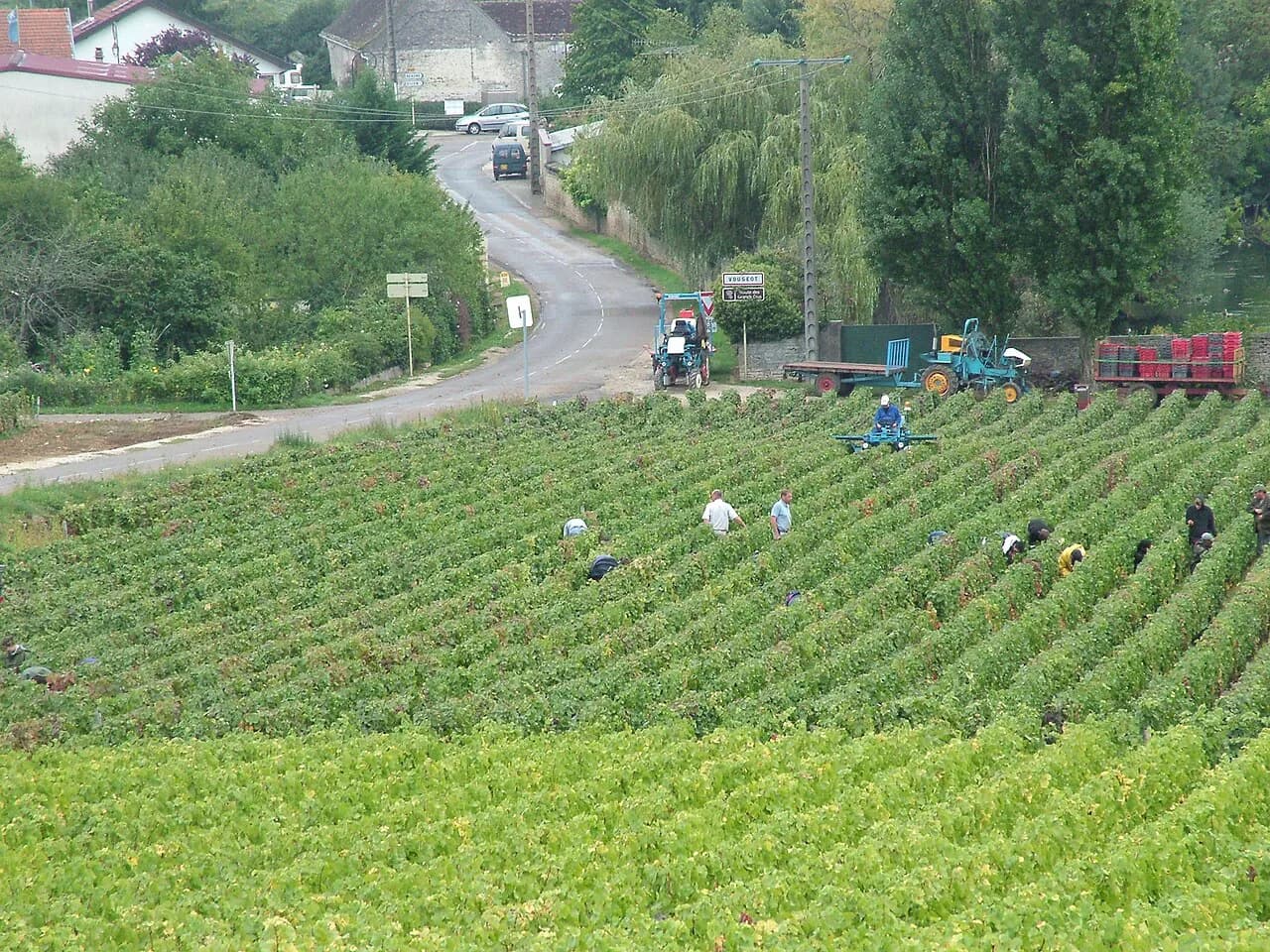
Wherever you cluster your villages, remember that the road is also a working landscape. Vineyard crews, tractors and harvest traffic share it with visitors, so keep speeds low and pull fully off the road when you stop.
Beaune, Santenay and the Southern End
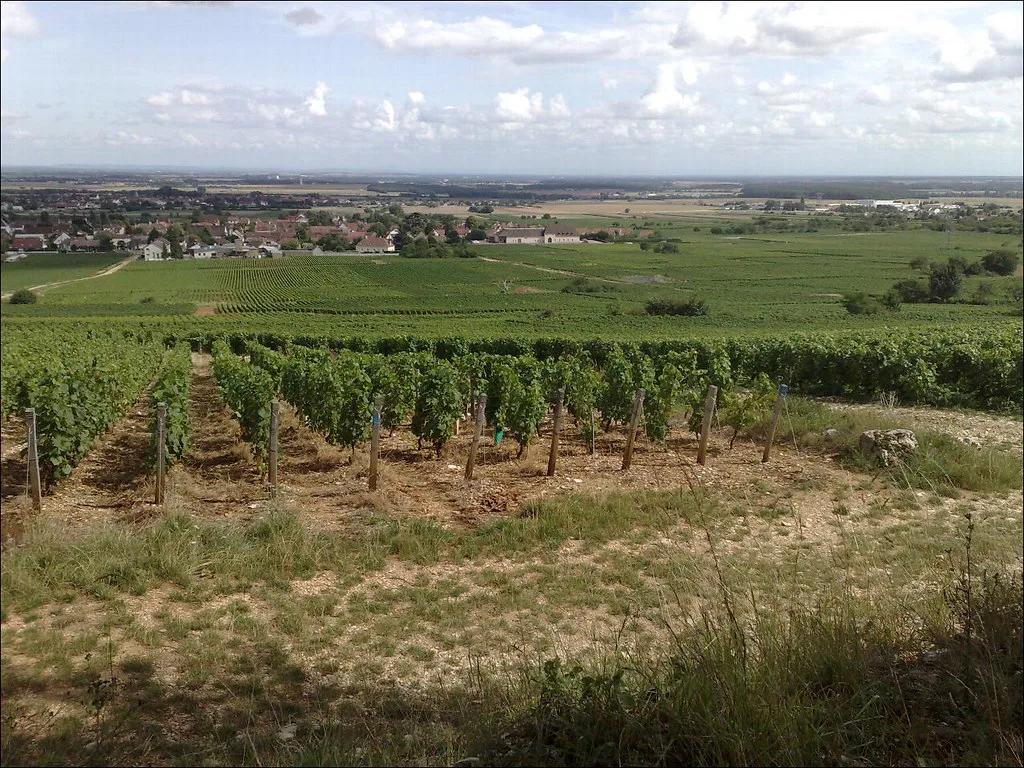
Beaune marks the handover between the Côte de Nuits and the Côte de Beaune and is the most natural midpoint for a meal or a wander. It is also the largest town on the route, so services, shops and wine merchants cluster there. Use it as a hinge rather than a destination if your goal is vineyard visits.
Santenay closes the 60 km run just after Beaune, according to Burgundy tourism, and makes a clean finishing point for the drive or ride. From there you can turn around and head back toward Dijon by road, or plan a return by train from a nearby station if you came out without a car.
If your interests lean toward heritage, the medieval cellars and estates of the Côte de Nuits reward a slower pace, and a dedicated look at the region's historic wine buildings fits naturally into a route day.
Beyond the Grands Crus Route
Burgundy has five other signposted wine routes for travelers with more days, each with a different character. The Route du Crémant runs 120 km through 23 towns classified for Crémant de Bourgogne in the north of the Côte-d'Or, making it the sparkling counterpart to the still-wine drive.
The Côte Chalonnaise route south of Beaune covers reds such as Rully and Mercurey and whites including Givry, while the Mâconnais-Beaujolais route offers eight separate tours and includes Pouilly-Fuissé among its appellations. Both are manageable as day trips if you are based in the region for several days. The Yonne route near Paris and the Pouilly-Sancerre route along the Loire extend the wine country well beyond Dijon.
Tasting Without a Car: Tours and Public Transport
Tours along the Route des Grands Crus are widely available and typically include transport from Dijon, a guide and visits to selected estates. They remove the designated-driver problem and handle the navigation, which matters on a road that twists through dozens of villages. The trade-off is flexibility: you go where the tour goes, and the estates are chosen for you.
Independent travel by train and bike is possible but fragmented, since rail serves the towns rather than the vineyards themselves. Combining a train to a town with a bike or a taxi covers the last miles, at the cost of more planning. Travelers with limited time often find a tour cheaper than assembling the pieces separately.
Whichever you choose, the route rewards a slower plan. Two well-chosen appointments with time to look at the vines will teach you more about Burgundy than five hurried stops.
Plan Your Burgundy Wine Day
Start by deciding how much of the 60 km corridor you want to cover, then build the day around village clusters rather than a checklist. Book appointments directly with the domaines whose wines interest you, and confirm timing and price when you do, since Burgundy cellars set their own terms.
Sort out the transport before you book the tastings: a designated driver, a tour with transport included or a bike along the Voie des Vignes all solve the same problem in different ways. If you are building a longer trip from Dijon, the other Burgundy routes offer natural extensions without repeating the same landscape.
Frequently Asked Questions
Where does the Route des Grands Crus start and end?
It runs from Dijon to Santenay, a short distance past Beaune, over a distance of about 60 km. The road passes through the UNESCO-listed Climats of Burgundy and a long series of wine villages.
How long does the Route des Grands Crus take?
Driving the full distance takes about half a day without stops. Adding cellar visits and lunch turns it into a full day or more, so most travelers split it into two or three village clusters over separate outings.
Can you cycle the Route des Grands Crus?
Yes. The Voie des Vignes is a signposted cycle route that follows the vineyard corridor. Cyclists cover less ground in a day than drivers, so plan a compact section with one or two tasting appointments.
Do you need a car for Burgundy wine tasting along the route?
Not necessarily. Guided tours with transport from Dijon, trains to the main towns and bikes all work. A car is convenient, but the driver should not taste, so a non-drinking driver or a tour is the practical solution.
Do you need to book tastings in advance in Burgundy?
In most cases yes, since cellars are small and visits are arranged directly with the domaine by email, booking form or phone. Ask in advance how many wines are poured, how long the visit lasts and whether there is a fee.
What wine is Burgundy famous for?
Pinot Noir and Chardonnay. The Côte de Nuits leans red, the Côte de Beaune offers more white wine, and the appellation ladder runs from regional Bourgogne through village, premier cru and grand cru names.
Should you visit Burgundy or Bordeaux?
Burgundy is the better choice if you want a compact route of small family domaines along a single road. Bordeaux suits travelers interested in large châteaux and a different appellation system. The Route des Grands Crus is the classic Burgundy day.
What other wine routes are near Dijon?
The Route du Crémant runs 120 km through the Crémant de Bourgogne towns north of the Côte-d'Or. South of Beaune, the Côte Chalonnaise and Mâconnais-Beaujolais routes offer more villages for travelers with extra days.
Sources
Notes for your next wine trip
Optional updates to our winery and wine-town guides.
You might also like
Continue reading
More guides you'll find useful