Trimbach Winery Visit: Tasting in Ribeauvillé from Colmar
Plan a Trimbach winery visit in Ribeauvillé from Colmar: appointment tastings, weekday hours, the Alsace grapes to know and car-free arrival options.
On this page
Trimbach is the reason many travelers put Ribeauvillé on a Colmar itinerary: a family house founded in 1626 and still run by the same lineage, now in its 13th generation, on the edge of a village that sits squarely on the Alsace wine route. It suits travelers who want a structured, booked tasting at a benchmark estate rather than an afternoon of walking into whatever cellar is open. The visit is short, weekday-bound and easy to combine with the village itself, which is exactly what makes it a good anchor.
Why Trimbach Anchors a Ribeauvillé Day
Ribeauvillé is a small town with a large concentration of wine houses, and Trimbach is the one most travelers recognize before they arrive. The estate's own account of its history runs back four centuries, and its reputation rests on the classic Alsace white grapes rather than on red wine or on a visitor-center spectacle. That makes it a clarifying first stop: taste here, and the rest of the village's cellars make more sense.
The visitor experience is deliberately modest. Trimbach publishes a contact address, a phone number, an email and a tasting-by-appointment rule, not a menu of tour packages. Readers who want a themed experience with a guide, a cellar walkthrough and a fixed flight should look at organized options instead; those who want to taste seriously and ask questions of the staff will find the appointment format works well.
Where Trimbach Sits: 15 Route de Bergheim
The address is 15 Route de Bergheim, 68150 Ribeauvillé, on the Bergheim road at the northern exit of the village rather than in the pedestrian center. In practice that means you can walk from the old town in a reasonable stretch, but you are not stepping out of a café into the tasting room. Ribeauvillé itself lies north of Colmar on the Route des Vins d'Alsace, with Bergheim and Saint-Hippolyte continuing north and Riquewihr and Kaysersberg to the south.
Think of the location as a hinge rather than a destination in itself. A morning appointment at Trimbach pairs naturally with a walk through Ribeauvillé's main street and a second stop in Bergheim or Riquewihr on the way back toward Colmar. If you are building the whole day around the region, the broader guide to the Alsace Wine Route from Colmar sets out the village groupings that keep driving time down.
Getting There from Colmar Without a Car
Colmar is the natural base: it has the rail connections, the hotels and the taxi supply, while Ribeauvillé is a short hop north. Trains on the Strasbourg–Colmar corridor and regional buses serve the Ribeauvillé area, but timetables and fares change by season, so confirm the current options with the Alsace regional transport operator or at the Colmar tourist office before you commit to a specific departure. Do not plan a tight connection around an appointment.
A taxi from Colmar to Ribeauvillé is the simplest car-free solution and the most expensive one; a pre-booked return is safer than hoping to find a cab in the village at the end of the afternoon. Bicycles work for confident riders on the flat valley roads, though the return leg after a tasting is the part people underestimate. A guided tour removes the transport problem entirely and usually bundles two or three estates into one afternoon.
The trade-off is control versus convenience. Independent travel gives you the appointment time you want and the freedom to linger in Ribeauvillé; a tour gives you a fixed route, a driver and often a smaller choice of estates. Compare the day rates and routes on the Colmar wine tours page against the cost of a return taxi and you will quickly see which side of the line you fall on.
Tasting at Trimbach: Appointment, Weekdays, Booking
Two separate constraints govern a visit, and travelers often confuse them. The first is that tasting is by appointment, so arriving without one is not a plan. The second is the published opening window: Monday to Friday, 8:00 to 11:45 and 14:00 to 17:15, with the house closed on Sundays and public holidays. Note the midday gap, which rules out a long lunchtime drop-in.
Book by email or phone using the contacts the estate publishes: contact@trimbach.fr and +33 3 89 73 60 30. In your message, give the date, your preferred morning or afternoon slot, the number of people and whether anyone in the party spits or drives. Ask directly how many wines the visit covers, whether a cellar tour is included, how long it lasts and what it costs, because the house does not publish a standard tasting package on its site.
Weekday-only access has a real planning consequence: a Saturday in Alsace cannot include Trimbach. If your trip is built around a weekend, either shift a day of the itinerary to Friday or place Trimbach on the arrival or departure weekday and use the weekend for villages and walking. Smaller houses in the region keep different hours, so a mixed itinerary is easier to assemble than a single-estate one.
What You Will Taste: The Alsace Grapes
Alsace labels wines by grape rather than by village, which makes the region unusually easy to navigate for a first-time taster. Trimbach's range centers on Riesling, the structured, dry, high-acid white that defines the region's reputation; Gewurztraminer, aromatic and often richer; Pinot Gris, fuller-bodied and gently honeyed; and Pinot Blanc, the lighter, everyday white also used in the local sparkling Cremant d'Alsace. Sylvaner and Muscat appear too, in smaller quantities.
Knowing this helps you ask better questions when booking. If you care about dry styles, say so and ask whether the Rieslings poured are sec; if you want aromatic wines, ask for Gewurztraminer to be included. Sweet late-harvest styles labeled Vendanges Tardives and Selection de Grains Nobles exist in Alsace, but they are a separate conversation and not something to assume is part of a standard visit.
The Grand Cru Question
Alsace grand cru is a vineyard designation, not a house ranking: 51 named sites across the region are entitled to the label under appellation rules, and a producer may hold parcels in one or several of them. A winery being famous tells you nothing about whether a given bottle carries a grand cru site name. The way to settle it is to read the label or ask the estate which of its wines come from grand cru vineyards and which do not.
This matters for how you spend a tasting. If grand cru wines interest you, say so when you book and ask whether they can be included, since a house may reserve those bottles for particular visits. Keep the question factual and you will get a straight answer, which is more useful than any ranking you read online.
Ribeauvillé Beyond Trimbach
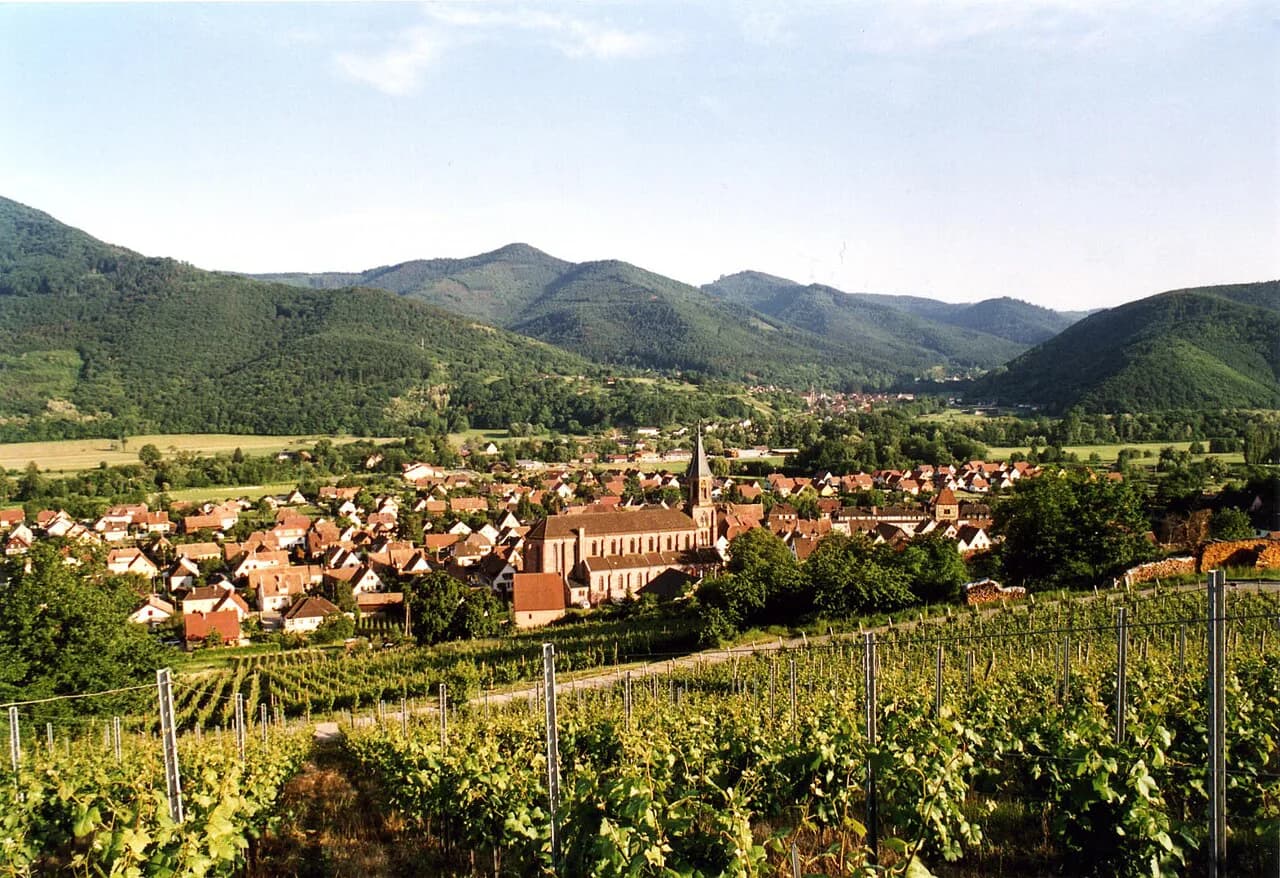
Ribeauvillé is compact enough to walk end to end, with a long main street of wine merchants, bakeries and restaurants and three castle ruins on the hills above. Several other houses in the village receive visitors, but their opening days, appointment rules and tasting formats differ from Trimbach's, so treat each as its own booking rather than assuming a shared schedule. The wider list of Colmar wineries is a sensible starting point for a second stop.
Group your day by distance, not by reputation. Ribeauvillé, Bergheim and Saint-Hippolyte form a northern cluster; Riquewihr, Zellenberg and Kaysersberg form a southern one. Trying to cover both in a single day with public transport is where itineraries break down, and a taxi between clusters costs more than choosing one cluster and doing it properly.
Independent Day or Guided Tour: A Decision Guide
Choose independent travel if you are comfortable booking by email in advance, can work within weekday hours and are willing to pay for a return taxi or navigate regional buses. Choose a tour if your dates fall on a weekend, if nobody in the group wants to organize transport, or if you would rather taste at two or three estates in one afternoon without planning each appointment. The same control-versus-convenience decision shapes wine tasting in Reims, where the big Champagne houses impose their own booking rules. Neither choice is better in the abstract; they solve different problems.
One practical middle path: stay in Colmar, take a tour that ends in Ribeauvillé on a weekday, and add a short independent walk to Trimbach for a booked tasting before rejoining the group. That requires firm timing on both sides, so it only works if the tour operator confirms a drop-off point and time in the village.
Timing Your Visit Around the Seasons
Harvest in Alsace generally falls in September and into October, which is a busy and visually rewarding period in the vineyards around Ribeauvillé; the cellars themselves are focused on the crush, so visitor capacity can tighten. Spring and early summer are quieter and easier for securing a weekday appointment, and the vineyards are green rather than golden. Winter visits are possible but the village is sleepier and some houses reduce their hours.
Build the day around the midday closure at Trimbach rather than fighting it: a late-morning appointment, lunch in the village, then a second estate in the afternoon. Keep at least an hour of slack on any train or taxi connection, and remember that public holidays in France follow their own calendar, which can close a house on a day that looks like a normal weekday.
Anyone driving should not taste at all: use the spittoons, appoint a designated driver for the day, or leave the car in Colmar and take a taxi, bus or tour instead. Alcohol affects people differently and the roads out of Ribeauvillé toward Colmar are rural, so the decision to drive should be made before the first glass, not after it.
Book the Appointment First
Set the date before you set the rest of the itinerary. A weekday, a confirmed appointment by email or phone, and a clear plan for getting back to Colmar are the three pieces that make a Trimbach visit work; everything else, from the vineyard village walk to a second tasting, fits around them.
Trimbach publishes its contact details and weekday hours, but not a standard tasting price or package, so ask those questions directly when you write. Confirm the current hours and any seasonal closing close to your travel date, and you will have a day that depends on facts rather than assumptions.
Frequently Asked Questions
Do you need an appointment to taste at Trimbach?
Yes. The estate states that tasting is by appointment, so an unannounced arrival is not a plan. Write to the published email address or call with your date, preferred morning or afternoon window, party size and the wines you hope to try.
What are Trimbach's opening hours?
The published hours are Monday to Friday, 8:00 to 11:45 and 14:00 to 17:15, with the house closed on Sundays and public holidays. Note the midday break, which means a lunchtime visit will not work. Check current details before your trip.
How do you get to Trimbach from Colmar without a car?
Use regional trains or buses toward Ribeauvillé and confirm current timetables with the Alsace transport operator, or take a pre-booked taxi for a simpler and pricier door-to-door trip. A guided tour from Colmar handles transport and usually pairs two or three estates in one outing.
What wines does Trimbach make?
The house is known for classic Alsace whites, principally Riesling, along with Gewurztraminer, Pinot Gris and Pinot Blanc. Alsace labels wines by grape rather than by village, so the names on the bottles tell you which style you are tasting.
Is Trimbach a grand cru?
Trimbach is a wine house, not a vineyard site. Alsace grand cru is a designation given to particular named vineyards under appellation rules, and a producer may make wines from grand cru sites as well as from other parcels. Ask the estate which of its wines carry a grand cru site name.
Can you visit Trimbach at the weekend?
The published opening hours cover Monday to Friday only, and the house lists Sunday and public holiday closures, so a weekend visit is not supported by the information the estate publishes. Plan Trimbach into a weekday and use weekends for village walks or other houses with different hours.
How long should you allow for a Trimbach visit?
The estate does not publish a standard visit length or tasting format, so ask when you book how many wines are poured, whether a cellar tour is included and how much time to allow. Then build the rest of your Ribeauvillé day around that answer and the midday closure.
What should drivers do on an Alsace wine day?
A driver should not taste. Use the spittoons, arrange a designated driver, or leave the car in Colmar and use a taxi, regional transport or a guided tour so that nobody has to choose between the wines and the road.
Sources
Notes for your next wine trip
Optional updates to our winery and wine-town guides.
You might also like
Continue reading
More guides you'll find useful