Cave de Turckheim Guide: Tastings from Colmar
Cave de Turckheim is a large Alsace cooperative in Turckheim, minutes from Colmar. Here is what it makes, how its range is organized, and how to plan a visit.
On this page
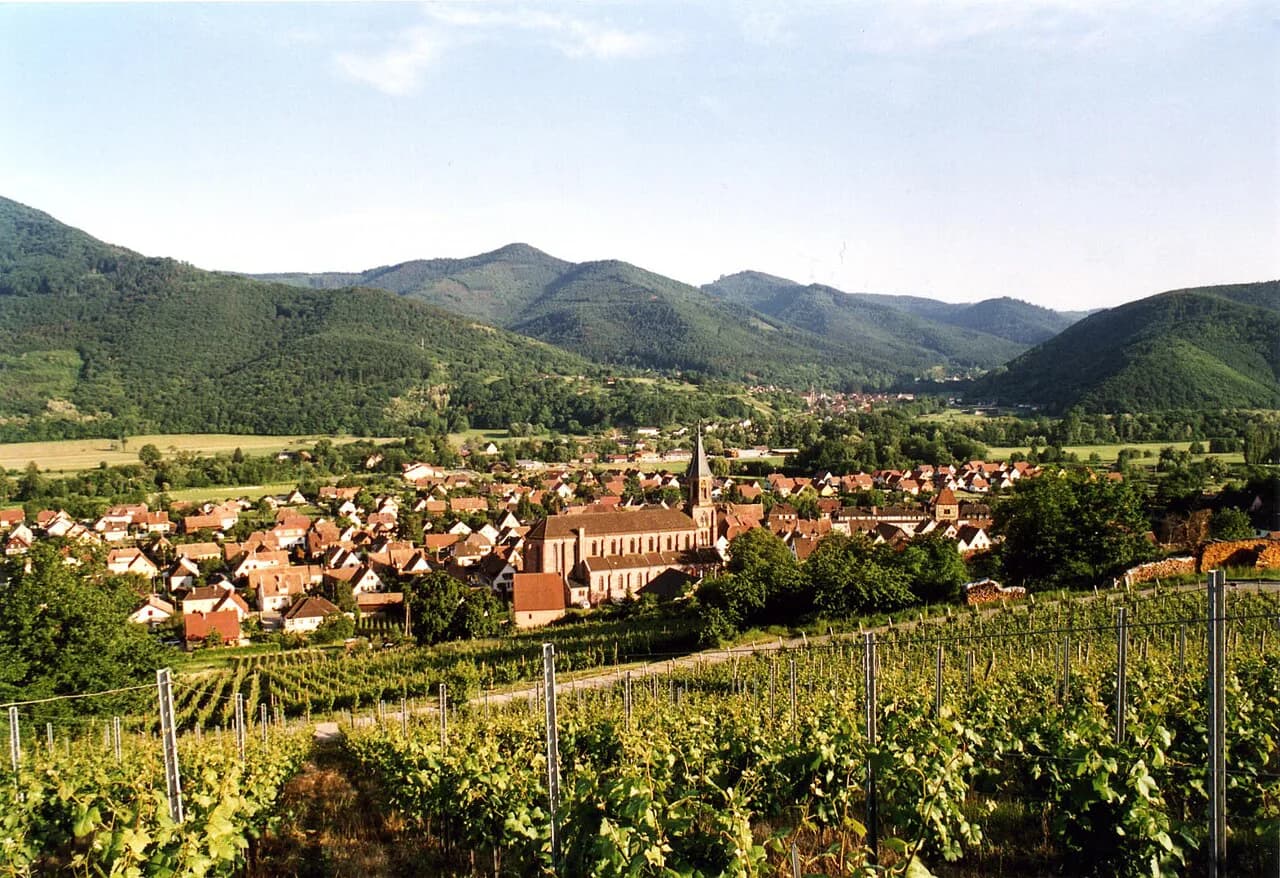
Turckheim is one of the simplest wine-village add-ons to a Colmar trip: a small, walled Alsace town with a cooperative that handles grapes from across the surrounding hills. Cave de Turckheim is the anchor, and the village is close enough to reach without a car.
The catch is that a cooperative and a family domaine give you very different visits. Knowing how each works before you set out saves you from arriving at the wrong door with the wrong expectations.
This guide covers what Cave de Turckheim makes, how its tiers and terroirs read on a label, and how to build a half-day from Colmar that includes a smaller estate in nearby Beblenheim.
Why Turckheim Is the Easiest Wine Village to Reach from Colmar
Turckheim lies just west of Colmar, and the two are connected by a short local rail line and by bus, so you can leave the car at your hotel. Ride times are brief, but schedules on rural Alsace lines thin out in the evening and on Sundays, so build your return around a fixed departure rather than counting on a frequent service. Check current timetables for the Colmar–Turckheim line before setting out, especially for evening and Sunday trips.
From the Turckheim stop, the walk into the old town is short and flat, which makes the village workable on foot even with a couple of bottles in a bag. The cooperative's premises sit in the town itself; the address published on its site is 16 rue des Tuileries in Turckheim.
If you plan to string together several villages, the wider Route des Vins d'Alsace rewards a car or a tour, since cross-valley connections by public transport are slow. For Turckheim alone, train or bus plus walking is the cleaner choice.
What a Cooperative Is, and Which Visit Suits You
Cave de Turckheim is a collective: member growers supply grapes, and the cave vinifies and markets the wines under one label. A profile of the producer describes it as a cooperative founded in 1955, working roughly 450 hectares and producing about six million bottles a year, with Terra Vitis and HVE environmental certifications.
That scale means a broad, reliable range and a professional reception rather than a grower walking you through his own rows. A family domaine in Alsace usually offers the opposite: fewer wines, more personal explanation, and tighter appointment habits. The same cooperative-versus-domaine decision shapes wine tasting in Reims, where the big Champagne houses face off against small grower-producers.
Choose the cooperative if you want to taste widely across Alsace styles in one stop and compare tiers side by side. Choose a domaine if you care about a single site and the people farming it. Doing one of each is the best use of a day.
How the Cave de Turckheim Range Is Organized
The house sorts its wines into clear families, and reading those names in advance tells you what a flight is likely to cover. Tradition is the fresh, light, fruit-forward entry level; Réserve is drawn from grapes grown on silica-rich soils and positioned as a food wine with more assertive character.
Above those sit Spécialités, which includes old-vine cuvées and a barrel-aged Pinot Noir, and Terroirs d'Alsace, where the wine takes the name of the soil the vines grow in. Grands Crus form the top tier, restricted to delimited sites under strict production rules.
The house also makes Crémant d'Alsace by the traditional method, a full organic range across several grapes, and the late-harvest styles Vendanges Tardives and Sélection de Grains Nobles in suitable years. If sweet wines interest you, ask whether any are open on the day, since these depend on the vintage.
Tasting fees, the number of wines poured, and whether a cellar tour is included are not published in the material available here. Ask those three questions when you make contact, and the answer will tell you how long to allow.
The Grapes to Prioritize in a Tasting Flight
Alsace labels its wines by grape rather than by village, which makes the region unusually easy to navigate. The four noble varieties are Riesling, Gewurztraminer, Pinot Gris and Muscat, and a serious flight should touch all four before you spend time on anything else.
Riesling gives the region's driest, most structured whites and is the grape to follow if you want to compare terroirs. Pinot Gris is fuller and suits food, Gewurztraminer is the aromatic heavyweight, and Muscat is lighter and grapey. Pinot Blanc is the everyday workhorse and appears across the house tiers.
Pinot Noir is Alsace's red, made here both in a standard version and in a barrel-aged bottling listed among the Spécialités. Ask to taste them side by side if reds matter to you, since the contrast shows what the region does with the grape.
Crémant d'Alsace is the sparkling appellation, made by the traditional method, and the house treats it as a category in its own right rather than an afterthought. A glass at the start of a tasting is a good way to judge the house style before the still wines.
Sommerberg Grand Cru and the Named Terroirs
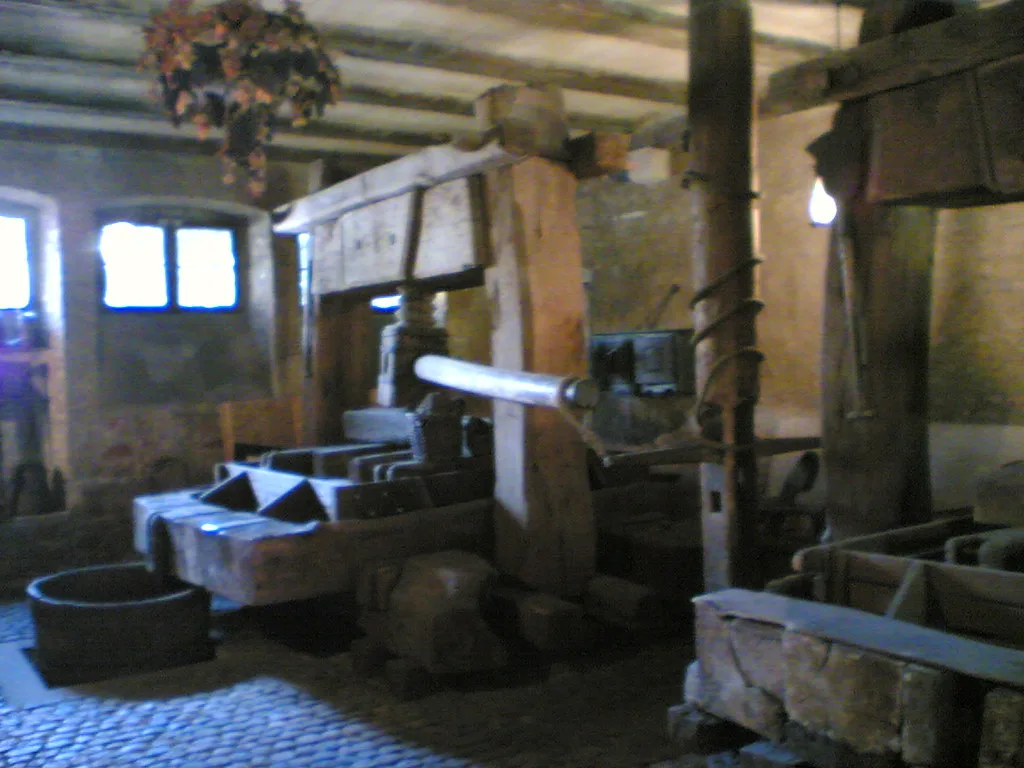
Grand Cru in Alsace means a specific, cadastrally delimited site with strict rules, not a general quality claim. Cave de Turckheim bottles a Riesling from the Sommerberg Grand Cru, one of the region's recognized sites, and that name on the label is your signal that the wine comes from a defined slope rather than a blend of purchases.
The Terroirs d'Alsace line goes further and names the soil type on the label: granite, marl and limestone, or sand and gravel. The same grape is bottled from each, so a tasting can show how one variety changes with the ground beneath it.
For a label-reading exercise, taste a Riesling from two different terroirs, then a Pinot Gris from the same two. That four-glass comparison teaches more about Alsace than a long list of unrelated bottles.
Adding Bott-Geyl in Beblenheim
A half-day that pairs a cooperative with a family estate gives you both models. Beblenheim sits a few kilometers north of Colmar on the wine route, and Bott-Geyl is the small-domaine counterweight to the Cave de Turckheim stop.
Do the cooperative first, while your palate is fresh and you can compare a wide range quickly, then move to the domaine for a slower, more focused conversation. Smaller estates in Alsace commonly work by appointment, so arrange the second stop before you leave Colmar.
Distances between these villages are short but the roads are rural, which is why a tour or a taxi makes more sense than trying to chain buses. If you are going independently, pick two addresses and walk or cycle between them rather than three or four.
Getting Around Without Driving
A driver should not taste, and Alsace makes it easy to avoid that: spittoons are standard at tasting counters, and the train and bus from Colmar cover Turckheim. For a multi-village day, book a driver or a guided tour from Colmar instead of improvising.
Bicycles work well on the flat vineyard tracks between Colmar and Turckheim, and rental is available in the city. Keep the ride short if you plan to buy bottles, and carry them in panniers rather than a shoulder bag.
Taxis in Colmar can handle the run to Turckheim, but availability in the villages themselves is thin, so arrange the return leg in advance rather than counting on hailing one outside a winery.
Practical Booking Notes
Appointment culture in Alsace varies by size: cooperatives keep regular opening days, while small domaines expect a call or email ahead. Contact Cave de Turckheim through the phone number and address on its own site, and ask about group minimums if you are more than a handful of people.
Harvest in Alsace generally runs from late August into October depending on the year and the grape, and the weeks around it are the busiest and least predictable for visits. If you travel in that window, book further ahead and expect the focus to be on the cellar rather than the tasting room.
When you write, ask four things: whether you need an appointment, what the tasting includes, whether there is a fee, and which days the caveau is open. Those answers cover everything this guide cannot pin down from published material.
Buying and Taking Wine Home
Bottle prices and shipping arrangements are not published in the material available here, so ask at the counter rather than budgeting from a website. Cooperative caveaux usually sell the full range on site, which makes a mixed case easier to assemble than at a small domaine.
For air travel, check your airline's allowance for alcohol in checked baggage and pack bottles in a padded shipper. If you are driving home across Europe, weight and heat are the real constraints, not customs paperwork.
Plan Your Turckheim Day
Turckheim works best as a compact, focused day from Colmar: one cooperative tasting at Cave de Turckheim to survey Alsace's grapes and tiers, then one smaller estate if you have the time and an appointment.
Get there by train, bus or bike, taste the noble grapes and the named terroirs rather than a random spread, and confirm fees and opening days directly before you go.
Frequently Asked Questions
Is Cave de Turckheim open for tastings without an appointment?
The cooperative publishes its address and phone number but the material reviewed here does not state visitor days or whether walk-ins are accepted. Call or email ahead and ask whether an appointment is needed, what the tasting includes and whether a fee applies.
What wines is Alsace known for?
Alsace is best known for dry, aromatic whites labeled by grape: Riesling, Gewurztraminer, Pinot Gris and Muscat are the four noble varieties, supported by Pinot Blanc. The region also makes Pinot Noir, Crémant d'Alsace sparkling wine, and late-harvest styles such as Vendanges Tardives and Sélection de Grains Nobles.
What are the four noble grapes of Alsace?
Riesling, Gewurztraminer, Pinot Gris and Muscat. They form the core of a serious tasting flight, and comparing them across the Cave de Turckheim tiers or across named terroirs is the fastest way to learn the region's range.
How do I get to Turckheim from Colmar without a car?
Turckheim is connected to Colmar by a short local rail line and by bus, and the village center is a short walk from the stop. Schedules thin out in the evening and on Sundays, so fix your return departure before you start tasting.
What is the difference between a wine cooperative and a domaine in Alsace?
A cooperative such as Cave de Turckheim vinifies grapes from many member growers and offers a broad range from one reception, founded in 1955 and working roughly 450 hectares. A family domaine farms its own sites and typically offers fewer wines with more personal explanation, often by appointment.
What is Sommerberg Grand Cru?
Sommerberg is a delimited Grand Cru site in Alsace, and Cave de Turckheim bottles a Riesling from it. Grand Cru status in Alsace refers to a specific, cadastrally defined vineyard with strict production rules rather than a general quality tier.
Should I taste at a cooperative and a small domaine on the same day?
Yes, if you plan it: do the cooperative first while your palate is fresh and the range is wide, then a smaller estate such as Bott-Geyl in Beblenheim for a focused conversation. Book the domaine in advance and keep the day to two addresses.
Sources
Notes for your next wine trip
Optional updates to our winery and wine-town guides.
You might also like
Continue reading
More guides you'll find useful