Wolfberger: Alsace Co-op Cellar Guide from Colmar
Wolfberger is a major Alsace cooperative with a tasting room in Eguisheim, minutes from Colmar. Here is how to plan a visit, what to taste, and how to get there.
On this page
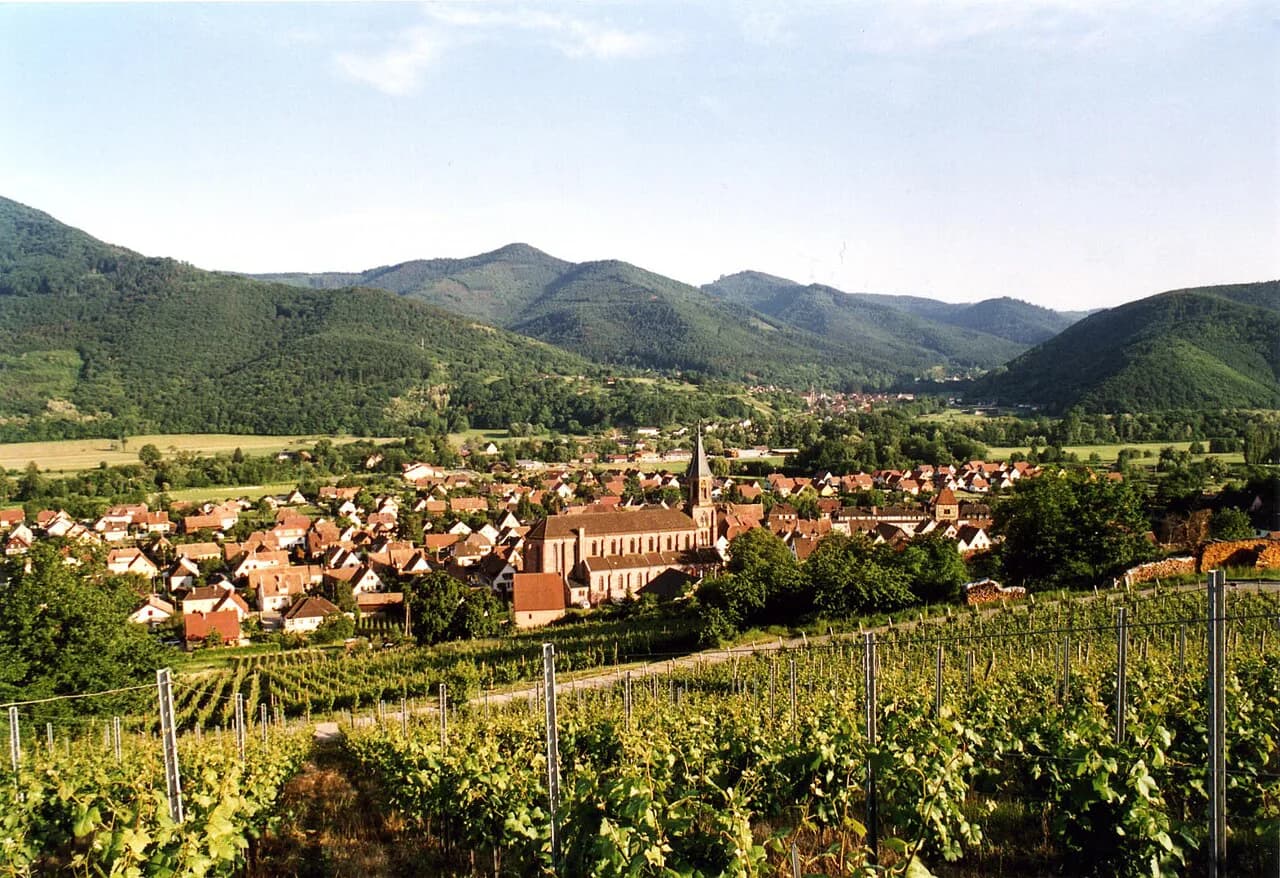
Eguisheim sits at the heart of the southern Alsace vineyard, a ring of half-timbered streets surrounded by vines a few minutes south of Colmar. Wolfberger's tasting room there is one of the easiest wine stops to build into a day from the town, because it is a large cooperative rather than a single family estate that opens only by arrangement. The catch is that a co-op visit is a different experience from a grower's cellar, so it pays to know what you are walking into before you go.
This guide covers who Wolfberger is, the grapes and styles a big Alsace house typically works with, how to get to Eguisheim without a car, and how to pair the stop with the rest of the wine district. Where the winery has not published a detail, we say where to ask rather than guessing.
Wolfberger: A Cooperative House, Not a Single Estate
Wolfberger is a cooperative, meaning many member growers pool their grapes and the wines are made and sold under one house name. That structure explains the breadth of the range: a co-op can offer Riesling, Gewurztraminer, Pinot Gris, Pinot Blanc, Sylvaner, Pinot Noir and Crémant d'Alsace side by side, which a small domaine with a few hectares rarely can. It also means the person pouring is usually a tasting-room host rather than the winemaker.
The trade-off is intimacy. At a family estate you often taste in the cellar with the grower and hear about one hillside; at a cooperative you get a broad, well-organized shop floor and a wide selection, which suits a group with mixed tastes or a first encounter with Alsace. If you want the small-grower experience as well, plan a second stop in a village nearby and treat Wolfberger as the convenient, wide-ranging opener. Readers weighing a similar mixed-tastes decision in Champagne can compare notes with our wine tasting in Reims guide.
Where Eguisheim Sits on the Alsace Wine Route
The Alsace Wine Route runs roughly 170 km through the vineyard villages between Marlenheim in the north and Thann in the south, and Eguisheim is one of its best-known stops. The regional tourism board highlights Eguisheim alongside Kaysersberg, Riquewihr, Obernai, Ribeauvillé and Thann as must-see villages on the route. From Colmar, Eguisheim is a short drive or a manageable bike ride southwest, which makes it the natural first wine village of a day.
Because Eguisheim sits close to Colmar, it pairs well with a second village rather than filling a whole day on its own. A sensible shape is a morning tasting at Wolfberger, a walk around Eguisheim's concentric lanes, lunch, then a cellar in Riquewihr or Kaysersberg in the afternoon. Distances between these villages are short but the roads are slow, so two stops plus a meal is a realistic maximum.
The Grapes and Appellations to Know Before You Taste
Alsace labels wines by grape variety, which makes the tasting room easier to navigate than most French regions. The key white grapes are Riesling, Gewurztraminer, Muscat, Pinot Gris and Pinot Blanc, with Sylvaner as a smaller player and Pinot Noir the notable red; Crémant d'Alsace covers the sparkling wines. Expect dry, aromatic whites as the core of the range and a lighter style of red.
The appellation structure is simple: Vin d'Alsace, Alsace Grand Cru for the best named sites, and Crémant d'Alsace for sparkling. Grand Cru wines are restricted to the four noble varieties, Riesling, Muscat, Pinot Gris and Gewurztraminer, and the official Alsace wine body lists 51 Grands Crus, while other reference sources describe around 50. The exact count is not something to argue over at the counter, but it is worth knowing that Grand Cru is a site designation, not a quality guarantee across every bottle.
Two extra mentions may appear on labels. Vendange Tardive signals late-picked grapes with higher sugar, and Sélection de Grains Nobles signals botrytis-affected sweet wines. If you want to compare a house's dry style against its sweet side, ask whether either is open at the tasting room on the day, since these are produced in small volumes.
How a Cooperative Tasting Differs from a Grower Visit
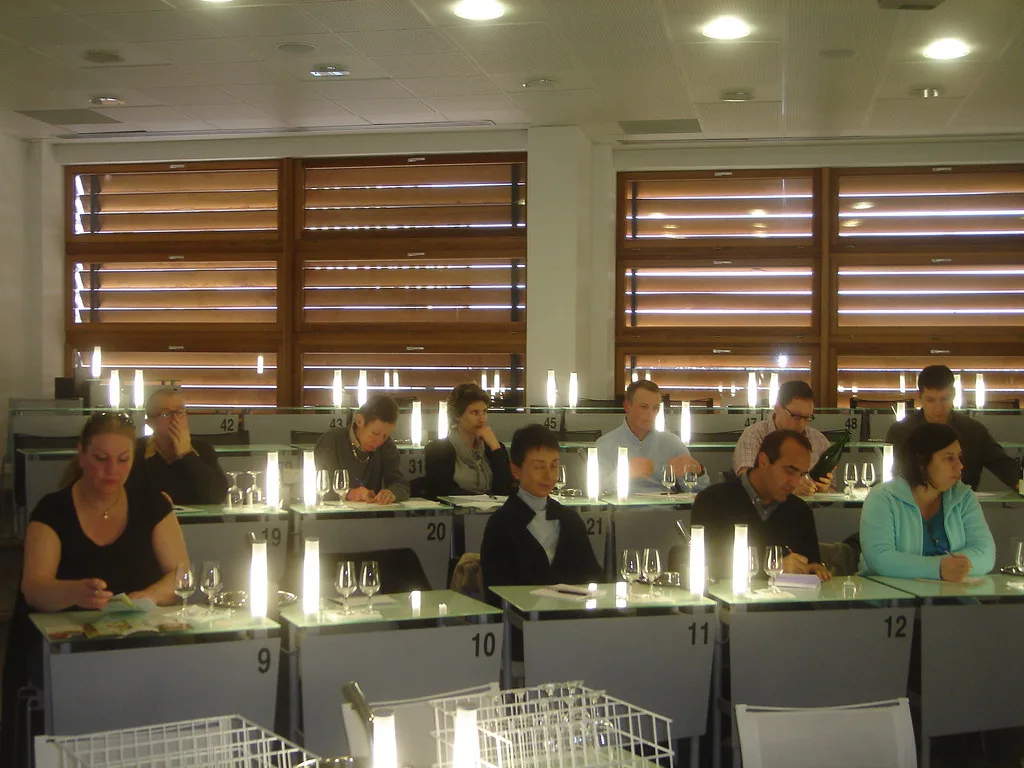
At a cooperative, tastings are usually walk-in friendly and organized around a counter, with several wines open and a host guiding you through the range. That suits independent travelers who want flexibility and a broad snapshot of the region in one stop. At a small grower you typically need an appointment, taste fewer wines, and hear a single estate's story in depth; the trade-off is that the visit feels more personal but often requires more forward planning.
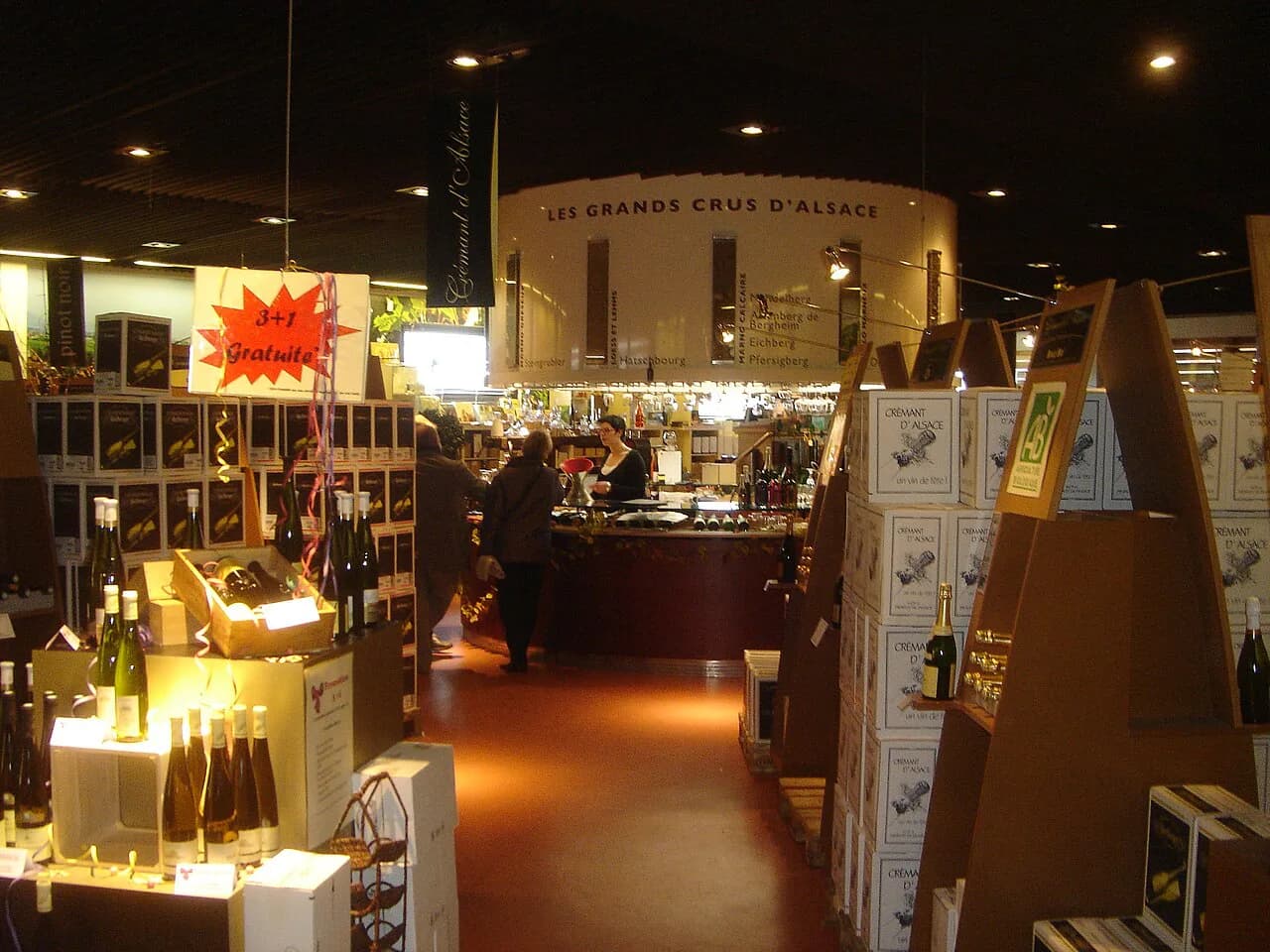
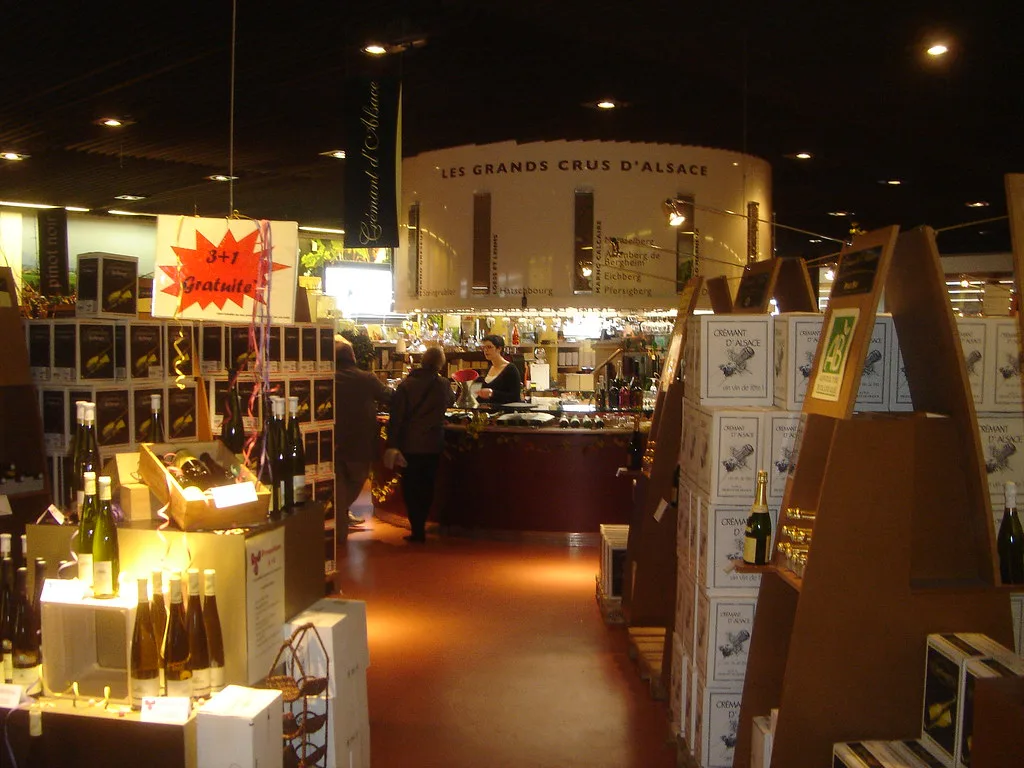
At Wolfberger's Eguisheim tasting room, visitor descriptions note a modern, classy space offering red, white, rosé, sweet wines, liqueurs and crémants under one roof. That range is the appeal for a group where not everyone wants to taste dry Riesling. It also means you can pick up a bottle of Crémant, a late-harvest wine or a liqueur as a gift without making a second stop.
The house publishes background on the varieties it works with, including Riesling and Gewurztraminer, which is useful for orienting yourself before you arrive. That does not tell you which wines are open on a given day, so ask at the counter what the current flight includes. If a particular style matters to you, such as a dry Riesling or a Vendange Tardive, it is worth saying so at the start rather than at the end.
Practical Booking: What to Ask Before You Go
Opening hours, tasting fees and tour times vary by season and event, so check the current details with the winery before you travel rather than relying on an old listing. When you email or call, ask three things: whether the tasting room is open on your date, whether a reservation is needed for your party size, and whether there is a fee or a minimum purchase. A short, specific email gets a faster answer than a general inquiry.
Groups of six or more should book ahead even where walk-ins are accepted, because a co-op tasting room can be busy at weekends and during the Christmas market season. If you want a cellar tour rather than a counter tasting, ask separately, since tours often run on a set schedule. Confirm the current details once by phone or email before you travel, then plan around the answer.
Getting to Eguisheim from Colmar Without Driving
Eguisheim is close enough to Colmar that a taxi or a bike is a realistic option, and local buses serve the villages around the town. If you prefer not to drive, a guided tour is the simplest way to combine Eguisheim with other Wine Route villages, since the tour company handles the driving and the logistics. The regional tourism board notes that the Wine Route is well served by train links and regional TER services, though the vineyard villages themselves are not all on a rail line, so plan the last stretch by bus, taxi or bike.
Published Ophorus tour prices from Colmar give a useful benchmark. A shared half-day Alsace wine tour from Colmar is listed from about 89 euros per person, a full-day shared wine tour from about 139 euros per person, and private half-day wine and villages tours from about 135 euros per person. These from-prices are subject to change, so confirm the current rate and what is included, such as the number of wineries and whether tasting fees are covered, when you book.
If you drive yourself, remember that the driver should not taste. Use the spittoons, appoint a designated driver, or book a tour or taxi so everyone can enjoy the visit. That is the one rule worth fixing before you leave Colmar.
Independent Versus Guided: What You Give Up by Driving
Going independently gives you flexibility: you can linger at Wolfberger, walk Eguisheim at your own pace, and add a village or a second cellar on a whim. The cost is logistics, parking in the wine villages can be tight in high season, and the driver cannot taste. A guided half-day tour costs more per person than a DIY trip but removes the driving and often includes cellar visits that are hard to arrange on your own.
For a single stop at Wolfberger plus a village walk, independent travel is the better value. For a multi-village day with two or three cellar visits, the convenience of a tour often justifies the higher outlay. Decide based on how many tastings you want and whether anyone in the party is willing to stay sober behind the wheel.
Pairing Wolfberger with Eguisheim and a Second Cellar
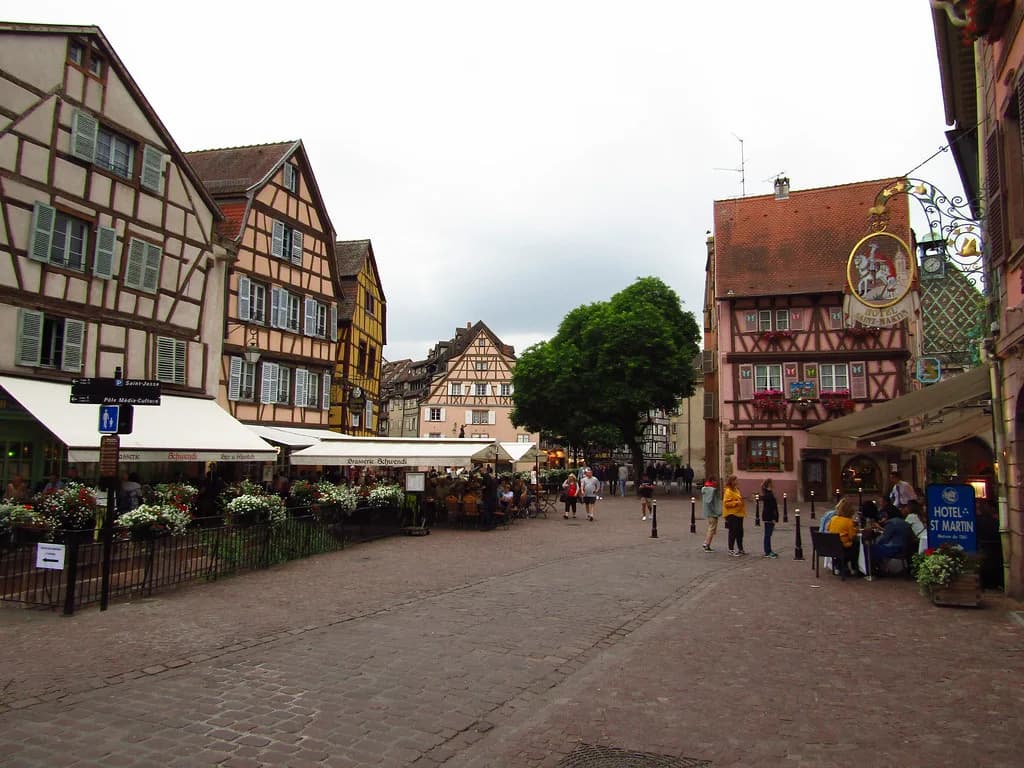
Eguisheim itself rewards an hour of walking: the village is built in concentric rings around a central square, with flower-lined lanes and a castle at the core. After a tasting at Wolfberger, a loop through the old streets is a natural break before lunch. The village's compact layout means you can park once and see the main sights on foot.
For a second stop, Riquewihr and Kaysersberg are both short drives from Eguisheim and are named among the Wine Route's must-see villages. Both have their own tasting rooms and family estates, and either makes a good counterpoint to a cooperative visit. If you want to stay closer, a grower in Eguisheim or the neighbouring villages keeps the day compact.
Timing the Trip Around the Growing Season
Alsace is a northern vineyard, and the growing season runs from spring budbreak to a harvest that usually falls in September and October, depending on the year. Summer brings the busiest tasting rooms and the best weather for cycling between villages; the Christmas market season fills Colmar and the wine villages with visitors, so book ahead if you travel then. Spring and late autumn are quieter and often easier for spontaneous tastings.
Harvest timing shifts year to year, and a tasting room can be busier or more limited during picking. If you are traveling in September or October and a cellar tour matters to you, ask whether visits are running as normal before you set out.
Plan Your Visit
Wolfberger is a straightforward, wide-ranging introduction to Alsace wine, and its Eguisheim tasting room makes it easy to combine with a village walk and a second cellar. Treat it as the cooperative opener to the region rather than the whole day, and book a tour or arrange a taxi if nobody wants to drive.
Before you go, confirm the current opening days, tasting fee and whether a reservation is needed for your party size by phone or email, then build the rest of the day around Eguisheim, Riquewihr or Kaysersberg. A quick look at our wine tasting in Colmar guide will help you fit Wolfberger into a wider itinerary.
Frequently Asked Questions
Is Wolfberger a winery or a cooperative?
Wolfberger is a cooperative house, meaning many member growers pool their grapes and the wines are made and sold under one name. That is why its tasting room can offer a broad range of styles, from Riesling and Gewurztraminer to Crémant d'Alsace, rather than the narrower selection of a single family estate.
Where is Wolfberger located and can you visit?
Wolfberger's tasting room is in Eguisheim, a village in the southern Alsace vineyard a short distance from Colmar. Visitors describe a modern tasting room offering a wide range of wines and spirits. Because the winery has not published reliable opening hours for a given date, ask directly whether the tasting room is open and whether a reservation is needed.
What wines can you taste at Wolfberger?
Expect the classic Alsace varieties: Riesling, Gewurztraminer, Pinot Gris, Pinot Blanc and Pinot Noir, with Crémant d'Alsace for sparkling. The tasting room is also described as offering sweet wines and liqueurs. Which bottles are open on the day varies, so ask at the counter what the current flight includes.
How far is Eguisheim from Colmar?
Eguisheim is a short drive or a manageable bike ride southwest of Colmar, making it one of the closest wine villages to the town. Local buses and taxis also serve the area. If you want to combine Eguisheim with other villages, a guided tour removes the driving and parking problems.
Can you visit Wolfberger without a car?
Yes. Eguisheim is close enough to Colmar for a taxi or bike, and local buses serve the surrounding villages. Guided half-day and full-day tours from Colmar are also available if you would rather not drive, with published from-prices listed by tour operators.
Is a guided Alsace wine tour from Colmar worth it?
It depends on how many tastings you want. For a single stop at Wolfberger plus a village walk, independent travel is better value. For a multi-village day with two or three cellar visits, a tour is often worth the higher cost because it handles the driving and transport between villages, and the driver is free to taste.
Sources
Notes for your next wine trip
Optional updates to our winery and wine-town guides.
You might also like
Continue reading
More guides you'll find useful