Zind-Humbrecht: Visiting the Turckheim Domaine from Colmar
How to plan a visit to Domaine Zind-Humbrecht in Turckheim from Colmar, what Alsace grapes and styles to know, and how to travel there without driving.
On this page
Domaine Zind-Humbrecht is one of the names that pulls wine travelers toward Alsace, and it sits in Turckheim rather than Colmar, roughly a short drive or an easy bus ride west of the city. The domaine appears in standard winery directories, though its own visit policy, tasting formats and fees are not published in the same places you would find a Napa booking calendar. This guide shows how to slot a Turckheim stop into a Colmar-based day and what to settle before you set out.
Quick answer: where Zind-Humbrecht sits in the Alsace tasting map
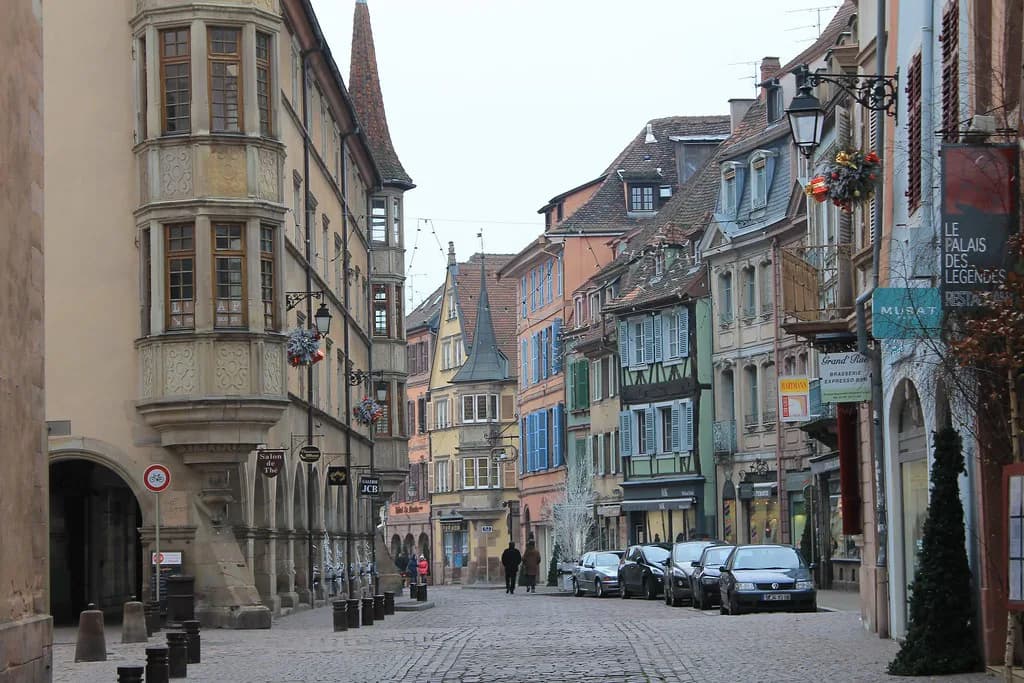
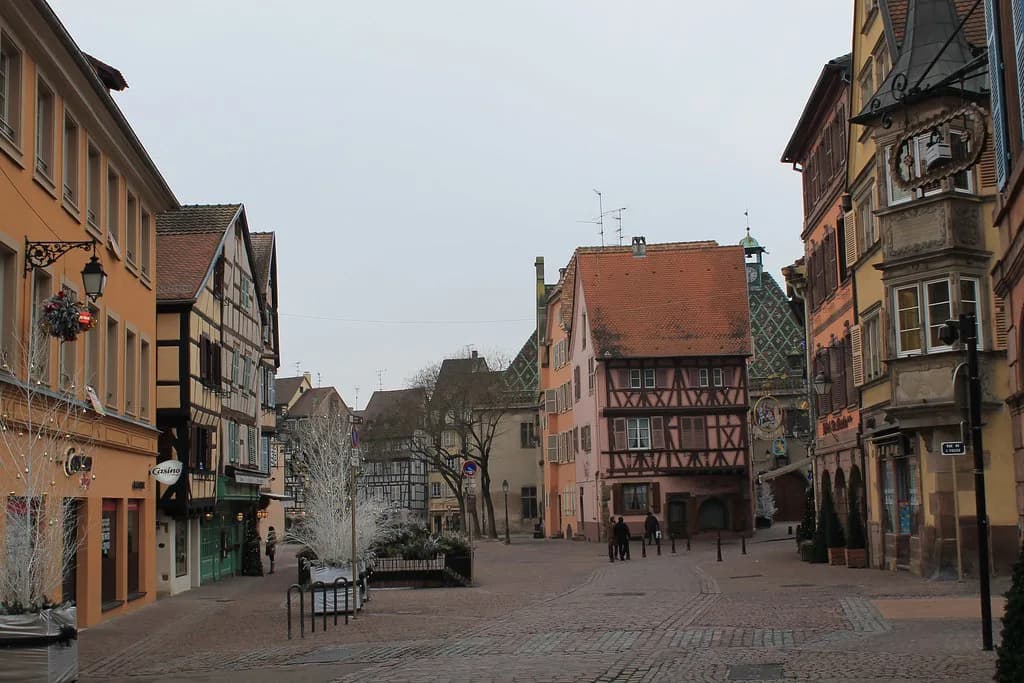
Turckheim is a walled village on the western edge of the Colmar plain, and the domaine's presence there makes it a natural pairing with a day built around wine tasting in Colmar rather than a detour far up the Route des Vins d'Alsace. The winery is listed as a producer in Alsace, France in public winery databases, which is enough to confirm it exists and receives visitors in some form.
What draws travelers is the estate's association with single-vineyard Alsace bottlings, including Riesling from the Brand grand cru, which is why the name shows up in retail catalogs far beyond France. Background write-ups of the domaine exist, but the most accessible one is currently being rewritten and carries no practical visit information, so treat it as context rather than a planning tool.
Plan Turckheim as a half-day anchor rather than a full day: the village itself is compact, and its position means you can add one or two smaller tasting stops around it and still return to Colmar for dinner. If you are comparing bases, Colmar wins on transport, since Turckheim's train station and bus links feed directly into the city. For a Burgundy counterpart to this kind of estate-led day, see the Dijon wine guide.
Turckheim and the Colmar base: how the village fits a day
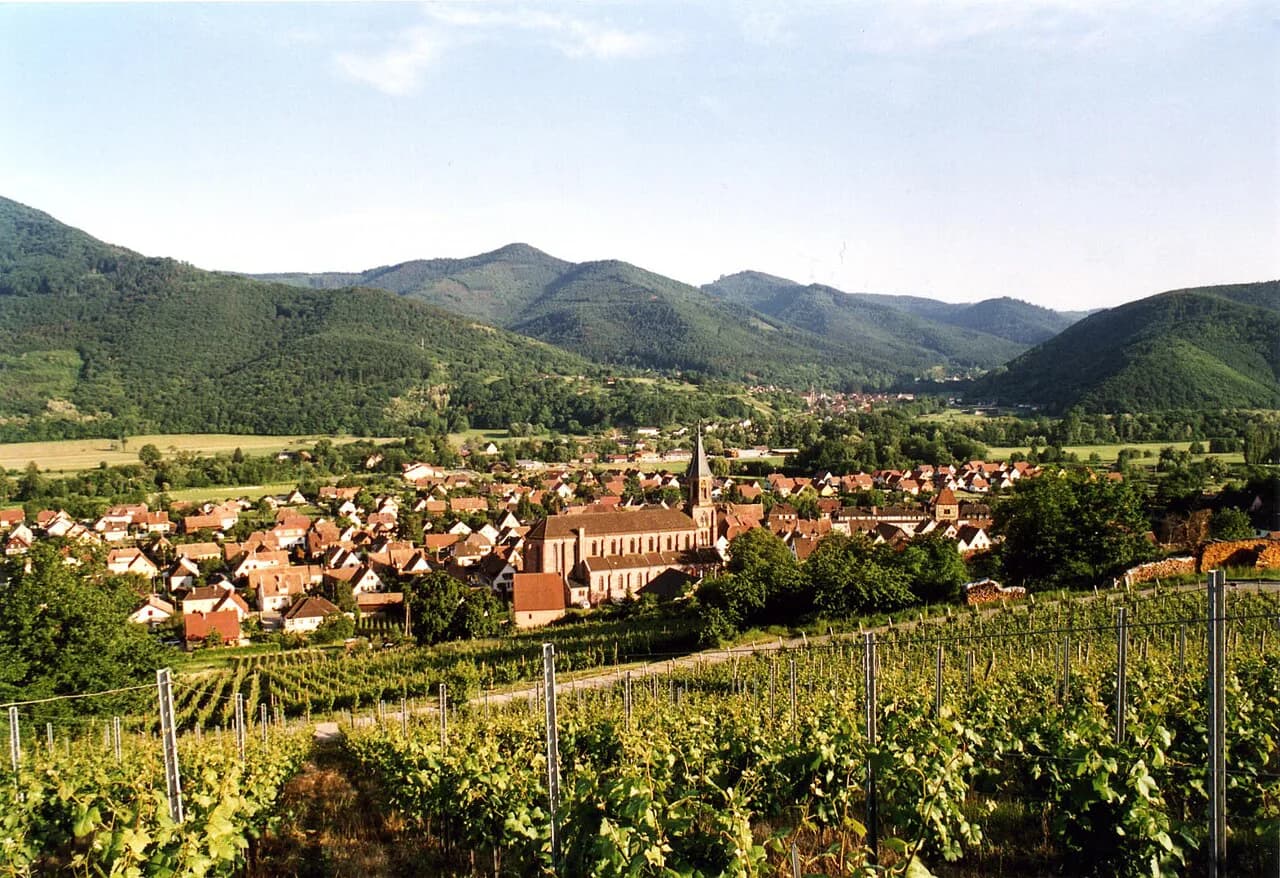
Turckheim's old town is small enough to walk in twenty minutes, with the Porte du Brand gate at one end and vineyard slopes rising immediately behind the houses. That layout matters for planning: you arrive, taste, and can walk the surrounding vines without needing a car between stops.
The sensible structure is one main appointment plus one flexible walk-in stop. Domaine Zind-Humbrecht is the fixed point; a cooperative or small family cellar in Turckheim or neighbouring Niedermorschwihr fills the rest of the morning. Signage across the Route des Vins d'Alsace marks tasting rooms, so wandering the main street usually turns up an option without a reservation.
Keep the drive from Colmar in perspective: it is a short hop on the plain road, so even a taxi is a modest commitment and works well if you are carrying bottles back. Staying in Colmar also puts you within reach of Eguisheim and Kaysersberg on other days, which is why most wine travelers use the city as a hub rather than staying in a village.
Before you go: the appointment culture in Alsace
Alsace domaines are small, family-run operations, and tasting is usually arranged rather than spontaneous. Some estates keep fixed open hours for retail sales, while others receive only people who have written ahead, so an unannounced arrival at a name like Zind-Humbrecht is a gamble.
The practical move is to request a slot several weeks before a spring, summer or autumn trip, and earlier for harvest season, when the same families are working the vines. Weekday mornings get better responses than weekends in most small estates because the cellar work happens early.
Where to send the request is the one detail to confirm on arrival in Colmar or through your accommodation, since the domaine's current contact channel and reception days change with staffing. Ask your hotel or the Colmar tourist office for the current contact route before you commit a day to Turckheim.
What to ask when booking: a booking script for Alsace
Write the request in French or English, keep it short, and include four things: the date and preferred time window, the number of people, whether you want a cellar visit as well as a tasting, and the language you would like the visit conducted in. Alsace estates routinely host in French, English and German, but you need to ask rather than assume.
Ask directly whether the tasting is seated, how many wines are typically poured, and whether it focuses on entry-level cuvées or the single-vineyard bottlings. Also ask whether a fee applies to the tasting and whether it is waived against a purchase, since small estates handle this differently. Ask whether children or non-drinkers can come along, which matters for mixed groups.
Build in a confirmation a few days before the visit, especially if you are traveling in October or during the pre-harvest weeks when cellar schedules shift. If the domaine cannot take you, ask them to suggest a colleague in Turckheim or Niedermorschwihr; local referrals are how many small estates fill their own gaps.
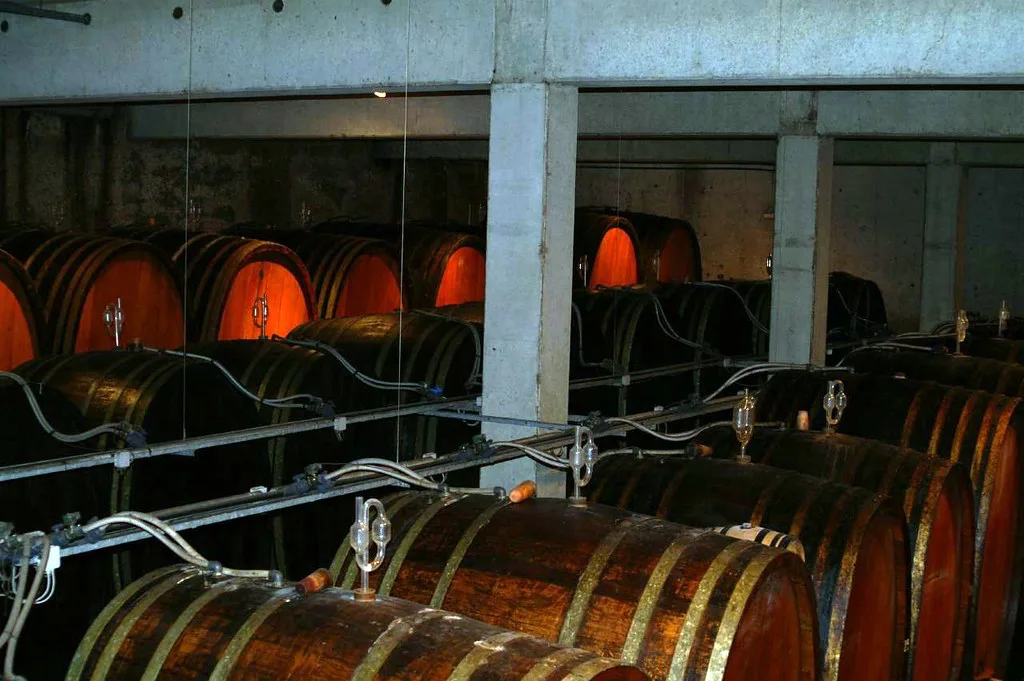
The wines to know before you arrive
Alsace labels are unusually friendly: most bottles name the grape rather than the village, so Riesling, Pinot Gris, Gewurztraminer, Muscat and Pinot Blanc are what you look for on the shelf. Riesling here is typically dry and steely rather than sweet, Pinot Gris is fuller and often off-dry, and Gewurztraminer is aromatic and low in acidity. Knowing this in advance changes what you ask to taste.
The Brand grand cru is a granite-based vineyard site where Riesling is the classic bottling, and it is the sort of name that appears on retail listings well beyond Alsace. If you want to compare a grand cru against a village-level wine in the same tasting, say so in your booking request, because a small estate may only open certain bottles for visitors who ask.
Reading Alsace labels: grape, village, grand cru, vendange tardive
Alsace has three appellation tiers worth recognizing: Alsace AOC, Alsace Grand Cru with a named vineyard, and Crémant d'Alsace for sparkling wine. A bottle labeled grand cru must come from one of the recognized sites and follow stricter rules, which is why the vineyard name appears prominently on the label.
Vendange tardive means late harvest, and these wines are sweet and made from ripe, concentrated grapes; sélection de grains nobles is sweeter still and made from botrytised fruit. Neither is an everyday pour, but both show up in tastings at the better estates, so knowing the difference keeps you from mistaking a dessert wine for a dry one.
Getting there without driving: trail, bus, taxi and tours
Turckheim has its own station on the Colmar–Munster valley line, with frequent short hops from Colmar throughout the day. Check the current timetable on the regional transport operator's site before you go, since the service pattern changes with the season and weekend schedules differ from weekdays.
Buses also link Colmar and Turckheim, and the ride is brief enough that a taxi is a reasonable fallback if you are running late for an appointment. A bicycle is another option on the flat plain roads, though you should be realistic about tasting and cycling in the same afternoon; spittoons exist for a reason.
Guided wine tours out of Colmar solve both the transport and the appointment problem, since operators hold relationships with estates and know which ones take walk-ins. The trade-off is fixed itineraries and fixed departure times, and a group pace that may not give you the long conversation you would get alone.
Independent visit versus guided tour: the real trade-offs
Going independently gives you the freedom to linger over a single flight, ask about a specific vintage, and add a spontaneous stop. It also means you handle the booking correspondence, the timetable risk and the onward transport yourself, and you get less interpretive context if the estate is busy.
A tour adds a driver, a scheduled route and often a guide who can explain the difference between a lieu-dit and a grand cru while you travel between villages. For a first visit to Alsace with only one free day, that structure usually beats trying to chain three estates by bus.
A driver in the party should not taste at all, and should use water and spittoons to stay clear-headed; public transport, a taxi or a booked tour removes the question entirely. This is not a technicality on Alsace's narrow village roads.
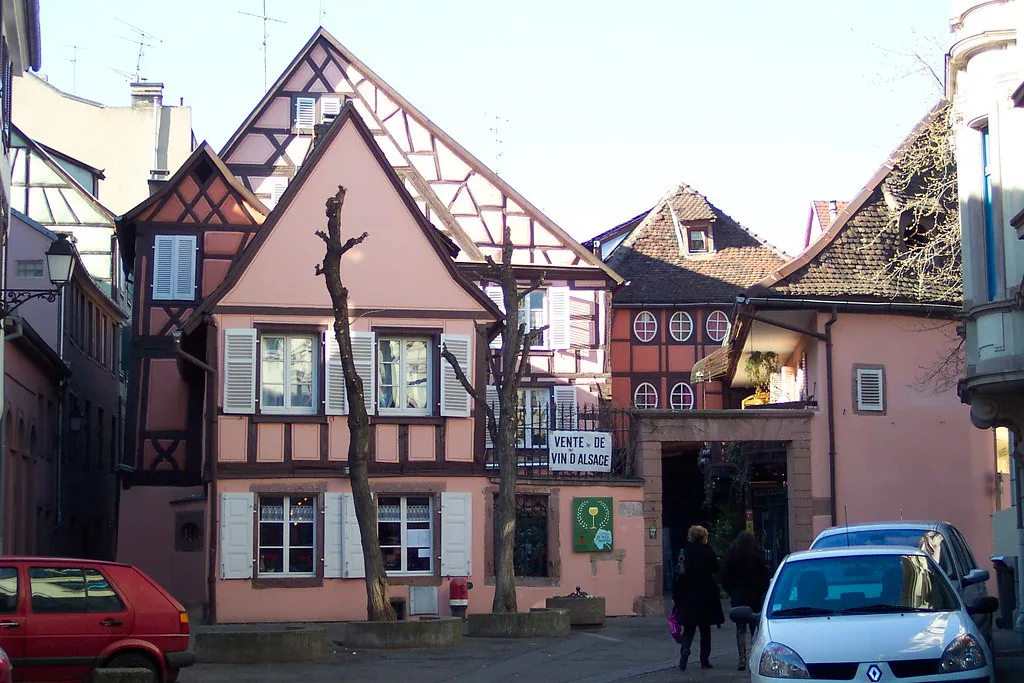
Sequencing Turckheim with other tasting villages
Turckheim pairs naturally with Niedermorschwihr just up the valley and with Eguisheim to the south, both a short drive or cycle away. Trying to add Kaysersberg or Riquewihr to the same day is possible but turns the day into a car marathon, so pick two villages maximum.
A realistic structure is a morning appointment in Turckheim, lunch in the village, and an afternoon walk-in stop nearby before returning to Colmar. If you only have one day, put the estate you care most about first, when your palate and the cellar staff are freshest.
Harvest timing and seasonality
Alsace harvest generally runs from mid-September into October, with the exact dates moving each year with the weather. During that window the region is at its busiest and the winemakers are least available, so request appointments earlier than usual and expect slower replies.
Late spring and early summer are the easiest months for arranging a visit, when estates have time for longer conversations and the vineyards are green. Winter is quiet and some small domaines close to visitors entirely, so a winter trip needs a confirmed reply before you build a day around it.
Plan Your Turckheim Visit
Treat Domaine Zind-Humbrecht as the anchor of a Turckheim morning rather than a spontaneous stop, and settle the date, party size and visit format in writing well ahead of your trip. Confirm the current contact route and reception days once you are in Colmar, then build the rest of the day around a short train, bus or taxi ride.
If you want the wider context before you book, read up on the grape hierarchy and the villages around Colmar, then choose between an independent day and a guided one based on how many stops you actually want. A driver should stay off the glass entirely, and everyone else should taste slowly and use the spittoon.
Frequently Asked Questions
Is Zind-Humbrecht in Turckheim or Colmar?
The domaine is in Turckheim, a village west of Colmar on the plain below the Vosges. Colmar is the practical base, since it has the train station, hotels and bus links that feed Turckheim and the surrounding wine villages.
Can I get to Turckheim from Colmar without a car?
Yes. Turckheim is served by train on the Colmar to Munster valley line and by local buses, and a taxi is a short, affordable fallback. Check the current timetable with the regional transport operator, because weekend and seasonal schedules differ.
Do I need an appointment to taste at an Alsace domaine?
For a name like Zind-Humbrecht, assume yes. Small Alsace estates often receive visitors by arrangement only, and writing several weeks ahead is the reliable approach, especially during harvest.
What wines is Domaine Zind-Humbrecht known for?
The estate is associated with single-vineyard Alsace bottlings, notably Riesling from the Brand grand cru. Alsace labels generally name the grape, so you can orient yourself around Riesling, Pinot Gris, Gewurztraminer and Muscat before you arrive.
What should I include in a booking request?
Give the date and time window, the number of people, whether you want a cellar tour with the tasting, and the language you prefer. Also ask whether a tasting fee applies and how many wines are typically poured.
When is harvest in Alsace?
Harvest usually runs from mid-September into October, with the dates shifting each year with the weather. That period is the busiest and the hardest for securing appointments, so book early if you plan to travel then.
Sources
Notes for your next wine trip
Optional updates to our winery and wine-town guides.
You might also like
Continue reading
More guides you'll find useful