Wine Tasting in Dijon: Cellars, Estates and Day Trips
Plan wine tasting in Dijon with city wine bars, named Burgundy estates that welcome visitors, guided tour prices, and the Route des Grands Crus by bike.
On this page
Dijon is the practical northern anchor for a Burgundy tasting trip: the city sits at the top of the Route des Grands Crus, the historic wine road that runs south through the Côte de Nuits and on into the Côte de Beaune. That position means you can taste in town on arrival, then spend your vineyard day moving in one direction rather than crisscrossing the region. This guide covers the city bars, the estates that openly receive visitors, the booking culture, and the car-free options.
One planning principle shapes everything below: fewer visits, better placed. Two estates in a day is a realistic ceiling once you count travel, cellar time and lunch, and grouping villages by geography saves more time than chasing a famous name. A driver in the party should not taste at all, so build the day around spittoons, a hired driver, a tour, or the bike and rail options.
Why Dijon Works as a Tasting Base
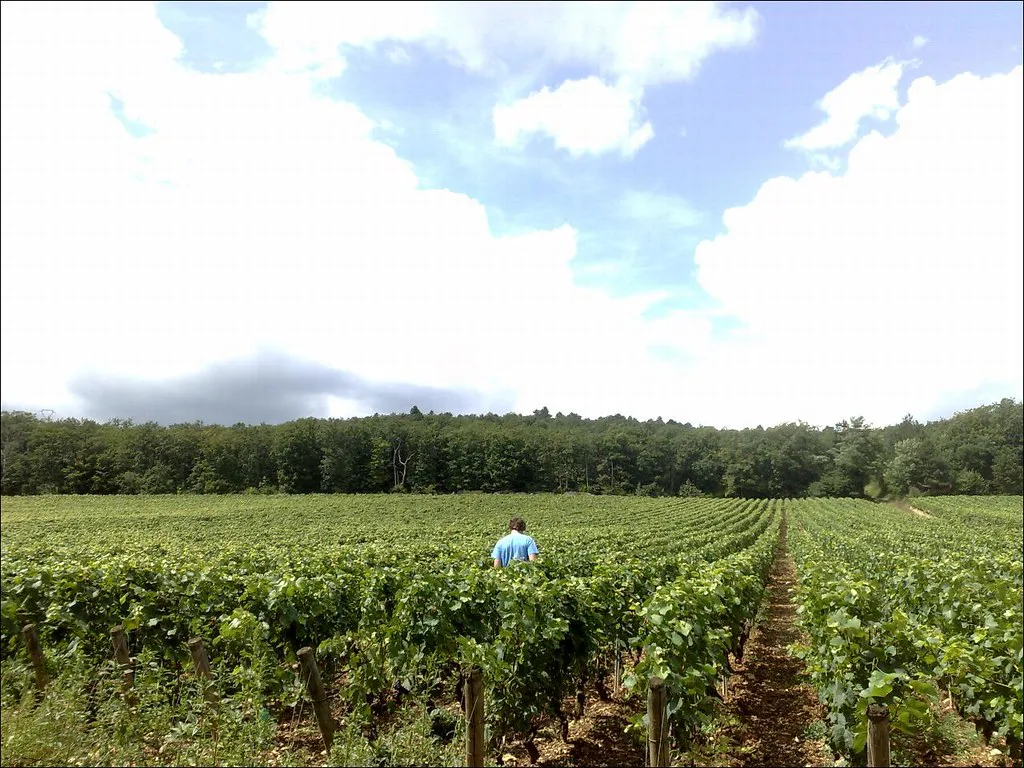
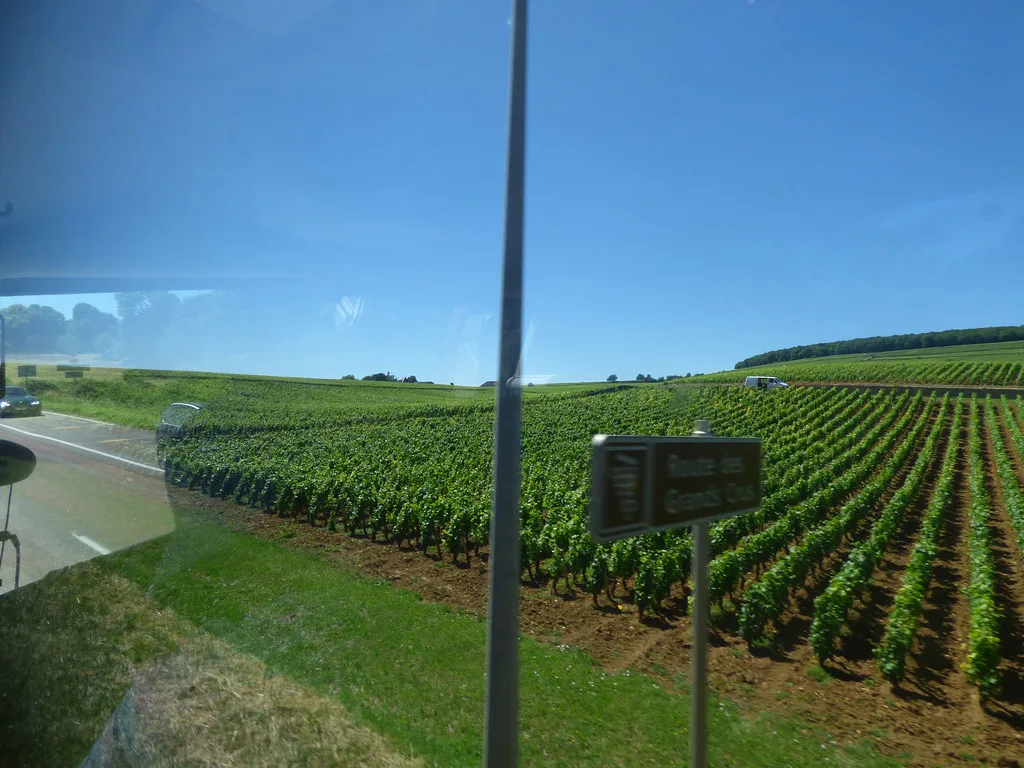
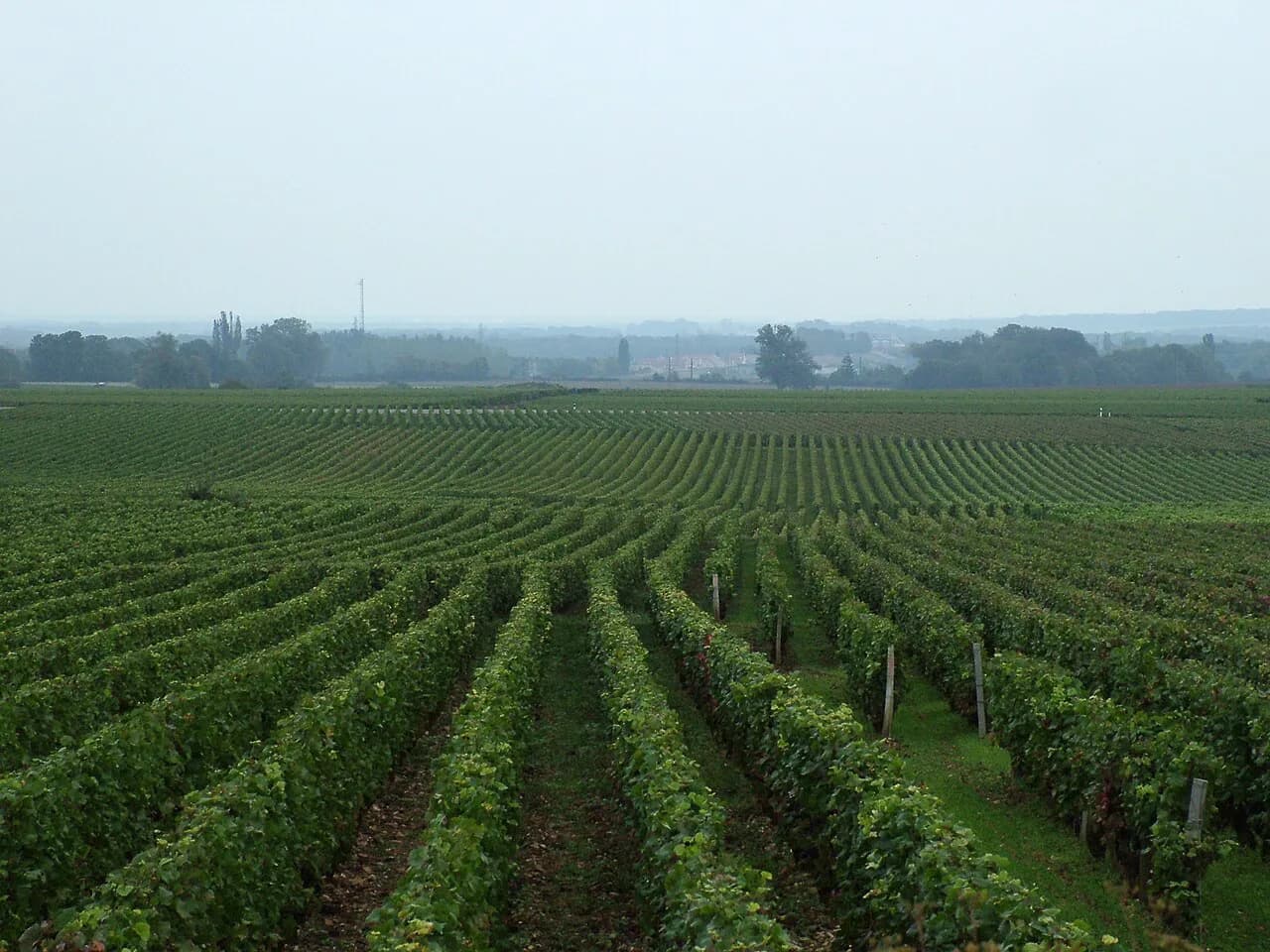
The Route des Grands Crus is usually described as running from Dijon south to Santenay, roughly 60 kilometres through 37 wine-growing villages and 32 Grand Cru appellations. The northern half, the Côte de Nuits, is the Pinot Noir heartland around Gevrey-Chambertin, Vosne-Romanée and Nuits-Saint-Georges; the southern half, the Côte de Beaune, shifts toward Chardonnay country around Meursault, Puligny-Montrachet and Chassagne-Montrachet.
That layout makes Dijon the natural first stop for the northern villages and Beaune the natural hub for the southern ones. If your list is heavy on Gevrey-Chambertin, Marsannay, Fixin and Vosne-Romanée, sleep in Dijon; if Pommard, Volnay and the great white villages dominate, a night in Beaune shortens the driving. Splitting a two-night stay between the two towns is the cleanest solution.
The city itself is more than a bed for the night. Dijon is also the entry point for the Cité Internationale de la Gastronomie et du Vin, which the regional tourism board names as a must-see and which runs wine workshops alongside its exhibitions, a sensible wet-weather or arrival-afternoon stop.
Burgundy in Brief: Grapes, Appellations and Climats
Almost everything you will taste here is Pinot Noir or Chardonnay, plus a little Aligoté and the sparkling Crémant de Bourgogne. The useful mental model is hierarchical: a regional Bourgogne label, then a village wine named for its commune, then Premier Cru and Grand Cru bottlings from named parcels within that commune. Village-level wines are where most travellers should start, because they show the regional style without the Grand Cru premium.
The word Climat, capitalized, has nothing to do with weather. In Burgundy it means a precisely delimited, named plot of vines, often fixed for centuries, and the regional tourism board counts about 1,200 of them, listed as UNESCO World Heritage since 2015. This is why two wines from the same village can carry different names and prices: the label points to the plot, not just the commune.
For choosing where to go, the appellation map is more useful than any ranking. Côte de Nuits villages suit red-leaning palates; the Côte de Beaune's Puligny-Montrachet, Chassagne-Montrachet and Meursault sit at the center of white Burgundy. Aloxe-Corton, at the transition between the two, is a reasonable single stop if you want one visit that spans both colours.
Start in the City: Wine Bars Before Vineyards
Arrival day is better spent in Dijon's wine bars than in a car. Tasting by the glass lets you calibrate what you actually like, ask the staff questions, and decide which villages deserve a visit tomorrow; the area around rue Musette is described as dense with wine shops and bars carrying serious selections. It is also the cheapest way to learn the regional vocabulary before you sit down opposite a winemaker.
A practical order of play at the bar: begin with a Bourgogne Villages pour to establish the baseline, then try one village wine from the Côte de Nuits and one from the Côte de Beaune side by side. If the bar offers a blind flight, take it, since tasting without labels removes the price bias and reveals which villages genuinely suit you. Note the names you enjoy and use them to pick tomorrow's appointment.
Keep the evening modest if you have an estate booked the next morning. Palates tire, and a heavy night flattens the sensitivity you need for a structured cellar visit; a short flight and an early dinner is the better trade.
Named Estates and Houses That Receive Visitors
Several houses along the route are named by the regional tourism board as places to taste. Domaine Rion in Vosne-Romanée runs a barrel-cellar tour with a family member and finishes with a tasting of six to eight vintages; Château de Pommard, in Pommard, combines biodynamic viticulture with a medieval history and offers bespoke tastings. Both sit in the Côte de Nuits–Côte de Beaune corridor rather than in Dijon itself.
Two more suit different moods. Veuve Ambal at Montagny-lès-Beaune is Burgundy's Crémant specialist and runs guided or audio-guided tours of the house, a good choice for a group with mixed interest in still wine. Domaine Olivier Leflaive in Puligny-Montrachet offers a cellar visit, placing you directly in the white-wine heartland of the Côte de Beaune.
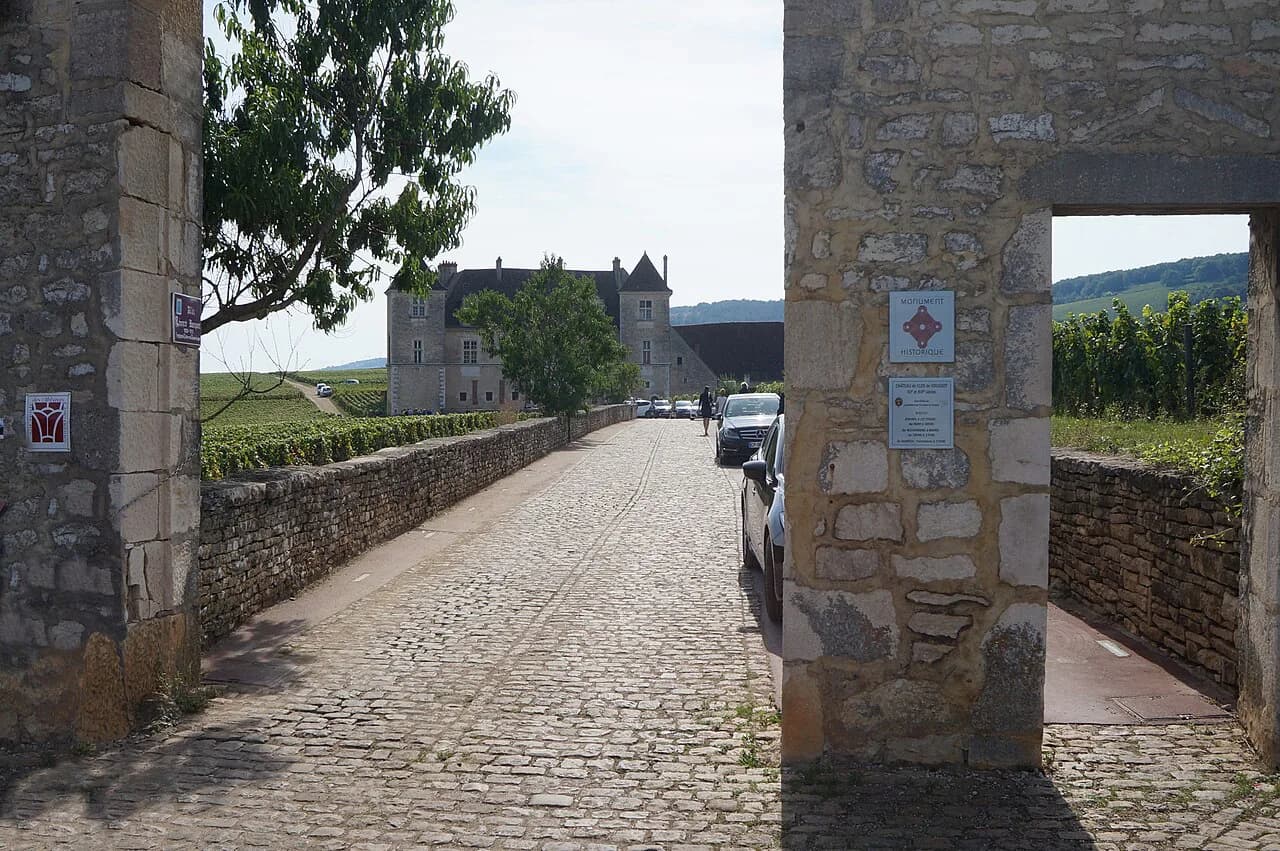
The Côte de Nuits also holds the most famous walled vineyard in Burgundy, and it is worth an hour even without a tasting appointment. The Clos de Vougeot encloses roughly 50 hectares inside five-century-old stone walls, and the château is a heritage stop in its own right. Pair it with a village visit nearby rather than making it the whole day.
What Each Visit Actually Involves
Formats vary more than first-timers expect, so match the booking to your group. A family-domain visit with a cellar walk and a flight of six to eight wines is a structured, seated experience of an hour or more; a bespoke tasting at a château leans on the setting and the host's selection; a guided or audio-guided house tour at a sparkling producer is more production-line and less intimate. Decide which of those three you actually want before you email.
Ask three questions when you book: how many wines are poured and at what level, whether the cellar or vineyard is included, and whether food is served. Burgundy estate tastings are commonly shorter and more formal than in other regions, and a visit without food needs a proper meal on either side. None of the sources here publish per-estate tasting fees, so ask the fee in the same email rather than assuming it is free.
For travellers who want the visit plus transport and a guide in one booking, organised days remove the logistics question entirely, and the published prices give you a benchmark for comparing against independent travel.
Booking Culture: Appointments, Alternatives and What to Write
Assume every estate visit is by appointment unless you have confirmed otherwise. Small family domaines receive visitors in fixed slots around cellar and vineyard work, and the biggest names in Gevrey-Chambertin and Vosne-Romanée fill earliest. Marsannay and Fixin, just south of Dijon, are repeatedly highlighted as generous, less-famous alternatives where a booking request is more likely to succeed at short notice.
A good request states your date and preferred time window, party size, whether anyone drives, the languages you speak, and the style you want, red or white, village or Premier Cru. Ask for the duration and the price per person in the same message. If you are booking a week ahead in harvest season, add a second-choice estate to the same email rather than sending separate enquiries.
Two appointments a day is the sane maximum. Beyond that the palate saturates, notes blur, and the third visit becomes an endurance test rather than a pleasure; use the saved time for a village walk, a meal, or the Cité des Climats et Vins de Bourgogne in Beaune.
Guided Tours from Dijon: What the Published Prices Cover
Authentica Tours, based between Dijon and Beaune, publishes starting prices per person on its own site and separates private from small-group formats. Private full-day options include a Premier and Grand Cru day from 655 euros per person for two adults with a supplement per extra adult, a Côte de Beaune day from 435 euros, and a gourmet day from 515 euros. A small-group Passion day is listed from 130 euros per person.
The same operator lists private two-day vineyard and heritage itineraries as well, which is the format to compare if you want a single fixed cost for the whole trip. Its guides are described as winemakers, sommeliers or similarly qualified wine professionals, and tastings are arranged at selected estates including Premier and Grand Cru levels.
The trade-off is straightforward. A guided day costs more than paying estate fees yourself, but it bundles transport, a knowledgeable host, and confirmed appointments, which matters most for a couple with no driver or for anyone targeting famous appellations at short notice. Going independently is cheaper and more flexible, but you do the booking, the driving and the navigating.
Getting Around Without Driving
The region's car-free option is the Voie des Vignes, a 72-kilometre signed cycle route from Dijon to Santenay that threads through the vineyards away from heavy traffic. It suits a fit rider doing one section rather than the whole line: pick up in Gevrey-Chambertin or Nuits-Saint-Georges, ride a stretch, and return by train. Beaune has bike rental and guided bike-and-wine tours if you prefer company and a booked tasting.
Walkers have the GR de Pays des Grands Crus, marked with yellow and red waymarks through the Côte de Nuits and Côte de Beaune vineyards. It is the most authentic way to link two villages on foot and works well for a half-day loop with a single estate booking in the middle. Rail connections reach Dijon, Beaune and several vineyard towns, so a train-plus-bike or train-plus-walk day is realistic.
Taxis exist but are scarce in the villages and expensive over the length of the route, so book a return transfer when you book the tasting rather than hoping to flag one down. If nobody in your group wants to abstain, the tour or the train is the honest answer.
A Realistic One-Day and Two-Day Shape
For one day from Dijon, head south through the Côte de Nuits: a morning visit around Vosne-Romanée or Gevrey-Chambertin, a stop at the Clos de Vougeot, lunch in Nuits-Saint-Georges or Beaune, and one afternoon appointment in the Côte de Beaune. That is two estates, one heritage site and one meal, which is a full day once travel is counted.
For two days, split the route rather than repeating it. Day one stays north: Marsannay, Fixin, Gevrey-Chambertin, Vosne-Romanée. Day two moves to the Côte de Beaune for Pommard, Meursault and Puligny-Montrachet, with the Cité des Climats et Vins de Bourgogne in Beaune as the culture stop that explains the Climat system you have been drinking.
Visitors who want a different French wine region for comparison can look at how tastings are organized elsewhere, including wine tasting in Avignon as a Rhône Valley contrast or the Reims wine guide for Champagne houses and cellar tours, but keep the Burgundy days geographically tight rather than commuting long distances between regions.
Harvest Season and How It Changes a Visit
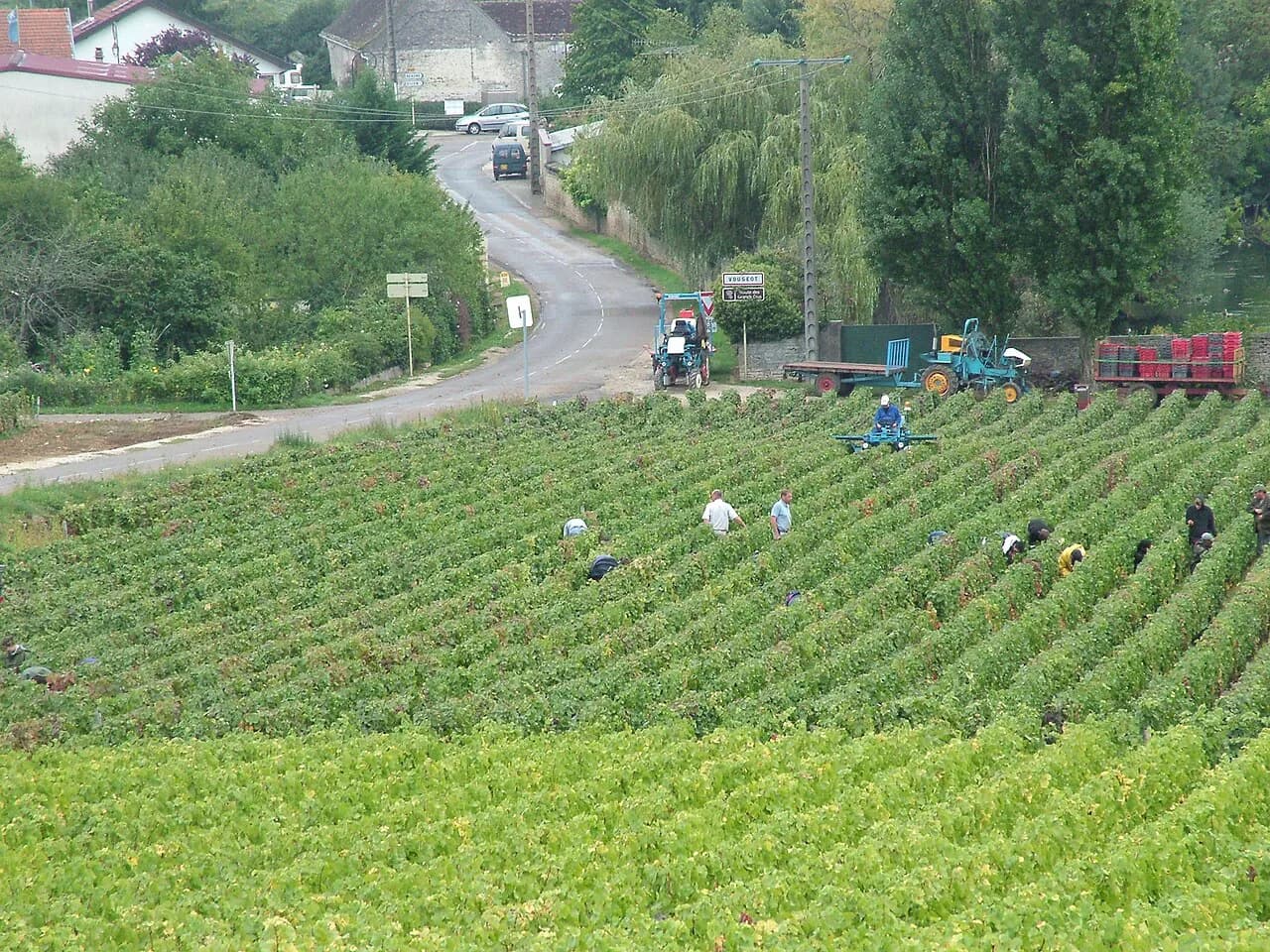
Harvest is the one period when the vineyard, not the visitor, sets the schedule. Cellar teams are consumed by picking, pressing and fermentation, appointment slots shrink, and the roads carry tractors and bins; exact dates shift year to year with the weather, so ask your chosen estate when they expect to be picking rather than planning around a fixed calendar week.
Outside harvest, late autumn and winter are quiet and easy to book, spring brings budbreak and lighter crowds, and summer is peak demand. If your dates are fixed in September, book further ahead and accept that some domaines may simply not receive visitors during picking.
Where to Sleep and Eat Around the Vineyards
If a second day outside Dijon appeals, base yourself in the vineyards rather than driving back north each night. The tourism board lists vineyard stays including Maison Prosper Maufoux in Saint-Aubin, a guest house in a historic château where a tasting of the estate's wines comes with the booking, and the Ermitage de Corton just outside Beaune, which suits families.
For eating, the same source points to village restaurants such as Le Charlemagne in Pernand-Vergelesses, Au Clos Napoléon in Fixin and Le Grenier à Sel in Nuits-Saint-Georges, plus wine bars and caves à manger along the route. Book lunch as carefully as you book the estate, since a two-estate day depends on a proper midday meal.
Plan Your Dijon Wine Day
Treat Dijon as your northern base, taste in town on the first evening, and then move south through the Côte de Nuits toward Beaune on the day that matters. Choose two estates whose formats differ, confirm the appointment and the fee directly by email, and decide early whether the day runs on a hired driver, a published-price tour, or the bike-and-train combination.
Volatile details such as opening days, seasonal closures and per-estate tasting fees change, so confirm them with the estate when you book rather than relying on any guide. The structure above, geography first and two visits a day, holds whatever the season throws at you.
More wine guides from Dijon
Frequently Asked Questions
Do you need a car for wine tasting from Dijon?
Not necessarily. Dijon has city wine bars, guided tours run from Dijon and Beaune with transport included, and the Voie des Vignes cycle route plus the GR de Pays hiking trail link the vineyards. Trains connect the main towns. What you cannot rely on is flagging a taxi in a village, so pre-book transfers if you are going independently.
Can you taste Burgundy wines in Dijon without leaving the city?
Yes. The centre, particularly around rue Musette, has wine bars and shops pouring by the glass, which is the best way to learn the regional style on arrival day. Start with a Bourgogne Villages pour, then compare a Côte de Nuits red against a Côte de Beaune white before committing to vineyard appointments.
Which Burgundy estates near Dijon accept visitors?
Named houses that receive visitors include Domaine Rion in Vosne-Romanée, Château de Pommard, Veuve Ambal in Montagny-lès-Beaune and Domaine Olivier Leflaive in Puligny-Montrachet. Formats differ: cellar tour with a tasting of six to eight wines, bespoke tastings, guided or audio-guided house tours, and a cellar visit. Book by appointment.
How much does a guided Burgundy wine tour from Dijon cost?
Published starting prices vary widely by format. Private full-day tours are listed from several hundred euros per person for two adults, with a supplement per extra adult, while a small-group day is listed far lower. Check the operator's own site for current rates, what is included, and whether tasting fees are separate.
How far is the Côte de Nuits from Dijon?
The Côte de Nuits begins at the edge of Dijon and runs south through villages such as Gevrey-Chambertin, Vosne-Romanée and Nuits-Saint-Georges, forming the northern half of the roughly 60-kilometre Route des Grands Crus. The Côte de Beaune continues south from there, with Beaune as its hub.
Is it better to base in Dijon or Beaune for wine tasting?
Base in Dijon for the northern villages and in Beaune for Pommard, Meursault and the great white-wine villages. If your list spans both, split a two-night stay between the towns rather than commuting, and keep each day's visits geographically close together.
How many wineries should you visit in one day in Burgundy?
Two is realistic. Cellar visits run an hour or more, travel between villages takes time, and palate fatigue makes the third tasting far less useful than the second. Use the saved time for a heritage stop such as the Clos de Vougeot or the Cité des Climats et Vins de Bourgogne.
When is harvest in Burgundy and does it affect visits?
Harvest timing shifts with the weather each year, so ask the estate when it expects to pick rather than fixing a date. During picking, appointment slots shrink because cellar teams are fully occupied, and some domaines may not receive visitors at all.
Sources
Notes for your next wine trip
Optional updates to our winery and wine-town guides.
You might also like
Continue reading
More guides you'll find useful