Dijon Wine Tours: Côte de Nuits & Beaune Private vs Group
Plan a Dijon wine tour into the Côte de Nuits and Côte de Beaune. Compare private and small-group options, published prices, and how to reach the villages.
On this page
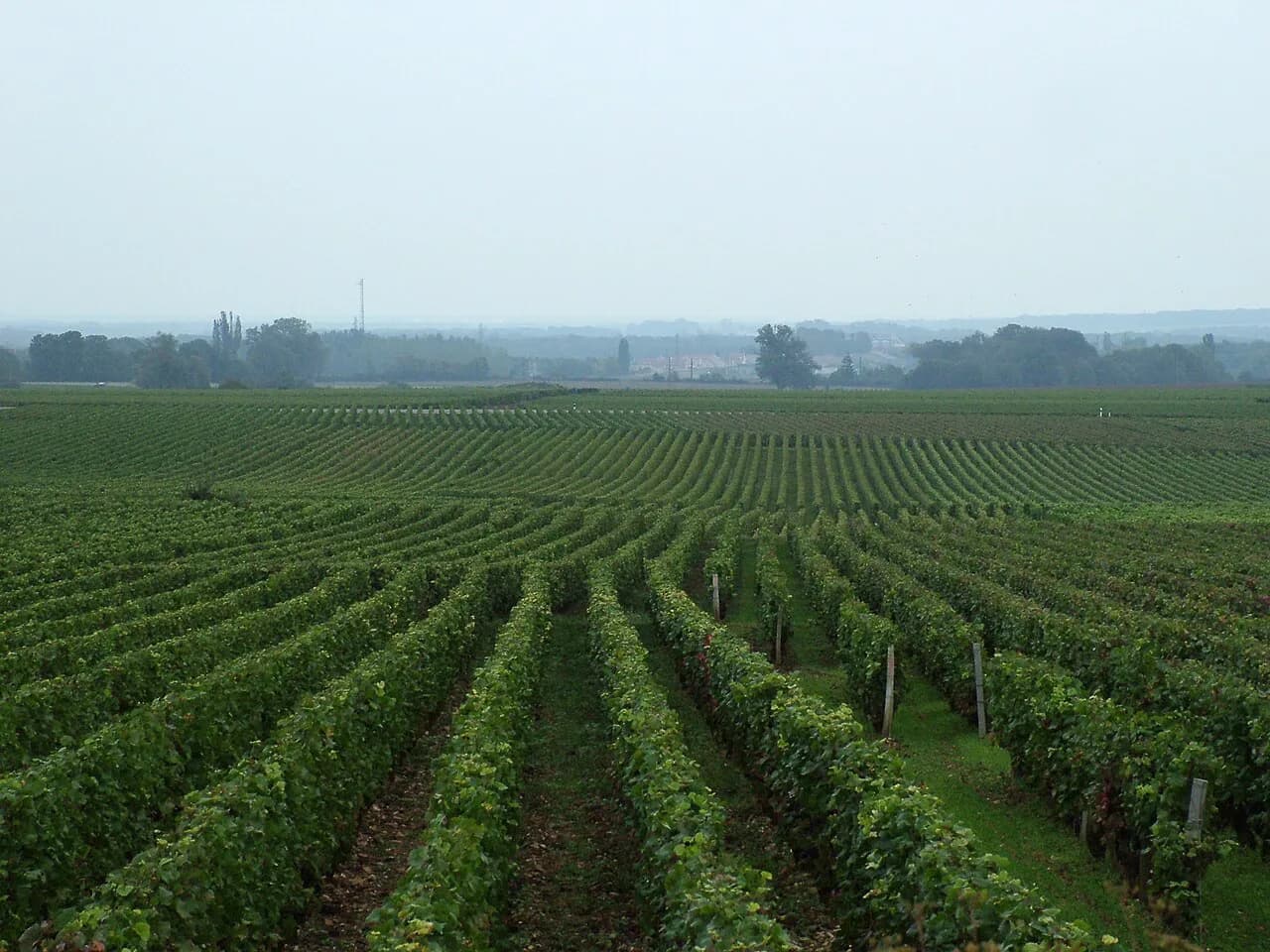
Dijon is the capital of Burgundy and the gateway to the Côte de Nuits, the narrow vineyard slope that runs south from the city through some of the most famous village names in Pinot Noir. Travelers based here can reach Gevrey-Chambertin, Chambolle-Musigny, Vosne-Romanée and Nuits-Saint-Georges in a short drive, while the Côte de Beaune and its white-wine villages lie further south around Beaune. This guide separates the two districts, compares what tour operators publish, and sets out how to build a day that fits your group, budget and appetite for driving.
Why Dijon Works as a Burgundy Wine Base
Dijon puts you at the top of the Côte de Nuits, so the Grand Cru villages begin almost at the city's southern edge and the drive to Gevrey-Chambertin is shorter than from Beaune. The city also has the rail links, hotels and restaurants that make an evening after a tasting day easy, and its own wine heritage in the old town gives you something to do on a rest day. The trade-off is distance: the Côte de Beaune villages such as Pommard, Meursault and Puligny-Montrachet sit south of Beaune, so a day there from Dijon means more time in the vehicle. If your priority is white Burgundy, consider splitting your stay or booking a full-day tour that starts early.
For readers still deciding where to taste in the city itself, our guide to wine tasting in dijon covers the cellars, bars and wine shops that make an evening in town worthwhile before or after a vineyard day. Pair it with a look at the wineries that welcome visitors around the region so you know which names to ask about when a tour operator offers a choice of estates.
Côte de Nuits Versus Côte de Beaune: Which Day to Book
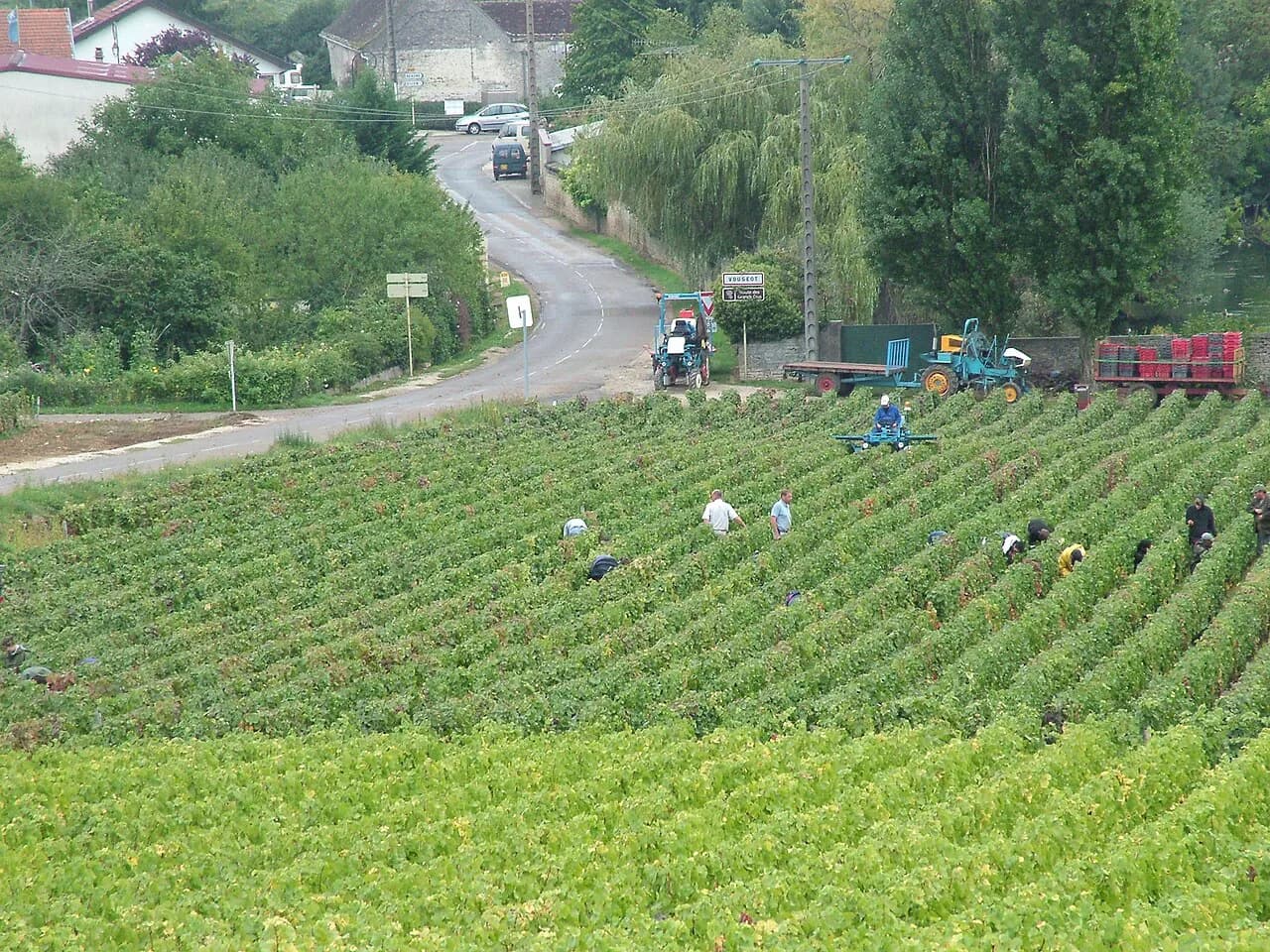
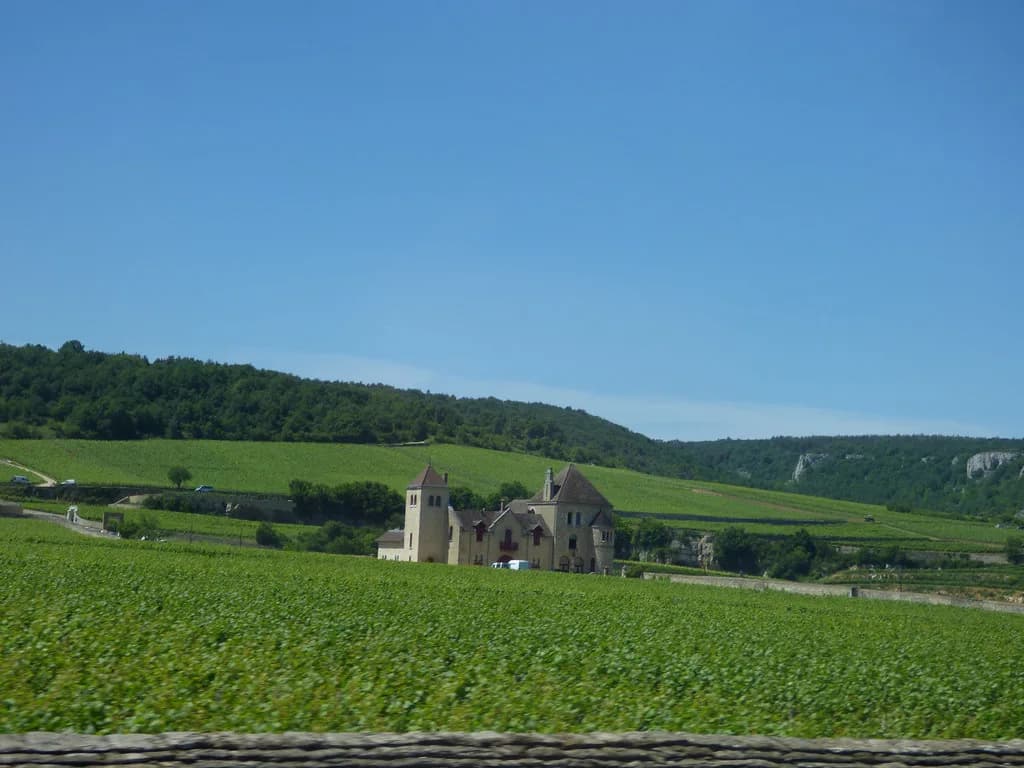
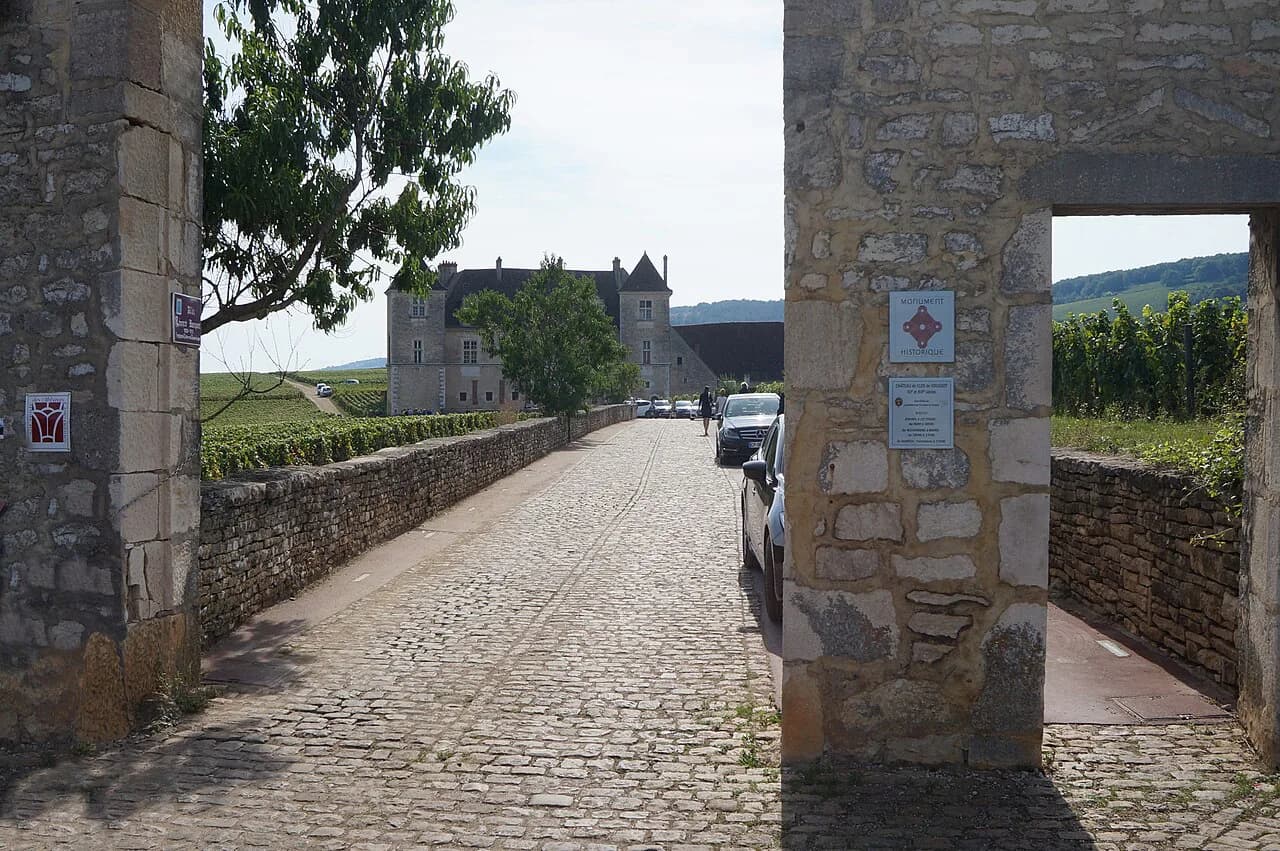
The Côte de Nuits is Pinot Noir country: Gevrey-Chambertin, Chambolle-Musigny, Vosne-Romanée and Nuits-Saint-Georges are the villages to group on a northern loop, and most of the celebrated red Grands Crus are planted on this slope. A day here mixes cellar visits with short drives between villages, and it is the natural choice from Dijon because the vineyard strip is close. The Route des Grands Crus from Dijon threads through these villages and is the spine of any self-drive or cycling day, with the Château du Clos de Vougeot as a landmark stop on the way.
The Côte de Beaune is more mixed: Aloxe-Corton for reds, Pommard for sturdy Pinot Noir, and Meursault and Puligny-Montrachet for Chardonnay. A day here is longer from Dijon but rewards travelers who care about white Burgundy, and it pairs naturally with time in Beaune itself. If you plan to concentrate on this district, our beaune wine tours guide explains how operators structure days out of Beaune, which is useful for comparing against a Dijon departure.
Private Full-Day Tours From Dijon: What Authentica Sells
Authentica Tours, based between Dijon and Beaune, runs private day tours with a guide and vehicle, and it publishes per-person prices on its site. Its Premier & Grands Crus day starts at 655 euros per person for two adults, with a supplement of 400 euros for each extra adult, and it is pitched at travelers who want the top appellations rather than a broad introduction. The Côte de Beaune private day is listed from 435 euros per person for two adults, with 200 euros per extra adult, and covers the Meursault, Puligny-Montrachet, Pommard and Aloxe-Corton villages. A Burgundy Gourmet day, which adds food stops such as truffles and Dijon mustard, starts at 515 euros per person for two adults, with 220 euros per extra adult.
The same operator lists a two-day Vineyards & Heritage private tour at 1,340 euros for two people and a half-day Côte de Nuits group tour at 350 euros for two people, which shows how much the price falls when you give up a full day or share the vehicle. It also advertises a Passion group day at 130 euros per person. All of these are published starting figures rather than fixed quotes, so the actual price depends on the itinerary, the estates visited and the size of your party; confirm the total when you book.
Private tours suit couples or small groups who want a specific village, a particular producer style or a lunch reservation at a named table, and the per-person cost drops as the party grows. The vehicles are described as Mercedes and Volkswagen minivans, and the company advertises pickup and contact seven days a week. Ask about the language of the guide, the pickup point in Dijon and the cancellation terms before you pay, because those details vary by booking rather than by tour name.
Small-Group and Half-Day Options
Small-group tours trade flexibility for price. RuedesVignerons lists guided half-day and full-day Burgundy wine tours departing from Dijon, with a one-day tour priced from 130 euros per adult among its options and other full-day products running several hundred euros. Treat these as listing figures that change with the season and availability, and read the itinerary to see which villages and how many estates are included before you compare them with a private day.
Half-day tours usually concentrate on one district so the driving stays short, which makes them a good fit if you have only a morning or an afternoon in Dijon. Full-day group tours cover more ground and often include a lunch stop, but they move at the pace of the group and may visit estates chosen by the guide company rather than by you. Tripadvisor's Dijon listings collect reviews and prices for many of these products in one place, which is a practical way to shortlist tour companies before you read their own sites.
What a Guided Wine Day Usually Contains
A typical full-day tour from Dijon includes two or three estate visits, at least one cellar walk-through, and a tasting at each stop, with the guide handling the driving and the introductions. Premier and Grand Cru wines are usually poured at one dedicated tasting rather than at every estate, since allocations are small and visits are arranged around what each domaine can offer that day. Lunch is often left free or booked separately, and some companies offer an estate lunch or a starred restaurant as an add-on; ask what is included rather than assuming a meal.
The quality of a tour often comes down to the guide, and operators vary between wine-schooled guides, working sommeliers and driver-guides with local knowledge. Ask whether the guide accompanies you into the cellars and translates, or waits in the vehicle, because that changes the day considerably. Group size matters too: a minibus of eight moves differently from a private car, and the number of estates you can fit in shrinks as the group grows.
Independent Tasting Without a Car
Burgundy's vineyard villages sit along a strip that is not well served by frequent local transport, so independent travel without a car relies on the regional rail line that runs through Dijon and Beaune with stops near the Côte de Nuits and Côte de Beaune villages. Trains connect the towns, but the domaines themselves are often a walk or a taxi ride from the station, and taxis are scarce in the villages at the end of the day. Plan a single village per day, book tastings that fit the train times, and expect to walk between the station and the estate.
Cycling is a realistic option for confident riders, since the vineyard roads are quiet and the distances between villages are short, but the slopes and the heat in late summer make it a physical day. Our guide to driving and cycling the route des grands crus sets out the geography and the village sequence, which helps you judge whether a bike day or a train-and-taxi day suits you better. Whichever you choose, someone in the party should stay off the wine: use the spittoons, appoint a designated driver, or book a tour so nobody drives after tasting.
Dijon Versus Beaune as a Base
Dijon is the larger city, with more hotel choice, better rail connections and a stronger restaurant and bar scene for the evening. Beaune is smaller and sits inside the Côte de Beaune, so the southern villages and the white-wine appellations are minutes away, and the town's own wine culture is concentrated around its hospices and cellars. The practical trade-off is simple: base in Dijon for the Côte de Nuits and city comforts, or base in Beaune for the Côte de Beaune and a shorter day south.
If you have three nights or more, you can split the stay and avoid the long transfer on a tasting day. With two nights, pick the district you care about most and book a tour that starts from your hotel, because the drive between Dijon and Beaune eats into the day. Travelers who prefer a guided format out of the southern town should compare the Côte de Beaune options with the Dijon departures before committing.
Appointment Culture: How Burgundy Domaines Work
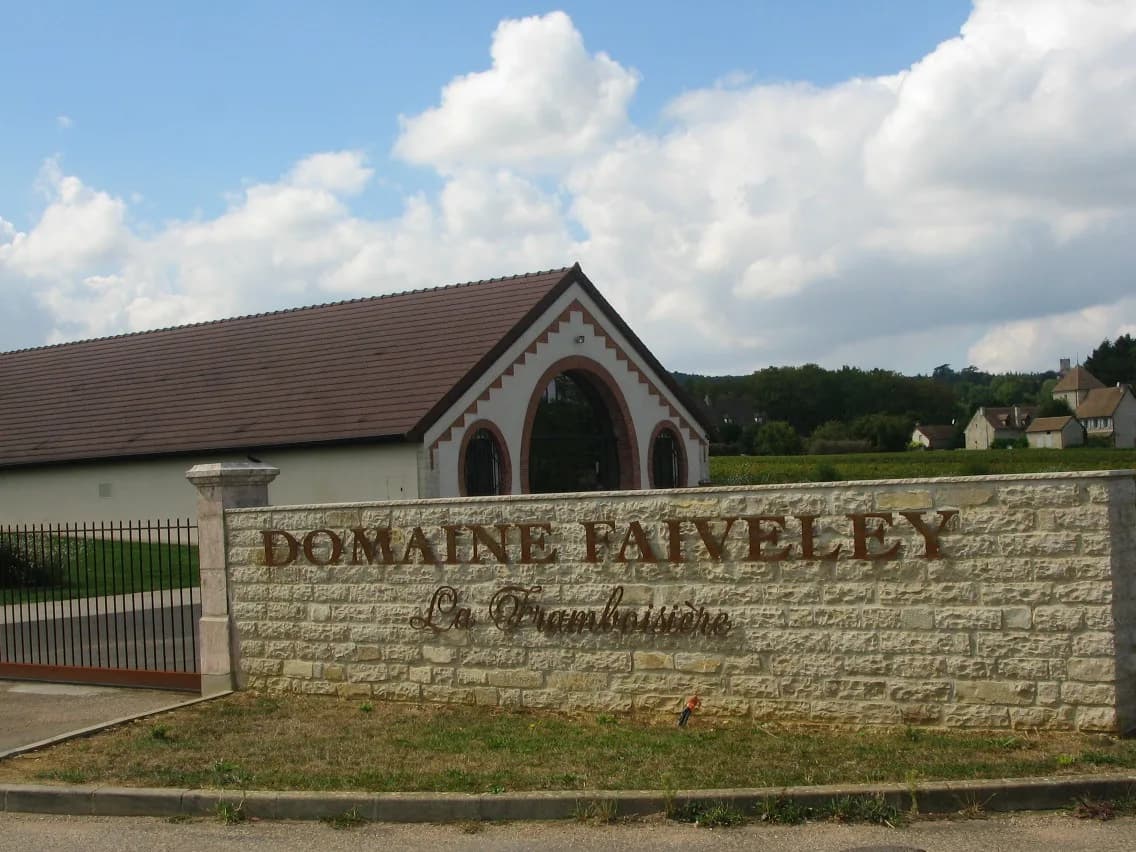
Most Burgundy domaines receive visitors by appointment rather than on a walk-in basis, because the person who pours is often the winemaker or a family member with work in the cellar. When you email or call, state your dates, the number in your party, the languages you speak and whether you want a cellar tour or just a tasting, and ask about the minimum party size and the duration. Small family estates may ask for a minimum of two or four people, and some charge for the tasting while others waive it against a purchase.
Book as early as you can for harvest-season visits, and expect the answer to depend on the day's work in the vines and the cellar. If a domaine cannot take you, ask for a recommendation or for a nearby estate that does receive visitors, since growers in the same village often know who has room. Keep your itinerary to one district per day so a single cancellation does not unravel the whole plan.
When to Go: Harvest, Seasons and Closures
The Burgundy harvest usually falls in September, and that is when domaines are busiest and least able to host visitors, so a late-September or early-October trip can mean fewer available appointments. Spring and early summer are comfortable for vineyard walks and cellar visits, and the villages are quieter than in high summer. Winter is the season for tasting in the cellars rather than in the vines, with shorter days and some estates closed over the holidays.
Published opening days and seasonal closures vary by estate and by year, and operators adjust their itineraries accordingly, so confirm the dates of your visit when you book rather than relying on last season's calendar. The tour operators' own sites list which days they run and what is included, which is the most reliable place to start for a specific date. Our roundup of dijon wineries is a useful cross-check for which estates and cellars currently receive visitors.
A Day in Dijon Itself
Dijon rewards a day of its own: the old town, the market and the wine shops give you a feel for Burgundy before you head into the vines, and the city's food culture is part of the wine story rather than a separate attraction. Tasting in town is a good option on arrival day, when you may not want to drive, and it lets you try a range of appellations before you commit to a village for a full day. Combine it with an evening meal and leave the vineyard day for when you are rested.
Practical Booking Decisions
Before you book, settle the group size, the language of the guide, the pickup point and the cancellation terms, because those four details drive both the price and the experience. Private tours are priced per person and fall sharply as the party grows, while group tours are priced per adult and run on fixed days. Ask whether tastings and entry fees are included in the quote or paid on the day, and get the answer in writing.
Compare the itinerary rather than the headline price: two estates with a Grand Cru tasting is a different day from four quick stops, and a lunch at an estate changes the rhythm. If you want to see the Clos de Vougeot, say so when you book, since it is a landmark that fits naturally into a Côte de Nuits day but not into every itinerary. For travelers continuing south, the avignon wine tours guide shows how the Rhône compares as a second wine region on the same trip.
Plan Your Visit
Choose your district first, then your format: the Côte de Nuits for a short run from Dijon and Pinot Noir, the Côte de Beaune for Chardonnay and a longer day south. Private tours from Dijon give you control over villages and pace at a per-person price that improves with the size of your party, while small-group and half-day tours keep costs down if you can accept a fixed itinerary. Book appointments early, confirm the inclusions and the pickup, and leave the driving to someone else so the tasting is the point of the day.
Frequently Asked Questions
How much does a Burgundy wine tour from Dijon cost?
Published prices range widely by format and party size. Authentica Tours lists per-person starting figures for its private days and lower rates for its group and half-day options on its own site, and RuedesVignerons lists per-adult prices for guided tours departing Dijon. Read each operator's current price list for your dates, then ask for a total quote that covers your party size, tastings and any extras.
Which is better to visit, Dijon or Beaune?
It depends on which district you want. Dijon is the better base for the Côte de Nuits, with more hotels, rail connections and evening options. Beaune sits inside the Côte de Beaune and shortens the drive to Pommard, Meursault and Puligny-Montrachet. With three nights or more, split your stay between the two.
Can you visit Burgundy wineries from Dijon without a car?
Yes, but with limits. Regional trains connect Dijon with the towns along the vineyard strip, and the domaines are then a walk or a short taxi ride away, with taxis scarce in the villages later in the day. Plan one village per day, book tastings around the train times, and consider a guided tour if you want to cover several estates in a day.
Do Burgundy wineries require appointments?
Most domaines receive visitors by appointment rather than by walk-in, because the person pouring is often working in the cellar. When you contact them, give your dates, party size and languages, and ask about minimum party sizes, tasting fees and duration. Book early for harvest season, when estates are busiest.
What should I ask when booking a Dijon wine tour?
Ask how many estates are visited, whether cellar tours and tastings are included in the price, whether lunch is included, the language of the guide, the pickup point in Dijon and the cancellation terms. Also ask whether the day can be tailored to a village or appellation you care about, such as the Côte de Nuits Grands Crus or the white wines of the Côte de Beaune.
Sources
Notes for your next wine trip
Optional updates to our winery and wine-town guides.
You might also like
Continue reading
More guides you'll find useful