Croatia Wineries: Where to Taste, Region by Region
Plan Croatian wine tasting from one base town: Istria's visitable cellars with posted hours, Dalmatian island clusters, booking etiquette and car-free options.
On this page
Croatian wineries are spread across two broad wine worlds: the Mediterranean coast and islands, and the continental interior. For a short trip, that split matters more than any top-ten list, because a sensible base town puts three or four cellars within a half-hour drive while a scattered list puts you on the road all day.
Istria is the easiest region to plan around named, visitable wineries, since several publish addresses, phone numbers and opening days. Dalmatia and the islands repay a different approach: pick one base, learn which grapes grow around it, and let the wineries you can reach shape the day.
Why a Region-by-Region Plan Beats a Winery List
Croatia's wine map is usually divided into a continental zone and a Mediterranean zone, and the coastal zone is further broken into Istria and Kvarner, northern Dalmatia, and central and southern Dalmatia. That structure comes from a Croatian wine directory that organizes producers by county with an interactive map, which is a useful starting point for seeing how far apart the cellars actually are.
The practical consequence is that a trip built around one base town almost always beats a trip that tries to cover Istria, Hvar and Pelješac in the same short break. Ferries, coastal roads and appointment slots eat time, and the tastings themselves are better when you are not watching the clock for the next transfer.
Choose your region first on grape preference and transport, then choose wineries. If you want structured visits with posted hours, start in Istria. If you want island scenery and a walkable base, build the trip around wine tasting in hvar and treat the mainland as a separate add-on.
The Tasting Zones and the Base Town for Each
Four zones cover most short wine trips. Istria works from Rovinj or Poreč, with Pula and Umag as secondary bases. Pelješac works from Korčula or Orebić. Hvar and Brač work from Hvar Town or Bol. Inland Croatia, around Zagreb, suits anyone already spending time in the capital and unwilling to add a ferry crossing.
Each base makes a different trade-off. Rovinj and Poreč give you the densest cluster of visitable Istrian cellars plus coastal restaurants. Hvar Town keeps transfers short on the island but adds ferry logistics. Korčula and Orebić put the Pelješac red-wine villages within a short drive or a ferry hop respectively.
Where the evidence is thin, plan around geography rather than promises. No published source here confirms specific visiting hours, fees or tour formats for Hvar, Brač, Pelješac or inland producers, so treat those zones as places to arrange visits individually rather than to turn up at a listed door.
Istria: How the Winery Belt Is Laid Out
Istrian wineries cluster in the north-west interior, in the hill country around Momjan and Buje, and in the flatter land toward Poreč and Pula. Momjan sits close to the Slovenian border, roughly half an hour's drive from the coast at Umag and a bit more from Poreč, while Nova Vas is about ten minutes from Poreč. Šišan sits just outside Pula.
That layout lets you group two or three stops in a single loop. A Momjan day pairs Kozlović and Kabola, both a short hop apart. A Poreč day pairs Roxanich at Nova Vas with the coast. A Pula day pairs Trapan at Šišan with the city.
Several Istrian properties keep fixed published hours, which is unusual in Croatia and makes independent planning much easier. Monday to Saturday opening is the common pattern, with Sunday closures at Kozlović and Kabola, which post schedules.
Named Istria Wineries and Their Visiting Details
Kozlović Winery sits at Vale 78 near Momjan, well off the main road among olive groves. Its published visiting hours are Monday to Saturday from 10 a.m. to 5 p.m., with an email booking line at visit@kozlovic.hr and a phone number for the cellar. Pair it with lunch nearby to fill a day.
Kabola Winery, at Kanedolo 90 near Momjan, occupies a traditional stone building with a wine cellar, a retail area, a tasting room and a small museum on winemaking. It publishes Monday to Saturday hours from 9 a.m. to 5 p.m. and takes bookings by phone and email; a visit here covers the cellar and the amphora-fermented style in one stop.
Cuj Winery, at Farnažine near Umag, combines a wine cellar, an olive mill and a tasting room with an open fireplace, and produces extra virgin olive oils alongside its wines. It posts daily hours from 9 a.m. to 3 p.m., which makes it one of the few options for a daytime stop any day of the week; contact is by phone or email.
Trapan Winery, at Giordano Dobran 63 in Šišan near Pula, works strictly by appointment, so fix a slot before you build a day around it. The modern tasting room has a large table and a fireplace, and the winery answers by phone and email.
Roxanich Winery, at Kosinožići 26 in Nova Vas about ten minutes from Poreč, also visits by appointment and is known for extended-skin-contact white wines, which makes a comparative tasting of several vintages of the same wine the natural format. Book by phone or email rather than turning up.
None of these properties publishes a tasting fee in the sources consulted, so ask about cost and about what is poured in your first message. The same applies to duration: a cellar tour plus a seated tasting typically fills more of an afternoon than a counter tasting, and only the winery can tell you which it runs.
Hvar and Dalmatia: Choosing Where to Taste on the Islands
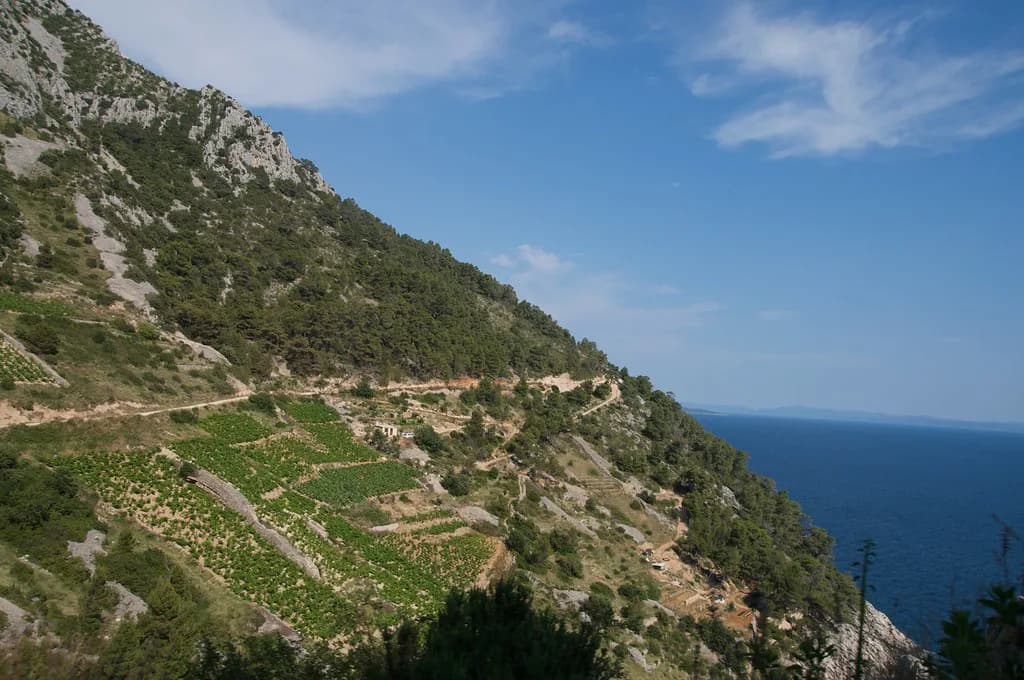
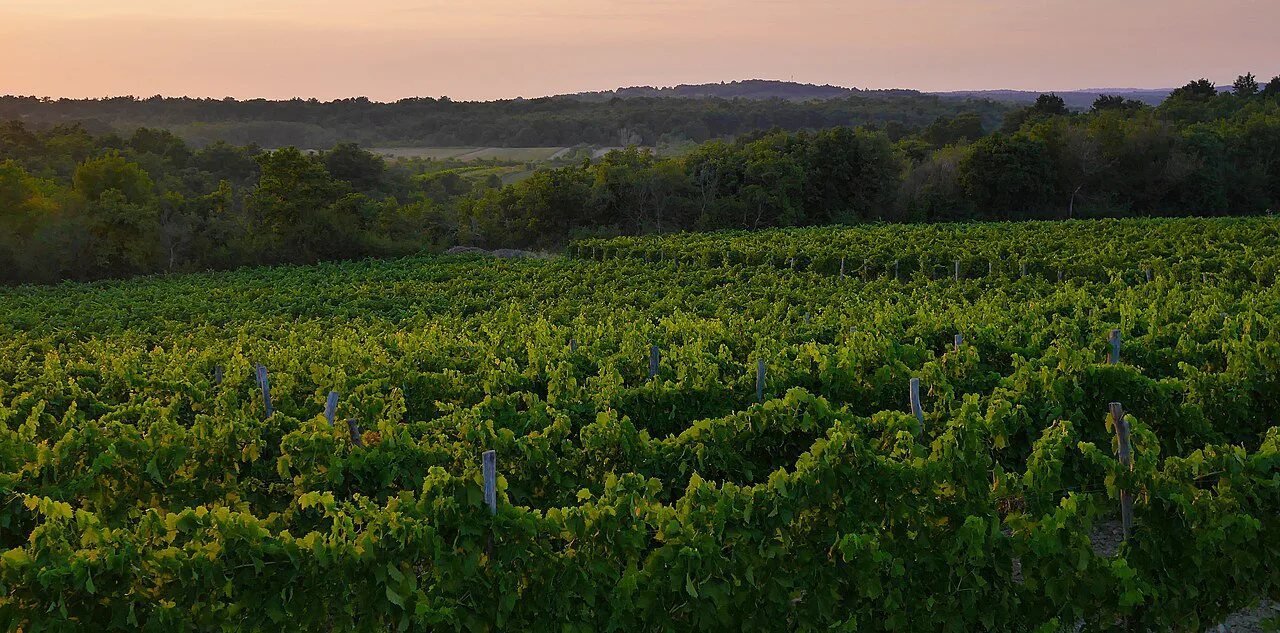
Dalmatian wine is dominated by reds from Plavac Mali and by a spread of island whites, and the appellations follow the coastline and islands rather than administrative lines. On Hvar, the grape and site variation between the island's sub-zones is the main reason to taste locally rather than choose by label alone.
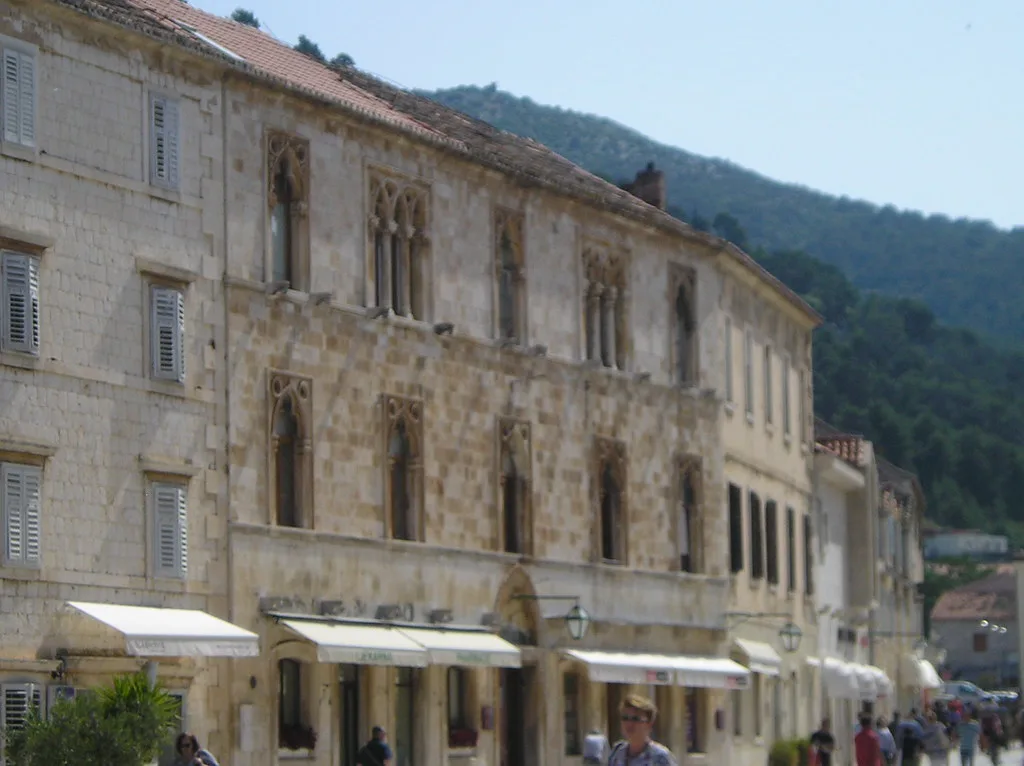
Base yourself in Hvar Town if you want to walk to dinner and keep transfers short, and expect to reach outlying cellars by taxi or a pre-arranged transfer. The island's winery cluster is best explored as a planned circuit, which is why the practical detail on hvar wineries matters more here than a list of names.
For readers who would rather not coordinate drivers and directions, a wine tour hvar operators run handles the transport and the timing. The trade-off is fixed itineraries and group pacing against independence and the freedom to linger at one cellar.
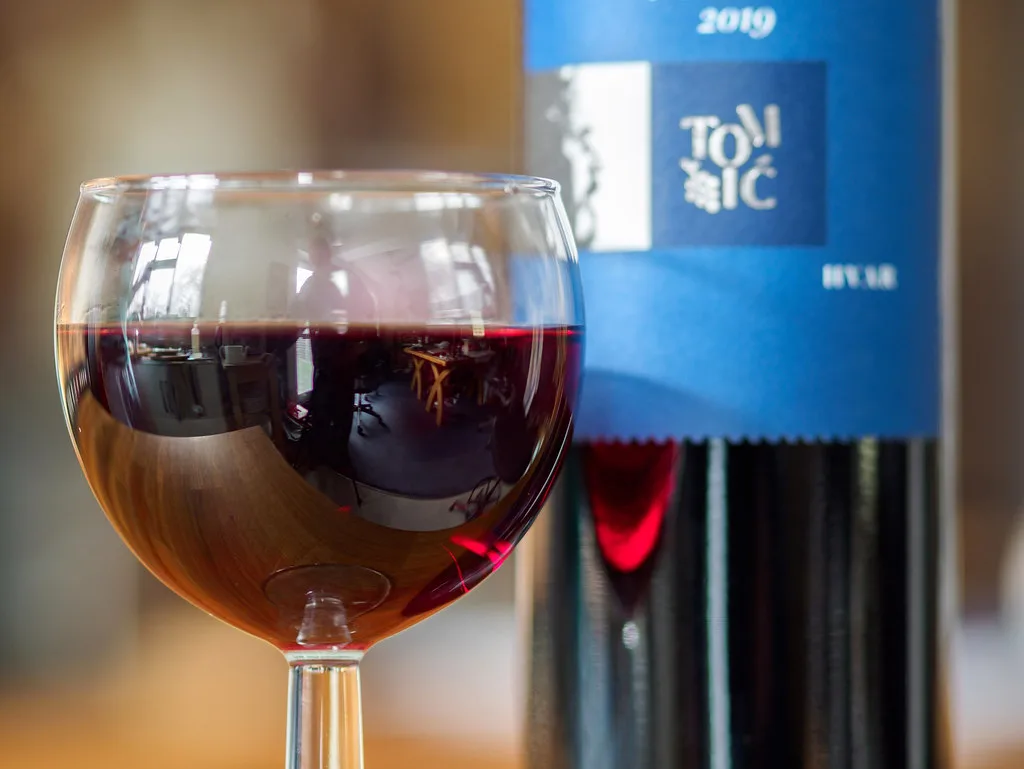
If you want a single named anchor for the island, start with Zlatan Otok on Hvar, a well-known island producer, and build the rest of the day around how far you are willing to drive or be driven.
Pelješac: Red-Wine Villages from Korčula or Orebić
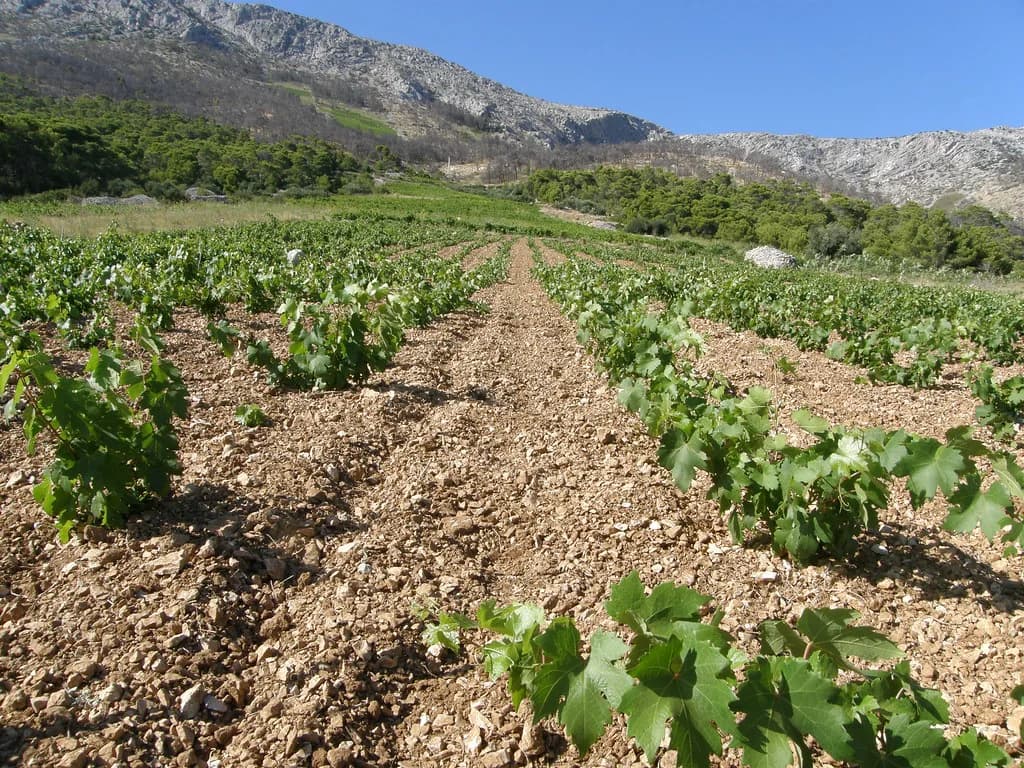
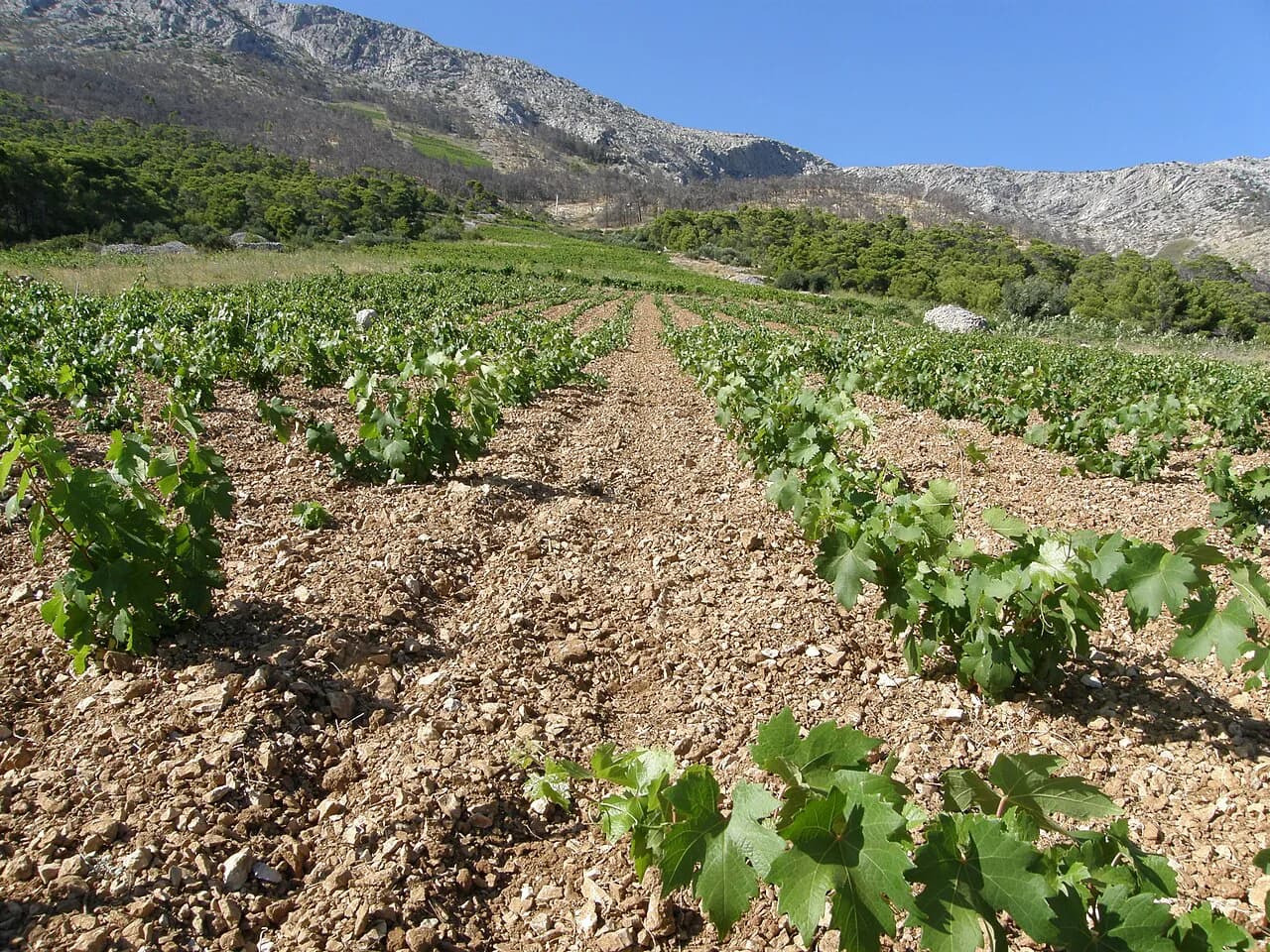
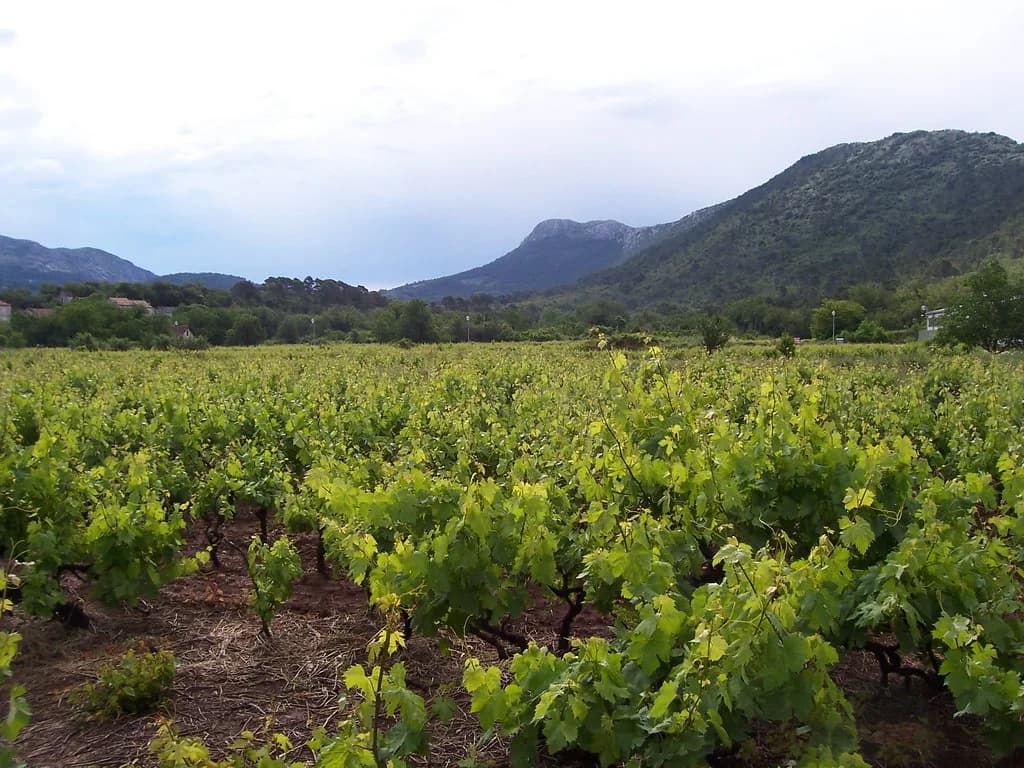
Pelješac is the peninsula that hangs parallel to the Dalmatian coast, and its red-wine reputation rests on Plavac Mali grown on steep, sunny slopes. The wine villages sit along the spine of the peninsula, which means a car or a driver is the realistic way to link two or three of them in a day.
A Korčula base adds a ferry crossing but gives you a historic town to return to in the evening; an Orebić base puts you on the peninsula itself and shortens every drive. Choose Korčula for the town and the ferry experience, Orebić for time efficiency, and check ferry timings for your dates before committing.
Approach Pelješac visits as appointments to arrange directly. Ask about party size, whether a cellar tour is included, and whether food is served, since those three questions settle most of the planning.
What a Croatian Tasting Usually Looks Like
Istrian cellar visits commonly combine a walk-through of the production area with a seated tasting, and several properties add olive oil or cured meat to the table. At Cuj the olive mill is part of the property, which makes an oil tasting a natural addition to the wine.
Where a winery ages wines for long periods, as Roxanich does, the visit can lean toward a vertical tasting of one wine across several vintages rather than a broad flight. That is a different kind of hour from a quick counter tasting, and worth requesting explicitly when you book.
Fees and duration vary by property and are not fixed in the published material consulted, so state what you want in your first email: number of people, preferred date and time, whether you want a cellar tour, and whether you need food. One clear message usually settles the arrangements.
Booking in Practice: Appointment Versus Walk-In
The single most useful distinction in Istria is between properties with fixed published hours (Kozlović, Kabola, Cuj) and those that visit by appointment only (Trapan, Roxanich). Build the fixed-hours properties into the skeleton of your day and slot the appointment-only ones around them.
Appointment culture is normal across the Croatian coast, and small family cellars may not keep anyone at the door during harvest. If your dates fall in late summer or early autumn, book earlier than you would in spring and expect slower replies while the picking is on.
Use the winery's own email or phone line rather than a booking platform, and include your party size, the date and time window, and whether anyone in the group will not be drinking. That last detail is worth raising early if you want a driver to sit in without pouring.
Getting There Without Driving
In Istria, a car is the simplest way to link Momjan, Nova Vas and Šišan in one day, but it is not the only way. Taxis and pre-booked transfers work for short hops between nearby cellars, and guided day tours from Rovinj and Poreč remove the navigation problem entirely at the cost of a fixed itinerary.
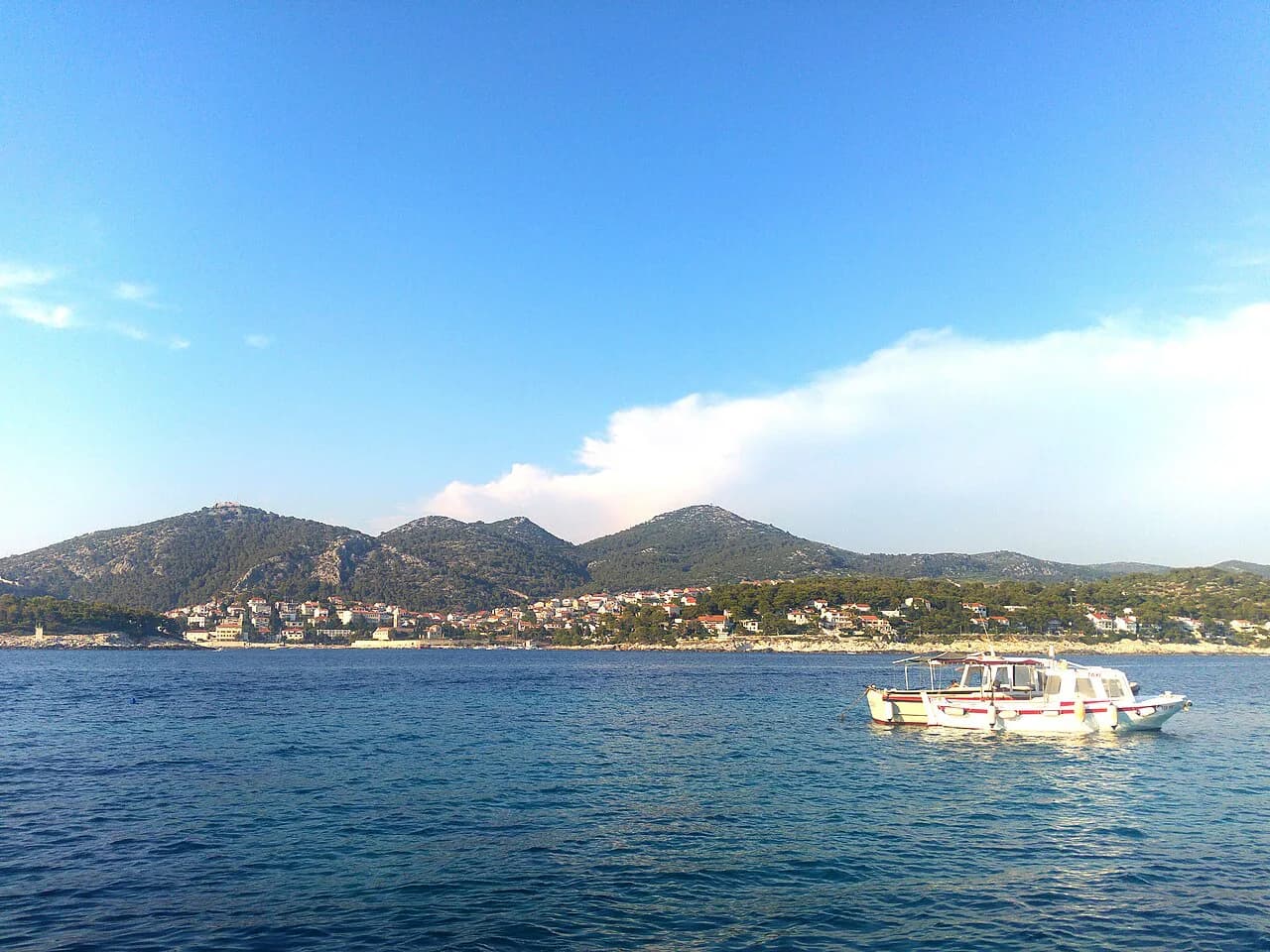
On the islands, ferries set the rhythm. Hvar and Korčula are reached by catamaran or ferry from the mainland, and local buses cover the main routes on Hvar while outlying cellars usually need a taxi. Check sailing times for your dates before you fix a tasting slot.
Whichever option you choose, the driver in your group should not taste. Spittoons are standard at tastings, a designated driver solves the problem for a small group, and a tour or public transport is the cleanest answer for anyone who wants to drink.
The Grapes to Know, Zone by Zone
Istria's signature white is Malvazija Istarska, a fresh, light wine that appears at essentially every cellar in the region, and its signature red is Teran, grown on the red soils of the west coast. Tasting both in one day gives you the region's range in two glasses.
Pelješac means Plavac Mali, the red grape behind the peninsula's best-known wines, and it also appears on Hvar and Brač. Island whites are a broader field, so ask at each cellar which local varieties they bottle instead of expecting a single island grape.
For a deeper look at what the island pours, the practical detail in wineries Hvar Town visitors can reach is a better guide than a general grape list.
Building a Two- or Three-Day Itinerary Around One Base
With three days in Istria from a Rovinj or Poreč base, give one day to the Momjan loop (Kozlović and Kabola), one day to the Poreč and Pula side (Roxanich at Nova Vas and Trapan at Šišan by appointment), and keep the third flexible for a repeat visit or a coastal day. Two days works if you drop one cluster.
With three days on Hvar, split the island into a near-Hvar Town day and a longer excursion day, and hold the third for a ferry trip to Korčula or a beach afternoon. Avoid stacking two islands into one day unless you enjoy ferry timetables more than wine. If you are weighing Crete instead, the same logic of one base and short drives applies to wine tasting in Chania.
A single-base plan also simplifies booking: you send three or four emails from one place rather than negotiating across regions. Group the fixed-hours properties early and leave the appointment-only ones for the last email, when your dates are firm.
Plan Your Visit
Start with a region and a base town, then choose wineries by how they receive visitors rather than by reputation. In Istria, the published hours at Kozlović, Kabola and Cuj let you build a day without guesswork, and the appointment-only properties at Šišan and Nova Vas slot around them.
On the islands and Pelješac, arrange visits directly with each winery and keep one base to cut transfers. Confirm current opening days, fees and food arrangements before you travel, and sort out transport for the driver before the first glass.
Frequently Asked Questions
Is Croatia good for wine?
Yes, and the range is wider than most visitors expect. Istria produces fresh whites from Malvazija Istarska and reds from Teran, while Dalmatia and its islands center on Plavac Mali and a spread of local white varieties. The main planning question is not quality but distance: the coastal and island regions are far apart, so one base town per trip works better than a wide sweep.
Which Croatian wine regions are easiest to visit from a base town?
Istria is the easiest, because several cellars near Momjan, Nova Vas and Šišan publish addresses and visiting hours and can be reached from Rovinj, Poreč, Umag or Pula. Hvar works well from Hvar Town if you accept ferry logistics plus taxis. Pelješac works from Korčula or Orebić. Inland Croatia suits travelers already staying in Zagreb.
Do you need to book Croatian wineries in advance?
Some do and some do not. In Istria, Kozlović, Kabola and Cuj keep published opening days, while Trapan and Roxanich receive visitors by appointment only. Elsewhere, assume an appointment is needed and send an email with your dates, party size and whether you want a cellar tour or food. Book earlier if your trip falls during harvest.
Can you visit Croatian wineries without a car?
Yes, but with trade-offs. Taxis and pre-booked transfers cover short hops between cellars, and guided day tours from coastal towns handle the driving and the routing at the cost of a fixed itinerary. On the islands, ferries and local buses cover main routes, but outlying cellars usually need a taxi. A driver in the group should not taste.
What wine is Croatia best known for?
Plavac Mali from the Dalmatian coast and islands, and Malvazija Istarska from Istria. Both are widely planted and easy to find at cellars in their home regions. Teran is Istria's other reference red, and the islands grow several local white varieties that are rarely exported, so ask at each cellar what they bottle.
How long does a winery tasting in Istria take?
Properties do not publish fixed durations, and the format changes the answer. A counter tasting runs much shorter than a cellar tour followed by a seated flight, and long-aged wines can shift a visit toward a vertical tasting of a single wine. Ask the property when you book and plan one winery per half-day.
When is harvest in Croatia?
Harvest generally falls in late summer and early autumn, though the exact dates shift with the season and the variety. During picking, small family cellars are busy and reply more slowly, so book earlier and keep your dates flexible. Ask the winery directly about conditions during your travel window.
Sources
Notes for your next wine trip
Optional updates to our winery and wine-town guides.
You might also like
Continue reading
More guides you'll find useful