Wine Tour Hvar: Choosing a Tasting Tour from Hvar Town
Compare Hvar wine tours by duration, wineries, transport and inclusions, and see how tastings work on an island where the vineyards sit inland from town.
On this page
Most visitors taste wine on Hvar from a base in Hvar Town, but the vineyards and cellars are inland, around Jelsa and the villages on the road across the island. That geography is why a wine tour is the default plan rather than a lazy one: someone else handles the driving on narrow island roads, and you get a structured route between stops. This guide explains how the tours are put together, what the published prices do and do not include, and how to weigh a guided day against a taxi or bus.
Why a Tour Is the Default for Wine Tasting on Hvar
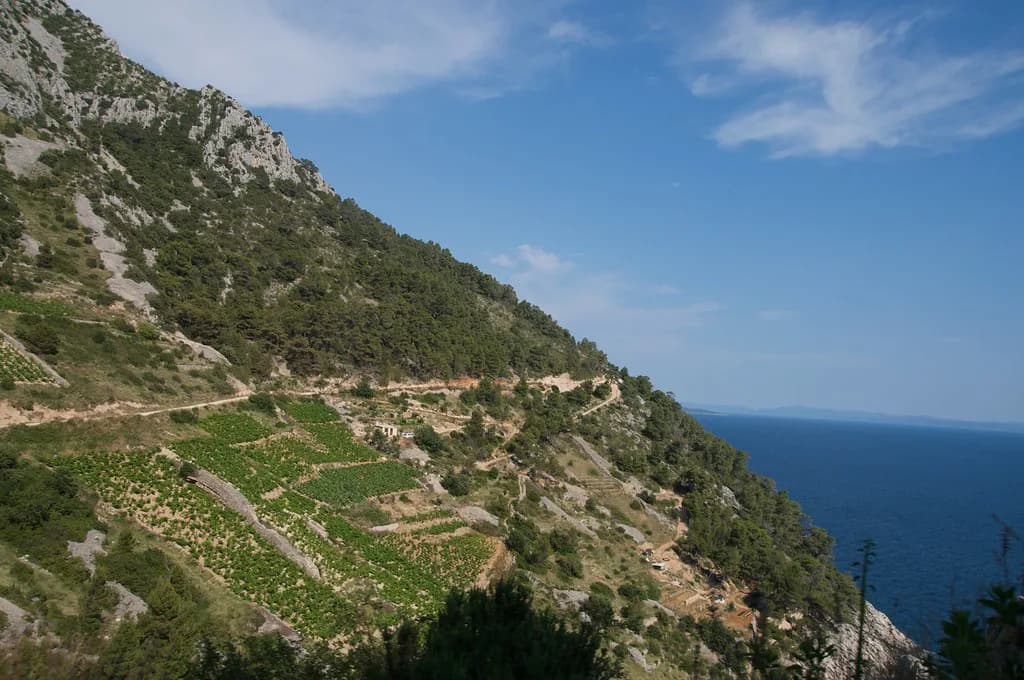
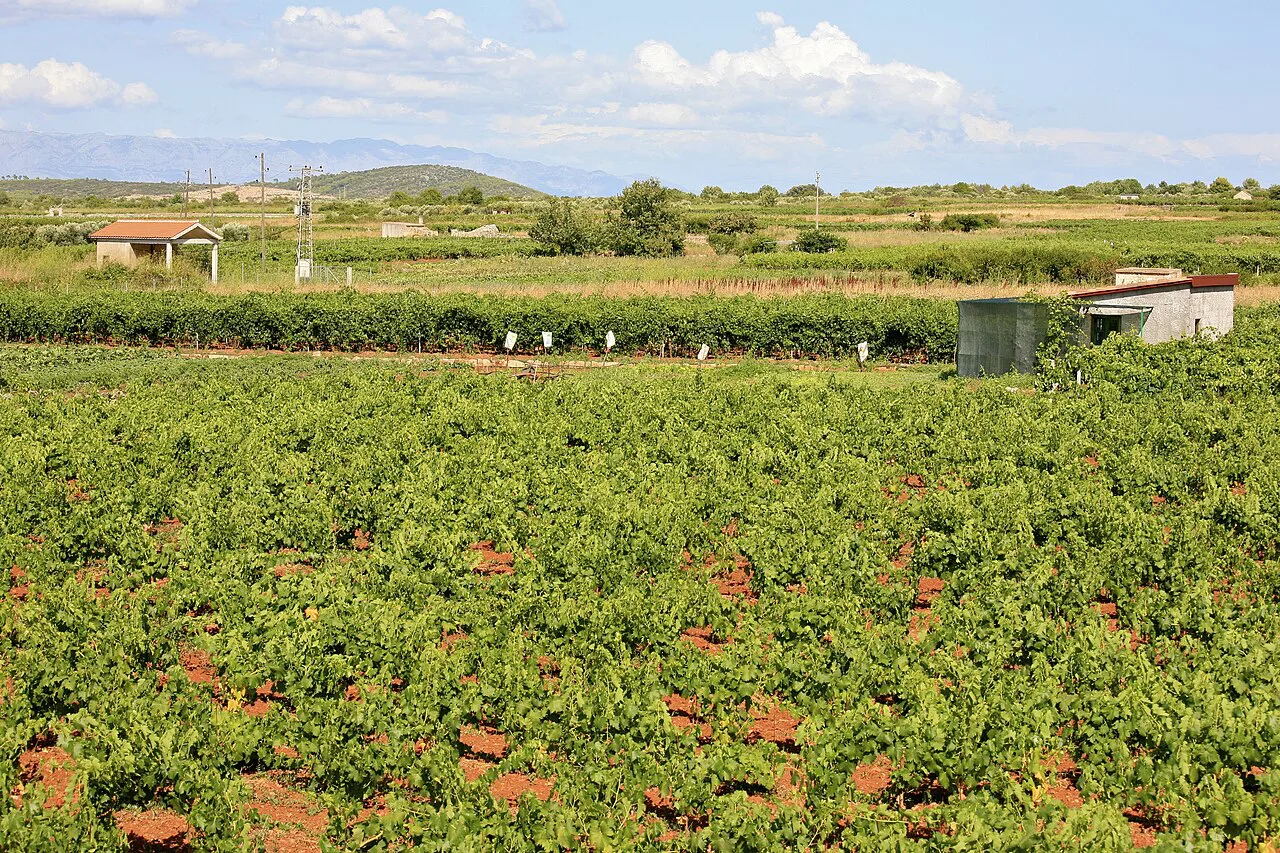
Hvar's wine country is not on the waterfront. The island's protected agricultural plain and most of its cellar visits sit inland, reached by a road that climbs through Brusje and Velo Grablje before dropping toward Jelsa. Anyone tasting seriously should not drive afterward, so the practical choices are a tour, a hired driver or taxi, or a bus with limited stops. Tours solve the whole chain in one booking: pickup, the inland drive, two or more winery stops and the return.
The island's road times matter when you compare listings. A half-day tour from Hvar Town that reaches Jelsa and returns will spend a real share of its three hours in the vehicle, which is why many itineraries pair the drive with a scenic stop rather than a third winery. When a listing promises several wineries in a few hours, look at whether they cluster near the same village or require a second crossing of the island.
Where the Wine Actually Is
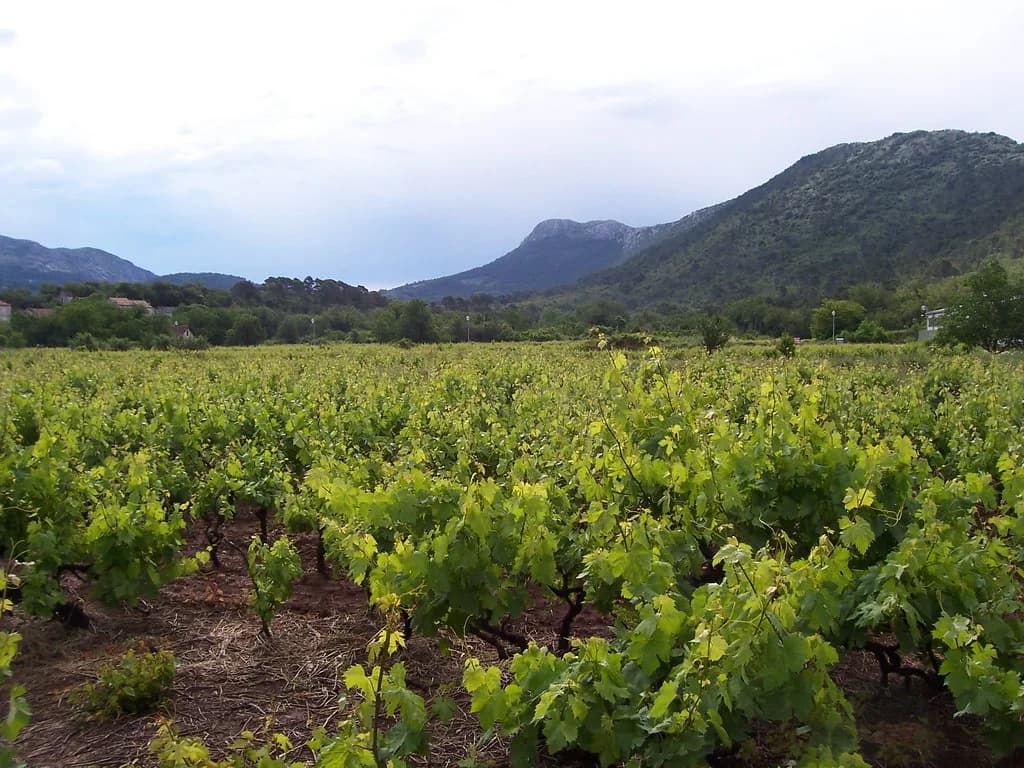
Three zones shape any wine day. Hvar Town is the base and the port, with the densest choice of tour operators and pickup points. The Stari Grad Plain, the Ager, is a UNESCO-listed agricultural landscape the Greeks laid out and that has stayed in near-continuous cultivation; tours often cross or skirt it en route. Jelsa and the villages around it hold the cellar visits most commonly built into tours, including Duboković and Bastijana Tomić on the Hvar Point itinerary.
Grouping stops by zone is the single best way to judge an itinerary. A tour that stays around Jelsa can fit two proper cellar visits into a half day; one that also detours to the far east around Sveta Nedjelja or Zavala will spend more time on the road. If a specific producer is the reason for your trip, ask the tour company when you book whether that winery is on the route that day, since listings often name a style of stop rather than a fixed lineup.
Tour Formats and What They Usually Include
The most common format is a half-day group tour of about three hours, run in the late morning and again in the afternoon, with pickup and drop-off at your accommodation and transport in an air-conditioned van or SUV. Hvar Point's listing is a clear example: departures at 11:00 and 16:00, groups of 2 to 16 people, and a guide-driver plus a guided sightseeing drive included in the price.
The same operator publishes two versions of the day, and the difference is instructive. The fuller description visits two wineries, Duboković followed by Bastijana Tomić, and includes a walk around the Tomić facility plus four wines paired with prosciutto, cheese and other food. The shorter group product at a lower per-person figure covers one selected winery. Reading which version a listing describes tells you more about value than the headline number.
Private tours trade the group discount for flexibility on timing and stops, and they are the better fit if you want a slower lunch or a specific producer. Full-day versions add more driving and usually a meal, which suits travelers staying several nights. Whatever the format, confirm the group size cap, the pickup time and whether the vehicle is air-conditioned before you commit.
What a Winery Stop Typically Looks Like
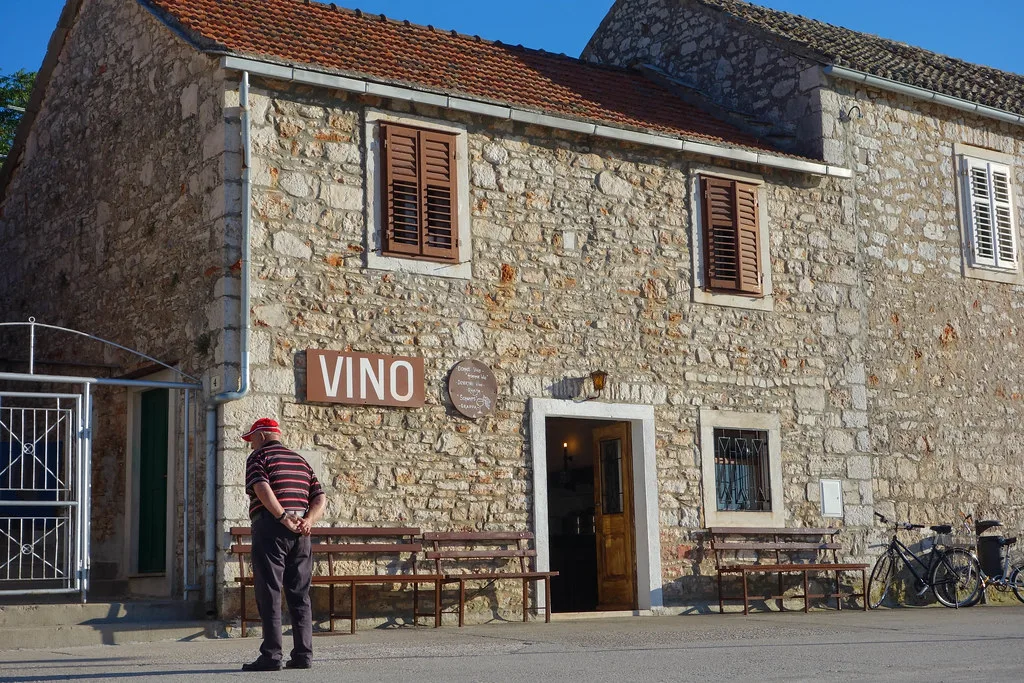
A cellar visit on Hvar is usually intimate. The Duboković stop on the Hvar Point tour happens in a candlelit family cellar, with red wines, cheese and bread, and the family's own macerated olive oils in basil or sage versions alongside the wine. Tastings often end with the chance to buy bottles or oil, so plan luggage space if you want to take something home.
Larger, more modern operations run the visit differently. At Bastijana Tomić, the tour includes a walk around the winery to explain the production process before the seated tasting of four wines with food. That structure suits anyone who wants to understand how the wines are made rather than only what they taste like. Cellar temperatures stay cool year-round, so a light layer helps on shoulder-season visits.
Reading a Tour Listing: What the Price Covers
Published tour prices are per person and vary with the version of the day, the season and the booking channel, so treat any figure as a starting point. The Hvar Point page shows a per-person price for its full two-winery description and a separate, lower figure for a shorter group product that includes tasting at one winery; both pages carry the inclusions list, which is what you should compare. Another island offers a useful benchmark: the same inclusions-first approach works for wine tasting in Santorini, where published rates also hinge on the winery lineup and food.
Check four lines on any listing. First, transport and pickup: accommodation pickup, driver-guide and fuel should be named. Second, the number of wineries and wines poured. Third, food, because a cheese and prosciutto plate is a real cost that some listings omit. Fourth, whether entry fees or cellar tours are bundled or charged on site. A slightly higher price with food and two wineries can beat a cheap seat with neither.
Marketplace listings give a second reference point and often show private options with dinner or lunch attached, which typically sit well above the group half-day rate. Use those pages to see what a premium day includes, then book through the operator where possible so the inclusions and cancellation terms are stated in writing.
How to Book and What to Ask Before Paying a Deposit
Hvar tour operators generally take bookings by request form, email or phone rather than instant online checkout, so build in a day or two for a reply in high season. Hvar Point asks for a request with your name, phone, email and message, and replies to confirm availability. For a group of four or more, ask early, because vehicles cap out and the popular late-morning slot fills first.
Before paying, confirm the winery lineup for your date, the number of wines at each stop, whether food is included, the pickup point and time, and the cancellation policy. Ask also whether the tour runs in rain and what happens to the price if a winery closes. Those five answers separate a well-organized operator from a listing that resells seats on someone else's van.
Going Independent: Taxis and Buses
Independent tasting on Hvar is possible but needs planning. Taxis from Hvar Town to the Jelsa-area cellars are the most flexible option for a small group, and a driver who waits between stops turns a scattered day into a smooth one; agree the return time and total fare before you set off. Buses link Hvar Town with Stari Grad and Jelsa on a fixed timetable, but stops are in the towns, leaving a walk or a second lift to reach rural wineries.
The no-drive rule is not negotiable. If you are the driver, use the spittoon or plan a day when someone else takes the wheel. For anyone committed to going without a tour, a licensed driver or taxi booked for the afternoon is the realistic substitute for a guided group.
Wine Styles to Know Before You Book
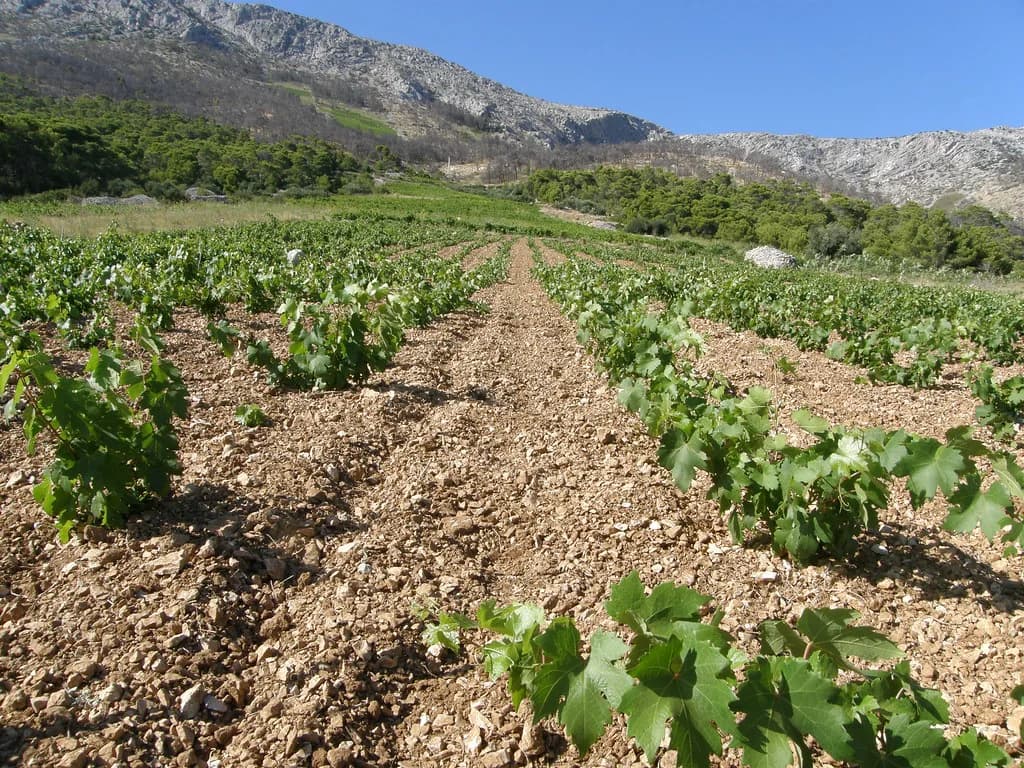
Matching a tour's winery lineup to the grapes you want to taste makes the choice easier. Plavac Mali is Dalmatia's signature red grape, and on Hvar it gives structured wines from the island's sun-exposed slopes. Bogdanuša is a native white grape long grown here, and Maraština is another local white used both in still wines and in sweet styles.
Prošek is the Dalmatian sweet wine made from dried, selected grapes, including Plavac Mali and local white varieties, and it often closes a tasting. The Hvar Point itinerary names prošek among the wines at Bastijana Tomić, so if dessert styles interest you, prioritize a tour that visits a producer making one.
The Stari Grad Plain and Its UNESCO Status
The Stari Grad Plain, known locally as the Ager, is a Greek agricultural landscape laid out around 2,400 years ago and protected as a UNESCO World Heritage Site. Its stone walls and parcel divisions have survived largely intact, and the land is still farmed, with olives and vines among the crops. Tours that cross the plain add context to the tasting rather than just filling the drive.
Grouping a Wine Day with the Rest of the Island
The half-day format fits neatly around other plans. A morning departure back by early afternoon leaves time for the beach or a walk up to the fortress above Hvar Town; the late-afternoon slot suits a slow morning and ends in time for dinner. Staying in Stari Grad or Jelsa instead of Hvar Town shortens the drive to the cellars and can mean an earlier pickup.
Harvest, usually late summer into early autumn, is the liveliest time to see the vineyards at work, though cellar visits can be busier and should be requested further ahead. Outside summer, some operators run fewer departures, so check which days the tour runs in your month, as published times may not apply year-round.
Plan Your Visit
Start with the version of the day you want: a half-day group tour with one winery, a fuller two-winery itinerary with food, or a private car with a meal. Compare listings on inclusions first and price second, confirm the winery lineup and pickup time for your date, and keep the driver sober by choosing a tour, taxi or public transport.
Frequently Asked Questions
How much does a wine tour on Hvar cost?
Rates are per person and depend on the format, season and booking channel. Hvar Point publishes two figures on its own page, one for the fuller two-winery description and a lower one for a shorter group product, each with its inclusions. Compare the number of wineries, food and pickup before deciding, and confirm the current rate when you request a date.
Do you need a car for wine tasting on Hvar?
No, and driving yourself is a poor fit because you cannot taste safely and then drive the island roads. Guided tours with accommodation pickup are the simplest option, and a taxi or hired driver for the afternoon works well for a small group that wants flexibility.
How long is a typical Hvar wine tour?
The common format is a half day of about three hours, which allows for the inland drive, one or two winery stops and the return to Hvar Town. Full-day and private versions add more driving and usually a meal.
Which wineries are visited on Hvar wine tours?
Lineups change, and many listings name a style of stop rather than fixed producers. The Hvar Point description names Duboković and Bastijana Tomić near Jelsa, with a winery walk, four paired wines and prošek at the second. Ask which cellars are on the route for your date.
Can you visit Hvar wineries independently without a tour?
Yes, with planning. Buses connect Hvar Town with Stari Grad and Jelsa on a fixed timetable, but wineries sit outside the town centers, so a taxi is the practical way to link stops. Agree the fare and return time with the driver before you set off.
What wine is Hvar known for?
Plavac Mali is the signature red grape, alongside native whites Bogdanuša and Maraština. Prošek, the Dalmatian sweet wine made from selected dried grapes, often appears at the end of a tasting.
Sources
Notes for your next wine trip
Optional updates to our winery and wine-town guides.
You might also like
Continue reading
More guides you'll find useful