Zlatan Otok, Hvar: Tasting, Dining & Getting There Guide
Plan a visit to Zlatan Otok near Sveta Nedjelja on Hvar: the winery, marina restaurant, the wines to know and how to reach it from Hvar town or Stari Grad.
On this page
Zlatan Otok is one of the few Hvar producers that gives a wine day a single, uncomplicated anchor: vineyards above the village, a working cellar and a restaurant at the water's edge near Sveta Nedjelja. Founded in 1986 and named for its golden-island imagery in 1993, it built its reputation on Dalmatian indigenous grapes rather than international varieties alone.
The visit works on two levels. You can stop for a tasting on the southern coast and carry on around the island, or you can settle in at the marina restaurant for a longer meal of Dalmatian plates with the estate's wines. Treating those as two separate decisions makes planning much easier, because the winery and the table keep different rhythms.
One point is worth clearing up before you go: not every bottle is Hvar-grown. Zlatan Otok also farms mainland vineyards around Baška Voda below Mount Biokovo and near Šibenik, so the label tells you where the fruit came from. Knowing that helps you choose what to taste and what to buy.
Why Zlatan Otok Draws Visitors: Winery, Cellar and Restaurant in One Stop
The appeal is the combination. Zlatan Otok keeps vineyards, production and a marina-side restaurant in the same small area near Sveta Nedjelja, so a tasting and a meal do not require a second journey. That is unusual on Hvar, where many producers are set back among the vines and offer only a tasting room.
Founded in 1986, the estate was among the first privately owned wineries in the former Yugoslavia and now produces on a large scale, with vineyards on Hvar and on the mainland. For a visitor, the practical consequence is that the range is broad, covering reds, rosé and whites, so there is something to taste even if you usually drink only one color.
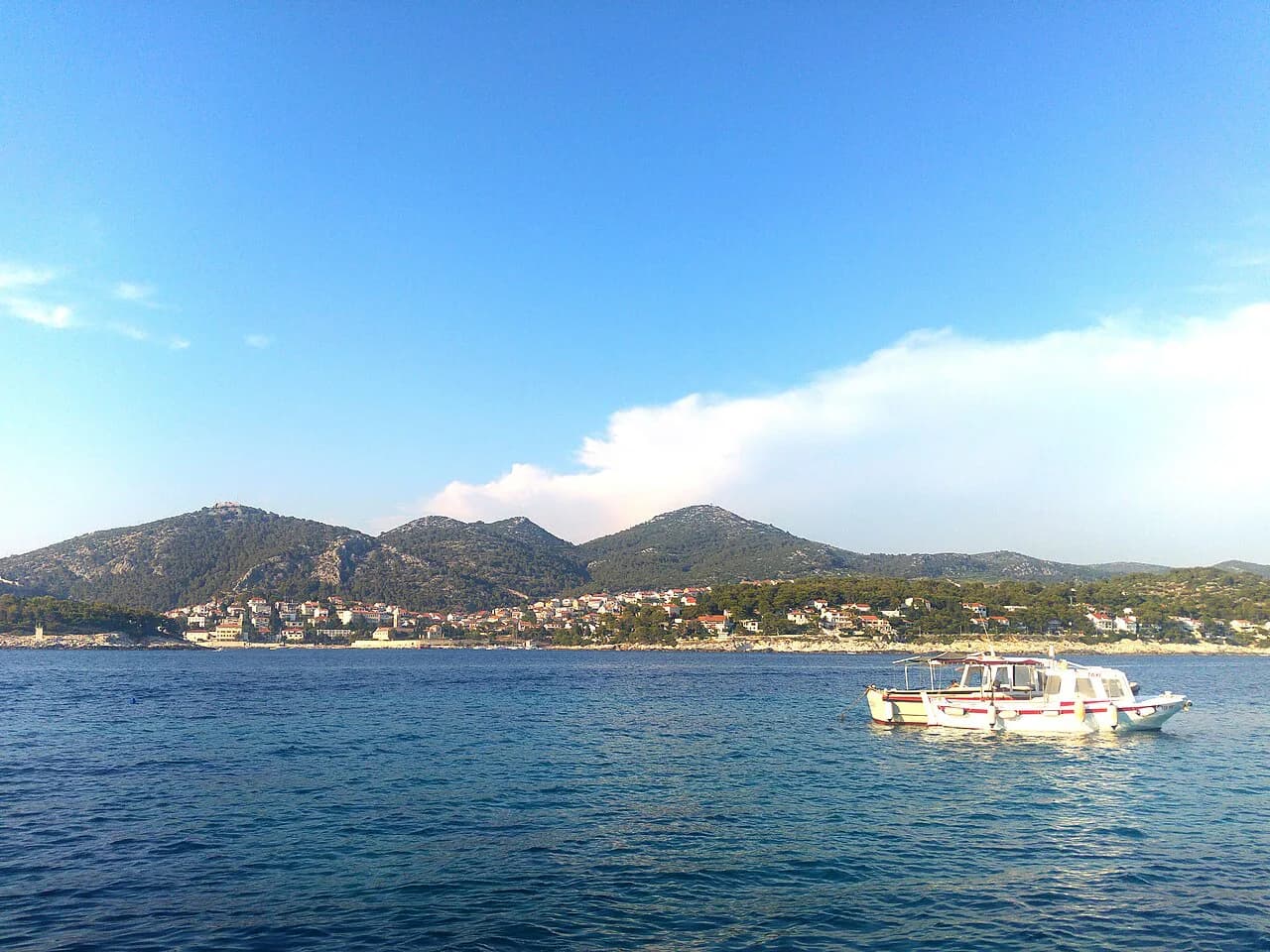
The setting is part of the draw: steep slopes dropping toward the Adriatic, lavender and olive groves around the vines, and a small harbor where boats tie up. If you are comparing stops, this is a place to build a half-day around rather than a quick fifteen-minute pour.
Where the Winery Sits: Sveta Nedjelja and the Southern Slopes
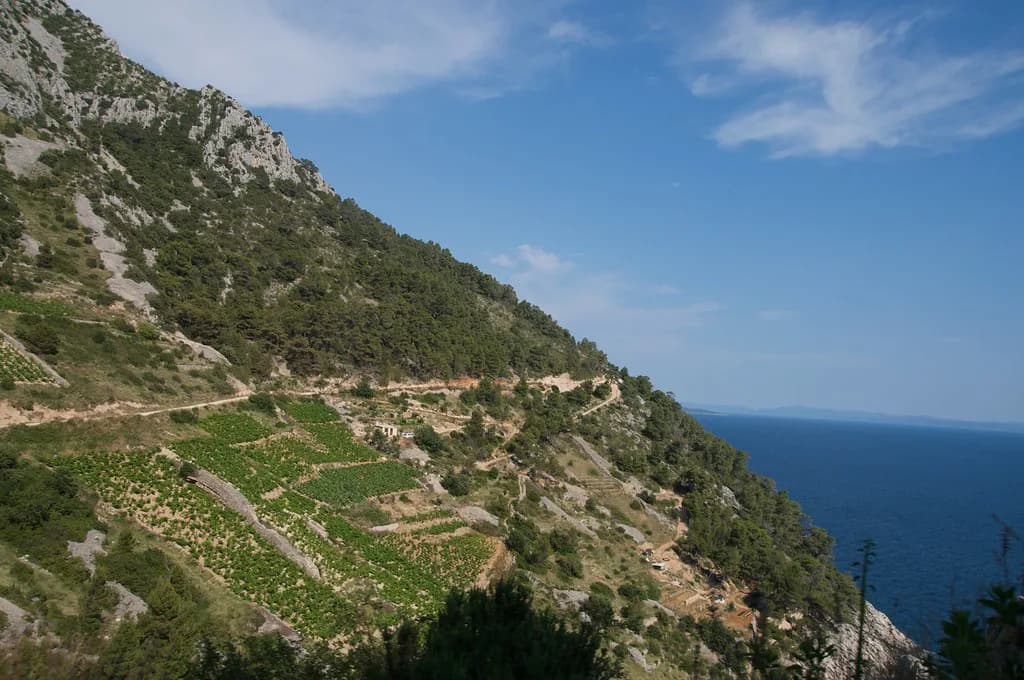
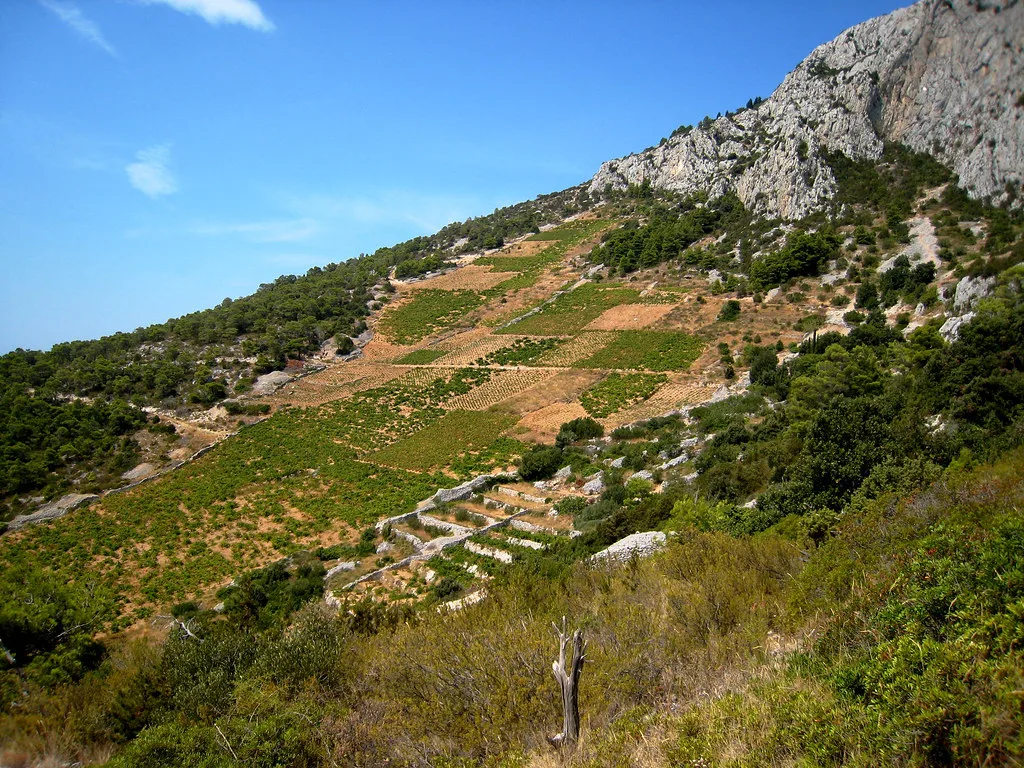
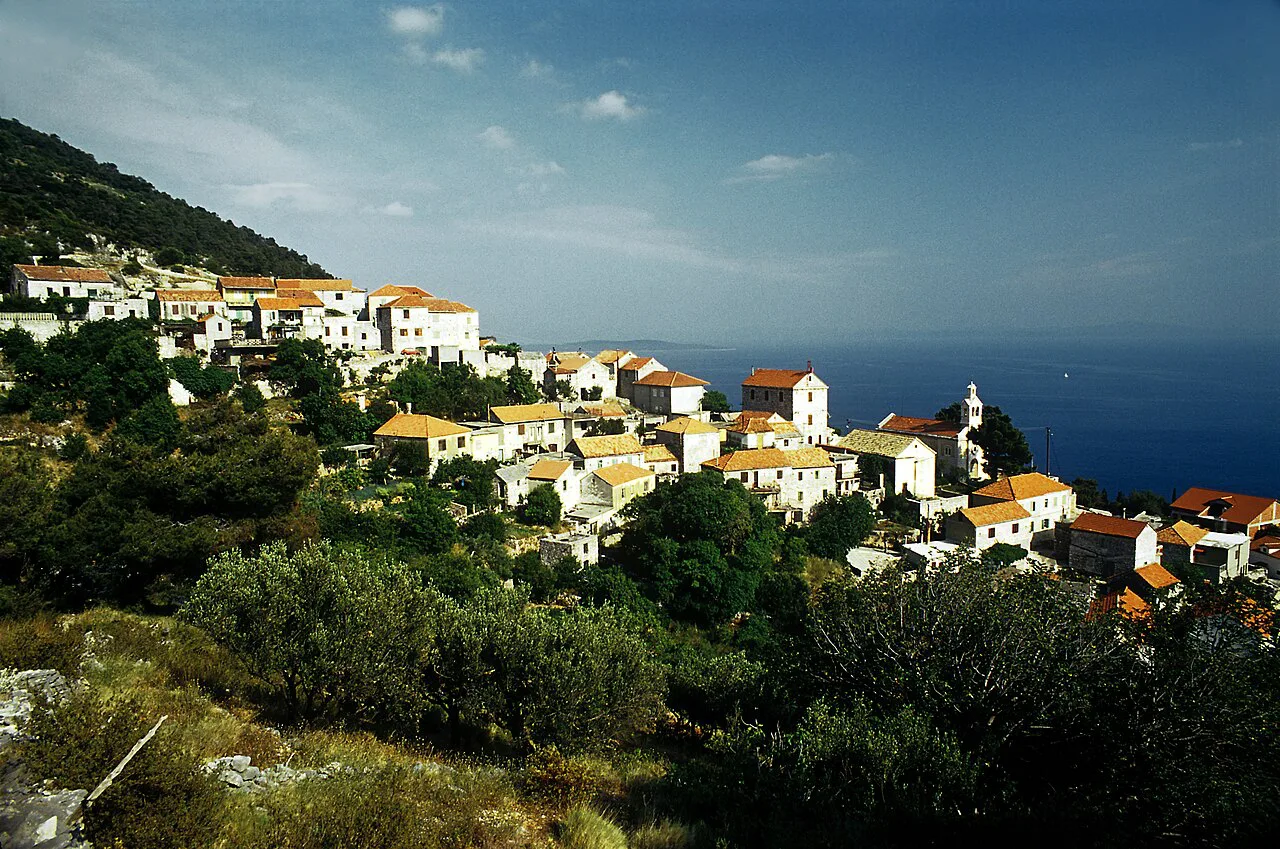
Zlatan Otok's Hvar base is at Sveta Nedjelja, a tiny village on the island's southern coast beneath the steep south-facing slopes that run from Milna through Sveta Nedjelja toward Zavala. The vineyards sit at slope gradients of roughly 40 to 60 percent, which is why the fruit is farmed by hand.
Hvar town and Stari Grad are the two usual bases for a wine day, but they sit on different sides of the island and the southern-coast road is slow and winding. Allow more time than a map suggests, and plan Sveta Nedjelja as the day's main stop rather than something squeezed between two others. If you want a broader picture of the island's producers first, start with a look at Hvar wineries before fixing your route.
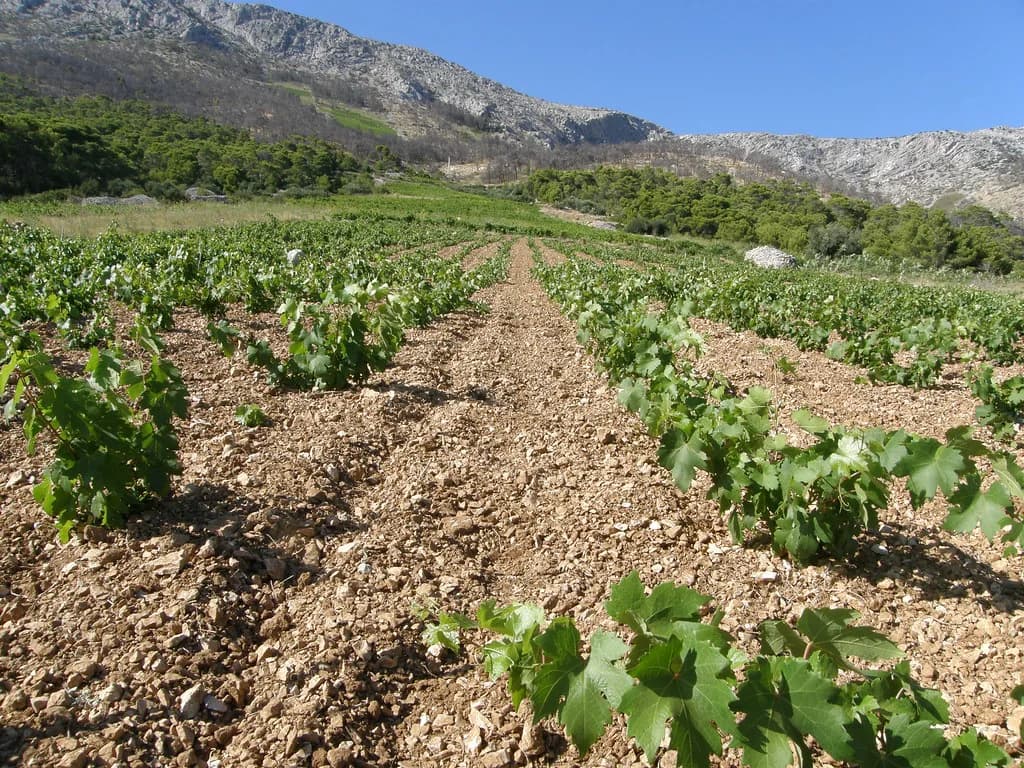
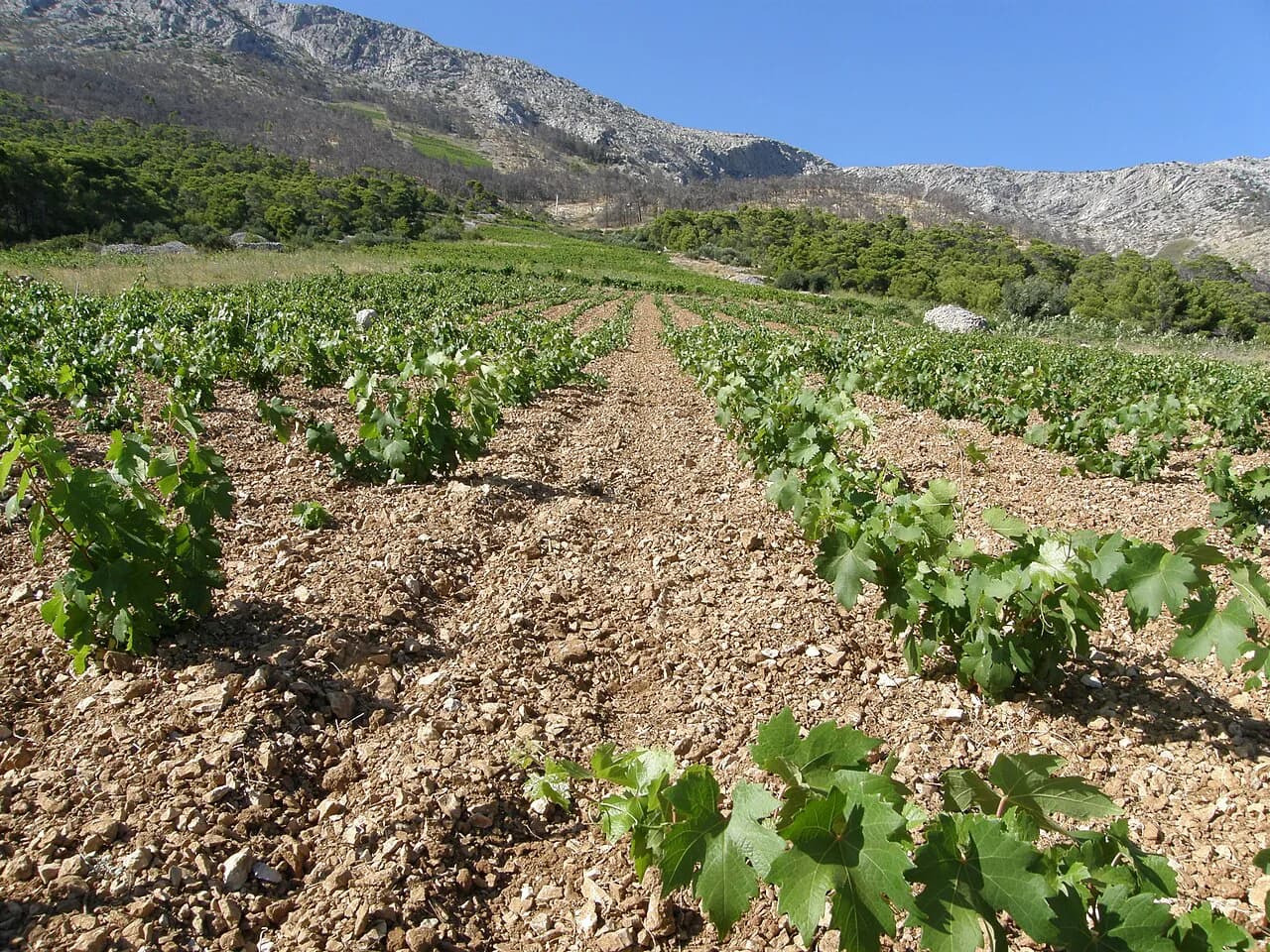
The geography also shapes the wine. The southern side of Hvar is rocky and steep, comparable to the well-known Dalmatian appellations of Dingač and Postup on the Pelješac peninsula, while the northern side is flatter and less stony. That difference is the reason Plavac Mali dominates the Sveta Nedjelja slopes.
The Wines to Know Before You Go
Plavac Mali is the red grape to understand first. It makes up about half of the Hvar plantings described in the producer profile, thrives on the steep southern slopes and gives the structured, deeply colored reds that Dalmatia is known for. Bottles labeled Plavac Mali are the clearest expression of the Sveta Nedjelja site.
The whites are led by Pošip, a Dalmatian variety that has become the estate's calling card on the mainland side: a Pošip from the Makarska vineyards took a regional championship at the Decanter World Wine Awards in 2012. Hvar plantings also include Bogdanuša, Yellow Muscat and other local white grapes, so a tasting flight can cover both coasts of the range.
Because Zlatan Otok also bottles rosé and a range of reds from international grapes grown on the mainland, it pays to read the back label and ask which vineyard the wine came from. That is not a technicality. It is the difference between tasting Hvar's steep-slope Plavac Mali and tasting a blended or mainland-sourced wine.
Mainland Vineyards: Makarska, Baška Voda and Šibenik
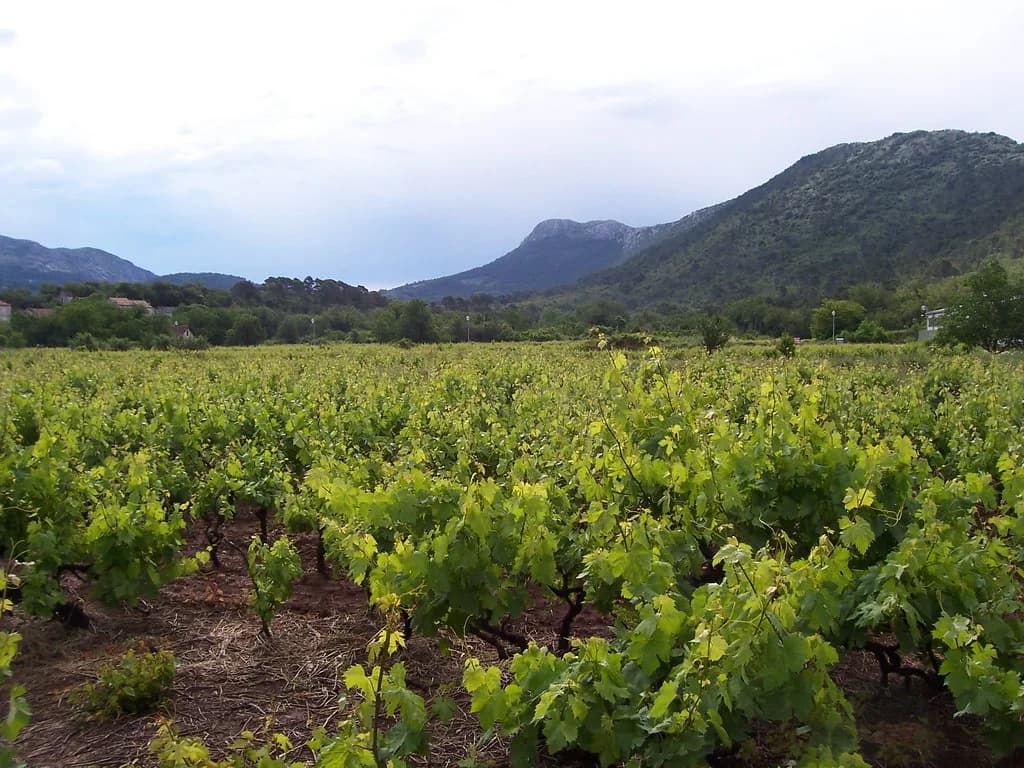
Hvar is only part of the picture. The estate farms about 10 hectares on the island, plus roughly 75 hectares below Mount Biokovo around Baška Voda, planted from 2004, and about 65 hectares near Šibenik, and it buys fruit from further Hvar and Šibenik growers as well. Total production is around 900,000 bottles a year.
The mainland sites are planted more widely, including Crljenak (the grape known elsewhere as Zinfandel), Merlot, Cabernet Sauvignon and Syrah, alongside Pošip, Žilavka, Dubrovačka Malvasia and Chardonnay. That explains why the Zlatan Otok shelf looks more international than a small island estate's would.
At the winery or in a shop, the practical filter is the appellation line and the variety on the label rather than the brand alone. If you came to Hvar to taste Hvar, ask for the island-grown bottles; if you want to see the full range, taste across both. For a wider survey of producers on the Croatian coast and islands, Croatia wineries is a useful next read.
The Cellar: What the Underground Aging Space Adds
Part of the production is aged in a basement built about 70 meters below ground, where the producer profile puts the temperature at a steady 11 to 12 °C. That is the kind of stable, cool environment that suits slow maturation, and it gives the estate a distinctive feature beyond its waterfront setting.
The cellar is not automatically part of a tasting. Published accounts of visits describe a relaxed, informal stop with wines and food at the marina rather than a fixed tour program. If seeing the underground space matters to you, say so when you arrange your visit and ask whether a cellar walk is included or can be added.
Either way, the cellar is a reminder that this is a serious production site, not only a scenic tasting room. Plan your questions around what you want to learn, whether that is aging technique, vineyard altitude or the difference between island and mainland fruit.
Tasting Stop or Restaurant Table: Two Ways to Visit
The simplest visit is a tasting stop. You taste the wines, perhaps with a plate of cheese, pršut or seafood, and move on. The restaurant at the marina is the fuller experience, with Dalmatian dishes served alongside the estate's wines, and it is the part that turns a tasting into an afternoon.
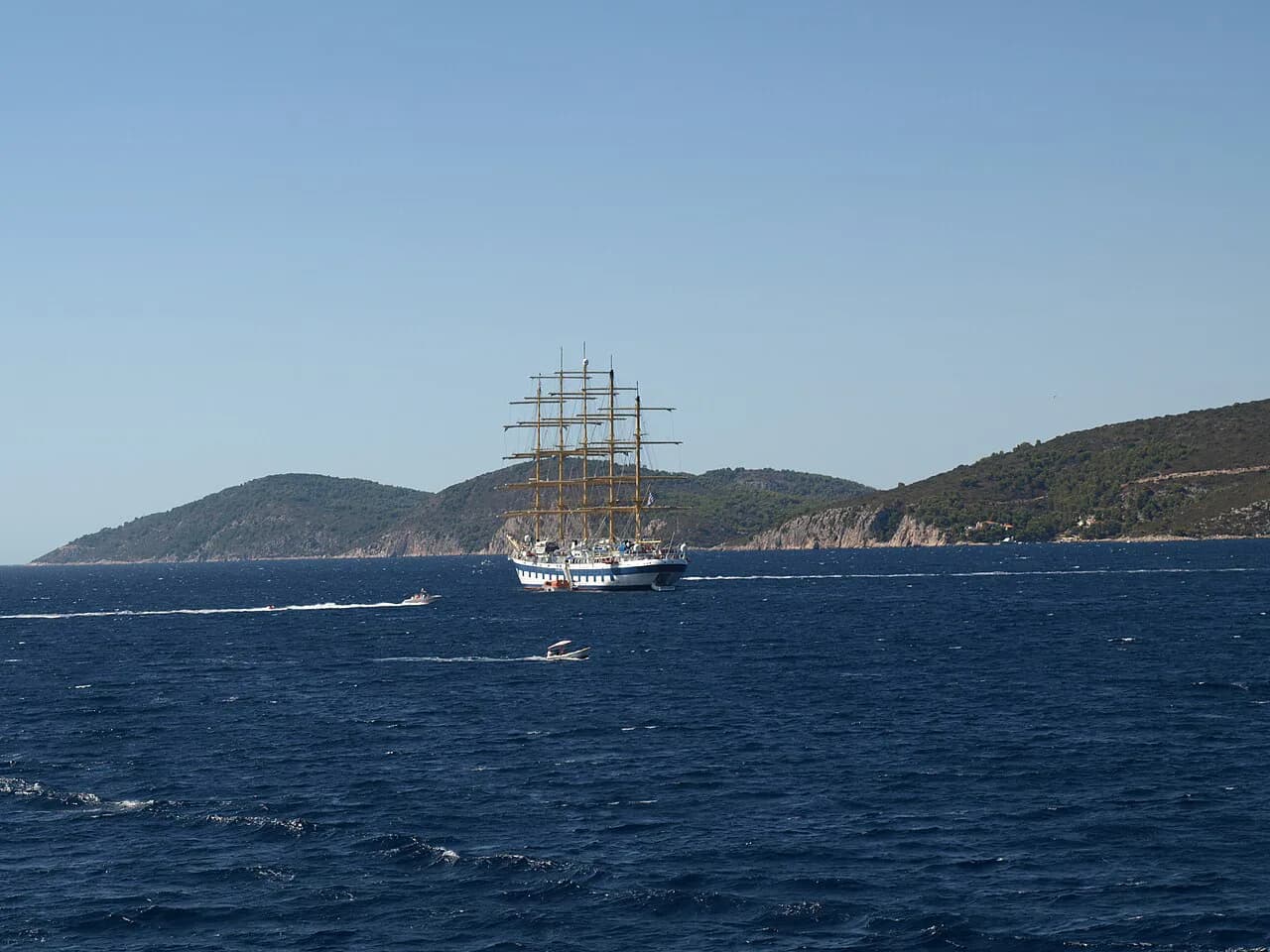
The estate's own restaurant and small harbor are known as Bilo Idro, which translates as White Sail. The marina setting is what makes it worth a detour: boats come and go, the water is clear, and the pace is slow. If you are arriving by boat, this is one of the few Hvar wine stops where mooring and lunch are in the same place.
Decide before you go which version you want. A tasting suits a tighter island circuit; a table at the marina suits a half-day that includes a swim and a proper meal. The two are not interchangeable, and turning up expecting the second when you planned the first is the usual way an afternoon goes wrong.
How to Book: What to Settle Before You Go
Small Hvar producers often receive visitors by arrangement rather than by fixed opening hours, and Zlatan Otok does not publish a stable walk-in tasting schedule. Write ahead or call during planning, state your date, party size and whether you want a tasting, a cellar visit or a table at the restaurant, and keep the reply with you.
Ask three things in the same message: whether the tasting is held at a set time or whenever you arrive, whether the marina restaurant is serving that day, and whether a group of your size needs special handling. For larger parties, ask about minimum numbers and any set format, since groups are usually handled differently from couples.
If your visit falls in the high summer, book the table and the tasting together and as early as you can; the marina fills first. Check current opening times and menu details with Zlatan Otok in your final message before you travel, so that the only surprises on the day are pleasant ones.
Getting There Without Driving
The southern-coast road to Sveta Nedjelja is narrow and winding, and the village is not served by a dense public transport network. In practice, most visitors arrive by taxi from Hvar town or Stari Grad, by boat, on an organized wine tour, or by bicycle for the very fit. Renting a car and driving yourself is the alternative, but the driver then has to stay dry.
A boat is the most elegant option if you are staying near Hvar town: the marina beside the winery makes arrival part of the experience, and the ride along the southern coast is short compared with the road. Ask your accommodation or a local boat operator about a drop-off and pick-up arranged around your lunch, and confirm the return leg before you set off.
An organized wine tour removes the logistics entirely. The trade-off is a fixed itinerary and a group pace, often with two or three stops rather than a long lunch. Independent travelers who want more time at the marina should compare the cost of a return taxi against a tour place, and factor in the wait if you send the taxi away.
Pairing Sveta Nedjelja with the Rest of a Hvar Wine Day
Sveta Nedjelja sits on the southern coast, so the natural pairing is the south-slope wine country rather than the island's north. Grouping Zlatan Otok with other village stops along the same coast keeps driving time down and leaves room for a long lunch, while trying to add northern Hvar on the same day means spending much of it in the car. If you are weighing a Greek island against a Croatian one for a wine trip, wine tasting in Santorini covers the same kind of volcanic-slope decision.
Other producers on Hvar, including Tomić Winery near Jelsa on the north side, suit a separate day. If your itinerary is built around one base town, split the island into a northern day and a southern day rather than zig-zagging; the roads are slow, and the light on the slopes is better in the morning.
A sensible southern day runs Hvar town to Sveta Nedjelja in the morning, a tasting and a swim before lunch, then a marina table in the afternoon with a boat or taxi back before dark. That rhythm suits the winery's informal character and avoids the pressure of a fixed tour slot.
Practical Timing: Harvest, Seasons and Crowds
Harvest on Hvar's southern slopes generally falls in the late-summer and early-autumn weeks, when the village is busy with picking and the roads carry farm traffic. That is an interesting time to visit for the atmosphere, but it is worth asking ahead whether a cellar visit is possible while the harvest is in full swing.
The marina restaurant follows the island's seasonal rhythm, and summer weekends fill first. If you want the terrace at its calmest, aim for a weekday, and use a booking rather than a hopeful arrival. Outside the main season, check whether the kitchen is open before you build a day around it.
Buying the Wines: At the Winery or Back Home
Buying at the estate is the simplest way to take home the bottles you actually tasted, and the range is wide enough that tasting first pays off: a Pošip and a Plavac Mali from steep Hvar slopes are very different purchases. Ask which wines are island-grown if that is what you want to bring back.
Outside Croatia, Zlatan Otok bottles appear through specialist importers, but the selection is usually limited to a few labels rather than the full range. If a particular wine matters to you, buy it at the winery in Sveta Nedjelja rather than counting on finding it at home.
Plan Your Visit
Zlatan Otok suits travelers who want one well-rounded stop rather than a checklist of tasting rooms: a working winery on Hvar's steep southern slopes, a cellar to ask about, and a marina restaurant that rewards a slow afternoon. Build the day around Sveta Nedjelja and keep the rest of the island for another outing.
Settle the practical questions in advance: whether you are tasting or dining, how you will get back from the southern coast, and which bottles you actually want to taste. Anyone driving should not taste; use a spittoon, travel with a designated driver, or take a boat, taxi or organized wine tour instead. For the wider island picture, the Hvar wine tasting guide sets out the other stops worth adding.
Frequently Asked Questions
Where is Zlatan Otok winery on Hvar?
The winery sits at Sveta Nedjelja on Hvar's southern coast, below the steep south-facing slopes, with a small marina beside the restaurant. It is reached by road from Hvar town or Stari Grad, or by boat along the coast.
Can you visit Zlatan Otok without an appointment?
The estate does not publish a fixed walk-in tasting schedule. Write or call ahead with your date and party size and ask whether a tasting or cellar visit is possible, then keep the confirmation.
Does Zlatan Otok have a restaurant?
Yes. The marina-side restaurant, known as Bilo Idro, serves Dalmatian dishes with the estate's wines. Seats fill fastest on summer weekends, so book a table rather than arriving hopefully.
What wines does Zlatan Otok make?
The range centers on Dalmatian grapes: Plavac Mali for reds, Pošip for whites, plus Bogdanuša and Yellow Muscat on Hvar. Mainland vineyards add Crljenak, Merlot, Cabernet Sauvignon, Syrah and more, along with rosé.
Is Zlatan Otok wine from Hvar or the mainland?
Both. About ten hectares are on Hvar, with much larger holdings around Baška Voda near Makarska and near Šibenik. Check the label's appellation and variety if you specifically want island-grown wine.
How do you get to Zlatan Otok from Hvar town without a car?
Most visitors take a taxi, arrange a boat drop-off at the marina, or join an organized wine tour. The southern road is slow and winding, so allow more time than the distance suggests, and book the return leg before you go.
Sources
Notes for your next wine trip
Optional updates to our winery and wine-town guides.
You might also like
Continue reading
More guides you'll find useful