Hvar Wineries: Where to Taste and How to Get There
Plan a wine day on Hvar: which wineries take visitors, the villages worth grouping, how to book, and how to reach the vineyards without driving.
On this page
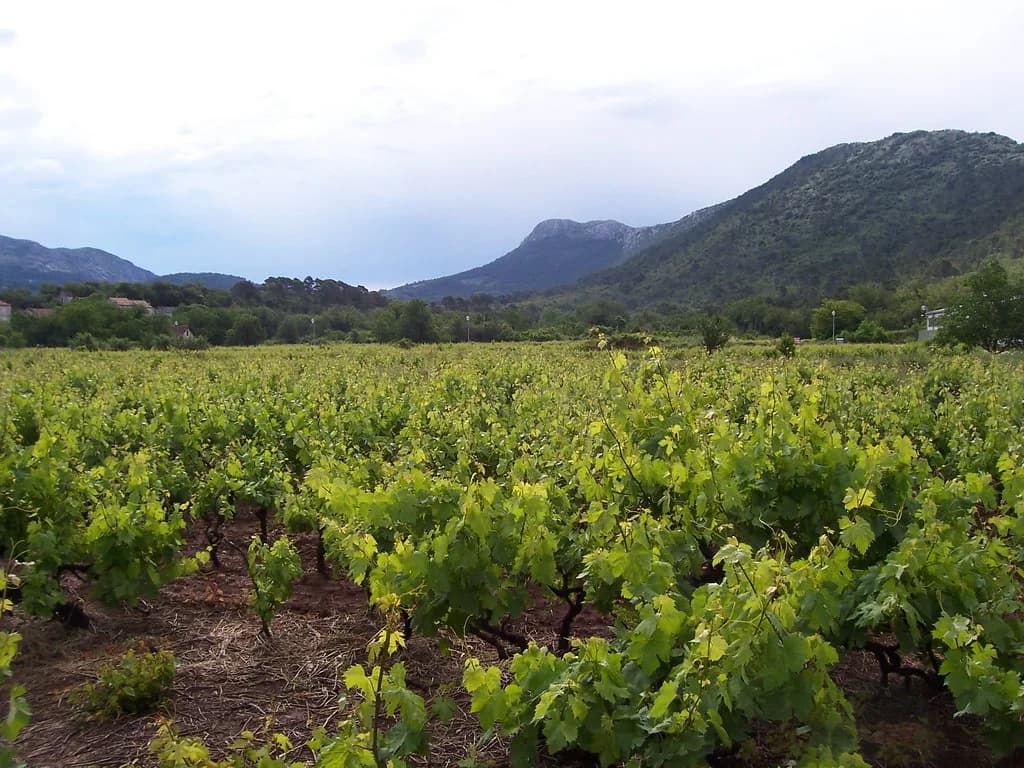
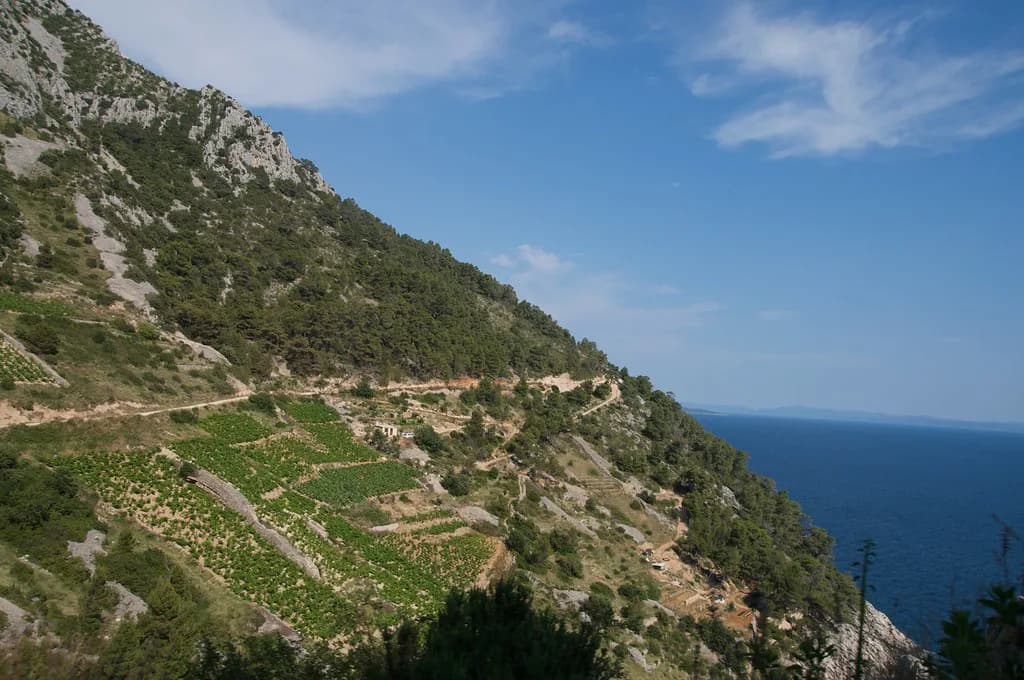
Hvar Town's harbor front is built for swimming and cocktails, but the island's wine story lives inland, in stone villages where family cellars sit among terraced vineyards. A little over 30 kilometers off Split, Hvar grows roughly 280 hectares of vines, a fraction of the 5,500 or so planted in the 1800s before phylloxera and emigration cleared the slopes. Knowing how those villages connect is the difference between a rushed afternoon and a proper tasting day.
Why Hvar Is a Wine Island, Not Just a Beach Island
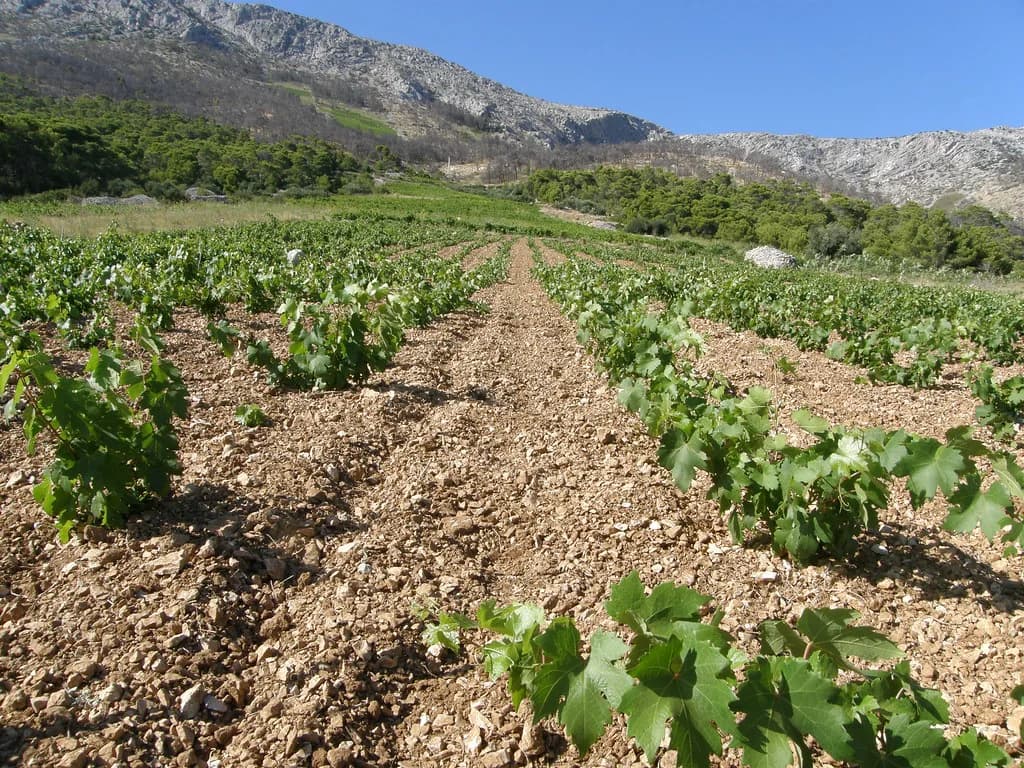
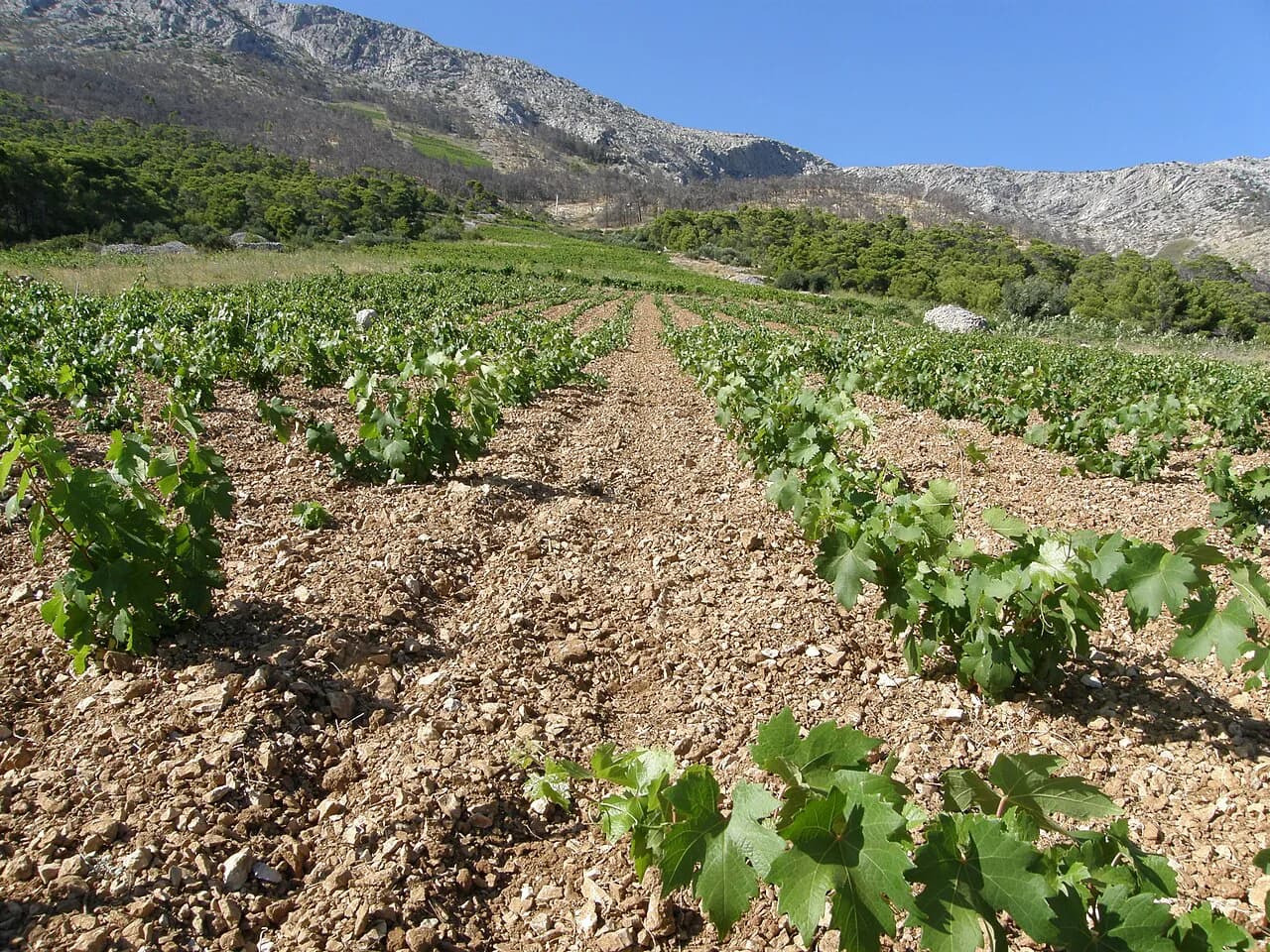
Hvar is part of Croatia's Central and Southern Dalmatia wine region, alongside Brač and Korčula, and its vineyards sit among the sunniest growing conditions in the country. The maritime breeze tempers July and August heat, while thin white limestone soils on the southern side push yields down and concentrate fruit. Wine here is a working agricultural product, not a resort amenity, and the cellars that receive visitors are mostly small and family-run.
The practical consequence is that a wine day on Hvar is a routing exercise. Hvar Town is the ferry and catamaran hub and the busiest place to sleep, but most of the wineries sit in the interior or on the far south coast, reached by a single road that climbs over the ridge. Build your day around one or two clusters rather than crisscrossing the island.
The Grapes You Will Meet in a Hvar Glass
Plavac Mali is the island's signature red and the most planted red grape on the Dalmatian coast. On Hvar it gives dense, tannic wines with dark fruit and a Mediterranean herb character, sometimes called garrigue, rather than the leaner, more restrained style of mainland Croatian reds. If you only taste one wine, make it this one, ideally from the steep south-facing slopes near Sveta Nedjelja.
The island's white side is dominated by Bogdanuša, a fresh, citrus-tinged grape with gentle aromatics that suits the alluvial soils of the Stari Grad plain. You will also encounter Maraština, also called Rukatac, which gives riper stone fruit and softer texture, and the rare Prč, a crisp, saline white from small parcels. Pošip, fuller and peachier, appears too and works well with seafood.
Darnekuša, sometimes spelled Drnekuša, is the curiosity: a rare red grape making light, bright, high-acid wines with delicate red fruit. Ask for it if you want to understand the island's older vineyard plantings. Small volumes mean you are more likely to find it poured at a cellar door than in a shop.
How the Wine District Is Laid Out
The UNESCO-protected Stari Grad plain is the historic heart of Hvar viticulture, first planted by Greek settlers in the 4th century BC. Its deeper alluvial soils, mixed with sand, favor aromatic dry whites, and several estates around Stari Grad and Jelsa draw on fruit from this flatland. It is also the most convenient area to reach from the Stari Grad ferry port.
Jelsa and the neighboring village of Svirče sit on the island's northern side and form the densest pocket of wineries. This is where you can most realistically string two tastings together in one afternoon, since the villages are minutes apart on the same road. Sveta Nedjelja, on the south coast near the foot of the island's highest peak, is the place for powerful Plavac Mali from steep, rock-cut terraces.
The Vrh subzone sits on a plateau of red soil around 550 meters below the peak of Sveta Nikola, producing wines with fresher acidity than the coast. It is a small, high, exposed area best visited as part of a southern loop rather than as a separate trip. If you are short on time, prioritize Jelsa and Svirče for convenience and Sveta Nedjelja for the reds.
Wineries That Receive Visitors
Zlatan Otok is the island's best-known producer, founded in the 1990s by the late Zlatan Plenković and now run by his son Nikola. Its organic, dry-farmed vineyards rise on steep slopes toward 1,000 meters, and the Plavac Mali is fermented with indigenous yeasts and aged around 18 months in large Slavonian casks plus some French barrique. The winery is a fixture of any serious Hvar itinerary.
Duboković, based in the Jelsa area, is a long-established family name associated with island reds and whites, while Tomić has vineyards near Jelsa and a cellar that welcomes tastings by arrangement. Both sit within easy reach of each other, which makes them a sensible pairing for a single morning or afternoon. Confirm the current visiting arrangements directly when you book, since small cellars adjust to harvest and staffing.
Pinjata and Ahearne, the label of winemaker Jo Ahearne, complete the short list of names the island's wine guides recommend. Ahearne's small-volume wines from the Vrh plateau are among the island's more distinctive bottles. Neither operates as a drop-in tasting room with fixed hours, so treat these as appointment-only visits.
Around 17 wineries operate on Hvar in total, several of them too small to host regular visitors. That matters when you plan: a name on a bottle does not guarantee a cellar door. Pick your two or three targets from the list above, then build transport around them rather than hoping to find open cellars along the road.
Booking Culture on Hvar
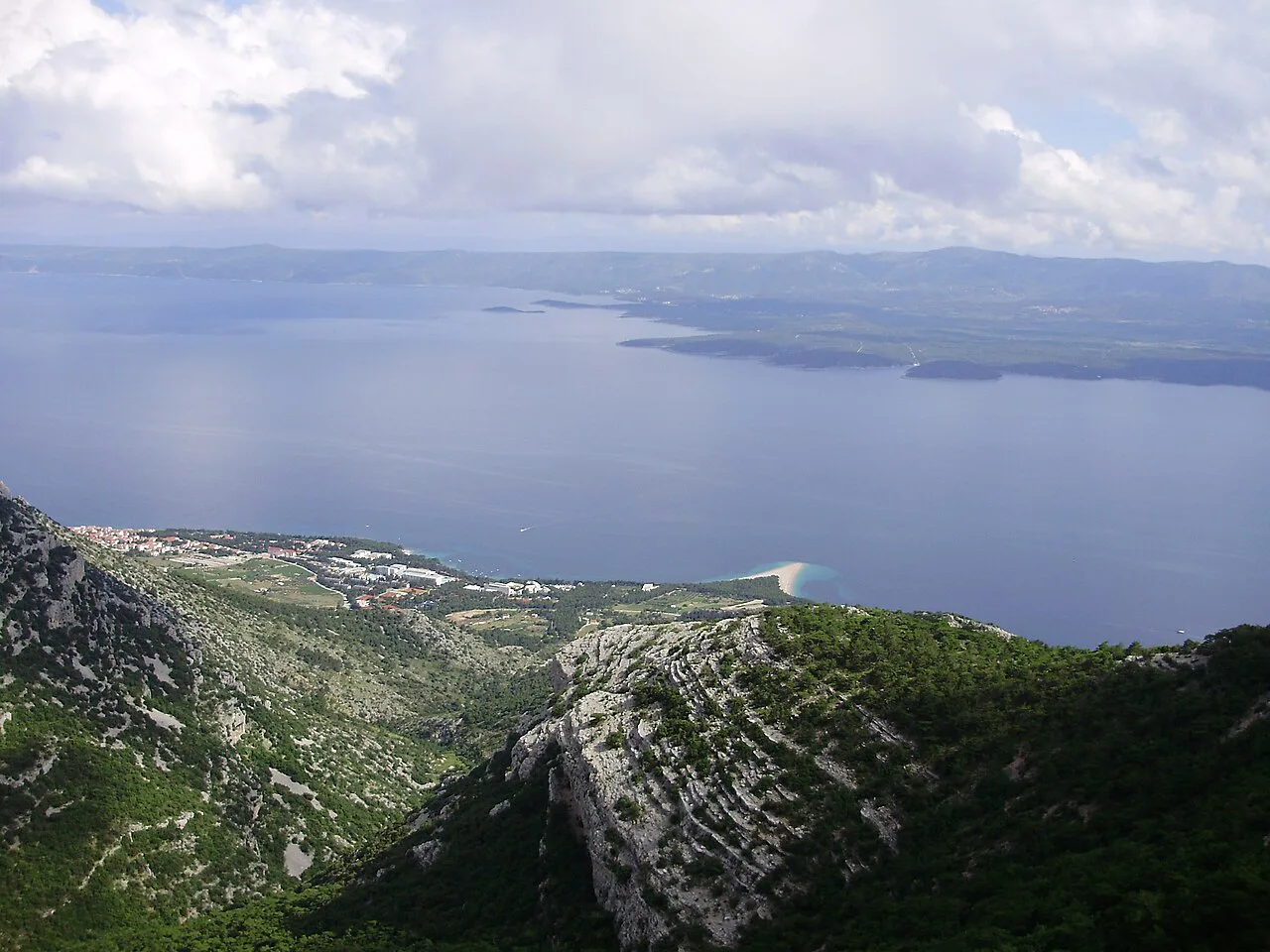
Most Hvar cellars are family operations without dedicated hospitality staff, so appointments are the norm rather than the exception. Email or phone ahead with your date, preferred time, party size and whether anyone will not be drinking. Ask what the visit covers, how long it lasts and whether food is included, because formats vary from a short flight at the bar to a cellar walk-through with several wines.
Harvest, roughly late summer into early autumn, is the worst time to expect a relaxed tour, since the same people are in the vineyard and the press house. Groups larger than four or six should say so explicitly, and anyone with a tight ferry or catamaran to catch should mention it. A single confirmation call or email before you travel settles the details for the whole day.
Getting to the Wineries Without a Car
Ferries and catamarans from Split land at either Hvar Town or Stari Grad, and Stari Grad puts you closest to the Stari Grad plain and the Jelsa road. From Hvar Town, island buses run toward Stari Grad, Jelsa and Svirče, but frequencies thin out outside summer and rarely line up neatly with tasting appointments. Taxis are available in Hvar Town and Stari Grad, and a pre-booked return is the practical way to combine two rural wineries.
Organized wine tours solve the transport problem in one move, typically collecting guests in Hvar Town and covering a handful of stops with a guide. Listings and reviews for these half-day and full-day options, with current availability and pricing, are published on booking platforms. Compare what each includes, because some are tastings only and others add a meal or a village walk.
Cycling works for confident riders on the Stari Grad plain, where the terrain is flat and distances short, but the climb over the ridge to Sveta Nedjelja is a serious ride in summer heat. However you travel, whoever is driving should not taste: use the spittoon, appoint a designated driver, or book a tour or taxi so everyone can relax.
Independent Day Versus Guided Tour
Going independently gives you control over which producers you visit, how long you linger and what you spend on each tasting. The cost is logistical: bus timetables, taxi fares between villages and the risk that a cellar cannot fit you in. It suits couples and small groups who book ahead and are happy to build the day around one cluster of villages.
A guided tour costs more upfront but bundles transport, a guide who can explain the grapes and a schedule that has been tested. You trade flexibility for coverage, since tours often include stops you would not have chosen. For a first visit, or for anyone unwilling to drive the island's winding roads after tasting, the tour is usually the better value.
Pairing the Tasting With Island Food
Hvar's table is built on the Adriatic: grilled fish dressed with olive oil, garlic and rosemary, and gregada, a slow-cooked fish stew with tomatoes, potatoes, onions and herbs. Island lamb, figs, citrus and wild herbs round out the menu. These are the dishes that suit the wines, particularly the fuller whites and the structured reds.
Ask a winery whether its visit includes food or whether you should eat beforehand, and plan a proper meal after the tasting rather than during it. Restaurants in Hvar Town lean more modern and tourist-facing, while village konobas keep to simpler, produce-led cooking. Build lunch into the middle of the day, between two appointments, so the afternoon tasting is not rushed.
When to Go: Harvest and the Seasonal Rhythm
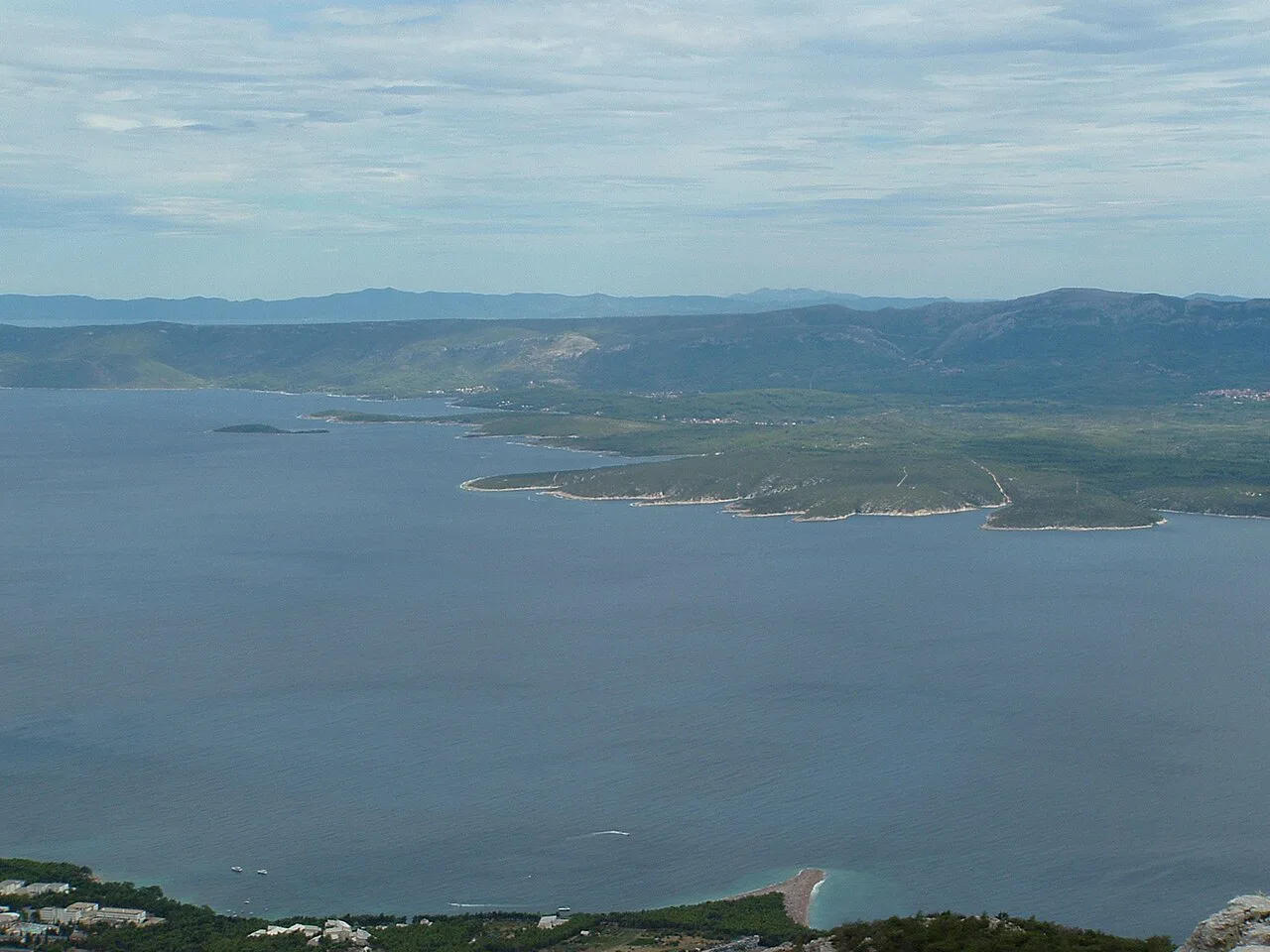
Hvar's growing season is long and dry, and harvest generally falls in the late summer to early autumn window, when the villages are busy with picking and pressing. Outside that period, cellars are calmer and more likely to accommodate a leisurely visit, though some reduce their visiting days in winter. Spring and early summer give you warm weather, green vineyards and manageable crowds before the August peak.
Who Should Skip the Wineries and Drink in Town
If your trip is short, centered on Hvar Town and built around swimming and nightlife, the inland drive may not be worth it. Hvar's wines are increasingly well represented on town restaurant lists, so you can taste Plavac Mali and Bogdanuša over dinner without leaving the harbor. Better to do that well than to squeeze in a rushed cellar visit between ferry times. If you enjoy tasting this way, compare the same approach with wine tasting in Santorini, where cellar visits are also easily combined with a resort-based stay.
Plan Your Hvar Wine Day
Aim for one overnight in Hvar Town or Jelsa, book two wineries in the same village cluster, and sort out transport before you commit to appointments. Keep the south-coast reds for a guided day if nobody wants to drive the ridge road, and leave time for a long lunch. That structure delivers more of the island's wine than a packed itinerary ever will.
Frequently Asked Questions
Which Hvar wineries can you visit?
The wineries most often named as open to visitors are Zlatan Otok, Duboković, Tomić, Pinjata and Ahearne. Around 17 wineries operate on the island, and several are too small for regular visits. Treat any list as a starting point and confirm arrangements directly with each cellar before building a route around it.
Do you need to book Hvar winery tastings in advance?
Yes, in practice. Most Hvar cellars are family-run without dedicated tasting-room staff, so visits happen by appointment. Write ahead with your date, party size and whether anyone is not drinking, and ask what the visit includes and how long it lasts.
How do you get to Hvar wineries without a car?
Take a ferry or catamaran from Split to Hvar Town or Stari Grad, then use island buses, taxis or an organized wine tour. Stari Grad is closest to the Stari Grad plain, while Hvar Town has the widest choice of tours and taxis. Bus frequencies thin outside summer, so a pre-booked return is the reliable option for rural cellars.
What wine is Hvar known for?
Hvar is best known for Plavac Mali, a dense, tannic red with dark fruit and Mediterranean herb notes. Its whites include Bogdanuša, Maraština and the rare Prč, plus Pošip and the uncommon red Darnekuša. Wines from the high Vrh subzone tend to show fresher acidity.
Is a Hvar wine tour worth it?
For a first visit, or if nobody wants to drive the island's winding roads after tasting, a tour is usually the better value because it bundles transport, a guide and a tested schedule. Independent travel gives more flexibility but requires booking ahead and stitching together buses or taxis.
When is harvest on Hvar?
Harvest generally falls in the late summer to early autumn window, when the villages are busy with picking and pressing. Cellars are calmer outside that period and more likely to accommodate a leisurely visit, though some reduce visiting days in winter.
Can you taste wine on Hvar without visiting the interior?
Yes. Hvar Town restaurant lists increasingly carry island wines, so a short trip centered on the harbor can still include Plavac Mali and Bogdanuša over dinner. The trade-off is that you miss the cellars and the vineyard landscapes of Jelsa, Svirče and Sveta Nedjelja.
Sources
Notes for your next wine trip
Optional updates to our winery and wine-town guides.
You might also like
Continue reading
More guides you'll find useful