Clos de Vougeot: Decide Your Dijon Wine Visit
Plan a visit to Clos de Vougeot: what the walled grand cru is, where it sits between Dijon and Beaune, and how to taste Burgundy wines when you go.
On this page
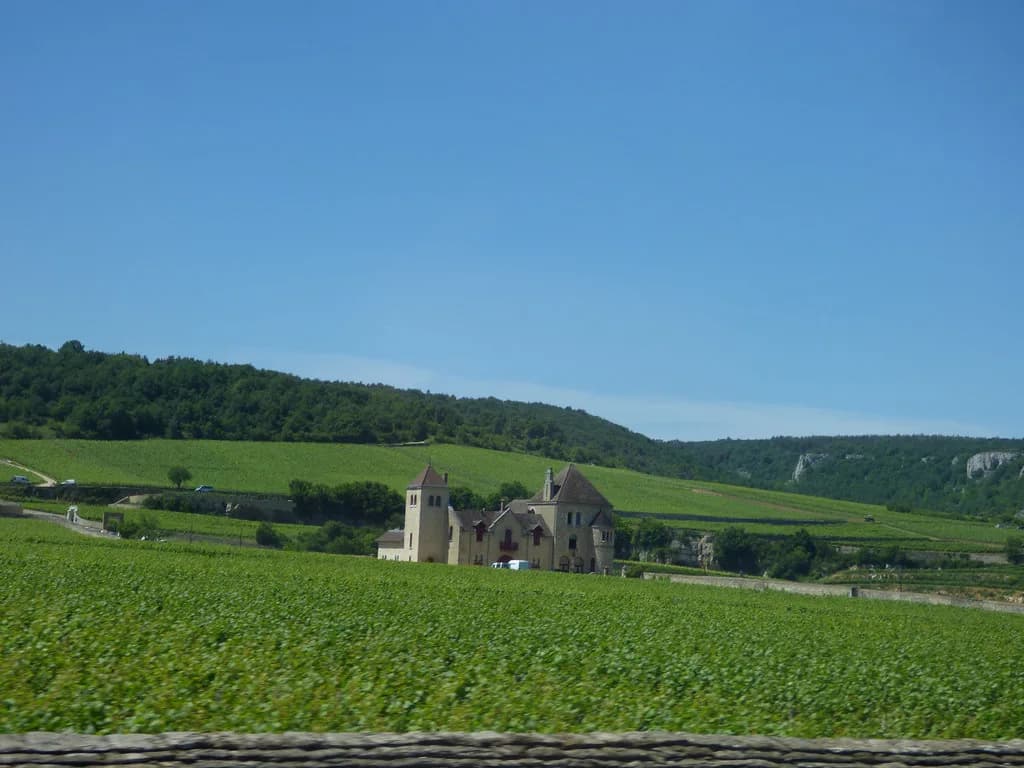
Clos de Vougeot sits in the village of Vougeot, in Burgundy's Côte de Nuits, roughly midway between Dijon and Beaune. Most visitors arrive expecting a single winery and find something more interesting: a walled vineyard split among many owners, with one historic château at its edge that functions as a visitor site and events venue.
This guide separates the vineyard from the château, shows how Vougeot fits into the chain of Côte de Nuits villages, and explains how domain visits work so you can book with realistic expectations. It is written for travelers basing themselves in Dijon and covering Burgundy wine tasting by train, taxi, bike or tour.
Why Clos de Vougeot Matters: One Walled Grand Cru, Many Owners, One Château
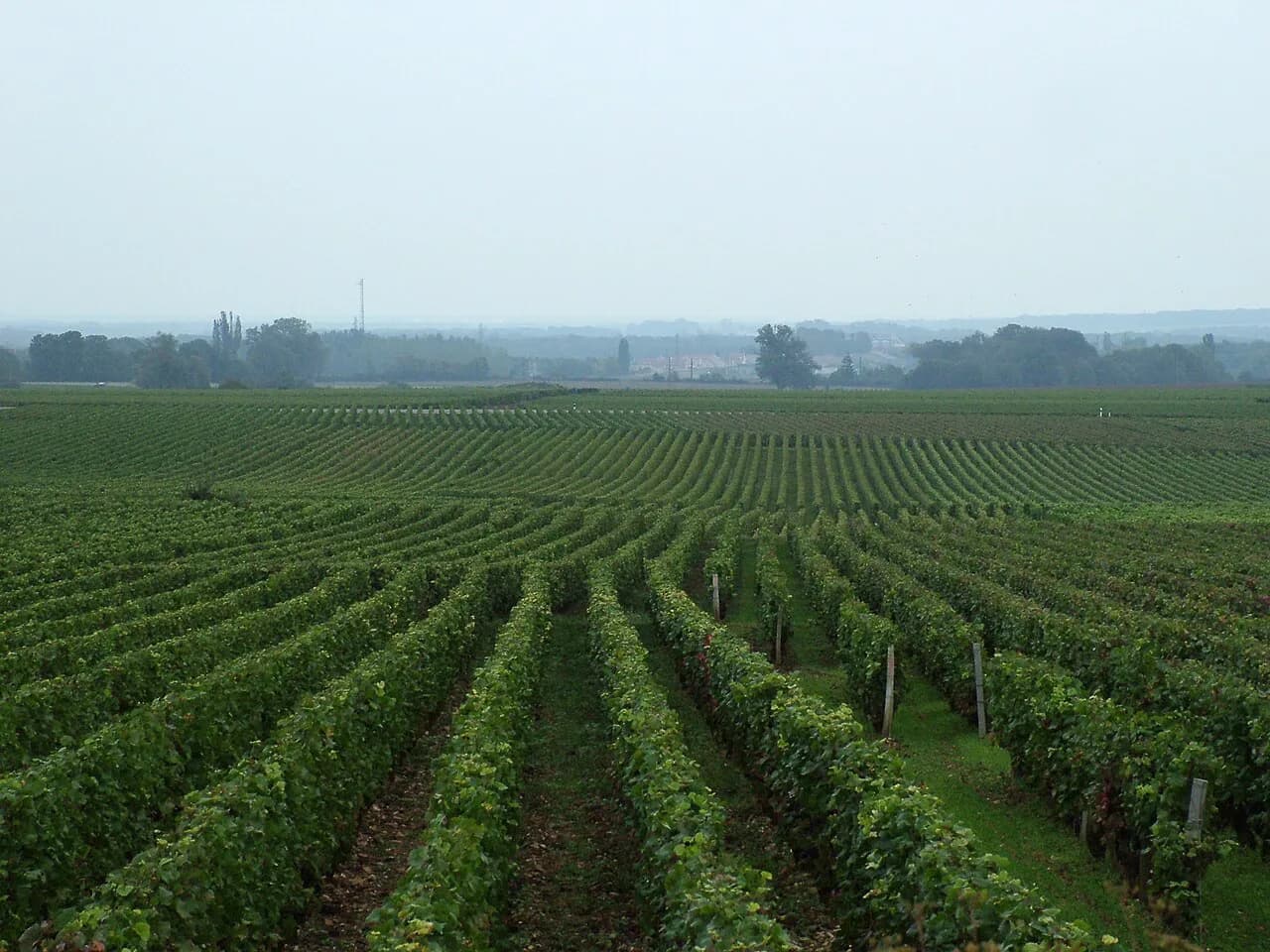
Clos de Vougeot is a clos in the Burgundian sense: a vineyard enclosed by a wall, and also an appellation d'origine contrôlée for the wine grown inside it. That double identity is the source of most visitor confusion, because the name refers to the land and the wine as much as to any building.
The walled parcel is divided among numerous owners, so a bottle labeled Clos de Vougeot Grand Cru can come from different producers working different slices of the same enclosure. For a traveler, that means there is no single estate to tour inside the wall; tasting the appellation is a matter of visiting producers who hold parcels.
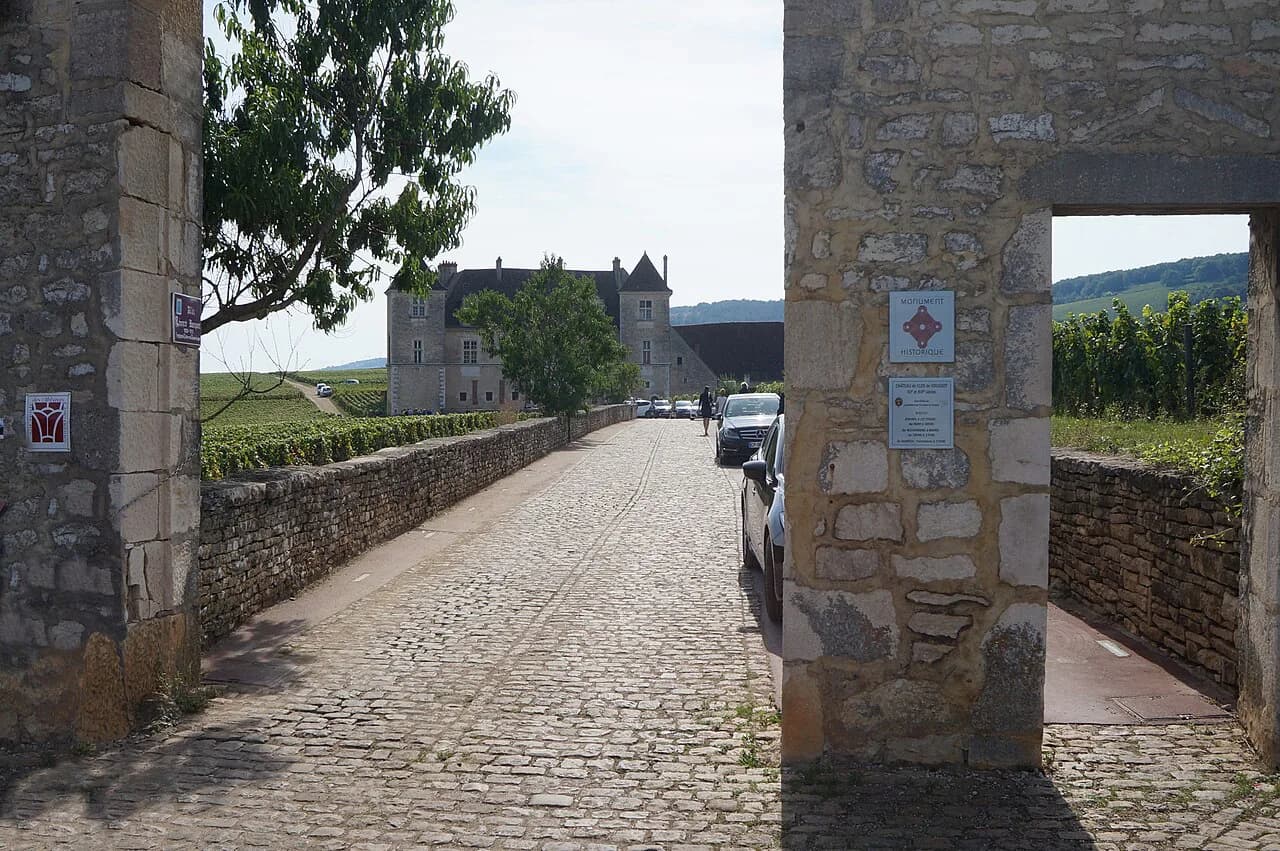
The Château du Clos de Vougeot is the built landmark at the edge of the vineyard and the one address most visitors mean when they say they want to see Clos de Vougeot. Its site frames the site around 900 years of history and organizes visitor offerings under wine tourism, guided tours, events and booking rather than a walk-up cellar door.
Where It Is: Vougeot in the Côte de Nuits, Between Dijon and Beaune
Vougeot is a small village in the Côte de Nuits, the northern half of the Côte d'Or escarpment that runs south from Dijon toward Beaune. It sits between Chambolle-Musigny and Vosne-Romanée, which makes it a natural midpoint on a village-to-village route rather than a standalone detour.
The wider Bourgogne winegrowing region spreads across Chablis and the Grand Auxerrois, the Côte de Nuits, the Côte de Beaune, the Côte Chalonnaise and Couchois, the Mâconnais and the Châtillonnais, and the regional body lists 84 Bourgogne appellations in total. Vougeot belongs to the Côte de Nuits group, which is why a day here pairs naturally with Gevrey-Chambertin to the north and Nuits-Saint-Georges to the south.
From Dijon the vineyard villages lie a short drive or taxi ride south along the D974, and from Beaune they lie north along the same axis. If you are planning several days around the city, the broader wine tasting in dijon guide covers bases, transport and the regional layout that this page builds on.
What the Clos Actually Is: A Grand Cru Vineyard Inside a Wall
Inside the wall, the Clos de Vougeot appellation is classified as a grand cru, the top tier of the Burgundy hierarchy. Grand cru status attaches to a defined piece of land, not to a producer, so the appellation name on a label tells you where the grapes grew and the producer name tells you who made the wine.
That structure explains why the Clos is often described as many wines from one vineyard. It also explains why you cannot simply arrive and taste across the appellation in one room; each owner decides whether and how to receive visitors, and many work by appointment only or not at all.
Reading labels becomes easier once you separate the tiers: regional appellations such as Bourgogne or Bourgogne aligoté, village appellations such as Chambolle-Musigny, premier cru vineyards named after the village, and grand cru vineyards that stand alone as their own appellation. The regional body publishes the full appellation list and maps if you want to study the hierarchy before you travel.
The Château du Clos de Vougeot as a Visitor Site
The Château du Clos de Vougeot is the practical anchor for a first visit to the village. Its site lists visits and wine tourism, guided tours, a Cœur de Climats experience, a restaurant under the La Table de Léonce name, and a shop, with booking handled through the site.
Treat the château as a history and orientation stop rather than a domaine cellar visit. The building gives you the context of the Clos, the wall and the monastic and estate history, while the actual tasting of Clos de Vougeot wines depends on which producers you can book elsewhere in the Côte de Nuits.
The château publishes its current offerings, any seasonal programming and booking conditions on its own pages, which is the place to confirm times, admission and whether a given tour or experience is running during your dates. Check that directly before you build a day around a specific tour slot.
If your trip coincides with the European Heritage Days, note that the château lists that event separately from its regular visit program, which usually means different access arrangements. Look at the events section of the site for the current year to see what that year's edition involves.
Grouping the Côte de Nuits Villages for a Tasting Day
Build the day around the village chain rather than around a single name. Running north to south, the Côte de Nuits villages most travelers group are Marsannay and Fixin near Dijon, then Gevrey-Chambertin, Morey-Saint-Denis, Chambolle-Musigny, Vougeot, Vosne-Romanée and Nuits-Saint-Georges toward Beaune. If you continue south past the Côte de Nuits, wine tasting in Beaune covers the cellars and châteaux of the Côte de Beaune for a second day.
A realistic plan is two or three appointments in one stretch of that chain plus a stop at the château, because cellar visits run long and the roads between villages are slow. Pairing Gevrey-Chambertin with Morey-Saint-Denis and Vougeot, or Chambolle-Musigny with Vougeot and Vosne-Romanée, keeps driving short and leaves room for a proper lunch.
If you want to see the whole sweep on wheels, the route des grands crus traces the vineyard road through these villages and works well by bike or car with a designated driver. For the wider picture of where to taste across the region, the Côte de Nuits pages of the dijon wineries section are a useful next read.
What Burgundy Pours Here: Pinot Noir, Chardonnay and Aligoté
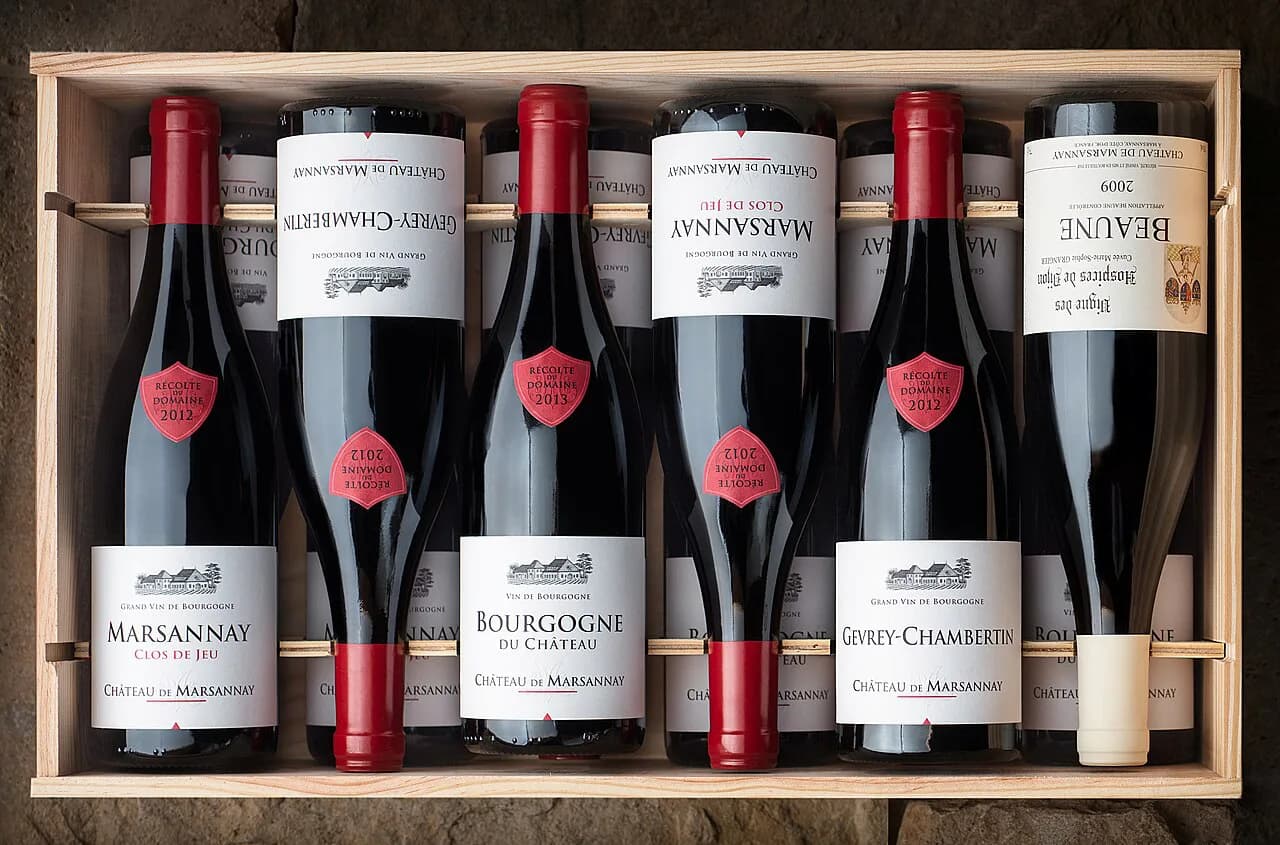
The Côte de Nuits is red-wine country, and Pinot Noir is the grape behind its village, premier cru and grand cru reds, including Clos de Vougeot. Expect lighter-bodied, structured reds built on acidity rather than weight, which is why Burgundy rewards tasting across several villages in one day.
Chardonnay dominates the whites of the Côte de Beaune to the south, while Aligoté makes crisper, lighter whites and is the base for Bourgogne aligoté and Crémant de Bourgogne. Gamay appears in regional appellations such as Bourgogne Passe-tout-grains, so a mixed tasting across a day will not be all Pinot Noir.
When you book, ask which appellations the tasting covers and whether the lineup leans village-level or grand cru. That single question tells you more about whether a visit suits you than the size of the cellar, and it lets you avoid paying for a grand cru lineup when you wanted an overview of the Côte de Nuits.
Appointment Culture: How Burgundy Domain Visits Work
Burgundy domain visits are mostly by appointment, often arranged by email or through a booking form on the producer's site, and small family estates may receive only a handful of visitors a week. Contacting several producers a few weeks ahead is normal practice, and larger négociant houses with dedicated visitor facilities are the usual walk-in option.
When you write, state your party size, preferred date and rough time window, whether you need the visit in English, and whether anyone in the group will not be drinking. Ask about duration, the number of wines poured, whether a cellar tour is included, and whether payment is taken on site or in advance, since practices vary between estates.
If a producer cannot host you, ask whether they can suggest a colleague in the same village; small estates in the Côte de Nuits often point visitors toward neighbors who do receive guests. The Cité des Climats et vins de Bourgogne and the Vignobles & Découvertes network are the official starting points for orientation when you want a visitor center before door-knocking.
Getting There Without Driving
The car-free route to Vougeot runs through Dijon or Beaune by train, then onward by taxi, bike or an organized tour. The regional TER trains connect Dijon and Beaune with stops along the Côte, and the vineyard road between the villages is short enough to cycle if you are comfortable on rolling terrain.
Taxis in the villages are limited and expensive to hail on the spot, so book a return car in advance or use a tour that collects you from your hotel. A guided half-day from Dijon solves the logistics of scattered estates, while the train-plus-taxi approach gives you control over timing at the cost of more planning.
A driver should not taste, so plan around spittoons, a designated driver, a tour, or public transport for anyone drinking. Spitting is standard practice at Burgundy tastings and hosts expect it, which makes a shared tasting with one sober driver a workable arrangement.
Independent vs Guided: Flexibility Against Access
Going independently means you choose which villages to linger in and can book small domain cellars directly, but you carry the logistics: appointment emails, taxi bookings, and the risk that a producer cancels on the day. Guided dijon wine tours remove that friction and often include estates that do not take individual visitors, at the cost of a fixed schedule.
The honest trade-off is depth against breadth. A private tour with a driver-guide can fit three visits and a château stop into one day, while an independent traveler using trains and taxis usually manages two appointments comfortably with lunch in between.
For a group of four, a booked car and driver for the day can be simpler than coordinating taxis between villages, especially when your appointments are spread across Gevrey-Chambertin and Nuits-Saint-Georges. For one or two travelers, the train plus a pre-booked taxi back is often the lighter option.
A Realistic Half-Day and Full-Day Shape from Dijon
A half-day from Dijon works best as a morning at the Château du Clos de Vougeot followed by one cellar appointment in Vougeot or Vosne-Romanée, with a taxi back to Dijon before lunch. Book the appointment first, then fit the château around it, because the château's scheduled tours have fixed start times.
The full-day version starts early with a drive or tour south through Marsannay and Fixin, spends the late morning at Gevrey-Chambertin and Morey-Saint-Denis, takes lunch in Vougeot with the château visit, and finishes with a tasting in Vosne-Romanée or Nuits-Saint-Georges. That is four stops at most, and it works only if appointments are booked with staggered times.
Build a buffer of at least thirty minutes between appointments. Burgundy cellar visits regularly run over when the conversation gets going, and a late arrival at a small estate can mean a shortened tasting or a cancelled slot.
Harvest Timing and the Seasonal Rhythm of the Côte de Nuits
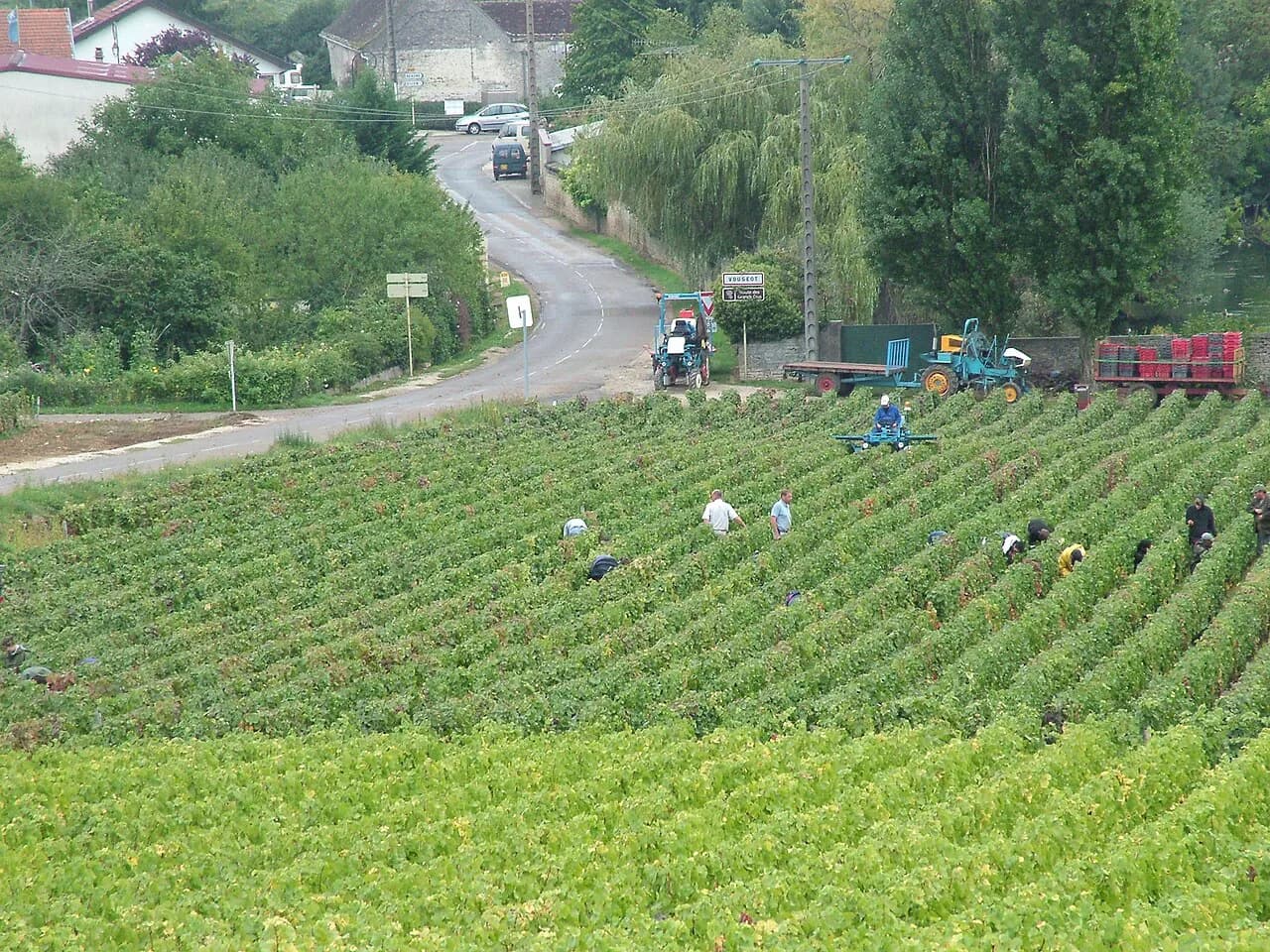
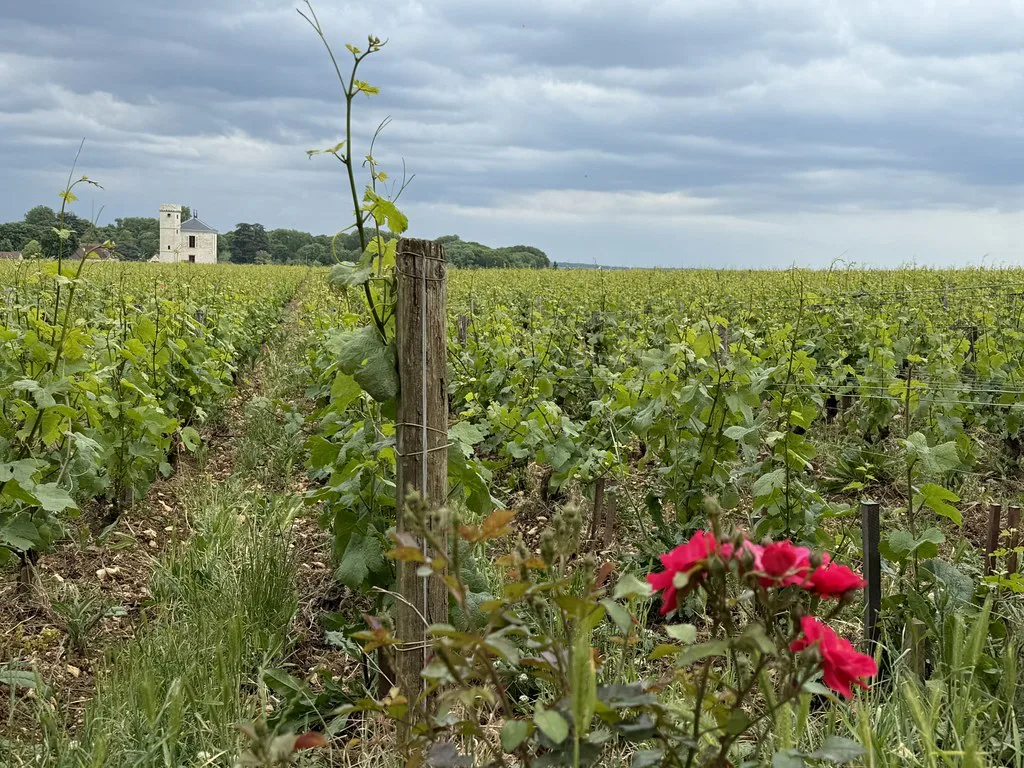
The Côte de Nuits is busiest in late September and October, when picking and vinification occupy every cellar and many producers stop receiving visitors. Late spring and summer are the more comfortable months for appointments and vineyard walks, while winter is quieter but smaller estates may close for holidays.
Ask about the harvest schedule before you commit to an autumn date, and expect that a confirmed visit can shift if picking starts earlier than the estate expects. Booking spring or early summer gives you the best odds of a relaxed host and a full tour.
Practical Booking Checklist Before You Travel
Have your questions ready before you email: language of the visit, duration, number of wines, whether a cellar tour is included, group size limits, payment method and cancellation terms. Ask whether the visit involves stairs or long walks in the vines if mobility matters, since old cellars are not always step-free.
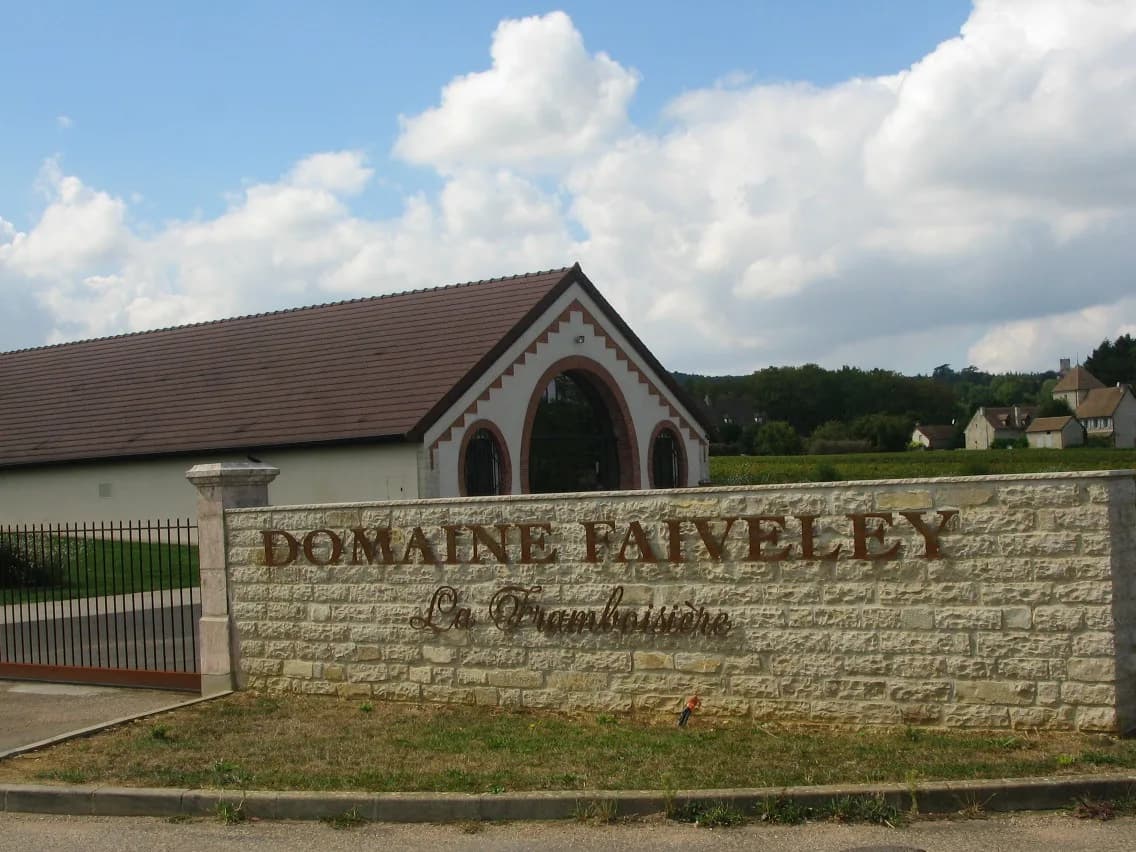
Confirm the meeting point and parking, and whether the address differs from the winery office. In Vougeot and the surrounding villages, a domaine's reception may be in a courtyard behind the main road, so ask for a landmark rather than relying on a navigation pin.
For the château, use the official booking channel and check the current calendar and event listings on its site before you travel, since programming and access vary by season.
Where to Go Next: Chablis, the Côte Chalonnaise and the Mâconnais
A second Burgundy day can head north to Chablis and the Grand Auxerrois for steely Chardonnay, or south to the Côte Chalonnaise around Rully and Mercurey for value-focused Pinot Noir and sparkling Crémant. The Mâconnais around Pouilly-Fuissé is a longer drive from Dijon but rewards a full day.
Each of these subregions has its own appointment culture and visitor infrastructure, and the regional appellation lists are the quickest way to see which villages fall under which name. Pick one direction per day rather than trying to span Chablis and the Mâconnais in a single outing.
Plan Your Clos de Vougeot Visit
Treat Clos de Vougeot as two stops in one: the walled grand cru you taste through producers, and the Château du Clos de Vougeot you visit for context. Book cellar appointments first, then slot in the château, and keep the village chain short enough that you are not racing between Gevrey-Chambertin and Nuits-Saint-Georges.
From Dijon, a train plus pre-booked taxi or a guided tour handles the logistics without a driver drinking, and a designated driver covers the independent version. Confirm current tour times, booking conditions and harvest-period availability directly with the château and your chosen producers before locking in dates.
Frequently Asked Questions
What is Clos de Vougeot?
Clos de Vougeot is a walled vineyard in the Côte de Nuits village of Vougeot, in Burgundy, and also the name of the grand cru appellation for the wine grown inside that wall. The Château du Clos de Vougeot at the edge of the vineyard is the main visitor site.
Which village is Clos de Vougeot in?
It is in Vougeot, a small village in the Côte de Nuits between Chambolle-Musigny and Vosne-Romanée, roughly midway between Dijon and Beaune.
How many owners does Clos de Vougeot have?
The walled vineyard is split among many owners, so wines labeled Clos de Vougeot Grand Cru come from different producers working different parcels. There is no single estate inside the wall to tour.
Is the Château du Clos de Vougeot open to visitors?
Yes. The château presents itself as a wine tourism site with visits, guided tours, a shop and a restaurant, and it handles booking through its own website. Check the current calendar and any event-specific arrangements on its site before you travel.
Can you visit Clos de Vougeot without a car?
Yes, with planning. Take the train to Dijon or Beaune, then a pre-booked taxi, a bike along the vineyard road, or an organized tour from Dijon. Hailing a taxi in the villages on the spot is unreliable.
How far is Clos de Vougeot from Dijon and Beaune?
Vougeot sits between the two cities on the Côte de Nuits vineyard road, so it is a short drive or taxi ride from either. Exact timing depends on traffic and your starting point in the city.
How do you book a Burgundy wine tasting?
Most domain visits are by appointment, arranged by email or a booking form on the producer's site. State your party size, date window, language needs and whether anyone will not be drinking, and ask about duration, number of wines and payment on site or in advance.
What wines should I taste in the Côte de Nuits?
Pinot Noir is the core red grape of the Côte de Nuits, including Clos de Vougeot. Nearby subregions add Chardonnay, Aligoté and Gamay in regional appellations such as Bourgogne aligoté and Bourgogne Passe-tout-grains.
Sources
Notes for your next wine trip
Optional updates to our winery and wine-town guides.
You might also like
Continue reading
More guides you'll find useful