Château de Marsannay Guide: Tours, Tastings & Dijon Travel
Château de Marsannay offers cellar tours and tastings, including the Exclusive, Privative and Climats de Bourgogne formats. Here is how to plan a Dijon visit.
On this page
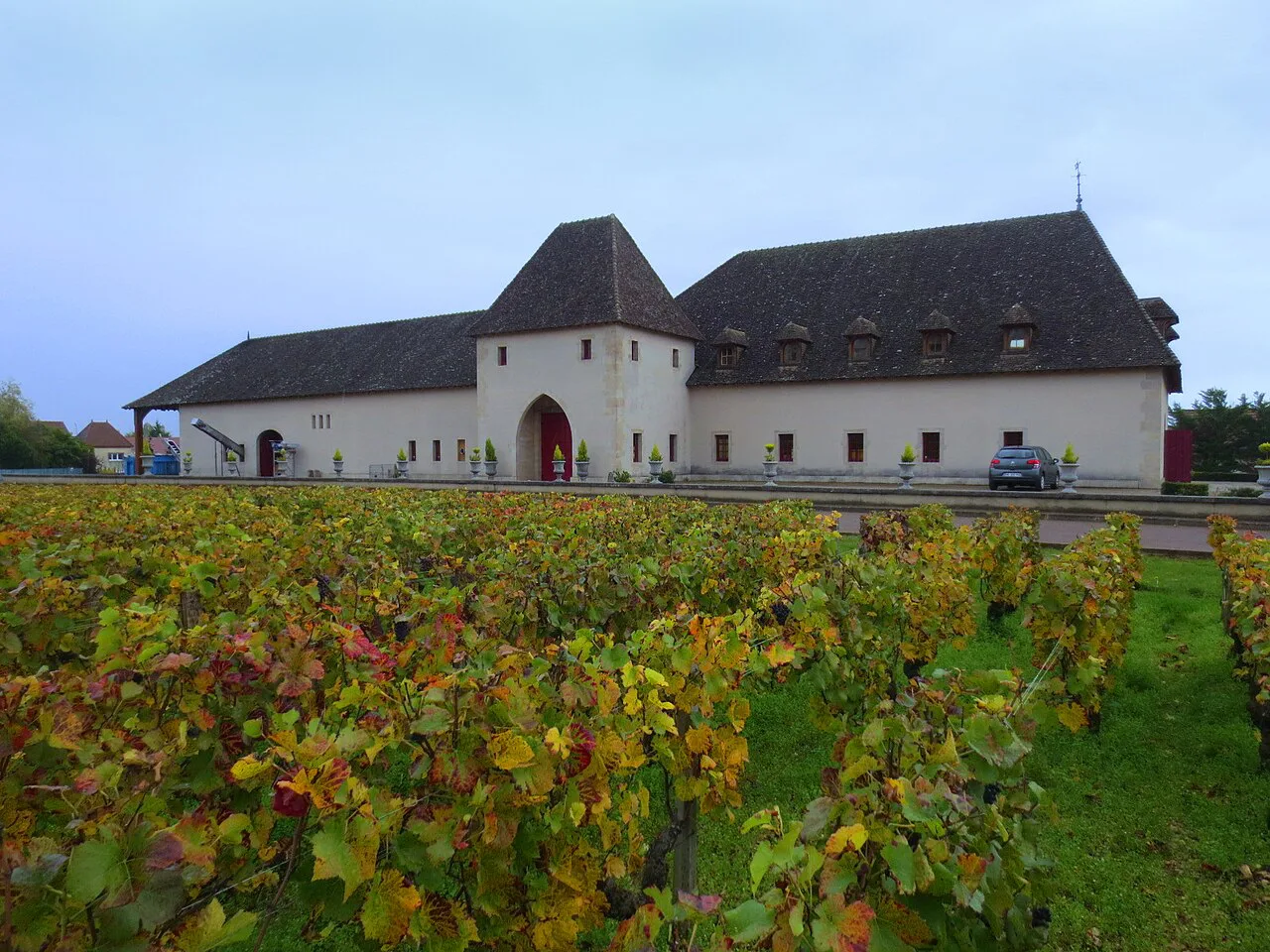
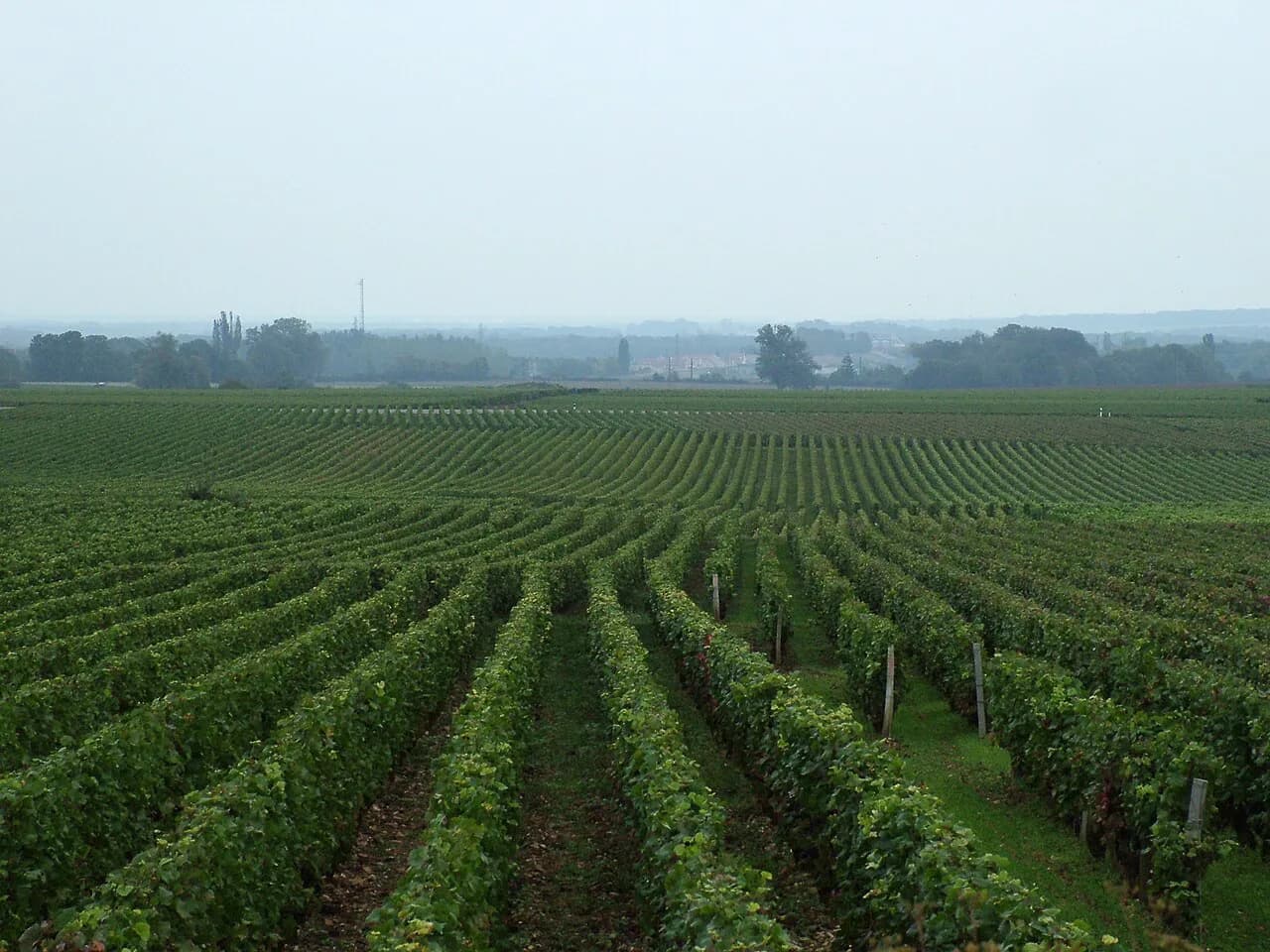
Marsannay-la-Côte sits at the top of the Côte de Nuits, and Château de Marsannay is its most visible visitor address: a working estate with vaulted cellars, an educational walk through Burgundy's Climats and a tasting set in front of the vines. It suits travelers based in Dijon who want serious Burgundy wines without committing a full day to the Route des Grands Crus.
What follows sticks to what the estate actually publishes about its three tour products, its appellations and its booking route. Anything that changes by season or party size, such as prices and open days, is flagged so you know where to look rather than guessed.
Where Château de Marsannay Sits in Burgundy
Marsannay-la-Côte is the northernmost village of the Côte de Nuits, the strip of Burgundy that runs south from Dijon toward Nuits-Saint-Georges. Château de Marsannay describes itself as located near Dijon, in the heart of the vineyards, which makes it the closest serious cellar visit on the Côte de Nuits for anyone staying in the city.
Practically, treat the village as a short hop south of Dijon on the road that becomes the Route des Grands Crus. The distance is modest enough that a taxi, a bicycle or a regional train plus a short walk are all worth considering, but the estate does not publish travel times, so confirm the access details when you book rather than relying on a map estimate.
If you want the wider context of villages and tasting stops along that northern stretch, our guide to the Route des Grands Crus from Dijon shows how Marsannay, Fixin and Gevrey-Chambertin line up one after another.
The Wines to Expect
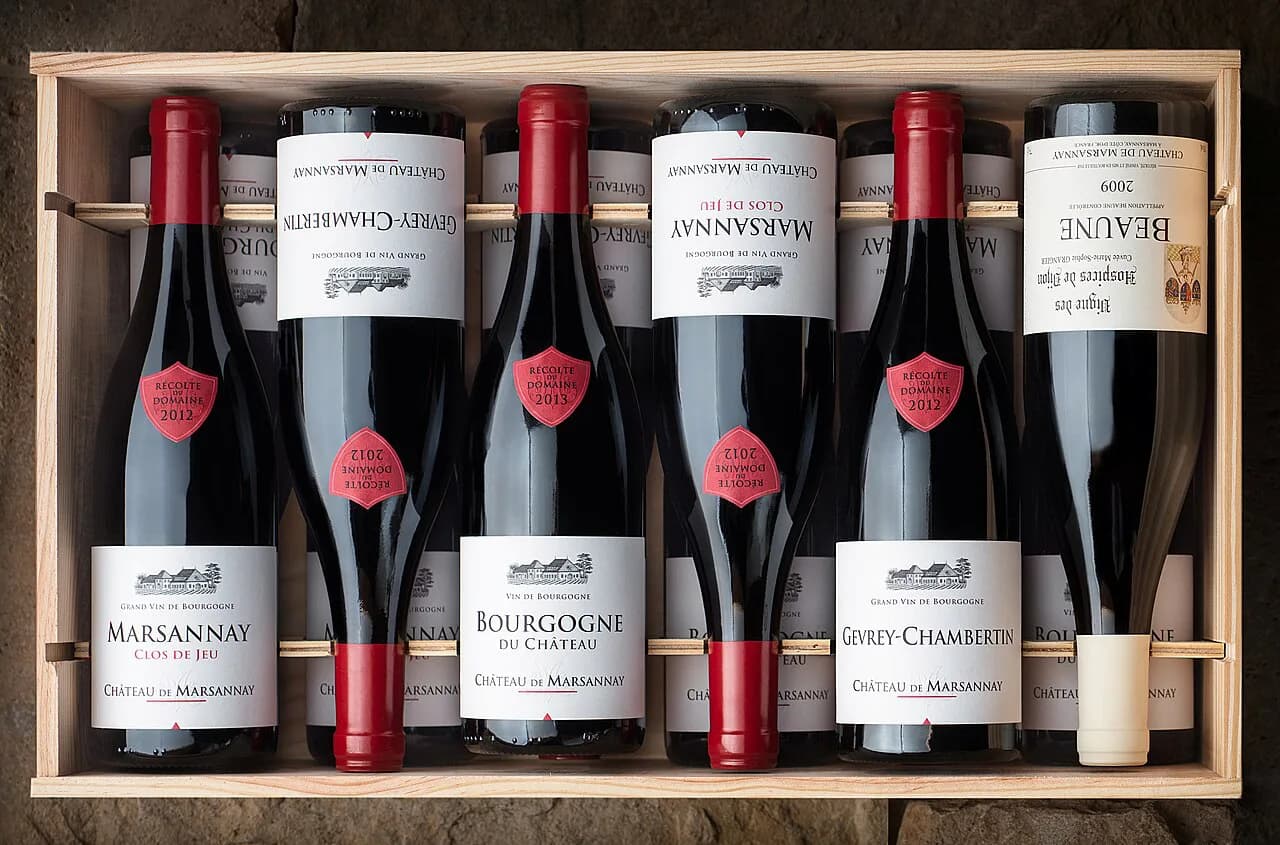
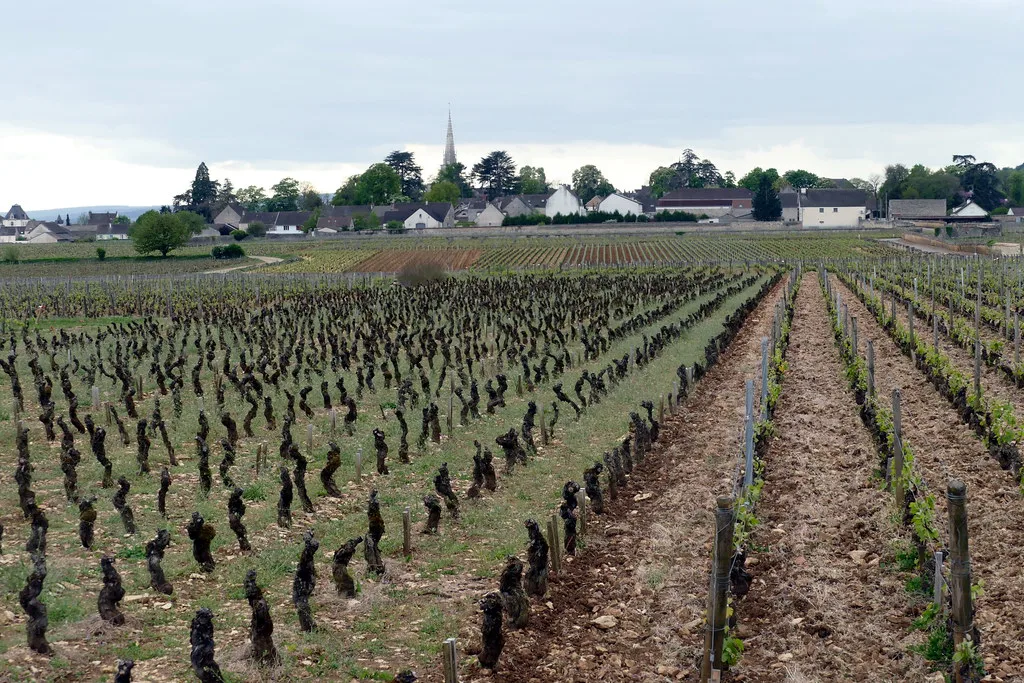
Marsannay is the core appellation here, and the estate works plot by plot: more than 40 Climats are vinified and matured separately, including named Marsannay sites such as Longeroies, Champs Perdrix and Clos du Roy. Red wines dominate the range, with a smaller share of whites and rosé, the last a style Marsannay is known for across Burgundy.
Beyond its home village, the estate draws on grand and premier cru holdings in the Côte de Nuits, among them Chambertin, Ruchottes-Chambertin, Clos de Vougeot, Echézeaux and Gevrey-Chambertin Premier Cru Bel-Air and Champeaux. It also works parcels in Côte de Beaune, which is why a single tasting here can span both village-level and famous names.
Burgundy labels reward a little preparation. Village wines carry the village name, premier cru bottlings add the vineyard, and grand cru wines drop the village from the label entirely, so a bottle of Chambertin does not say Gevrey-Chambertin on the front. Knowing this makes the estate's list easier to read and helps you steer a tasting toward the styles you care about.
The Three Published Tour Formats
The estate publishes three bookable tour products: Exclusive, Privative and Climats de Bourgogne, and each appears on its own booking panel with a matching gift voucher option. The names suggest the split between privacy and shared formats, but the site does not spell out group sizes, so ask directly how many people each format accommodates before you pay.
The Climats de Bourgogne format sits closest to the educational side of the visit, tying into the estate's walkthrough of Burgundy's Climats, the mapped vineyard parcels recognized by UNESCO. A Privative booking reads as the private option for a couple, a family group or a small party who want the guide to themselves, while the Exclusive tier is the one to enquire about if you want something beyond the standard circuit.
Ask when booking which wines each format includes and whether the cellar walk is part of every option. The site confirms vaulted cellars, a tasting facing the vines and the educational Climats display as elements of a visit, but it does not publish a fixed pour list per tour.
What a Visit Involves
A visit at Marsannay is built around the senses rather than a stand-up bar counter: you move through vaulted cellars, work through displays explaining the history of Burgundy wines and its Climats, then taste the estate's wines facing the vines. That structure makes it a good choice for a mixed group where one person knows Burgundy well and others are new to it.
Because the range leans red and runs from Marsannay village wines up to grand cru, a sensible request is to taste across the hierarchy rather than settle on one level. Visitors reviewing the estate describe touring the building and tasting both reds and whites, which fits the published picture of an estate with plenty to pour.
Food is a separate matter. The estate has hosted dinners in partnership with the Bernard Loiseau group, including a Paulée de Noël with a chef from Loiseau des Vignes in Beaune, but that is an event rather than a standard tasting pairing. Ask whether any cheese or charcuterie board can be added to your slot.
Booking, Gift Vouchers and What to Confirm
Booking runs through the estate's website, where each tour has a book-now panel and a gift-voucher counterpart, and the site also carries a newsletter sign-up and a contact form in French and English. Treat advance booking as the expected route rather than turning up on spec; the online panels are the clearest signal of how the estate wants to manage visitor numbers.
A short email before booking should cover four things: party size, preferred language of the tour, which format you want, and whether a tasting without the full tour is possible. Asking about language matters in Burgundy, where many estates run visits in French by default, and it is better settled before you commit.
If your dates are fixed, book early and confirm the day and time by email once the booking is placed. Prices, opening days and seasonal closures are published on the estate's own booking pages rather than fixed year-round, so read the current rate card at the moment you book instead of working from an old figure.
Prices and Opening Days: How to Read the Rate Card
Château de Marsannay does not publish a single flat visit price in its general description of tours and tastings; the figures sit behind the booking panels for the Exclusive, Privative and Climats de Bourgogne formats. Open each product page, note what is included, and compare the per-person figure for your party size before choosing.
The estate hosts events such as the Paulée de Noël in December that can affect availability, so when you book, ask whether your chosen date falls near a closure or an event, and whether the cellars are accessible for anyone in your group with mobility limits.
Budget the tasting as one line of a Dijon wine day rather than the whole day. A morning slot at Marsannay leaves the afternoon free for a second village or a return to Dijon, and it keeps taxi or train costs to a single out-and-back.
Getting There from Dijon Without a Car
Marsannay-la-Côte lies just south of Dijon, and the practical options are regional train, local bus, taxi or bicycle. The estate does not publish a travel time or a recommended route, so check the current TER Bourgogne-Franche-Comté timetable and the Dijon public transport network for the day you plan to travel, and ask Château de Marsannay which station or stop is closest.
A taxi from central Dijon is the simplest door-to-door choice for two or more people, and it removes the timetable problem entirely. The trade-off is cost and the need to arrange a return pickup, since a village estate is not a city rank where cars wait; ask the estate whether they can call a taxi for the end of your visit.
Cycling works well in this flat-to-gently-rolling northern stretch of the Côte de Nuits, and it lets you link Marsannay with Fixin or Gevrey-Chambertin on the same ride. Book the bike in Dijon in advance, carry a lock and lights, and keep the ride short if you plan to taste.
If you would rather not organize any of this, a guided day tour from Dijon handles transport and appointments together, which is often how first-time visitors reach estates that expect reserved slots. Our comparison of wine Tours in the region sets private against group formats.
A Realistic Half-Day from Dijon
A workable plan is an early Marsannay slot, a short move south to one more Côte de Nuits village, and a return to Dijon by late afternoon. Marsannay, Fixin and Gevrey-Chambertin sit in sequence, so you can pair the château with a second visit without crossing the whole Côte.
Keep the second stop modest. One booked tour plus one shorter tasting is usually plenty for a half-day, and stacking three estates in an afternoon leaves no room for the cellar walks that make Burgundy visits worth the trip.
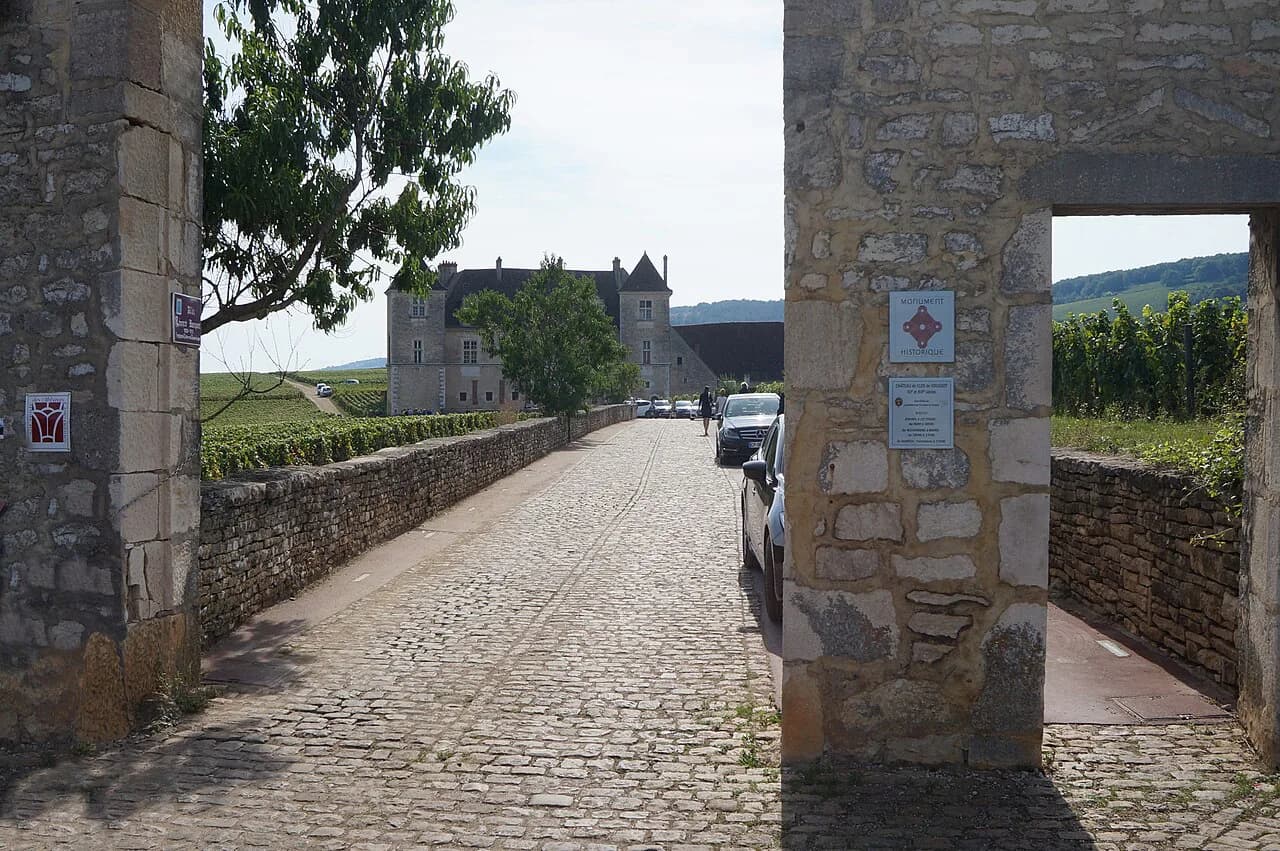
If your interest runs to the famous names on the estate's list, the Clos de Vougeot château is a further step south and a natural full-day extension rather than an add-on to a Marsannay morning.
Independent Trip or Guided Tour
Going independently gives you control over timing and lets you spend longer in the cellars, and it is usually the cheaper route when two or more people share a taxi. The cost is admin: you book the visit, arrange the ride and handle any timetable gaps yourself.
A guided tour costs more per person but bundles transport, reservations and a guide who can explain the appellations between stops. For a single traveler or a couple who want a grand cru day without driving, that often works out simpler than piecing together trains and taxis.
Either way, reserve the château slot first and build transport around it. The estate's booking panels are the fixed point; everything else is negotiable.
Drivers, Spittoons and Responsible Tasting
If you are driving, do not taste: use the spittoons, appoint a designated driver or take the train, bus or a tour instead. Burgundy tasting rooms are set up for spitting, and no one at the estate will be surprised by the request.
Non-drinkers in the party still get value from the visit, since the cellar walk and the Climats displays carry the story of the region rather than only the glass. Say so when booking so the estate can plan the pour count.
Plan Your Visit
Château de Marsannay is the easiest serious Burgundy visit from Dijon: a northern Côte de Nuits estate with three published tour formats, vaulted cellars and a range that runs from Marsannay village wines to Chambertin and Clos de Vougeot. If you would rather weigh Burgundy against Champagne, wine tasting in Reims covers the grandes maisons and tour prices on the other side of the comparison. Book online, ask about party size and language, and read the current rate card at the moment you book.
Before you fix dates, our Dijon wine tasting guide sets the city's cellars and day trips alongside this Marsannay option, so you can weigh a short northern run against a longer Côte de Beaune day.
Pair it with one more village to the south, sort out your transport before you commit to a slot, and leave the driving to someone who is not tasting.
Frequently Asked Questions
What kind of wine is Marsannay?
Marsannay is a Burgundy appellation at the northern end of the Côte de Nuits. It is best known for red wines from Pinot Noir, with smaller amounts of white and a rosé style that is unusual in the region. At Château de Marsannay, reds make up most of the range, alongside named village sites such as Longeroies and Clos du Roy.
Is Marsannay in the Côte de Nuits?
Yes. Marsannay-la-Côte is the northernmost village of the Côte de Nuits, the strip of Burgundy running south from Dijon. That position makes it the closest Côte de Nuits village to the city and a natural half-day for travelers based in Dijon.
Does Château de Marsannay offer tours and tastings?
Yes. The estate publishes three bookable formats, Exclusive, Privative and Climats de Bourgogne, and describes a visit that includes vaulted cellars, an educational walk through Burgundy's Climats and a tasting facing the vines. It does not publish a fixed pour list per tour, so ask which wines each format includes.
Do you need to book Château de Marsannay in advance?
Treat advance booking as the expected route. Each tour has a book-now panel on the estate's website, plus a gift-voucher option, and the site offers a contact form in French and English. When you book, state party size and preferred tour language.
How do you get to Château de Marsannay from Dijon without a car?
Regional train, local bus, taxi and bicycle are the realistic options for the short run south from Dijon to Marsannay-la-Côte. The estate does not publish a travel time or recommended route, so check the current TER Bourgogne-Franche-Comté timetable and the Dijon network for your date, and confirm which stop is closest.
How much does a tasting at Château de Marsannay cost?
The estate does not publish a single flat visit price in its general description. Rates sit behind the booking panels for the Exclusive, Privative and Climats de Bourgogne formats, so open each product page and compare the per-person figure for your party size at the time you book.
Can I visit Château de Marsannay if I am driving?
You can visit, but the driver should not taste. Use spittoons, bring a designated driver, or take the train, bus or a guided tour instead. Non-drinkers still get the cellar walk and the Climats displays, so mention at booking that one person is not drinking.
Sources
Notes for your next wine trip
Optional updates to our winery and wine-town guides.
You might also like
Continue reading
More guides you'll find useful