Beaune Wine Tours: Côte de Beaune vs Nuits Guide
Plan wine tours from Beaune: compare Côte de Beaune and Côte de Nuits routes, shared minibus, private car and self-drive, and how booking actually works.
On this page
Beaune is the practical capital of Burgundy wine travel, a compact town whose ring road turns into vineyard lanes within minutes. That geography is the single most useful thing to understand before booking: the Côte de Beaune lies south of town, the Côte de Nuits runs north toward Dijon, and a day tour almost always commits to one direction. Choosing the côte first, then the format, then the tour company is the order that produces a good day.
This guide lays out both directions, compares shared minibus tours with private cars and self-driving, explains what a guided Burgundy day typically contains, and covers the booking culture at estates. For the wider picture of where to taste in town and in the surrounding villages, our companion guide to wine tasting in Beaune covers the ground that a single tour day cannot.
Why Beaune Works as a Wine-Tour Base
Beaune is small enough to walk across and central enough that both major côtes are reachable in under an hour by road. That means you can sleep in one hotel for a week and take a different direction each day without repacking. It also means tour operators can collect you from a central meeting point and have you in the vines before the morning is fully warm.
The town itself is the gateway to the Route des Grands Crus, the signed wine road that threads through the celebrated villages of the Côte de Nuits and the Côte de Beaune. Beaune Tourisme frames the route as the way to follow Burgundy's most famous appellations through the villages that produce them, which is a good planning frame: you are not just booking tastings, you are choosing a stretch of that road. Reading up on the Burgundy wine tours available across the region helps you see how Beaune fits into a longer itinerary.
Practically, staying in Beaune rather than Dijon shortens the southern Côte de Beaune loop and keeps evenings simple, since tastings end and restaurants begin within walking distance. Dijon works better if your priority is the northern villages. Neither base is wrong; the choice simply front-loads one côte over the other.
Two Directions: Côte de Beaune South, Côte de Nuits North
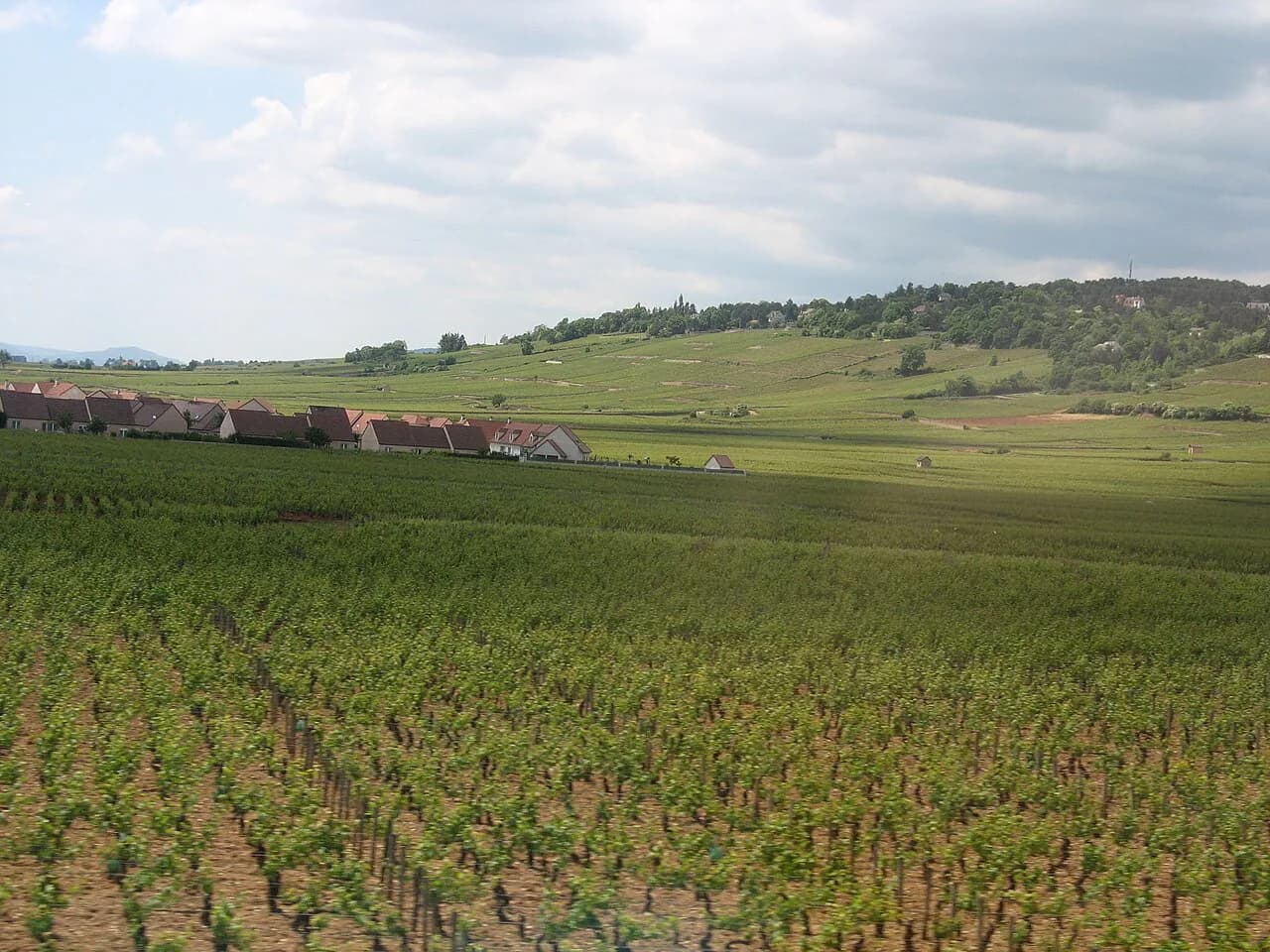
The Côte de Beaune begins immediately south of Beaune and strings together villages such as Pommard, Volnay, Meursault, Puligny-Montrachet and Chassagne-Montrachet. This is the white-wine heartland of Burgundy, with Chardonnay dominating around Meursault and Puligny, and Pinot Noir making serious reds in Pommard and Volnay. Distances between villages are short, so a half-day can realistically cover two estate visits with time in the car measured in minutes.
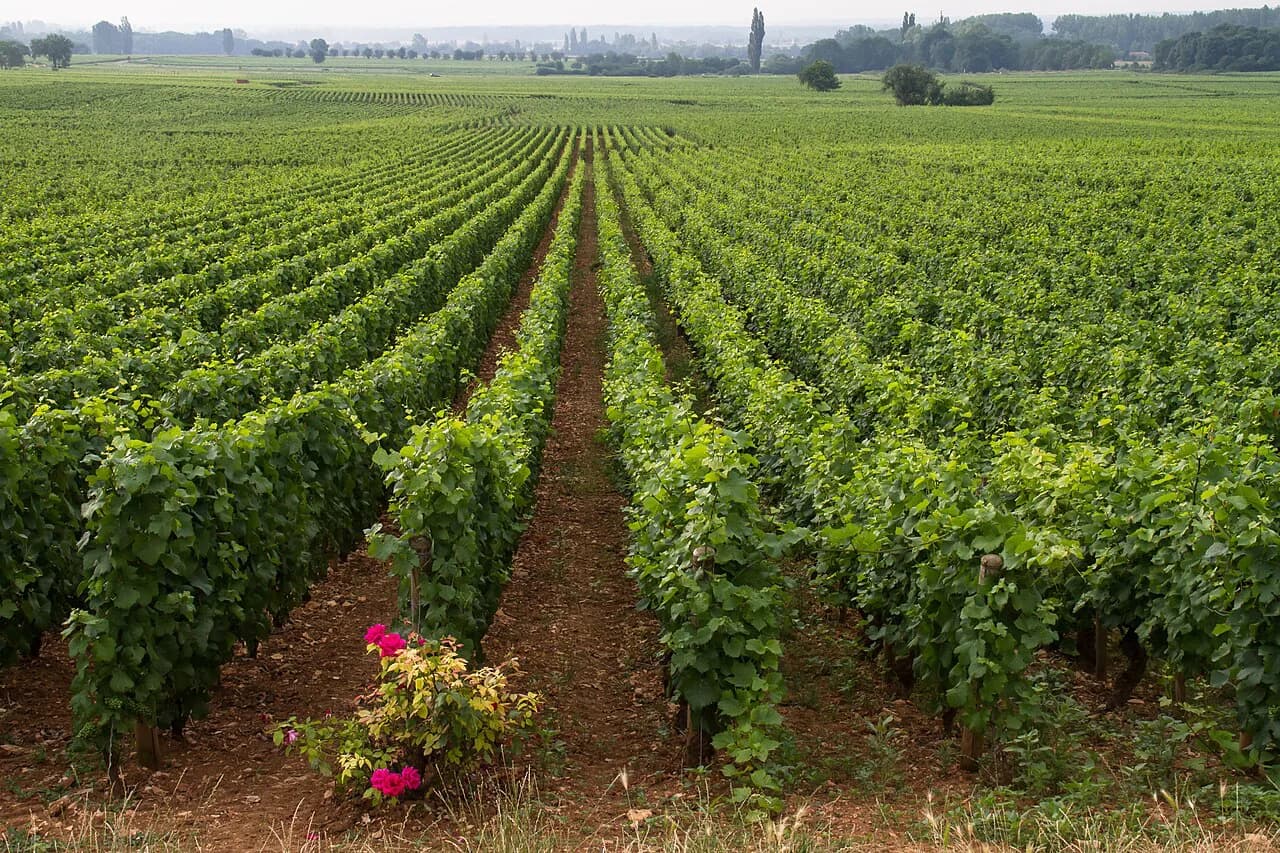
The Côte de Nuits runs north from Beaune through Aloxe-Corton, Vosne-Romanée, Chambolle-Musigny, Gevrey-Chambertin and on toward Dijon. It is overwhelmingly Pinot Noir country, with a concentration of grand cru names that draws collectors. The driving bites more here: villages are spread along a longer strip, so a full day is the honest unit for a Côte de Nuits tour, and squeezing it into a half-day means fewer visits and more time in the vehicle.
A simple rule works well. Choose the Côte de Beaune for a shorter day, for white wine, or for a first visit to Burgundy. Choose the Côte de Nuits for red wine, for grand cru ambition, and for a full day with two or three stops. If you have three days in Beaune, do one of each and keep the third for the town and the Route des Grands Crus closest to Beaune.
Tour Formats Compared: Shared Minibus, Private Car, Self-Drive
Shared small-group minibus tours are the default for travelers without a car. You pay per person, join a fixed itinerary, and let someone else handle the narrow village roads and the parking. The trade-off is pace: the group moves together, and the choice of estates belongs to the tour company. Safari Tours, a Beaune-based operator listed by Burgundy's regional tourism board, runs public tours for groups of up to eight passengers alongside private tours, with transfers in a luxury minivan, limousine, sedan or air-conditioned 4x4. Its listed address is 19 Rue Maizières in Beaune, and the tourism board directs readers to Safari Tours itself for prices, so a quote request is the correct first step.
Private tours cost more per person but buy flexibility: a later start, a longer lunch, a detour to a village you read about, or a focus on one producer's cellars. They also suit couples and small groups who want a single language throughout. The trade-off is that the per-head figure only becomes reasonable as the party grows, so a couple should compare private quotes against two seats on a shared departure before deciding.
Self-driving the Route des Grands Crus is the third option and the one that gives the most freedom and the least wine. You set the pace, stop where you like, and can combine estates with the scenery, but the driver should not taste. Use spittoons, appoint a designated driver, or split the day so one person drives the morning and another the afternoon. Self-drive works best for a scenic reconnaissance of the route with a single tasting stop, not for a multi-estate tasting day.
What a Guided Burgundy Wine Tour Typically Includes
Most guided days from Beaune combine two or three estate visits with a cellar walk-through and a tasting at each stop. Estate visits are usually accompanied by a professional who explains the vines, the winemaking and the appellation system, and the number of wines poured varies by estate rather than by tour company. Some visits include a food pairing or a tasting of older vintages; others are straightforward cellar tours with a short flight. Ask your tour company to specify the number of wines and whether any food is included when you book, because two tours at similar prices can differ sharply on both.
Language matters more than travelers expect in rural Burgundy. English-language departures are common, but a specific estate host may present only in French, with the guide translating. If a tour is advertised as English, confirm whether the estate commentary itself is in English or whether the guide interprets. This is the single most useful question to ask before paying a deposit.
How Beaune-Based Operators Structure Their Excursions
Burgundy's tourism board lists Safari Tours and Bacchus Wine Tours as operators offering a range of excursions through prestigious estates, with introduction to the vines, wine and tasting, and estate visits accompanied by a professional. The same listing describes public tours with up to eight passengers, private tours, and transfers by minivan, limousine, sedan or air-conditioned 4x4. It is a useful example of how Beaune operators organize their catalog: themed day tours by côte, plus prestige-oriented itineraries, all bookable privately.
The tourism board does not publish Safari Tours' rates or departure times centrally; it points readers to the provider for current prices and schedules. That is the norm in Burgundy, where rates shift with the season and with the estates included. Treat any third-party listing showing a fixed tour price as a starting point and confirm the final figure with Safari Tours. If your trip spans regions, the same logic applies to Colmar wine tours in Alsace, where operators also quote per itinerary rather than posting rates.
Half-Day vs Full Day: Grouping Villages Sensibly
A half-day from Beaune realistically means the southern villages. Pair Meursault with Puligny-Montrachet for a white-wine morning, or Pommard with Volnay for reds, and accept two visits rather than three. The short drives make this comfortable and leave the afternoon free for Beaune itself, including the Hospices de Beaune and the town's cellars.
A full day opens up the Côte de Nuits, but resist the temptation to string together five villages. Aloxe-Corton plus Gevrey-Chambertin, or Chambolle-Musigny plus Vosne-Romanée, gives a coherent northern day with two or three visits and a proper lunch stop. Adding Morey-Saint-Denis or Nuits-Saint-Georges on the same day is possible but turns the afternoon into a car marathon.
The natural half-day and full-day clusters therefore look like this: south for Meursault, Puligny and Chassagne whites; south for Pommard and Volnay reds; north for Aloxe-Corton and Gevrey-Chambertin; north for Chambolle-Musigny, Vougeot and Vosne-Romanée. Each cluster keeps driving under control and lets the guide build a theme for the day.
Booking Mechanics and Burgundy's Appointment Culture
Burgundy estates work largely by appointment, and many are small family domaines where the winemaker receives visitors between cellar tasks rather than running a walk-in tasting room. That shapes tour booking: operators hold relationships with estates and confirm visits close to the date, which is why a tour quote often comes with a caveat that the exact domaines are confirmed later. Independent travelers face the same reality, so request appointments by email or through the estate's website well ahead and state your party size, preferred language and the wines you care about.
Minimum party sizes are common for private visits, and some estates charge per person for a tasting while others waive the fee against a purchase. Ask about both when you request a booking. For harvest-season dates, typically late August into September, estate availability tightens because the cellars are busy, so book earlier than you would for spring or winter and expect some domaines to decline visits altogether during picking.
When you request a quote from a Beaune operator, be specific: the côte you want, the number of visits, whether you want a cellar tour or a tasting only, lunch included or not, and your pickup point in town. Vague requests get generic itineraries. The traveler who says "two red-focused visits in Gevrey-Chambertin and Chambolle-Musigny, English commentary, no lunch" gets a far better day.
Getting Around Without Driving
Beaune has a mainline rail station with direct trains to Dijon and onward connections to Paris and Lyon, which makes the town easy to reach without a car. For the vineyards themselves, public transport is thin: village buses exist but rarely align with tasting appointments, so most travelers without a car choose a tour, a taxi, or a bicycle.
Cycling is a genuine option. Burgundy's tourism board describes the Voie des Vignes as a 72-km cycling route through the vineyards, and shorter stretches of it suit a half-day ride between Beaune and the southern villages. E-bikes make the return leg manageable, though you still should not drink and ride. For the northern côte, the distance and the main-road sections make a bike a poor substitute for a vehicle.
Taxis in Beaune are limited in number and expensive for a multi-hour vineyard loop, so book one in advance if you plan to use it for tastings. A tour's real value is this logistics layer: pickup at your hotel or a central point, a driver who knows the lanes, and no negotiation at the end of a long lunch. For a wider comparison of chauffeured options in the region, see Burgundy Wine Tours.
The Route des Grands Crus as a Self-Guided Alternative
Driving or cycling the Route des Grands Crus yourself is the cheapest way to see the famous names on the hillsides, and the scenery is reason enough. What you give up is the inside of the cellars: without appointments, you see the vineyards but not the winemaking, and the villages themselves are small. The route is best treated as a scenic spine with one or two booked visits attached.
Use Beaune Tourisme's Route des Grands Crus material to plan which stretch to drive and where to stop, then build tastings around that spine rather than the other way round. A self-guided day that pairs a morning drive through the Côte de Nuits with one afternoon appointment in Gevrey-Chambertin will feel fuller than a day spent chasing six walk-in tasting rooms that may not exist.
Which Wine Styles Should Shape Your Route Choice
Burgundy's two grapes do most of the work: Pinot Noir for reds and Chardonnay for whites, with Aligoté and a little Gamay in supporting roles. The Côte de Nuits is Pinot Noir territory, from village appellations up through the grand crus, and it rewards travelers who want to compare communes such as Gevrey-Chambertin and Chambolle-Musigny in a single day. The Côte de Beaune splits its identity, with great Chardonnay in Meursault and Puligny-Montrachet and structured Pinot Noir in Pommard and Volnay.
When you book, phrase your preference in these terms rather than by producer name. Saying you want to focus on white Burgundy and would like one premier cru comparison gets a better itinerary than asking for a specific domaine that may not receive visitors. If reds are the priority, ask for the northern villages and accept a longer drive.
Where to Taste in Beaune Itself
Beaune's own cellars and merchants give you a fallback on arrival day, on a rest day, or between tours. Several négociants in town run tours and tastings, and the town's wine bars pour by the glass for travelers who want to compare before committing to a full day out. Our guide to Albert Bichot in Beaune covers one of the town's established merchant houses, including its cellar visits and its Domaine Long-Depaquit connection in Chablis.
For a low-commitment evening, a wine bar in the center lets you taste the difference between a Meursault and a Puligny before you decide which village to visit. See Beaune Wine Bars for options, and if you have only a few hours, the wineries in and around town include cellars that accept visitors with and without appointments.
Timing Your Visit: Harvest, Weekdays and Weather
Harvest, generally late August into September, is the hardest time to secure estate visits, because the winemakers are in the vines and the cellars are full of fruit. Late spring and early summer are comfortable, and winter is quiet enough that small domaines have time for visitors. Weekdays beat weekends for appointments, and Saturday openings can be scarce in the villages.
Weather shapes the experience more than you might expect: a cold, wet day makes a cellar-focused itinerary appealing, while a warm, dry day argues for the Route des Grands Crus and the vineyard scenery. Build one indoor and one outdoor option into your plan and decide the night before, rather than booking everything months ahead with no flexibility.
Responsible Drinking on a Wine Day
A driver should not taste, full stop. Spittoons are standard at every Burgundy tasting, and using them is normal rather than rude. If you want to drink, book a tour with a driver, take a taxi, or appoint a designated driver for the day and rotate the role on subsequent days. That single decision keeps a wine trip enjoyable and legal.
Plan Your Beaune Wine Day
Start with the côte, then the format, then the tour company: south for whites and a shorter day, north for reds and a full day, shared minibus if you want cost certainty, private if you want flexibility. Build in one appointment-based estate visit and one scenic stretch of the Route des Grands Crus, and you have a day that feels like Burgundy rather than a coach schedule. Confirm the current price, pickup point and estate list directly with your operator when you request the quote.
If you are staying in town for several days, pair the outlying tours with the cellars of Beaune itself and a wander along the wine road closest to town. Our wine tasting in Beaune guide covers the in-town side, while Burgundy Wine Tours helps if you want to see how the region fits together across multiple days.
Frequently Asked Questions
What is the difference between a Côte de Beaune and a Côte de Nuits wine tour from Beaune?
The Côte de Beaune lies south of town and is known for Chardonnay in villages such as Meursault and Puligny-Montrachet, alongside Pinot Noir in Pommard and Volnay; its short distances suit a half-day. The Côte de Nuits runs north toward Dijon and is dominated by Pinot Noir, with grand cru names from Aloxe-Corton up to Gevrey-Chambertin; its longer strip makes a full day the honest unit. Choose south for white wine and a shorter outing, north for red wine and a deeper day.
Are Beaune wine tours by minibus or private car?
Both formats exist. The Burgundy tourism board describes Safari Tours, a Beaune-based operator, as running public tours for groups of up to eight passengers alongside private tours, with transfers by minivan, limousine, sedan or air-conditioned 4x4. Shared minibus departures follow a fixed itinerary; private tours give you the choice of villages, pace and lunch stop, usually at a higher cost per head.
How much do wine tours from Beaune cost?
Prices are not published centrally. The Burgundy tourism board directs travelers to the operator for current rates, and Burgundy tour pricing typically depends on the number of estates visited, whether lunch is included, the vehicle and the season. Request a quote with your dates, party size, preferred côte and the number of visits you want, and compare a private quote against two seats on a shared departure if you are a couple.
Do you need to book Burgundy winery visits in advance?
Yes, in most cases. Burgundy estates, especially small family domaines, receive visitors by appointment and fit tastings around cellar work rather than running walk-in tasting rooms. Request visits by email or through the estate website ahead of your trip, state your party size and language, and book earlier for harvest-season dates in late August and September when cellars are busiest.
Can you do Beaune wine tours without a car?
Yes. Beaune has a mainline rail station with connections to Dijon and beyond, and guided tours include pickup in town, which removes the need for a car. Cycling is also viable: the Burgundy tourism board describes the Voie des Vignes as a 72-km route through the vineyards, and shorter stretches suit a half-day. Village buses are too sparse to rely on for tasting appointments, and taxis should be booked in advance.
Is the Route des Grands Crus worth driving yourself?
It is worth driving or cycling for the scenery and to see the famous vineyard names, but self-driving gives you the outside of the cellars rather than the inside. Without appointments you see the hillsides but not the winemaking, and the driver should not taste. The best use of the route is as a scenic spine with one or two booked estate visits attached, planned around which stretch you want to cover.
How many wines are poured on a Burgundy wine tour?
This varies by estate rather than by operator, and there is no standard number across Burgundy. Some visits include a cellar tour with a short flight, others pour a wider range or add older vintages and food pairings. Ask the operator to specify the number of wines and whether food is included for each stop, since two similarly priced tours can differ sharply on both.
What is the best time of year for a Beaune wine tour?
Late spring and early summer are comfortable, and winter is quiet enough that small domaines have time for visitors. Harvest, generally late August into September, is the hardest period for estate access because winemakers are in the vines. Weekdays offer better appointment availability than weekends, and building one indoor and one outdoor option into your plan lets you adapt to the weather.
Sources
Notes for your next wine trip
Optional updates to our winery and wine-town guides.
You might also like
Continue reading
More guides you'll find useful