Albert Bichot, Beaune: Tasting and Cellar Visit Guide
Albert Bichot is a Beaune négociant with estates across Burgundy. Here is where you can visit and taste, what the wines are, and how to plan a tasting day.
On this page
Albert Bichot is one of the names you will see on Burgundy labels everywhere, from a modest Bourgogne Blanc to premier cru Chablis and Nuits-Saint-Georges. The Beaune house is a family firm founded in 1831, and it still combines buying grapes and must with farming its own vineyards. That double identity shapes what a wine-focused day in Beaune can and cannot deliver.
The practical surprise is geographic: the Beaune address on boulevard Jacques Copeau is the company's headquarters, while the one Bichot property that publishes regular public opening hours is Domaine Long-Depaquit in Chablis, well north of Beaune. Read the two as separate stops rather than one visit, and you will plan a much better day.
Why Albert Bichot Matters for a Beaune Wine Day
Founded in 1831, Albert Bichot has stayed in the hands of its founding family across six generations, which makes it one of the older independent houses in Burgundy still run by descendants of its founder. Its business has two halves: négociant activity, where it buys grapes and must from partner growers, and estate ownership, where it farms its own vines. Historically the négociant side accounted for 80 percent of its volume, according to a detailed profile of the house.
That mix is useful to a visitor because it explains the range you will meet in a glass: regional Bourgogne bottlings alongside village and premier cru wines from named villages. Négociant and owner are not rivals here; they are two routes to the same cellar, and the estate side is what gives the house its named vineyards and monopoles.
Where the Bichot Footprint Sits in Burgundy
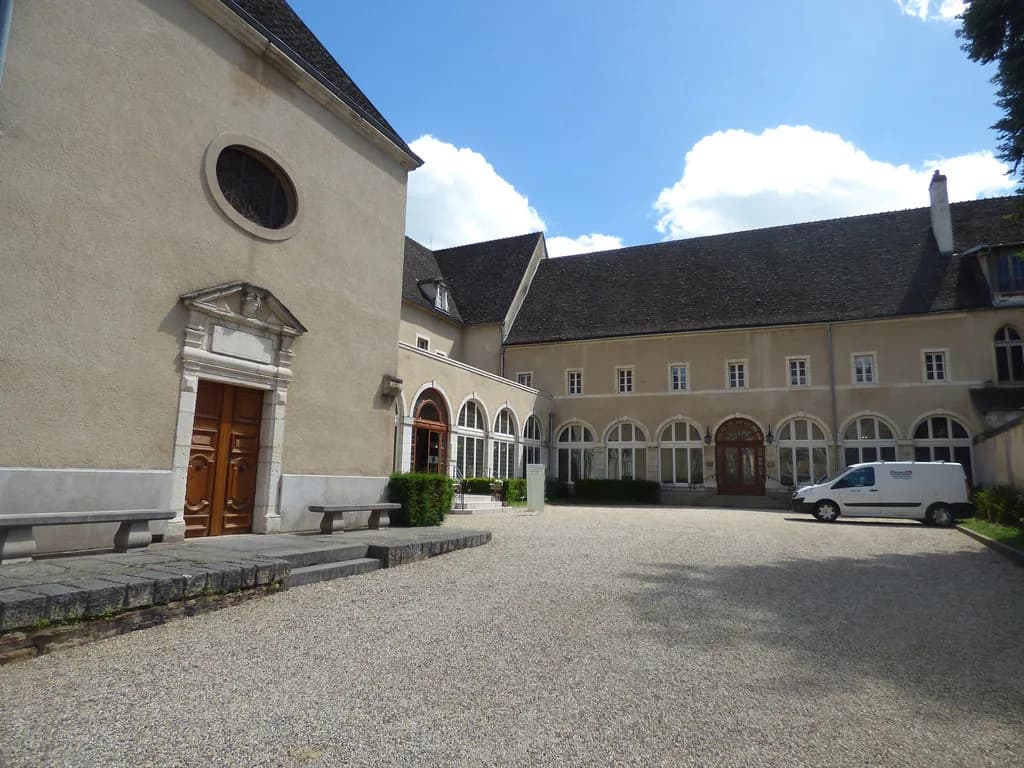
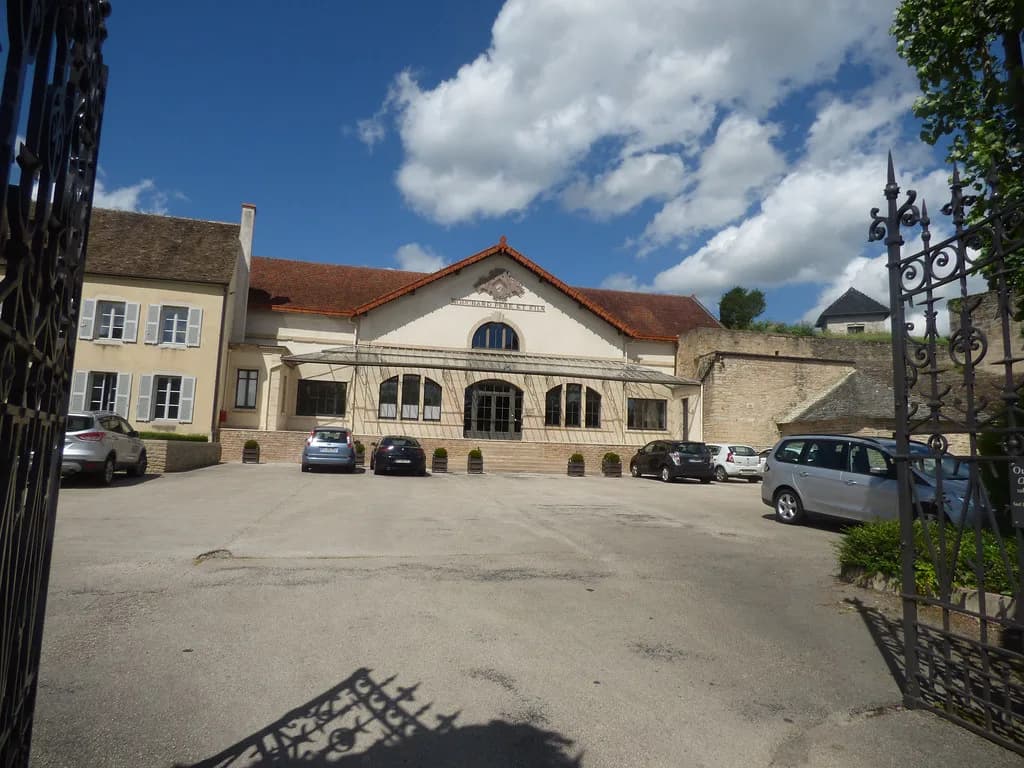
The Beaune headquarters sits at 6 boulevard Jacques Copeau, close enough to the town center to fold into a walking loop past the Hôtel-Dieu and the main square. This is the address to use for correspondence and for understanding where the house is based, but it is not advertised as a drop-in tasting room with posted hours.
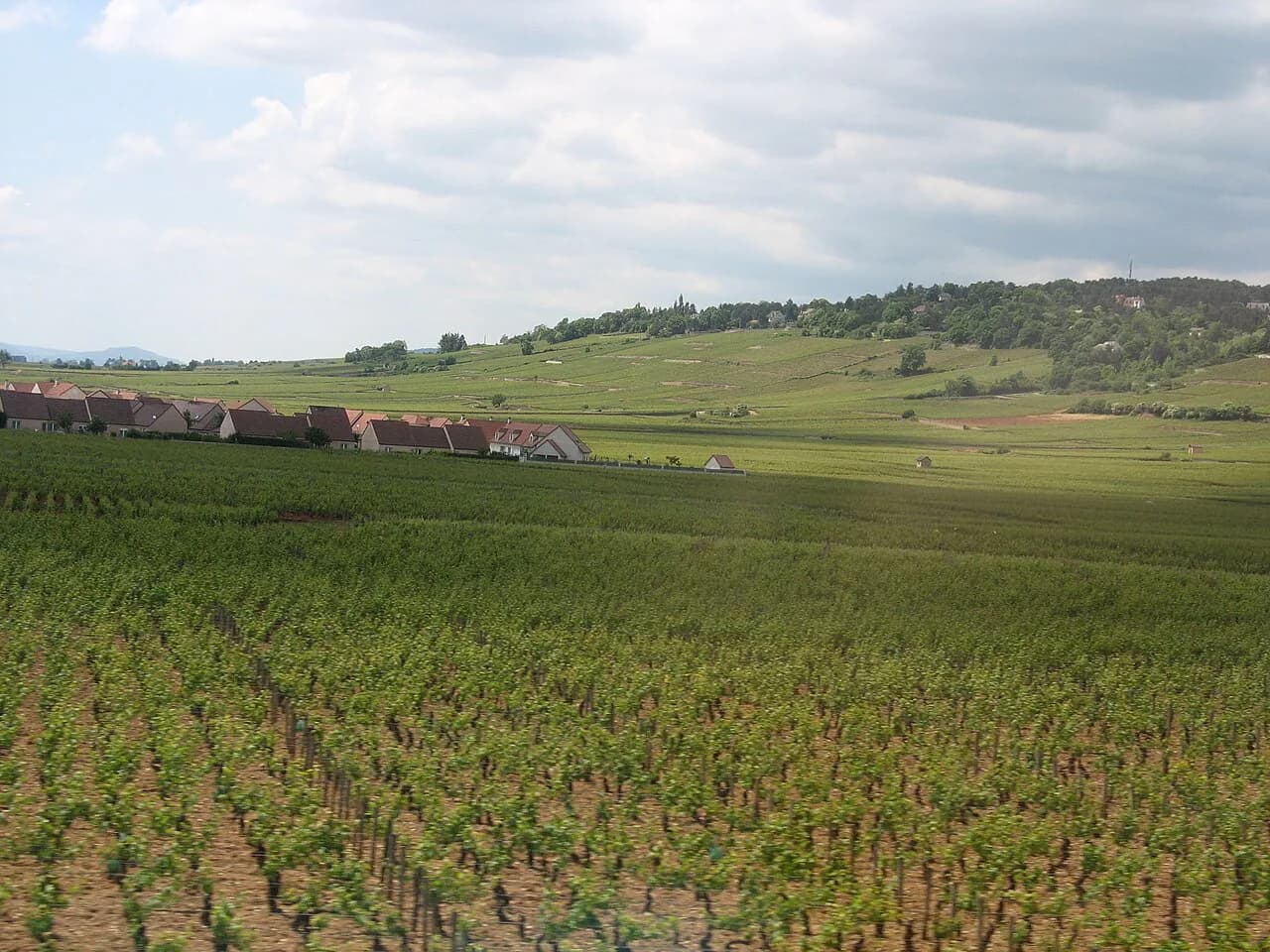
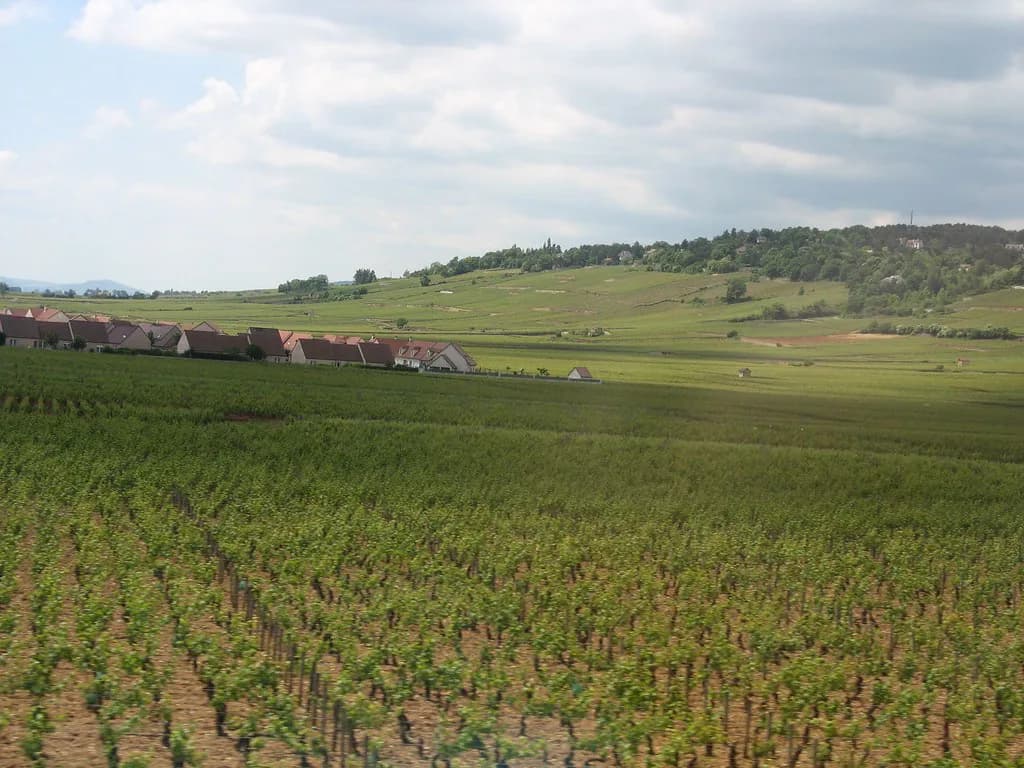
The vineyard holdings spread far wider than Beaune. One industry profile describes 100 hectares of vines across six estates, with the largest concentration in Chablis through Domaine Long-Depaquit, including grand cru parcels. A trade exhibitor listing puts the figure at 107 hectares across six estates, so treat the total as approximate and around a hundred hectares rather than a precise number.
Beyond Chablis, the estates reach into the Côte Chalonnaise around Mercurey, where Domaine Adélie farms a small plot called Champ Renard, and into the Côte de Beaune and Côte de Nuits with holdings in Pommard, Nuits-Saint-Georges and Morey-Saint-Denis. For a taster, that map is a menu: white wines from Chablis and the Côte de Beaune, reds from Pommard and the Nuits, and an Aligoté detour from Mercurey.
Domaine Long-Depaquit in Chablis: The One Published Public Schedule
If you want a guaranteed Bichot tasting without arranging a private appointment, Chablis is the place. The regional tourism listing states that the house is open to the public exclusively at Domaine Long-Depaquit in Chablis, and it publishes a seasonal calendar for that site.
The published pattern runs on a split day, with a late-morning window and an afternoon window, and it lengthens in the warmer months. January and February are weekdays only; March through October adds Saturdays, and June to August also opens on Sunday with shorter hours; December returns to weekdays. Closed days fall on 1 May, 1 November and from 24 December to 2 January.
Those hours belong to Chablis and should not be read as Beaune opening times. Because the calendar changes by month, confirm the day you intend to travel against the listing before booking train tickets, and note that a Sunday visit is a summer-only option rather than a year-round one.
What a Visit at the Chablis Estate Involves
The tourism listing categorizes the offer as a cellar visit, a visit of the facilities and a tasting, with white, red and sparkling wines among the categories, including sparkling rosé. It does not publish a fee, a duration or the number of wines poured, so ask those three questions directly when you contact the estate rather than budgeting from guesswork.
Given the estate's location, expect Chablis to dominate any pour list, with Chardonnay in a leaner, more mineral register than the rounder whites of the Côte de Beaune. That is an argument for Chablis if you want to understand Burgundian whites through their coolest expression, and an argument for staying in Beaune if reds are your priority.
Beaune: What the Town Address Is For
Beaune is compact and best handled on foot, with the headquarters address sitting a short walk from the wine merchants and cellars that line the center. Use the town as your base for the day, and treat a Bichot appointment, if you secure one, as one stop rather than the whole itinerary. For the wider choice of cellars that do receive visitors, see this guide to Beaune wineries and how their tasting rooms are laid out. If you are weighing whether to base yourself here or in the bigger city to the south, the Lyon wine guide covers the same cellar-and-day-trip decision in Beaujolais and the Northern Rhône.
Because public hours at the Beaune address are not published, the sensible move is to send a written request naming your dates, party size and the wines you hope to taste, and to hold a backup plan. A négociant house receives trade visitors on a schedule of its own, and retail queries may be routed to a merchant rather than to a cellar door.
In practice this means Beaune rewards flexibility: pair a morning market and cellar visit with an afternoon appointment, and keep a wine bar in reserve in case a reply arrives late. The town has plenty of tasting rooms and merchants who pour Burgundy by the glass, so a day rarely collapses if one door stays shut.

A Short Burgundy Primer for Choosing What to Taste
Bourgogne Blanc and Bourgogne Rouge are the regional appellations, sourced from anywhere in Burgundy, and they are the broadest introduction to the house style. Village wines name a single commune, such as Santenay or Pommard, and premier cru wines add a named vineyard within that commune. Knowing this ladder helps you decide how far up you want to taste.
Chablis sits in the far north and is Chardonnay only, with grand cru vineyards concentrated on a single slope above the village. The house's La Moutonne comes from a parcel spanning two grand cru sites, 95 percent Vaudésir and 5 percent Preuses, which is a neat illustration of how Burgundy's vineyard boundaries work.
For reds, look to the Côte de Beaune villages of Pommard and Santenay for firmer, structured Pinot Noir, and to the Côte de Nuits for Morey-Saint-Denis and Nuits-Saint-Georges. One of the house's monopoles is a walled clos in Pommard and another is a terraced site in Nuits-Saint-Georges, both single-owner vineyards whose names appear on the label.
Aligoté: The Underrated Detour via Mercurey
Aligoté is Burgundy's second white grape, historically planted on poorer sites and long treated as a lesser variety. The house makes both a large-volume stainless-steel Aligoté and single-vineyard cuvées from Domaine Adélie, including Champ Renard, a small plot just outside Mercurey with annual production in the low thousands of bottles.
In the glass, expect higher acidity and greener, more citrus-driven fruit than Chardonnay, with texture coming from lees contact rather than oak. That makes it a useful benchmark if you want to compare Burgundian whites side by side, and it is often the most affordable white a Burgundy house pours.
Getting to Beaune and Chablis Without Driving
Beaune has its own station on the classic Paris–Lyon line, with direct trains from Paris and connections through Dijon, which is the faster high-speed hub. The regional tourism board points travelers to TGV services arriving at Dijon, Mâcon-Loché and Le Creusot-Montchanin, with Lyon, Geneva and Basel-Mulhouse as the nearest airports.
Chablis is a different proposition: it sits well north of Beaune and is not a day trip you can fold into a Beaune morning. Build a separate leg via Auxerre or a direct rail connection from Paris, and check the final local link before committing, since rural bus timetables change with the school calendar.
If anyone in the group is driving, they should skip the glass rather than rely on a spittoon at the table. Public transport, a hired car with a driver, or a guided tour removes the problem entirely on a route that threads village cellars with narrow roads.

Independent Visit or Guided Tour: The Trade-Off
Going independently is cheaper on paper and gives you control over timing, but it depends on securing appointments and on local transport that may not reach outlying estates. A guided tour costs more but bundles transport, a driver and pre-arranged cellar access, which matters when you want to see two or three villages in one day.
Route des Grands Crus runs south from Dijon through the Côte de Nuits and into the Côte de Beaune, and it is the spine most tours follow. Doing it alone means choosing a cluster, hiring a bike or taxi for the gaps, and accepting that you will see fewer cellars.
For a first visit with limited time, a tour solves the logistics and leaves you free to taste. For a repeat visitor who knows the villages, independent booking plus a taxi between two appointments is often the better value, especially if your priority is a specific estate rather than a broad sweep.
Booking Etiquette in Burgundy
Burgundy runs on appointments, and a polite email with dates, party size, language preference and the wines you hope to taste does most of the work. Ask directly about the duration, the number of wines and any fee, since these vary by estate and are not always posted on a website.
Plan around harvest, which in Burgundy generally falls in late summer to early autumn: cellars are busy, staff are in the vines, and tours may be pared back. Spring and late autumn are calmer, and winter visits are quieter still, though some estates keep shorter seasonal hours. The Beaune address and phone line are published at 6 boulevard Jacques Copeau and on the house website if you need to confirm current visitor arrangements.
A Sensible One-Day Shape in Beaune
Start early with the market and the Hôtel-Dieu before the tour groups arrive, then use the middle of the day for a cellar appointment or a merchant tasting in town. Finish with a walk through the vineyard-edge streets and a glass at a wine bar, which lets you compare what you tasted without another appointment.
If Chablis is on your list, give it its own day: the journey north makes it impractical to combine with a Beaune itinerary. Two separate bases, or one base with a long day trip by train, will be more satisfying than trying to compress both into a single loop.
Plan Your Beaune Wine Day
Albert Bichot is best understood as two things at once: a Beaune négociant with a historic address, and a vineyard owner whose estates stretch from Chablis to Mercurey and the Côte de Nuits. The only site with a published, regular public schedule is Domaine Long-Depaquit in Chablis, so build a visit around that calendar or around a confirmed appointment elsewhere.
Whichever route you choose, decide by wine style first, logistics second: whites and Aligoté point north and to Mercurey, reds point to Pommard, Nuits-Saint-Georges and Morey-Saint-Denis. Book early for harvest season, leave the driving to someone else, and enjoy the tasting at a pace that keeps the day pleasant.
Frequently Asked Questions
Can you visit Albert Bichot in Beaune?
The Beaune headquarters is on boulevard Jacques Copeau, but the house publishes regular public opening hours only for Domaine Long-Depaquit in Chablis. For Beaune, send a written request with your dates and party size, and keep a merchant or wine bar as a backup.
Where do you taste Albert Bichot wines in Burgundy?
The reliable public option is Domaine Long-Depaquit in Chablis, which the regional tourism listing describes as open to the public with seasonal hours. Elsewhere, access depends on an appointment arranged with the estate or through a merchant.
Is Albert Bichot a négociant or a vineyard owner?
Both. The house buys grapes and must from partner growers and also farms its own estates across Burgundy, with holdings reported at around one hundred hectares across six properties, including Long-Depaquit in Chablis.
What does Aligoté wine taste like?
Aligoté is a white grape with higher acidity and greener, more citrus-led fruit than Chardonnay, often with a leaner frame. Bichot makes both a stainless-steel version and single-vineyard cuvées from a small plot near Mercurey.
What kind of wine is Bourgogne Blanc?
Bourgogne Blanc is the regional white appellation of Burgundy, made from Chardonnay grown anywhere in the region. It is the broadest and usually the most accessible introduction to a house's white wine style.
Do you need an appointment for a Burgundy cellar visit?
Often, yes. Many estates work by appointment, while a few publish regular public hours. Write ahead with your dates, group size and wines you want to taste, and ask about duration and any fee, since these vary by property.
How do you reach Beaune and Chablis without a car?
Beaune has its own station with connections through Dijon, and the region is served by TGV stops at Dijon, Mâcon-Loché and Le Creusot-Montchanin. Chablis is a separate trip north, best planned via Auxerre with a checked local connection.
Should a driver taste wine in Burgundy?
No. Use a spittoon, appoint a designated driver, or choose public transport or a guided tour, since Burgundy's village roads and cellar appointments make a sober driver the simplest arrangement.
Sources
Notes for your next wine trip
Optional updates to our winery and wine-town guides.
You might also like
Continue reading
More guides you'll find useful