Beaune Wine Bars: Where to Drink Burgundy by the Glass
Beaune wine bars pour Burgundy by the glass without a cellar appointment. Learn how the old town is laid out, what to order and how to pair bars with visits.
On this page
Beaune rewards travelers who treat the town itself as the tasting room. The historic core is encircled by 12th- to 14th-century ramparts and is barely half a kilometre across, so a bar-to-bar evening needs no taxi and no timetable beyond your own appetite. That compactness is the reason a short break here can combine a cellar tour in the afternoon with a glass of Pommard after dark.
The catch is that Beaune's most famous cellars run on appointments and fixed guided tour slots, not casual walk-in pouring. Wine bars fill that gap: they let you taste widely across the Côte de Beaune and Côte de Nuits in small pours, decide what you actually like, and then book a cellar visit around that. Use this guide to choose the right kind of room, order with confidence from a French-language list, and build an evening that fits the town's rhythms.
Why Beaune Works as a Wine-Bar Town
Start with the geography. The old town's tight footprint means most addresses sit a few minutes apart on foot, and the medieval Hôtel-Dieu is the landmark you will keep returning to as you navigate. Plan your route around the centre rather than across it, and you can cover several bars in one evening without ever needing a car.
Beaune is also Burgundy's commercial wine capital, and roughly 70 wine cellars in town are open to the public in some form. That density shapes the bar scene: many pour wines from houses whose cellars you can visit, so a glass at night can preview or follow up a daytime tour. It is worth planning the two halves of the day together rather than treating them separately.
If you want the structured version of this, the broader guide to wine tasting in Beaune covers cellar formats and visit logistics in more depth. The bar evening works best as the flexible, low-commitment layer on top.
The Two Bar Formats You Will Meet
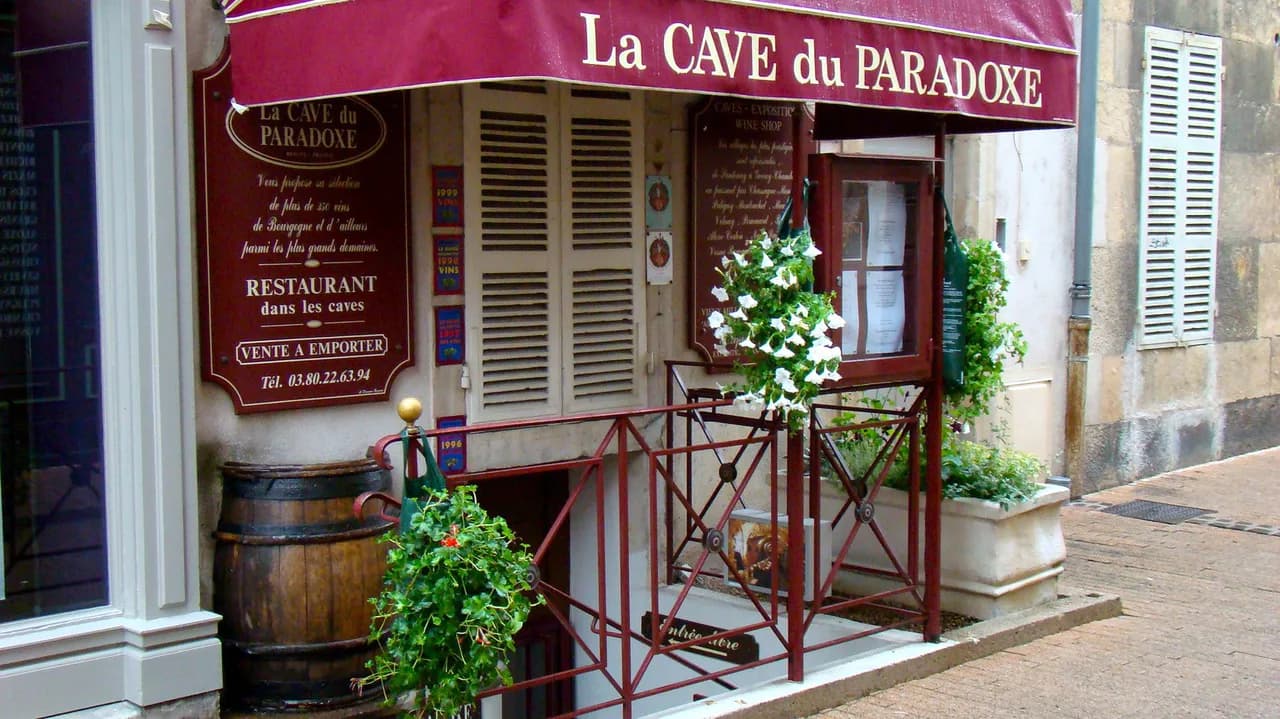
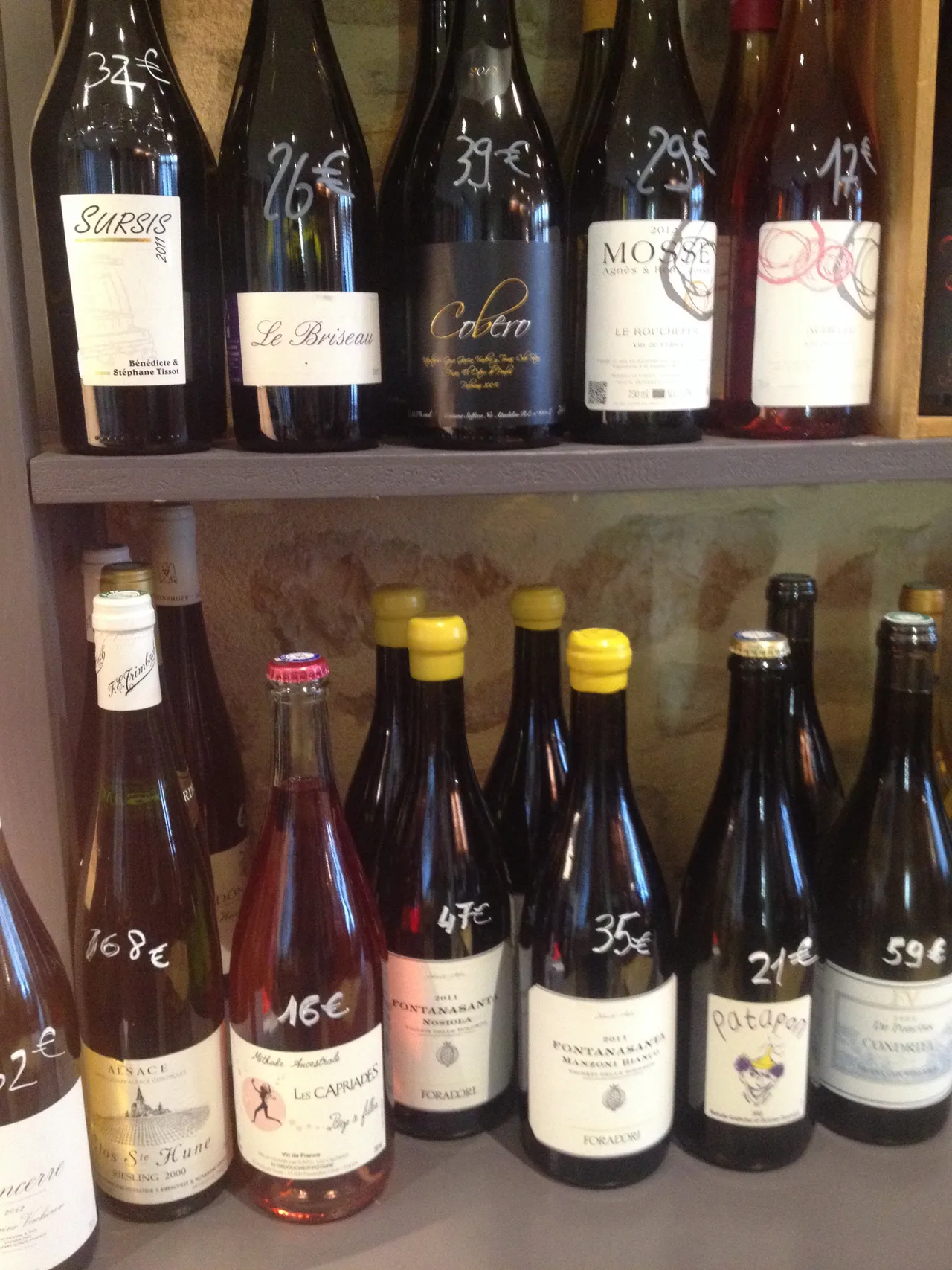
Caveau-style bars are the first format: a wine shop or cellar with a counter, where domaine bottles are opened by the glass and the list leans toward small producers. These rooms suit travelers who want to taste a range of appellations in one sitting and talk to whoever is pouring. They are also where you are most likely to find a bottle you cannot buy at home.
The second format is the restaurant-wine bar, where a short by-the-glass selection is built to accompany a menu rather than to be worked through systematically. Expect fewer choices, tighter food pairing logic and a room that fills at dinner. Beaune's restaurant terraces give you a useful sense of which places run this way before you commit to a table. If you are weighing this against a city scene where the bars themselves are the draw, the guide to wine bars in Lyon makes a useful comparison.
Pick according to your goal. If the aim is education, choose a caveau and ask for flights across villages; if the aim is a long dinner with one good bottle, a restaurant wine bar does the job better. Trying to do both in one room usually ends in a compromise on either the list or the food.
What to Order, Appellation by Appellation
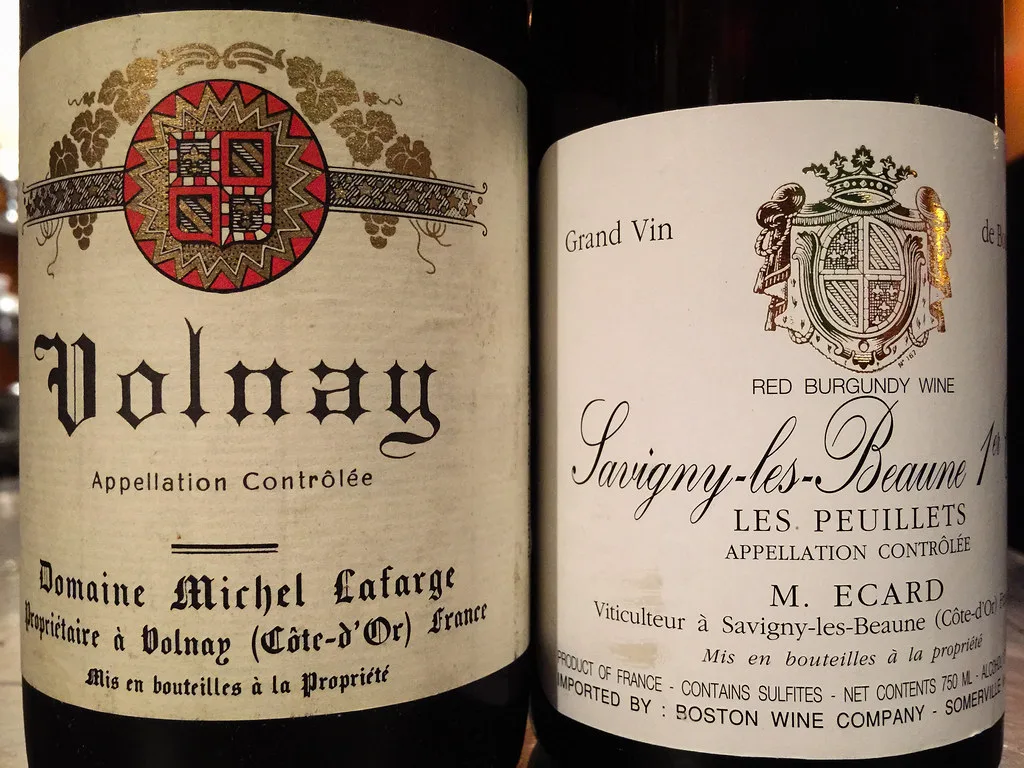
Burgundy labels name place, not grape, so ordering means choosing a village and a hierarchy level. For reds, Beaune Premier Cru gives you the town's own benchmark, while Pommard brings firmer structure and Volnay a more perfumed profile. For whites, look to Meursault and Chassagne-Montrachet, both Chardonnay villages in the Côte de Beaune.
Value comes from the less glamorous corners of the list. Bourgogne Aligoté is a white worth ordering by the glass, and it has become a serious proposition: Albert Bichot, for instance, makes single-vineyard Aligoté cuvées alongside its classic bottling. Crémant de Bourgogne, the region's sparkling wine, is another way to start an evening without spending Premier Cru money.
Crémant and Aligoté also let you calibrate a bar before committing to a bottle. Order one of each, see how the list is handled and how the room feels, then decide whether to stay for a Premier Cru. That sequence costs little and tells you a lot about the establishment.
Reading a Burgundy List
Three words do most of the work on a Beaune wine list. Village is the entry level, named for the commune; Premier Cru adds a named vineyard site within that commune; Grand Cru is the top tier and the rarest. The price gap between village and Premier Cru buys site specificity, which is why two wines from the same village can sit far apart on the page.
The other distinction is who made the wine. A négociant label means the house buys grapes or wine and ages and bottles it under its own name, while a domaine bottling comes from vineyards the producer farms. Both can be excellent, but the négociant model explains why large Beaune houses such as Albert Bichot can offer wines from across Chablis, the Côte de Beaune and the Côte de Nuits under one roof.
When a glass is priced well above its neighbours, ask the server to explain the difference in site or vintage rather than in scores. A good caveau will happily do this, and the answer tells you whether the markup reflects the wine or the label.
Pairing a Bar Evening With a Cellar Visit
Beaune's best-known cellars operate on fixed schedules, so build the day around them and leave the evening free. Maison Champy runs guided tours of its 15th-century cellars lasting around 1.5 hours, with a terroir tasting priced at roughly 25 euros and a prestige tasting of five Premier and Grand Cru wines at around 55 euros; advance booking is required and the cellars sit three minutes from the central square.
Patriarche is the exception to the appointment rule, with a self-guided tour and tasting priced at around 25 euros and free tasting-only slots at set times through the day, limited to ten people and subject to availability. Its vaults hold five kilometres of tunnels and more than two million bottles, which makes it the obvious drop-in option if your schedule is loose.
For a more traditional visit, Maison Joseph Drouhin's standard guided tour runs around 38 euros and includes a walk through ancient cellars followed by a tasting of six wines, with longer formats costing considerably more. Book ahead for that one; the evening bar slot afterward is where you consolidate what you tasted.
If you would rather not drive at all, the same is true across the region: a driver should not taste, so use spittoons, a designated driver, public transport or a guided day. The wineries guide to Beaune sets out which houses accept visitors and how their tours are structured, which is the right place to start before you fill in the evenings.
Practical Costs and the Evening Rhythm
Cellar-visit prices in Beaune are published per house and vary with the format: standard guided tours tend to fall in the low tens of euros, while prestige tastings with Grand Cru wines rise steeply. For bar prices, there is no reliable published benchmark, so treat the by-the-glass list as your guide and ask before a bottle is opened.
Timing matters more than most travelers expect. Bars that double as restaurants shift character at dinner, when the counter crowd gives way to tables and the by-the-glass list often narrows. Arriving earlier gets you a seat, more attention from the server and a better chance of tasting across the list.
Budget your evening by glasses rather than bottles if you want range, and split pours between two people. That way you can cover a Beaune Premier Cru red, a Meursault white and an Aligoté in one sitting without overcommitting to a single bottle.
Getting There and Getting Back
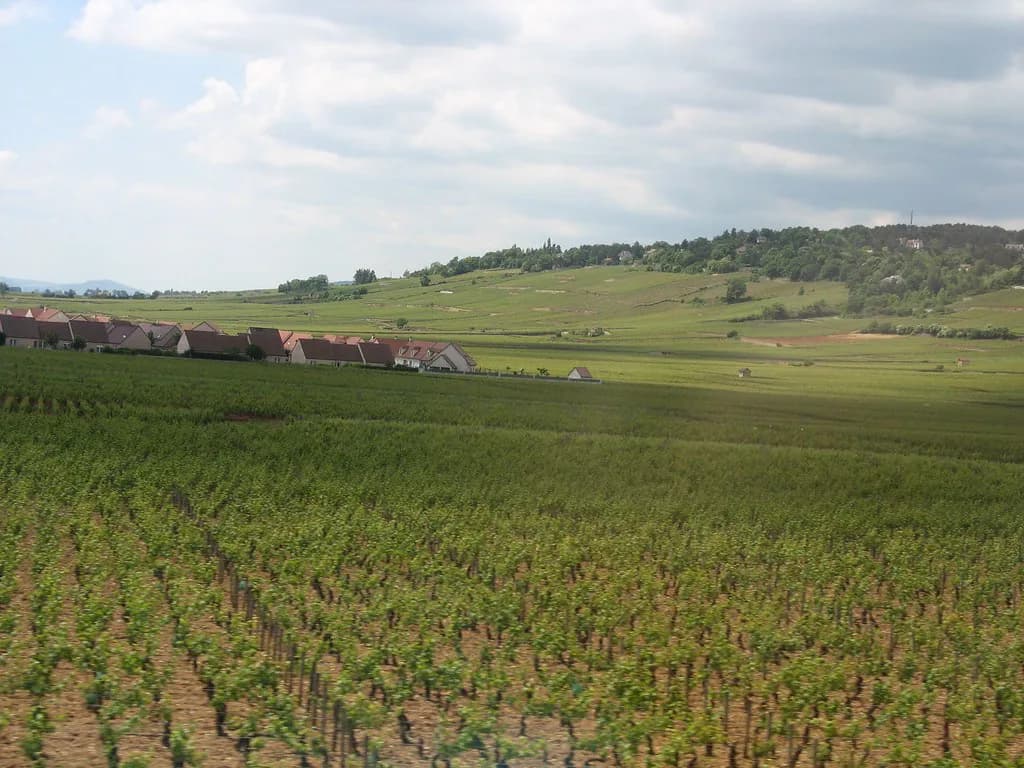
Beaune sits at the centre of the Côte de Beaune, and the wine country around it is spread across a wide arc of villages. That makes the old town the natural base for your bar evenings: everything is walkable, and you can leave the car at the hotel.
For daytime excursions, organized wine tours solve the transport problem by handling the driving between villages. If you want to explore the vineyards independently, plan your day around a single village rather than trying to string several together.
The Route des Grands Crus threads through the villages north and south of town, and a driver can follow it while a non-tasting companion takes in the scenery.
How to Handle a French-Only List
Ask for the appellation, not the grape. In Burgundy the village name is the useful information, so a question like which Pommard is pouring tonight will get you further than asking for Pinot Noir. Servers in a busy counter are used to this and will usually point you to the best value on the board.
Take the recommendation when the list is dense, and ask for a second glass from a neighbouring village so you can compare. That is exactly what a caveau is for, and it turns an intimidating list into a short, structured tasting.
For a broader look at how the region's visits and guided days fit together, the Burgundy wine tour overview covers the wider Côte d'Or. Keep the bar evening as the relaxed finish rather than the main event.
Plan Your Bar Evening
Treat Beaune as two towns layered on top of each other: the appointment-driven cellars by day and the walkable bar scene by night. Book one guided visit in advance, leave another afternoon free for a drop-in cellar, then spend the evening working through appellations by the glass within the ramparts.
Confirm tour times and tasting formats directly with each house when you book, and check the glass list on the night before committing to a bottle. For the wider picture of where to taste in the region, start with the guide to Place Carnot and the surrounding old town.
Frequently Asked Questions
Can you taste Burgundy by the glass in Beaune without booking a cellar tour?
Yes. Beaune's wine bars and caveau-style counters pour wines by the glass without an appointment, which makes them the easiest way to taste across villages. Most of the town's famous cellars, by contrast, open only for guided visits booked in advance, so the bar scene is the flexible option. Patriarche is the notable cellar with free tasting-only slots at set times, subject to availability.
What kind of wine is Beaune known for?
Beaune sits in the Côte de Beaune and gives its name to both red and white wines. The reds are Pinot Noir, with Premier Cru vineyards such as Clos des Mouches and Les Marconnets among the better-known sites, and the whites are Chardonnay. Neighbouring villages add contrast: Pommard and Volnay for reds, Meursault and Chassagne-Montrachet for whites.
What is a wine bar called in France?
The word you will see most often in Burgundy is caveau, which describes a cellar or wine shop with a tasting counter. A bar à vin is the general term for a wine bar, and many restaurants run a short by-the-glass list alongside their menu. In Beaune, caveau-style rooms tend to focus on domaine bottles, while restaurant wine bars pair fewer wines with food.
How much does a glass of Burgundy cost in a Beaune wine bar?
Bar prices are not published in any consistent way, and they move with the appellation and the producer, so there is no figure to plan around. The reliable approach is to read the by-the-glass board before ordering and ask what a bottle costs before it is opened. Cellar-visit prices, by contrast, are published per house and range from modest standard tours to premium tastings.
Do Beaune wine bars serve food?
Many do, particularly the restaurant-wine bars, where the by-the-glass list is built around a menu. Caveau-style counters may offer only simple accompaniments, so it is worth deciding in advance whether you want dinner or a tasting flight. Terrace restaurants around the old town are a good way to check the food side before you commit to a table.
What is the difference between a caveau and a wine bar in Beaune?
A caveau is fundamentally a cellar or wine shop with a tasting counter, often showing a deep range of domaine bottles and geared toward sampling across appellations. A wine bar in the restaurant sense has a shorter, food-led list and a room that turns over at dinner. Choose the caveau for education and range, the restaurant bar for a meal with one or two well-chosen glasses.
When is the best time to visit Beaune for wine?
Late spring and early autumn are the classic windows, with harvest bringing activity to the vineyards around September and October. Winter visits mean quieter cellars and more attention from whoever is pouring. Book cellar tours four to six weeks ahead in spring and harvest season, when appointment slots tighten.
Do you need a car to visit wineries from Beaune?
Not if you stay in the old town, which is compact and walkable, and use tours or public transport for vineyard excursions. A driver should not taste, so plan either a designated driver or a guided day. The villages have no useful local rail link between them, which is why organized transport or a single-village plan works better than stringing several together.
Sources
Notes for your next wine trip
Optional updates to our winery and wine-town guides.
You might also like
Continue reading
More guides you'll find useful