Crete Wineries: Tasting Guide for Chania, Heraklion & Sitia
Plan a Crete winery day from Chania or Heraklion: which estates welcome visitors, what tastings include, seasonal closures and how to taste without driving.
On this page
Crete is long, and its wineries are scattered across three distinct blocks, so the single most useful decision is where you sleep. Choose Heraklion and you sit inside the island's production heartland, with Peza, Archanes and Dafnes all within a short drive. Choose Chania and you trade volume for convenience, with a handful of visitor-friendly estates close to the loveliest old town on the island.
What follows treats each zone on its own terms: which estates actually receive visitors, how their tastings are structured, when they shut for winter and how to reach them when nobody in the group wants to drive. Volatile details such as tour times and prices come from published sources, while figures that estates have not made public are flagged as questions to put to them directly rather than guesses.
Why Crete Is a Serious Wine Destination
Crete's claim to wine fame is not marketing: just south of Archanes, at Vathypetro, a Minoan wine press from roughly 1600 to 1400 BC still stands where it was found, a treading basin draining into a collecting jar. The villa around it was built in the late 16th century BC and later converted into a production centre with storerooms, an olive press and workshops. The archaeological museum in Heraklion holds the Minoan wine vessels that complete the story.
The modern story is a revival. Vidiano, nearly extinct a generation ago, was propagated again from old ungrafted vines near Fourfouras, and the Lyrarakis estate bottled Dafni and Plyto as single varieties again in 1996. Those names now appear on wine lists well beyond Greece, which is why a day among the island's vineyards feels less like a beach excursion and more like tasting a region mid-reinvention.
The Three Wine Blocks and Which Base Suits You
Around 68 per cent of the island's wineries and about 80 per cent of its wine sit in the Heraklion area, where three of Crete's four protected designations, Peza, Archanes and Dafnes, cluster within a 20 to 40-minute drive. That makes Heraklion the core base for a first wine trip: you can visit two estates and still have an afternoon in an Archanes taverna. The trade-off is a busier, less charming city base than Chania.
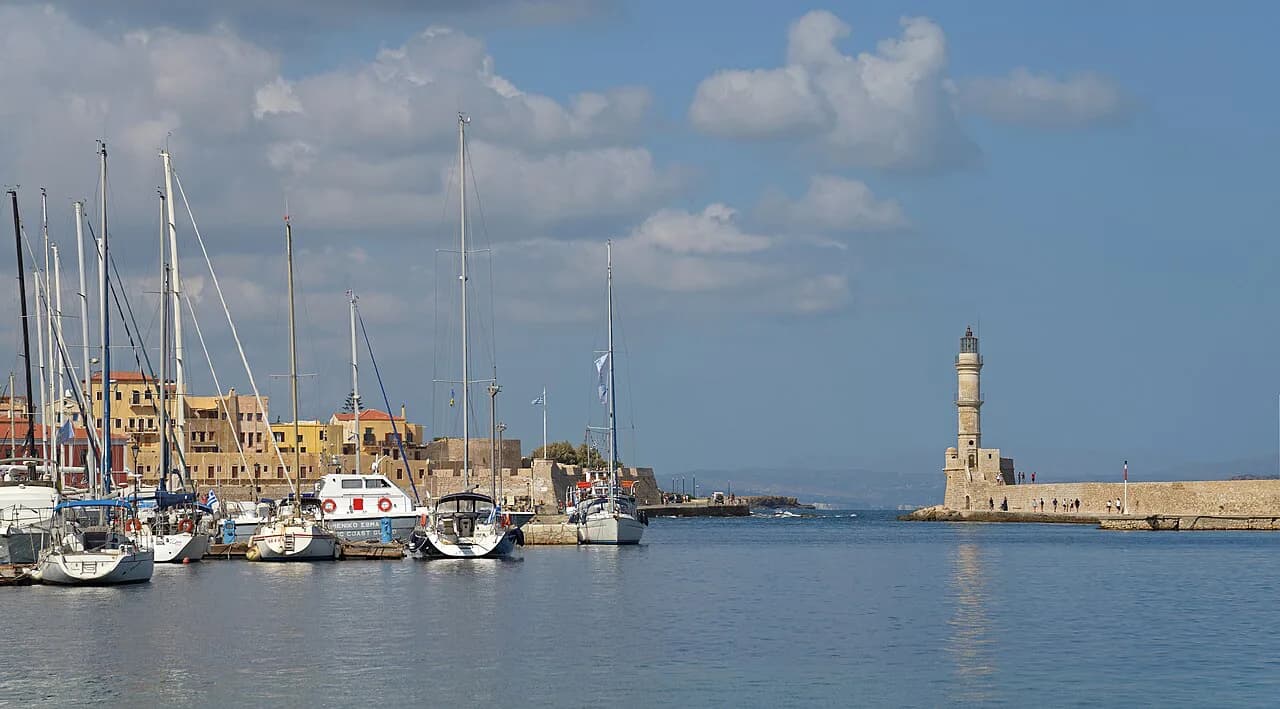
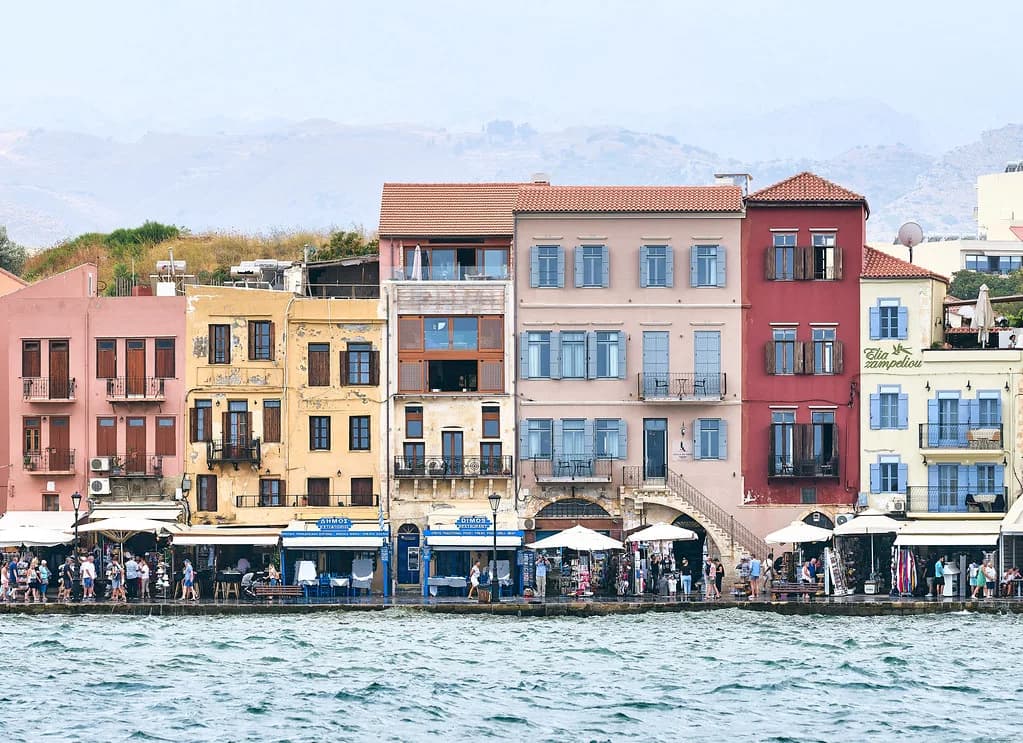
Chania in the west has fewer estates but very visitor-friendly ones, plus the Venetian harbour, a serious wine shop and bars worth an evening. If your trip mixes beaches, food and wine, base here and pick two or three western estates. Planning help for that corner of the island sits in our guide to wine tasting in chania, which digs into the estates closest to town.
Sitia, the fourth designation, is out east and genuinely far from both main bases. Treat it as a separate leg for enthusiasts rather than a day trip. Rethymno sits roughly between the two main cities, which makes it a sensible bridge if you are splitting a longer stay and want to reach estates on both sides without backtracking.
The Grapes to Know Before You Book
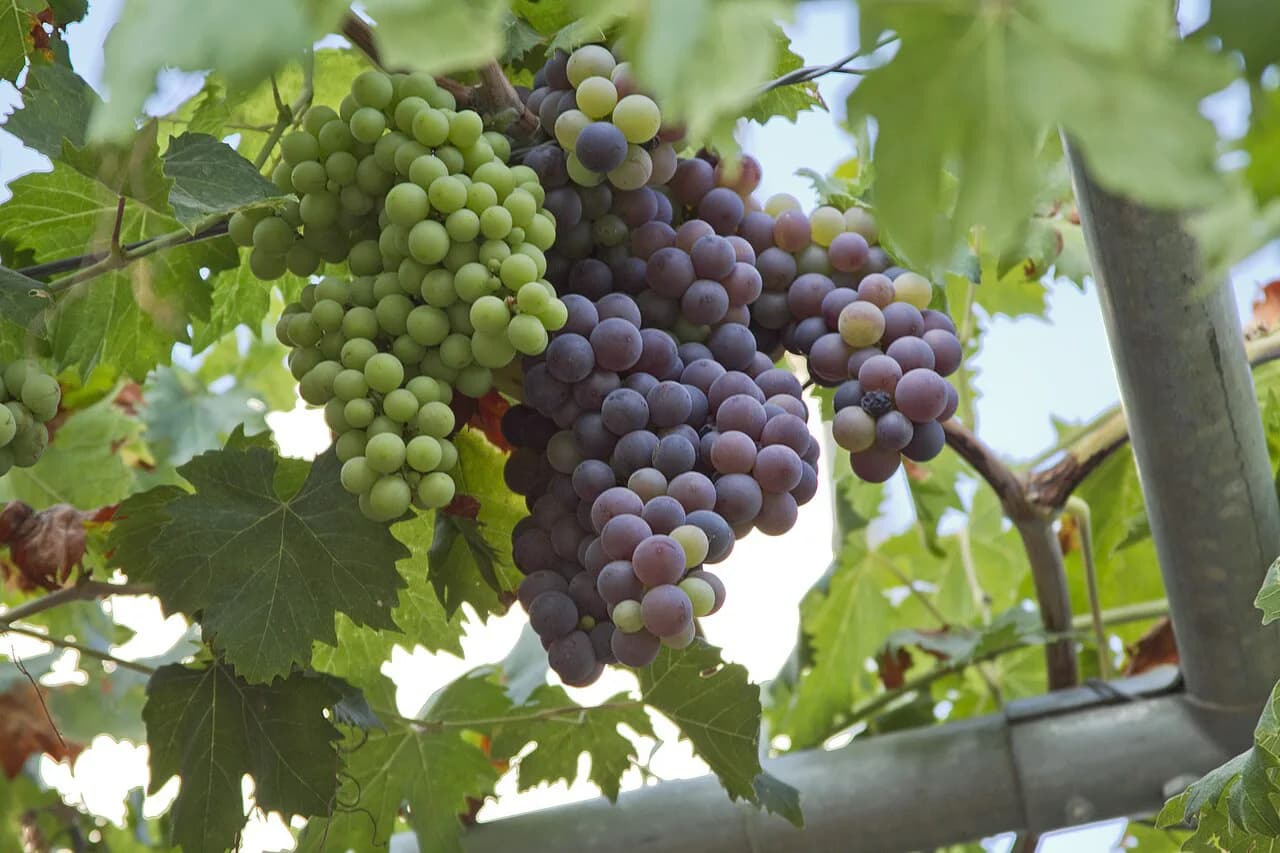
Vidiano is the white that put modern Crete on the map. Fuller than the light Vilana but without heaviness, it shows stone fruit and herbs with moderate acidity. Vilana remains the workhorse white, especially in Peza: fresh, citrussy and the classic partner for dakos. Thrapsathiri, closely related to Vidiano and drought-resistant, is increasingly discussed as a variety suited to a warming climate.
Among the reds, Liatiko and Kotsifali-Mandilari are the names to watch on lists. Liatiko appears both as a dry red and in sweet styles, while the Kotsifali-Mandilari blend is the traditional partner for spit-roasted lamb. Dafni and Plyto, the two rarities rescued by Lyrarakis, are worth ordering when you spot them precisely because so little is made.
Wineries Near Heraklion
Lyrarakis at Alagni, about half an hour from Heraklion at 480 metres, is the benchmark first visit, with a small grape variety museum on site. Tours run hourly from 11:30 to 17:30 between April and October and last about 90 minutes, priced at around 18 euros for five wines or 25 euros for seven, with an alcohol-free option at 7 euros and food pairing available on top. From November to March the estate receives visitors by request only. Douloufakis in Dafnes is the most accessible estate on the island, around 15 minutes south of Heraklion. Tours start Monday to Friday at 10, 12 and 14, and Saturdays at 12 and 14, with the cellar tour and tasting at 30 euros, a vineyard tour at 40 euros and an olive oil tasting at 20 euros. Tours run in Greek and English, and the tasting room has free activities for children, which makes it unusually easy for families.
Domaine Paterianakis at Melesses, the island's organic pioneer since bottling Crete's first organic wine in 1997, offers a food and wine pairing built around five organic wines, its own tsikoudia and olive oil alongside four dishes. It sits in the Peza zone about 15 kilometres from Knossos. Opening hours and pairing prices are not published in the sources consulted, so email the estate before building a day around it.
Idaia in Venerato, founded in 2000 with indigenous varieties as its stated focus, pours in a small garden overlooking the vineyard: four wines as an introduction or eight for the full round including a dessert wine. Diamantakis at Kato Asites, a family operation since 2007 at 450 metres under Mount Psiloritis, pairs a visit with ancient presses and a 13th-century monastery nearby. Silva Daskalaki at Siva is fully organic and offers five tour formats, one with five Cretan cheeses and paximadia, but booking is compulsory at least a day ahead.
Wineries in and Around Chania
Manousakis Winery in Vatolakkos, about 15 minutes from Chania on the Omalos road, is western Crete's most visitor-friendly estate. A tasting typically covers five wines for around 15 euros with a tour of roughly half an hour, and its restaurant, open from early April to mid-November, cooks with vegetables from the estate's own beds. In summer there is live music and a jewellery workshop using Minoan sand-casting, where you take home your own piece.
Dourakis at Alikampos, 20 minutes from Rethymno and 30 from Chania, runs the most extensive visitor programme on the island: tours by reservation all year at 12, 14 and 17, lasting two hours, taking in a cave cellar cut into the mountain, a botanical garden of Cretan herbs, a wine and folklore museum and a restaurant. A premium eight-wine version takes place in the historic vaulted cellar for groups of up to ten, making it the natural bridge if you are combining both cities.
Karavitakis at Pontikiana, around 30 minutes from Chania, keeps a tighter season: open 15 April to 31 October, Monday to Saturday from 10 to 18, with tastings at 11, 12:30, 14, 15:30 and 17, and reservation strongly recommended. Two separate tasting areas let the estate pour indigenous and international varieties alongside some pronounced rarities. Out of season, the gates are shut, so plan this one for spring through autumn.
The Historic and Museum Side
Minos, also known as Miliarakis, in Peza, 17 kilometres south of Heraklion, is less about the tasting than about the museum: old presses, a hand-operated bottling line and historic photographs. The estate's origins lie in the mid-19th century, and in 1952 it became the first business on Crete to bottle wine. Published opening hours are not available in the sources consulted, so check current hours before driving out.
Sitia and the East
Domaine Economou at Ziros is the island's cult address: tiny yields, ungrafted vines, organic farming and very long cask ageing, with a red Sitia drawn from a Liatiko clone found only on the Ziros plateau. This is not a casual outing. Visits are heavily restricted and require long lead times, often arranged through wine merchants who work with the estate. If you are heading east anyway and know the wines, it is worth trying; otherwise spend the hours in the Heraklion zone instead.
Seasonal Closures and Booking Styles
Crete's wineries do not share one calendar, so shoulder-season travelers need to match estates to months. Karavitakis opens only from 15 April to 31 October, the Manousakis restaurant runs from early April to mid-November, and Lyrarakis shifts to request-only visits between November and March. Reliable all year are Dourakis by reservation and Domaine Zacharioudakis, which opens Tuesday to Sunday from 10 to 18 with a tasting and Cretan snacks during the week and full restaurant service on Sundays.
Booking styles vary just as much. Some estates run fixed daily tour slots you can simply join, others such as Silva Daskalaki require at least a day's notice, and Dourakis works strictly by reservation with timed starts. When you write, ask three things: which languages the guide speaks, whether a minimum party applies, and whether the slot is a shared group or a private tour. That single email prevents most wasted drives.
How to Taste Without Driving
A driver should not taste, and Crete's mountain roads are not the place to test the limit. Use spittoons that estates provide, appoint a designated driver, or book a tour or taxi so everyone can drink. Guided wine tours from Heraklion run roughly 40 to 180 euros depending on format, usually bundling a hotel transfer, two wineries and a tasting with snacks, often including Archanes. That price range buys you the freedom to taste everything poured.
Going independently is cheaper and more flexible, but you need a plan: taxis between estates in the Peza and Archanes zone are practical but add up over a full day, and buses reach the main villages without dropping you at vineyard gates. Tours in languages other than Greek and English are the exception, and wineries themselves generally guide in English. Comparing formats side by side in our chania wine tours overview helps if you want the western version of that calculation.
Building a One-Day Route from Heraklion
With one day from Heraklion, start early at Knossos, which opens at 8 from April to August, then continue four kilometres to Vathypetro for the Minoan press; the site is small and not open continuously, so confirm its hours before setting out. Walk Archanes, lunch there, then take an afternoon tasting at Lyrarakis in Alagni or Paterianakis in Melesses. The whole loop stays within about 60 kilometres of driving.
A shorter Chania version pairs one western estate with the old town. Take a morning tasting at Manousakis in Vatolakkos, return for lunch on the Venetian harbour, and spend the late afternoon in a wine bar or shop rather than squeezing in a second distant estate. The distances look small on a map, but the mountain roads and unhurried tastings eat the hours.
Wine Bars, Shops and Restaurants Worth the Evening
Heraklion's Peskesi arranges its wine list by flavour profile rather than region, which makes it the easiest place to meet Cretan varieties in a single sitting, and Kritamon in Archanes, with its own sommelier, is the natural close to a Peza and Archanes day. In Chania, Salis on the Venetian harbour runs tailored tastings in its Wine Dome, while Miden Agan has stocked the old town since 2001 with more than 1,200 labels and ships wine home.
For the largest cellar on the island, head to Avli in Rethymno, where restored Venetian buildings hold a restaurant, suites, a delicatessen and a wine bar in a converted stable with over 460 wines; tastings are possible without dining. One correction to a common claim: there are no Michelin-starred or Bib Gourmand restaurants on Crete, so discount any list that says otherwise and use Greek wine and gastronomy guides instead.
Where to Stay and How to Split a Longer Trip
For a week, split the island rather than commuting. Base three nights in Chania for the west, three in Heraklion for Peza, Archanes and Dafnes, and use Rethymno as a stop between them, since Dourakis at Alikampos sits roughly 20 minutes from Rethymno and 30 from Chania. Staying in an old-town guesthouse puts wine bars within walking distance and removes the car from your evening entirely.
Travelers who want only one base should weigh the trade-off honestly: Chania gives a better vacation town and easier evenings, while Heraklion gives far more wineries within half an hour. If a single estate is the priority, work backward from its opening calendar. Our guide to Chania wineries covers the western options in more depth for anyone leaning that way, and readers weighing a Greek island trip built around wine can also compare it with wine tasting in Santorini.
Harvest, Festivals and Practical Timing
April to June brings mild temperatures, open estates and flowers on the hills; September and October bring the harvest, called trygos, warm seas and thinner crowds. Wine festivals cluster between late June and early October, the biggest being Dafnes over roughly ten days from late June into July, with Rethymno in early July and a grape festival in Archanes in August. Exact dates change each year, so check before booking. Fixed harvest programmes with set dates barely exist; ask estates such as Zacharioudakis, Lyrarakis or Dourakis directly whether picking or treading is happening during your stay.
Vathypetro and the Archaeological Museum in Heraklion close the historical loop, and a combined ticket with Knossos stays valid for three days. Whatever the season, confirm the final details of your chosen estates a day or two ahead, since winter hours and private events can shift a slot.
Plan Your Visit
Start with the base town, then the grapes, then the wineries: Heraklion for density, Chania for charm, Sitia only with long lead time. Match each estate to its season, and book with a day's notice where required.
Finally, arrange the driving before the first pour. A tour, a taxi or a designated driver costs less than a ruined afternoon on a mountain road, and it lets everyone taste the Vidiano properly.
Frequently Asked Questions
What is the best winery in Crete for a first visit?
Lyrarakis in Alagni is the classic first stop, half an hour from Heraklion, with a grape variety museum and guided tours of about 90 minutes from April to October. Douloufakis in Dafnes is the easiest to reach, 15 minutes south of Heraklion, with weekday and Saturday tours. Both accept individual visitors on scheduled slots.
Does Crete produce good wine?
Yes. The island is home to Vidiano, Vilana, Dafni, Plyto, Liatiko and Kotsifali-Mandilari, and its modern reputation rests on the revival of near-extinct indigenous varieties rather than on international plantings. Peza, Archanes, Dafnes and Sitia are the four protected designations.
Where can I go wine tasting in Crete without a car?
Guided wine tours from Heraklion usually include a hotel transfer, two wineries and a tasting with snacks, and typically visit the Archanes area. Taxis work for shorter hops within the Peza and Archanes zone, and buses reach the main villages but not vineyard gates. Tours in languages other than Greek and English are rare.
Are Crete wineries open in winter?
Some are, some are not. Dourakis receives visitors all year by reservation, Domaine Zacharioudakis opens Tuesday to Sunday year-round, and Lyrarakis takes visitors by request only from November to March. Karavitakis closes from 1 November to mid-April. Always confirm winter hours directly.
How much does a wine tasting cost in Crete?
Published tasting prices vary widely by estate and format, from simple standard tastings to premium cellar sessions and food pairings. Because rates change, check the current tasting menu or ask for the price when you book. Guided day tours from Heraklion are priced as complete packages covering transport and visits.
Should I base myself in Chania or Heraklion for wineries?
Choose Heraklion if wineries are the priority, since Peza, Archanes and Dafnes are within 20 to 40 minutes and most of the island's production is nearby. Choose Chania for a better holiday town with a handful of visitor-friendly estates half an hour away. A longer trip can split the two with a stop in Rethymno.
Sources
Notes for your next wine trip
Optional updates to our winery and wine-town guides.
You might also like
Continue reading
More guides you'll find useful