Anoskeli Winery: Tasting & Olive Mill Visit from Chania
Plan a visit to Anoskeli Winery and olive mill near Chania: what the tasting tour includes, opening seasons, booking, and how to get there.
On this page
Anoskeli is one of the few estates in the Chania regional unit where you can walk through an olive mill and a boutique winery on the same visit. The family business sits in the village of Anoskeli, in Platanias municipality, on the road toward Palaiochora, which makes it a natural stop on a westward drive rather than a separate expedition. This guide covers what the tour actually involves, how the seasons change the rules, and how to arrive without getting behind the wheel.
What Anoskeli Is: Winery, Olive Mill and Bottling Site
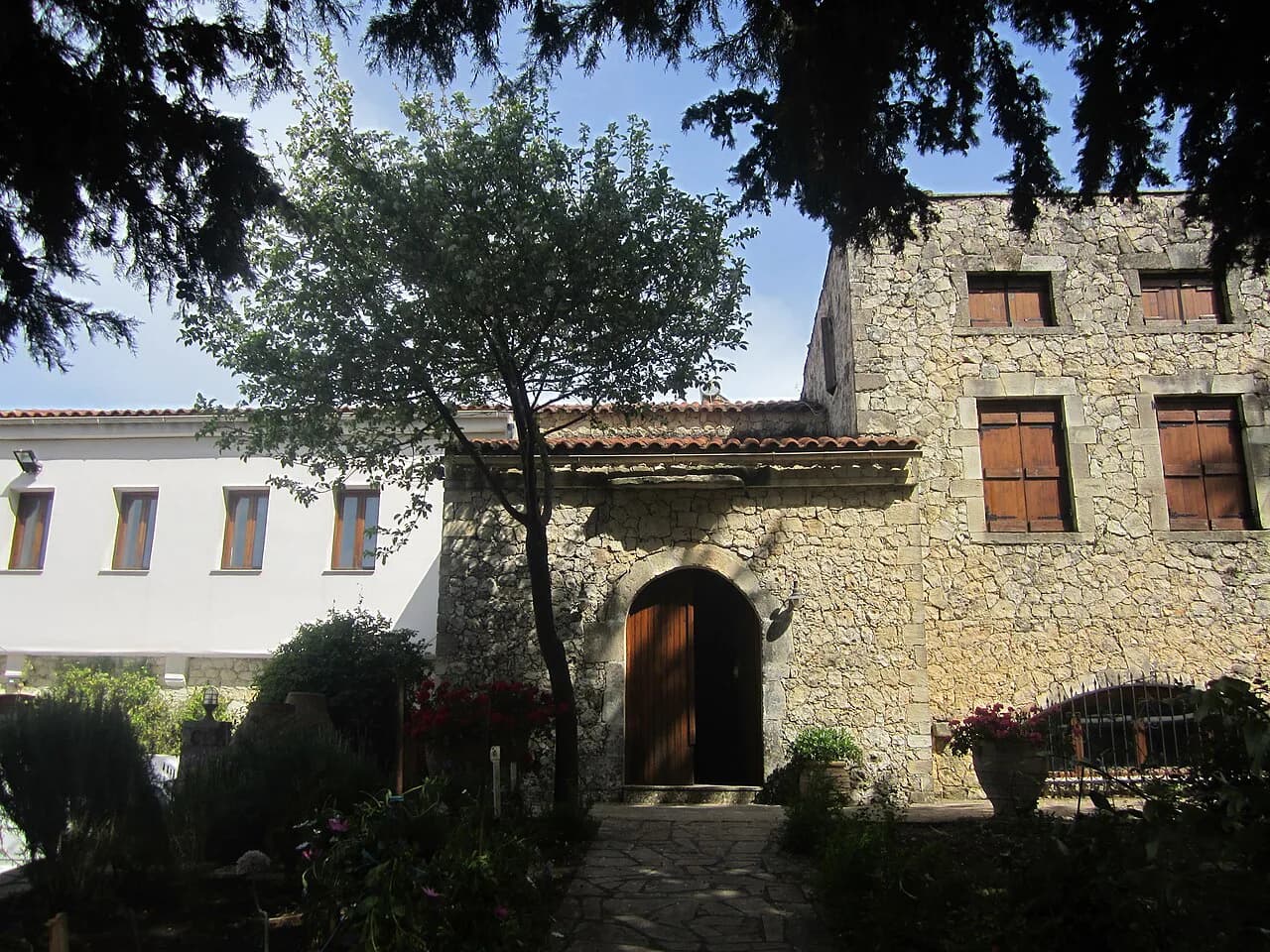
Anoskeli is a single estate with several working parts: a modern olive mill, a bottling and standardization unit, a boutique winery with a cellar, and a tasting area for guests. The facilities sit among the family's own groves and vineyards, so the visit is a look at production rather than a showroom. The company is tied to the Mamidakis family, whose birthplace is the village itself.
That range matters when you plan: you are not choosing between a winery and an olive farm. One booking covers the oil side, the wine side and the shared story of the village. If your group is split between someone who cares about olive oil and someone who wants to taste wine, this is the estate that suits both.
Where It Sits in the Chania Wine District
The estate lies roughly 28 to 30 km from Chania city center, on the route toward Palaiochora in western Crete. Sources describe the drive slightly differently, so treat the figure as an approximate rather than a precise milestone. The village belongs to the Kolymvari olive zone, which is the other reason the site is worth the drive: the oil here carries a protected origin name.
Practically, Anoskeli works best as one half of a day rather than the whole of it. Pair it with another estate along the Kissamos and Platanias corridor, or fold it into a longer westward run. For a wider look at how the region's estates are spread out, see this overview of Chania wine tasting and how the pieces fit together.
The Wines: Ano Plagia and the Grapes Around the Village
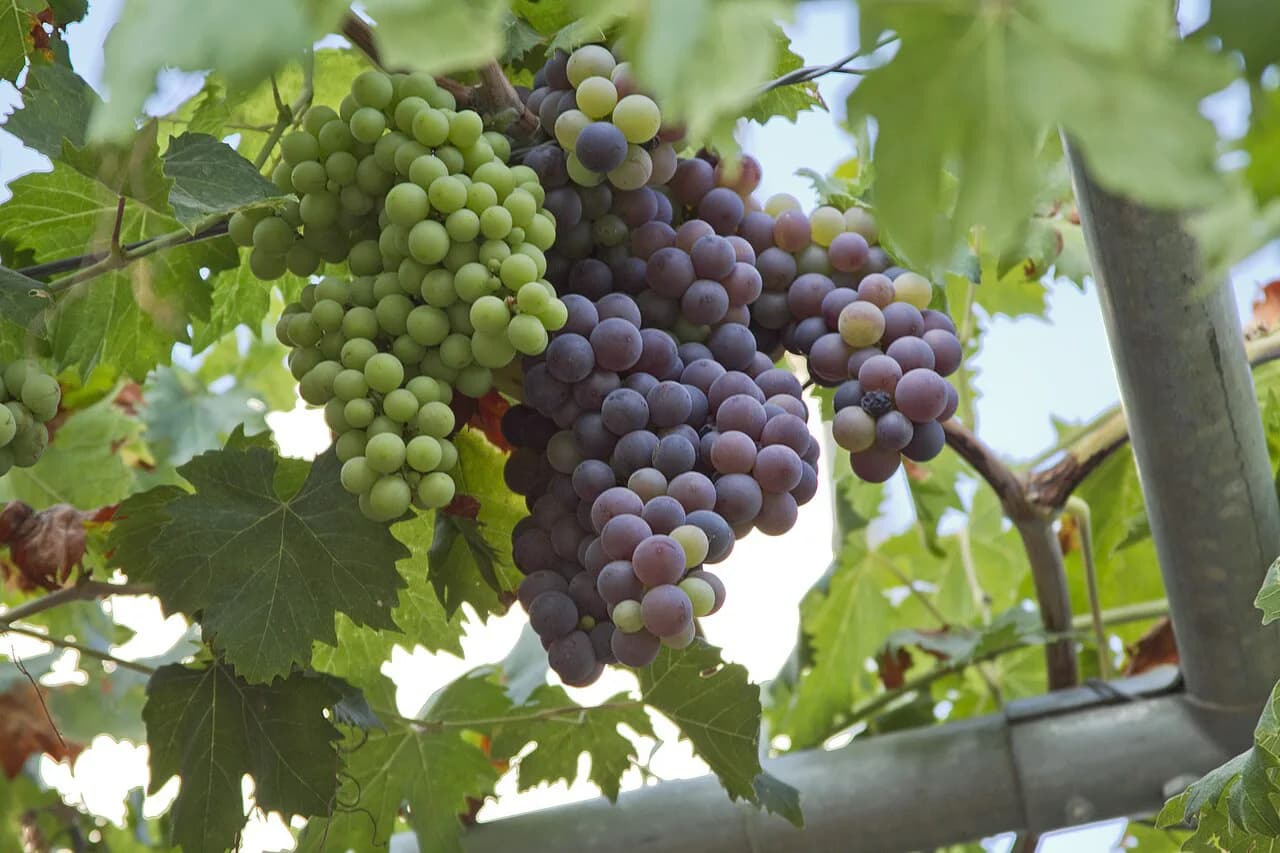
Anoskeli's dry white and red wines have been sold under the Ano Plagia brand since 2011, and the vineyards around the village are farmed organically. The varieties grown are Cabernet Sauvignon, Syrah, Grenache, Assyrtiko, Vidiano and Vilana. That mix puts Cretan whites such as Vidiano and Vilana alongside international reds, which is a useful shorthand for what the region does well.
On the olive side, the estate produces extra virgin olive oil and organic extra virgin olive oil, both marked with the Kolymvari Protected Designation of Origin. Cold extraction is used, and the company controls the process from picking to finished product. If you have only tasted Cretan oil from a supermarket shelf, the mill visit is the part that will change how you read a label.
What the Tour Actually Covers
The visit is built around a guided walk through both production sides: the olive mill and the winery, with an explanation of how each is made, from pressing to bottling. Tours run in English and Greek. Because the mill and the winery share a site, you see the full chain in one pass instead of driving between two attractions.
The estate also hosts occasional events beyond the standard tour, including artistic exhibitions, presentations of Cretan dishes built around its products, and seminars for wine enthusiasts and professionals. These are not part of every visit and their timing varies, so ask what is running during your dates when you make contact.
Choosing Between the Tasting Formats
There are two layers to choose from. The base option is the tasting tour, which combines the guided production walk with a tasting; a variant adds a Cretan snack platter for a more substantial stop. Separately, the estate's booking form lists two named experiences, the Signature Tasting and the Olive Oil Connoisseur.
The names tell you the split: one leans on the wines, the other on the oil. What the sources do not publish is how many wines are poured, how long each format lasts, or the minimum party size, so those are questions for the estate rather than assumptions to plan around. Decide first whether you want a wine-led or oil-led visit, then ask which format matches. If you are weighing Crete against a Greek island trip, the same wine-led-or-not question shapes wine tasting in Santorini.
Opening Hours and Seasonality
Published visiting hours are Monday to Saturday from 10 am to 6 pm, from mid-March to mid-October. Outside that window, visits are arranged in advance by email rather than kept to fixed hours. That is the single most important scheduling fact for anyone traveling in Crete in late autumn, winter or early spring.
If your trip falls between mid-October and mid-March, plan the Anoskeli stop early and get a written reply before you build the rest of the day around it. Winter opening is an arrangement, not a published schedule, so a confirmed email is the thing to hold. Read the reply date and time carefully and match your other bookings to it.
How to Book
Booking goes through the estate's website, which carries a request form asking for your name, country, phone, email, number of visitors, preferred date and time, and the experience you want. There is also a direct tasting-tour email and a phone line for the office and reservations. For winter dates, email is the route the published guidance points to.
When you write, state the date, the arrival time, the number in your party and which format you want, and ask for confirmation of the meeting point in the village. Mentioning that you are coming from Chania helps the estate slot you into a realistic time. If you need an English-language tour, say so in the same message.
Prices: What Is Published and What to Ask
Neither the estate's own site nor the Wines of Crete listing publishes the cost of the tours or the named experiences. Anyone quoting a figure online is either working from an older price or guessing. The honest approach is to request the current rate in writing at the same time you request your date, so the number and the slot are confirmed together.
Ask specifically whether the rate differs between the base tasting tour, the version with the Cretan snack platter, the Signature Tasting and the Olive Oil Connoisseur, and whether there is a charge for children or non-tasters in the group. Those are the variables that move the final bill. Get the answer in the same email thread as the booking confirmation so it is easy to find later.
Getting There Without Driving
Anoskeli is about 28 to 30 km west of Chania, and public transport on that corridor is not built around winery visits. In practice the non-driving options are a taxi arranged for a set return time, a guided tour that includes the estate, or a hired driver. A taxi is the most flexible but you pay for the wait; a tour spreads the cost across a group and removes the logistics.
Weigh the two honestly. A tour fixes your timetable and usually bundles several estates, which suits a first visit; going independently by taxi lets you linger at the mill but costs more per person. For a comparison of the routes and estates commonly combined, see these Chania wine tours and what each type includes.
Whoever is driving should not taste: use the spittoons, or let a designated driver, a taxi or a tour handle the road. The same applies on the way back, when the Palaiochora road carries fast traffic. Sort the return leg before the first glass is poured, not after.
Pairing Anoskeli with the Rest of a Chania Wine Day
Anoskeli earns its place on a route west because it covers two products in one stop, which frees up time for a second estate. The Kissamos and Platanias corridor holds other producers, and grouping two visits keeps driving to a minimum. Build the day around one morning stop and one afternoon stop rather than three rushed ones.
If your group wants a second wine-focused estate, the Dourakis Winery visit in the Alikampos area is a common partner for a western Crete day. Check its own opening arrangements against your Anoskeli slot. The two are different in character, which makes the pairing more interesting than two similar tours back to back.
Practical Timing and What to Wear
Allow more time than the tasting itself: the tour covers a mill, a cellar and a bottling area, and the estate sits in a working village rather than a visitor complex. Harvest runs in autumn, when the mill and vineyards are busiest and the site feels most alive. Late summer is hot and the tasting room is the cool part of the visit.
Wear closed shoes, since you are walking through production spaces, and bring a layer for the cellar. If you plan to buy oil or wine, leave room in the car and check what the estate can ship before you fill a suitcase. For the broader picture of the region's estates and how to sequence them, start with this guide to Chania Wine tasting.
Plan Your Visit
Anoskeli is the rare Chania-area estate where one booking covers a working olive mill and a boutique winery, in a village that gives the Kolymvari oil its name. Fix your date first, match the format to whether your group is wine-led or oil-led, and get the price and slot confirmed in the same exchange.
If you travel between mid-October and mid-March, treat the visit as an appointment to arrange rather than a walk-in, and pair it with one other estate to make the drive west worthwhile. Arrange the return journey before anyone tastes, and the day takes care of itself.
Frequently Asked Questions
What does the Anoskeli winery tour include?
The standard visit is a guided tour of the olive mill and the boutique winery together, with an explanation of both production processes, offered in English and Greek. A variant adds a Cretan snack platter, and the estate separately lists a Signature Tasting and an Olive Oil Connoisseur experience. The number of wines poured and the tour length are not published.
How far is Anoskeli Winery from Chania?
Sources place the estate roughly 28 to 30 km from Chania city center, on the road toward Palaiochora in the Platanias municipality. Treat that as approximate. Public transport is not organized around winery visits, so a taxi with a set return time or a guided tour is the realistic non-driving option.
Do you need to book Anoskeli Winery in advance?
Yes, booking is the sensible route in every season. The estate takes requests through a form on its website and by email and phone, and for visits outside the main season email is the published channel. State your date, arrival time, party size and preferred format.
What are Anoskeli Winery's opening hours?
Published visiting hours are Monday to Saturday from 10 am to 6 pm, from mid-March to mid-October. For the rest of the year, visits are arranged in advance by email rather than kept to fixed hours. Winter visits are therefore an arrangement to confirm in writing.
Does Anoskeli make wine or olive oil?
Both, on one site. The estate produces extra virgin olive oil and organic extra virgin olive oil under the Kolymvari Protected Designation of Origin, plus dry wines sold under the Ano Plagia brand. It also makes tsikoudia, the traditional Cretan distillate, from locally sourced grapes.
Can you visit Anoskeli Winery without a car?
It is possible but requires planning. The estate sits about 28 to 30 km west of Chania, and public transport is not built around winery stops. A pre-booked taxi with a fixed return time or a guided tour that includes the estate are the practical choices; whoever drives should not taste.
Which grapes are grown at Anoskeli?
The vineyards around the village grow Cabernet Sauvignon, Syrah, Grenache, Assyrtiko, Vidiano and Vilana, all farmed organically. That mix pairs Cretan white varieties with international reds. Which variety goes into which Ano Plagia bottling is not set out in the published listings.
Sources
Notes for your next wine trip
Optional updates to our winery and wine-town guides.
You might also like
Continue reading
More guides you'll find useful