Crete Winery Tours from Chania: How to Plan a Wine Day
Plan a Crete winery tour from Chania: how guided day tours work, published costs, reaching estates like Manousakis in Vatolakkos, and the best months.
On this page
Crete does not have a single wine district. The estates scatter across a long island, so the base town you pick decides which cellars you can realistically reach in a day. For western Crete, Chania is the working base, with vineyard villages in the foothills behind the city and the island's best-known estate at Vatolakkos.
This guide separates the three ways to buy a winery day from Chania, a shared guided tour, a bespoke private tour, or an independent visit to an estate, and explains what each costs you in time, money and flexibility. Prices and schedules come from the operators' own published pages where those pages state them.
The Realistic Options from Chania
Shared guided day tours suit travelers without a car and couples or small groups who are happy to follow a fixed route. The tour company sets the start time, the pickup, the number of estates and any food stop, so you trade flexibility for a day that runs itself.
Bespoke and private tours suit groups of four or more, anyone wanting a specific estate, or travelers combining wine with other Cretan sights. You pay more per person but you choose the pace and the stops. Independent visits work for confident drivers who want one estate and a long lunch rather than a full day out.
Wine Tasting in Chania covers the estates themselves if you want to build your own itinerary rather than hand the day to an operator.
How the Chania Wine District Is Laid Out
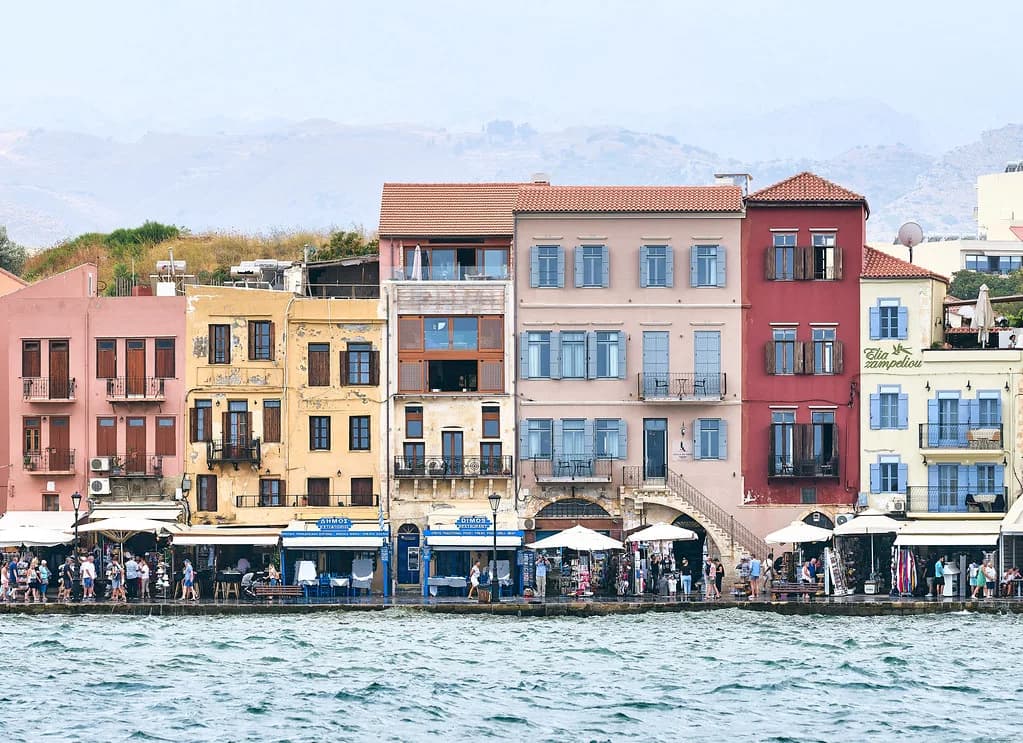
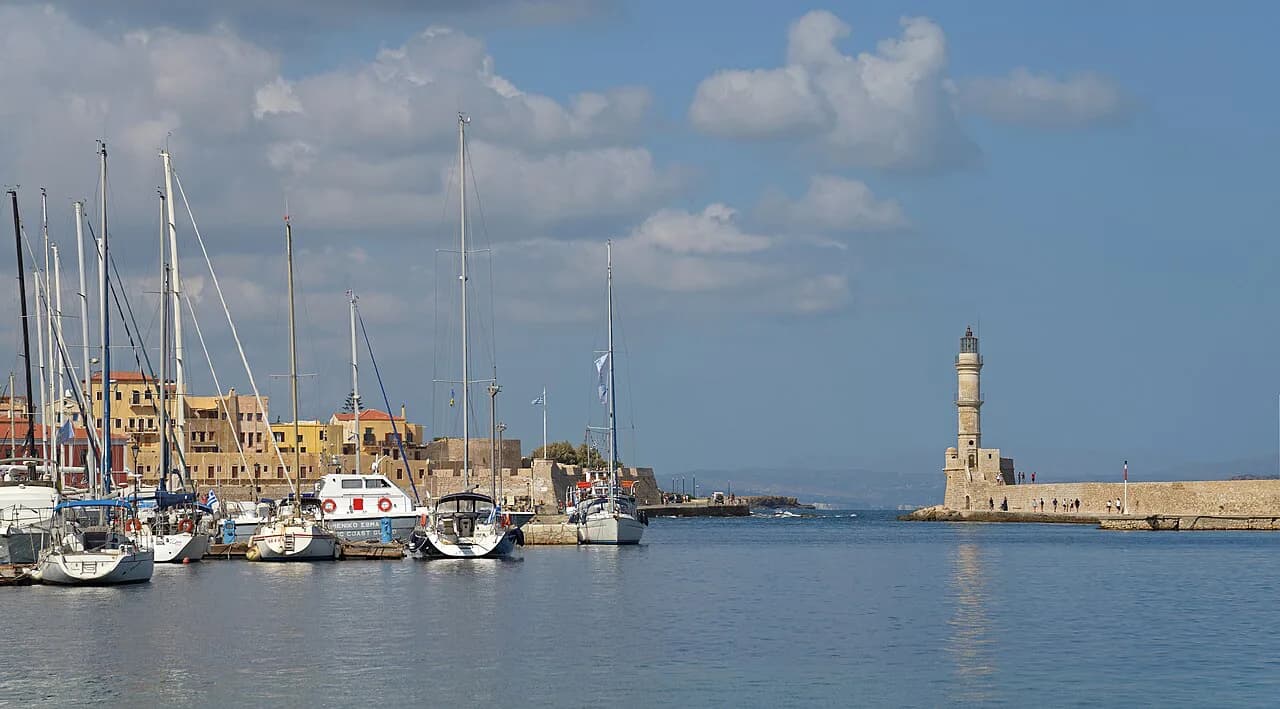
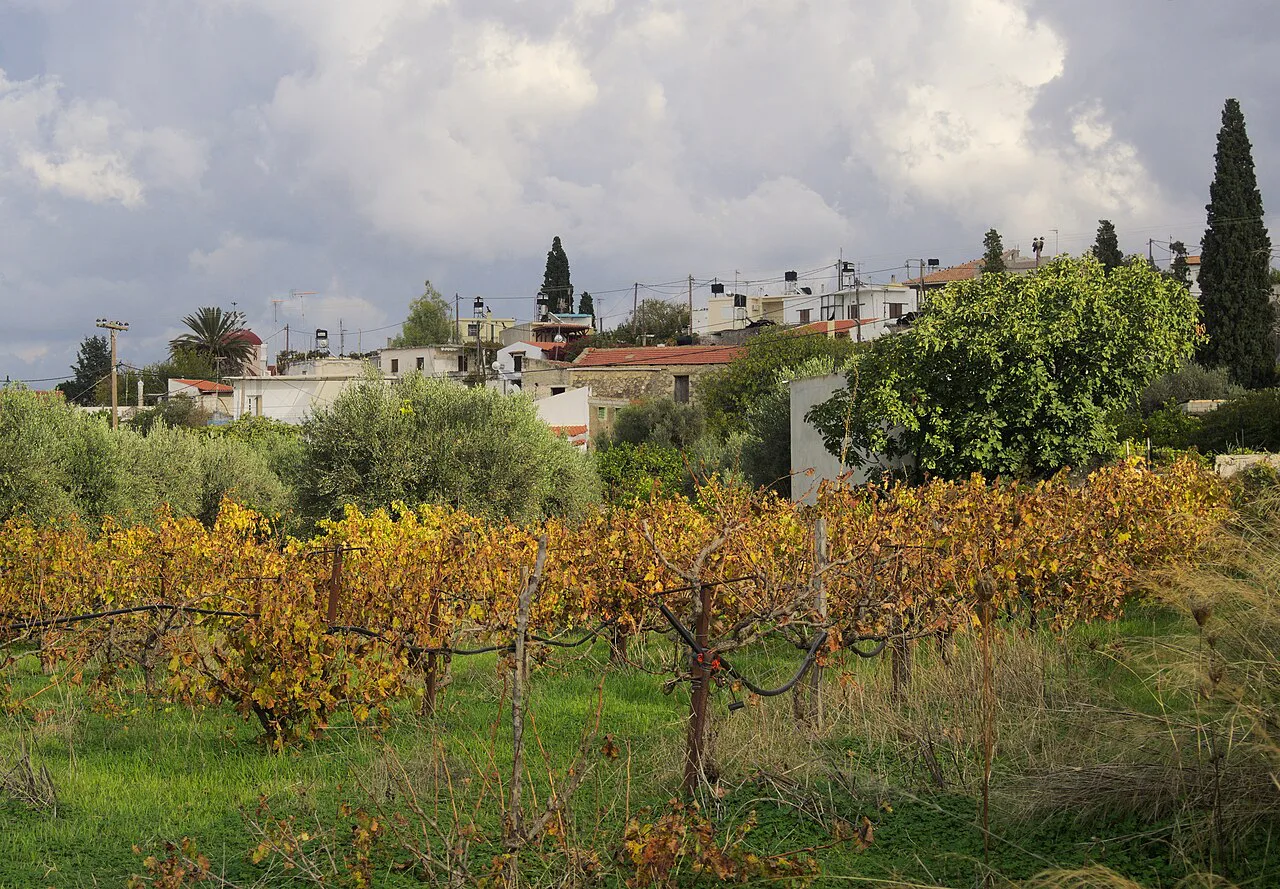
Chania city sits on the coast, with the vineyard villages in the hills to the south and west. Vatolakkos, the village most associated with Chania wine touring, lies a short drive inland from the city, and estates further out push 30 to 60 minutes from the center on winding rural roads.
Those roads are the reason most car-free visitors pair a tour with the countryside. Distances on the map look small, but hill villages have limited bus service and taxis are hard to find for a return trip after a tasting. A guided day removes that logistics problem entirely.
Group the stops by geography rather than trying to cross the island. Vatolakkos and the villages around it form one natural half day, and the Apokoronas villages to the east of Chania form another. Two estates plus a meal is a full, satisfying day.
Guided Day Tours: Timing and Published Price
Chania Wine Tours runs a full-day format with a published 9:30am start, a duration of seven hours and a starting price of 200 euros per person. That structure matters when you plan: a 9:30 departure from Chania means an early breakfast, and a seven-hour day brings you back in the late afternoon.
Treat that figure as a starting point for the standard shared product, not a fixed total. Operators vary what the base price includes, so ask whether tasting fees, lunch and entrance to each estate sit inside it or are added on the day.
Crete Wine Escapes markets six themed day tours across Chania, Rethymno, Heraklion and Lasithi, which shows how loosely the term "Crete winery tour" is used. Check which region a listed tour actually covers before choosing a departure from Chania, because a Heraklion departure is a long way east.
Bespoke and Private Tours: What to Settle First
Crete Wine Escapes advertises bespoke tours built around your interests, from vineyard flights to coastal tastings, and its contact form asks for pickup location, party size and a description of the request. Use that form to lock down the details in writing rather than leaving them to the day.
Four questions decide whether a private tour is worth the extra spend: the minimum party size and the per-person rate at that size, the exact pickup point in Chania, how many estates are included, and what happens if an estate is full on your date. Get the cancellation terms at the same time.
Crete Wine Escapes holds a Greek National Tourism Organisation licence, which is the identifier to look for when comparing Cretan agencies. It is listed on the site along with a Rethymno office address and phone contact.
Manousakis Winery in Vatolakkos
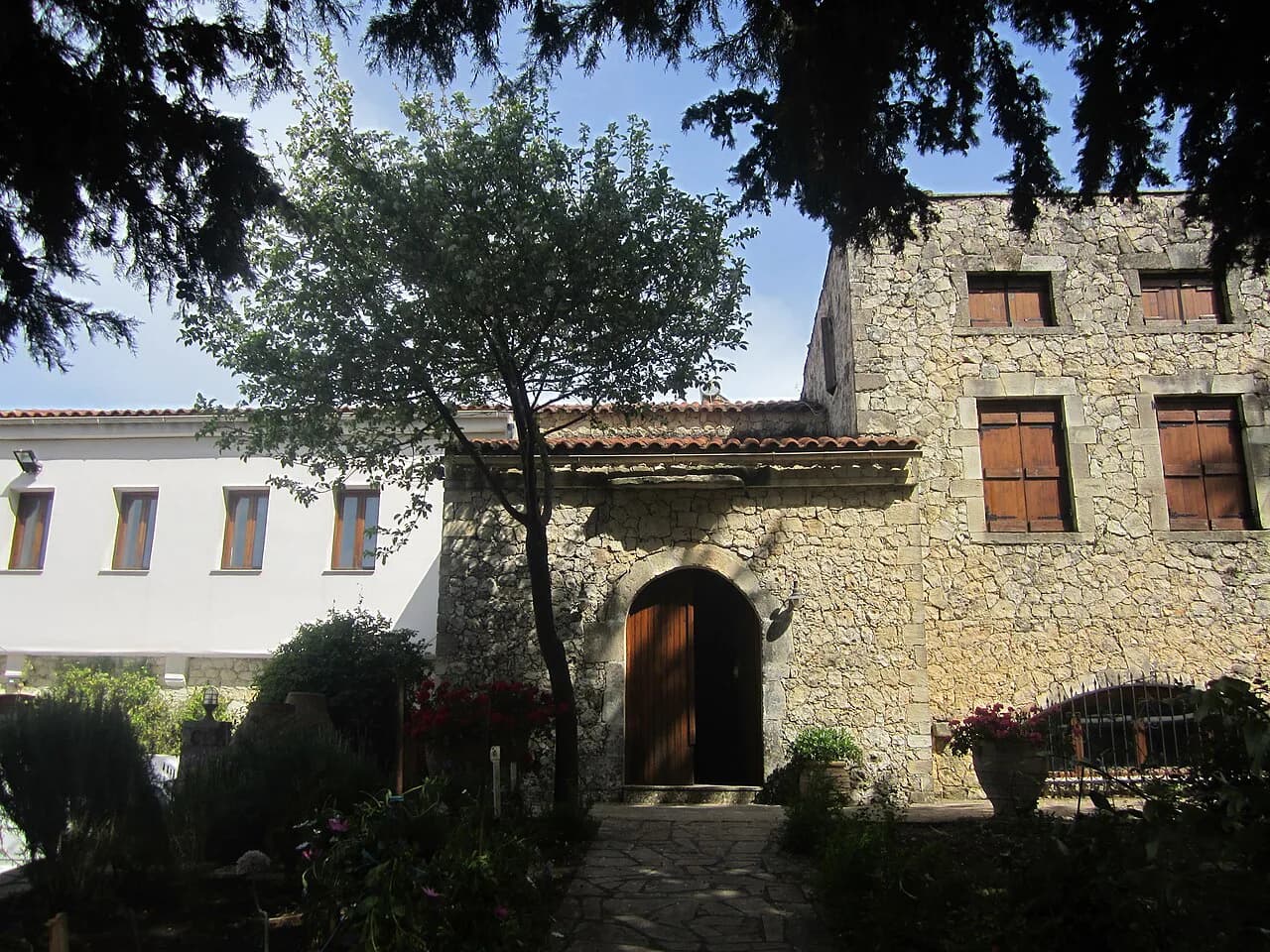
Manousakis Winery in Vatolakkos is the estate most often paired with Chania in tour listings, and it anchors the village-level wine scene just inland from the city. It is the natural first stop if you want one estate that represents Chania wine rather than a multi-estate circuit.
Visitors typically reach it by car, taxi from Chania, or as a stop on an organized wine tour, since the village sits off the main coastal road. The estate's own page is the place to confirm whether you need a reservation, which days it receives visitors and what the tasting includes before you commit a day to it.
Treat its popularity as a scheduling fact rather than a ranking. If Vatolakkos is your priority, book that stop first and build the rest of the day around it, whether that means a private tour or your own car.
Touring from Rethymno, Heraklion or Lasithi
Crete Wine Escapes organizes across four regions: Chania in the west, Rethymno in the center-west, Heraklion in the center and Lasithi in the east. The base you sleep in should match the region you want to taste, because driving between them eats the day.
From Chania, stay west and cover Vatolakkos and the Apokoronas. Base in Heraklion if your priority is the central estates and the Minoan sites around them, and treat Rethymno as the middle ground for a split stay. Lasithi suits travelers already heading east toward Agios Nikolaos.
The wider island picture, including the eastern Sitia zone, is worth reading before you fix a base. Crete wineries runs through the regional split so you can match a hotel to a wine region rather than the other way round.
Independent Versus Guided
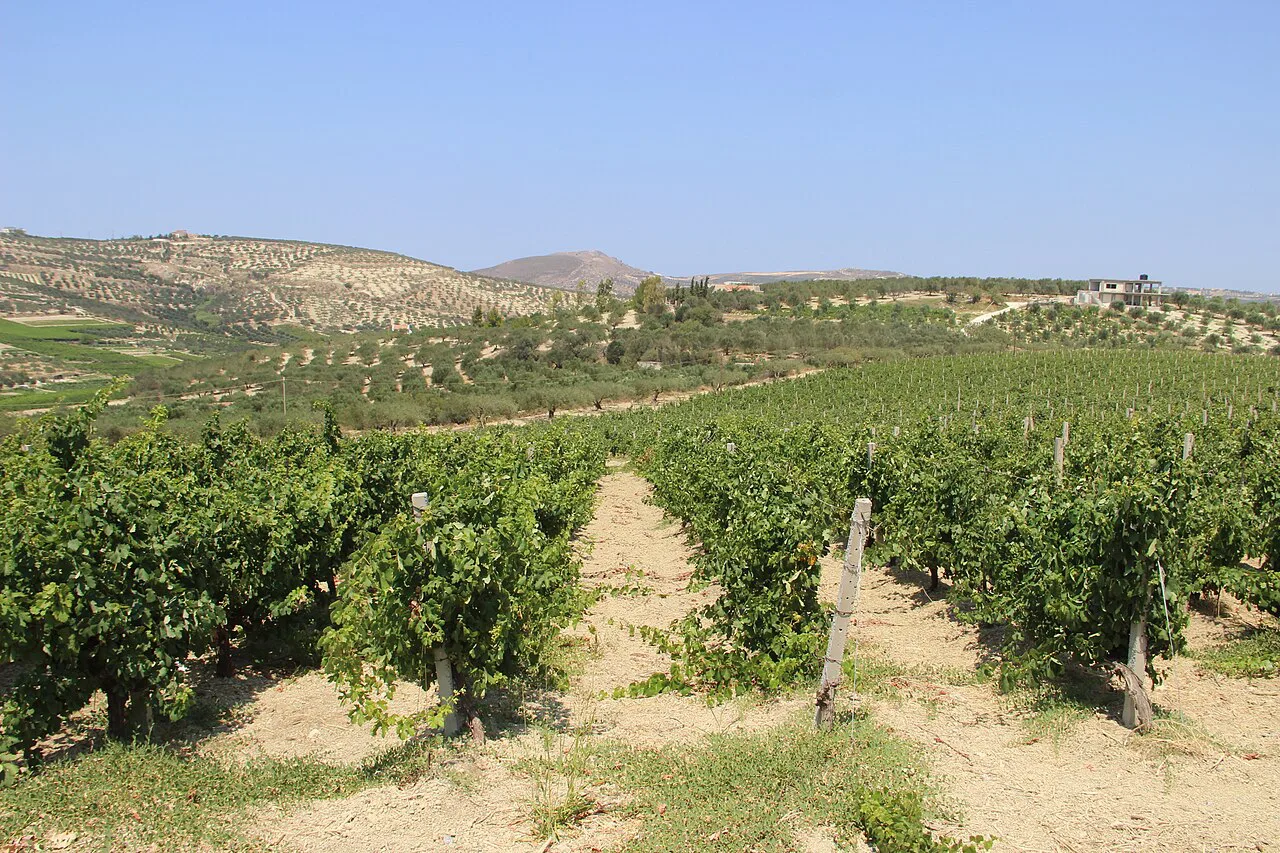
Independent touring wins on cost and freedom: you pay tasting fees and fuel only, you linger where you like and you skip estates that do not interest you. It loses on logistics, because rural Cretan estates sit on hill roads with thin public transport and scarce taxis.
A shared tour wins on convenience and on the fact that nobody has to drive. It loses on flexibility, since you follow the tour company's route and timing. Private tours sit between the two: you keep the freedom and someone else drives, at a higher per-person rate. If you are weighing a fixed-group format against going solo, the same trade-off plays out in wine tasting in Hvar, where small islands and short seasons sharpen the choice.
The trade-offs shift with the size and shape of your day, and Chania wine tours compares a do-it-yourself circuit with a guided one so you can weigh a single estate against a multi-stop route. For two or more estates, the guided version usually comes out ahead once you count the difficulty of a rural return trip.
What to Ask When Booking
Pin down the pickup point and time, the group size, the number of wineries visited, how many wines are poured at each, whether food is included, and the cancellation policy. Ask in writing so the answers are on record, especially for a private day.
For any estate visit, ask whether it is by appointment only and what the tasting includes. Manousakis and other Chania estates publish their visiting arrangements online, and Crete Wine Escapes lists a phone number and email for direct questions about tour logistics.
The Wines to Know Before You Go
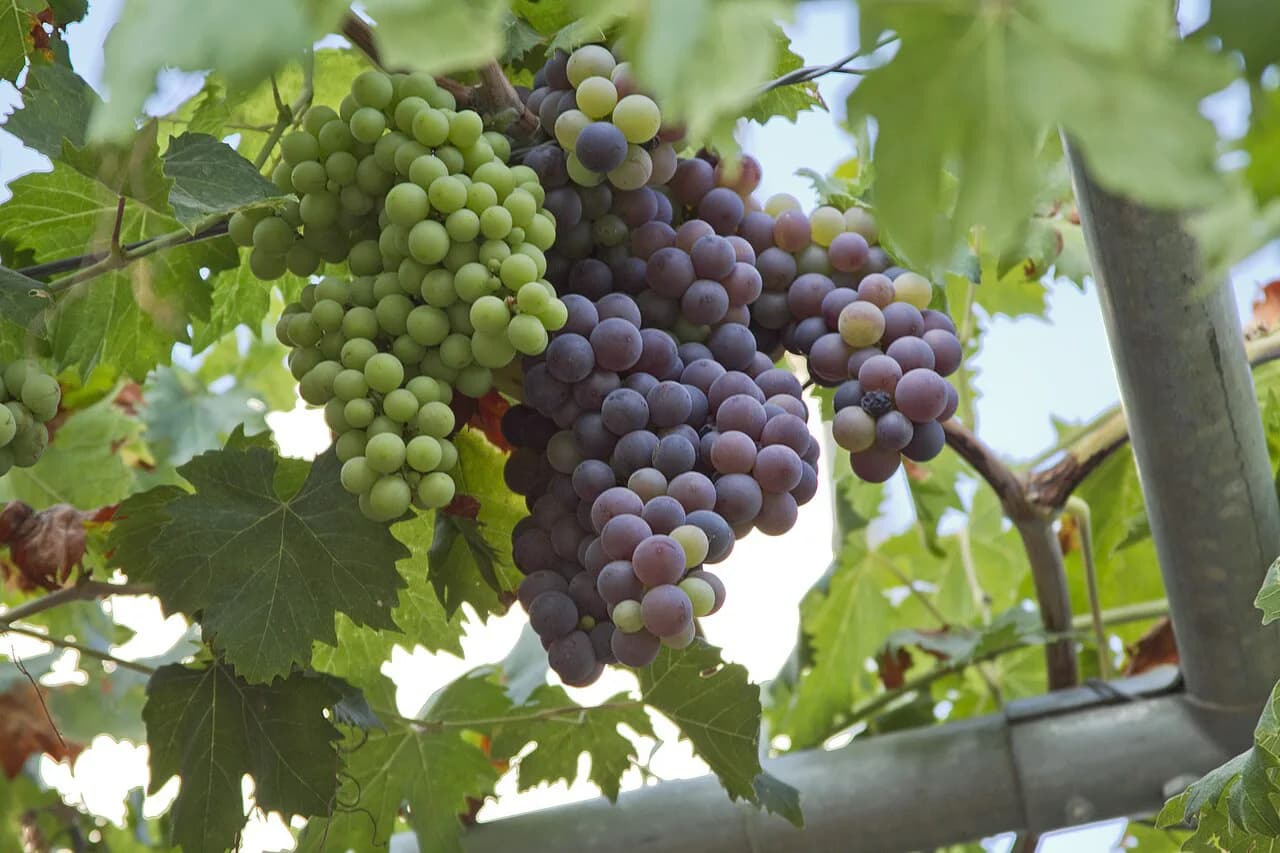
Cretan reds lean on Kotsifali and Mantilari, often blended, with Liatiko giving lighter, fragrant wines that suit warm evenings. Vidiano is the white grape to seek out, producing textured, aromatic wines that have become the island's calling card.
Knowing these four names helps you read a tasting list and choose estates whose ranges you actually want to try. You do not need a scoring vocabulary; you need to recognize what is local so you spend your day on Cretan varieties rather than international grapes you can drink at home.
Timing Your Visit
Harvest on Crete generally runs from late August into October depending on altitude and variety, which makes early autumn the most active time in the vineyards. Spring is quieter and greener, and summer brings heat, so morning tastings are easier than afternoon ones.
Ask the winery or estate about the season you plan to travel, since small estates may receive visitors only part of the year. For a Chania day, build in an early start, comfortable shoes for cellar and vineyard walks, and water between stops.
Responsible Tasting
Whoever is driving should not taste. Use the spittoons, book a tour with a driver, or split the group so a designated driver stays sober; the island's hill roads punish any lapse in concentration.
Practical Checklist
Decide your base first, then your purchase path: shared tour, private tour or independent estate visit. Book the priority estate before you book anything else, confirm the pickup and inclusions in writing, and carry cash for small extras.
Plan Your Chania Wine Day
Chania gives you the simplest route into Cretan wine: a city base, vineyard villages within a short drive, and operators that publish their start times and prices. Match your base to the region you want to taste, pick the booking path that fits your group, and settle the pickup, inclusions and cancellation terms before you commit.
Frequently Asked Questions
How much does a Crete winery tour cost from Chania?
Chania Wine Tours publishes a starting price per person for its seven-hour shared day tour, and bespoke private tours are quoted individually based on party size and itinerary. Ask what the quoted rate covers, since tasting fees, lunch and estate entrances may sit outside it.
Can you visit Crete wineries without a car?
It is possible but awkward. Estates such as Manousakis in Vatolakkos sit in hill villages with limited bus service and scarce taxis, so a guided tour is the practical car-free option for more than one estate. For a single visit, arrange a taxi from Chania and book the return in advance.
Do you need to book Crete winery tours in advance?
Yes, particularly in harvest season and for private tours. Confirm the estate's visiting arrangements and the operator's availability before building the rest of your trip around a specific day, and get the pickup and inclusions in writing.
Which winery in Crete is considered the best?
There is no objective ranking, and it depends on what you want to taste. Manousakis in Vatolakkos is the estate most associated with Chania touring, while central and eastern Crete have their own estates. Choose by base town and grape varieties rather than by reputation.
What wine is Crete known for?
Cretan reds center on Kotsifali, Mantilari and Liatiko, often blended, and Vidiano is the white grape most associated with the island. Knowing these names helps you choose estates whose ranges match your interests.
When is the best time for a Crete winery tour?
Harvest from late August into October is the liveliest period in the vineyards, while spring is quieter and summer afternoons are hot. Ask which months they receive visitors, since small producers may open only part of the year; check current details before planning around a specific estate.
Sources
Notes for your next wine trip
Optional updates to our winery and wine-town guides.
You might also like
Continue reading
More guides you'll find useful