Commanderie de Peyrassol: Plan a Day Trip from Cannes
What a Commanderie de Peyrassol visit covers, how the Flassans-sur-Issole estate is laid out and how to reach it from Cannes without driving.
On this page
Commanderie de Peyrassol sits in the Var hinterland behind the Côte d'Azur, well beyond the beach towns most Cannes visitors know. It rewards a full day rather than a ninety-minute stop, because wine, contemporary art and a long lunch are all on the same property. Treating it as a wine errand undersells the place and usually wrecks the schedule.
This guide covers what the estate publishes about visiting, how the wines are organized and how to reach Flassans-sur-Issole from Cannes without a car. For the wider picture of Provence tasting rooms and day trips from the city, start with Cannes wine tasting.
A Templar Commanderie Turned Côtes de Provence Estate
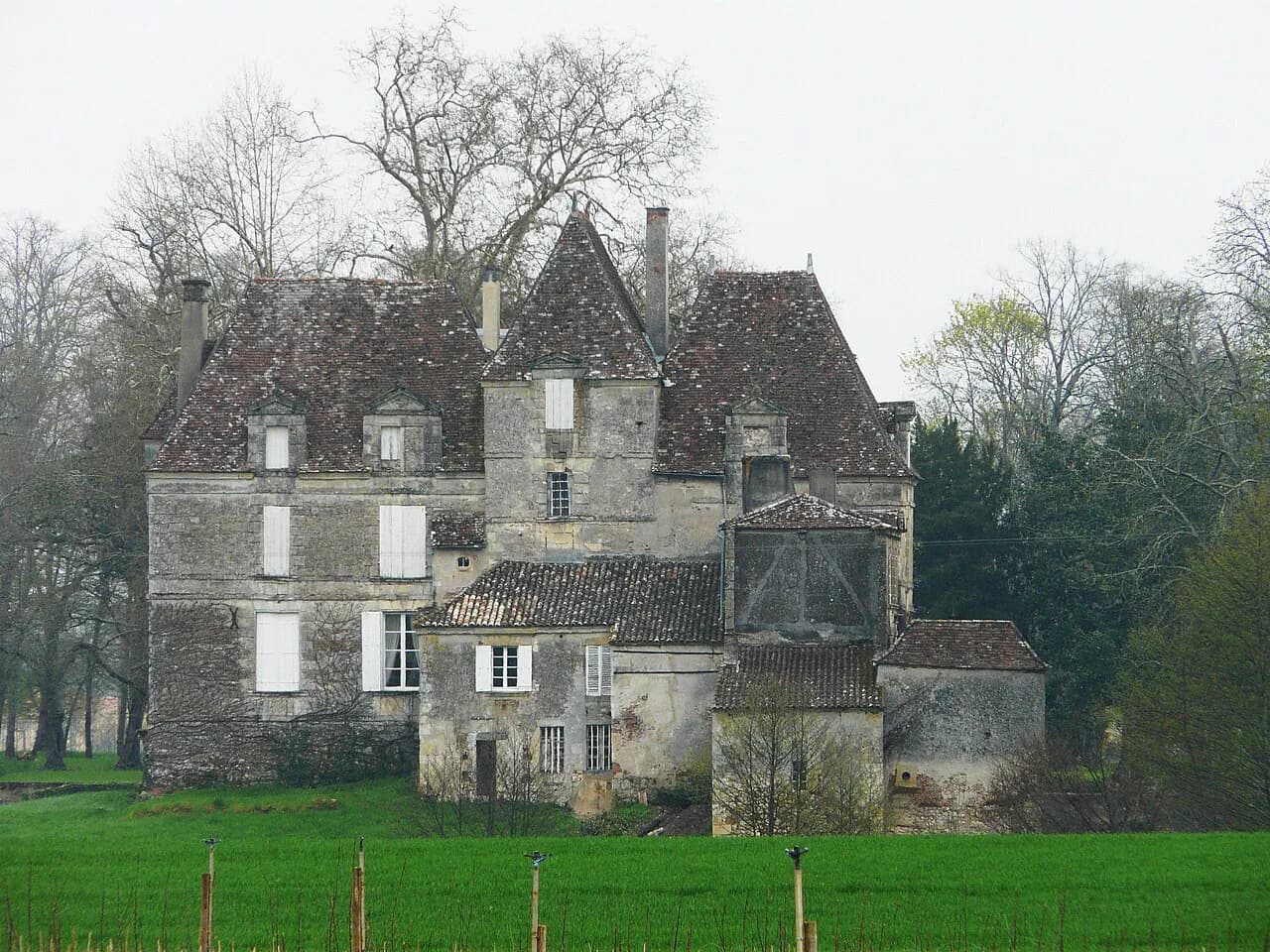
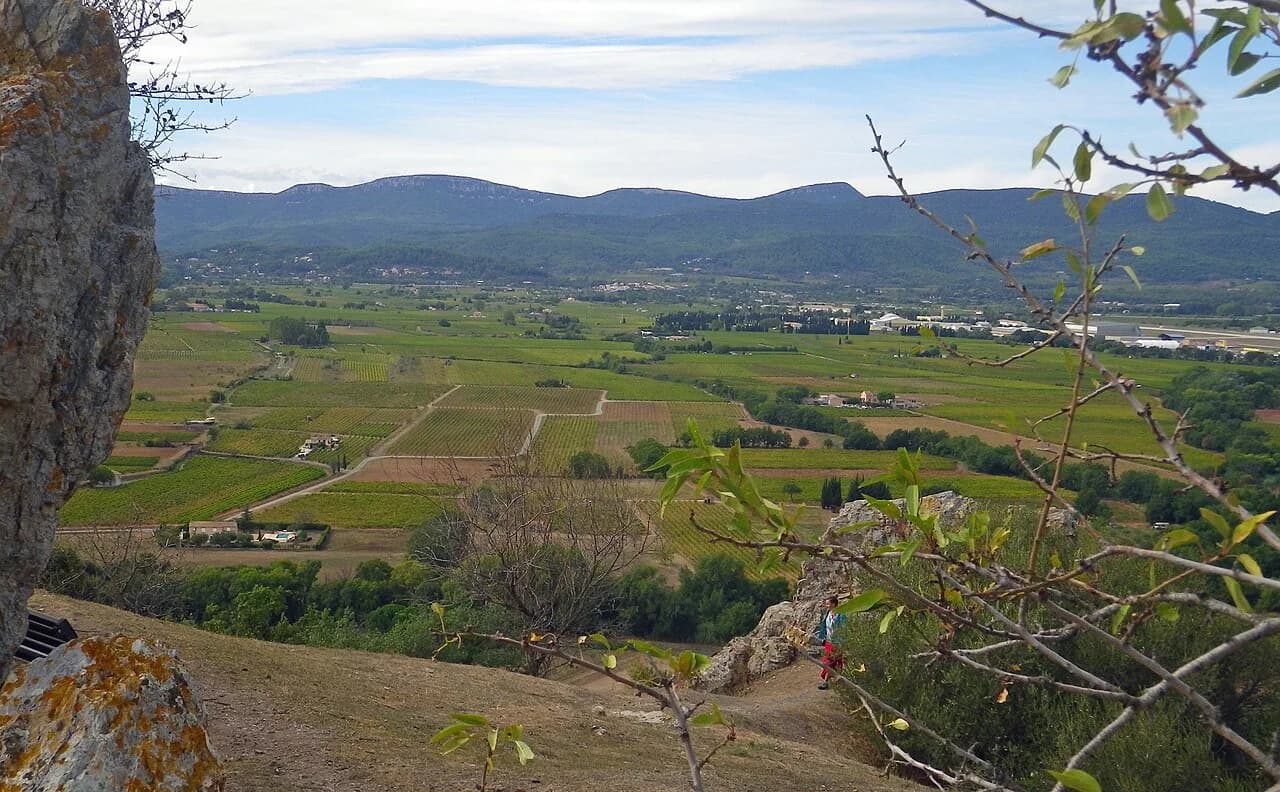
The estate was founded in the 13th century by the Knights Templar, and it served as a resting stop for pilgrims heading for the Holy Land. Its agricultural and wine-growing activity has been continuous in some form since then. That history explains the layout: a walled core of old buildings with vineyards, olive groves and scrubland spread around it.
Owner Philippe Austruy assembled a collection of monumental contemporary sculpture and installed it across the grounds, turning the property into one of Europe's larger open-air sculpture parks. A purpose-built gallery, designed by architect Charles Berthier, holds further works from the collection. The result is a working estate where a row of vines and a large sculpture share the same sightline, which is the reason many travelers come at all.
A restaurant, Chez Jeannette, sources from an organic farm and serves seasonal produce grown locally. Adding a meal changes the shape of the day: you can tour in the morning, eat, then walk the sculpture route in the afternoon instead of driving back to Cannes hungry.
Where Peyrassol Is: Flassans-sur-Issole, Var
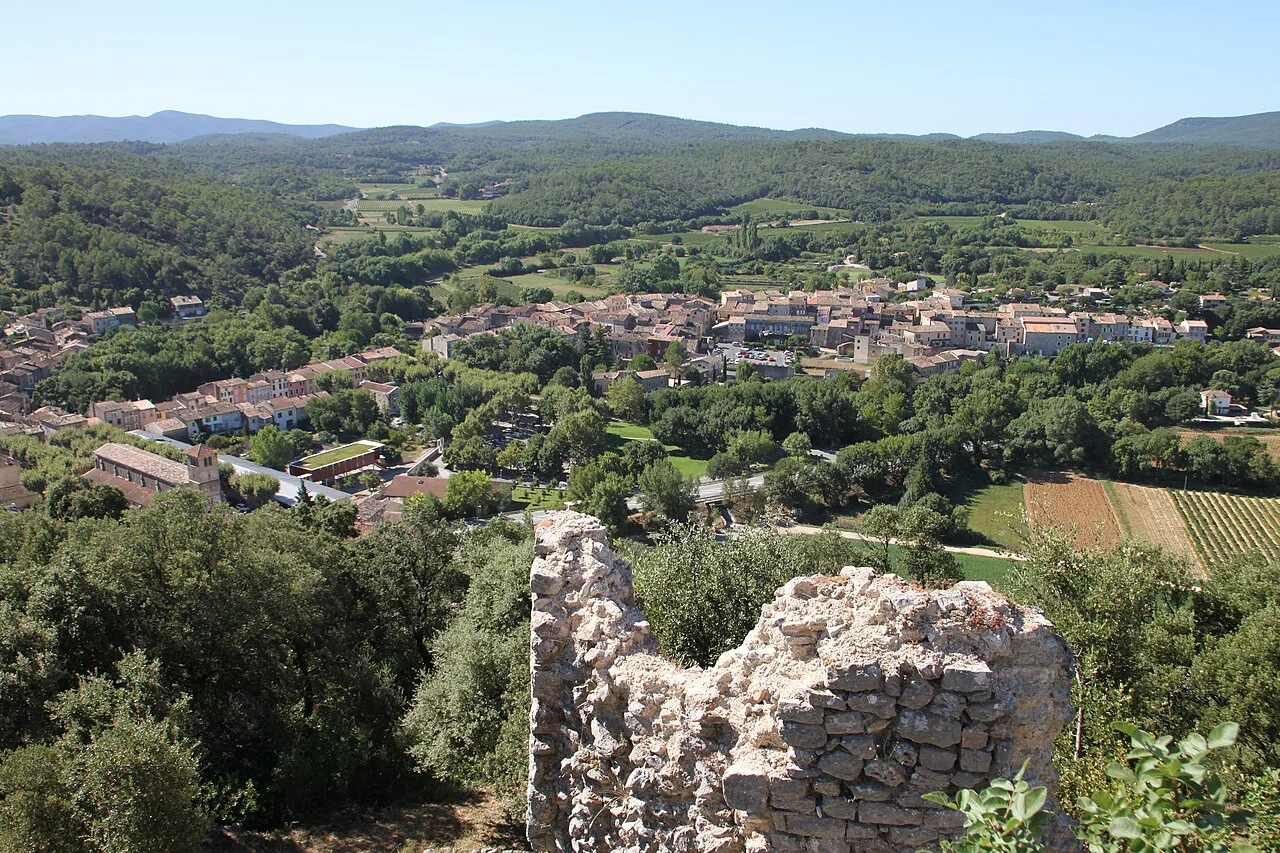
The estate's published address is 1204 chemin de la Commanderie de Peyrassol on the RN7, 83340 Flassans-sur-Issole. It lies between the town of Le Luc to the east and Flassans-sur-Issole to the west, on the southern flank of the Massif des Maures. If you are mapping the trip, think of the A8 motorway corridor through Le Luc as your reference line and the estate as a short detour south of it.
The estate publishes a phone number, +33 (0)4 94 69 71 02, and an email address, contact@peyrassol.com, both listed alongside its postal address. These are the channels to use for visit questions, because the booking flow on the website is oriented toward reserving one of the published visit formats rather than answering bespoke travel queries.
Distances in this corner of the Var look short on a map and take longer in practice, since the roads are rural and slower than the coastal autoroute. Build slack into any plan that chains Peyrassol with a second estate. Two stops in one day is realistic only if both are pre-booked and close together.
The Wines: Rosé First, Then the Ranges
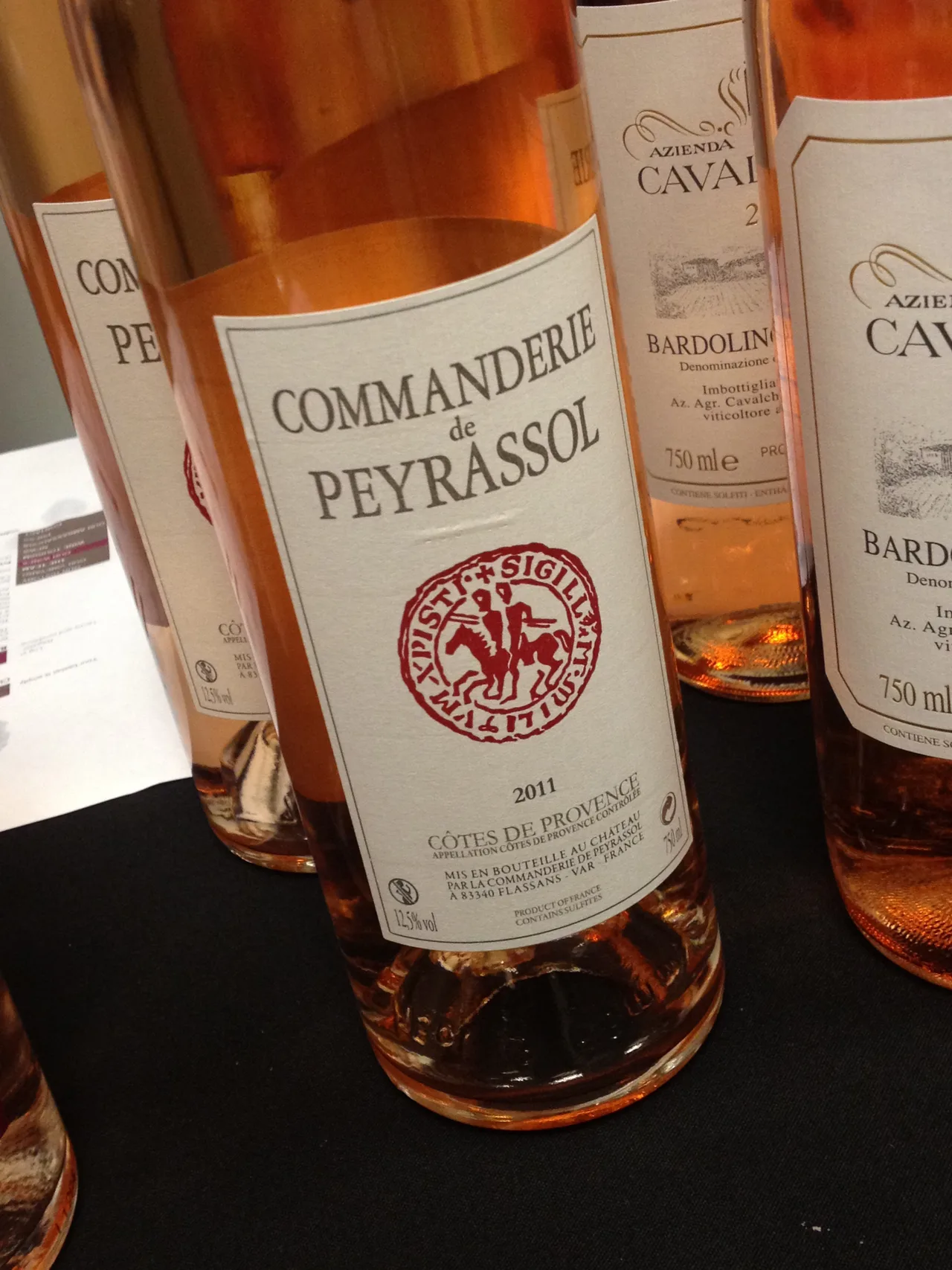
Peyrassol's home appellation is Côtes de Provence, and rosé is the style most visitors come for. The estate's Les Commandeurs rosé is a branded cuvée rather than an estate-bottled wine: grapes are selected from partner growers, and the blend is grenache, cinsault and syrah from clay-limestone soils in the inland valleys, with some schist parcels adding tension. It is fermented in temperature-controlled stainless steel and aged briefly on fine lees.
That branded-versus-estate split matters when you book. The visitor offer is organized around the estate's own wines, which include the Clos Peyrassol and Château Peyrassol rosés alongside red and white ranges, while Les Commandeurs and the #Lou bottlings are commercial ranges sold widely. If you want to taste the difference in one sitting, say so when you arrange the visit so the lineup can be pitched accordingly.
Provence rosé is generally a pale, fresh, dry style built on grenache and cinsault with syrah for structure, and Peyrassol works within that idiom rather than against it. Reds from the estate lean on the same Mediterranean varieties and the warm inland soils west of the Massif des Maures. Knowing this helps you decide whether to book a rosé-focused visit or ask for a mixed lineup that includes reds and whites.
What the Estate Publishes for Visitors
Peyrassol lists its visitor products separately rather than as one all-in tour. The published options are a guided tour of the cellars, a guided tour of the art collection, and a horse-drawn carriage ride, each bookable in its own right. Reading them as three different products, not three inclusions, is the key to planning: you choose the combination that matches your interests and the time you have.
A cellar tour is the wine-side visit, covering the working parts of the estate and ending in a tasting. The art tour is a walking route through the sculpture park and gallery, with the winery as backdrop. The carriage ride is a way of covering the grounds without walking them, useful for mixed-age groups or in heat. Book the ones you want directly on the Peyrassol site, which lists each option separately.
The estate also runs restaurants, guest accommodation and event spaces, all listed as distinct services on its site. That breadth is why Peyrassol works as a destination in its own right: you can stay overnight on the property, eat on site and spread the wine and art across two half-days instead of compressing everything into one.
Booking in Practice: What to Ask
The estate does not publish a visitor price list, opening hours or a seasonal calendar in the material available here, so ask directly when you enquire by phone or email. Request the specific visit you want by name, and ask for the current rate for your party size at the same time. Do not assume a tasting is included in whichever tour you pick: it is worth confirming that explicitly in writing.
Four questions do most of the work: how many wines are poured and whether they include reds and whites or rosé only, how long the visit lasts from arrival to final glass, what language the guide works in, and whether there is a minimum party size or a single-traveler surcharge. Add a fifth if you are combining products, asking whether the cellar tour and art tour can be scheduled back to back on the same day.
Book ahead rather than turning up. This is a working estate with structured visit formats, not a village tasting room with a counter open to passers-by, and the published formats imply scheduled departures. Email works well for detailed questions and multi-person bookings; the phone line is quicker for same-week requests. If you are travelling in a small group, name everyone in the enquiry so the lineup and timing can be set correctly.
Eating and Staying on the Property
Chez Jeannette is the vineyard restaurant, built around organic, seasonal and local produce, which makes it a natural pairing with a morning visit. The site also lists Le Bistrot de Lou as a second dining option, plus guest rooms at La Commanderie de Peyrassol and La Rouvière. None of these are incidental add-ons: they are what turn a tasting into an overnight stay.
If you plan to eat, reserve the table when you book the visit rather than after. Restaurant service at rural estates often runs on fixed sittings, and a tour that ends after the kitchen has stopped taking orders leaves you driving back toward the coast on an empty stomach. Mention any dietary requirements in the same email.
Staying overnight solves the transfer problem entirely: you arrive without a car, taste properly and leave the next morning. It also opens the option of a late-afternoon walk through the sculpture park once day visitors have gone. Ask about check-in times relative to tour departures when you reserve, so the two line up.
Getting There from Cannes Without Driving
Peyrassol is not on a rail line, so the trip from Cannes is a two-leg journey: mainline train along the coast to the Var, then a road transfer of some kind to Flassans-sur-Issole. The natural rail corridor is the line through Toulon toward Les Arcs and Draguignan, with Le Luc the closest town to the estate. Rail timetables and the exact transfer distance change by season, so check both before fixing your visit slot.
The trade-off is straightforward. Train plus taxi is the cheapest independent route, but rural taxis in the Var are thin on the ground and a return pickup needs to be arranged in advance, not hailed on the day. A private driver or small-group tour costs more and removes that risk, with the further advantage that the driver does the winding roads while you taste. Compare the formats side by side in this guide to Cannes wine tours, and if you are weighing a longer city-based trip instead, the Marseille wine guide covers comparable Cassis and Bandol options.
Organized wine tours make sense when Peyrassol is one stop among several, since the tour company handles the scheduling and the driving in one price. Ask whether the itinerary includes the cellar tour itself or only the estate grounds, and whether the art collection is part of the stop. A tour that drops you for an hour covers the shop and a glass, not the cellars and the sculpture park.
Whichever route you take, one person in the party stays sober. A driver should not taste; use the spittoons at the tasting counter, nominate a designated driver or book a tour or public transport instead. This is not a formality on rural Var roads.
Grouping Peyrassol with Other Provence Stops
The sensible pairing for Peyrassol is another Côtes de Provence estate in the same stretch of the Var, so you spend your time tasting rather than in the car. Château d'Esclans, home of Whispering Angel, and Château Galoupet sit in the same broad rosé country and are frequently combined with Peyrassol on organized days. Each keeps its own booking and its own visit format rather than one reservation covering all.
Two estates plus a sit-down lunch is already a full day from Cannes. Three is possible only if you skip lunch on site and keep the visits short, which defeats the point of a place with a sculpture park and two restaurants. If you want breadth over depth, browse the wider list of Cannes wineries and pick stops by geography first, style second.
For a rosé-focused comparison, a Château d Esclans visit gives you a second reference point in the same appellation, which is more instructive than tasting two wines from the same cellar. Keep the driving between stops short and the number of appointments modest.
Season and Harvest Timing
Provence harvests early by French standards. In a warm year, picking along the coast can begin in mid-August, while inland terroirs on limestone plateaus ripen later and are harvested on a more varied schedule driven by water reserves in the soil. Late summer and early autumn therefore look different depending on which side of the Var you are on.
Visiting during harvest means activity in the cellar and sometimes restricted access to working areas, while a winter visit is quieter but the grounds and sculpture route matter more than the winery. Spring and early summer give you vines in leaf and comfortable walking weather for the art collection. Ask which of the published tours is running when you book, because the working calendar shapes what is available.
Planning Mistakes to Avoid
The commonest error is assuming you can turn up and taste. Peyrassol's visitor offer is built around bookable formats, and arriving without a reservation risks a wasted trip down the RN7. The second is underestimating the transfer: the estate is inland from the coast, and the last stretch is slow rural road.
The third mistake is treating an art visit as a wine visit. The sculpture park and gallery are genuinely a half-day on their own; if you book only the art tour, expect to leave without a structured tasting. Decide which combination you want before you enquire, and ask for both products in one email so the schedule can be built around them.
Reviews of the estate circulate online and opinions vary widely, as they do for any busy destination. Read them for practical texture rather than as a verdict on the wines, and rely on the estate's own published visit descriptions for what is actually on offer. The estate's site is the authority on its current products and contact details.
Plan Your Visit
Peyrassol rewards a deliberate plan: pick your visit products, ask the four booking questions in one email, reserve a table if you want to eat, and decide up front whether you are going by tour or by train and pre-arranged taxi. The estate publishes its address, phone and email, and those are the right channels for anything the website leaves open.
Build the day around the fact that this is a wine estate, an art site and a restaurant on one property, not a tasting bar on the way to the beach. Allow more time than you think, confirm the details when you book, and keep one person sober for the drive back to the coast.
Frequently Asked Questions
Who owns Commanderie de Peyrassol?
The estate belongs to Philippe Austruy, who also assembled the contemporary sculpture collection shown across the grounds and in the gallery designed by architect Charles Berthier. The property itself dates from the 13th century, when it was founded by the Knights Templar as a resting place for pilgrims.
Where is Commanderie de Peyrassol located?
It sits at 1204 chemin de la Commanderie de Peyrassol on the RN7, 83340 Flassans-sur-Issole, in the Var between Le Luc and Flassans-sur-Issole, on the southern side of the Massif des Maures. The estate publishes that address along with a phone number and email for visit enquiries.
What wines does Commanderie de Peyrassol make?
Côtes de Provence is the home appellation, with rosé as the flagship style alongside estate reds and whites. The estate bottles Clos Peyrassol and Château Peyrassol rosés, while Les Commandeurs and #Lou are separate branded ranges made with grapes from partner growers; the Les Commandeurs rosé blends grenache, cinsault and syrah.
Can you visit and taste at Commanderie de Peyrassol?
Yes, but the estate publishes its visits as separate bookable products rather than an open tasting counter: a guided cellar tour, a guided tour of the art collection and a horse-drawn carriage ride. Ask by phone or email which format suits you, how many wines are poured and how long the visit runs.
What is the restaurant at Peyrassol?
Chez Jeannette is the vineyard restaurant, built around organic, seasonal and locally sourced produce, and the estate also lists Le Bistrot de Lou. Reserve a table at the same time as your visit, since rural estate restaurants often work on fixed sittings that may not align with a tour's end.
How do you get to Commanderie de Peyrassol from Cannes without a car?
There is no rail line to the estate, so the trip means a coastal train into the Var followed by a road transfer, or a guided tour or private driver from Cannes. Arrange any return taxi in advance, since rural taxi coverage is sparse, and confirm whether a tour includes the cellar visit itself or only the grounds.
When is the best time of year to visit a Côtes de Provence estate?
Spring and early summer give you vines in leaf and good walking weather for the sculpture park, while harvest brings activity in the cellar and sometimes restricted access to working areas. Provence picks early, with coastal fruit sometimes coming in from mid-August and inland limestone terroirs ripening later, so the working calendar shapes which tours run.
Sources
Notes for your next wine trip
Optional updates to our winery and wine-town guides.
You might also like
Continue reading
More guides you'll find useful