Wineries Near Cannes: Where to Taste and How to Get There
La Vigne de Mougins is the only vineyard in the Cannes area. Learn how to pair it with Côtes de Provence estates and Bellet, and how to get there.
On this page
Travelers searching for wineries near Cannes usually expect a cluster of estates lined up along the coast. What actually exists is one small vineyard inside the Cannes region, with the nearest substantial wine districts lying inland in Côtes de Provence or east around Nice. Knowing that geography up front saves you from hunting for a wine route that isn't there.
This guide sets out the one confirmed estate, the villages that make sense as a base, and the realistic transport choices for a day of tasting. Prices and opening hours change, so where a figure isn't published, you'll find what to ask rather than a guess.
Quick answer: what wineries near Cannes actually exist
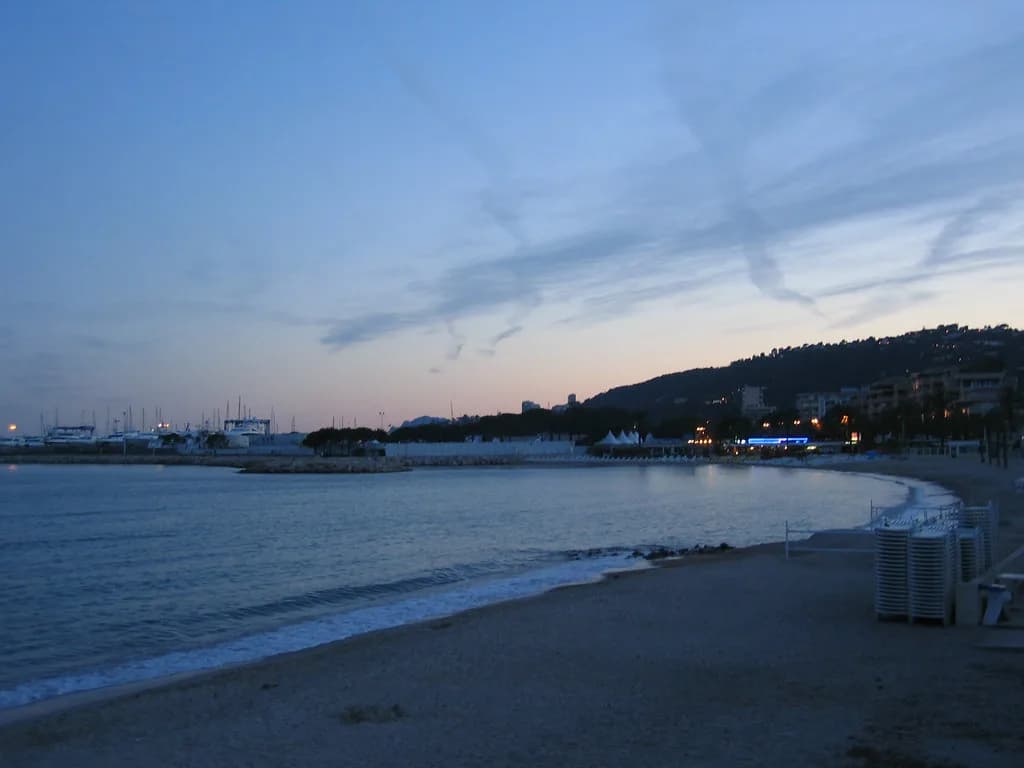
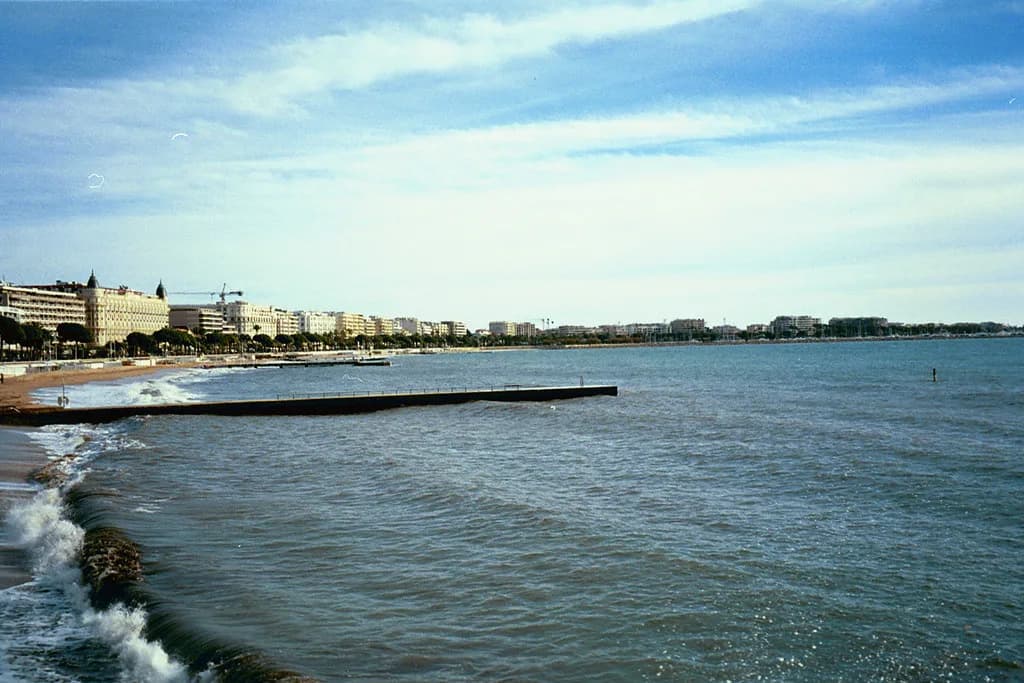
La Vigne de Mougins is the only vineyard in the Cannes region, sitting on the Pibonson Hill four kilometers above the Bay of Cannes. It is a micro-estate rather than a tourism operation, so plan on a short, focused visit rather than a full afternoon of cellar tours.
If you want multiple estates in one day, you need to look inland toward the Côtes de Provence district or east to Bellet outside Nice. Both are reachable by train or bus from Cannes with planning, though each adds travel time that cuts into tasting hours.
You do not strictly need a car, but the car-free day looks different: a short taxi or bus to Mougins for the micro-estate, or a train-based day to a larger district. Tours bundle transport and tastings, which is often the simplest option for a group.
La Vigne de Mougins: the one vineyard inside the Cannes region
The estate sits on terraces of deep silty-clay soil with a hint of limestone, on the Pibonson Hill below the ancient village of Mougins. Sea spray, the mistral wind and the humid climate shape the site, and the vines are now around 25 years old.
Production is deliberately small: the estate limits itself to roughly 4,000 bottles, split between 2,000 of Grenache rosé and 2,000 of white from Rolle, also known as Vermentino. The wines are classified as Vin de Pays from the Alpes-Maritimes, and the estate is working toward organic production.
That scale matters when you plan a visit. A 4,000-bottle estate cannot absorb coach groups, so ask about the format, group size and whether a tasting includes a walk through the vines. The site publishes an address at 303 Chemin du Miracle, Mougins, plus sales and estate manager phone numbers and a contact email.
Mougins village logistics: reaching the Pibonson Hill estate
Mougins sits on the hills above Cannes, and the vineyard lies on the slope between the village and the bay. Local buses run between Cannes and Mougins, but services thin out in the evening, so check the return timetable before you commit to a late tasting.
A taxi from central Cannes is short enough to be practical for a small group, and it avoids the hill walk on a hot afternoon. The estate's contact page gives phone numbers for sales and the estate manager, so calling ahead is the fastest way to confirm whether a visit is possible and who will receive you.
Pair the vineyard with the village itself: Mougins has a compact old center of galleries and restaurants, so a late-morning tasting followed by lunch in the village works better than trying to add a second estate. Keep the day short and the transport simple.
Why the nearest big wine district is inland
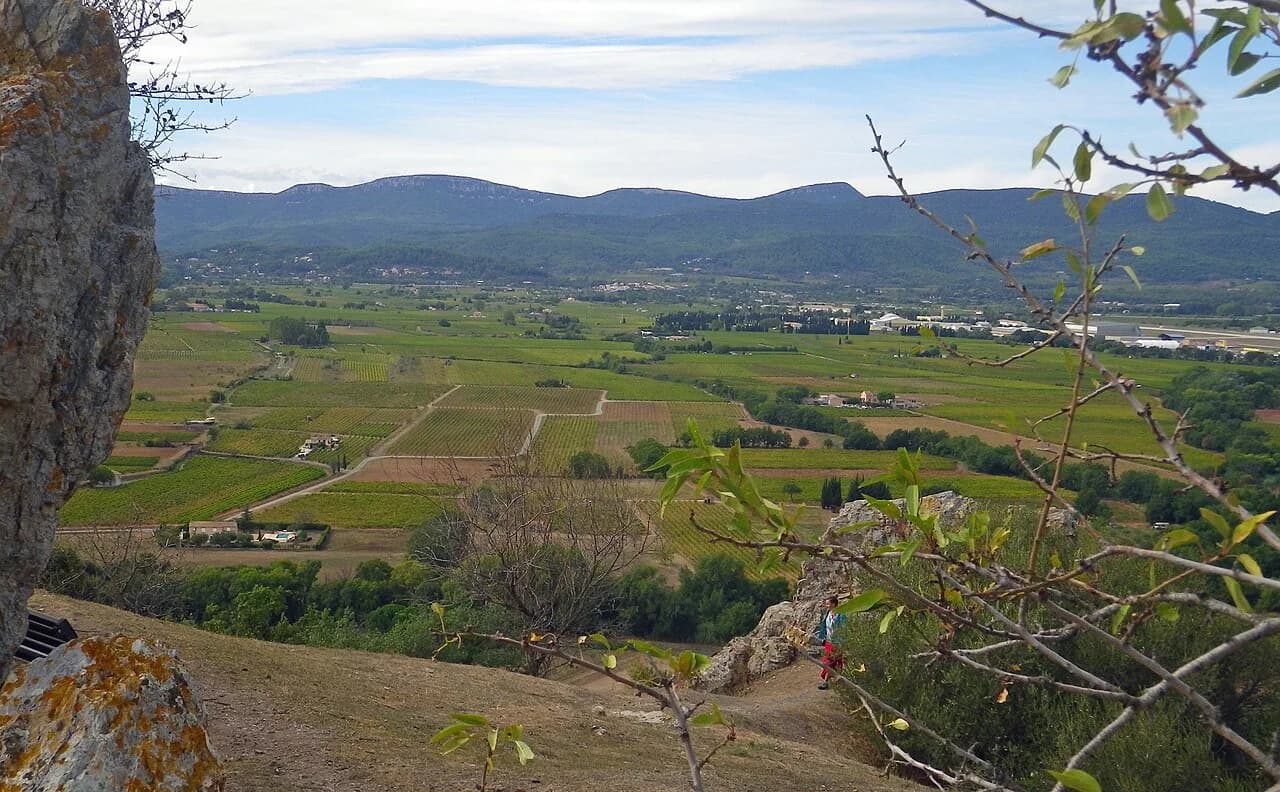
The Côtes de Provence appellation spreads across a wide inland and coastal sweep of Provence, and its estates cluster around villages rather than sitting on the Cannes doorstep. For wine tasting in Cannes, the practical approach is to pick one village area and build the day around it instead of chasing scattered addresses.
Group villages that sit on the same road or rail line: estates around a single hub cut transfer time and leave room for two tastings plus lunch. Rosé dominates the region, with Grenache, Cinsault and Syrah in the blends, so expect most visits to focus on pale, dry rosé alongside a red or white.
If you want a named estate as an anchor, Whispering Angel winery, better known as Château d'Esclans, is one of the Côtes de Provence names travelers ask about most. Treat it as a day-trip target from Cannes rather than a quick stop, and confirm visit formats and booking rules directly.
Bellet, the Nice city appellation
Bellet is a small appellation on the hills above Nice, and its proximity to the city makes it the most train-friendly wine district on this stretch of coast. From Cannes, a regional train to Nice plus a local bus or taxi up to the Bellet hills is a realistic day out, though the last stretch is the awkward part.
Bellet's vineyards are steep and fragmented, and the appellation is small enough that you should plan one or two visits rather than a circuit. Its wines include whites from Rolle and reds from Braquet and Folle Noire, grapes you rarely meet elsewhere, which is the reason to make the trip.
Because Bellet sits inside Nice's urban fringe, a combined day of city time and one estate visit is more sensible than an ambitious tasting schedule. Check whether an estate receives visitors without an appointment before you build the day around it.
Tasting tours from Cannes: what operators cover
Tour operators list Cannes wine tasting options that range from a half-day Provençal food, wine and cheese tour to a full-day countryside and wine tasting excursion. These bundled formats solve the transport problem and usually include pickup in Cannes, which matters if your group wants to drink without designating a driver.
The main booking platforms list wine tasting and winery tours from Cannes with live availability and pricing. Compare what is included, the number of estates visited, the group size and whether tastings and lunch are covered, because a cheaper headline fare often excludes the tasting fees.
Tours also make sense if you are staying in Cannes without a car and want to reach inland Côtes de Provence estates in a single day. If you prefer to base yourself further west, the wineries around Aix-en-Provence offer an alternative inland route with its own transport considerations. Independent travel is cheaper on paper but eats time; a tour trades flexibility for a fixed itinerary that actually gets you to the vines.
Getting around without driving: train, bus, taxi and tour
The coastal train line links Cannes with Nice and the towns between, and it is the backbone of any car-free wine day east of Cannes. For inland Provence, buses reach some village hubs, but services are infrequent and often stop early, so build the day around a morning departure.
Taxi is the flexible option for the last few kilometers, whether that is the hill up to Mougins or a village estate off the bus route. Agree on a pickup time with the driver, because rural taxis are scarce and ride-hailing coverage thins outside the cities.
If you plan several days of wine tasting from Cannes, look at wine tours from Cannes as a way to compare operator formats and routes before you book. For a wider set of options, our guide to Côtes de Provence also explains how the appellation is organized across villages.
Appointment culture and harvest timing
Small Provençal estates work by appointment, and the harvest, usually late August into September for rosé grapes, is the worst time to expect a casual visit. Email or call before you travel, state your party size, and ask directly what the visit includes: number of wines, a vineyard walk, and duration.
When you write, ask three things: whether the estate receives visitors at all, what days and times work, and whether there is a tasting fee that can be offset against purchases. Those answers also tell you whether the estate suits a short stop or a longer stay.
Spring and early autumn give the best mix of open cellars and comfortable weather, while midsummer heat makes a mid-morning visit far more pleasant than an afternoon one. Winter visits are possible but many small estates close to visitors during the quiet months.
Choosing a base: Cannes versus Nice versus an inland village
Cannes gives you the beach, the one village vineyard at Mougins and the train line east, but it is a resort base rather than a wine base. Nice puts Bellet within a short ride and shortens the train trip to the eastern Côtes de Provence, which suits a train-only itinerary.
An inland village base wins if wine is the priority: you can walk or take a short taxi between estates and taste at a relaxed pace. The trade-off is that you give up the coast and need to plan meals and transport around limited rural schedules.
A common compromise is to stay in Cannes and dedicate one day to Mougins, one to a tour or train trip, and keep the rest for the coast. Grouping estates by village makes any base work better than treating the region as one big wine route.
Plan Your Visit
Start with La Vigne de Mougins for the only vineyard inside the Cannes region, then decide whether your second day goes inland to Côtes de Provence or east to Bellet. Book transport before you book tastings, because the journey shapes what is actually possible.
One person in the group should stay off the wine and drive, or you should use a tour, taxi or train so nobody is behind the wheel after tasting. Spittoons are standard at estates, so tasting and driving later in the day can coexist if you pace yourself. Send one email to your chosen estate with your dates and party size before departure, and you'll have the details you need.
Frequently Asked Questions
Are there vineyards within walking distance of Cannes?
No. The only vineyard in the Cannes region is La Vigne de Mougins, on the Pibonson Hill above the bay near Mougins village. Reaching it means a bus, taxi or car ride uphill, not a walk from the seafront.
Do you need a car to visit wineries near Cannes?
Not strictly. You can reach Mougins by local bus or taxi, take the coastal train toward Nice for Bellet, or join an organized wine tour that includes transport from Cannes. A car adds flexibility for inland Côtes de Provence estates but is not essential.
What grapes grow near Cannes?
At La Vigne de Mougins the plantings are Grenache for rosé and Rolle, also called Vermentino, for white. Inland Côtes de Provence blends rely on Grenache, Cinsault and Syrah, while Bellet uses Rolle plus local red varieties such as Braquet and Folle Noire.
Is Mougins worth visiting for wine?
Yes, as a short, focused stop. The estate is small, producing around 4,000 bottles a year, so expect an intimate visit rather than a large tasting room. Pair it with lunch in Mougins village and treat it as a half-day rather than a full wine route.
Where can I go wine tasting in Cannes?
Within Cannes itself there are no vineyards; the tasting happens at La Vigne de Mougins just above the bay, or on organized tours that drive to inland estates. For more choice, base yourself in Nice for Bellet or stay inland among the Côtes de Provence villages.
How do I book a visit to a small Provençal estate?
Email or phone the estate before you travel with your dates, party size and preferred time, and ask what the visit includes and whether there is a tasting fee. Small estates work by appointment, and harvest time in late summer is the hardest period to arrange a visit.
Sources
Notes for your next wine trip
Optional updates to our winery and wine-town guides.
You might also like
Continue reading
More guides you'll find useful