Cité des Climats et Vins de Bourgogne, Beaune: Visitor Guide
Plan a visit to the Cité des Climats et Vins de Bourgogne in Beaune: what the exhibition covers, ticket prices, visit duration and how to fit it into a wine day.
On this page
Most visitors arrive in Beaune with a cellar appointment and a vague sense that Burgundy is complicated. The Cité des Climats et Vins de Bourgogne exists to close that gap: it is an interpretation center, not an estate, and its permanent exhibition explains how a 2,000-year-old vineyard was divided into the named parcels the region calls climats. Two hours here can make every label and village name you meet later in the day easier to read.
This guide covers what the Beaune site offers, how long to allow, what admission includes, how booking works and how to position the visit inside a Beaune wine tasting day without a car. Treat the Cité as orientation, then move on to the cellars. Tasters building a longer Burgundy itinerary can compare the same decision of where to start their orientation in the Lyon wine guide, which covers a different set of cellars and day trips.
What the Cité des Climats et Vins de Bourgogne Is
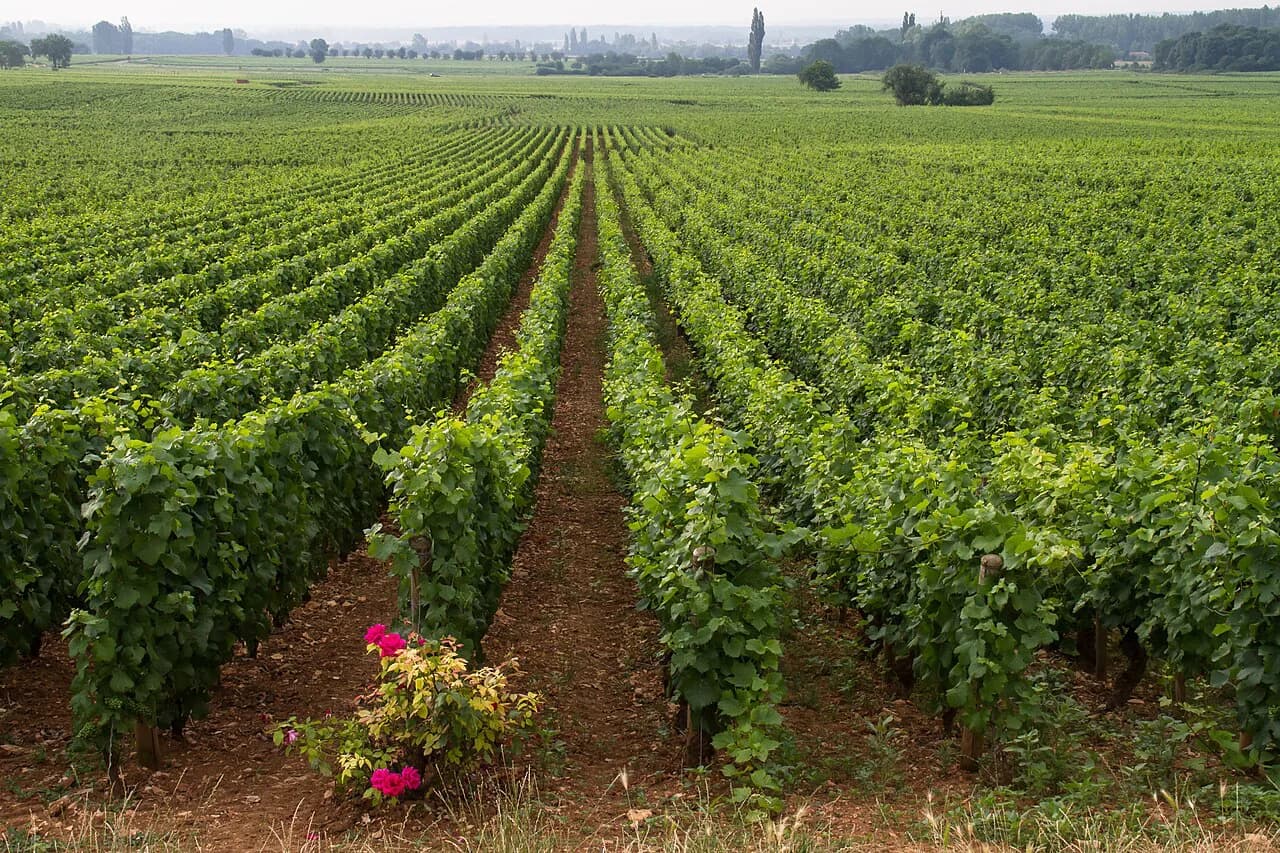
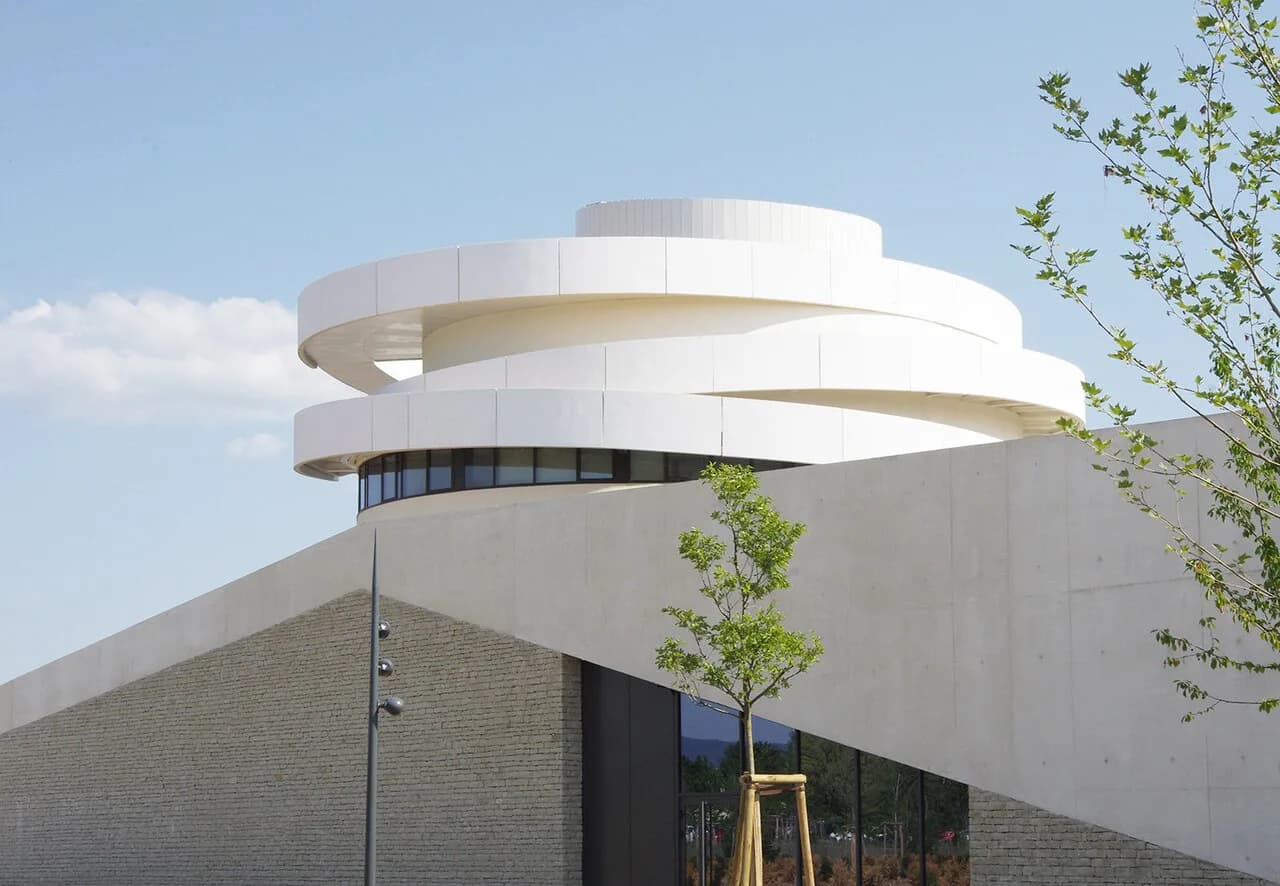
The Cité is a cultural and tourist network rather than a single building, with sites in emblematic parts of the Burgundy vineyard including Chablis and Beaune, as the Beaune tourism office describes it. The Beaune site hosts the main interpretation center for the Climats du Vignoble de Bourgogne, the patchwork of delimited parcels recognized as a UNESCO World Heritage cultural landscape. That status matters to wine visitors: it explains why two vineyards a few hundred meters apart can carry different appellations and different prices.
Because the network has more than one site, check which one you are booking before you pay. A traveler based in Beaune wants the Beaune ticket; a traveler heading north toward Chablis has a separate site to consider. If your trip covers both ends of Burgundy, the Cité works as a framing device at either end rather than a reason to double back.
Where It Sits in Beaune and How to Slot It In
The Cité is in Beaune itself, which is the practical advantage: you can walk from a town-center base, do the exhibition, then continue to cellars, wine bars or a restaurant without moving the car. That makes it a natural first morning activity, before an afternoon appointment, or a rainy-day substitute when a vineyard walk loses its appeal.
Build the day around one anchor. If your cellar visit is fixed for late morning, put the Cité in the afternoon; if the cellar is after lunch, start at the Cité when it opens so the terminology is fresh. Either order works, but the Cité is the better first stop because it supplies the vocabulary — climat, lieu-dit, village, premier cru — that guides and tasting-room staff will use later.
What the Permanent Exhibition Delivers
The self-guided route covers the mosaic of Burgundy landscapes and terroirs, the region's winemaking traditions and the long human shaping of the vineyard, presented through an educational itinerary with multimedia elements. Expect maps, parcel explanations and displays on how soils, slope and history produced the region's hierarchy of appellations rather than a walk through barrel cellars. It is the conceptual groundwork, not the winery experience.
Read the exhibition as a decoder for the rest of your trip. When a producer later pours a village wine beside a premier cru from the same slope, the difference in price and weight will make more sense if you have seen how the climats are delimited. Visitors who skip straight to tasting rooms often leave Burgundy with pleasant memories but no framework for choosing what to buy.
How Long to Allow
The published duration for the self-guided permanent exhibition is about 1 hour 30 minutes, and that is a realistic planning figure rather than a minimum. Add time for the tasting included in the ticket and for browsing the shop or reception area, and you should reserve roughly two hours in Beaune. It is a half-day-friendly stop, not an all-day one.
That duration is the key constraint against a cellar appointment. A 1h30 exhibition plus a tasting does not fit comfortably in the 45 minutes before a scheduled visit, so leave a clear gap. If you are squeezing the Cité between two winery bookings, either shorten the exhibition deliberately or move it to a quieter slot in the day.
Tickets and Admission
Full admission is €14, with a youth rate of €7 for ages 6 to 17 and a concession rate of €10; children under 6 enter free, and accompanying adults in that case are also admitted free. Reduced rates require proof of entitlement shown at access control, and the eligible categories listed by the Cité include jobseekers, students, disabled visitors, education pass holders, guide-lecturer card and ICOMOS card holders. Budget the full rate unless you carry documentation.
Tickets are dated and valid during the Cité's opening days and hours, so the date you choose at checkout is the date you visit. The Cité publishes opening days and times on its booking site and through the tourist office; confirm those for your dates before fixing the rest of the day around it. Because the ticket is dated, buying on arrival works only if the day's slots are not sold out.
What the Ticket Includes
Admission includes a wine or grape juice tasting, which makes the Cité the cheapest structured first taste of Burgundy in most Beaune itineraries. The Cité does not publish which wines are poured on the booking page, so treat it as a short guided introduction rather than a substitute for an estate visit. For a group with non-drinkers or children, the grape juice option removes the usual awkwardness.
Use the tasting to calibrate rather than to shop. Note whether the pour is red or white, ask which village or regional appellation it comes from, and carry those questions into your next cellar visit. If you plan to buy bottles later in the day, the Cité shop is a convenient place to compare labels before committing.
Visiting with Children
The Cité runs a separate children's trail alongside the adult route, so a mixed-age party can move through the same exhibition without one group being bored. A games booklet is available at reception for an additional cost, which is worth asking about at the desk rather than assuming it is included. The grape juice option in the tasting makes the visit workable for families who would otherwise split up.
The youth rate of €7 applies to ages 6 to 17, and under-6s enter free, so a family of four with two teenagers pays notably less than four adult tickets. Bring proof of age if the children are near the boundary.
Group Bookings
Reservations for 20 people or more go through the Cité's groups department at commercial@citeclimatsvins.com rather than the standard online checkout. If you are organizing a club, a corporate group or a large family gathering, email before you buy individual tickets so the group can be scheduled as one booking. Smaller parties simply book online.
Booking in Practice
Book online in advance and choose your date; the ticket is dated and tied to the Cité's opening calendar. The booking page lets you select language versions of the visit, so pick the language you will actually follow rather than defaulting. If your plans are still fluid, wait until the date is settled, because a dated ticket does not flex.
For anything unusual — a group, a school party, accessibility questions — the Cité's contact details are on the booking site and the tourist office can also point you to the right channel. There is no need to telephone a winery about the Cité; it is a separate organization from the estates you will visit later.
Using the Cité as Orientation Before the Côte de Beaune and Côte de Nuits
Burgundy's two great white-and-red heartlands sit on either side of Beaune: the Côte de Beaune to the south and the Côte de Nuits to the north. Both are within day-trip range of the town, and the Cité's maps of climats and village names are the best preparation for reading the landscapes you will drive or ride through. See the exhibition first and the vineyard looks less like an undifferentiated green sea.
If you are deciding between a minibus tour and going independently, the Cité helps you choose sensibly: it shows how spread out the villages are, which makes the case for a guided group when you cannot drive. Organized options are covered in the guide to Beaune Wine Tours, while independent tasters can plan around the town's cellars.
Pairing the Cité with the Rest of Beaune
Beaune packs an unusual amount of wine infrastructure into a walkable center: négociant cellars, tasting rooms, wine shops and bars all compete for the same afternoon. A sensible pattern is Cité in the morning, a cellar visit around midday, then a wine bar in the evening to compare what you have learned. The town's bars pour by the glass, which suits a day where you should not be driving between tastings.
Estates with formal visitor programs, such as the well-known négociant houses, book up around harvest and holiday weekends, so fix those appointments first and fit the Cité around them. The Albert Bichot visit is a useful benchmark for what a structured Beaune cellar tour involves.
Where you go after the Cité depends on how you want to taste: formal seated flights at a négociant, casual glasses in town, or a booked minibus into the villages. A roundup of Beaune wineries covers the cellars that take visitors and how their appointment rules differ, which is the right place to start once your dates are fixed.
Getting There Without Driving
The Cité is a town-center attraction, which makes it the ideal stop on a no-car day: walk from your base, do the exhibition, and continue on foot to cellars and bars. That logic breaks down for the vineyards themselves, where estates are scattered across villages and public transport is thin. The practical answer is to keep the Cité on foot and use a tour or a designated driver for the vineyard day.
Anyone driving into the vineyards afterwards should not taste; spittoons, a designated driver or a booked tour solve the problem. The Cité's included tasting is small, but it still counts if you are behind the wheel later.
Common Planning Mistakes
The most common error is underestimating the time: the exhibition alone runs about 1 hour 30 minutes, and rushing it defeats the purpose of visiting an interpretation center. The second is arriving without a dated ticket on a busy day and finding the day's slots gone. The third is expecting a working winery tour with barrel cellars and vineyard walks; the Cité explains Burgundy, it does not produce it.
A subtler mistake is treating the Cité as a substitute for an estate visit. It is the opposite: it prepares you for one. Pair it with at least one cellar appointment, or with a tasting room in town if your schedule is tight.
A Short Orientation to Burgundy Wines
Burgundy's reds are Pinot Noir and its whites are Chardonnay, with a small share of other grapes such as Aligoté for white and Gamay for red in regional appellations. The hierarchy runs from regional Bourgogne wines up through village appellations to premier cru and grand cru parcels, and the climats concept is simply the naming of those delimited parcels. Understanding that ladder is the single most useful thing a first-time visitor can take from the Cité.
What the Cité cannot give you is the sensory comparison, so build that into your day separately. A structured flight that moves from regional to village to premier cru will do more for your buying decisions than any label reading.
Plan Your Beaune Wine Day Around the Cité
The Cité des Climats et Vins de Bourgogne is the best-value orientation in Beaune: a self-guided exhibition of about 90 minutes, a tasting folded into the ticket, and a location that fits a walking day. Book a dated ticket online, allow two hours including the tasting, and put your cellar appointment either side of it with a clear gap.
Then take what you have learned into the vineyards or into town. Whether you continue with cellars, wine bars or a guided tour depends on whether you have a driver, and the safest plan is to keep tasting and driving separate.
Frequently Asked Questions
What is the Cité des Climats et Vins de Bourgogne?
It is an interpretation center for the Climats du Vignoble de Bourgogne, part of a network of sites that includes Chablis and Beaune. The Beaune site hosts the main interpretation center, with a self-guided exhibition on Burgundy's landscapes, terroirs, traditions and winemaking, plus a tasting included in the ticket.
How long does a visit to the Cité des Climats in Beaune take?
The published duration for the self-guided permanent exhibition is about 1 hour 30 minutes. Add time for the included tasting and reception, and reserve roughly two hours in total. That makes it a half-day-friendly stop rather than an all-day attraction.
How much does admission cost and what does the ticket include?
The Cité publishes a full admission rate, a youth rate for ages 6 to 17 and a concession rate, with children under 6 free; reduced rates require proof shown at access control. Admission includes a wine or grape juice tasting. Check the Cité's booking page for current rates and eligible concession categories.
Do you need to book tickets in advance?
Tickets are dated and valid during the Cité's opening days and hours, so booking online in advance fixes your slot. On busy days, walking up without a ticket risks finding the day sold out. Groups of 20 or more should contact the groups department instead of buying individual tickets.
Is the Cité suitable for children?
Yes. There is a separate children's trail alongside the adult route, and the tasting offers grape juice as an alternative to wine. A games booklet is sold at reception for an additional cost. The youth rate applies to ages 6 to 17, and under-6s enter free.
Is the Cité a winery where you can taste estate wines?
No. It is an interpretation center with an exhibition and a short included tasting, not a working estate with barrel cellars. For estate wines, book a cellar visit at a Beaune producer or visit a town tasting room; the Cité is best used as preparation before those tastings.
How does the Cité fit into a Beaune wine-tasting day?
Do the Cité in the morning, then a cellar appointment later in the day, or the reverse with the exhibition first if your cellar slot is after lunch. It is in Beaune itself, so it suits a walking day and does not require a car. Keep a clear gap between the exhibition and any fixed appointment.
Sources
Notes for your next wine trip
Optional updates to our winery and wine-town guides.
You might also like
Continue reading
More guides you'll find useful