Château Saint-Maur: Cannes Guide to This Provence Cru Classé
Plan a visit to Château Saint-Maur Cru Classé in Cogolin: what the estate publishes about tours and tastings, how to book, and getting there from Cannes.
On this page
Château Saint-Maur is one of the Provence estates that carries the Cru Classé mention, and it sits in Cogolin in the Maures massif above the Gulf of Saint-Tropez, well west of Cannes. For a Cannes-based wine day it is a committed half-day rather than a quick stop, so the visit works best when you decide in advance whether you are driving or joining an organized tour.
The estate publishes a wine tourism offer on its own site: guided cellar tours, tastings, workshops and events, plus online booking. Tasting prices, tour lengths, the number of wines poured and regular opening hours are not posted on the pages reviewed here, so ask those questions directly when you book rather than relying on a third-party listing.
What and Where Château Saint-Maur Is
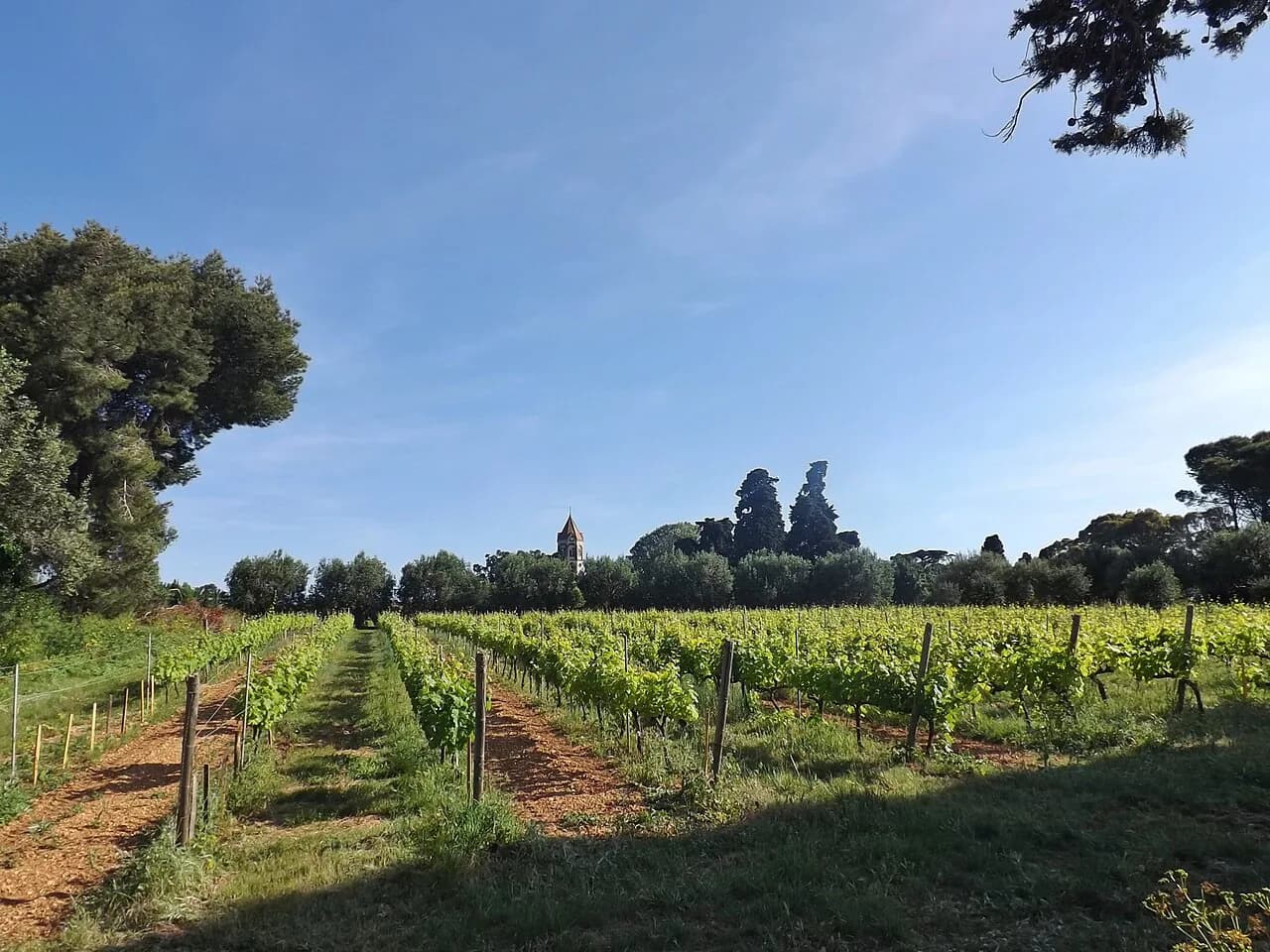
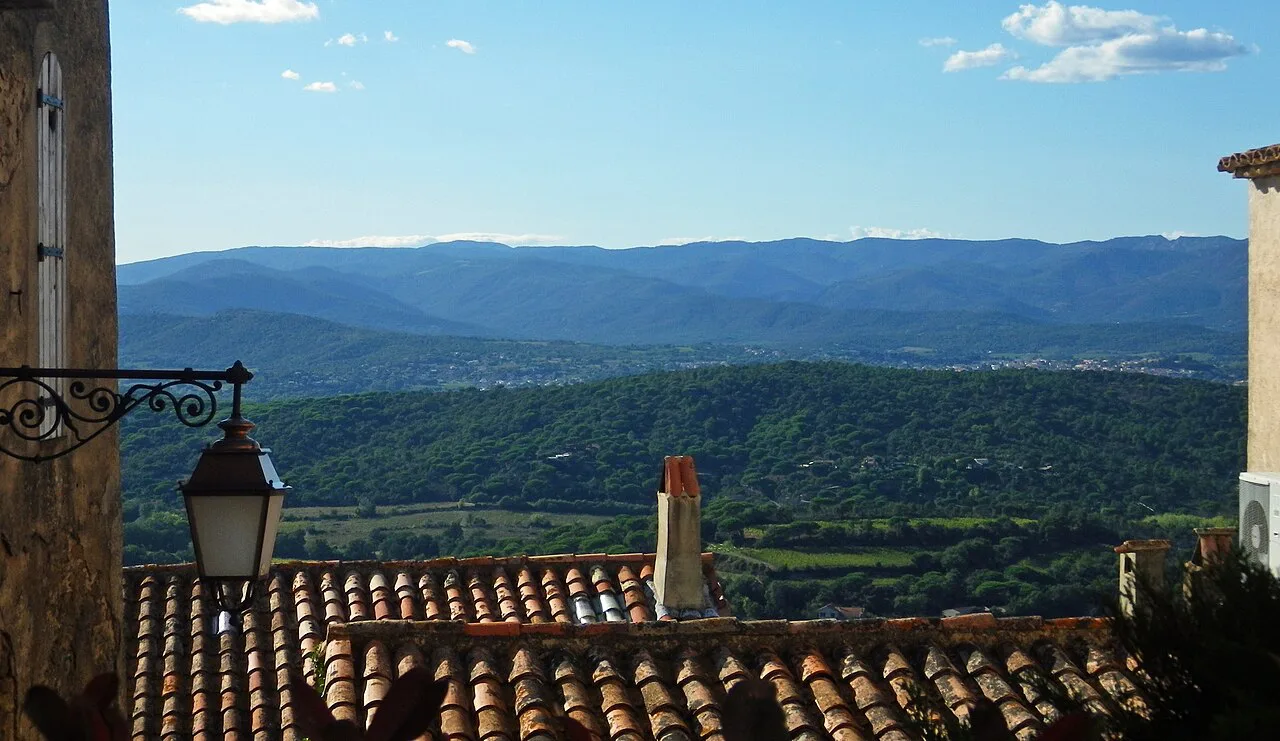
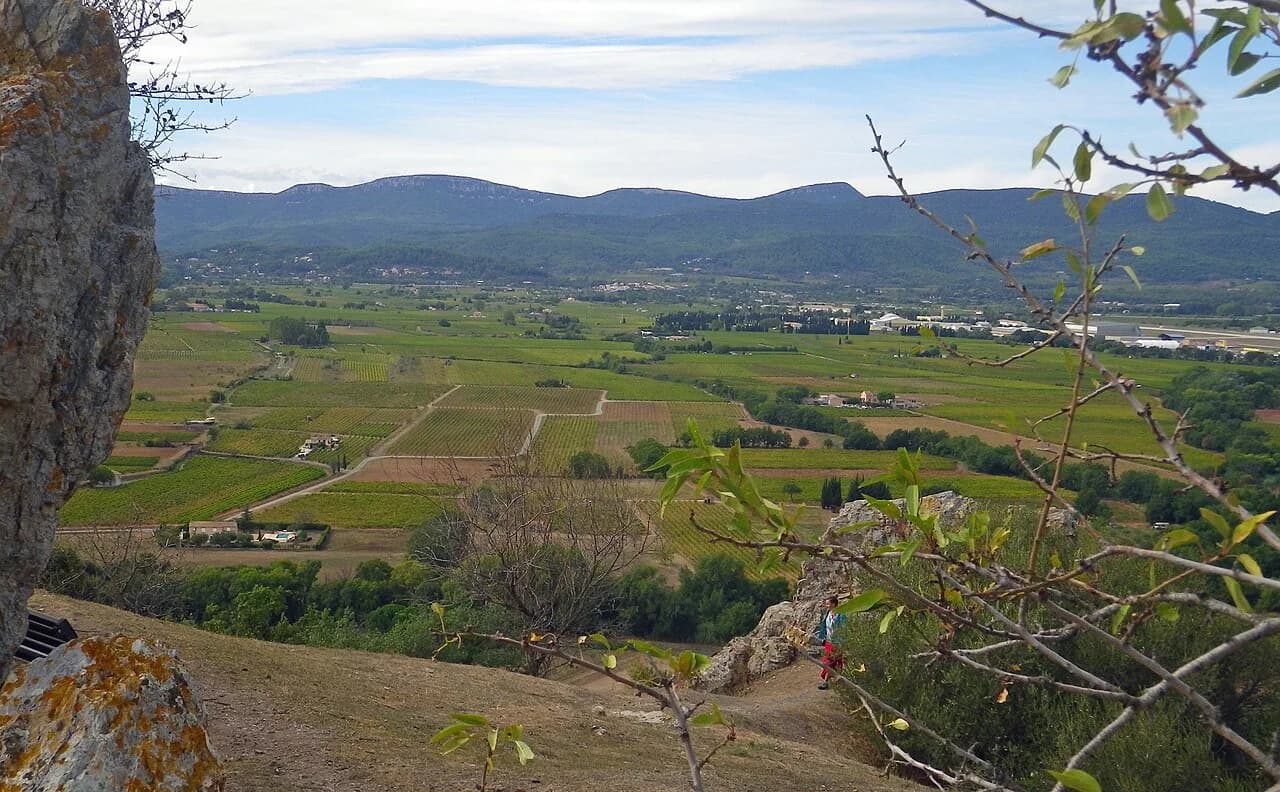
The estate describes itself as a late nineteenth-century castle standing in the heart of a 100-hectare vineyard in the Maures massif in Cogolin, in the Gulf of Saint-Tropez. That places it firmly in the Var, not in Cannes, and the setting is inland enough that the drive feels like a proper excursion rather than a city errand.
Its address is on the D48, 535 route de Collobrières, 83310 Cogolin, with a published telephone number of +33 (0)4 94 95 48 48. Pinning that road rather than the town name matters: Cogolin spreads widely, and the Collobrières road runs inland toward the Maures rather than along the coast.
The vineyard is not one block but three parcels — Saint-Maur, Clos Saint-Vincent and Clos de Capelune — which the estate says lets it grow several grape varieties matched to different soils. Keep those names in mind, because they reappear on the labels and explain how the range is organized.
The Wines to Know Before You Book
Château Saint-Maur holds the Côtes de Provence Cru Classé mention, which the estate says it has benefited from since 1955 as one of eighteen Provence estates — a status granted even before the Côtes de Provence appellation itself was created. That designation is the single most useful thing to understand before a tasting, because it places the wines in a small, recognized group rather than in the sea of generic Provence rosé.
The portfolio is split into the Saint-Maur Cru Classé wines and the Saint-Maur Collection, alongside Clos Saint-Vincent, Clos de Capelune and Excellence M by Saint-Maur. In practical terms, expect the tasting to move from the estate's core Cru Classé bottlings toward the single-parcel and prestige cuvées, and say at booking if you want the range concentrated on one of them.
The estate also states that its vineyards have been in conversion to organic farming since 2021. Provence is a rosé heartland, but Côtes de Provence also covers red and white, so ask Château Saint-Maur which styles are open on the day rather than assuming the visit is rosé-only.
What the Estate Publishes About Visiting
According to the estate, visits run as guided cellar tours and tastings, with workshops and events alongside, and the property is presented as a walk through French art de vivre, wine and contemporary art. Booking is handled through the site's own visit and tasting booking facility, which is the cleanest way to see what formats are actually on offer for your dates.
A separate "Wine Luxury Experience" is marketed as a sensory visit in the cellars, which reads as a longer, more produced format than a standard tasting. Choose between them by deciding how much time you want to spend on site: the standard tour suits a day that includes another stop, while the luxury experience suits a single-destination outing.
Event days are not a substitute for a visit schedule. The estate's news feed has advertised a Christmas market in early December, a Heritage Day opening in September and participation in Les Voiles de Saint-Tropez, but those are dated announcements rather than regular public opening times, so treat them as extras if they happen to align and confirm the normal visit offer separately.
Booking: What to Put in Your Inquiry
Use the estate's own booking channel first, since prices, durations and available slots sit behind it rather than in any published tariff. If you would rather write or call, use the number listed on the estate's contact page alongside the Collobrières road address in Cogolin.
A useful inquiry states the date and preferred time window, the number of adults, whether anyone is not drinking, whether you want a cellar tour with the tasting or tasting only, and the language you would like the visit conducted in. Ask explicitly how many wines are poured and how long the visit lasts, because neither figure is published and both decide whether the slot fits your day.
If your party is larger than a handful, ask about the maximum group size and whether the visit becomes private. That single question usually settles whether a château stop works for a celebration group or is better handled as part of an organized day.
Getting There from Cannes
The realistic options are a car, a private driver, or a booked tour that collects you in Cannes; public transport across this stretch of the Var is thin and slow, and the estate sits on an inland road rather than a coastal town center. Weigh those against the rest of your Cannes wine tasting plans, then compare the formats on offer through Cannes wine tours, because a tour that bundles two estates often costs less hassle than a one-way taxi each way. If you would rather base the trip around a city with its own published tasting routes, wine tasting in Marseille is another starting point worth comparing before you commit.
If you drive, the route runs west along the coast toward Saint-Tropez and then inland to Cogolin and the D48; treat any estimate you see online as provisional and build in slack for summer traffic on the Gulf approaches. Taxis from Saint-Tropez or Cogolin are an option for the final leg if you are staying locally rather than in Cannes.
Whoever is behind the wheel should not taste: use the spittoons, agree a designated driver, or book a tour or driver so the day does not depend on one person abstaining while everyone else drinks.
Watch for a naming trap when you search. A villa rental marketed as Chateau Saint Maur near Saint-Tropez appears in results with nightly rates and concierge offers, but it is a separate commercial lodging property, not the winery's visitor offer, and its prices and distances say nothing about visiting the estate.
Pairing the Visit with the Gulf of Saint-Tropez
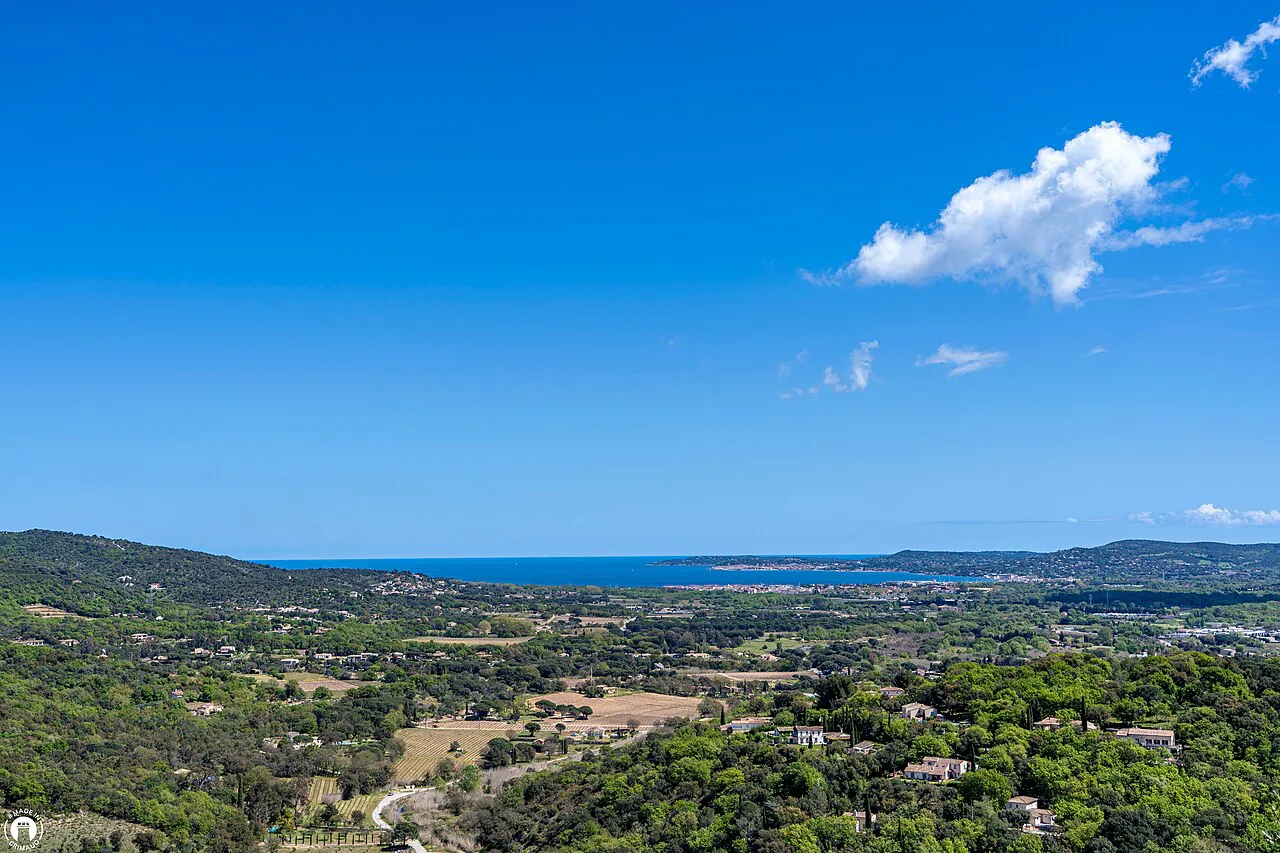
Because Cogolin sits just inland from the Gulf, the sensible shape of the day is the estate plus one other stop rather than a race back to Cannes. Grimaud and Gassin are the obvious hill villages to pair with it, and the coast around Saint-Tropez gives you a place to eat afterward without adding much road time.
If you want a second tasting in the same outing, Provence has other estates that receive visitors and publish their own booking terms, including the Château d Esclans visit for the Whispering Angel winery. Two appointments in one day is comfortable; three is not, once you count driving and the time a cellar tour actually takes.
Practical Timing
Harvest in Provence falls in late summer and early autumn, so a visit in that window can coincide with activity around the vines and cellar — atmospheric, but the estate's working rhythm takes priority over visitors. Ask at booking whether the date falls in a busy period and whether the tour route changes as a result.
The rest of the year is quieter on the roads, which matters more than it sounds when the Gulf approaches clog in high season. Winter visits are possible if the estate is running tours, but the published events calendar is not an opening calendar, so confirm the specific date you have in mind before building a day around it.
Plan Your Visit
Château Saint-Maur rewards a little planning: it is a Cru Classé estate in Cogolin, not Cannes, with three vineyard parcels behind a range split between the core Cru Classé wines and the single-parcel and Excellence M bottlings. Book through the estate's own channel, state your party size, format and preferred language, and ask the two questions no page answers — how many wines and how long.
Then decide how you travel before you decide what you taste. A driver or a tour keeps the day simple and keeps everyone legal, and pairing the estate with one Gulf village beats squeezing in a third stop on the way back east.
Frequently Asked Questions
Can you taste at Château Saint-Maur without an appointment?
The estate sells visits through its own online booking facility and describes guided cellar tours, tastings, workshops and events, so reserving a slot in advance is the reliable route. No walk-in policy or regular public opening hours are published, so ask when you book whether an unbooked arrival is possible on your date.
How much does a tasting at Château Saint-Maur cost?
The estate does not publish tasting or tour prices on the pages available, so there is no figure to quote in advance. Prices appear with the bookable options in its online visit booking, and the contact page lists the telephone number to confirm what a given format includes before you commit.
How do you get to Château Saint-Maur from Cannes without driving?
Public transport across this part of the Var is thin, so the practical car-free choices are a booked tour that collects you in Cannes or a private driver, with a taxi from Saint-Tropez or Cogolin covering the final leg if you are staying locally. The estate sits on the D48 route de Collobrières outside Cogolin, not in a town center.
What wines does Château Saint-Maur make?
The range covers Saint-Maur Cru Classé and the Saint-Maur Collection, plus Clos Saint-Vincent, Clos de Capelune and Excellence M by Saint-Maur, drawn from three vineyard parcels in the Maures massif. The wines fall under Côtes de Provence, where the estate holds the Cru Classé mention, and its vineyards have been in conversion to organic farming since 2021.
What does Cru Classé mean in Côtes de Provence?
The estate states it is one of eighteen Provence properties holding the Côtes de Provence Cru Classé mention since 1955, granted before the appellation itself existed. In practice it marks out a small, recognized group of estates, which is useful context when you are choosing between tasting rooms in the region.
How far is Château Saint-Maur from Saint-Tropez?
The estate is in Cogolin, inland from the Gulf of Saint-Tropez on the D48 route de Collobrières, close enough that Saint-Tropez and the hill villages of Grimaud and Gassin fit into the same day. The site does not publish a distance figure, so check the route on a mapping service before you set out.
Sources
Notes for your next wine trip
Optional updates to our winery and wine-town guides.
You might also like
Continue reading
More guides you'll find useful