Domaine Chanson Beaune Guide: Tasting & Cellar Booking
Plan a visit to Domaine Chanson in Beaune: the 15th-century Bastion cellar, the estate's published tour formats, its old-town address and how to arrive on foot.
On this page
Domaine Chanson is one of the old certainties of Beaune: a negociant house founded in 1750 that also farms its own vineyards, and that still works from its historic premises in the town center. For a wine traveler, the appeal is unusual, because the flagship cellar here is not a tunnel under a hillside but a fortified tower rising above the streets.
This guide covers what Chanson publishes about visiting, how the Bastion works as a cellar, which wines to know before you arrive and how to slot the house into a larger day of tasting in Beaune. It is aimed at adults of legal drinking age; anyone driving should spit rather than swallow, or take a tour, a designated driver or public transport instead.
Chanson in One Minute: An Old Beaune House, Two Kinds of Wine
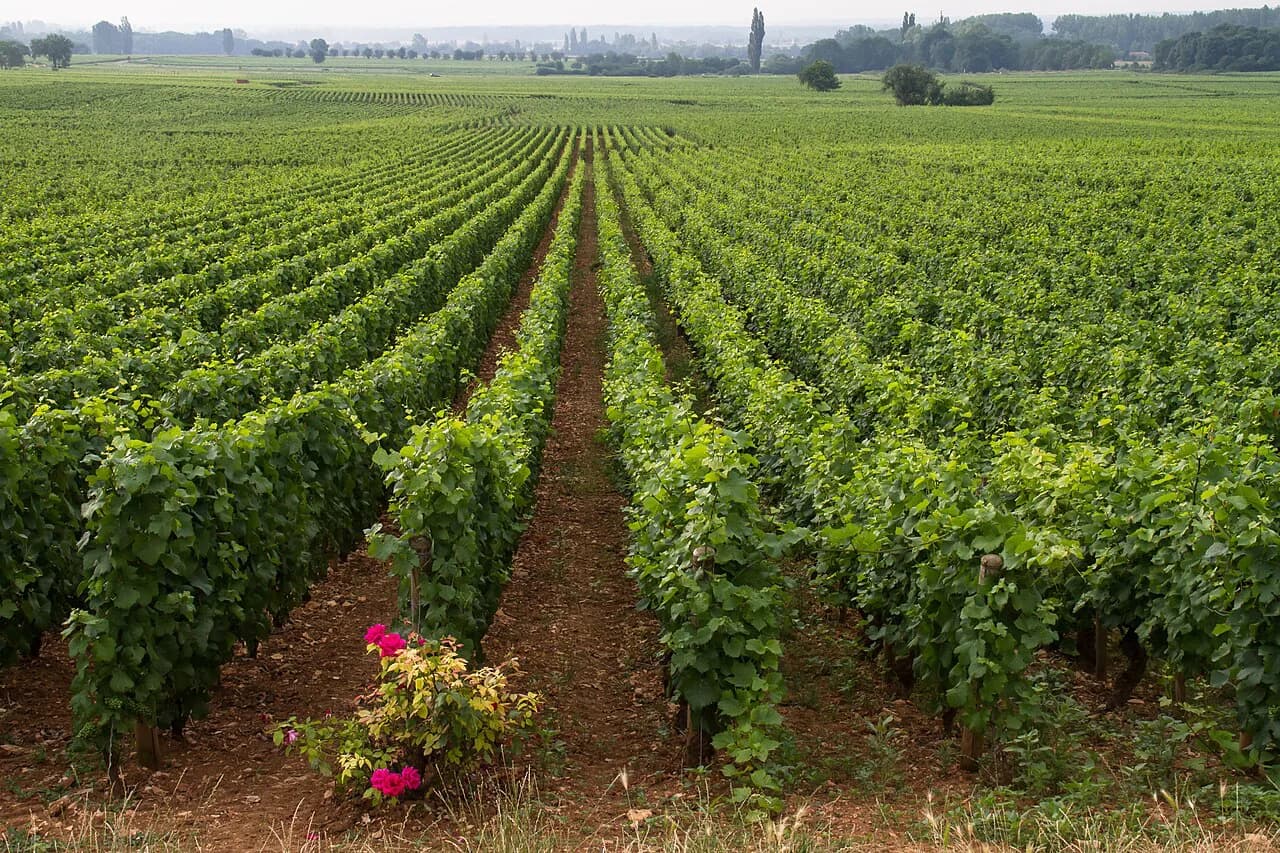
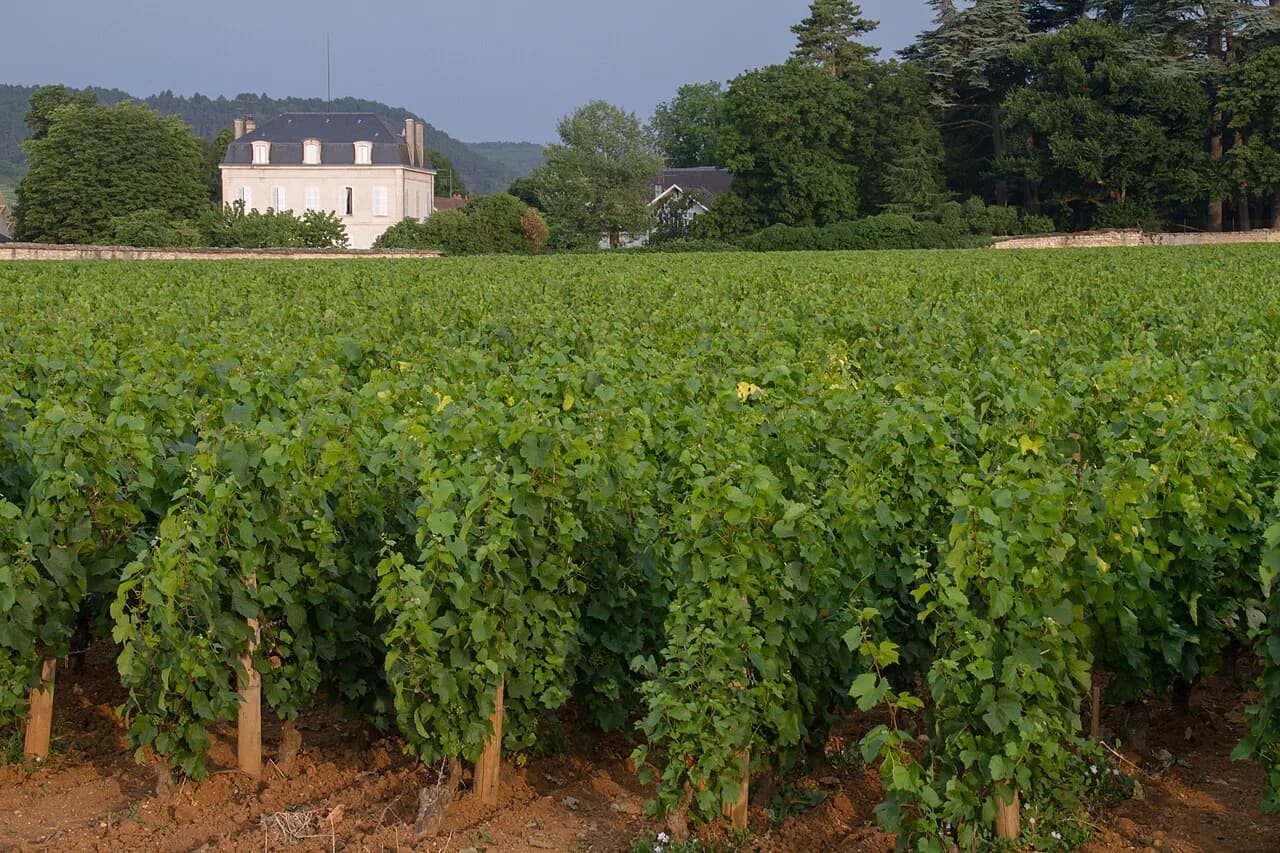
The estate traces its founding to 1750 and covers roughly 43 hectares in the Côte de Beaune plus 45 hectares in the Côte Chalonnaise. That makes it simultaneously a grower with substantial premier cru holdings and a negociant buying fruit and wine from across Burgundy, from Chablis down through the Mâconnais.
That dual character matters when you taste. Domaine bottlings come from estate fruit and carry a specific vineyard name; negociant wines are blended or sourced and appear under broader appellations. Reporting from a 2021 visit put the estate vineyards at around 45 hectares, all at least premier cru, and noted the house produced under one million bottles in total, a modest scale for a name this old.
Ownership shapes the style too. Chanson belongs to the Bollinger group, having been acquired in 1999, which the same 2021 account describes alongside group holdings such as Champagne Ayala and Langlois-Château. Reds are typically aged in cask for 18 to 24 months and made with a high proportion of whole bunches, whites with around 15 percent new oak.
Where Domaine Chanson Sits in Beaune
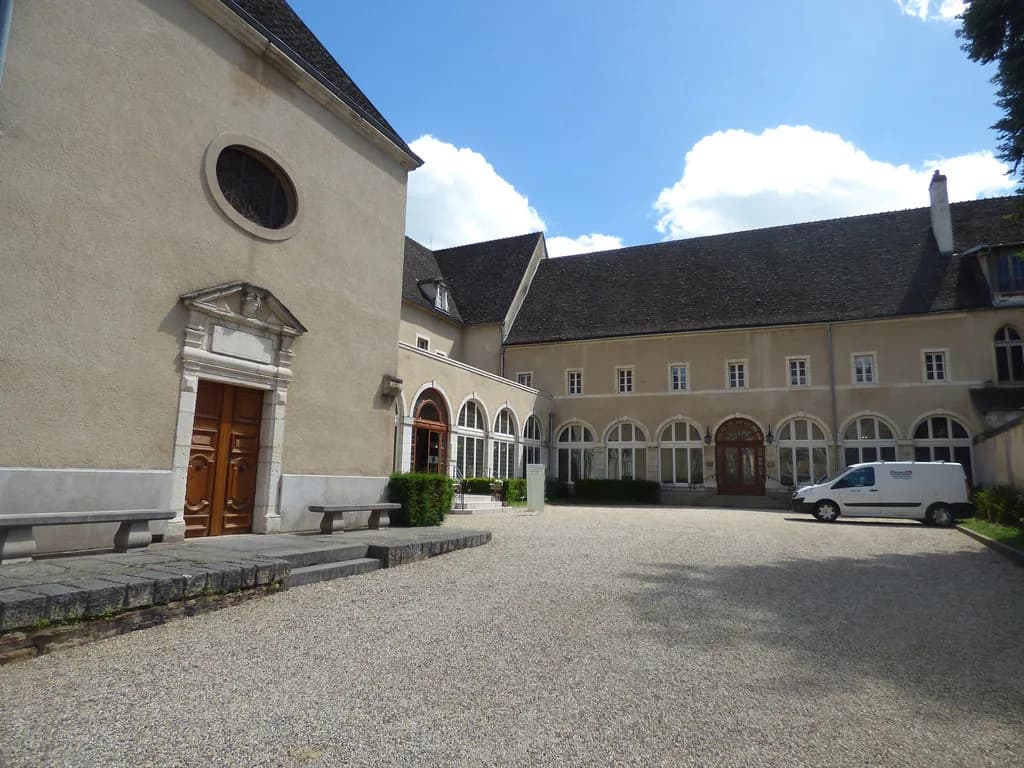
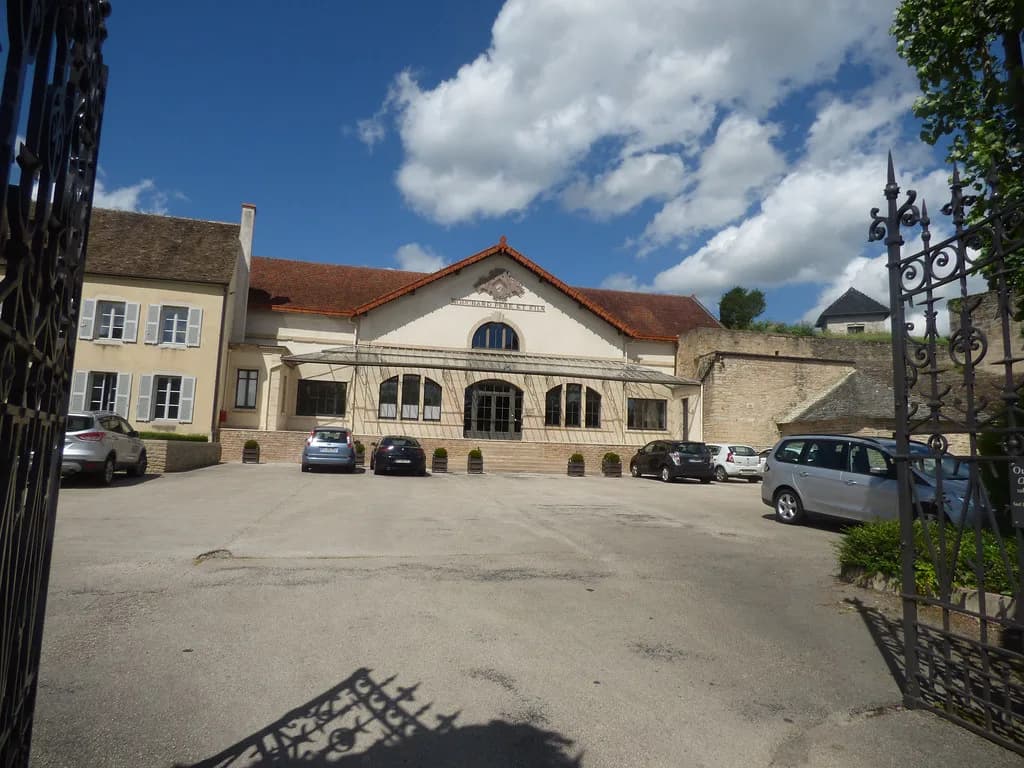
The address published by the estate is 12 Rue Paul Chanson, 21200 Beaune, placing it inside the compact old town rather than out among the vineyards. Beaune is small enough that this is a walking address: from the Hospices de Beaune or the town center you are looking at a short stroll, not a taxi ride.
That location is the practical argument for choosing Chanson as part of a town-based day. You can combine it with the Hospices, the Marché aux Vins and a wine bar without ever moving the car, which removes the usual Burgundy problem of assigning a driver for the countryside. If you want the wider shortlist of cellars in town, see this guide to Beaune wineries.
The Bastion: A Watchtower Turned Barrel Cellar
The Bastion is a surviving tower from Beaune's old fortifications, one of five still standing, built to designs associated with the reign of Louis XI and finished under François I. The estate describes it as an above-ground cellar with four levels connected by a spiral staircase, the lower two dating to 1519 to 1524 and the upper two added in 1826.
Its walls, given as eight meters thick, hold temperature and humidity steady through the Burgundy summer, and roughly 2,000 barrels rest inside. Reds occupy the first three floors by vintage while whites sit on the fourth, and a gated wine library on the first level keeps the estate's oldest bottles. Barrels are moved by hand because the winding structure defeats automation, so what you are walking through is a working cellar as much as a monument.
Visiting it is architectural as well as viticultural. The tower reopened after a full renovation of the building and roof in 2019, and an English-style garden around it contains remnants of the Dukes of Burgundy's ramparts. Check before you go whether your chosen visit format actually includes the interior, since the estate's published experiences differ in what they cover.
What Visitor Experiences the Estate Publishes
Chanson's own site sets out several visit formats under its experiences menu: tastings, tours, a private tour and a gastronomy-and-wine format at the domaine. These are published offerings rather than a single standard visit, so the right move is to open the estate's visit pages, read what each format includes, and pick the one that matches how much time and cellar access you want.
Booking runs through the estate's own pages, which are linked from the visit section of its site, and the private tour and gastronomy formats are the ones most likely to need planning ahead. Prices, durations, days of operation, group sizes and seasonal closures are not fixed in publicly stable form here, so take them from the current booking page or the confirmation message rather than from any third-party summary, including this one.
If you want a second Burgundy house to compare formats with on the same trip, the Albert Bichot visit in Beaune is a useful counterpart, since it also runs structured visits from a town-center base. If your travels take you down the corridor instead, the same format comparison is worth making against wine tasting in Dijon.
How Burgundy Tasting Appointments Work in Beaune
In Beaune, tasting is largely appointment culture, even for houses in the center. When you request a slot, ask plainly how many wines are poured, whether the Bastion cellar is included or viewed separately, how long the visit runs and whether the commentary is in English. If you are a group of four or more, mention the number up front, because party size often decides which format is offered.
Ask as well what the visit costs and what the cancellation terms are, since small houses in Burgundy frequently charge for no-shows. Harvest timing follows fruit ripeness, commonly in September, so build flexibility into an autumn trip.
Build in slack. A town-center visit takes a slice of an afternoon, not a whole day, so pair it with one other booked cellar and leave the rest of the time for walking, the Hospices and a glass at a bar. If you would rather hand the logistics to someone else, compare the available Beaune Wine Tours before committing to a self-guided plan.
Wines to Know Before You Arrive
Chanson's Beaune premier cru range is the heart of the domaine offer. Clos des Fèves is a monopole of just over four hectares, Clos du Roi and Clos des Mouches are among ten premier cru vineyards the house holds in Beaune, and Corton-Vergennes is a tiny grand cru parcel of white on the Corton hill. Knowing these names helps you read a tasting list and ask for what you came for.
Below the top level, the broader appellations are what most visitors actually taste. The Bourgogne Pinot Noir draws on estate fruit from the Côte de Nuits and the southern Côte de Beaune and is vinified with whole clusters, while Côte Chalonnaise bottlings from Mercurey and Rully show the house's Chardonnay and Pinot Noir at more everyday level. A distributor listing gives a suggested US retail price for the Bourgogne Pinot Noir of about $25, useful context but not what you will pay at the cellar door.
Building a Walkable Tasting Day Around Chanson
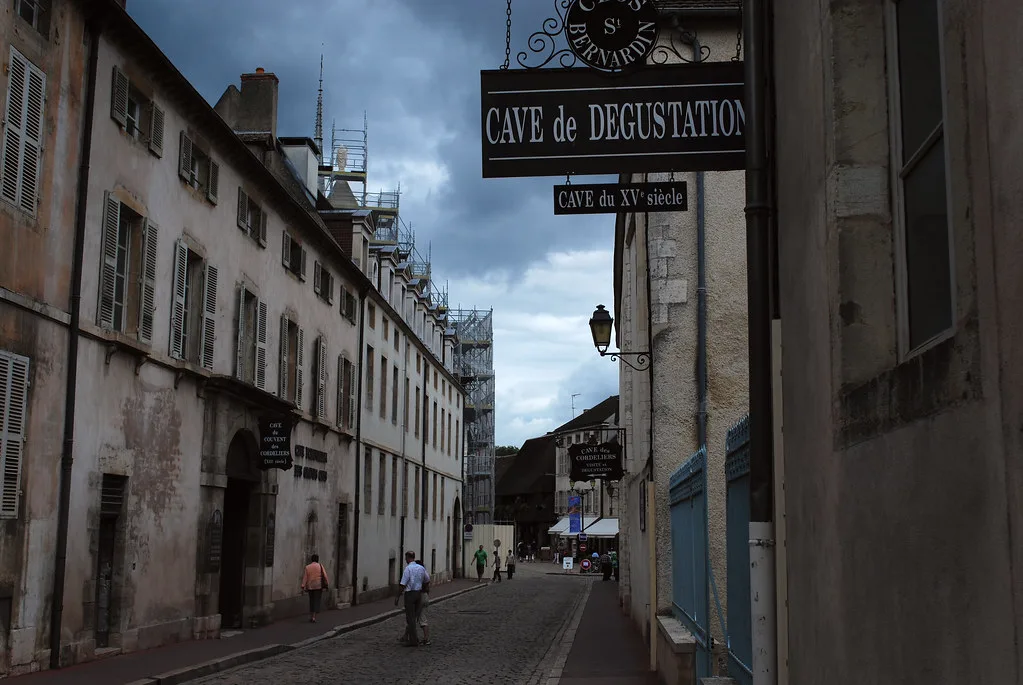
Start with the Hospices de Beaune in the morning, when the courtyards are quieter, then take an early afternoon slot at Chanson and walk the ten minutes or so between them. The Marché aux Vins, a tasting cellar in the former church of the Cordeliers, works well as a flexible third stop because it follows a more open, self-paced format than an appointment house.
Finish with food rather than more wine. Beaune wine bars pour Burgundy by the glass and let you taste a producer or village you missed earlier, and they are easier to leave than a booked cellar when energy runs out.
Two visits of this kind in one afternoon is plenty. Concentration fades, spitting becomes harder to remember and the notes you meant to keep stop being useful; the travelers who get the most from Beaune tend to book one serious cellar and treat everything else as browsing.
Getting There Without Driving
Beaune has a mainline station on the Dijon to Lyon corridor, with frequent regional trains and TGV connections via Dijon, so a car is not required for a town-based visit. From the station it is a short walk into the old town and on to Rue Paul Chanson. The estate publishes its address but not arrival logistics, so plan the final leg from the station map rather than from a winery page.
If you do drive, treat the car as transport only: a driver should not taste, and spittoons are standard at every tasting counter in Burgundy. A designated driver, a booked tour or the train all solve the same problem more cheaply than a roadside calculation.
Plan Your Beaune Visit
Domaine Chanson rewards travelers who treat it as what it is: an old negociant house with a genuine architectural curiosity at its center. Read the estate's own visit pages, choose between the tasting, tour, private tour and gastronomy formats on what each includes, and book directly rather than relying on secondhand summaries of price or duration.
Then set it inside a small, walkable day: Hospices in the morning, Chanson in the early afternoon, a bar or the Marché aux Vins later. That structure fits Beaune's scale, keeps the car parked and leaves you with a clearer memory of the wines than a rushed three-cellar sprint ever would; our guide to Beaune wine tasting lays out the wider circuit.
Frequently Asked Questions
Can you visit Domaine Chanson in Beaune?
Yes. The estate publishes visitor experiences on its own website, including tastings, tours, a private tour and a gastronomy-and-wine format at the domaine. Which of these runs on a given day, what each includes and what it costs are set out on the booking pages, so choose the format there.
Where is Domaine Chanson located?
The estate gives its address as 12 Rue Paul Chanson, 21200 Beaune, in the town center of Beaune in Burgundy's Côte d'Or. That puts it within walking distance of the Hospices de Beaune and the Marché aux Vins, which makes it straightforward to include in a car-free day of tasting in town.
What is the Bastion at Domaine Chanson?
The Bastion is a surviving tower from Beaune's medieval fortifications, now used as an above-ground ageing cellar. According to the estate, it has four levels linked by a spiral staircase, walls about eight meters thick that keep temperature stable, and roughly 2,000 barrels inside, with reds on the lower floors and whites on the top level.
How do you book a tasting at Domaine Chanson?
Book through the visit and experiences pages on the estate's own website, which is where the formats and their terms are described. Ask about the number of wines poured, whether the Bastion interior is included, duration, group size and language when you request a slot, and keep the confirmation for arrival details.
Do you need a car to visit wineries in Beaune?
No, not for a town-based visit. Beaune has a mainline rail station and a compact center, so Domaine Chanson and other in-town cellars can be reached on foot. For vineyard visits outside town, use a guided tour, a taxi or public transport rather than driving yourself, since the driver should not be tasting.
What wines does Domaine Chanson make?
The range runs from broad appellations such as Bourgogne Pinot Noir and Bourgogne Chardonnay up through village and premier cru wines in Beaune, Savigny-lès-Beaune, Chassagne-Montrachet and the Côte Chalonnaise, plus grand cru parcels including Corton-Vergennes. Beaune premier cru names to recognize include Clos des Fèves, Clos du Roi and Clos des Mouches.
How long should a visit to Domaine Chanson take?
Durations vary by format and the estate publishes them with each experience, so check the specific booking page rather than planning around an average. In practice a town-center tasting fits into part of an afternoon, which leaves room for one other cellar and a walk through Beaune on the same day.
Sources
Notes for your next wine trip
Optional updates to our winery and wine-town guides.
You might also like
Continue reading
More guides you'll find useful