Domaine de la Croix: Decide Your Cannes Day Trip
Domaine de la Croix is a Cru Classé estate at La Croix-Valmer on the Saint-Tropez peninsula. Here is what a visit involves and how to reach it from Cannes.
On this page
Domaine de la Croix sits at La Croix-Valmer, a small wine village on the Saint-Tropez peninsula in the Var, and it is one of the few Côtes de Provence estates with Cru Classé status. From Cannes it is a peninsula errand rather than a quick stop, which shapes how you should build the day. This guide covers what the estate actually is, what visitors report about the visit, and the transport trade-offs.
The useful thing to know before booking is that reliable published detail is thin: the estate's commercial listings describe the vineyard and the wines in depth but say nothing about visitor hours or tasting fees. Plan on confirming the practical points directly, and treat merchant bottle prices as retail, not as the price of a visit.
Quick answer: what Domaine de la Croix is and where it sits
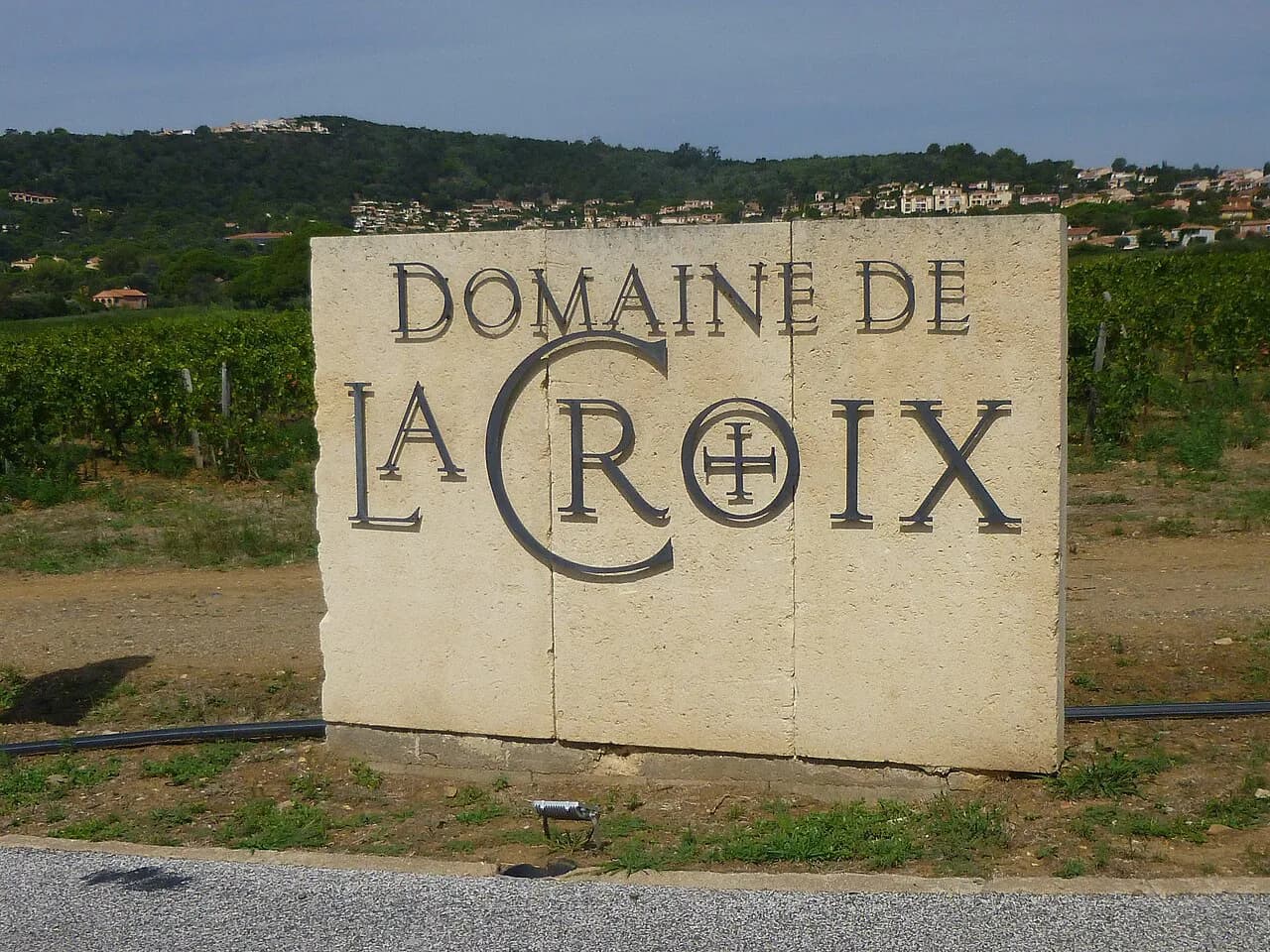
Domaine de la Croix is a Côtes de Provence estate based at La Croix-Valmer, on the Saint-Tropez peninsula in the Var department of Provence. Its vineyard is described as the largest among the Côtes de Provence Cru Classé estates, spread over 110 hectares. That scale matters for visitors: the vines, the farmhouse and the working cellar are not compressed into one courtyard, so allow time on site rather than treating it as a ten-minute tasting counter.
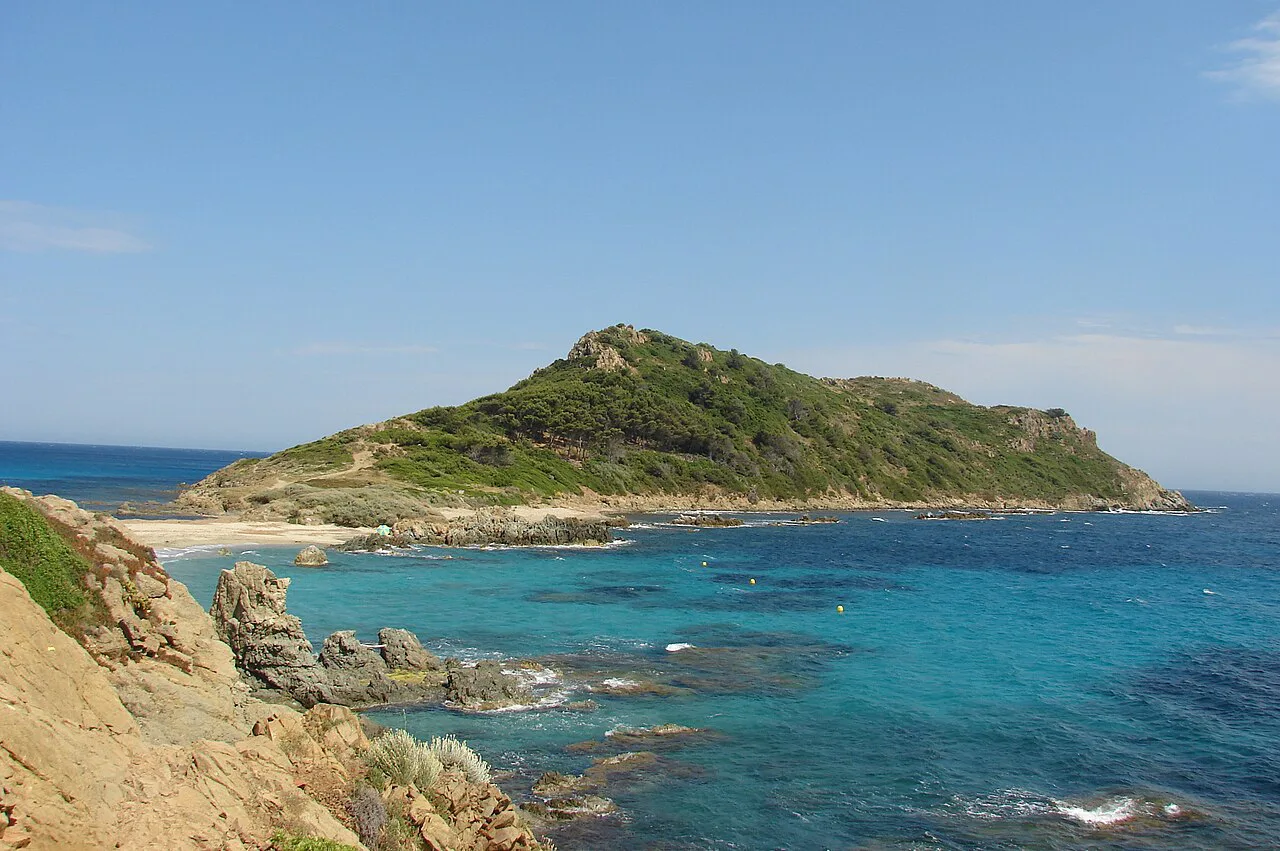
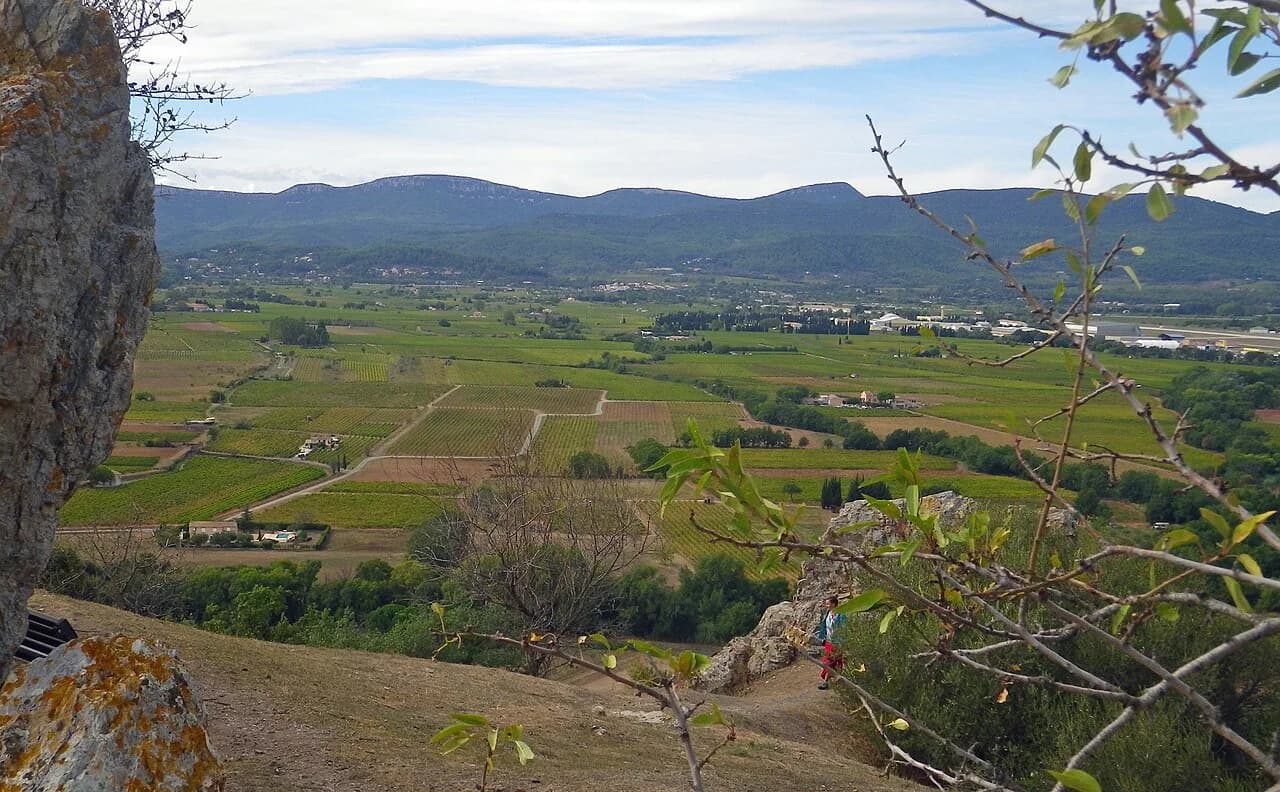
The site lies close to the small wine village of La Croix-Valmer, with most of the vineyards set just above the Mediterranean and cooled by sea breezes off the peninsula. Expect a coastal Provence landscape of vines, pine woods and sea light rather than the inland lavender-postcard scenery further north. The estate is a working wine property first and a visitor attraction second, which is the right expectation to carry into a booking request.
Getting there from Cannes: car, bus, train and taxi trade-offs
The route from Cannes runs west along the coast toward Saint-Tropez and then onto the peninsula to La Croix-Valmer; by road this is a substantial half-day transfer in summer traffic, not a short hop, so build the visit around one estate rather than three. If you would rather keep the transfer shorter, wine tasting in Marseille covers a different stretch of the Provençal coast. Driving gives you the most control over timing and lets you combine the estate with peninsula villages, but the driver should not taste: use the spittoons, appoint a designated driver, or book a tour instead.
Public transport on the peninsula is thin. Regional bus services link Cannes and the Saint-Tropez area, but connections are slow and infrequent enough that a bus-and-walking plan eats most of a day; rail does not reach La Croix-Valmer directly, so a train would only get you partway before a bus or taxi finishes the job. For a small group, a pre-booked taxi or a chauffeured transfer from Cannes is often the least stressful option, and a guided small-group day removes the driving question entirely.
If you would rather compare operators, pickups and group sizes before committing, work through the options for wine tours from Cannes and check whether the itinerary actually includes a peninsula estate rather than only inland Côtes de Provence names. The Cannes wine tasting hub sets out the wider geography of the region, which helps you judge whether a peninsula day is worth the transfer time for your trip.
What the estate is: Cru Classé status, three terroirs and 110 hectares
Cru Classé is the classification that separates a small group of Côtes de Provence estates from the mass of the appellation, and Domaine de la Croix belongs to that group. The estate's 110 hectares are not one uniform block: they are split across three distinct terroirs named Tabarin, Saunier and Bastide Blanche, with soils mixing sand or clay with schist. Those differences in soil and exposure are the estate's own explanation for the freshness and mineral character it aims for, particularly in the white and rosé wines.
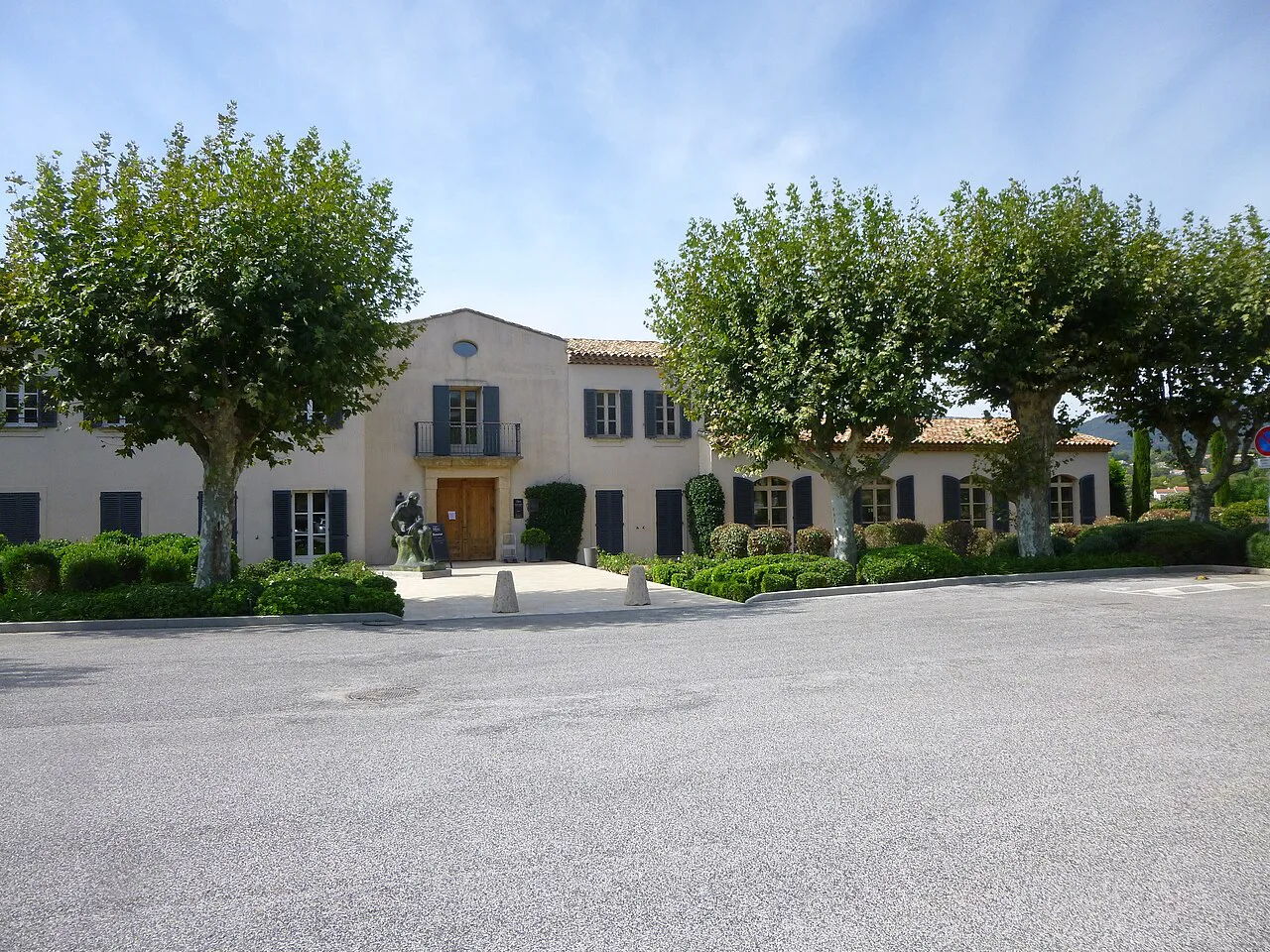
The property traces its origins to 1882 and has been substantially reinvested in recent years, with the old farmhouse renovated and an underground barrel cellar built into the site. When you ask about a visit, the cellar is the part worth requesting specifically, since barrel rooms and production areas are the elements most often restricted to hosted tours rather than open walks.
The wines to know before you arrive: Provence grapes and styles
The estate works with the classic Provence varieties: Grenache, Cinsault, Mourvèdre, Syrah and Cabernet Sauvignon, plus Tibouren, an old red grape grown almost exclusively in the Var. In practice that means a line-up centered on rosé, with white and red alongside it, all under the Côtes de Provence appellation. Knowing this in advance helps you decide whether to ask for a broad tasting across the range or to focus on the rosé and the Tibouren-based wines that are harder to find at home.
The named cuvée you will see most often in export markets is Irrésistible, released as rosé, white and red, with the Cru Classé designation on the label. If your goal is to buy a bottle you already know, that is straightforward; if your goal is to understand the three terroirs in the glass, say so when you book, because that request points toward a hosted tasting rather than a self-guided walk.
Visiting: self-guided walk versus hosted tasting
A visitor account describes the visit as a well-designed self-guided walk, with the route through the property and explanatory panels doing the interpretive work, and with staff on hand. That suggests the estate is set up for independent wandering rather than requiring a guide at every step, which suits travelers who want to move at their own pace. It does not establish that a self-guided walk is the only option, so ask what else is offered when you make contact.
A hosted tasting is the format to request if you want to sit down with the wines, taste across the range and ask about the terroirs and the Tibouren. The distinction is worth making early: it determines how long you need on site, whether a group can be accommodated, and whether the cellar is part of the program. Neither the estate's commercial listings nor the public review describe a fixed tasting menu, so do not arrive expecting a set flight of a specific number of wines.
Booking: how to ask, and what to specify
Treat this as an appointment property and make contact before you build your day around it. Whether you reach the estate through its own website, an email or a phone call, a short message covering party size, your preferred date and time window, and whether you want a self-guided walk or a seated tasting will get you a usable answer fastest. If your group is large or includes children or non-drinkers, say so in the first message.
Two questions are worth adding: whether the cellar is included, and the language of any hosted tasting. Both affect the value of the visit and are easier to arrange in advance than on the day. If you are relying on public transport or a taxi, confirm your arrival slot before booking the transfer, since a missed window on the peninsula can cost you the whole afternoon.
Cost: retail bottle prices versus any tasting fee
European wine merchants list the Domaine de la Croix Irrésistible wines at retail, with the 0.75-liter rosé, white and red cuvées in the same bracket and a magnum of the rosé listed separately. Those are shop prices for sealed bottles, including tax, sold by a retailer in the Netherlands and a German merchant respectively, and they tell you what the wine costs to take home rather than what the estate charges a visitor. Do not use them to budget a tasting.
No official tasting fee appears in the sources consulted here, so the honest approach is to ask for the price when you request your booking, and to ask what it covers: the walk alone, a seated tasting, or a cellar tour with wines. Ask too about payment method on the day, since small estates do not always take cards at the tasting counter.
Season and timing: harvest and summer congestion
Provence harvest generally falls in the late summer and early autumn, when the peninsula's roads and villages are still busy and the estate itself is a working site with fruit coming in. Visiting during that window can mean seeing activity in the cellar, but it can also mean restricted access to production areas and slower travel times. Late spring and early autumn outside the harvest peak tend to be calmer for a driver or a transfer.
Summer on the Saint-Tropez peninsula is the main constraint: the coast road clogs on market days and weekends, so a morning slot at the estate is more reliable than an afternoon one. Book the transfer or tour with a buffer, and keep your day's second stop flexible rather than fixed. If your dates fall in July or August, consider basing the day around one estate and a village lunch rather than trying to cover the peninsula.
Independent versus guided: which suits this estate
Going independently makes sense if you are two people with a car, you want to move at your own pace, and you are happy to arrange a self-guided walk with a tasting requested in advance. It costs less than a tour and gives you freedom to stop at peninsula viewpoints and villages on the way back. The catch is the driver question and the risk of a slow return in traffic.
A small-group tour makes sense if nobody wants to drive, if you are a larger party, or if you want the logistics handled between Cannes and the peninsula. Compare itineraries on the Cannes wine tours page and check whether the day includes a peninsula estate at all, since many Provence tours concentrate on inland names such as Château d'Esclans and Château Galoupet. The wineries near Cannes overview is a useful way to see what else fits a single day.
Building the rest of the day around the visit
La Croix-Valmer sits between Cavalaire and Ramatuelle on the peninsula, so the natural companions are the coastal villages and the beaches rather than more cellar appointments. Grouping the estate with a village lunch and one coastal stop keeps the day realistic; adding a second winery on the far side of the peninsula usually costs more time in the car than it returns in the glass.
If you want a second wine stop on a different day, Provence's Cru Classé estates cluster around the peninsula and the inland valleys, and Château d'Esclans and Château Galoupet are the two names most often paired with a Cannes base. Both publish their own visitor arrangements, so treat each as a separate booking.
Plan Your Visit
Domaine de la Croix rewards a bit of planning: it is a large, working Cru Classé estate at La Croix-Valmer rather than a walk-in tasting room, and the public record leaves the practical details to the estate itself. Request a booking with your party size, dates and preferred format, ask what the price covers, and confirm the time a day or two ahead so your transfer lines up.
Above all, settle the driving question before the day: someone sober at the wheel, a designated driver, or a booked tour. Everything else, from cellar access to harvest crowds, is easier to manage once that is decided.
Frequently Asked Questions
Where is Domaine de la Croix?
Domaine de la Croix is at La Croix-Valmer, a small wine village on the Saint-Tropez peninsula in the Var department of Provence, within the Côtes de Provence appellation. From a Cannes base it is a westward coastal transfer followed by a drive onto the peninsula. Rail does not reach La Croix-Valmer directly, so the last stretch is by road.
Can you visit Domaine de la Croix?
Yes. Visitor accounts describe a self-guided walk through the property with explanatory panels along the route. A seated tasting or cellar visit is a separate request, so state what you want when you contact the estate.
Do you need an appointment to taste at Domaine de la Croix?
Treat it as an appointment property and make contact before you travel. The estate has not published visitor hours or a booking policy in the sources consulted, so the reliable route is a direct request covering party size, date, time window and whether you want a walk or a hosted tasting.
How much does a tasting cost at Domaine de la Croix?
No official tasting fee is published in the sources consulted here. Retail prices at European wine merchants describe sealed bottles sold by shops, not on-site visitor pricing, so ask what the estate charges and what it includes when you request your booking.
How do you get to Domaine de la Croix from Cannes without a car?
Regional buses connect Cannes with the Saint-Tropez area, but services are slow and infrequent and do not deliver you to the estate gate, so a bus-and-walk plan takes most of a day. A pre-booked taxi or a small-group wine tour from Cannes is the more practical non-driving option.
What wines does Domaine de la Croix make?
The estate works with Grenache, Cinsault, Mourvèdre, Syrah and Cabernet Sauvignon, plus Tibouren, an old Var variety. The best-known line is Irrésistible, released as rosé, white and red, and the wines carry the Côtes de Provence appellation, with Cru Classé status for the estate.
What is Cru Classé in Côtes de Provence?
Cru Classé is the classification marking a small group of Côtes de Provence estates as distinct from the wider appellation. Domaine de la Croix holds it, and its 110 hectares are split across three named terroirs, Tabarin, Saunier and Bastide Blanche, with soils of sand or clay mixed with schist.
When is the best time to visit?
Late spring and early autumn outside the harvest peak are calmer for transfers and cellar access. Provence harvest generally falls in late summer and early autumn, and midsummer on the peninsula brings heavy coastal traffic, so an morning booking is more reliable than an afternoon one in July and August.
Sources
Notes for your next wine trip
Optional updates to our winery and wine-town guides.
You might also like
Continue reading
More guides you'll find useful