Domaine Paul Blanck: Tasting in Kientzheim from Colmar
Plan a tasting at Domaine Paul Blanck in Kientzheim from Colmar, with caveau hours, the Alsace grapes to know and car-free ways to reach the village.
On this page
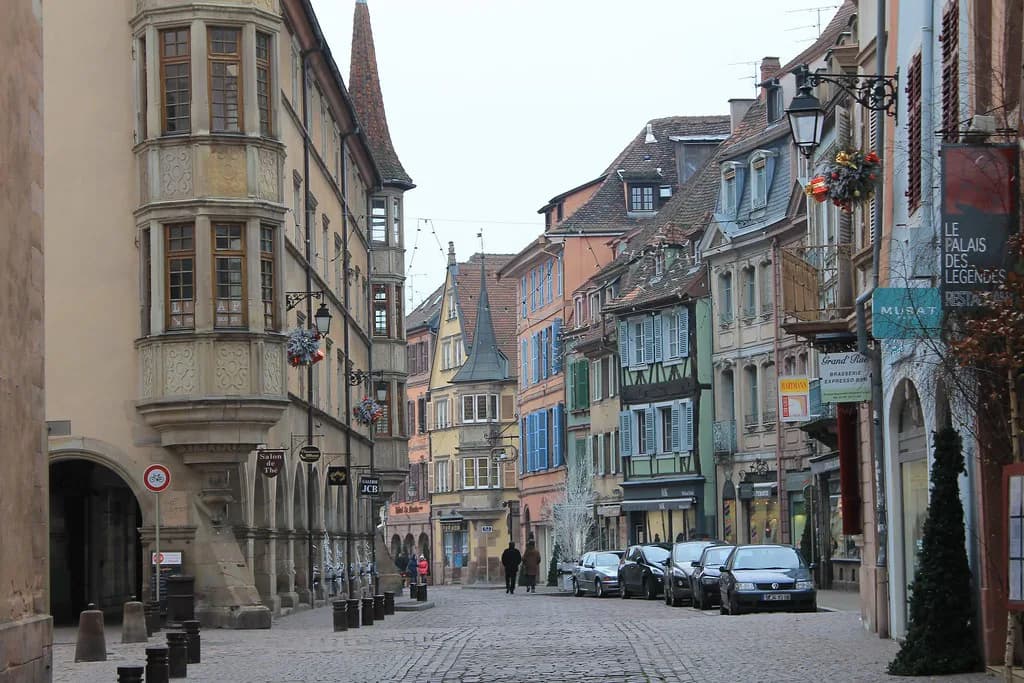
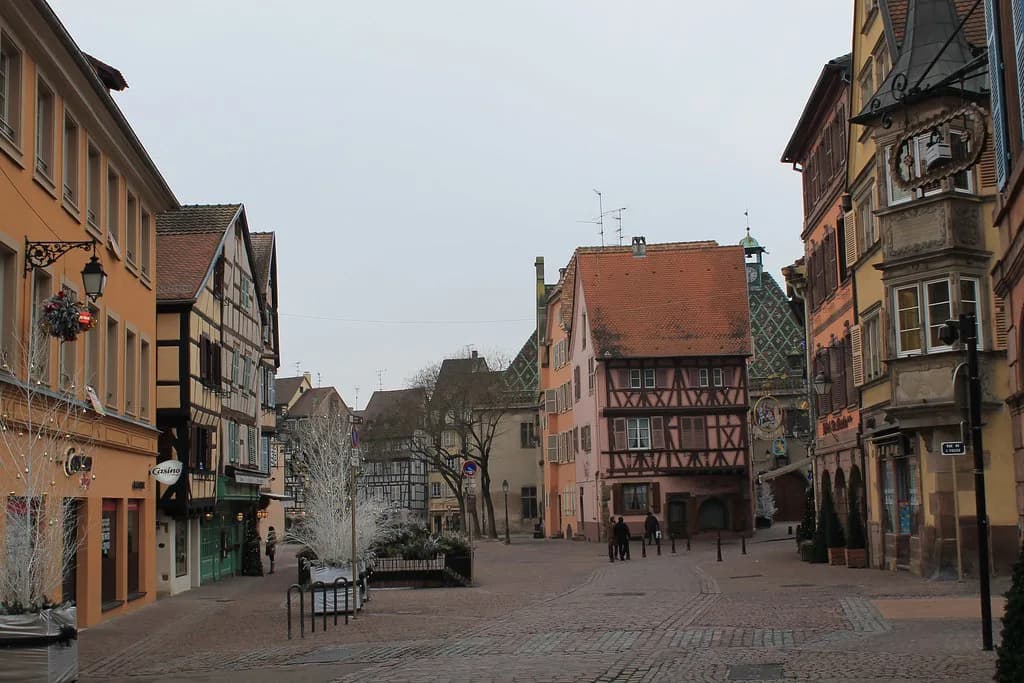
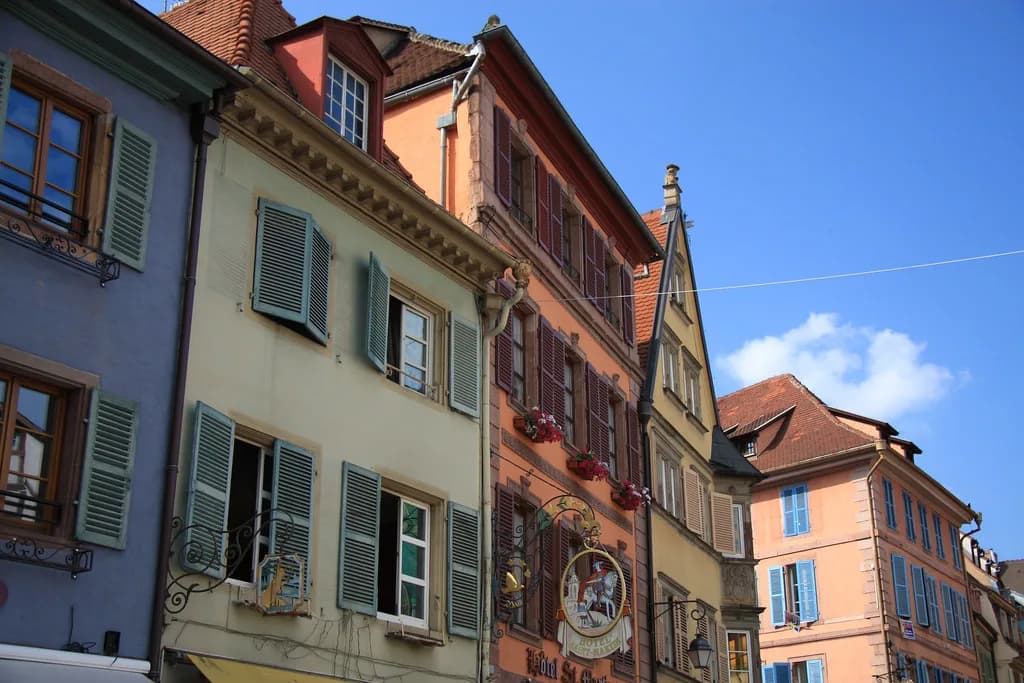
Kientzheim is one of the small, walled wine villages just south of Colmar, and Domaine Paul Blanck & Fils is the kind of family address that anchors a half-day on the Route des Vins d'Alsace. The caveau is on the Grand'Rue in the village center, which means you can pair a tasting with a walk through the old streets rather than building a whole day around one stop.
This guide sticks to what the domaine publishes: its address, its opening hours, and the three broad wine categories it sells. Tasting fees, the number of wines poured and whether a cellar tour is included are not published, so plan to ask those questions directly when you make contact.
Where Kientzheim Sits on the Alsace Wine Route
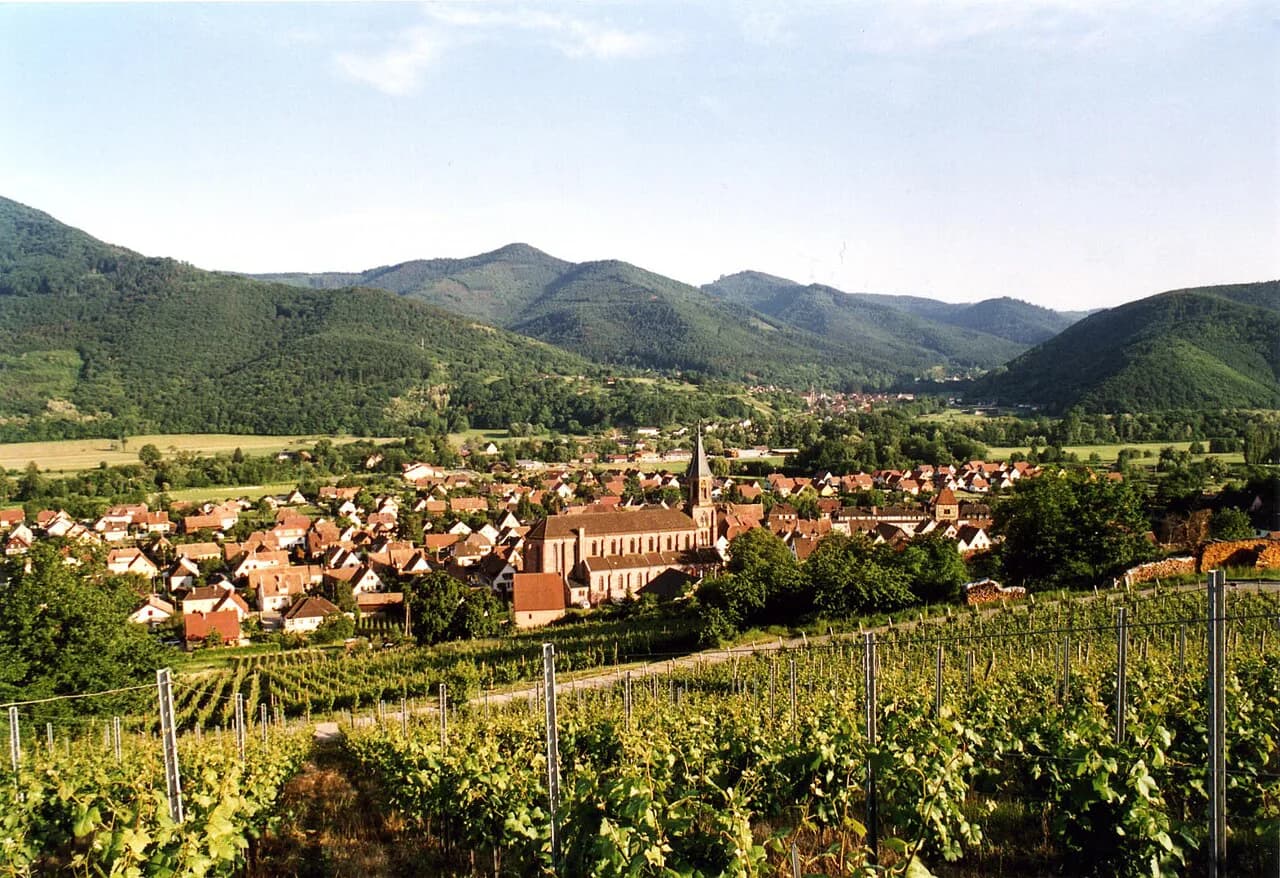
Kientzheim lies in the Haut-Rhin, in the band of villages that runs south from Colmar through Ammerschwihr, Kaysersberg and Riquewihr. It is a compact medieval village rather than a town, so the wine stop, the church and the old ramparts sit within a few minutes of each other. That compactness is what makes it useful on a Colmar-based day: you are not driving between scattered estates once you arrive.
Domaine Paul Blanck & Fils publishes its address as 32, Grand'Rue, 68240 Kientzheim, with a landline listed for contact. Use the village and street name for navigation rather than a postcode alone, because Alsace villages share postcodes across a small area.
Who Paul Blanck & Fils Are
Paul Blanck & Fils is a family-run domaine based in Kientzheim, working vineyards across a spread of sites rather than a single walled plot. Its own site organizes the range into wines by grape variety, wines of terroir, and botrytis wines, a structure that tells you a lot about how the estate thinks about Alsace.
The estate also sells older vintages and gift boxes through a shop section on its site, so a visit is not only a tasting but a buying opportunity. If you want a specific wine or an older year, raise it when you arrange the visit instead of hoping it sits open on the counter.
The Caveau: Published Hours and What They Mean for a Day Plan
The domaine states that its caveau is open continuously from 10:00 to 12:00 and then from 14:00 to 18:00, with Saturday closing at 17:00, and closed on Sundays and public holidays. Those split hours shape the day: the two-hour lunch gap is not a moment to turn up, and a Sunday visit is not possible.
Practically, the 10:00 opening makes Kientzheim a sensible first stop if you are leaving Colmar in the morning, since you can taste before the village quiets for lunch. The 14:00 reopening suits an afternoon slot combined with a walk or a second village rather than a single destination trip.
French public holidays close the caveau as well, and Alsace observes both the national calendar and local traditions, so a holiday Monday in May or a day around Christmas can catch visitors out. The site lists the Sunday and public holiday closure plainly; treat the published hours as the planning frame and confirm anything unusual for your dates before you travel.
Walk-In Versus Appointment
The domaine describes its caveau as permanently open during those hours, which points to walk-in tasting for a standard visit. That is the useful default for a couple or a small group passing through Kientzheim on the wine road.
Larger parties, trade visitors and anyone wanting a focused sit-down tasting should still make contact first. Ask three things when you write or call: whether your party size needs a booking, whether a cellar visit is part of the tasting, and whether there is a fee that is waived against purchases. None of those is published, so the answer comes from the domaine, not from a guide.
What the Tasting Covers
The estate's own range falls into three groups that make a good tasting plan. Varietal wines are the entry point for understanding Alsace grapes; wines of terroir express named sites and Grand Cru holdings; botrytis wines cover Vendanges Tardives and Sélections de Grains Nobles, the late-harvest sweet styles Alsace is known for.
If you can choose the shape of your tasting, ask to move from varietal to terroir within one grape, for example a Riesling then a terroir Riesling. That comparison is the reason to visit a terroir-driven estate rather than a cooperative, and it turns a list of wines into a lesson about Alsace soils.
Alsace Grapes to Know Before You Go
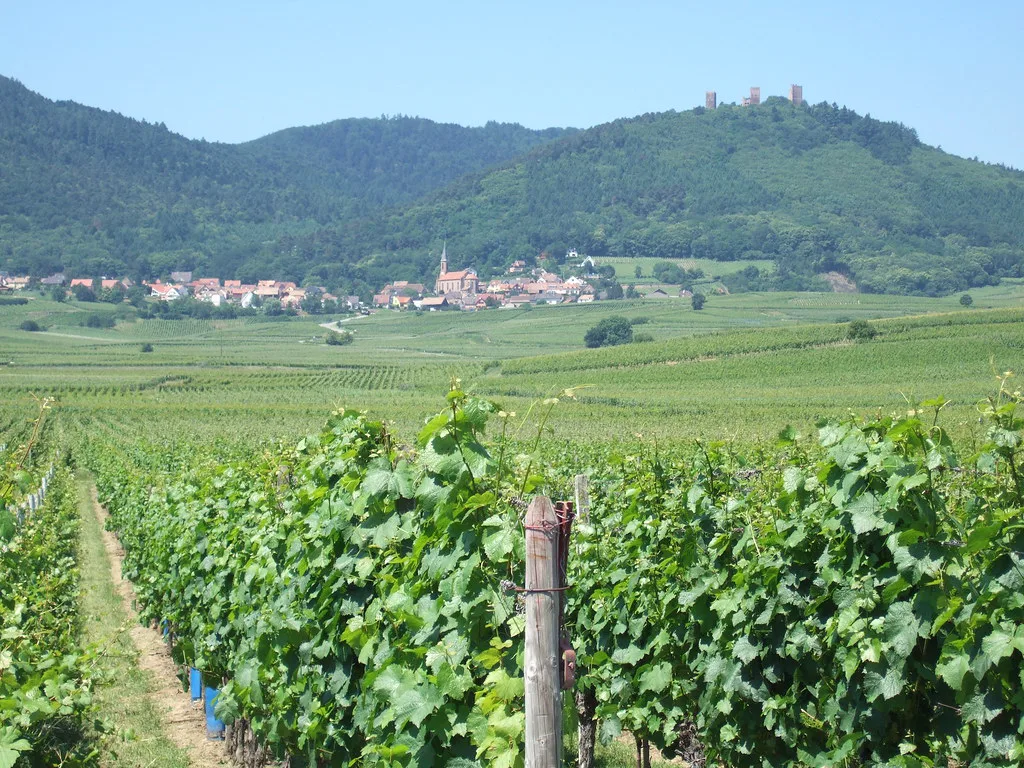
Riesling is the reference grape here, usually made dry and structured, and it is the one to taste against a terroir bottling. Pinot Blanc is the everyday dry white, Pinot Gris is fuller and can be dry or off-dry depending on the bottling, and Gewurztraminer is aromatic and often richer. Muscat, Sylvaner and Pinot Noir round out the range, with Pinot Noir the only red among the main Alsace varieties.
Alsace labels by grape as well as by site, so a bottle name tells you more here than in most French regions. Grand Cru and lieu-dit names indicate a specific vineyard, and the domaine's terroir wines are the place to see that naming in action.
On sweetness, the reliable rule is that Alsace dry whites dominate the standard range while the explicitly sweet wines are labeled Vendanges Tardives or Sélections de Grains Nobles. If you want to avoid sweetness, say so at the counter and taste from the varietal and terroir ranges first.
Grand Cru and Lieu-Dit Labels on the List
Alsace Grand Cru is a vineyard classification, not a style, so a Grand Cru Riesling can still be dry and steely. The value of the label is site specificity: it tells you the wine comes from one delimited place with its own soil and aspect, which is why estates like Blanck separate terroir wines from the varietal line.
When you taste, ask which sites the poured wines come from rather than assuming all the domaine's vineyards sit in Kientzheim. The estate works multiple sites, and knowing the village or slope behind a bottle is what makes the purchase meaningful once you are home.
Buying at the Caveau and Getting Bottles Home
The caveau doubles as a shop, and the site presents gift boxes and a discovery case alongside individual bottles. Buying on site is the straightforward route for a bottle you tasted and liked, and boxes travel better than loose bottles in a suitcase.
For anything beyond a few bottles, ask the domaine about shipping and about the alcohol allowances that apply when you fly back to the US. Those limits are set by customs rather than by the winery, so check the current rules for your country before you commit to a case.
Getting to Kientzheim from Colmar Without a Car
Kientzheim is close to Colmar but not on a dense urban grid, so the honest options are a taxi, a bike along the wine road, or a booked tour that includes the village. Local bus service in rural Alsace is thin and often school-oriented, so check the current regional timetable for your date rather than assuming a convenient midday run.
Cycling is realistic for confident riders because the villages are linked by quiet roads and marked routes, but the return leg after a tasting needs planning. A taxi one way and a bike the other is a workable compromise, and a taxi from Colmar can also drop you at a second village on the same outing.
If you join a tour, the trade-off is fixed timing against the freedom to linger. Most tours run to a schedule, so confirm whether the itinerary stops in Kientzheim specifically before booking, since not every Alsace route includes it.
Grouping the Day Around Kientzheim
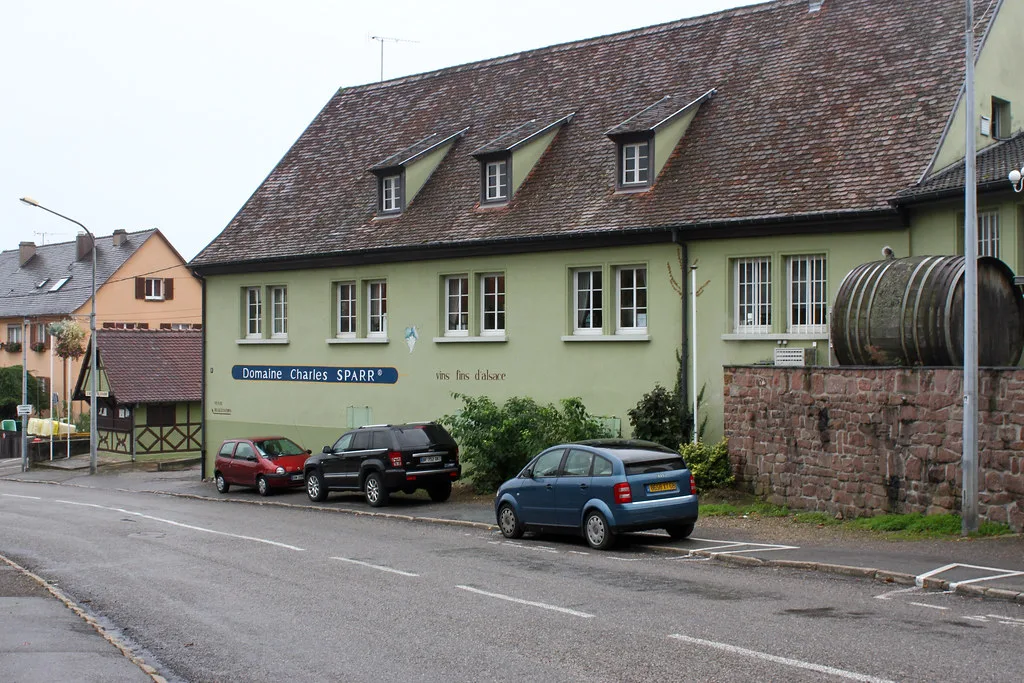
Kientzheim works best as one stop in a southern loop from Colmar rather than a standalone trip. Kaysersberg is the obvious neighbour for its medieval center and wine shops, and Ammerschwihr sits on the way, giving you a natural route south and back. If you are weighing a longer city-based wine break instead, wine tasting in Dijon offers cellar visits and day trips to nearby estates.
Build in the lunch gap: the caveau closes between 12:00 and 14:00, and village restaurants in Alsace fill up in that window. Book a table or plan a picnic, then return for the afternoon slot instead of waiting in the car.
Other domaines in the district, including well-known family estates around Kaysersberg and Bennwihr, are worth adding only if you confirm each one receives visitors on your date. A two-estate day is realistic; three becomes rushed once you account for the midday closure.
Independent Visit Versus Guided Tour
An independent visit wins on flexibility and cost: you arrive in the published window, taste at your own pace and buy what you like. The catch is logistics, because someone has to drive or you need a taxi or bike, and rural transport does not bend around your tasting.
A guided tour removes the driving question and often adds context from a guide who knows the villages. The trade-off is a fixed itinerary and less time in any one caveau, so if Blanck is your priority, check that it is a scheduled stop rather than a drive-past.
Practical Timing Through the Year
Harvest in Alsace generally falls in September and October, when village roads are busier and some estates are stretched by cellar work. The caveau hours are the stable reference point through that period; the wider rhythm of the wine road is not.
Late spring and early autumn give the best combination of open caves and comfortable cycling, while deep winter narrows the village's lunch options even when the caveau keeps its hours. If you travel in the quieter months, ring ahead for a restaurant and treat the tasting as the fixed appointment of the day.
Plan Your Visit
Domaine Paul Blanck & Fils is a practical anchor for a Colmar-based wine day: a village-center caveau with clearly published hours, a terroir-led range and a shop for bottles you want to take home. Plan around the 10:00 to 12:00 and 14:00 to 18:00 windows, keep Saturday's 17:00 close in mind, and rule out Sunday and public holidays before you build the itinerary.
Sort out transport first, then tasting: a taxi or bike from Colmar, or a booked tour that names Kientzheim as a stop. If anyone in the group is driving, they should spit rather than swallow, and the simplest way to keep the day relaxed is a designated driver or a tour so nobody has to choose between wine and the wheel.
Frequently Asked Questions
What are Domaine Paul Blanck's opening hours?
The domaine publishes the caveau as open from 10:00 to 12:00 and then 14:00 to 18:00, with Saturday closing at 17:00. It is closed on Sundays and public holidays. Use those windows as your planning frame and confirm anything unusual for your dates directly with the domaine.
Do you need an appointment to taste at Domaine Paul Blanck?
The caveau is described as permanently open during its published hours, which points to walk-in tasting for small groups. Larger parties or anyone wanting a structured tasting should contact the domaine in advance and ask whether a booking is needed.
What wines can you taste at Domaine Paul Blanck?
The estate organizes its range into wines by grape variety, wines of terroir, and botrytis wines including Vendanges Tardives and Sélections de Grains Nobles. Which wines are open on any given day is not published, so ask at the counter.
How far is Kientzheim from Colmar?
Kientzheim sits in the wine villages just south of Colmar, in the Haut-Rhin. The domaine does not publish travel times, so check a current map or transport app for the route you plan to use on the day.
Can you visit Domaine Paul Blanck without a car?
Yes, with planning: a taxi, a bike along the wine road or a booked tour are the realistic options, since rural bus service is limited and often tied to school schedules. Check the regional timetable for your date before relying on a bus.
Is Pinot Blanc sweet or dry?
Pinot Blanc in Alsace is generally made as a dry, easy-drinking white. The clearly sweet wines are labeled Vendanges Tardives or Sélections de Grains Nobles, so check the label if you want to avoid sweetness.
Should you book a wine tour or drive yourself in Alsace?
A tour removes the driving question and adds local context but fixes your itinerary. Driving gives flexibility but means a non-drinking driver, so decide based on group size and whether Kientzheim is a must-stop.
Sources
Notes for your next wine trip
Optional updates to our winery and wine-town guides.
You might also like
Continue reading
More guides you'll find useful