Manousakis Winery: Planning a Tasting from Chania, Crete
Manousakis Winery sits in Vatolakkos near Chania in western Crete. Plan a visit, book a tour, arrive without driving, and pair it with nearby estates.
On this page
Manousakis Winery puts a working estate in Vatolakkos, a village inland from Chania in western Crete, which makes it the most convenient serious wine stop for anyone staying in the city. The visit format is a vineyard and winery tour with a tasting rather than a walk-in bar, so the day works best when you plan it as one half of a loop. This guide covers routing, booking etiquette, transport without a car, and the Cretan grapes worth knowing before you sit down.
Where Vatolakkos Sits and Why It Anchors a Chania Wine Day
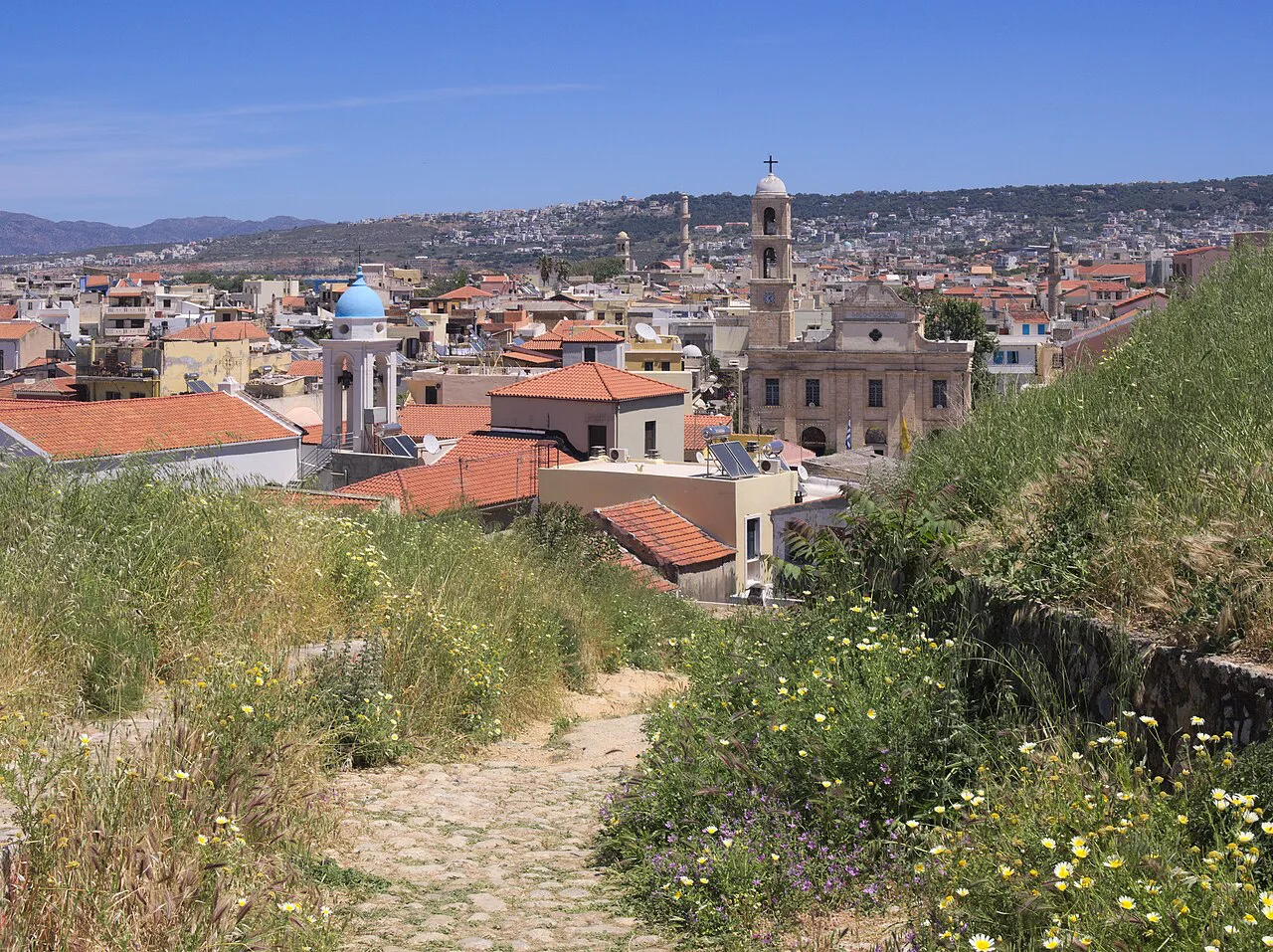
Vatolakkos lies in the hills behind Chania, close enough to the city that a winery visit fits around a morning in the old town or an afternoon on the coast. The estate is listed among Chania's wine-making and tasting establishments in the Vatolakkos area, offering vineyard tours alongside wine tasting. Because it sits inland rather than on the coast road, it pairs naturally with a second stop or a village lunch instead of a beach afternoon.
Treat Manousakis as the fixed point of the day and build the rest around it: a morning tasting, then lunch in a hill village, then back down to Chania before the evening. Anyone assembling a broader plan across the region should start from an overview of wine tasting in chania and then slot Manousakis into it, since the estate's inland position shapes which other stops make sense. This is a half-day commitment at minimum once you count the drive in and out.
What a Visit Can Include
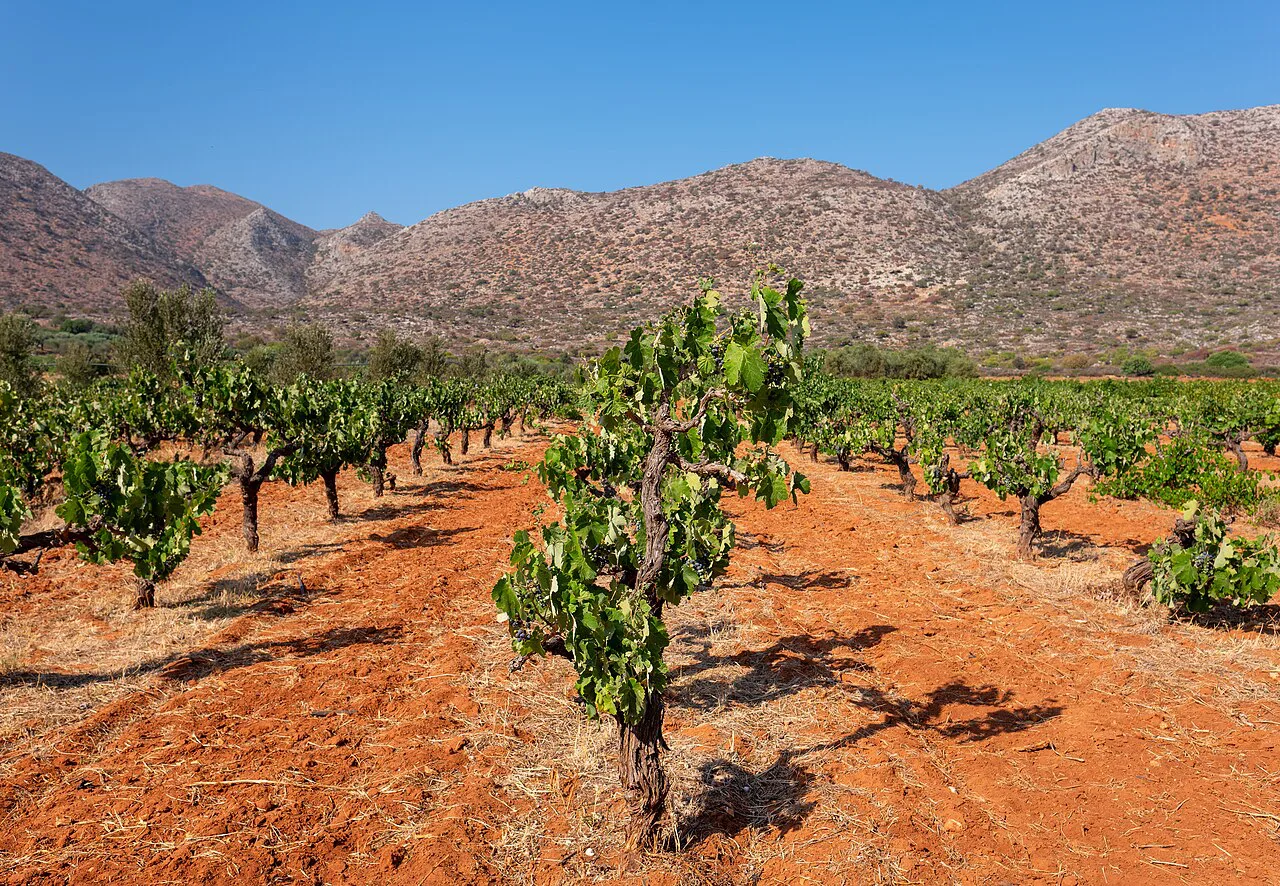
The house format at Manousakis is a tour of the vineyards and the working winery followed by a seated tasting, which gives you the context of the site before the glasses arrive. That structure rewards arriving with a little background on Cretan grapes, because the tasting moves quickly and the guide's explanations cover a lot of ground. Small groups are the norm on Crete, so you will usually be tasting alongside a handful of other visitors rather than in a large crowd.
A separate private option, run by an outside operator in a premium 4x4 vehicle, combines the Manousakis visit with a tasting of five locally produced wines and a traditional meal served with vineyard views. That format suits travelers who want lunch folded into the wine stop and are happy to let someone else handle the roads. It is a tour product rather than the winery's own restaurant service, so book it as a tour and treat the meal as part of that package.
Booking and Appointment Culture on Crete
Cretan wineries generally receive visitors by arrangement rather than keeping open tasting-room hours, and a short email or phone call is the standard first move. Put the essentials in one message: your preferred date, the number in your party, whether you want the full vineyard and winery tour or just a tasting, the language you prefer, and any food allergies or dietary needs if a meal is involved. Asking directly whether a minimum party size applies saves a second exchange, since some estates set one for guided tours.
Lead time matters most in late summer and early autumn, when harvest work competes with visitor bookings. A few days' notice is usually workable in quieter months; a week or more gives you flexibility around the crush. If your plans are fixed to a single day, ask for a morning slot, which leaves the afternoon free for a second stop or the coast.
Getting There Without Driving
There is no practical scheduled bus service to the winery door, so travelers without a car are choosing between a taxi from Chania and a pre-booked private tour that collects you at your hotel. A taxi is the more flexible option for a single estate: you control the timing and can ask the driver to wait or return at an agreed hour. Agree the return pickup before you are dropped off, because hailing a cab in the hills is unreliable.
The trade-off is real. A round-trip taxi costs money and buys you one estate, while a private tour costs more per person in a small group but folds in transport, a second stop and the traditional meal. If you are two people visiting only Manousakis, the taxi usually wins on cost and freedom; for four or more, or for anyone wanting a second winery in the same day, the organized format starts to make sense. You can compare formats on the Chania wine tours page before committing.
Independent Visit vs. Organized Tour
Going independently gives you control over pace and lets you linger over the vineyard walk or ask the guide extra questions about vinification. The cost of that freedom is logistics: you arrange the car or taxi, you watch the clock, and you carry the responsibility for getting home safely. For a single estate, that is manageable and often the better experience.
An organized tour trades some freedom for context and convenience: someone else drives the hill roads, the group size is set, and the itinerary typically includes a second winery or a meal. The private 4x4 option adds the five-wine tasting and traditional meal, which is difficult to replicate independently on a short trip. Choose the tour if you want the wine-country narrative filled in for you; choose the independent route if you already know what you want to taste and simply need to get there.
The Wines to Know Before You Go
Crete's signature white is Vidiano, a native grape that gives structured, textured wines and has become the island's calling card in tasting rooms. Manousakis bottles a Vidiano under its Nostos label, which is the wine most visitors will meet first. Learning the name before you arrive makes the tasting easier to follow, because it is poured alongside other Cretan whites that are less familiar outside Greece.
On the red side, Kotsifali and Mantilari are the local grapes to listen for, often blended together to balance color, alcohol and freshness. Recognizing those two names turns the tasting from a pleasant hour into a lesson in why Cretan reds taste the way they do. Neither grape is widely planted outside the island, so a visit here is one of the few chances to taste them side by side.
Grouping Nearby Wineries into One Route
Vatolakkos sits close enough to other Chania-area estates that two visits in a day are realistic if you start early and keep each stop to about an hour and a half. Build the loop inland first, then work back toward the coast, so the driving is finished before the afternoon heat. Checking a list of chania wineries before you book helps you pick a second stop that matches the direction of travel rather than doubling back, and a quick check of each estate's current opening hours and tasting prices is worth doing before you set out.
On the Akrotiri peninsula side, Dourakis Winery is a well-known estate that receives visitors, and its Muscat of Spinas is a useful contrast to the Vidiano you taste at Manousakis. Farther west toward Kissamos, the choices thin out but the drive opens up coastal views worth the detour. Karavitakis Winery is another Chania-area name worth asking about when you plan a second stop, since availability varies by season.
Harvest Timing and the Best Seasons to Visit
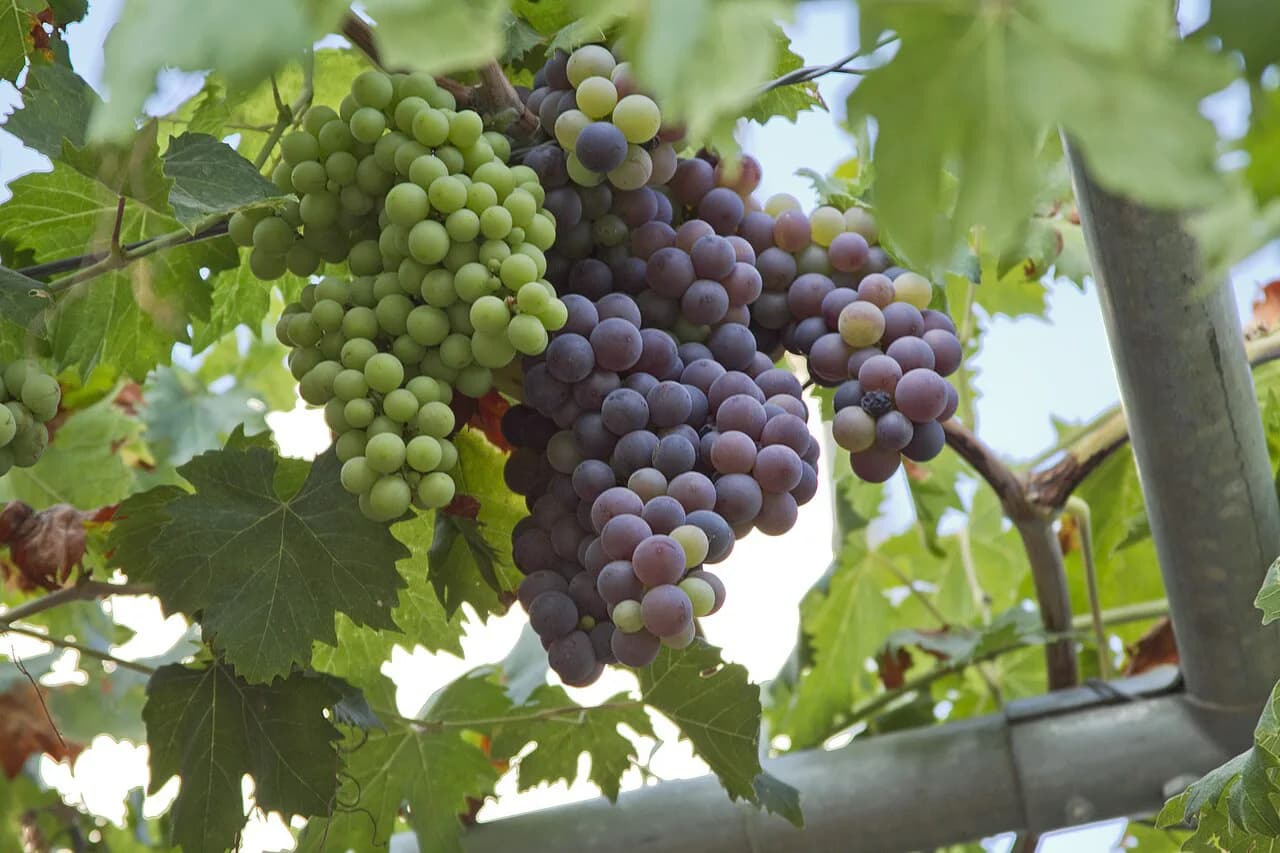
Grape harvest in Crete runs through late summer into early autumn, and a visit during that window looks and smells different from one in spring: picking crews, bins of fruit and the hum of the crush. It is also the busiest time for the winery's own staff, so book further ahead and expect the tour to work around production. Late spring is quieter, greener and easier to slot into a short trip.
Winter visits are possible by arrangement but the vineyard itself is dormant and the experience leans toward the cellar. Whichever season you choose, ask at booking whether the vineyard walk is part of the visit that day, because weather and harvest work can change the route.
Questions to Ask Before You Book
Beyond date and party size, ask how many wines are poured, how long the tasting lasts, and whether the vineyard walk is included or cellar-only. If a meal is part of your tour, confirm what is served and whether vegetarian or gluten-free needs can be met. Ask which languages the guide works in, and whether children or non-drinkers can join at a reduced rate.
It is also worth asking whether the tasting can be tailored for a driver who will not drink, since spittoons are standard in Greek tasting rooms. That one question solves the logistics before they become a problem on the day.
A Practical Half-Day and Full-Day Plan
For a half day, book a mid-morning Manousakis tour, take a taxi up from Chania, and spend an hour after the tasting walking the edge of the vineyard before heading back for lunch in the city. This works well for anyone on a short break or traveling with non-drinkers who want the afternoon free. Keep the schedule loose enough to absorb a tour running long.
For a full day, start at Manousakis in the morning, drive or tour onward to a second estate such as Dourakis Winery on the Akrotiri side, and finish with a long lunch in a hill village. The full-day version justifies the cost of a private tour or a hired car, because you are spreading transport across two visits and a meal. Anyone extending the trip beyond Chania should look at the wider crete wineries map before locking in the route. If the trip continues to the Cyclades, the same decision about taxi versus guided tour comes up in the Santorini wine guide.
Make the Day Work for You
Manousakis rewards planning more than spontaneity: pick your date, state your party size and language in the booking request, and decide early whether you are taking a taxi or joining a tour. The estate's inland position in Vatolakkos makes it easy to pair with a second Chania-area winery or a village lunch, and the Vidiano and Kotsifali names give you something concrete to follow in the glass. Whoever is driving should skip the tasting, using spittoons, a designated driver, a tour or public transport instead.
Frequently Asked Questions
Where is Manousakis Winery located?
It is in Vatolakkos, a village in the hills inland from Chania in western Crete. The estate is listed among the area's wine-making and tasting establishments and runs vineyard tours alongside tastings.
Do you need to book a tasting at Manousakis Winery?
Cretan wineries generally receive visitors by arrangement, so send a short email or call before you travel. Include your date, party size, whether you want the full tour or just a tasting, your preferred language, and any dietary needs if a meal is involved. Ask whether a minimum party size applies.
What wines does Manousakis Winery pour?
The estate bottles Vidiano, a native Cretan white, under its Nostos label. Cretan reds are typically built on Kotsifali and Mantilari, often blended, so listen for those names during the tasting.
How do you get to Manousakis Winery from Chania without a car?
There is no practical scheduled bus to the winery door, so your options are a taxi from Chania or a pre-booked private tour that collects you at your hotel. Agree the return pickup with your taxi driver before you are dropped off.
What is Vidiano wine?
Vidiano is Crete's signature native white grape, producing structured, textured wines that have become the island's calling card in tasting rooms. It is the Cretan white most visitors encounter first.
Which wineries near Chania can you visit in one day?
Two visits in a day are realistic if you start early: pair Manousakis in Vatolakkos with an estate on the Akrotiri side such as Dourakis Winery, then finish with lunch in a hill village. Ask about Karavitakis Winery when planning a second stop, since availability varies.
When is grape harvest in Crete?
Harvest runs from late summer into early autumn. Visits during that window show picking crews and fruit coming in, but the winery is busiest, so book further ahead and expect the tour to work around production.
What is the private 4x4 tour of Manousakis Winery?
It is an operator-run tour in a premium 4x4 vehicle that combines the Manousakis visit with a tasting of five locally produced wines and a traditional meal with vineyard views. Book it as a tour product rather than expecting restaurant service at the winery.
Sources
Notes for your next wine trip
Optional updates to our winery and wine-town guides.
You might also like
Continue reading
More guides you'll find useful