Benanti Winery Visit: Tasting Etna Wines from Catania
Benanti sits in Viagrande on Etna's eastern slope, an easy run from Catania. Here is what the estate produces and how to plan a visit around its wines.
On this page
Benanti Viticoltori is the estate most Catania-based travelers can reach without committing a whole day to the mountain, and it rewards more than a quick stop. The winery works four versants of Etna and bottles both broad appellation wines and single-contrada releases, so one visit covers the range of styles the volcano produces. This guide sets out where the estate sits, what it makes, and how to build a realistic day around it.
Plan around the fact that Benanti is a working production estate rather than a drop-in tasting room. Bookings and logistics matter more here than at a city enoteca, and the sections below sequence them so you can lock in a date, choose transport, and know what to ask before you commit.
Why Benanti Is the Practical First Stop for Etna Wine from Catania
Most of Etna's celebrated wine villages sit high on the mountain, which makes a full wine day long if you start in Catania. Benanti's home in Viagrande sits low on the eastern slope, so the run out of the city is short and the return is easy. That position makes it a sensible anchor for wine tasting in Catania itineraries built around a single estate.
The estate also functions as a compact introduction to the volcano's appellations. Because Benanti bottles wines from several contrade plus broader Etna blends, you can compare styles from one address instead of stringing together three separate appointments. For travelers with one free day, that concentration of range is the strongest argument for starting here.
Where Benanti Is: Viagrande and the Eastern Slope of Etna
Benanti is based in Viagrande, a town on Etna's eastern flank in the province of Catania, between the city and the higher wine villages. The estate's own account places its contrada vineyards across four sides of the volcano, from Milo and Viagrande on the east to Randazzo, Castiglione di Sicilia and Santa Maria di Licodia further north and west. Viagrande is therefore the practical base for a visit, not the only place the grapes grow.
Distances on Etna are deceptive: roads climb, switch back and pass through slow hill towns, so a short number of kilometers can take far longer than expected. Treat any drive time you are quoted as optimistic and add buffer, especially on the return when afternoon traffic builds around Catania. If you are weighing other estates on the same slope, Etna wineries outlines which villages cluster usefully together.
The Etna Appellation in One Minute
Etna DOC covers the volcano's slopes and is built on two red grapes, Nerello Mascalese and Nerello Cappuccio, plus the white Carricante. Etna Rosso is typically the red blend, while Etna Bianco is Carricante-led. A separate and stricter designation, Etna Bianco Superiore, applies to white wine from a defined zone around Milo on the eastern slope, which is why that village name recurs on labels.
For a visitor, the practical upshot is that a single estate can pour wines that taste structurally different from one another without leaving the appellation. Etna DOC rules, grape proportions and aging requirements are the background you want before comparing a broad blend with a single-vineyard bottling; the Etna DOC overview covers the framework in more detail.
What Benanti Makes: The Contrada Single-Vineyard Wines
Benanti's most distinctive line is its Selezione Contrade, wines tied to specific vineyard zones on the volcano. The estate lists five: Calderara Sottana in Randazzo, Dafara Galluzzo at Rovittello in Castiglione di Sicilia, Rinazzo in Milo, Monte Serra in Viagrande and Cavaliere in Santa Maria di Licodia. Each appears as an Etna Rosso or Etna Bianco, and the point of the range is to show how site changes the wine.
Above the contrade sit three wines the estate calls its icons: Pietra Marina Etna Bianco Superiore, Rovittello Particella No. 341 Etna Rosso Riserva and Serra della Contessa Particella No. 587 Etna Rosso Riserva. The parcel numbers on the two riserve signal that these are site-specific bottlings rather than blends. If you want to understand what Etna does at its most ambitious, ask whether any of the three are part of the visit.
The Traditional Range and the Metodo Classico Sparkling Wines
Below the single-vineyard wines, Benanti produces a traditional trio of Etna Bianco, Etna Rosato and Etna Rosso drawn from vineyards on several versants rather than one contrada. The estate describes these as its more approachable, everyday wines, and they are the most likely bottles to anchor an introductory tasting. They also give you a baseline against which the contrada wines make sense.
Less expected on Etna is sparkling wine, and Benanti has made metodo classico since 2002, when Noblesse Brut debuted as a Carricante-based sparkler. The range now includes Noblesse 48 Mesi and Lamorèmio, a rosé sparkler from Nerello Mascalese. These are produced in small quantities, so ask about them when you book your tasting at Benanti.
Booking a Visit: Appointment Culture and What to Ask
Benanti runs a booking channel through its own site, which is the right place to start rather than turning up at the gate. The estate has not published a public price list, standard visit length or minimum party size in the material available, so those details have to come from the winery directly. Write with your date, group size and whether you need transport, and ask for the options in writing.
A booking request to a production winery should ask five things: the languages the host works in, how many wines are poured, whether the cellar or vineyard is included, whether food is served and at what cost, and how long the visit runs. Ask too whether the contrada wines or the metodo classico can be added, since availability shifts with stock. Confirming current details once, shortly before you travel, saves a wasted trip.
What a Tasting Typically Includes and How Long to Allow
Estate visits on Etna usually combine a short walk through the cellar or vineyard with a seated tasting, and the format varies by appointment rather than following a fixed public schedule. Benanti has not published a standard package, so treat any itinerary you are offered as the accurate one. Allow a generous half day for the visit itself once you add the drive each way from Catania.
Because the estate makes both still and sparkling wines across several lines, a tasting that covers the traditional range and one or two contrada bottlings gives the clearest picture. If food is offered, it changes the pacing and the length of the visit; ask in advance so you can plan the rest of the day around it.
How to Get to Viagrande from Catania Without Driving
Viagrande sits within reach of Catania by public transport, with suburban bus services connecting the city to the towns on Etna's lower eastern slope. Schedules change by season, so confirm the current timetable and the stop nearest the estate when you fix your date. From the drop-off point you will likely need a short taxi ride, and local taxis are limited, so arrange the return in advance.
The simplest car-free option is a guided Etna wine tour that includes transport and a hosted visit, removing the timetable problem entirely. If you prefer to go independently, budget for a taxi both ways and treat the bus as the cheap but inflexible leg. Whichever you choose, a driver should not taste: use the spittoons, nominate a designated driver, or take a tour or public transport.
Independent Trip vs. Guided Etna Wine Tour
Going independently keeps costs down and lets you linger, but on Etna the savings are partly eaten by taxis and the risk of a missed connection. A guided Etna wine tour costs more per person and moves at the group's pace, yet it typically covers two or three estates in a day and handles the mountain roads. For a single estate like Benanti, independence is reasonable; for a full day of tasting across the slope, the tour usually wins.
The decision turns on how much you value flexibility against how much you want to taste. A designated driver solves the tasting problem but narrows who drinks; a tour solves it for everyone but fixes your schedule. Neither approach is wrong, and the right answer depends on whether Benanti is your whole day or one stop within it.
Grouping Viagrande with Other Etna Tasting Stops
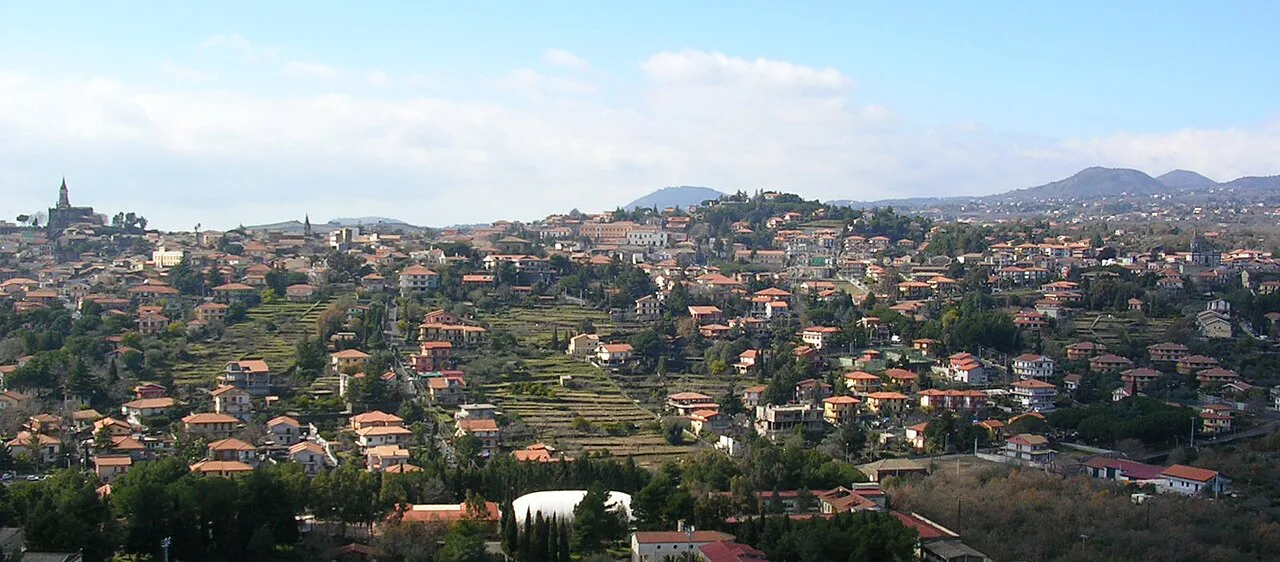
Viagrande sits on the lower eastern slope, close to Trecastagni and Zafferana Etnea, and below the Milo zone that gives Etna Bianco Superiore its home. These towns group naturally into a single loop from Catania, which is why a tour can reasonably combine two estates plus a lunch stop. Sicily wineries covers the wider regional picture if you are extending beyond the volcano.
Northern Etna is a different proposition: Randazzo and Castiglione di Sicilia, where several of Benanti's contrade lie, are a longer drive and better paired with a pass through the Alcantara valley. Trying to combine north and east slope estates in one day means hours in the car and rushed tastings. Pick one side of the mountain per day and keep the driving honest.
Harvest Timing and the Best Months to Visit
Etna harvest generally runs from September into October, with whites picked earlier than the Nerello grapes, and the period around picking is when the estate is busiest and least available for visits. Late spring and early summer tend to be calmer, greener and easier to book, while winter visits are possible but often cold and wet at altitude.
If you want to see the cellar working, ask when bottling and harvest fall in your chosen week before you commit, since those are the moments a working estate cannot host. For a relaxed visit, aim outside the picking window and outside August, when Sicilian coastal holidays fill the roads.
Practical Notes for an Adult Tasting Day
Tastings are for adults of legal drinking age, and venues on Etna expect identification to be produced on request. Portions at a seated tasting are modest, but the cumulative effect over several stops is real, so pace yourself and use the spittoons that estates provide. Eating before you arrive and drinking water between wines are the practical habits that make a multi-stop day work.
The single most important planning decision is who is driving. On Etna's winding roads, the driver should not taste at all, and a designated driver, a booked tour or public transport are the three reliable ways to handle it. Sort that out before you book, because it determines whether you can choose a bus-and-taxi run or need a guided day.
Plan Your Benanti Visit
Benanti is the most practical serious wine stop from Catania: close to the city, broad in range, and built around a contrada system that makes a single visit genuinely informative. Start by requesting a date directly with the estate, ask what the visit includes and what it costs, and fix transport once the booking is confirmed. From there the day organizes itself around the eastern slope.
If you want more context on the surrounding region before you commit, the Catania wine tasting overview sets out the wider options, and the Etna wine tasting guide explains the appellation rules behind the labels you will see. Book early, confirm once, and leave the driving to someone who is not tasting.
Frequently Asked Questions
Is Benanti winery worth visiting?
Yes, if you want to understand Etna wine from one address. Benanti bottles both broad Etna Bianco, Rosato and Rosso and single-contrada wines from five zones on the volcano, plus metodo classico sparkling from Carricante and Nerello Mascalese. That range lets you compare styles without driving between estates, and its Viagrande base is a short run from Catania.
Do you need a reservation to taste at Benanti?
Yes. Benanti is a working production estate with a booking channel on its own site rather than a walk-in tasting room. Request a date, group size and visit format in writing, and ask specifically what is poured, whether food is included, how long the visit lasts and whether the contrada or sparkling wines can be added.
How far is Benanti from Catania?
Benanti is in Viagrande on Etna's lower eastern slope, the closest wine town to Catania. Rather than a fixed figure, plan on a drive that climbs through hill towns and takes longer than raw distance suggests, and add buffer for the return when traffic builds around the city. If relying on buses, confirm the current timetable and the nearest stop before you travel.
What wines does Benanti produce?
The estate makes Etna Bianco, Etna Rosato and Etna Rosso blends from vineyards across several sides of the volcano, plus single-contrada wines from Calderara Sottana, Dafara Galluzzo, Rinazzo, Monte Serra and Cavaliere. Above those sit three icon wines, including Pietra Marina Etna Bianco Superiore, and a metodo classico sparkling range built on Carricante and Nerello Mascalese.
Can you visit Benanti without a car?
Yes, but it takes planning. Suburban buses link Catania with towns on Etna's lower eastern slope, and a short taxi from the nearest stop covers the final leg, with the return arranged in advance. A guided tour that includes transport is the simpler car-free option, and it also solves the problem of who drives after tasting.
What is the difference between Etna Rosso and Etna Bianco Superiore?
Etna Rosso is the volcano's red, based on Nerello Mascalese and Nerello Cappuccio. Etna Bianco Superiore is a stricter white designation for Carricante from a defined zone around Milo on the eastern slope. Both fall under Etna DOC, so the difference lies in grape and permitted zone rather than in a separate appellation.
Sources
Notes for your next wine trip
Optional updates to our winery and wine-town guides.
You might also like
Continue reading
More guides you'll find useful