Murgo Winery: Visiting the Etna Cellar from Catania
Murgo's cellar sits at Santa Venerina on Etna's east slope, an easy trip from Catania. Here's how the visit works, what to book, and how to get there.
On this page
Murgo is one of the few Etna estates that combines a working cellar, a restaurant and overnight rooms on a single property, which makes it unusually easy to plan around. The family has been producing wine since 1860, and the estate sits on the eastern slope of the volcano rather than the busier northern villages. That eastern position is what makes it a realistic day trip from Catania.
This guide covers where the property is, what a visitor can actually arrange there, how booking works on Etna, and how to reach Santa Venerina if nobody in your group wants to drive. It also explains the grapes behind Etna's white and red wines, so you can decide which tasting to ask for before you write to the estate.
Why Murgo Works as an East-Slope Stop
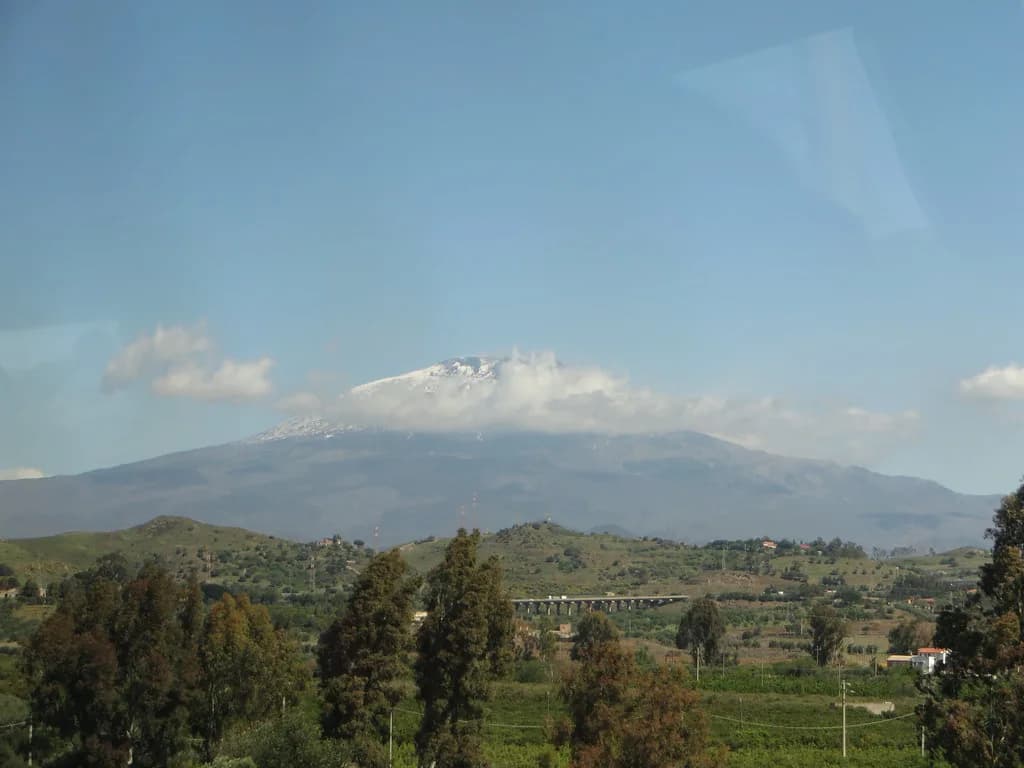
Most Etna wine itineraries cluster around the northern villages above Randazzo, but Murgo belongs to the eastern side, closer to Catania and to the coastal towns below the volcano. That geography means you can combine a cellar visit with the drive or bus ride up toward Zafferana Etnea without crossing the whole mountain. For a short trip based in Catania, it is one of the more efficient ways to see an Etna producer.
The estate is also a farm, an agriturismo and a restaurant rather than a tasting room alone, so a visit can be shaped as a cellar appointment, a lunch, or both. That flexibility matters on Etna, where many small growers receive visitors only by arrangement and have no on-site kitchen. Plan around the meal if you want one, because restaurant service usually sets the shape of the day.
The family company, Scammacca del Murgo, farms land on Etna as well as estates elsewhere in Sicily and in Lazio, so the wines you meet at the cellar are part of a wider operation. The estate publishes an online shop for shipping bottles home, which is worth knowing if you would rather not carry wine through the rest of your trip.
Where Murgo Is: Santa Venerina on Etna's East Flank
The cellar and the Tenuta San Michele agriturismo share an address at Via Zafferana 13 in Santa Venerina, in the province of Catania. Santa Venerina sits on the lower eastern slope between the coastal plain and the higher town of Zafferana Etnea, which is why the road leading up from the village takes the name of its larger neighbor.
In practical terms, you are south of Zafferana Etnea and north of the Catania coast, on the flank of the volcano that faces the Ionian Sea. Arriving from Catania means climbing through the eastern villages, so the property fits naturally into a route that continues up to Zafferana for the view or the famous road above it. Treat Santa Venerina as a stop on that climb rather than as a separate expedition.
Because the address is a real village street rather than a vineyard track, navigation is straightforward once you reach Santa Venerina. If you are relying on public transport, use the village center as your arrival target and plan the final stretch separately.
The Murgo Operation in Brief
Murgo produces Etna wines from its eastern vineyards and also runs estates in other parts of Sicily and in Lazio, so the range available at the property is broader than a single appellation. Visitors interested in the volcano should ask specifically for the Etna bottles, since the wider portfolio can otherwise dominate a tasting list.
On the same property, Tenuta San Michele operates as an agriturismo with restaurant service among the Murgo vineyards. For travelers, this means one address can supply a cellar visit, a meal and a bed, which is rare in the more scattered grower scene on the mountain.
The estate's online shop ships Murgo wines to Europe, the United States and further afield within a few days, including gift packaging. That is a useful fallback for anyone flying home with hand luggage only, or for a traveler who finds a bottle they like but cannot carry it onward.
What a Visit Can Include: Cellar and Tasting vs. the Restaurant
There are effectively two experiences to arrange at Tenuta San Michele: a cellar visit with a tasting of Murgo wines, and a meal at the estate restaurant. They are separate bookings in practice, even when they happen on the same day, so decide which one is the reason for your trip before you contact the estate. A tasting-only stop keeps the day flexible; a lunch anchors it to a fixed hour.
If you want both, ask for them together and say so plainly, because a kitchen and a cellar schedule have to line up. Restaurant tables on Etna fill at weekend lunch in particular, so a combined visit is easier to secure on a weekday.
The estate does not publish a fixed tasting format with a set number of wines, a duration or a per-person rate on its main site, so avoid assuming a standard package exists. Ask what the current proposal includes, whether a cellar walk-through is part of it, and whether food is served alongside the wines.
Anyone comparing Murgo with other Etna estates should note the difference in scale: this is a family company with a hospitality arm, not a large visitor center with fixed hourly tours. The trade-off is that your visit depends on a confirmed arrangement rather than a walk-up ticket, which also means less crowding.

Booking: How to Reach the Estate
The estate publishes a telephone number and an email address for Tenuta San Michele, both reachable from its contact section, and these are the channels to use for a visit request. Write in English or Italian, name the date you want, and ask explicitly for a cellar visit and tasting rather than a generic enquiry about availability.
Appointment culture on Etna is genuine: many producers receive visitors only when someone is free to host them, and same-day requests often go unanswered during harvest. Book well ahead for weekends and for the September and October crush, when cellar staff are busiest. Include the number of people in your party, since small groups are easier to place.
State whether you want tasting only, lunch only, or both, and mention any language preference and dietary needs for the restaurant. Ask what the visit costs and what it includes, because the estate does not post a standard rate; that single question saves a surprise on arrival. Confirm these details with the estate a few days before you travel.
Etna Wines to Know Before You Go
Etna's white wines are built mainly on Carricante, a late-ripening grape with high natural acidity that gives the volcano's whites their firm, saline profile. Catarratto is often blended in to soften and broaden the wine, which is why an Etna Bianco can taste rounder than a pure Carricante bottling.
The reds come chiefly from Nerello Mascalese, often with Nerello Cappuccio in the blend, and they tend to be lighter in color and higher in acidity than most mainland Italian reds. Volcanic soils and altitude shape both colors, which is why the mountain is treated as its own appellation rather than as a satellite of Sicily's warm south.
When you request a flight, say whether you want to focus on whites, on reds, or on both, and whether you are curious about the estate's non-Etna wines. A mixed flight tells you more about the company, while an Etna-only flight tells you more about the volcano. Neither is wrong, but the choice is yours to make.
Getting There Without Driving
Santa Venerina lies on the eastern approach to Etna, and the practical no-car route is a train or bus from Catania toward Giarre or Zafferana Etnea, followed by a short taxi ride to the estate. Services and timetables change by season, so check the current operator schedules for the day you travel rather than relying on a remembered departure.
A taxi from the village or from a nearby town is the simplest way to cover the last stretch, and it is worth agreeing on a return pickup when you are dropped off, since passing taxis are scarce on the slope. Relying on a rideshare app in this part of Sicily is unreliable.
For many visitors the least stressful option is an organized Etna wine tour from Catania, which removes the transport problem entirely and often pairs a cellar stop with other east-slope producers. The trade-off is a fixed itinerary and less time at any single estate, so check which properties a tour actually visits before booking.
Independent Trip or Organized Tour
Going independently gives you control over how long you linger at Murgo and lets you add a stop in Zafferana Etnea on the way back down. It usually costs less than a tour once you are splitting a taxi, and you choose exactly what you taste. The cost is in planning: you need the booking, the transport and the timing to line up. If you are weighing a second base for the trip, wine tasting in Taormina offers the same east-side Etna access from the coast.
A tour handles all of that and is the better choice for a group of mixed enthusiasm, or for anyone who wants to taste without thinking about the road. Tours also often include cellar visits at properties that are hard to reach by bus. What you give up is spontaneity, including the chance to stay longer over lunch.
Whichever you choose, whoever is driving should not taste. Use the spittoons, nominate a designated driver for the day, or let a tour or public transport do the driving; the pleasure of the visit does not depend on emptying every glass.
Pairing Murgo with the Rest of an East-Slope Day
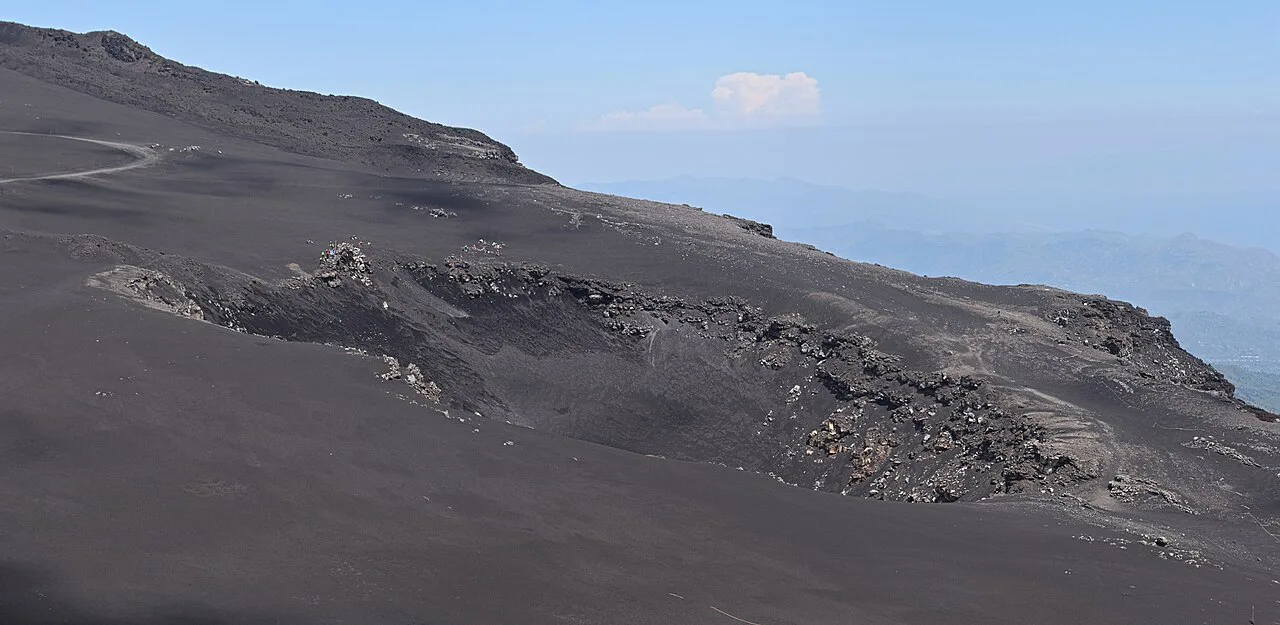
Santa Venerina sits on a natural east-slope circuit that includes Zafferana Etnea uphill and the towns of Giarre and Riposto toward the coast. Grouping two or three stops on this side of the mountain makes far more sense than driving across to the northern villages in the same day.
If you want a second cellar appointment, look at producers on the same flank and confirm that each receives visitors before you commit. Etna has plenty of small growers who sell their fruit or bottle quietly without any hospitality, so a name on a label is not a visitor address.
Build in slack for the mountain roads, which slow considerably with traffic on summer weekends, and keep the drive back to Catania for daylight. A late-afternoon tasting followed by a descent in the dark is the least enjoyable part of many Etna itineraries.
Practical Timing: Harvest and the Week
Etna harvest generally runs from September into October, later than the Sicilian plains because of altitude, and that is the period when cellar teams are least available for hosting. If you travel in those months, book early and accept that the winery's attention is divided. Spring and early summer are calmer for visits.
Weekdays are easier than weekends for both a cellar appointment and a restaurant table, and the property is also a farm-stay, so some dates are busier with overnight guests. Ask when you request a date whether the estate has a preferred slot that day.
When you write, ask about seasonal closures, the current cost of the tasting, whether a tour of the cellar is included, and the latest time you can arrive. Those four answers settle most of the practical uncertainty. Reconfirm opening arrangements with the estate as your date approaches, since hospitality schedules on the mountain shift with the season.
Plan Your Visit
Murgo is best treated as the eastern anchor of an Etna day: a family estate at Santa Venerina where a cellar appointment can be paired with a meal on the same property. Book the experience you actually want, sort out the transport before you commit to a time, and keep the rest of the itinerary on the same slope.
Decide first whether you want a tasting, a lunch, or both, then contact the estate with a specific date and party size. If nobody wants to drive, an organized tour from Catania is the simpler route; otherwise plan the train or bus and a taxi for the final stretch, and use the spittoons so the driver stays sober.
Frequently Asked Questions
Where is Murgo winery located?
Murgo's cellar is at Via Zafferana 13 in Santa Venerina, on the eastern slope of Mount Etna in the province of Catania. The Tenuta San Michele agriturismo and restaurant share the same property.
Do you need to book a tasting at Murgo?
Yes. Visits are arranged in advance through the contact details the estate publishes for Tenuta San Michele, by email or telephone. Ask for a cellar visit and tasting explicitly, and state the number of people in your party.
Can you visit Murgo winery from Catania without a car?
It is possible but takes planning: a train or bus toward Giarre or Zafferana Etnea, then a short taxi to Santa Venerina. Agree on a return pickup when you are dropped off, and check current schedules for your travel date.
What wines does Murgo produce on Etna?
The estate makes Etna wines on the volcano alongside wines from its other Sicilian and Lazio estates. Etna whites are mainly Carricante, often blended with Catarratto, and the reds are built on Nerello Mascalese.
Is there a restaurant at Murgo winery?
Yes. Tenuta San Michele runs a restaurant on the property among the vineyards, alongside the agriturismo rooms. A meal is arranged separately from the cellar tasting, so request both together if you want them on the same day.
How long does a visit to Murgo take?
The estate does not publish a standard duration. A tasting-only stop is shorter than a visit that includes a cellar walk-through or a meal, so ask when you book how much time to allow and plan your transport around that answer.
Sources
Notes for your next wine trip
Optional updates to our winery and wine-town guides.
You might also like
Continue reading
More guides you'll find useful