Taormina Wineries: Where to Taste Etna Wine from the Coast
Use Taormina as a base for Etna wine tasting: which wineries welcome visitors, which slope to pick, and how to plan the day without driving.
On this page
Taormina is a coastal town, and the vineyards that supply its wine lists sit on the flanks of Mount Etna, roughly an hour inland by road. That geography shapes everything: you are not wandering between cellars on foot, you are choosing a slope and building a half-day or full-day loop around it. This guide covers the estates that openly receive visitors, what each visit involves, and how to reach them without putting a taster behind the wheel.
Why Taormina Works as a Wine Base
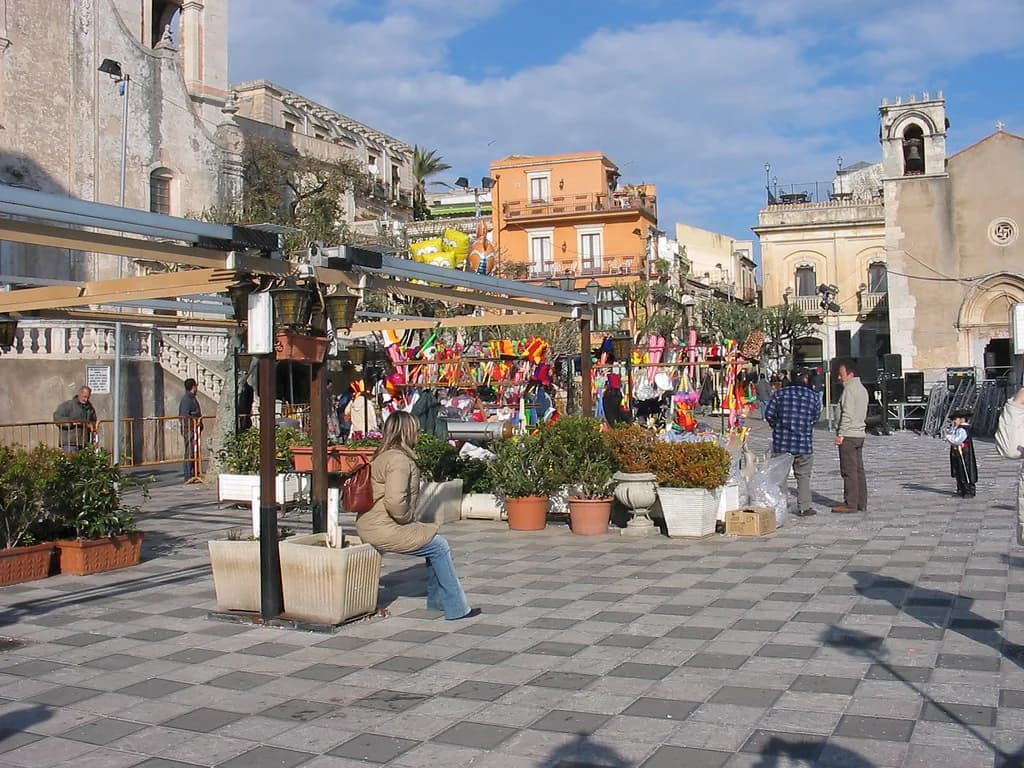
Taormina gives you sea views, a walkable historic center and a wide choice of places to stay, while the Etna wine district begins on the volcano's lower slopes inland. The practical consequence is that every winery visit starts with a transfer, usually by car, taxi or organized tour, so a day is best planned around one slope rather than scattered stops. Travelers who want to taste at several estates in one day should treat the transfer as part of the itinerary, not an afterthought.
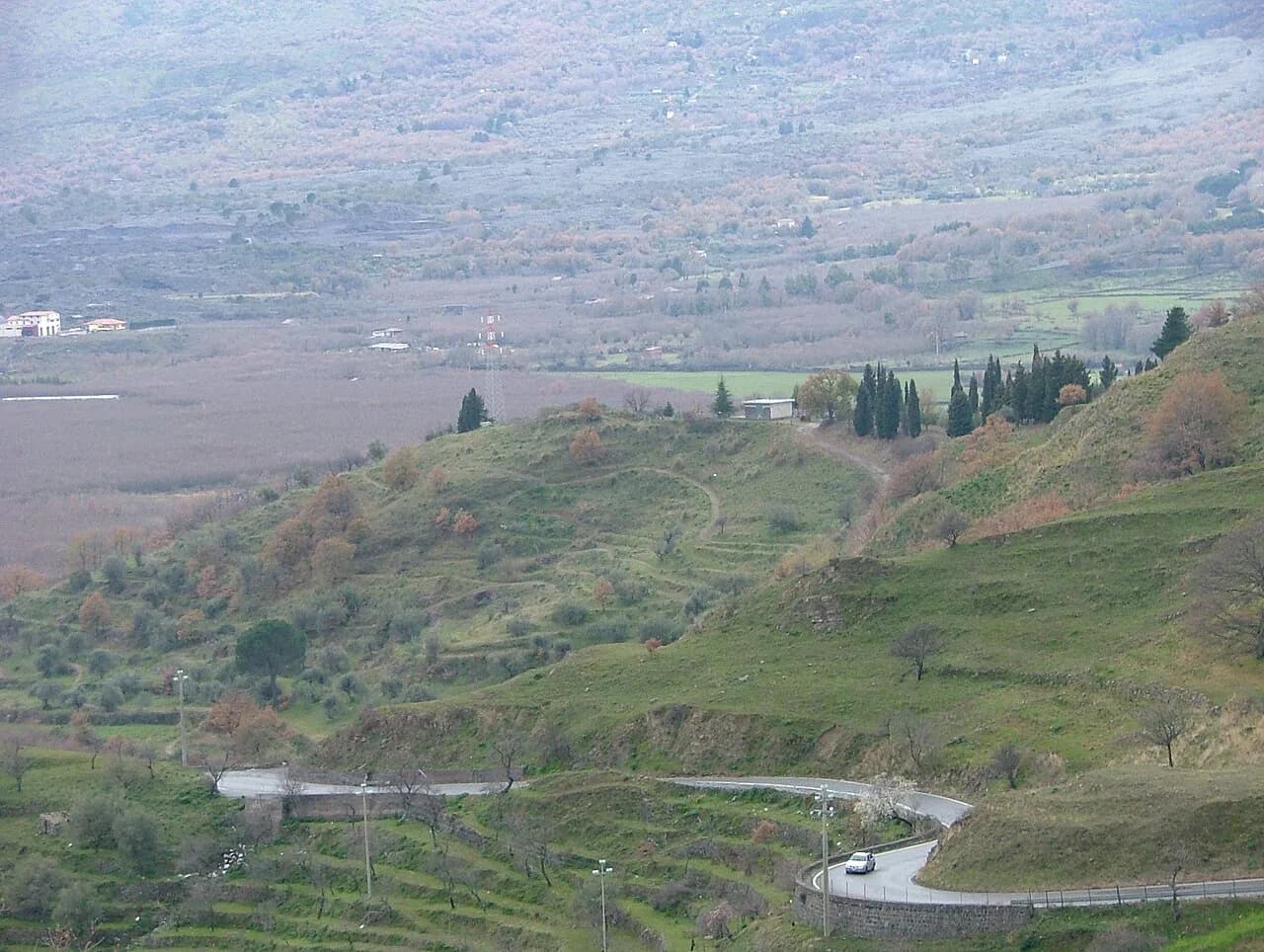
The reward for that transfer is variety: Etna's vineyards climb across lava soils at different elevations and on different sides of the mountain, and producers bottle wines from named sites. Because the growing area wraps around a large volcano, two estates that look close on a map can sit on opposite slopes with a long drive between them. Grouping by side of the mountain is the single most useful planning decision you will make.
Etna in Brief: Grapes, Appellations and Contrada
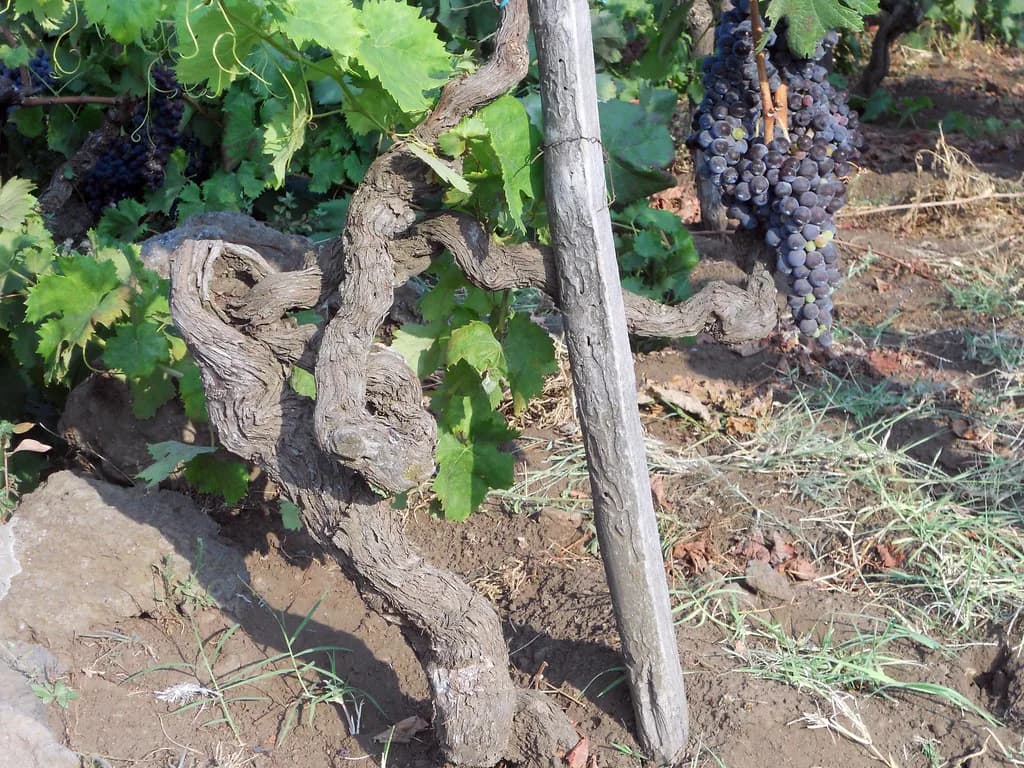
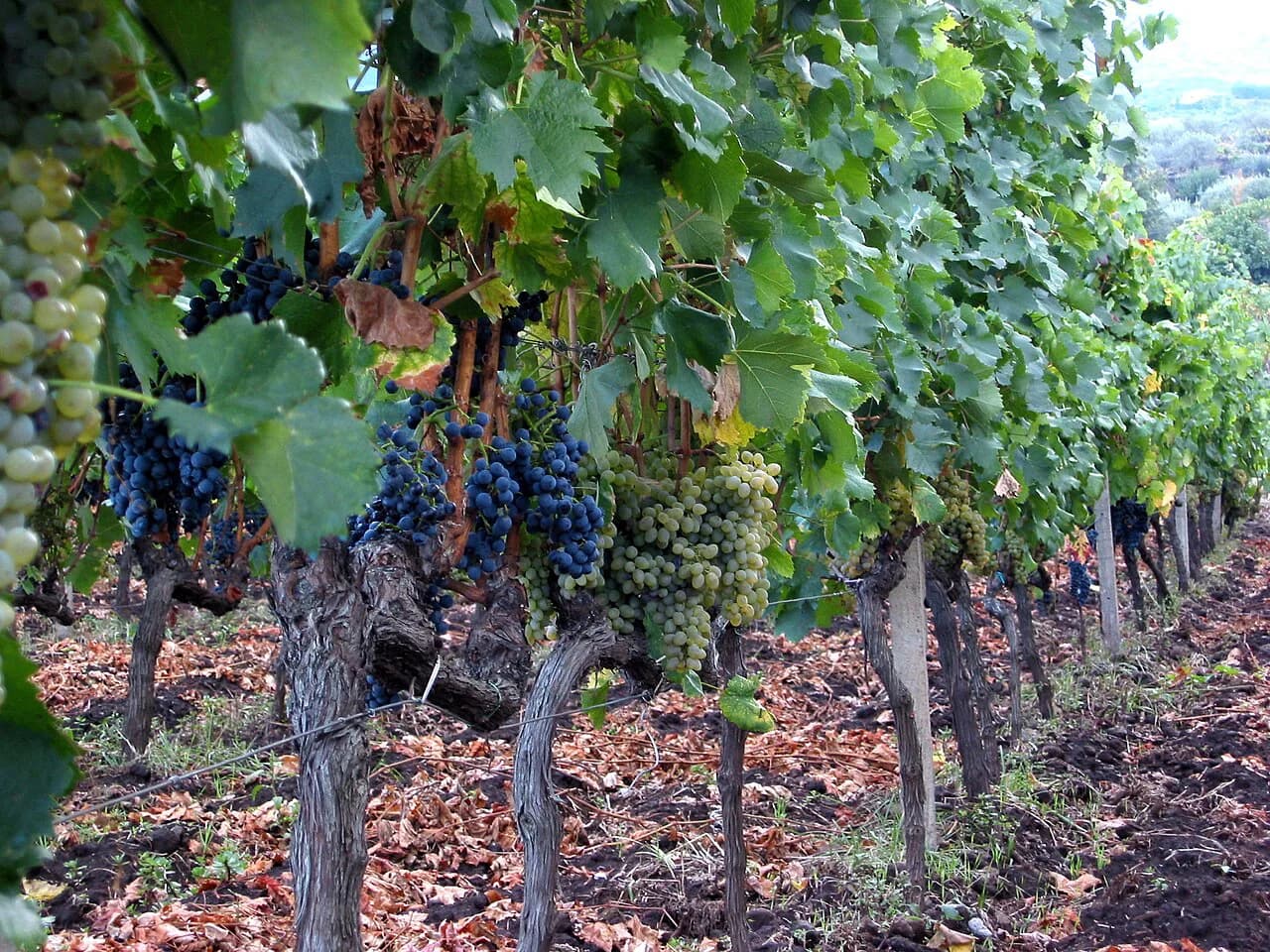
Etna DOC is the appellation to look for on labels, and the reds and rosés are built mainly on Nerello Mascalese, often with Nerello Cappuccio in the blend. The whites lean on Carricante, which also appears in sparkling form at some estates. These native varieties are the reason Etna tastes unlike anywhere else in Sicily, where Nero d'Avola and Grillo dominate further south and west.
The word contrada on a label refers to a named vineyard site, and Etna producers increasingly bottle single-contrada wines to show how elevation, exposure and old lava flows change the result. The Grape Pursuit describes how this site-focused approach reshaped local winemaking, with named plots studied for their soil and position on the mountain. When you book, ask whether the tasting includes contrada bottlings or only entry-level wines, because that single question often separates two very different visits at the same estate.
East-Slope Wineries Closest to Taormina
The eastern side of Etna is the practical choice for a shorter day from Taormina, since the access roads run toward Catania and Linguaglossa rather than around the mountain's far side. Benanti, at Via Giuseppe Garibaldi 361 in Viagrande, is a substantial estate with vineyard holdings across the appellation, and it is easily reached from the Catania side. Guided tours and tastings with local food are offered every day except Mondays according to The Wine Chef, which makes Monday a poor day to target this address. If you enjoy town-based tasting as well as estate visits, the montepulciano wineries offer a comparable model of walkable cellars within a historic center.
Gambino Vini, in Contrada Petto Dragone at Linguaglossa, sits on the eastern slopes with views back toward the coast and is described as one of the more accessible estates from Catania or Taormina. Its range covers Etna DOC reds alongside unexpected plantings such as Nero d'Avola and Cabernet Sauvignon, useful if you want a broad introduction rather than a single-variety deep dive. Pairing Benanti and Gambino in one day keeps driving on the eastern approach roads instead of circling the volcano.
North-Slope Estates Around Randazzo and Passopisciaro
The northern slope, centered on Randazzo and the village of Passopisciaro, holds the densest cluster of estates that welcome visitors, which makes it the strongest choice for a full day or an overnight. Tenuta delle Terre Nere, on Strada Comunale Calderara near Randazzo, receives visitors by reservation from Monday to Friday, so weekend requests need a different plan. The Grape Pursuit sampled a five-wine entry-level tour there that included premier cru bottlings, which shows why it pays to ask which tier you are booking.
Vini Franchetti Passopisciaro, at Contrada Guardiola in Castiglione di Sicilia, offers visits ranging from a classic vineyard tour and tasting to a deeper program on the area's winemaking history. The estate takes bookings through its website or by phone at +39 0942395449, and tastings focus on contrada Nerello Mascalese from named sites. If understanding terroir is the point of your trip, this is the address where that lesson is most explicit.
Donnafugata's Randazzo cellar, established in 2016 on the northern slopes, welcomes guests year-round for a vineyard and cellar walk followed by a guided wine and food tasting in a small enoteca. It suits mixed groups where not everyone is a serious collector, since the format is structured and the setting is comfortable. Pietradolce, also on the north slope, works old vines and a modern art-filled winery, and requests for visits go by email to info@pietradolce.it.
Tenuta Tascante, at Contrada Rampante, runs tastings built around Etna varieties and also pours a flight of olive oils from the company's different estates, a useful change of pace mid-day. Planeta Sciaranuova hosts tasting experiences and lunch on its restored estate and is known for its summer festival in the vineyard theater. Both are north-side addresses, so slot them into the same loop rather than mixing them with east-slope stops.
Two smaller addresses on this side need a specific approach. I Vigneri di Salvo Foti offers only a limited number of guided tours combining a vineyard walk, the old winery and a tasting, so availability rather than price is the constraint. Tenuta Le Sciarelle, on the southeastern slopes, arranges wine tastings, cooking classes, fine dining and events for groups of 15 or more, which makes it a fit for organized parties rather than couples traveling alone.
A South-Side Option: Firriato's Cavanera Etnea
Firriato's Cavanera Etnea wine resort sits on Etna's northern versant and combines lodging, a wine bar and tastings, vineyard and winery tours, and classes open to day visitors as well as overnight guests. The property includes a pool and century-old vines, and the company holds a certified carbon-neutral status in Sicilian winemaking. Committing to this estate usually means a longer loop from Taormina, so it works best as an overnight or as the anchor of a two-day plan rather than a quick add-on.
La Gelsomina, a farmhouse winery with guestrooms overlooking terraced vineyards, also accepts day visitors for tours and tastings paired with local cheeses, salumi and olive oils. If your group wants one relaxed estate with food and a place to stay afterward, this format removes the pressure of a return drive. Pair it with other estates on the same side of the mountain rather than treating the slopes as one continuous day.
What a Visit Actually Looks Like
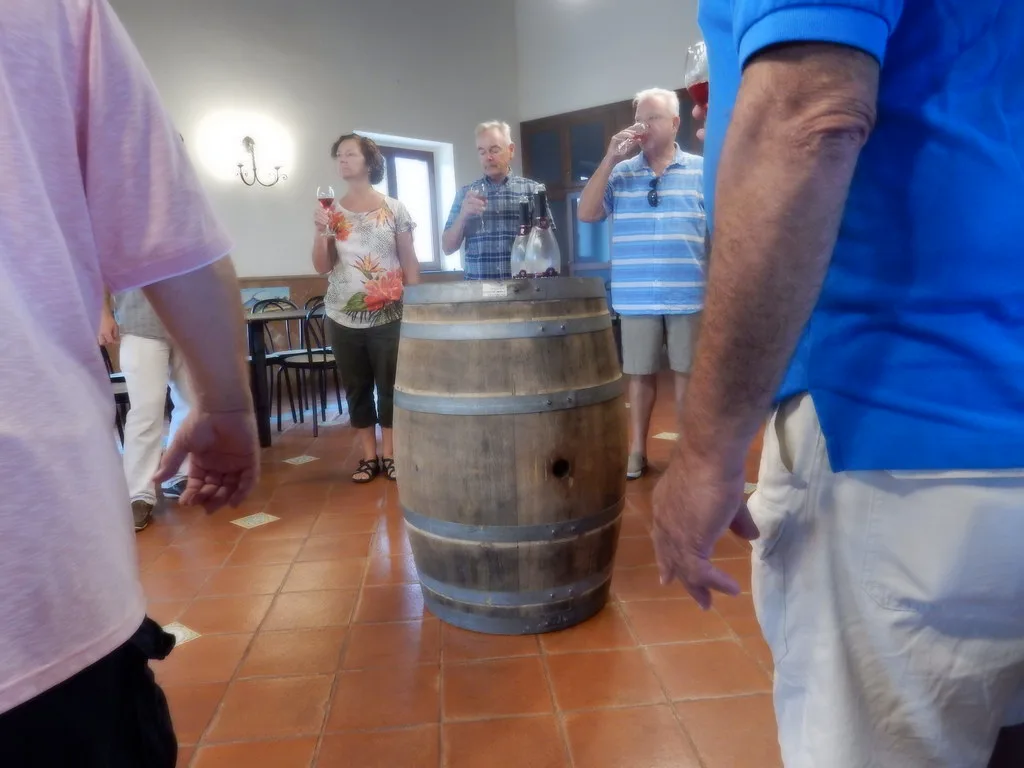
Most Etna visits follow a similar shape: a walk through the vines or a look at the cellar, then a seated tasting with local food, often bread, cheese, salumi or olive oil. The Wine Chef describes the local style as generous and convivial, with producers walking guests through vineyards and opening several bottles rather than pointing at photographs. Budget a half day for one estate with a meal and a full day for two, and expect the drive to consume more of the schedule than you think.
Tasting formats vary more than they appear online. Benanti's tour and food pairing is a structured, daily operation with an in-house kitchen, while smaller estates pour what is open and adapt to the group. Tenuta Tascante adds an olive-oil flight, and Planeta offers lunch-based experiences. Ask before booking how many wines are poured, whether the cellar is included and whether food is served, since these three details determine whether a visit lasts ninety minutes or three hours.
Appointment Culture: How Far Ahead to Ask
Reservations are the norm on Etna, and several estates state their access rules plainly. Tenuta delle Terre Nere takes bookings for Monday to Friday visits, Pietradolce handles requests by email, Vini Franchetti takes bookings online or by phone, and I Vigneri releases only a limited number of guided tours. Donnafugata's Randazzo cellar, by contrast, invites guests year-round, which makes it a sensible fallback when other estates are full.
In practice, book the estate before you book the transport, because a confirmed tasting time determines the whole day's geometry. Ask about group size limits and language of the tour when you write to the estate, and mention if you are coming from Taormina so they can suggest a realistic slot. During harvest, which falls in the autumn, and in the busy spring and early-autumn travel windows, earlier requests give you more choice of times.
Prices, seasonal closures and any changes to published visiting days are best confirmed directly with the estate when you book; several producers publish these details only on their own booking pages. Confirm the current details once, in the same email where you request your time slot, and you will not need to chase them again.
Getting There Without Driving
Organized wine tours from Taormina remove the driving question entirely, handling the transfers and the appointments and often pairing two or three estates in a day. The trade-off is fixed itineraries and fixed departure times, and the group pace may not suit anyone who wants a long lunch in the vines. Tour offerings and prices change by season and operator, so compare current options and inclusions before booking.
Doing it independently means a train or bus toward Catania or Linguaglossa and then a taxi for the final stretch, since public transport does not reach cellar doors on the mountain. That is workable for one estate in the east-slope zone and clumsy for the northern villages, where you may need two taxis or a pre-arranged return. Agree the pickup time and place with the driver before you start tasting, and keep the number of a local taxi company saved. If nobody in the group wants to drive, the tour option is usually the cleaner decision.
If you do drive, the driver should not taste: use the spittoons, or split the group so one person stays alcohol-free for the day and everyone else relaxes. Hiring a car with a designated driver among the group works well for the north slope, where the roads between Randazzo and Passopisciaro link several estates in a short chain.
One Day or Two: Grouping by Slope
For a single day from Taormina, pick the eastern side: one estate such as Benanti or Gambino Vini with a cellar tour and food, plus a second short stop if time allows. This keeps the return leg simple and leaves margin for a late lunch, which on Etna tends to run long. Trying to reach both the east and north slopes in one day means hours in the car and rushed tastings.
With two days, give one full day to the north slope, linking a Randazzo-area estate with a Passopisciaro visit, and use the second for the east or for a longer stay at a resort estate like Cavanera Etnea. Staying overnight on the mountain, in Randazzo or at a winery guesthouse, turns the second day into a relaxed morning tasting instead of another round trip from the coast. This is also the better structure if you want to visit three or more estates.
Practical Notes for the Season
Harvest on Etna brings activity and color to the vineyards but also occupies the people who normally lead visits, so ask early and accept less flexible times. Spring and early autumn draw the heaviest visitor numbers to Taormina and the mountain, and weekends fill fastest at the well-known northern estates. Winter visits can be wonderful but fewer addresses operate daily programs, and snow on the higher roads is possible.
When you book, ask four things: how many wines are poured, whether the vineyard or cellar is included, whether food is served, and what happens if you arrive late from the coast. If you are traveling on a Monday, route your day to an address with published Monday opening hours. Wine quality aside, the visit that fits your available hours is the one you will enjoy.
Plan Your Etna Wine Day
Taormina rewards travelers who treat the wine day as a logistics exercise first: choose one slope, reserve one or two estates, and settle the transport before you commit to tasting times. The eastern side suits a short day, the northern villages around Randazzo and Passopisciaro reward a full day or an overnight, and resort estates on the mountain change the pace entirely.
Keep the driver sober, confirm your booking details directly with the estate, and leave room for a long lunch. Done that way, a day trip from the coast becomes the most memorable meal and the most useful wine education of a Sicilian trip.
Frequently Asked Questions
Can you visit Mount Etna wineries from Taormina without a car?
Yes, but not by public transport alone. Organized tours from Taormina handle transfers and appointments, while independent travelers can take a train or bus toward Catania or Linguaglossa and finish by taxi. For the northern villages around Randazzo and Passopisciaro, a pre-arranged taxi or a tour is the realistic option.
Do Etna wineries require reservations?
Most do. Tenuta delle Terre Nere takes bookings for Monday to Friday visits, Pietradolce handles requests by email, I Vigneri releases only a limited number of guided tours, and Vini Franchetti books online or by phone. Donnafugata's Randazzo cellar invites guests year-round, which makes it a useful fallback.
What wine is Mount Etna known for?
Etna DOC reds and rosés built mainly on Nerello Mascalese, often with Nerello Cappuccio, and whites based on Carricante. Some producers also make traditional-method sparkling wine from Carricante.
Which slope of Etna is closest to Taormina?
The eastern side, reached via the roads toward Catania and Linguaglossa, is the shortest transfer and suits a half-day or one-day visit. The northern slope around Randazzo and Passopisciaro has the densest cluster of visitor-friendly estates but rewards a full day or an overnight stay.
How long does an Etna wine visit take?
Plan on roughly half a day for one estate with a cellar visit and food, including the drive from Taormina. Two estates in a day is possible on the same slope if you book consecutive times and keep lunch short. Confirm the format when booking, since tour length and food service vary by estate.
When is harvest on Mount Etna?
Harvest falls in the autumn, when estates are busiest in the cellar and less flexible with visit times. Book earlier than usual if you travel in that window, and expect spring and early autumn to be the most crowded periods in Taormina and on the mountain.
What does contrada mean on an Etna wine label?
Contrada is a named vineyard site. Producers bottle single-contrada wines to show how elevation, exposure and old lava flows change the wine, which is why two Nerello Mascalese bottles from the same estate can taste quite different.
Who should not drive on an Etna wine day?
Anyone who intends to taste. Use spittoons, appoint a designated driver who stays alcohol-free, or book a tour so nobody drives after drinking.
Sources
Notes for your next wine trip
Optional updates to our winery and wine-town guides.
You might also like
Continue reading
More guides you'll find useful