Tenuta delle Terre Nere: Booking an Etna Winery Visit
Tenuta delle Terre Nere on Etna's north slope welcomes visitors by appointment. Compare tasting formats, published prices and the drive from Taormina.
On this page
Tenuta delle Terre Nere is one of the north slope's established Etna estates, and it is the kind of visit that rewards planning: tastings run by appointment only, and the formats differ sharply in length and price. This guide sets out what the winery and its booking operator publish about visits, so you can pick a format and build a realistic day around it.
Read it alongside a broader look at wine tasting in taormina if you are still choosing a base, because the estate sits well north of Taormina and the journey shapes the day as much as the tasting does.
Why this estate matters for an Etna wine day
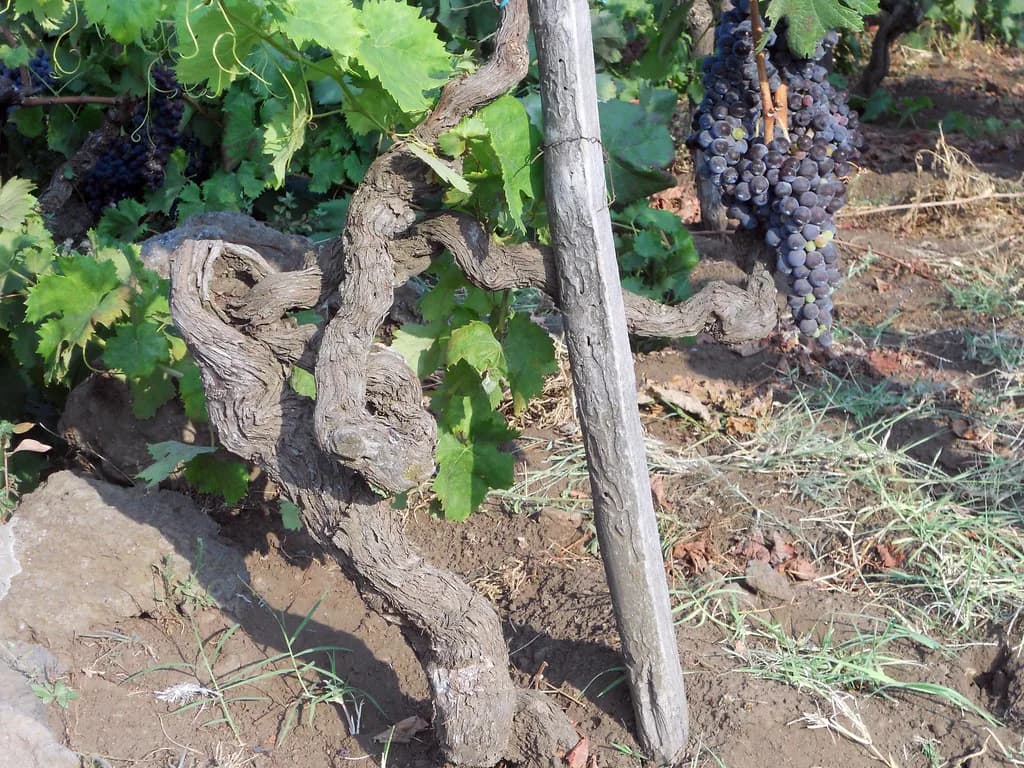
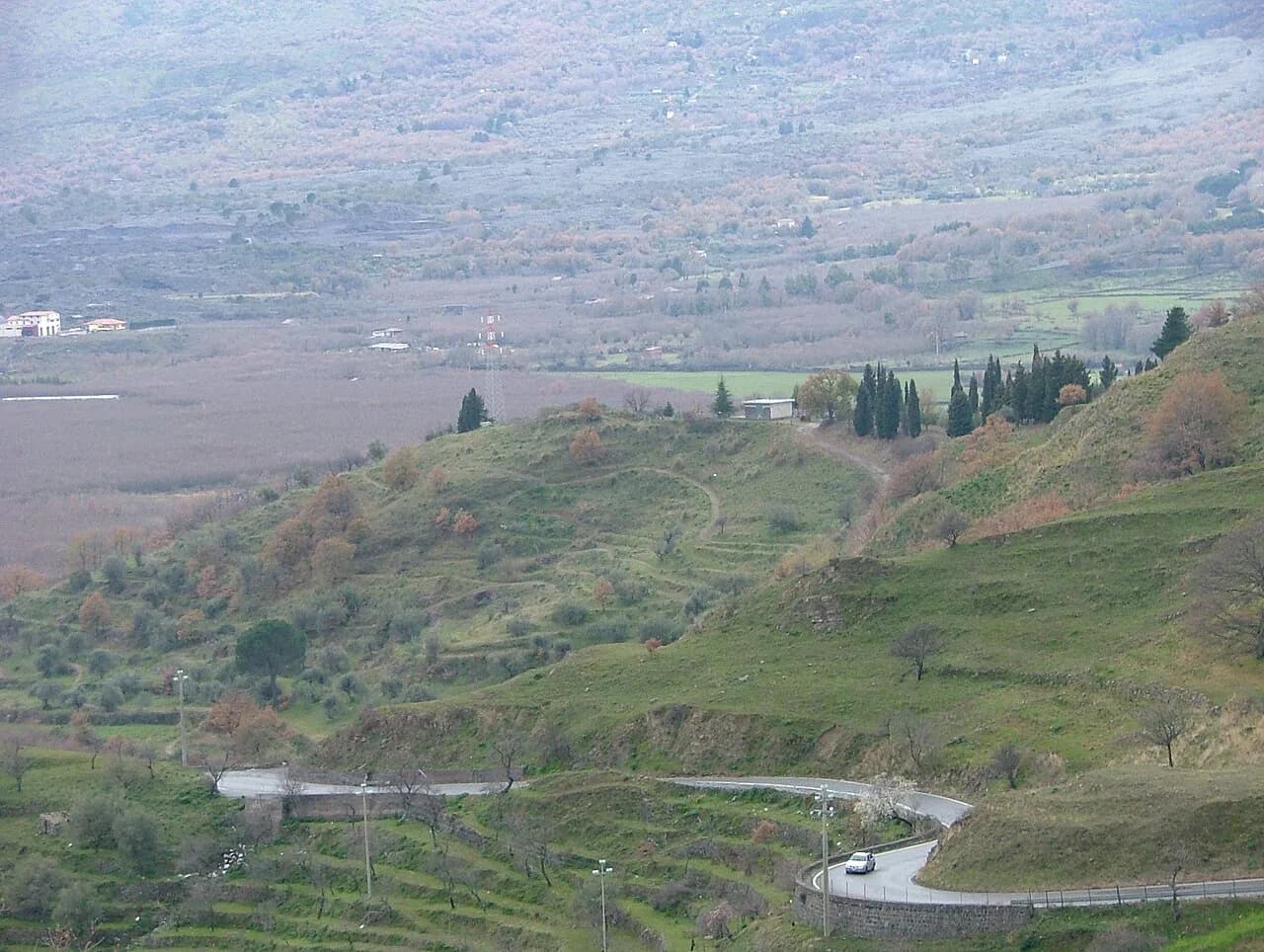
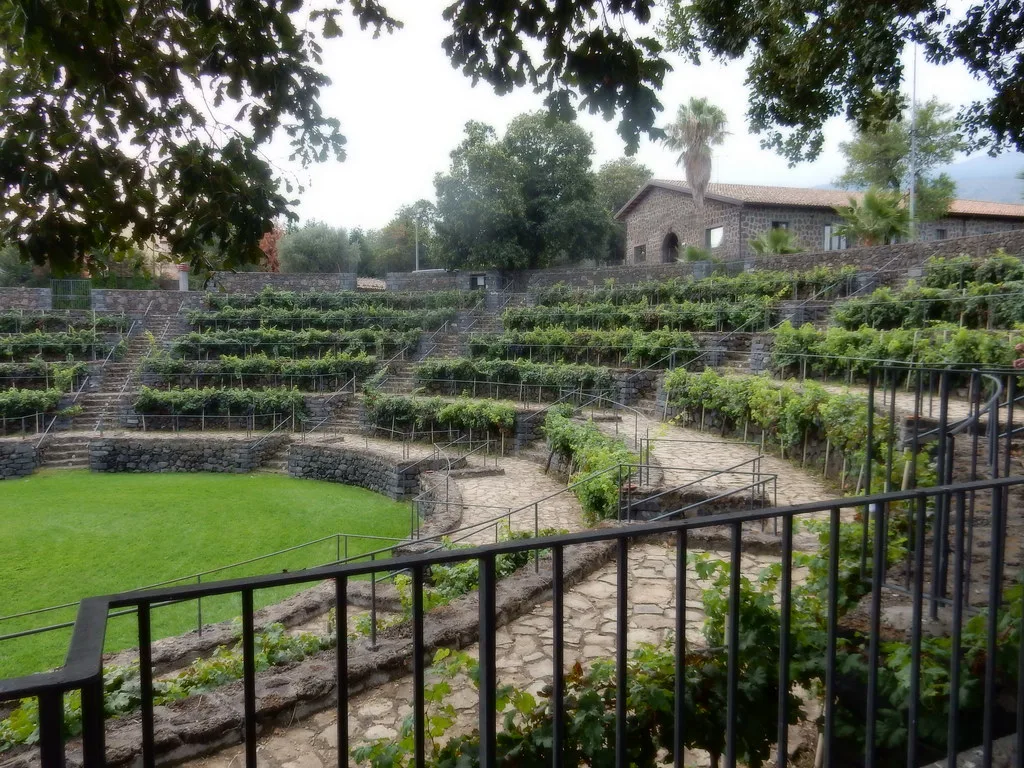
The property lies on the northern slopes of the volcano, with vineyards spread between the village of Solicchiata and the town of Randazzo, an area the estate and its booking page describe as historically recognized for fine red wines. The estate covers over 55 hectares divided into 24 parcels across four crus, with 27 hectares in production and vines mostly between 50 and 100 years old, plus one parcel that survived phylloxera.
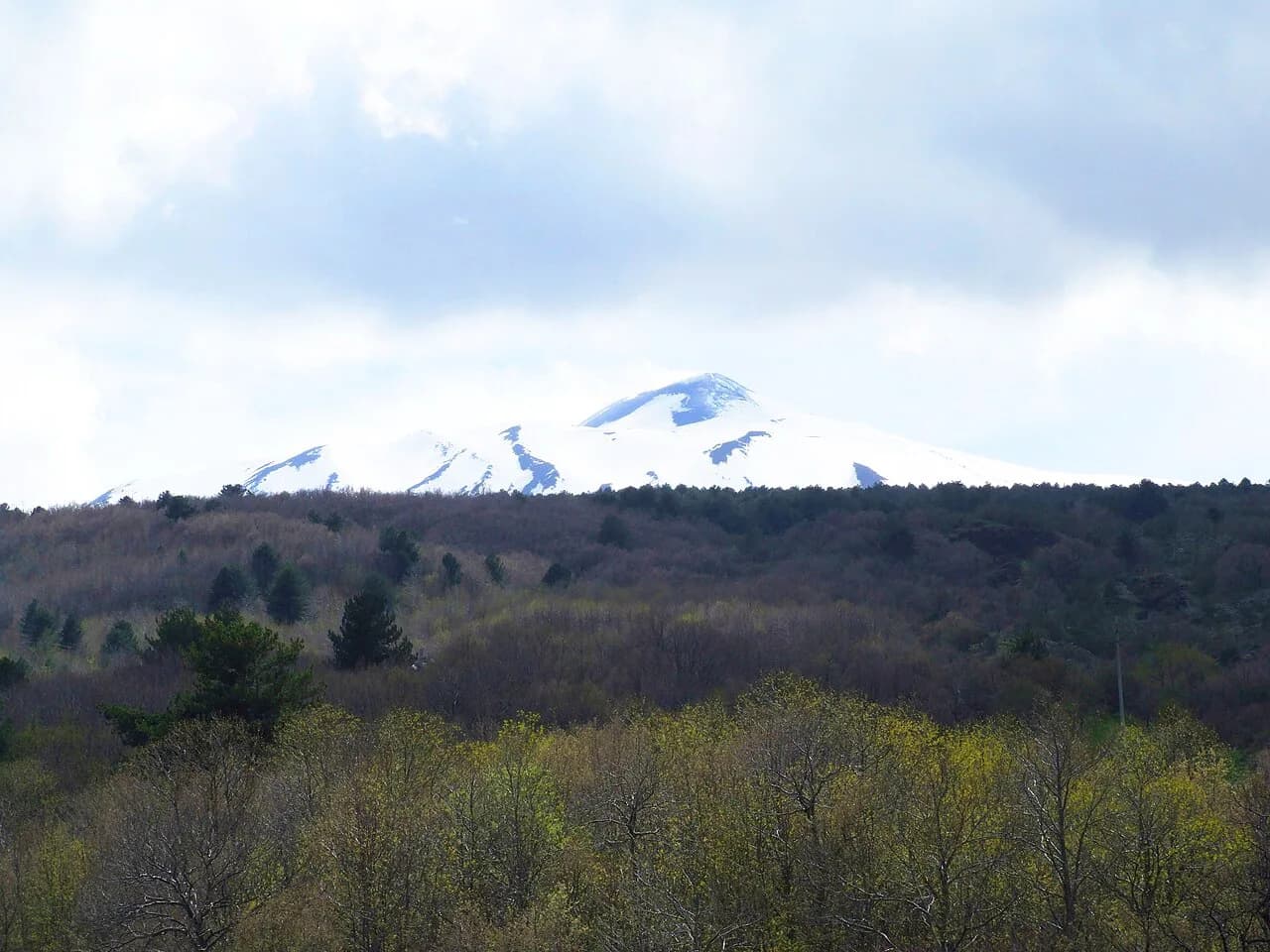
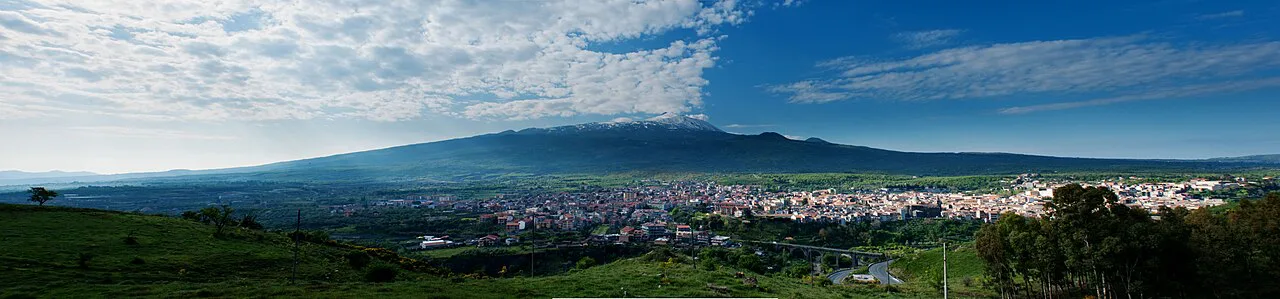
The winery's own account of the territory explains why the north side has a reputation distinct from the southern and eastern slopes: vineyard altitudes run from about 400 meters up to above 1,000 meters, day-to-night temperature swings are wide, and rainfall is several times the Sicilian norm.
Where it is relative to Taormina and other base towns
Contrada Calderara, the estate's address, is in Randazzo's territory on the north side of Etna. From Taormina this is a substantial cross-mountain drive rather than a short hop: you circle the volcano via the Catania or Linguaglossa side, and the return trip eats a large share of the day.
Travelers based in Catania have a shorter run up the north slope, and anyone staying in Randazzo or Linguaglossa is practically next door. If your trip revolves around Etna, treat the north slope villages as a separate day from Taormina's seafront rather than trying to bolt the visit onto a beach morning; the same north-slope logic is worth applying when planning wine tasting in Catania and weighing which side of the volcano to base yourself.
For the wider picture of which estates cluster on which slope, browse taormina wineries and group the north-slope addresses together so you are not crossing the mountain twice in one day.
The appointment-only rule and how to request a visit
Guests are welcomed for tastings and visits with previous appointment, and the estate's contact page lists a dedicated visits address, visite@tenutaterrenere.com, alongside a telephone number. Write in English or Italian, state your preferred date and time window, the number of people, and which tasting format interests you.
Include anything that affects scheduling: whether you need a language other than Italian, whether anyone in the party is a wine professional, and whether you are arriving by taxi or driver so the estate can advise on timing. A confirmed appointment is the difference between a tasting and a closed gate, so treat the reply as the green light.
Tasting formats compared
The published range runs from a short introductory visit to a long private tasting. The entry format, Cellar & Vineyard, lasts 1 hour 30 minutes and combines a quick vineyard walk, a look inside the new cellar and a guided tasting of the estate's wines. The mid-length options, Terre Nere and Multi-faceted Etna Bianco, run 2 hours and focus respectively on the full range of red, white, rosé and cru wines, or on single-vineyard whites from the different slopes.
The 2-hour-30-minute formats go deeper: Retrospective compares two vintages each of Etna Bianco and Etna Rosso, Terre Nere Grand Crus includes a visit to both contrade and an extremely old vineyard, and the Exclusive Tasting is a private session covering Etna Bianco, Etna Rosso and contrada wines at different altitudes with a short cellar visit. A separate Contradas format is listed for wine professionals only, so leisure visitors should not book it.
What each format includes and party limits
Every listed format caps capacity at 2 to 10 people and is offered in English, Spanish, French and Italian, which makes the estate workable for small groups but awkward for large parties without splitting up. Wines poured vary by tier: the intro uses a roulette-style selection, the Grand Crus tasting includes Etna Rosso San Lorenzo and Calderara Sottana plus the pre-phylloxera bottling, and the private Exclusive Tasting adds contrada wines from different altitudes.
Decide based on what you want from the day: a 90-minute cellar-and-vineyard introduction fits a tight schedule, while the longer tastings suit anyone who wants to compare sites rather than simply try the range. Ask when booking which wines are actually open on your date, because older vintages and pre-phylloxera bottlings depend on what the estate has to pour.
Published prices and what they cover
The Winerist booking page lists the Cellar & Vineyard format from €35, Terre Nere and the Etna Bianco comparison from €50 each, Retrospective from €60, Contradas from €80, Terre Nere Grand Crus from €90 and the private Exclusive Tasting from €140. The word "from" matters: these are starting figures published by Winerist, and the final quote comes with your booking confirmation.
The same listing states that guests need to give 30 days' notice of cancellation to receive a full refund on these tastings, so fix your dates before paying. Some booking platforms advertise shorter free-cancellation windows on other products; that general policy does not override the estate's 30-day term.
The Winerist page also shows a Monday-to-Friday 09:00-17:00 window, which reads as booking-office hours rather than tasting slots. Etna visits often run at weekends in harvest season, so ask Tenuta delle Terre Nere directly about the day you want rather than treating the office hours as the visiting hours.
The contrade and crus system, simply explained
Etna's fine-wine culture is built on contrade, named vineyard sites with their own soils, altitude and exposure, and the best fruit from the oldest vines in Tenuta delle Terre Nere's four crus is vinified and bottled separately after 16 to 20 months in wood. That is why a tasting can move from a blended Etna Rosso to single-site bottlings such as Calderara Sottana and San Lorenzo within the same flight.
The estate's own site breaks the range into classic DOC wines, Premier Cru bottlings from sites like Feudo di Mezzo, Moganazzi, Santo Spirito and Guardiola, and Grand Cru wines from Calderara Sottana and San Lorenzo, which gives you a vocabulary for reading the tasting list when you choose a visit.
If site-specific tasting interests you, the Grand Crus format is the one built around that comparison, while the shorter formats give a broader overview. Budget accordingly rather than assuming the cheapest tasting covers the crus.
Etna wines in brief
All of the estate's wines are DOC Etna and come from local varieties: Carricante for the whites, Nerello Mascalese and Nerello Cappuccio for the reds and rosato. Etna Bianco is the white, produced here in more than one version and, unusually, from single vineyards on all three slopes of the appellation; Etna Rosso blends the two Nerello grapes, and Etna Rosato is made from Nerello Mascalese.
Harvest on Etna is late by Sicilian standards, often running into October and sometimes later, which is worth knowing if you visit in early autumn and hope to see picking under way.
Getting there without driving
There is no straightforward rail link to the estate's doorstep, and the practical alternatives are a private driver, a pre-arranged taxi, or an organized tour that includes the north slope. Ask your driver to wait: the estate sits in open countryside near Randazzo, and finding a passing taxi back toward Taormina at the end of a tasting is not something to count on.
If you would rather let someone else handle the mountain roads and the logistics, compare taormina wine tours that specifically name north-slope estates, since many standard routes concentrate on the southern access.
Independent visit versus tour
An independent booking gives you control over the format, the time and the pace, and lets you add a second north-slope stop such as Pietradolce on Mount Etna, or cottanera winery near Castiglione di Sicilia, on the same drive. The trade-off is that you arrange transport, timing and a designated driver yourself.
A tour bundles transport and often a second estate, which solves the driving question entirely and usually costs more than paying entry fees individually. On a cross-mountain day from Taormina, that convenience is often the deciding factor.
Booking timing and seasonal notes
Because tastings are by appointment and capped at 10 people, fixed dates in spring and autumn fill early, and harvest-season weeks are busiest. Contact the estate several weeks ahead for a weekend slot, and longer for a group of six or more.
Etna weather changes quickly with altitude, and tastings involve walking through vineyards and cellar areas, so bring a layer and shoes that handle uneven volcanic ground. If a visit is confirmed for late October, ask whether harvest activity might affect the route through the vines.
Pairing the visit with a Randazzo lunch
Randazzo is the natural anchor for a north-slope day: it is a real town with restaurants and services, unlike the vineyard lanes around Solicchiata. Book lunch either before a late-morning tasting or after an early one, and leave slack for the drive back around the mountain.
Two estates in one day is realistic on the north slope if you choose a short format here and a second appointment nearby; tacking on a southern-slope winery as well usually means hours in the car.
Plan Your Visit
Request your date directly by email, choose the format that matches how much time you want in the vineyards, and confirm the current price and cancellation terms when the estate replies. Then sort out transport: on Etna, the driver question comes before the wine list.
Whoever is driving should not taste; use the spittoons, book a driver or join a tour, and save the glass for when the car is parked for the night.
Frequently Asked Questions
Do you need to book Tenuta delle Terre Nere in advance?
Yes. The estate welcomes guests for tastings and visits only with a previous appointment, and requests go to its dedicated visits email address or by telephone. Weekend slots and larger parties are worth requesting several weeks ahead.
How much does a tasting at Tenuta delle Terre Nere cost?
The booking operator publishes starting prices that range from the short cellar-and-vineyard introduction up to the private Exclusive Tasting, with mid-tier formats in between. Because these are "from" figures, confirm the final amount and what it covers when the estate confirms your booking.
How long does a visit to Tenuta delle Terre Nere take?
The published formats run 1 hour 30 minutes for the introductory cellar-and-vineyard visit and 2 to 2 hours 30 minutes for the estate, vintage-comparison and private tastings. Add the drive from Taormina, which is a substantial cross-mountain trip each way.
What wines are poured at Tenuta delle Terre Nere?
The range is all DOC Etna, made from Carricante for the whites and Nerello Mascalese and Nerello Cappuccio for the reds and rosato. Which specific bottles you taste depends on the format, from a broad introduction to single-contrada and old-vine bottlings.
How do you get to Tenuta delle Terre Nere from Taormina without a car?
There is no simple train connection to the estate, so the realistic options are a private driver, a pre-booked taxi that waits, or an organized Etna tour that includes the north slope. Whichever you choose, arrange the return leg in advance.
What is the difference between Etna Rosso and Etna Bianco?
Etna Bianco is the white, based on Carricante and produced here in several versions including single-vineyard wines. Etna Rosso blends Nerello Mascalese and Nerello Cappuccio, while Etna Rosato is made from Nerello Mascalese.
What are the contrade or crus at Tenuta delle Terre Nere?
Contrade are named vineyard sites with distinct soils, altitudes and exposures. The estate farms four crus, and its top bottlings come from old vines at sites such as Calderara Sottana and San Lorenzo, released as Premier Cru and Grand Cru wines.
Sources
Notes for your next wine trip
Optional updates to our winery and wine-town guides.
You might also like
Continue reading
More guides you'll find useful